
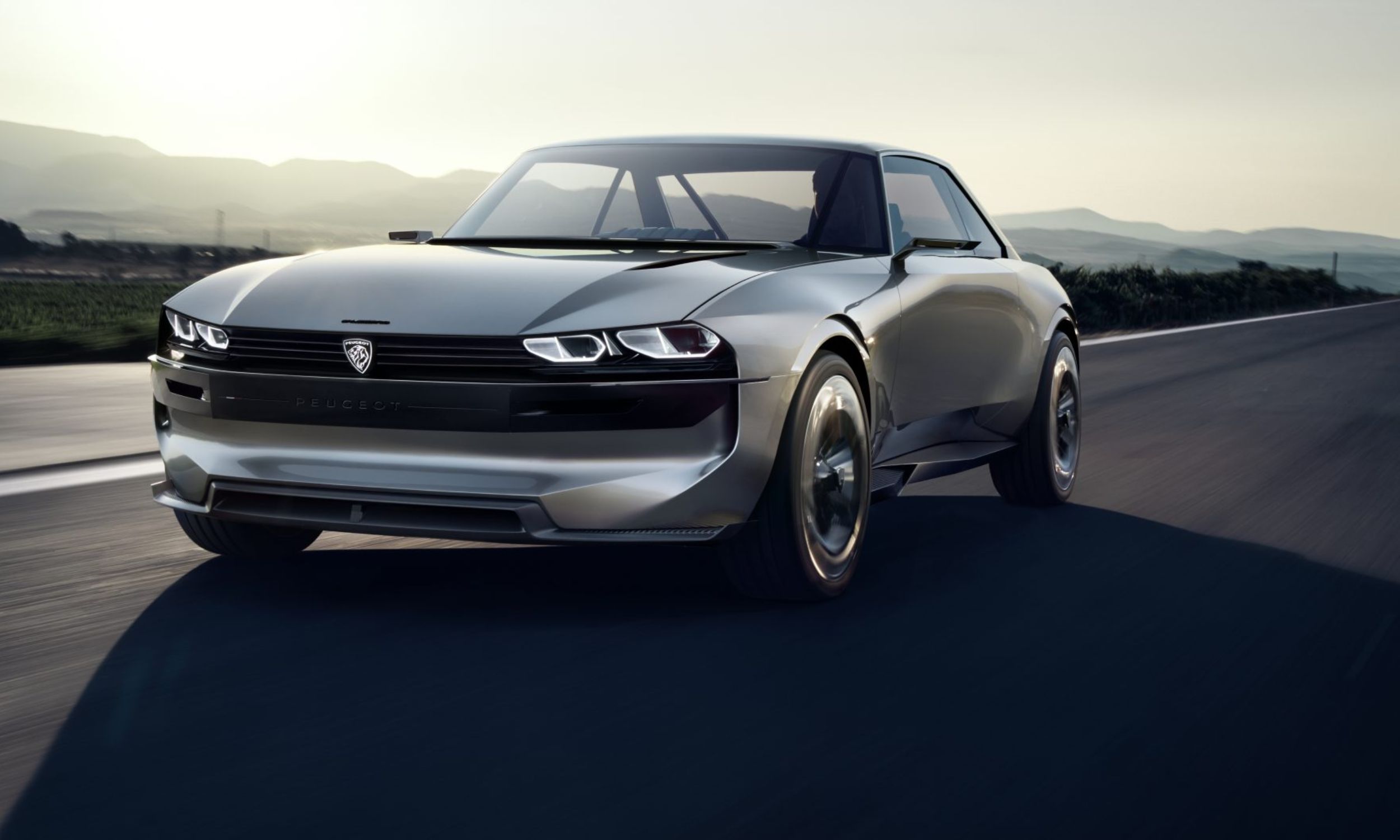
Looking back at car brochures from the nineteen fifties and sixties brings a warm sense of memory. Images were bold, language was dramatic, and the vehicles looked ready for a space film. Shiny chrome covered every surface. Tall fins reached upward. Instrument panels felt closer to aircraft controls than family transport.
Car makers were selling dreams rather than simple travel. Each year brought designs people had never seen before, and engineers enjoyed the freedom that would alarm modern safety boards. Style draws attention, yet the deeper appeal sits beneath the bodywork. Mechanical choices often surprised drivers, sometimes confusing them, sometimes solving real needs.
With few rules guiding design, creators experimented freely. Cooling systems lacked common use. Electric aids were rare luxuries. Digital parts were unknown. Builders relied on levers, springs, clever seals, and hidden spaces to handle daily challenges without screens or coded systems.
Years later, many of these ideas vanished. Rules became stricter. Legal worries expanded. Software replaced gears and cables. Cars grew alike, predictable, and carefully controlled. While present-day vehicles protect occupants better and pollute less, creative risk has faded.
Something playful slipped away as uniform thinking took charge. This collection highlights ten machines shaped by a mindset.
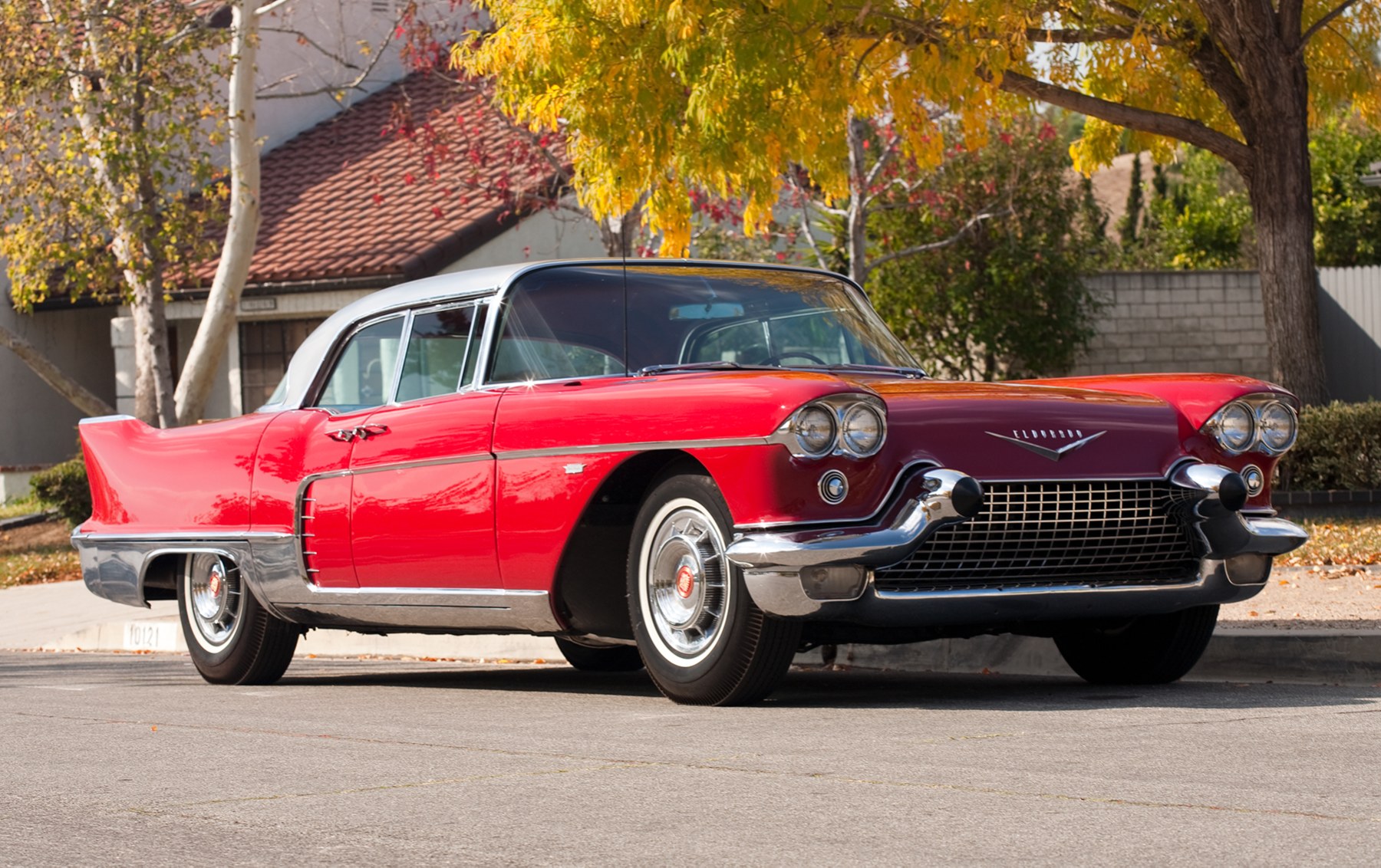
1. 1957 Cadillac Eldorado Brougham
Estimated Price $250,000-$450,000
- Engine: 6.0L V8
- Torque: 400 lb-ft
- Horsepower: 325 hp
- Size: 216.3 inches Long x 78.5 inches Wide
Arriving at a black-tie evening in 1957 could feel theatrical when the driveway held a Cadillac Eldorado Brougham. Before leaving the seat, the glove box dropped open and four metal cups locked to magnets. Drinks were poured, shared, and the door closed without fuss, as though etiquette guided the motion.
Factory planners treated the cabin like a private club rather than transport. The cups were built in, joined by perfume, tissues, powder, and enamel vanity pieces. Ownership promised self-contained luxury where departures were optional, and comforts followed, turning travel into a polished ritual for hosts who valued ceremony deeply.
Pricing told the story loudly. At about thirteen thousand dollars new, fewer than eight hundred examples emerged across two years. Each car received careful hand finishing. Size impressed too, with a long body, wide stance, quad headlights, and a strong V8 beneath the hood that suited grand American roads perfectly.
Modern cabins skip such ideas for clear reasons. Laws punish any hint of drinking while moving, and dashboards now house sensors, manuals, and electronics. Social habits changed as well. The magnetic bar survives as proof of earnest engineering applied to indulgence with testing, care, and confidence rarely repeated today anywhere.
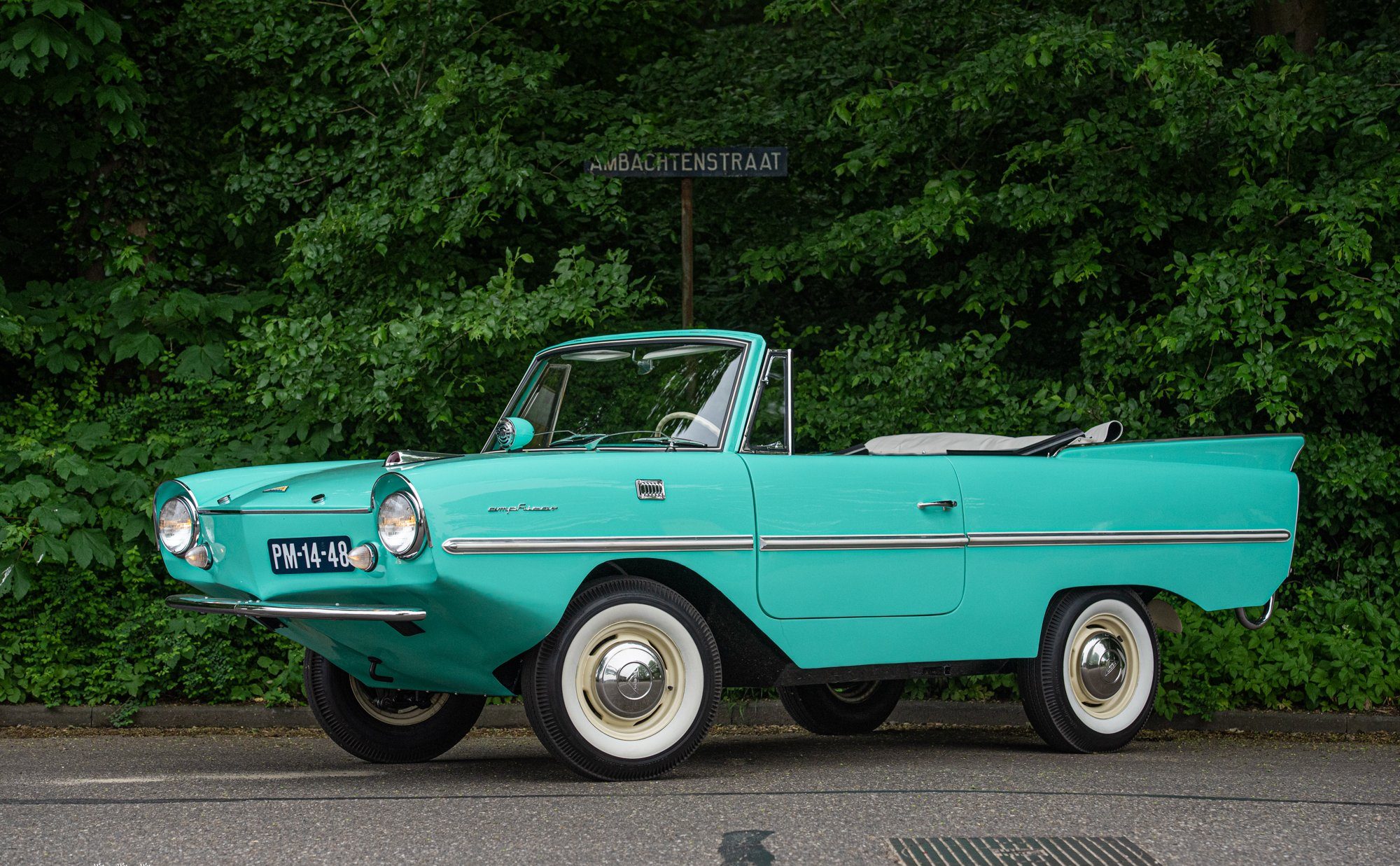
2. 1961 Amphicar Model 770
Estimated Price $60,000-$120,000
- Engine: 1.1L I4
- Torque: 65 lb-ft
- Horsepower: 43 hp
- Size: 170.3 inches Long x 61.3 inches Wide
During the early sixties, German engineers took a different direction from typical car development, focused on comfort, reliability, and road handling. The Amphicar Model 770 was created for both streets and lakes. It could roll into water, float, and keep moving without extra equipment or preparation, acting as both vehicle and boat.
Beneath the rear section sat twin plastic propellers designed for water use. While driving, they stayed inactive and protected. At the shoreline, a cabin lever switched them on. Steering also changed role, the front wheels no longer guided tires but directed movement across water, allowing slow, controlled turns during short leisure trips.
From 1961, production continued until 1968, producing fewer than four thousand units in Germany. Many were sent to America, where curiosity followed each appearance. One well-known owner, President Lyndon Johnson, enjoyed driving toward water, joking about brake failure, then floating away calmly while guests reacted in shock during private gatherings that became legendary stories among wealthy circles.
Power came from a small four-cylinder engine that handled both driving duties, sending modest output to wheels and propellers alike. Compact size helped flotation, while a sealed body tried to keep the cabin dry. Owners soon learned that rubber seals needed care. Water resistance existed, yet true dryness depended on attention, patience, and regular maintenance checks through routine inspections before and after water use
Today, manufacturers avoid building such vehicles because rules and buyer expectations raise costs, highway and marine standards demand spending on comfort features, and ingenuity stands
Also Read: 10 Best Vintage Cars for Hosting a Classic Picnic Outing
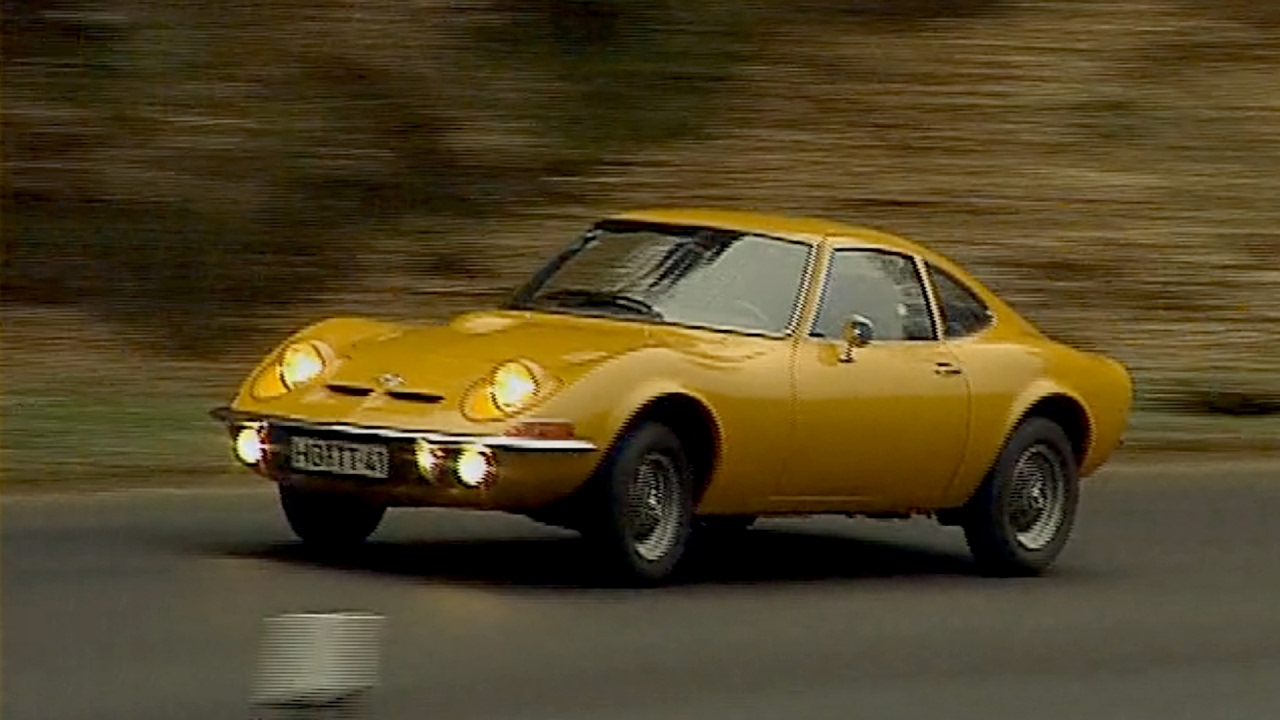
3. 1968 Opel GT
Estimated Price $12,000-$25,000
- Engine: 1.9L I4
- Torque: 115 lb-ft
- Horsepower: 102 hp
- Size: 161.9 inches Long x 62.2 inches Wide
Decades ago, hidden headlights were common on sporty cars, lasting from the sixties into the early two thousands before safety rules ended the idea. Many remember motor-driven versions of popular models. Yet one machine approached the idea with pure mechanics, offering a hands-on experience that stood apart: the 1968 Opel GT.
Instead of electric motors, this compact coupe relied on a solid steel lever placed on the console. Pulling it rotated the headlamp pods sideways through a full circle. Nothing assisted the motion. Your arm provided the force, and resistance traveled back through the linkage, making light activation a physical act.
Built by General Motors in Germany, the car reached Europe and America through Buick showrooms. Styling echoed larger American coupes, yet dimensions stayed modest, and pricing remained approachable. A small four-cylinder engine moved a light body, giving drivers enough pace to enjoy winding roads without excess weight.
That unusual headlight system came from necessity rather than flair. Designers wanted a smooth hood with no openings, leaving no space for lamps to rise upward. Engineers answered by letting the units roll sideways inside the body. What appeared dramatic was simply a workable solution to tight packaging.
Manual pop-up lights vanished for clear reasons. Electronics became cheap, removing any benefit from levers. Safety laws also demanded softer front structures to protect pedestrians, something retractable housings could not provide. As a result, both the pop-up concept and hand-operated controls have faded from production forever in automobiles today.
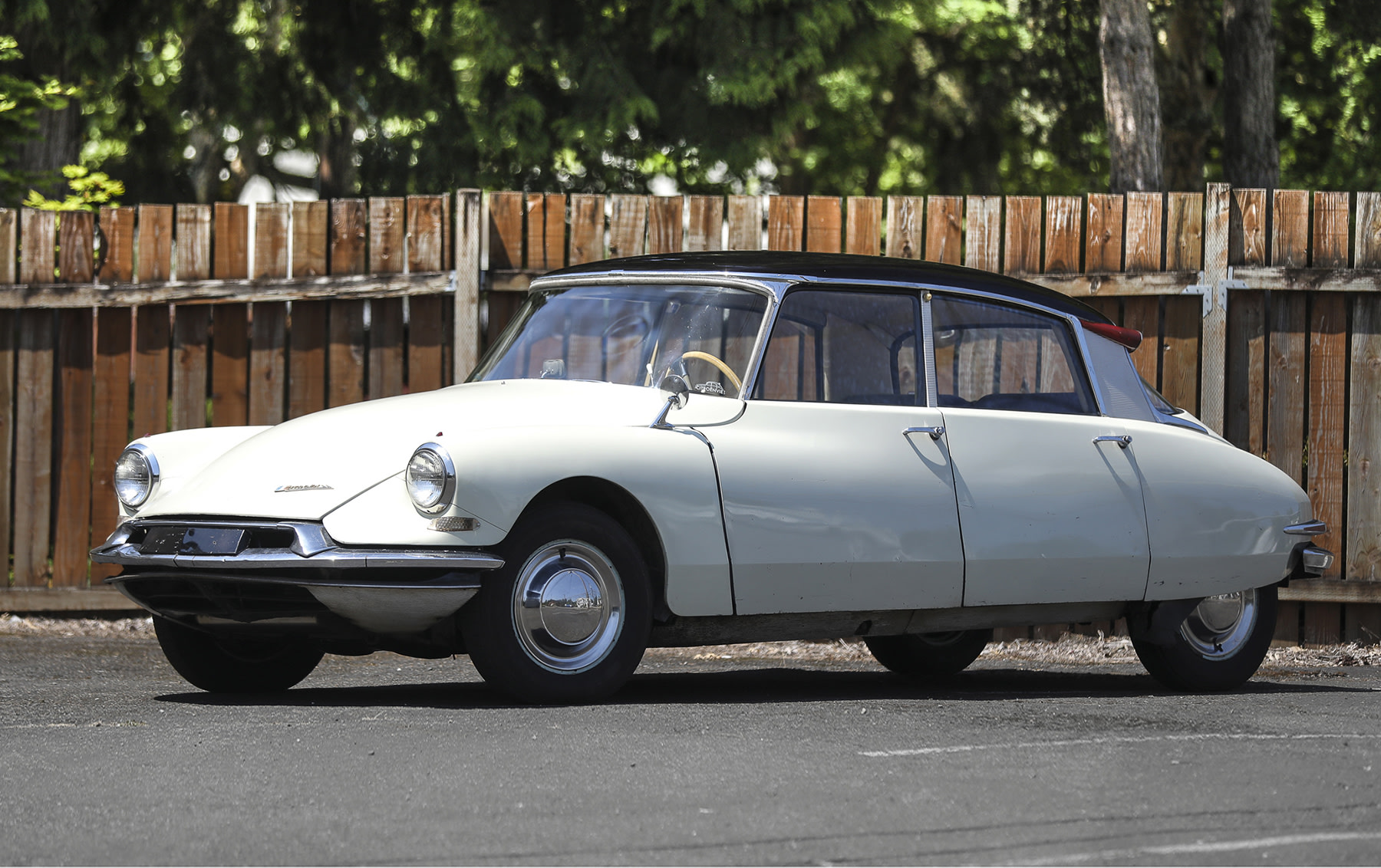
4. 1956 Citroën DS 19
Estimated Price $25,000-$60,000
- Engine: 1.9L I4
- Torque: 101 lb-ft
- Horsepower: 75 hp
- Size: 189.0 inches Long x 70.5 inches Wide
Most steering wheels follow a familiar pattern, using several spokes to link the rim to the center while also giving the horn a home. This layout supports strength and predictability. One French car from the mid-fifties ignored that formula entirely, choosing a single bar stretching across the wheel, a look closer to industrial design than tradition.
That unusual decision came from a practical aim rather than visual drama. Engineers wanted drivers to see every dial without obstruction. By using one spoke, the wheel left the instrument panel fully exposed. Speed, suspension status, and warning lights stayed visible at a glance, whether cruising highways or traveling dark rural roads after sunset.
This car has already challenged accepted thinking in nearly every area. It introduced a self-adjusting suspension that could raise or lower ride height, advanced braking hardware, and a body shaped unlike anything else nearby. Buyers responded instantly, placing thousands of orders at its first public showing. The steering wheel matched a broader belief that cars should serve drivers intelligently.
Under the hood sat a modest four-cylinder engine that suited family travel rather than raw pace. Its size placed it among the large saloons of the period, giving it a strong road presence. The one spoke wheel remained part of the interior through multiple updates before later versions adopted familiar designs during the seventies.
Modern vehicles abandoned this idea for safety reasons. Airbags demand a sturdy central hub and surrounding structure to deploy correctly during crashes. A lone spoke cannot support that requirement across impact scenarios. Current laws leave little flexibility, making such layouts impractical. That mid-century design stands as a rare case where bold thinking reached everyday production.
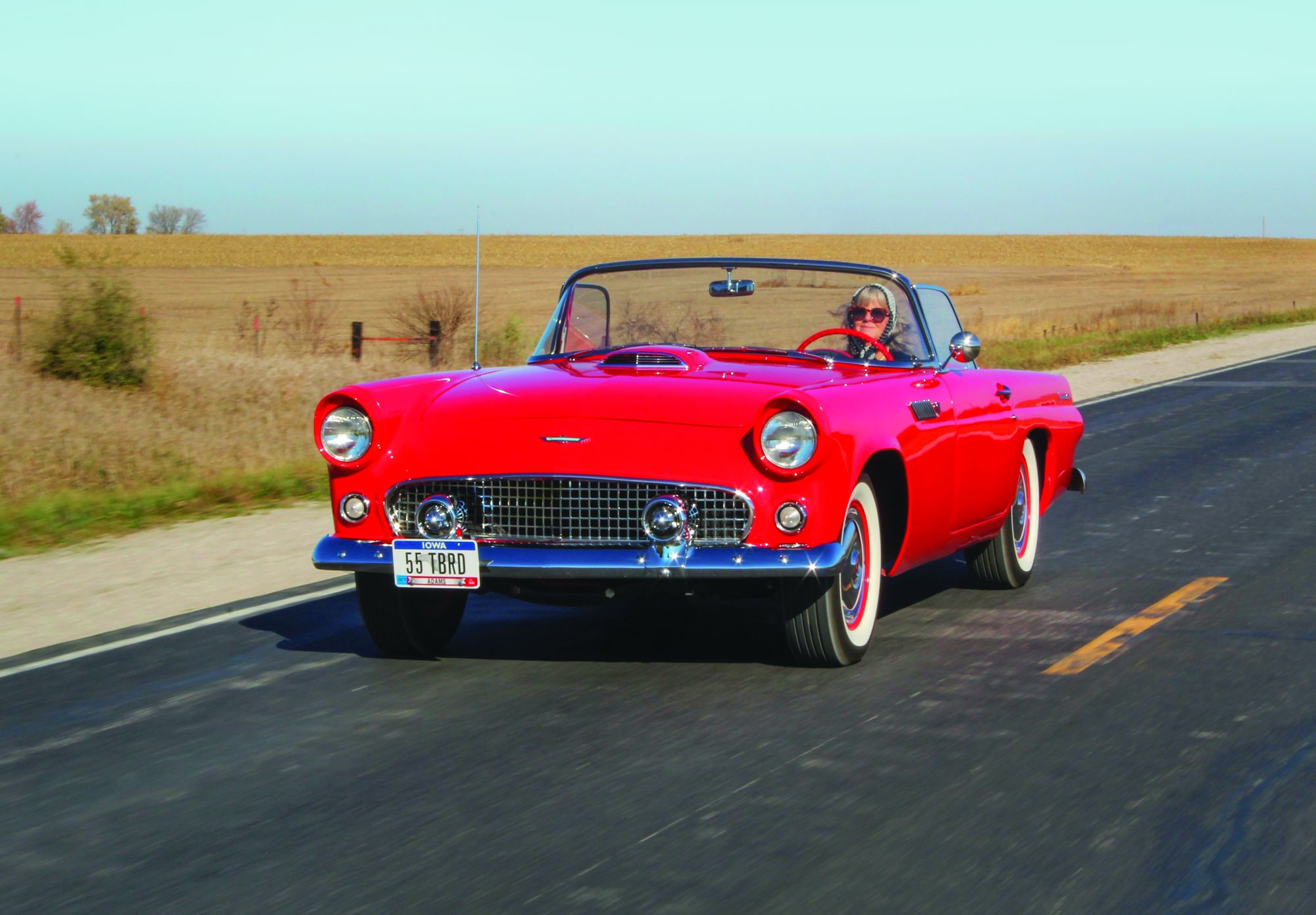
5. 1955 Ford Thunderbird
Estimated Price $30,000-$75,000
- Engine: 4.8L V8
- Torque: 280 lb-ft
- Horsepower: 193 hp
- Size: 175.3 inches Long x 70.3 inches Wide
Long before air conditioning became common in American cars, cabin comfort relied on different methods. Motorists today close windows and use cooling systems that block outside weather. In the 1950s, drivers used manual airflow in cars such as the 1955 Ford Thunderbird. A triangular glass pane at each door front provided adjustable ventilation. Called vent windows, directed airflow without powered systems.
On the 1955 Ford Thunderbird, a triangular pane sat ahead of the main door glass near the side mirror. Rotating it outward on its hinge guided incoming air into the cabin. Drivers adjusted the angle to control airflow toward body areas during travel. At highway speed, it produced a strong stream of fresh air.
1955 Ford Thunderbird used a 4.8-liter V8 engine producing 193 horsepower and 280 lb-ft of torque. It measured 175.3 inches long, 70.3 inches wide, giving a strong presence as a two-seat car. Ford positioned it as a personal luxury model instead of a pure sports machine. First-year sales reached 16,155 units, surpassing expectations and outdoing the rival Corvette.
Vent windows appeared on American cars from the 1930s through the 1970s before being removed. Factory air conditioning becoming affordable reduced the practical need in most vehicles. They added seams to the door glass, increased leaks, and required extra hardware. This raised production steps.
Security concerns also influenced the removal from passenger vehicles. A small opening made it easier to reach inside locked cars and manipulate door locks. Modern designs removed that issue with fully sealed glass and electronic locking systems. Today, trucks and specialty models still use similar triangular panes.
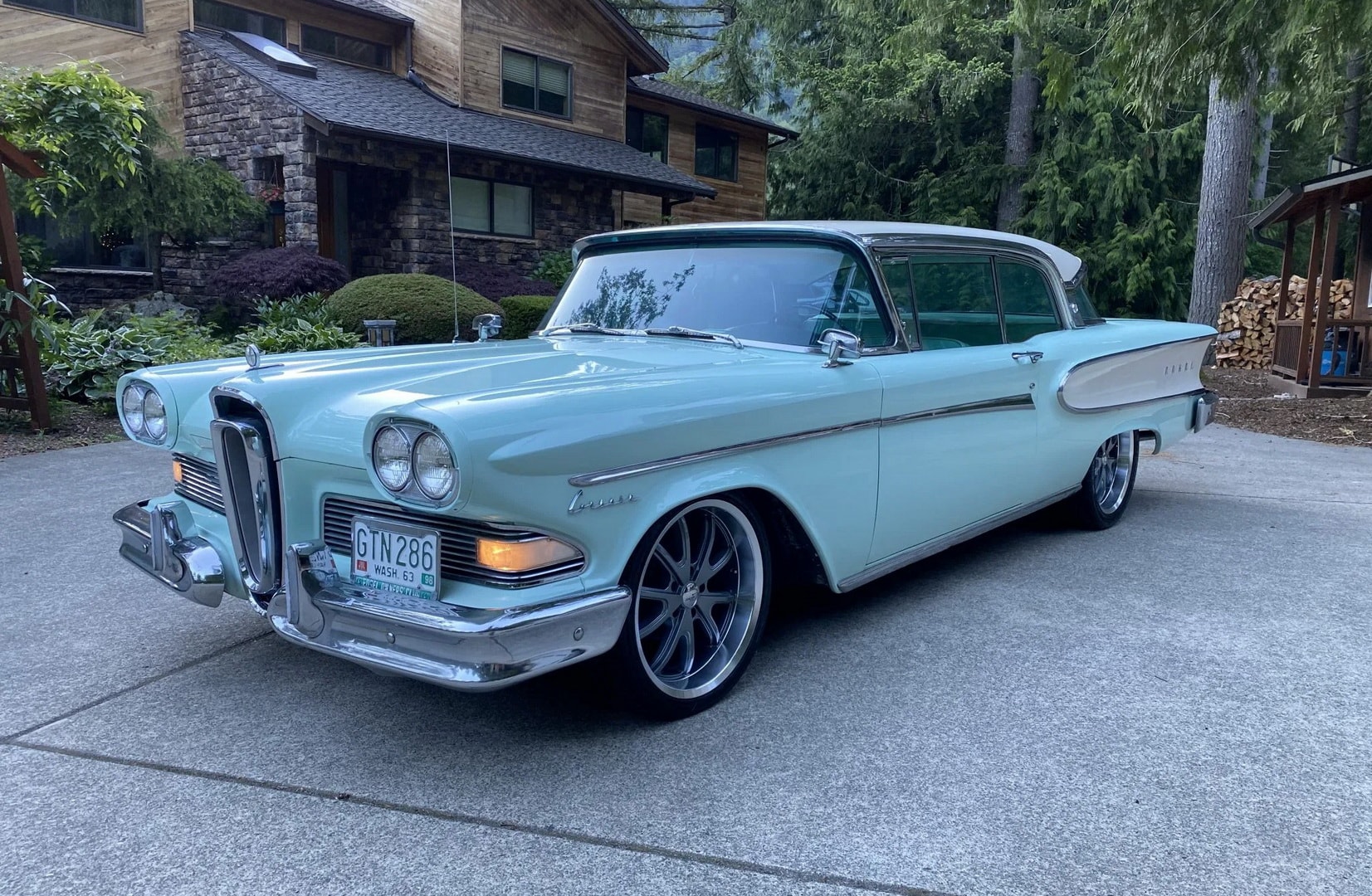
6. 1958 Edsel Corsair
Estimated Price $20,000-$50,000
- Engine: 6.7L V8
- Torque: 475 lb-ft
- Horsepower: 345 hp
- Size: 213.1 inches Long x 78.8 inches Wide
The Edsel Corsair from 1958 is often remembered for the brand’s short life and weak market reception, yet it carried one of the most unusual control systems ever installed in an American production car. Instead of using a column shifter or floor lever, it placed transmission controls inside the steering wheel hub through a system called Teletouch. Buttons for Park, Reverse, Neutral, Drive, and Low sat where the horn would normally be found, letting drivers select gears without moving their hands away from the wheel.
Ford engineers promoted this setup as a safer idea because it kept both hands on the steering wheel while changing gears. The system used electrical wiring running through the steering column to send signals to the transmission. In theory, it created a cleaner and more modern driving experience.
The Corsair itself was a large vehicle, measuring 213.1 inches long and 78.8 inches wide. It used a 6.7L V8 producing 345 horsepower and 475 lb-ft of torque, giving it strong performance for highway driving and steady acceleration. Problems quickly appeared in real use. Drivers often pressed the horn area by mistake and triggered unwanted gear changes.
Electrical components inside the steering column also proved unreliable, leading to shifting issues and repair concerns. Once the Edsel brand ended, the system disappeared completely. Modern steering wheel controls exist, but gear selection has remained separate due to safety and mechanical reliability needs.
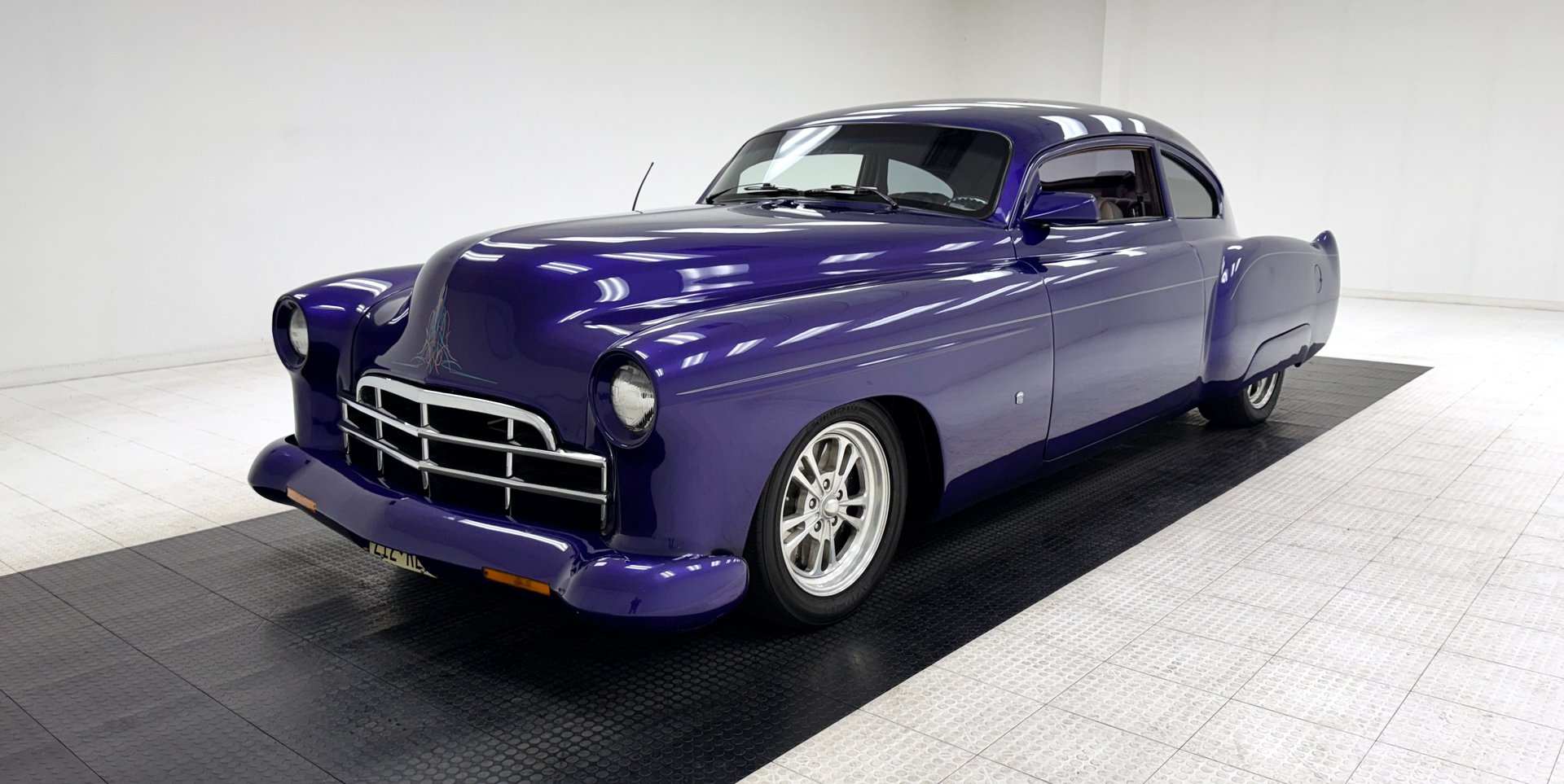
7. 1948 Cadillac Series 62
Estimated Price $35,000-$90,000
- Engine: 5.7L V8
- Torque: 283 lb-ft
- Horsepower: 150 hp
- Size: 214.0 inches Long x 79.0 inches Wide [1, 2, 3, 4, 5]
Designers in the late 1940s focused heavily on clean body surfaces, and exposed fuel caps were seen as visual interruptions. The 1948 Cadillac Series 62 solved this by hiding the fuel filler behind the driver-side taillight. The tail light housing opened on a hinge, revealing the gas cap beneath chrome trim. When closed, the exterior looked uninterrupted, with no visible sign of fuel access.
This design reflected Cadillac’s effort to create smooth, flowing body lines. Every detail of the exterior was shaped to support a unified appearance. Hiding functional parts became part of the styling process rather than an afterthought. The Series 62 used a 5.7L V8 engine producing 150 horsepower and 283 lb-ft of torque. It measured 214.0 inches long and 79.0 inches wide, giving it a large luxury presence suited for comfortable highway travel.
Inside the system, the tail light mechanism combined lighting and fuel access in one unit, requiring careful engineering to ensure both functions worked reliably. Drivers accessed the fuel filler by opening the light assembly during refueling stops.
As vehicle standards evolved, simpler fuel door designs replaced hidden systems. Regulations around fuel vapor control also encouraged standardized sealed fuel fillers. Modern vehicles use dedicated fuel doors or internal release mechanisms, making external moving parts unnecessary. The tail light fuel cap remains a rare example of styling-driven engineering from Cadillac’s postwar design era.
8. 1960 Chrysler Imperial
Estimated Price $25,000-$70,000
- Engine: 6.8L V8
- Torque: 470 lb-ft
- Horsepower: 350 hp
- Size: 226.3 inches Long x 80.1 inches Wide
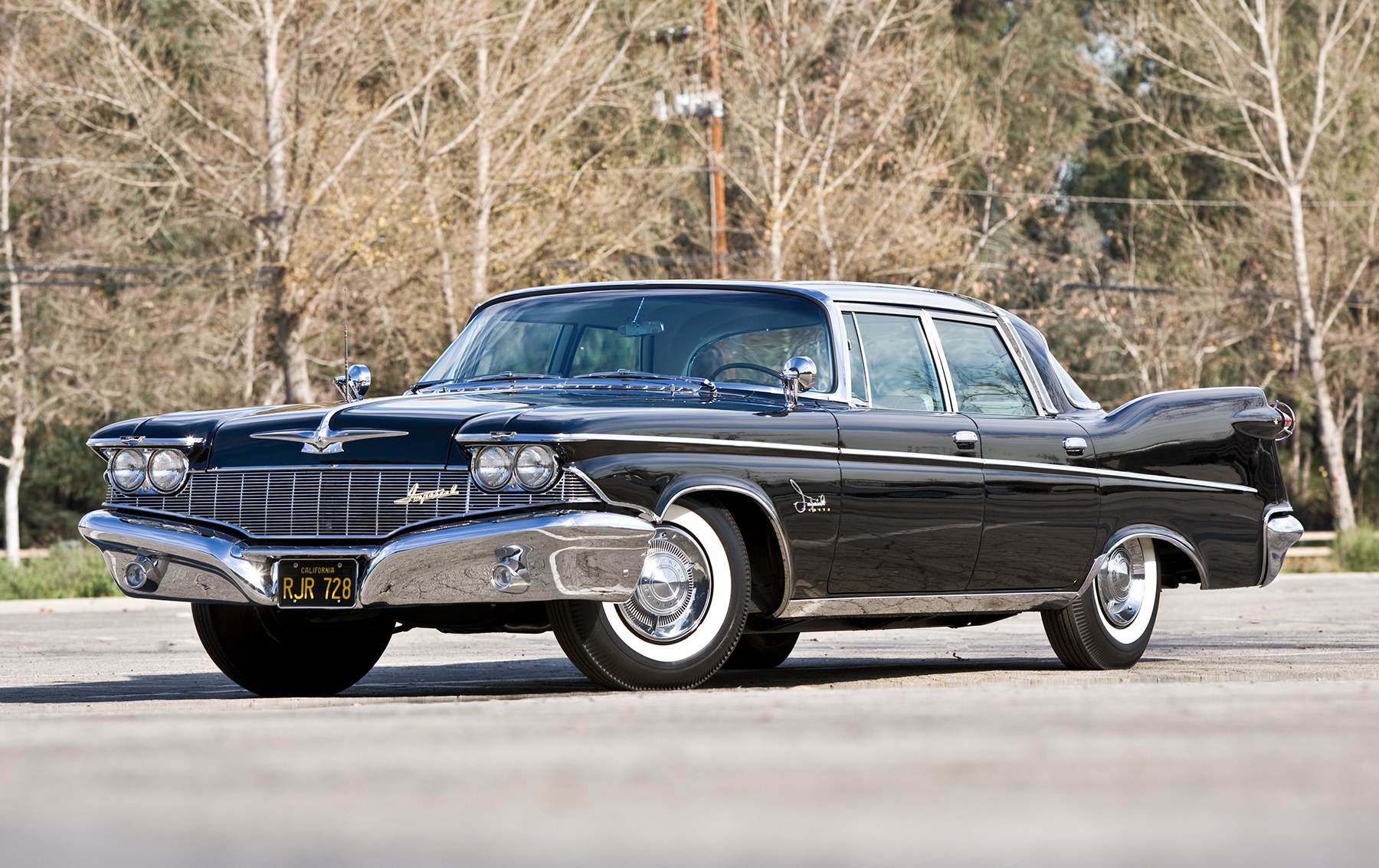
Chrysler’s 1960 Imperial introduced a steering wheel that broke away from the standard circular design. Instead of a full ring, it used a flattened top and bottom, creating a shape closer to a rounded rectangle. This design was intended to improve both comfort and visibility inside the cabin.
The flat lower section created more room for the driver’s legs, making the seating feel less restricted. The flattened upper section improved forward visibility by reducing how much of the wheel blocked the view of the road and instrument panel. These changes were aimed at making long drives more comfortable.
The Imperial was a large luxury sedan measuring 226.3 inches in length and 80.1 inches in width. It used a 6.8L V8 engine producing 350 horsepower and 470 lb-ft of torque, delivering smooth highway performance suited to its size. Inside the cabin, the steering wheel acted as both a control device and a design statement. Its unusual shape influenced driving posture and hand placement, creating a different feel compared to standard wheels.
Later changes in automotive safety design reduced the use of this style. Airbag systems require consistent circular geometry for proper deployment, and irregular wheel shapes complicate that process. As safety regulations became stricter, manufacturers returned to round steering wheels. The flat-edged Imperial wheel remains a distinct example of mid-century luxury experimentation in driver ergonomics.
9. 1934 Packard Eight
Estimated Price $40,000-$110,000
- Engine: 5.2L I8
- Torque: 260 lb-ft
- Horsepower: 120 hp
- Size: 211.5 inches Long x 71.0 inches Wide
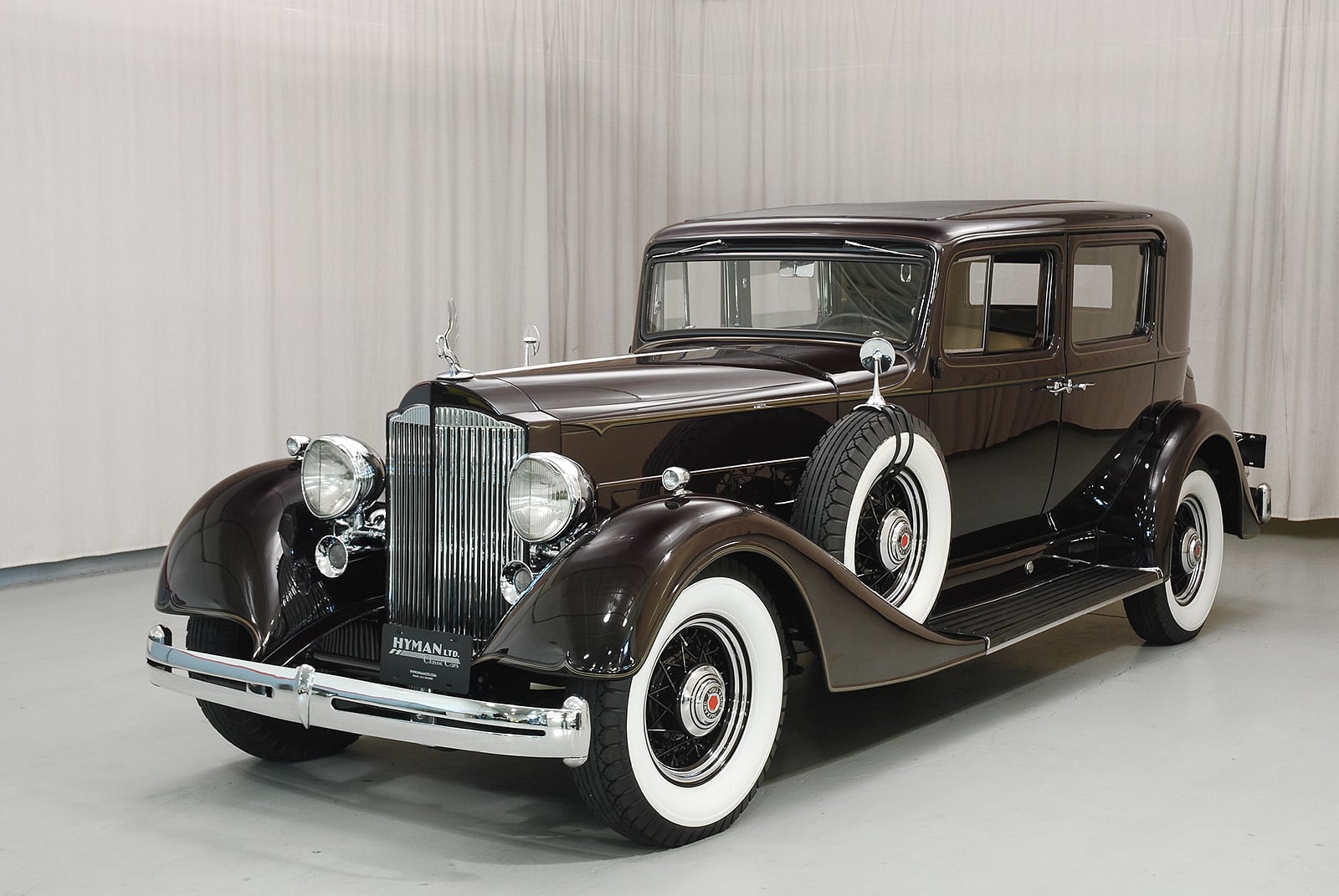
Before modern automotive air conditioning became available, drivers relied on inventive methods to stay comfortable during hot weather. One widely used solution was an evaporative cooling device mounted to the window, and the 1934 Packard Eight was among the cars that offered this as a factory-accessory option. The device was a metal cylinder attached to the passenger-side window frame, designed to force incoming air through water-soaked material before it entered the cabin.
Air entered through a front opening while the car was in motion, passed through a wet mesh lining inside the cylinder, and exited toward the cabin as cooler air. The cooling effect came from water evaporation, which absorbed heat from the passing airflow. This process worked best in dry climates where evaporation happened quickly and efficiently. In humid environments, cooling performance dropped, and moisture levels inside the cabin increased.
The Packard Eight used a 5.2L straight-eight engine producing 120 horsepower and 260 lb-ft of torque, delivering smooth performance for its era. Measuring 211.5 inches long and 71.0 inches wide, the vehicle represented large-scale American luxury design of the 1930s.
This cooling device required manual upkeep, including refilling the water reservoir before use. Drivers often attached or removed it depending on weather conditions. Once factory air conditioning systems became more practical and affordable in later decades, this window-mounted approach disappeared from production vehicles.
The Packard Eight stands as an example of early attempts to manage cabin comfort through mechanical airflow and simple physics rather than built-in refrigeration systems.
Also Read: 10 Vintage Cars Whose Values Doubled In Last 10 Years
10. 1965 Ford Country Squire
Estimated Price $25,000-$65,000
- Engine: 6.4L V8
- Torque: 427 lb-ft
- Horsepower: 300 hp
- Size: 210.0 inches Long x 79.0 inches Wide
Many younger motorists change their headlights with a finger flick on the steering column. The motion feels effortless and automatic. Drivers taught decades earlier remember a different habit. Their left foot would search the floor, because beam control once meant pressing a metal button fixed near the pedals.
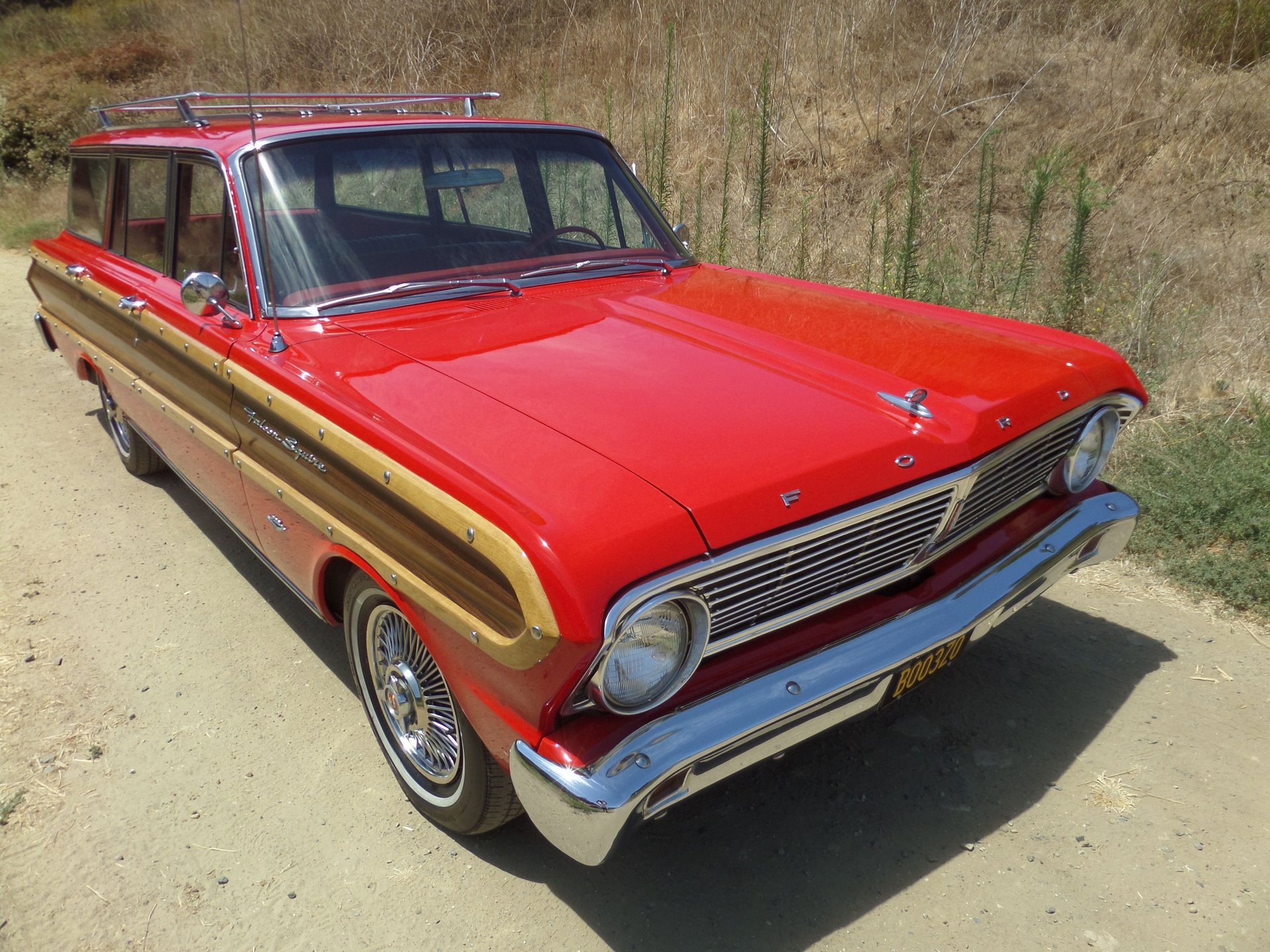
That setup remained common through the mid-sixties. In wagons such as the 1965 Ford Country Squire, the dimmer switch lived on the driver’s side floor. A firm stomp clicked the lights to high beam, another returned them to low. The sound and feel became second nature during night driving.
The Country Squire itself symbolized American family travel. Wood-paneled sides, a powerful V8, and generous interior space made it suitable for long trips and daily hauling. With room for several rows of passengers, it served households that wanted strength, size, and reliability without luxury frills.
Changes in vehicle design slowly pushed the floor button aside. Front-wheel-drive layouts crowded the area near the left foot, leaving little space for extra hardware. Studies on driver behavior also showed that hand controls allowed quicker reactions while keeping both feet steady.
Despite progress, some drivers still miss the old method. The floor switch delivered feedback through sound and pressure that modern stalks lack. Those raised with it sometimes feel their foot move at night without thinking. For them, that simple button remains tied to memories of honest machines and quiet roads.
