
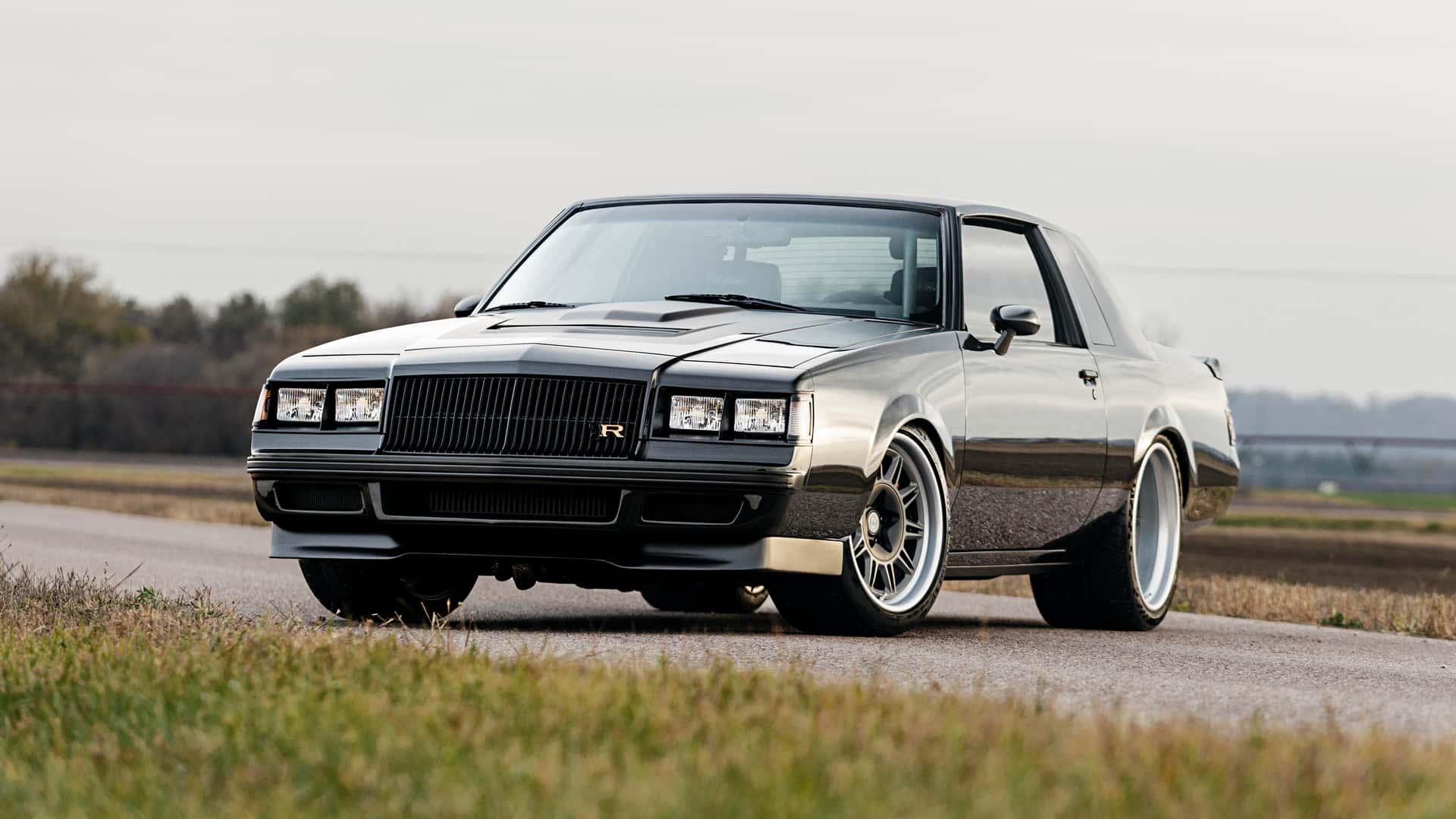
Classic car collecting changed dramatically during the last decade. Vehicles once dismissed as outdated weekend toys suddenly became serious investments, with auction prices climbing faster than plenty of people expected. Buyers who purchased the right vintage cars ten years ago often watched their garage queens transform into valuable assets worth double or even triple their original purchase prices.
Part of that growth comes from nostalgia. Buyers who grew up admiring posters, movies, racing legends, or muscle car culture finally reached a point where they could afford the vehicles they dreamed about in their younger years. Scarcity also played a huge role.
Rust, accidents, neglect, and poor restorations reduced the number of clean surviving examples, pushing collectors toward the best remaining cars. Social media and online auctions added fuel to the market as well. Rare cars once hidden inside local communities suddenly reached global audiences, increasing demand and creating bidding wars for highly desirable models.
Certain vehicles stood out more than others. Some gained attention because of performance heritage, while others became valuable thanks to limited production numbers, timeless styling, or growing appreciation from younger collectors entering the market.
This list highlights ten vintage cars that saw their values rise dramatically during the last ten years. Each one tells a different story about changing tastes, collector demand, and the growing appeal of automotive history.
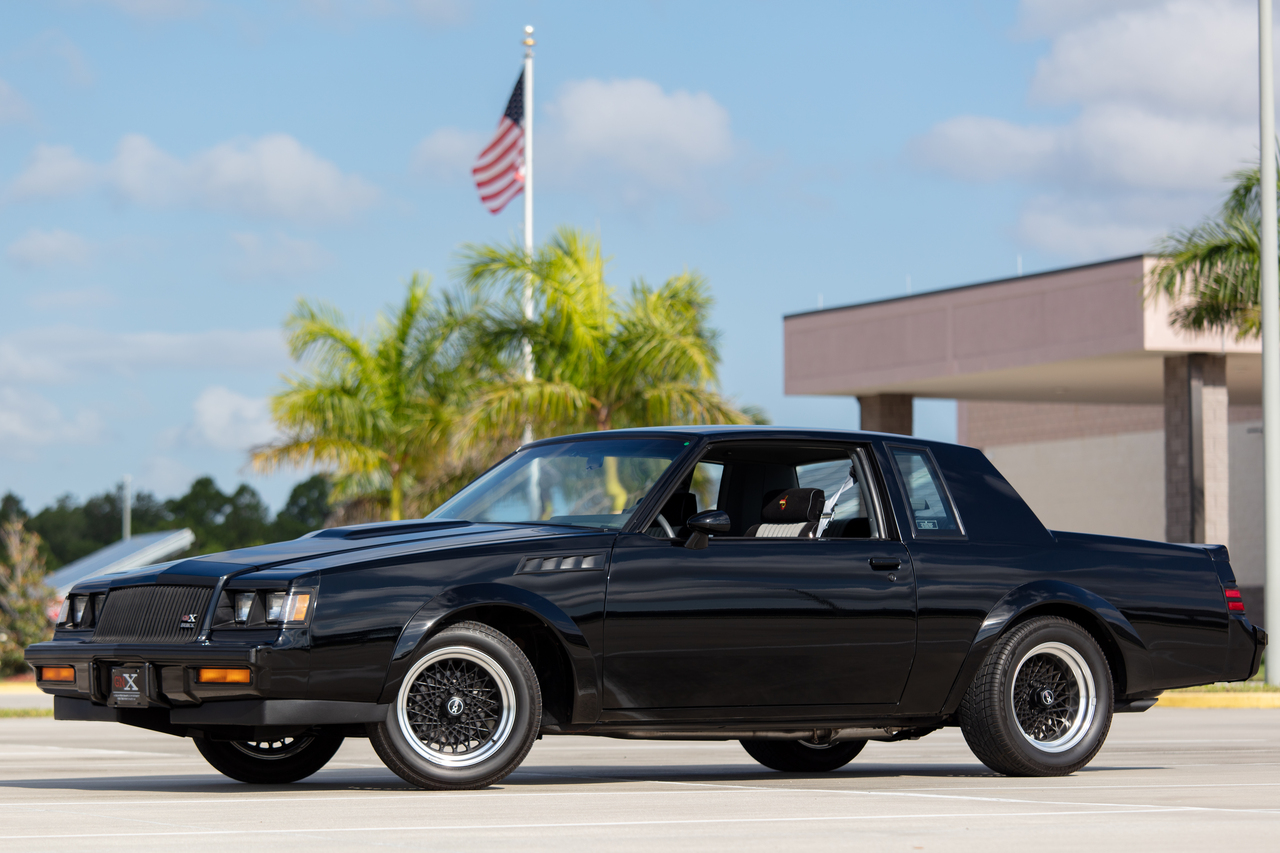
1. 1987 Buick GNX
Estimated Price $90,000-$180,000
Dark paint, aggressive styling, and brutal turbocharged power helped the 1987 Buick GNX develop from an underrated muscle car into one of the hottest American collector vehicles of the last decade. Years ago, buyers could still find decent examples at prices that seemed reasonable compared with classic Mustangs or Camaros. Those days disappeared quickly as collectors finally recognized how special the GNX truly was.
Buick built only 547 examples, immediately giving the car rarity that collectors value heavily. During the late 1980s, most American performance cars struggled with weak horsepower figures and emissions restrictions. The GNX ignored that trend completely. Turbocharged V6 performance allowed the car to embarrass sports cars costing far more money, creating a reputation that still follows it today.
Performance numbers looked shocking for the era. Magazine tests regularly showed the GNX outrunning several respected V8 rivals. Drivers loved the violent turbo surge and intimidating straight-line acceleration, while the sinister black exterior added even more personality.
Collectors initially overlooked these cars because they lacked the flashy image associated with traditional muscle machines from the 1960s and early 1970s. Younger buyers changed that perception. Interest exploded once internet videos and online forums reminded enthusiasts how dominant the GNX felt during its era.
Auction prices climbed rapidly afterward. Examples of once selling below six figures started crossing major auction blocks at prices double what owners paid ten years earlier. Ultra low mileage versions pushed values even higher, especially when original paperwork and factory components remained intact.
Condition became extremely important because plenty of GNXs were modified heavily during earlier years. Collectors today pay premium prices for untouched examples that still carry factory originality. Restored cars remain valuable, though originality drives the strongest demand.
Pop culture also helped strengthen the car’s image. The GNX represented rebellious American performance during a period when several domestic brands struggled creatively. That reputation keeps attracting younger enthusiasts searching for something different from predictable classic muscle cars.
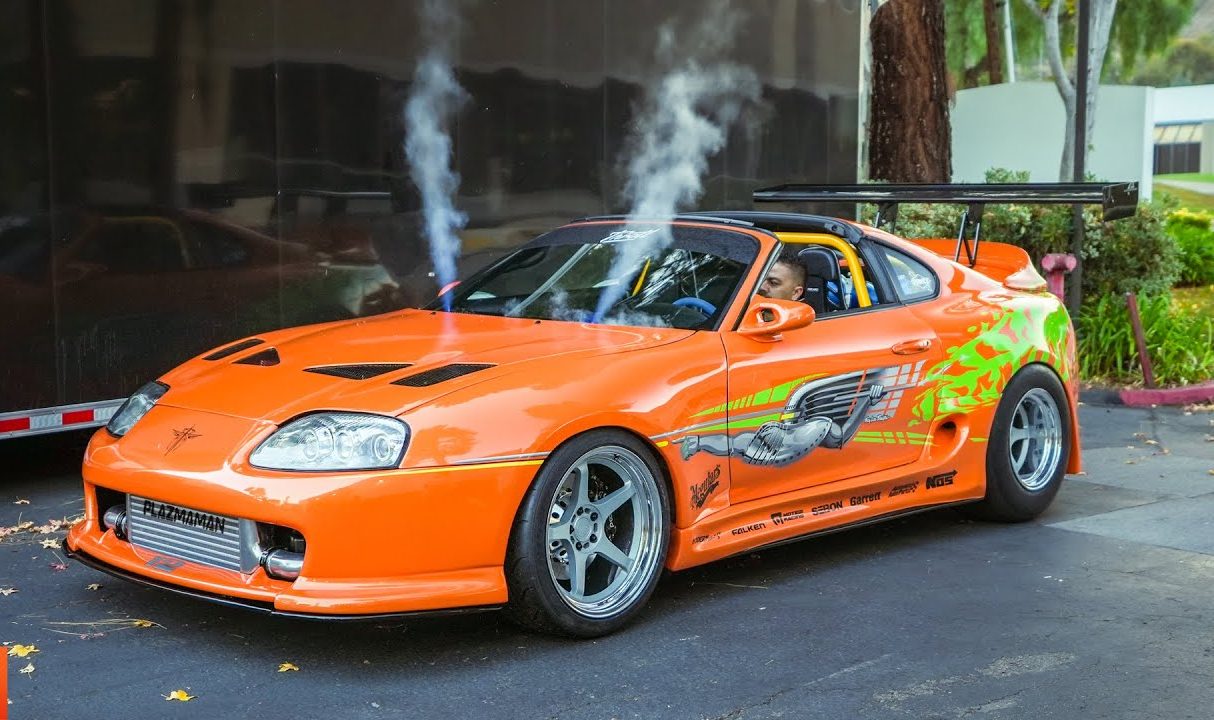
2. 1994 Toyota Supra Turbo Mk IV
Estimated Price $70,000-$160,000
Japanese performance cars transformed from affordable tuner platforms into serious collector machines during the last decade, and few examples demonstrate that better than the 1994 Toyota Supra Turbo Mk IV. Ten years ago, buyers could still purchase decent Supras at prices that felt expensive but manageable. Current values tell a very different story.
Toyota engineered the Mk IV Supra with incredible attention to durability and performance. Twin turbocharged power from the legendary 2JZ engine created enormous tuning potential, allowing owners to produce huge horsepower figures without destroying reliability. That engineering reputation became one of the car’s biggest selling points later.
Movie culture pushed demand even further. Appearances in street racing films introduced the Supra to younger audiences who grew obsessed with its styling and performance image. Enthusiasts who once admired the car through video games and movies eventually entered the collector market with real purchasing power.
Manual transmission turbo models became especially desirable. Limited production numbers combined with rising global demand pushed prices upward rapidly. Clean, unmodified examples became increasingly difficult to locate because countless Supras were altered heavily during the tuner boom years.
Collectors suddenly started treating factory original Supras like museum pieces rather than modified street racers. Auction houses noticed quickly. Prices doubled, then continued climbing beyond expectations as bidding wars intensified for low-mileage survivors.
Driving experience still impresses modern enthusiasts. Smooth power delivery, balanced handling, and endless tuning potential help the Supra remain exciting decades after production ended. Buyers appreciate that the car combines genuine speed with Toyota reliability.
Styling aged remarkably well, too. Rounded body lines and aggressive proportions still look modern enough to attract younger collectors. Several 1990s sports cars feel outdated visually today, though the Supra avoided that problem successfully.
Rarity also matters greatly now. Accidents, modifications, racing damage, and neglect reduced the number of surviving original examples dramatically. Collectors searching for stock turbo manuals often compete fiercely whenever quality cars appear for sale.
Also Read: 10 Best Vintage Cars for Hosting a Classic Picnic Outing
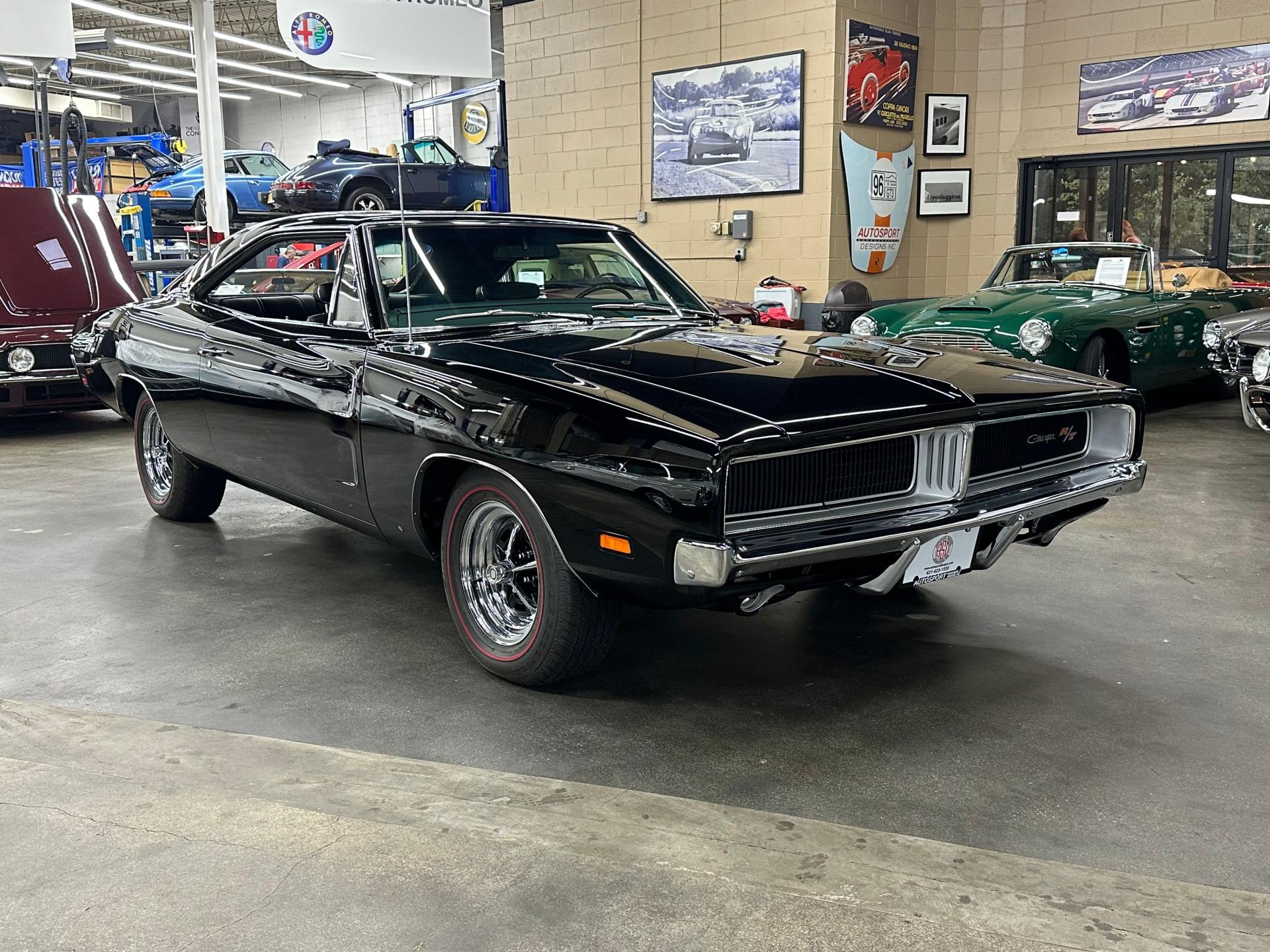
3. 1969 Dodge Charger R/T
Estimated Price $60,000-$150,000
Aggressive styling and movie fame helped the 1969 Dodge Charger R/T become one of the most recognizable muscle cars ever built. During the early 2010s, values remained strong but still reachable for buyers willing to invest in restoration projects or driver quality examples. Collector demand exploded afterward, pushing prices dramatically higher.
Front-end styling alone made the Charger unforgettable. Hidden headlights, wide body proportions, and muscular lines created one of the boldest American car designs of the era. Buyers searching for classic muscle machines often viewed the Charger as tougher and more intimidating than several competing models.
Big block V8 power strengthened that image immediately. The R/T package transformed the Charger into a true street machine capable of brutal acceleration and unmistakable exhaust sound. Drivers loved the combination of size, comfort, and raw horsepower.
Hollywood exposure added another layer of popularity. Appearances in movies and television kept the Charger visible across generations, helping younger collectors connect emotionally with the car long after original production ended.
Values rose steadily once restored examples became harder to locate. Rust destroyed countless Chargers during earlier decades, especially in colder climates where winter road salt accelerated corrosion. Survivors with matching numbers, drivetrains, and factory documentation suddenly became highly valuable.
Restoration costs also climbed sharply. Rebuilding a classic Charger properly requires a major financial commitment, which has increased demand for already restored cars. Buyers often preferred paying premium prices for finished vehicles rather than facing years of restoration expenses themselves.
Auction results reflected the growing interest quickly. Clean 440-powered R/T models started doubling compared with values seen ten years earlier. Hemi-equipped cars climbed even higher into territory reserved for elite collector vehicles.
Driving a classic Charger still feels dramatic today. Massive hood length, roaring V8 power, and heavy steering create an experience modern muscle cars cannot fully recreate. Owners often describe the car as theatrical every time the engine fires up.
4. 1970 Chevrolet Chevelle SS 454
Estimated Price $70,000-$170,000
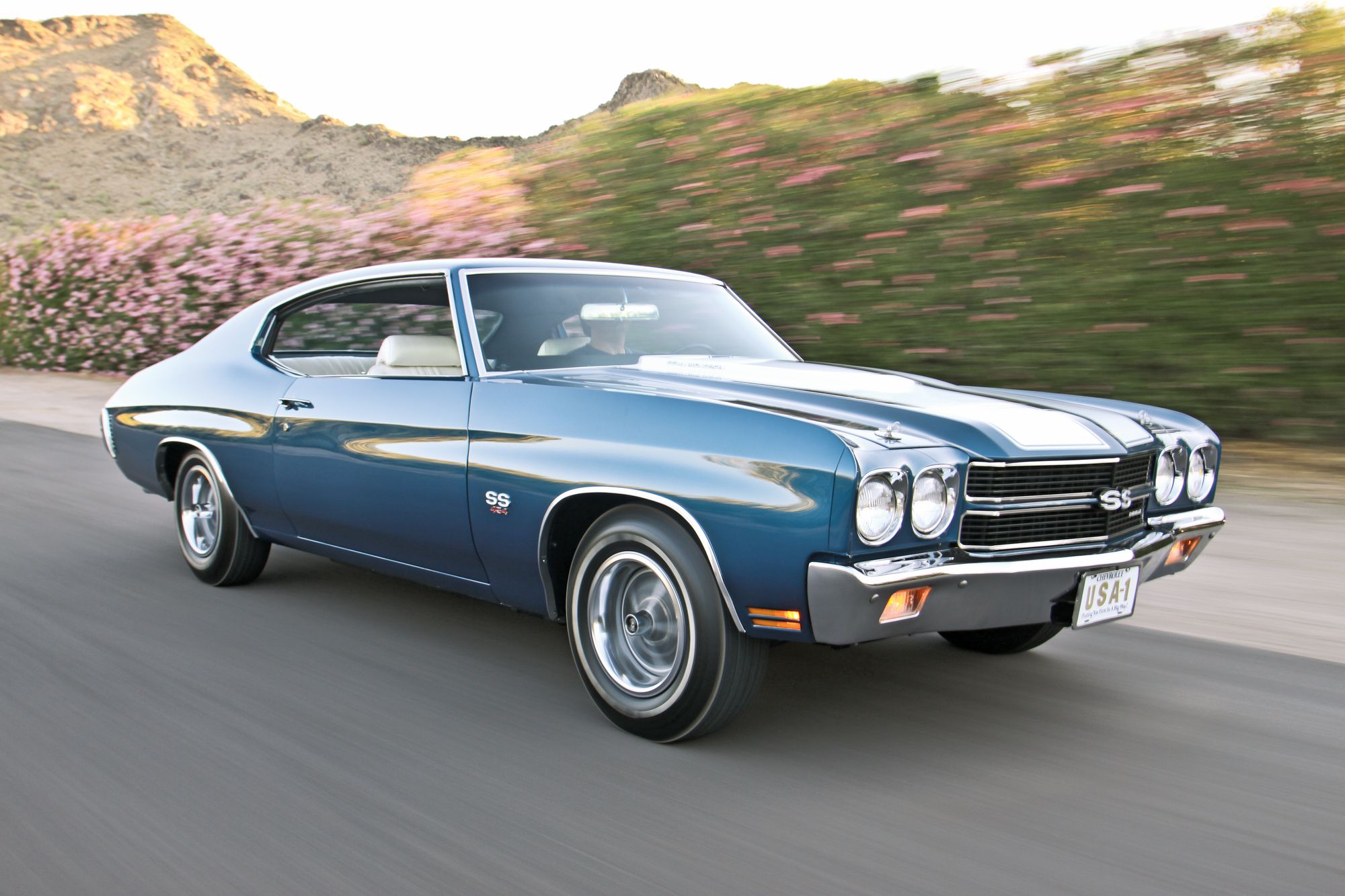
Big block muscle cars experienced a huge collector surge during the last decade, and the 1970 Chevrolet Chevelle SS 454 became one of the biggest winners from that movement. Ten years ago, clean examples already carried respectable values, though buyers could still locate project cars or driver quality versions without entering six-figure territory. That changed rapidly once collectors started fighting over the best surviving cars.
Chevrolet created something special with the 1970 Chevelle SS 454. Bold body lines, aggressive front styling, and massive horsepower figures gave the car a reputation that still feels larger than life today. Enthusiasts often describe it as one of the purest expressions of the American muscle car era.
Performance played a huge role in its value growth. The LS6 version especially became legendary because of its monstrous factory horsepower ratings. During the peak muscle car years, very few production cars matched the brutal acceleration delivered by the Chevelle SS 454. Drivers respected the car because it felt raw, loud, and unapologetically powerful.
Scarcity increased prices dramatically. Plenty of Chevelles disappeared through rust, racing damage, poor restorations, or heavy modifications during earlier decades. Finding original cars with matching numbers engines became far harder than collectors expected.
Auction prices reflected that rising demand clearly. High-quality restored examples started doubling compared with values seen in the early 2010s. Rare factory options and documented LS6 cars pushed prices even higher, especially when original paperwork accompanied the sale.
Styling also helped the Chevelle age beautifully. Wide stance, muscular rear fenders, and clean proportions still attract buyers who may not even consider themselves hardcore collectors. Younger enthusiasts often view the 1970 model as the perfect balance between classic design and intimidating road presence.
Driving experience remains unforgettable. Massive V8 torque, thunderous exhaust sound, and old school rear wheel drive behavior create an emotional connection modern performance cars rarely duplicate. Owners frequently describe the Chevelle as exciting, even during short weekend drives.
5. 1984 Ferrari Testarossa
Estimated Price $110,000-$220,000
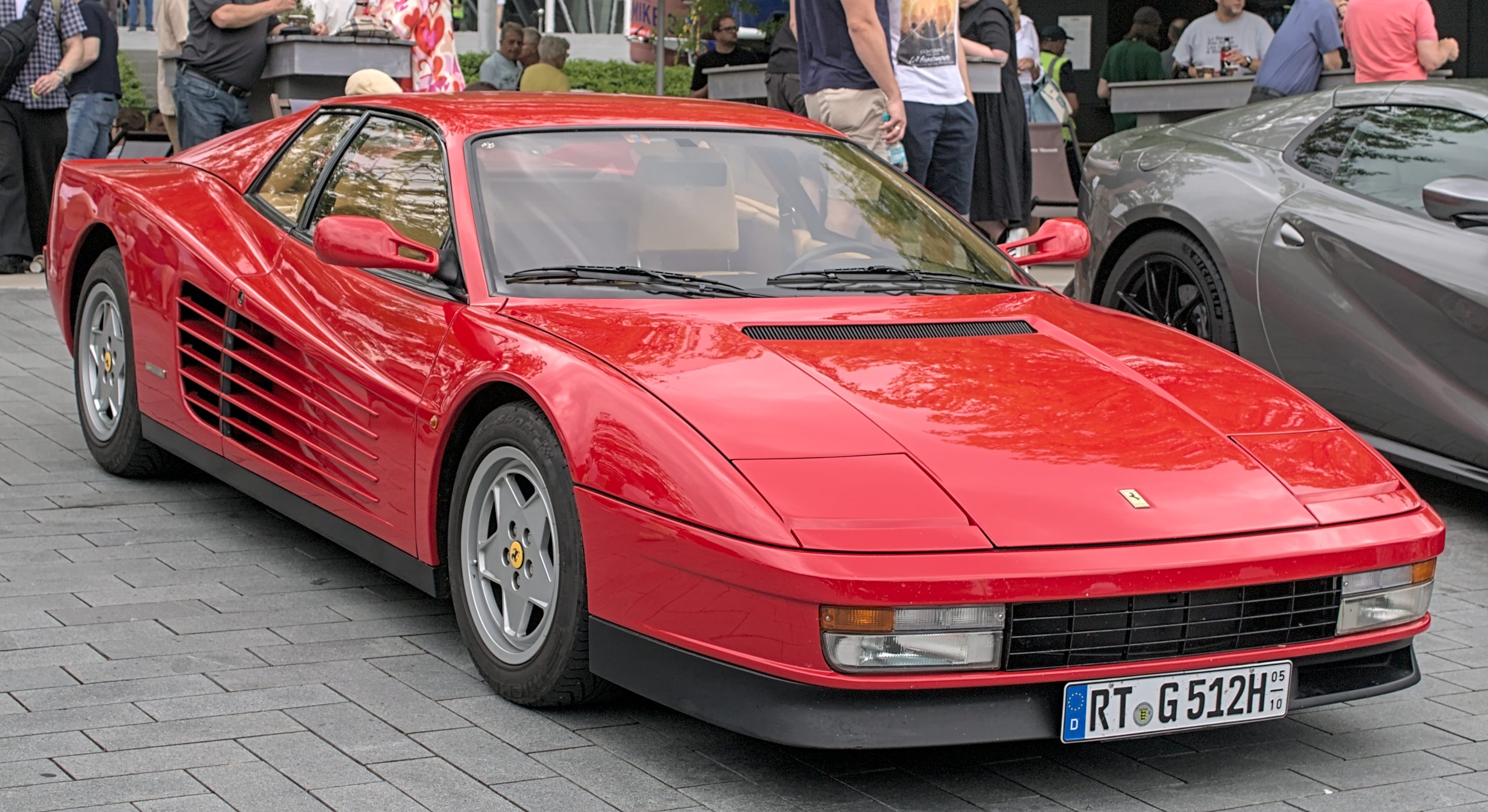
Sharp wedge styling and unmistakable side strakes made the 1984 Ferrari Testarossa one of the most recognizable exotic cars of its era. During the early 2010s, collectors still viewed the Testarossa as relatively affordable compared with older Ferraris from the 1960s and 1970s. That attitude changed dramatically once buyers started appreciating the car’s design, rarity, and cultural impact more seriously.
Ferrari built the Testarossa during a decade filled with excess, bold fashion, and dramatic automotive styling. Nothing about the car felt subtle. Wide rear bodywork, massive proportions, and flat twelve-cylinder power created a road presence few vehicles could match.
Pop culture exposure boosted the Testarossa heavily. Television appearances and celebrity ownership helped cement its image as a symbol of 1980s success and performance. Younger collectors who grew up seeing posters and magazine covers featuring the Testarossa eventually entered the collector market themselves.
Values climbed steadily once buyers realized clean examples were becoming harder to find. Poor maintenance damaged several cars because servicing costs scared earlier owners away from proper upkeep. Neglected examples often developed expensive mechanical issues, reducing the pool of truly desirable cars.
Low-mileage survivors with complete service history suddenly became extremely valuable. Ferrari buyers pay close attention to documentation, originality, and mechanical condition, especially for older exotic cars with complicated engineering.
Driving experience remains dramatic even today. Flat twelve engine sound, gated manual transmission, and wide body dimensions create an event every time the car leaves the garage. Owners often describe the Testarossa as theatrical rather than simply fast.
Collectors also started appreciating the car beyond its television fame. Early criticism about styling softened once enthusiasts realized how unique the design truly was compared with modern supercars that often resemble each other visually.
6. 1973 Porsche 911 Carrera RS 2.7
Estimated Price $500,000-$1,000,000+
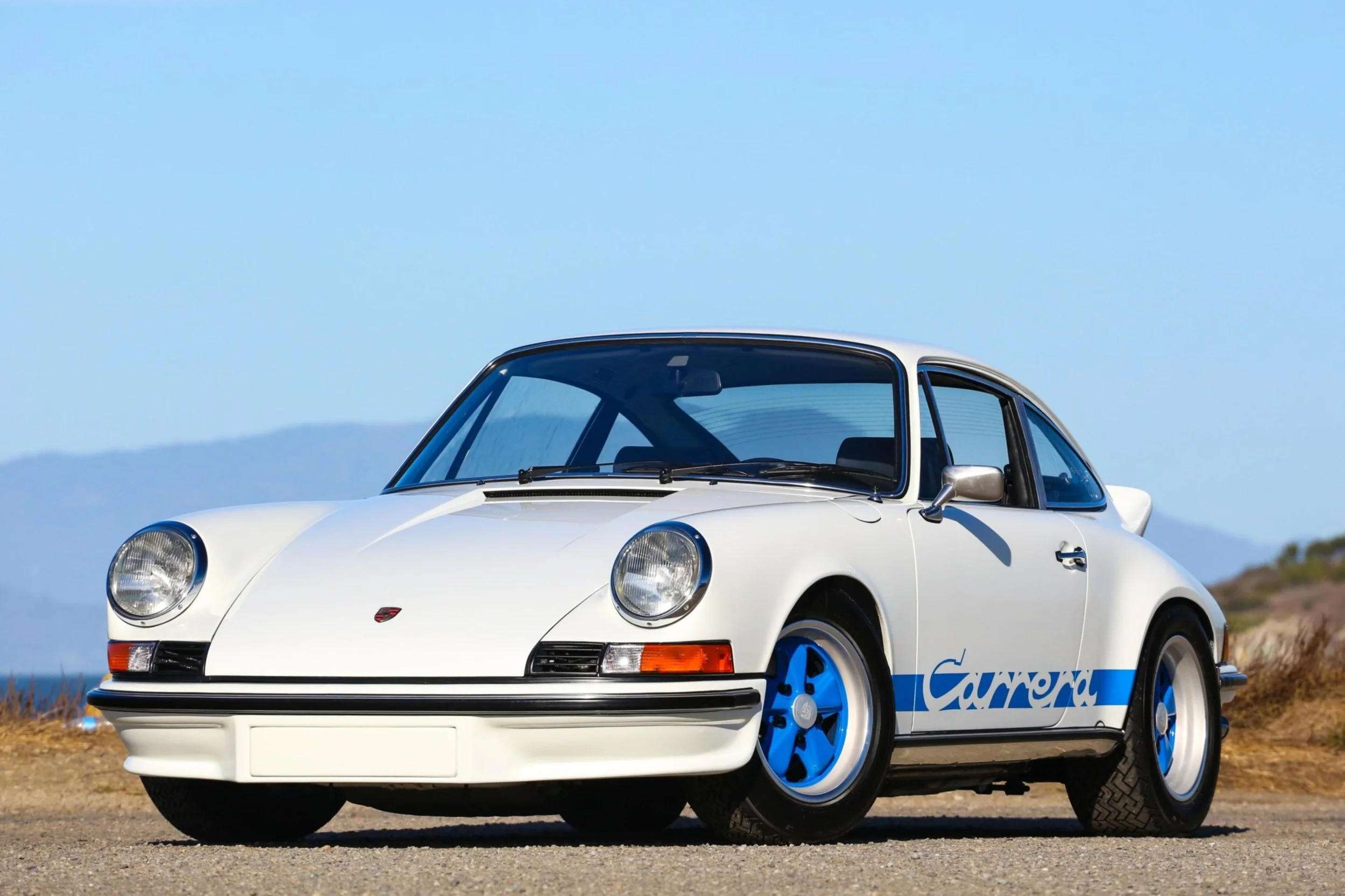
Few vintage sports cars gained respect from collectors as rapidly as the 1973 Porsche 911 Carrera RS 2.7 during the last decade. Porsche enthusiasts always admired the model, though prices climbed to another level entirely once global collectors started treating the RS as one of the most desirable air-cooled 911s ever produced.
Lightweight engineering became one of the biggest reasons behind the car’s appeal. Porsche stripped unnecessary weight wherever possible, creating a machine focused heavily on driving purity. Thin body panels, reduced insulation, and performance-oriented tuning transformed the Carrera RS into a true driver’s car.
Performance felt incredibly sharp for the era. Responsive handling, lightweight construction, and high-revving flat-six power gave the RS an engaging personality that still impresses modern drivers. Owners often describe the car as alive in ways newer performance cars rarely feel.
Visual identity also helped values surge. The famous ducktail rear spoiler became one of the most recognizable design elements in Porsche history. Combined with aggressive stance and period graphics, the RS carried a purposeful appearance that collectors still love today.
Production numbers remained limited, which increased demand steadily as Porsche’s popularity expanded worldwide. Wealthy collectors searching for historically important sports cars quickly targeted the Carrera RS because of its racing heritage and rarity.
Auction results climbed sharply throughout the decade. Cars once valued highly within Porsche circles started reaching levels comparable to exotic Ferraris and other elite collector vehicles. Exceptional examples with factory originality achieved especially enormous prices.
Driving reputation strengthened the market even further. Plenty of vintage performance cars gain value mainly because of rarity, though the Carrera RS delivers a genuinely thrilling experience behind the wheel. That authenticity matters greatly among serious collectors.
Younger buyers entering the collector market also influenced demand. Air-cooled Porsches became fashionable across social media and enthusiast culture, drawing fresh attention toward earlier models once known mainly within hardcore Porsche communities.
7. 1967 Shelby GT500
Estimated Price $120,000-$250,000
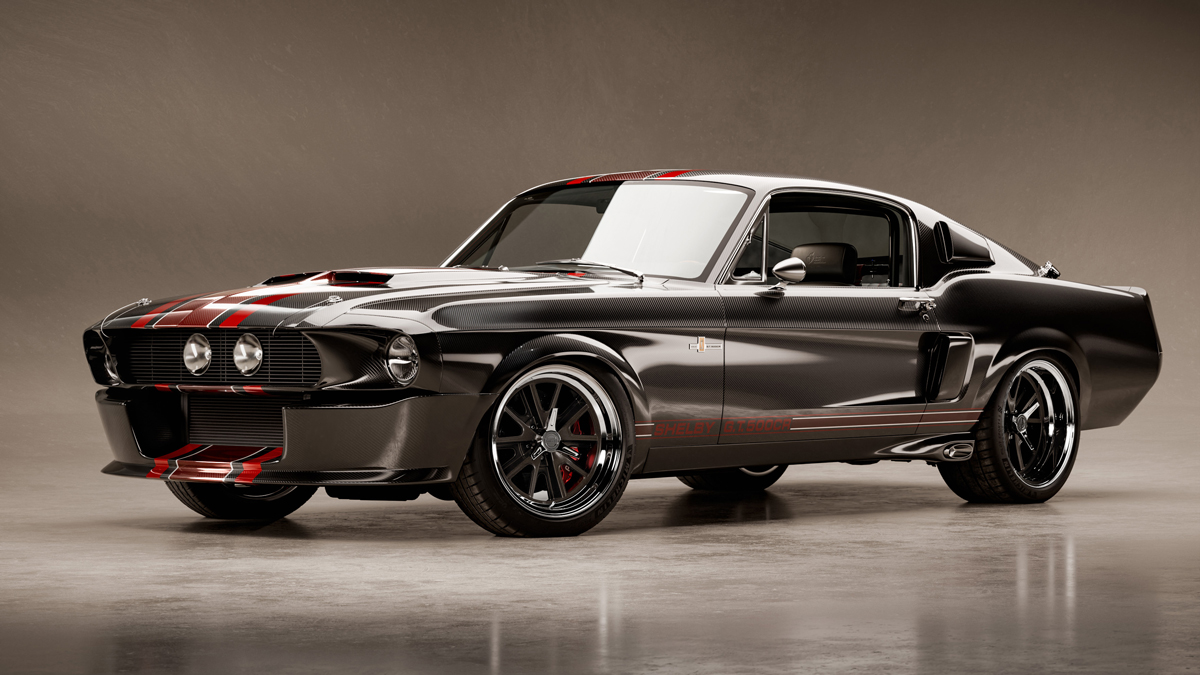
Raw American horsepower and Carroll Shelby’s racing reputation helped the 1967 Shelby GT500 become one of the hottest collector cars of the last decade. Years ago, buyers could still find solid examples at prices that seemed expensive but realistic for serious enthusiasts. As collector demand exploded, those numbers climbed rapidly and pushed clean GT500 models into an entirely different financial category.
Ford already had success with the Mustang, though Shelby transformed the car into something far more aggressive. Longer fiberglass body panels, functional scoops, racing-inspired styling, and a thunderous big block V8 gave the GT500 a personality that stood apart immediately from ordinary muscle cars of the era.
Driving one still feels dramatic today. Heavy steering, massive torque, and loud exhaust create an experience that feels mechanical and intense in a way modern performance cars rarely duplicate. Owners often describe the GT500 as a machine that demands attention every second behind the wheel.
Collector demand increased sharply once younger buyers started entering the classic car market. Plenty of enthusiasts grew up idolizing Shelby Mustangs through movies, television, and automotive history books. That emotional connection translated directly into rising auction prices once those buyers gained purchasing power.
Authenticity became extremely important as values climbed. Original documentation, factory drivetrains, and proper Shelby serial numbers now influence prices heavily because replicas and cloned cars became common during earlier decades.
Restoration costs also played a role in pushing values higher. Rebuilding a genuine GT500 properly requires serious money, especially when rare parts and factory-correct details enter the process. Buyers willing to pay premium prices for completed cars helped drive the market upward quickly.
Auction houses noticed the growing interest almost immediately. Exceptional GT500 models started selling for double what similar cars brought ten years earlier. Rare color combinations and low production specifications pushed certain examples even further beyond expectations.
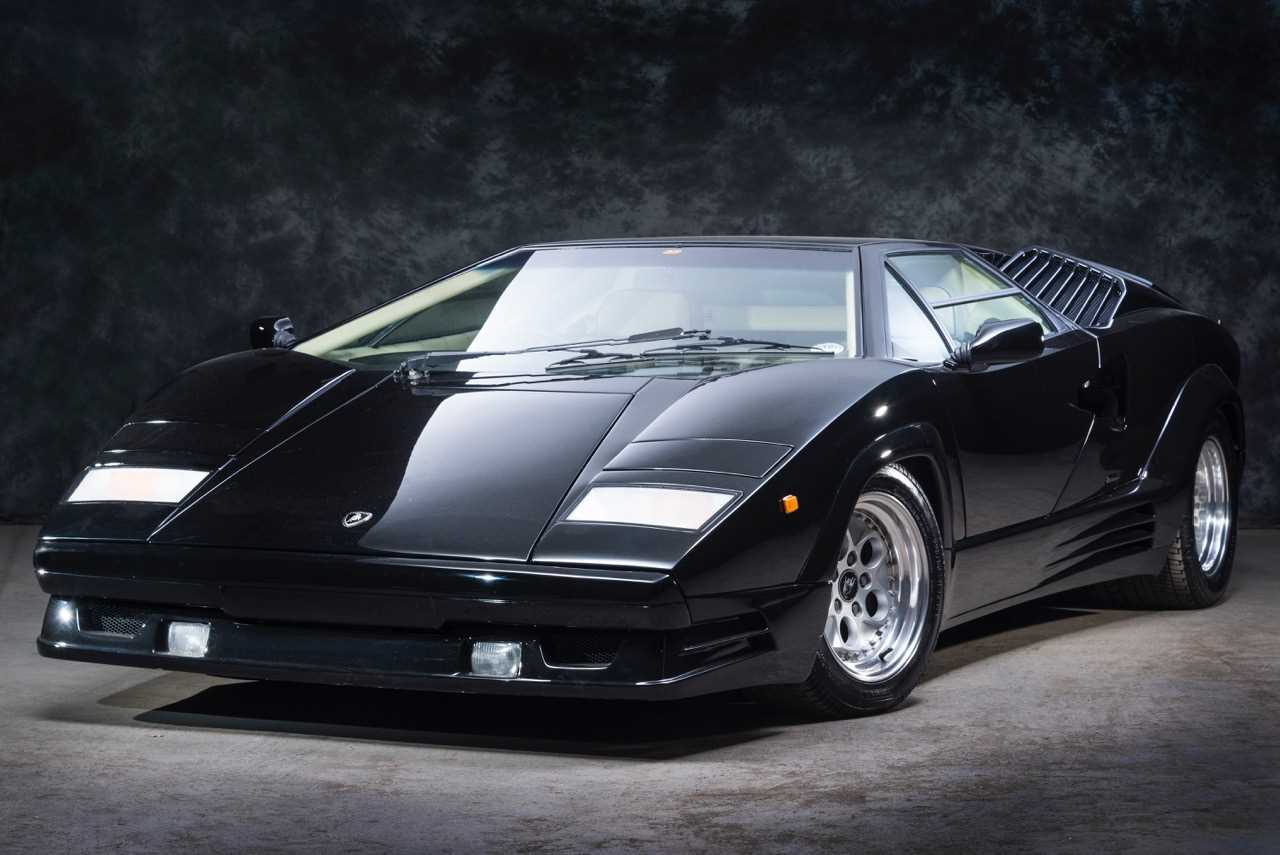
8. 1989 Lamborghini Countach 25th Anniversary
Estimated Price $400,000-$800,000
Wild styling and outrageous proportions helped the Lamborghini Countach 25th Anniversary develop from poster car fantasy into a serious collector investment during the last ten years. Decades ago, certain collectors viewed older Lamborghinis as risky purchases because of reliability concerns and expensive upkeep.
That hesitation faded quickly once buyers started appreciating the Countach as one of the defining supercars of the twentieth century. Nothing about the Countach feels subtle. Sharp wedge-shaped bodywork, dramatic air intakes, scissor doors, and an impossibly low driving position created a car that looked more like science fiction than ordinary transportation. Even parked, the Countach feels theatrical.
The 25th Anniversary version became especially desirable because it represented the final and most refined evolution of the original Countach design. Lamborghini improved cooling, cabin comfort, and styling details while preserving the outrageous personality buyers expected.
Collectors who once focused mainly on Ferraris began turning serious attention toward vintage Lamborghinis during the last decade. Demand increased rapidly as wealthy enthusiasts searched for exotic cars carrying stronger visual drama and lower production numbers.
Pop culture influence played a huge role as well. Posters, magazines, video games, and movies turned the Countach into a dream car for an entire generation. Buyers who admired the car during childhood eventually reached a stage where they could finally afford one, increasing competition for surviving examples.
Values climbed sharply because clean cars became difficult to locate. Several Countachs suffered from poor servicing, accident damage, or questionable modifications during earlier decades. Low-mileage examples with proper documentation suddenly commanded enormous premiums.
Driving experience remains unforgettable even by modern supercar standards. Visibility feels terrible, cabin space feels cramped, and low-speed driving requires patience. Yet those flaws actually add to the Countach’s charm because the car delivers an experience that feels raw and unforgettable.
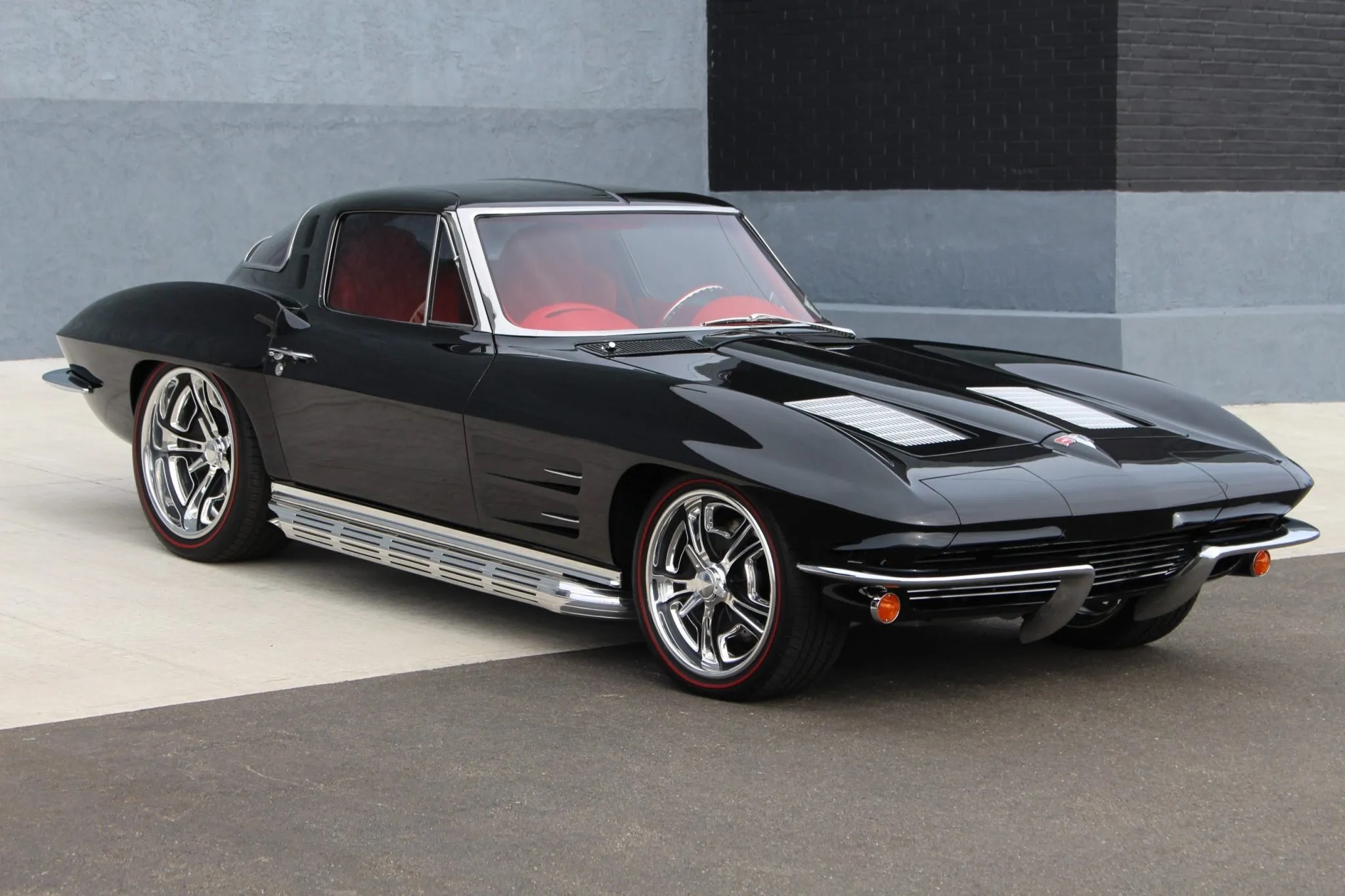
9. 1963 Chevrolet Corvette Split-Window Coupe
Estimated Price $120,000-$300,000
Styling alone turned the 1963 Chevrolet Corvette Split Window Coupe into a collector favorite, though the last decade pushed its value growth into another league entirely. Enthusiasts admired this car for generations, but rising demand and shrinking supply caused prices to surge far beyond what buyers once considered reasonable.
The rear window design became the feature that defined the car forever. The divided rear glass created a look unlike anything else on American roads during the early 1960s. Some buyers originally disliked the design because visibility suffered slightly, yet that same styling cue later transformed the Split Window Coupe into one of the most recognizable Corvettes ever produced.
Production lasted only one year, which added major collector appeal immediately. Chevrolet removed the split rear window after 1963, making surviving examples far rarer than later Corvette models. Limited availability helped values climb steadily as demand increased.
Performance also strengthened the car’s reputation. Fuel-injected V8 options and lightweight sports car proportions gave the Corvette genuine performance credentials during an era dominated by larger American cruisers. Drivers appreciated that the car combined speed with sleek styling rather than relying purely on brute force.
Auction prices rose dramatically once collectors started prioritizing originality. Matching numbers engines, factory documentation, and rare option packages now influence prices heavily. Cars retaining original interiors and correct paint colors command especially strong premiums.
Restoration quality matters enormously because poor repairs can destroy value quickly. Buyers spending serious money on vintage Corvettes expect factory correct details throughout the vehicle, from trim pieces to engine components.
Driving experience still feels special today. Long hood proportions, rumbling V8 power, and classic sports car seating position create a connection modern cars rarely deliver. Owners often describe the Split Window Coupe as elegant yet aggressive at the same time.
Media exposure also helped fuel demand. Television appearances, collector auctions, and automotive documentaries kept the car visible across generations. Younger enthusiasts entering the market quickly learned why the 1963 model carries such legendary status among Corvette collectors.
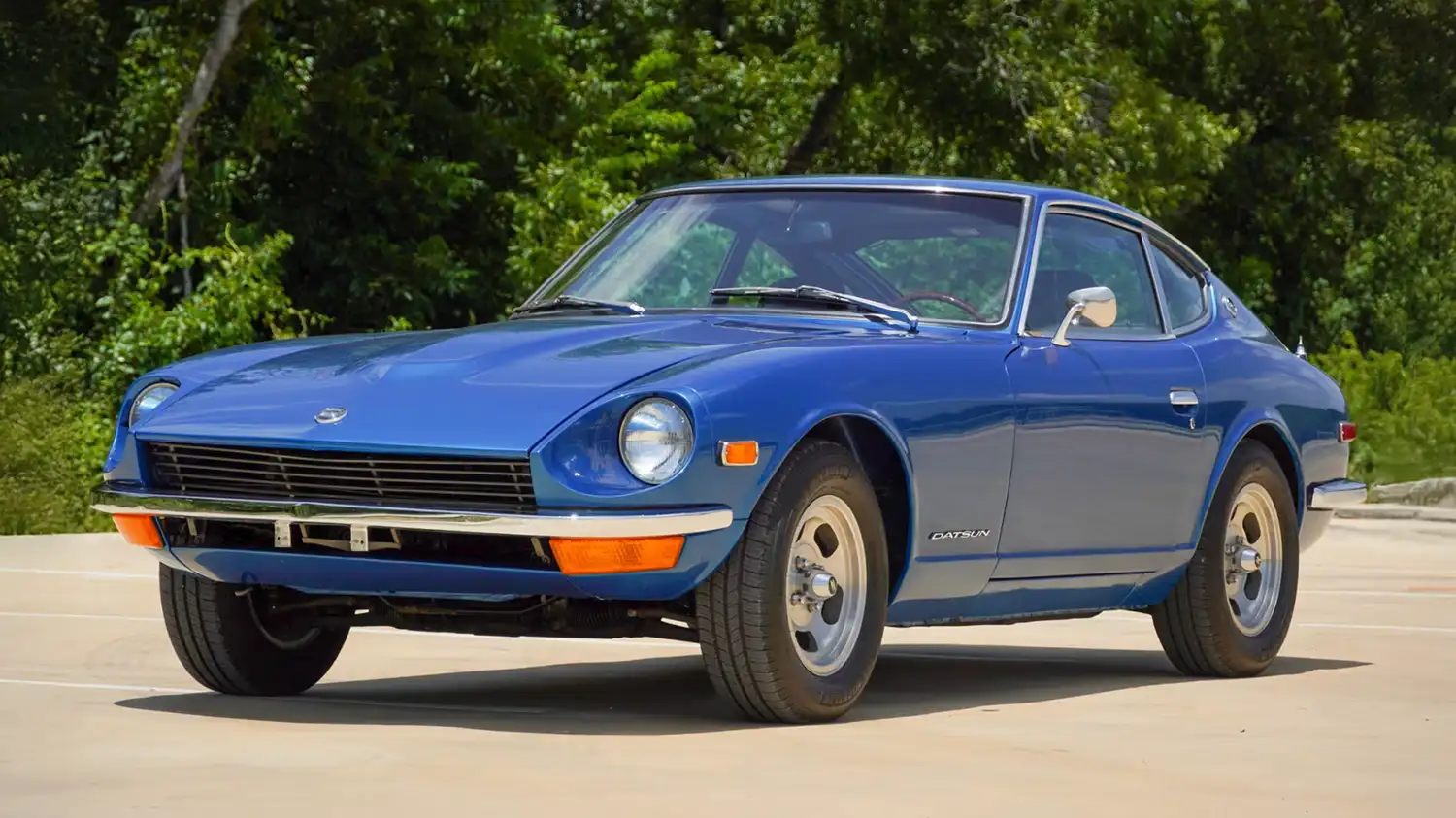
10. 1971 Datsun 240Z
Estimated Price $30,000-$90,000
Japanese collector cars gained massive respect during the last ten years, and the 1971 Datsun 240Z became one of the clearest examples of that change. Earlier generations often ignored classic Japanese sports cars completely, focusing instead on American muscle or European exotics. Collector attitudes shifted dramatically once buyers realized how influential and enjoyable the 240Z truly was.
Clean styling helped the car age beautifully. Long hood proportions, short rear deck, and balanced body lines gave the 240Z a timeless sports car appearance inspired partly by European grand touring machines. Even today, the design still looks elegant without feeling outdated.
Performance impressed buyers immediately during the early 1970s. Lightweight construction and responsive inline six cylinder power gave the 240Z a fun driving personality at a far lower price than several European competitors. Drivers loved the balance between affordability, reliability, and genuine sports car handling.
Values remained surprisingly affordable for years. Enthusiasts could purchase decent examples without spending massive money, which made the 240Z a hidden gem within the collector market. That situation changed once younger buyers started hunting for analog sports cars with vintage charm.
Rarity became a major factor because rust destroyed countless early Z cars. Poor rust protection during production years caused heavy corrosion problems, especially in colder climates. Surviving original cars suddenly became much harder to locate than collectors expected.
Auction houses began paying attention as prices climbed steadily. Restored examples with factory correct specifications started selling for double what similar cars brought a decade earlier. Ultra-clean, low-mileage survivors pushed values even further upward.
Driving experience remains one of the car’s strongest qualities. Steering feels light and responsive, engine sound stays smooth and mechanical, and the lightweight chassis creates an engaging connection between driver and road. Collectors also appreciate the historical importance of the 240Z.
Nissan proved Japanese manufacturers could build sports cars capable of competing seriously with respected European brands. That achievement changed global perceptions of Japanese performance vehicles permanently.
