
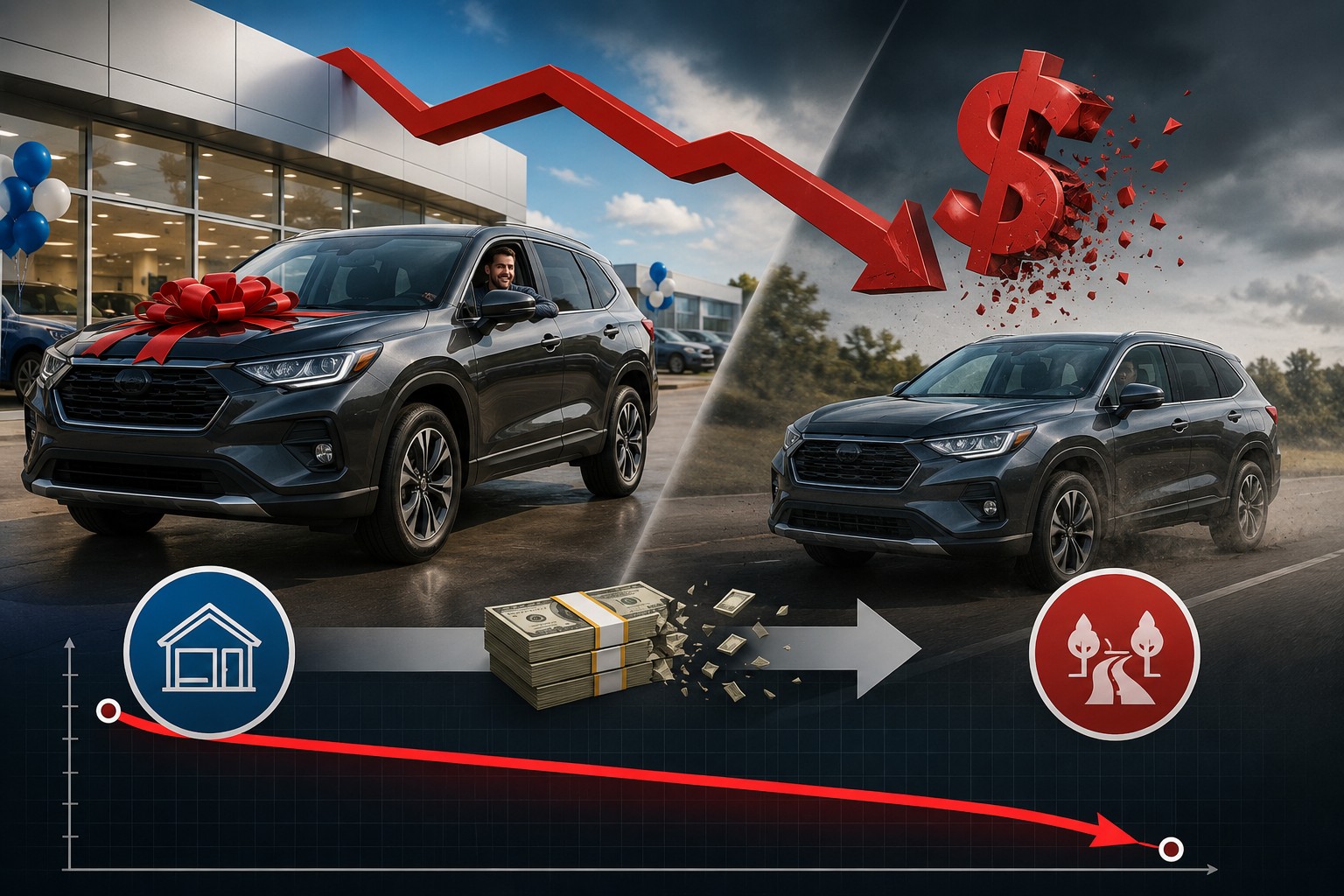
Buying a new vehicle feels like one of the best moments of your life. The showroom lights, the perfect paint, the fresh smell inside the cabin, it all feels worth every single penny you just spent. The salesperson shakes your hand, hands you the keys, and waves goodbye with a smile that suddenly makes a lot more sense than it did when you walked in.
But something invisible and immediate happens the moment you pull out of that dealership. Your brand-new vehicle begins losing value right away quietly, consistently, and without any mercy whatsoever.
This process is called depreciation, and it is one of the most powerful and least discussed financial forces in the entire automotive world. Most buyers never think seriously about it until they try to sell or trade in their vehicle years later and discover the number the dealer offers is shockingly lower than what they originally paid.
On average, a new vehicle loses between 15% and 25% of its total value the moment it leaves the dealership lot. Within the first full year of ownership, that figure can climb to 30% or even higher, depending on the brand, the segment, and the broader market conditions at the time.
That means a vehicle you paid $40,000 for today could realistically be worth just $28,000 by this time next year. You have not finished your first set of tires, have not had a single accident, and have kept the car in perfect condition, yet you have already lost $12,000 in pure financial value simply by owning it.
Different categories of vehicles depreciate at very different rates, and understanding those differences is genuinely valuable whether you are buying new, shopping the used market, or simply planning when and how to sell.
SUVs, sedans, pickup trucks, and hatchbacks each follow their own distinct depreciation curve, shaped by consumer demand, brand reputation, fuel economy, and long-term market trends. What you choose to buy, and when you choose to sell it, can be the difference between a manageable financial decision and a surprisingly expensive one.
SUVs
Sport Utility Vehicles are among the most popular and most aggressively marketed vehicles sold anywhere today. Families love their practicality, commuters appreciate the raised driving position, and dealerships earn some of their healthiest margins from selling them at premium prices.
Walk into almost any showroom on any continent, and the SUVs will be front and centre, polished under bright lights and positioned to impress. What those lights do not illuminate is what happens to the financial value of that vehicle the moment you drive it away.
A mid-size SUV priced at $45,000 typically loses around 20% of its total value on the very first day of ownership. That is roughly $9,000 evaporating before you have even unloaded your grocery bags from the rear cargo area.
Luxury SUVs suffer even more dramatically. A $75,000 premium SUV can shed between $15,000 and $18,000 in its first year alone, placing the owner in a significant financial hole that was never mentioned during the enthusiastic test drive experience at the dealership.
The fundamental reason SUVs depreciate so sharply at the beginning comes down to the gap between new and used market pricing. Dealers apply considerable markups to new SUVs, inflating the purchase price well above what the vehicle will realistically command on the open used market even one week later.
The moment your SUV is classified as a used vehicle, it must compete directly with certified pre-owned models that are thousands of dollars cheaper and often backed by manufacturer warranty coverage. That competition immediately suppresses what a private seller or dealer will offer you in return.
Fuel efficiency is a second major factor working against SUV resale values. Many larger SUVs, particularly full-size models and three-row configurations, carry low miles-per-gallon ratings that make them significantly more expensive to operate than smaller alternatives.
When fuel prices rise, and they have risen sharply multiple times in recent memory, buyer demand for fuel-heavy SUVs softens noticeably and quickly. That softening demand flows directly into lower resale prices, punishing owners who paid full price during a period of cheaper fuel.
Toyota and Honda consistently lead the SUV segment when it comes to holding value over time. The RAV4 and CR-V are widely considered benchmarks for resale performance precisely because decades of proven reliability keep buyer demand consistently high in the used market.
A used RAV4 with reasonable mileage attracts many competing buyers, and that competition naturally supports stronger pricing. European luxury brands occupy the opposite end of the spectrum.
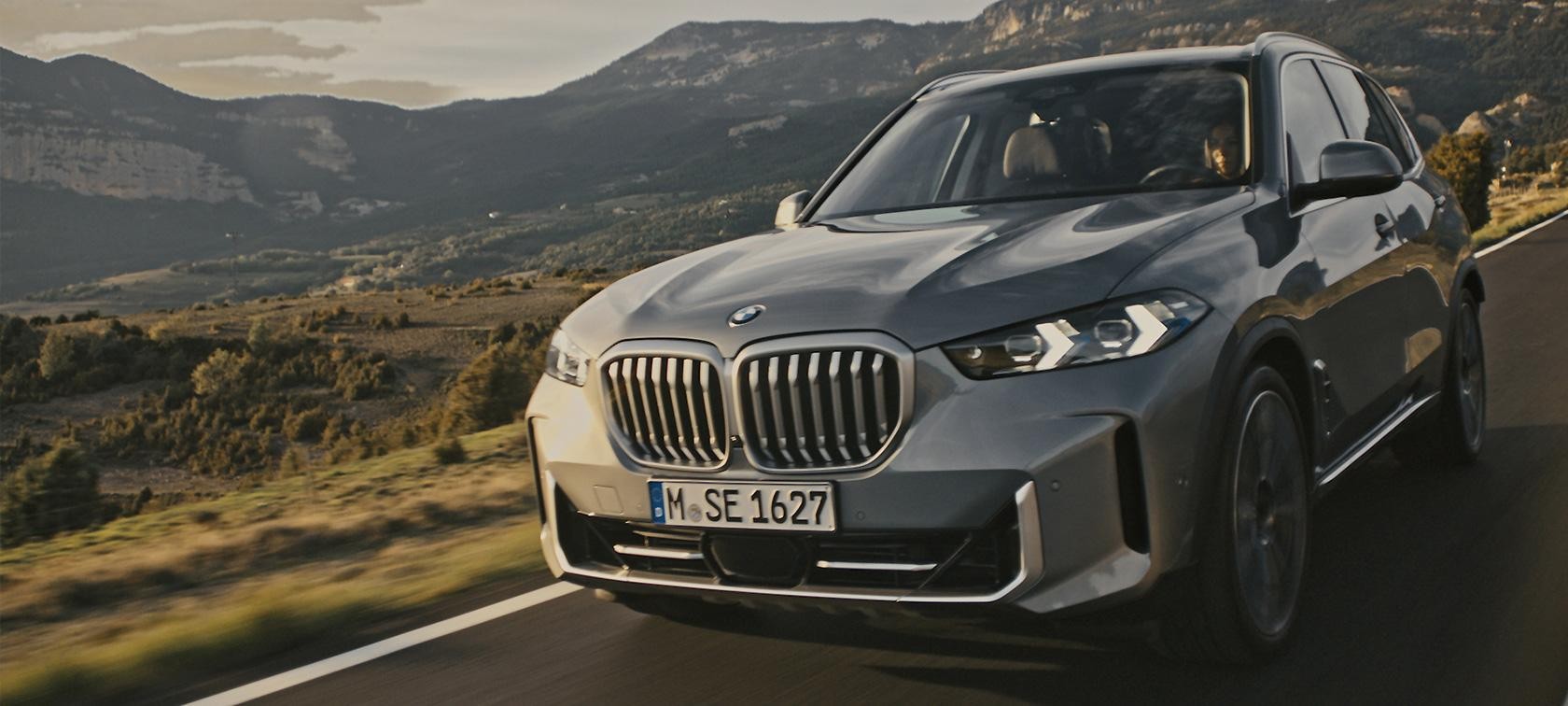
A BMW X5, Audi Q7, or Land Rover Defender loses value so aggressively in the first two years that purchasing one new is considered by many financial analysts to be among the most expensive automotive decisions a private buyer can make when the total cost of ownership is calculated honestly.
Consider the full picture of buying a $60,000 full-size SUV and driving it normally for twelve months. By the time that first year concludes, the vehicle may realistically be worth only $42,000 on the used market.
That is $18,000 in value simply gone, roughly $1,500 disappearing from your net worth every single month without a single repair bill, accident claim, or missed service appointment.
Stretched across five years of ownership, many mainstream SUVs retain only 40% to 50% of their original purchase price, confirming that the first afternoon of ownership is genuinely the single most expensive period of the entire experience.
Sedans and Cars
The traditional sedan was once the undisputed backbone of the global automotive industry for most of the twentieth century. Practical, affordable, fuel-efficient, and available in every price range, the sedan served generations of families and commuters reliably and without much financial controversy.
Today, it faces a market reality that has fundamentally shifted against it, and that shift is making sedan depreciation measurably worse than it was even a decade ago.
Buyers across North America, Europe, Australia, and increasingly large parts of Asia are abandoning sedans in favour of SUVs and crossovers at a scale that has genuinely surprised automotive industry observers.
This mass consumer migration away from the segment has created an oversupply of used sedans relative to demand, which is the exact economic condition that accelerates depreciation and keeps resale prices stubbornly low across almost every trim level and brand.
A standard mid-size sedan priced at $30,000 loses between 15% and 20% of its value on the actual day of purchase. That is a loss of $4,500 to $6,000 materialising in a single afternoon of paperwork, financing discussions, and handshakes.
By the end of the first full year, most sedans have shed 25% to 30% of their original value, leaving a carefully maintained $30,000 car worth somewhere between $21,000 and $22,500 after just twelve months of ownership. Nothing went wrong with the vehicle. The market simply moved on.
The manufacturers themselves have begun sending an unmistakable signal about where this segment is heading in the long term. Ford discontinued passenger car sales entirely across North America, a decision that would have seemed commercially unthinkable twenty years ago.
General Motors dramatically reduced its sedan lineup and has shown no appetite to reverse that direction. When the companies responsible for building these vehicles conclude that long-term demand cannot justify continued investment, the used market absorbs that signal immediately.
Fewer buyers pursue the same pool of available used sedans, prices soften further, and depreciation accelerates in ways that pure mechanical reliability alone cannot counteract.
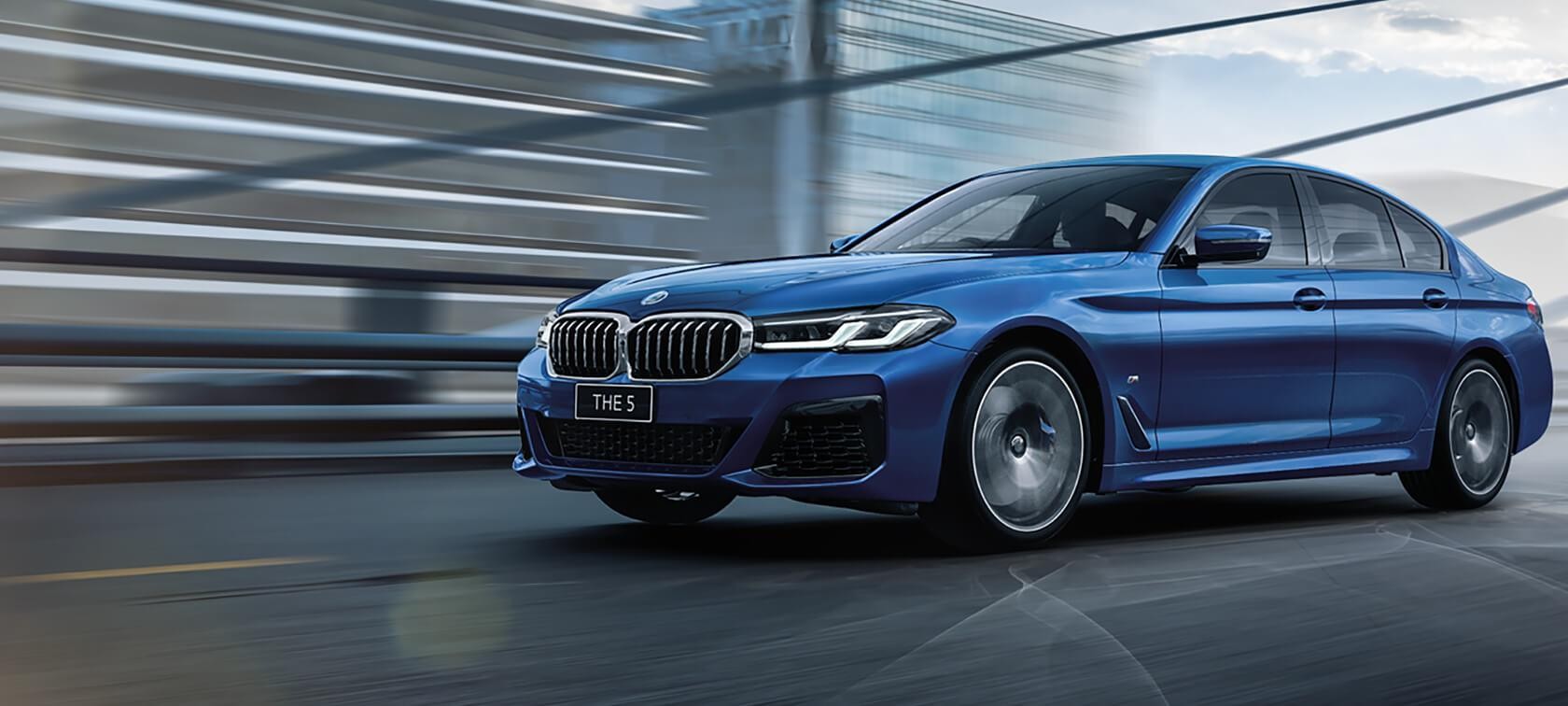
Luxury sedans represent the most painful corner of this story. A $55,000 BMW 5 Series or Mercedes-Benz E-Class can lose up to 30% of its purchase price within the first year alone.
That is a $16,500 loss before the vehicle has completed its initial scheduled service interval. German luxury brands have carried notoriously steep early depreciation for decades, driven primarily by the combination of high ongoing maintenance costs, expensive repair bills, and rapid model cycle updates that make even recent versions feel dated within a few years of purchase.
Prospective buyers price all of those future costs into their offers, and the result is resale numbers that consistently shock first-time luxury sedan owners at trade-in time.
Japanese sedans represent the clear and consistent exception to these trends. The Toyota Camry and Honda Accord have built genuinely legendary reputations in the used car market across multiple generations of buyers.
A Camry purchased at today’s prices will likely still retain 50% to 55% of its original value after five full years of normal use, a figure that comfortably outperforms most sedans and remains competitive against many popular SUV models from brands with far higher reputations for resale performance.
Pickup Trucks
Pickup trucks exist in an entirely different depreciation universe from the rest of the automotive market, and understanding why that is true reveals something important about the relationship between genuine utility and financial value retention.
The Ford F-150 has held the position of best-selling vehicle in the United States for over 40 consecutive years, a run of commercial dominance that has no real parallel in any other consumer product category anywhere. That level of sustained, multigenerational demand functions as a powerful and natural shield against the worst effects of depreciation.
A full-size pickup truck priced at $50,000 typically loses around 15% of its value during the first year of ownership, amounting to approximately $7,500. That figure is real and cannot be dismissed, but it is noticeably and consistently softer than what sedan buyers and SUV buyers absorb during the same twelve-month period.
The explanation lies in the nature of what trucks are actually purchased to do. People buy trucks to perform real, measurable work hauling construction materials, towing trailers and boats, going through the farm terrain, and carrying equipment that no sedan or crossover could handle.
That practical utility creates a buyer pool that spans contractors, farmers, tradespeople, outdoor enthusiasts, and large families simultaneously. When that many different types of buyers are all competing for the same pool of used vehicles, prices resist downward pressure far more effectively than in segments where demand is narrower and more lifestyle-driven.
The trim level chosen at the time of purchase matters enormously in the truck segment, and this reality catches a significant number of first-time truck buyers completely off guard when trade-in conversations begin.
A base-trim work truck configured for genuine practical labour often depreciates less aggressively over time than a fully loaded luxury truck equipped with every available premium feature.
A $70,000 Ram 1500 Limited or a $75,000 Ford F-150 Platinum must compete in a considerably narrower used market than a $42,000 work-configured model does, simply because fewer buyers can qualify for financing on a high-priced used truck, and fewer still actively want one. The smaller the realistic buyer audience, the lower the resale price tends to settle.
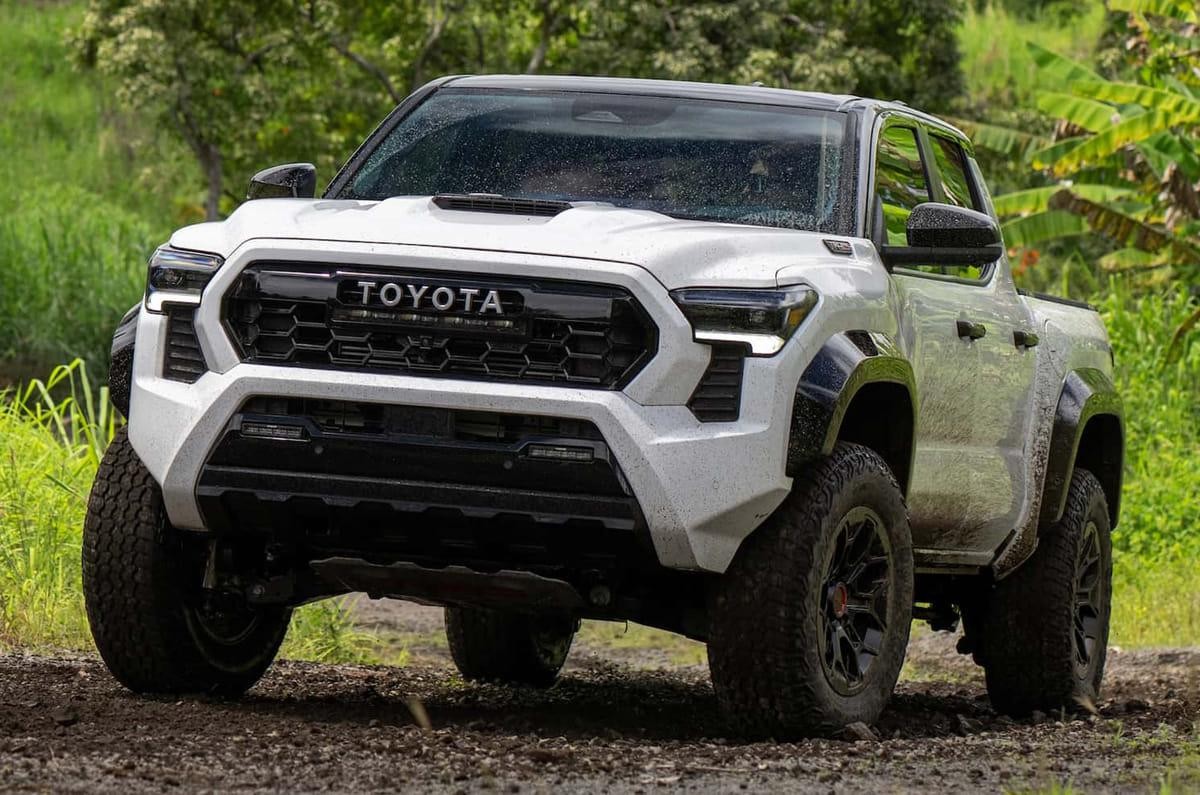
The Toyota Tacoma deserves its own extended discussion as the single most remarkable resale value story in modern automotive history. Some used Tacoma examples have sold at prices approaching or even matching their original manufacturer-suggested retail price after two or three years of ownership, an outcome that is genuinely unprecedented in the mainstream vehicle market.
The combination of high, consistent demand, deliberately limited production volumes relative to competitors, and an intensely loyal ownership community that treats the Tacoma almost as a collector’s item has created resale conditions with no real comparison elsewhere in the industry.
Ford F-150, Chevrolet Silverado, and Ram 1500 all deliver strong resale performance in their own right, their enormous market presence ensuring that a large and competitive pool of buyers always exists to support pricing.
Even with the truck segment’s superior resale performance relative to other categories, buying any new truck still means absorbing a first-day financial loss. A $55,000 truck purchased this morning is realistically worth somewhere around $50,000 on the open used market by tomorrow afternoon.
The genuinely meaningful difference is that the depreciation trajectory from that initial drop forward is far flatter and more gradual than in almost any other vehicle type, making the pickup truck one of the most financially rational new vehicle purchases available to a buyer willing to look honestly at the long-term numbers.
Hatchbacks
Hatchbacks are routinely underestimated and consistently overlooked by buyers who are drawn toward larger, more visually commanding vehicles. The compact hatchback does not photograph dramatically, does not command attention in a parking lot, and rarely generates the kind of emotional excitement that moves people toward signing a purchase agreement on impulse.
But from a straightforward financial perspective, the hatchback represents one of the most rational and defensible new vehicle purchases available in virtually any market, for reasons that become clear the moment you examine how depreciation mathematics actually work in practice.
The core advantage is elegantly simple. A $22,000 hatchback losing 20% of its value on day one loses $4,400 in real dollar terms. That exact same 20% depreciation rate applied to a $60,000 SUV produces a $12,000 loss.
The percentage is mathematically identical, but the real-world financial damage is dramatically different, and that difference compounds meaningfully across the full ownership period.
What makes the situation even more favourable for hatchback buyers is that most mainstream compact hatchbacks actually depreciate at a lower percentage rate than sedans and SUVs, typically losing between 10% and 18% on the day of purchase, making the first-day financial hit softer in both relative and absolute terms simultaneously.
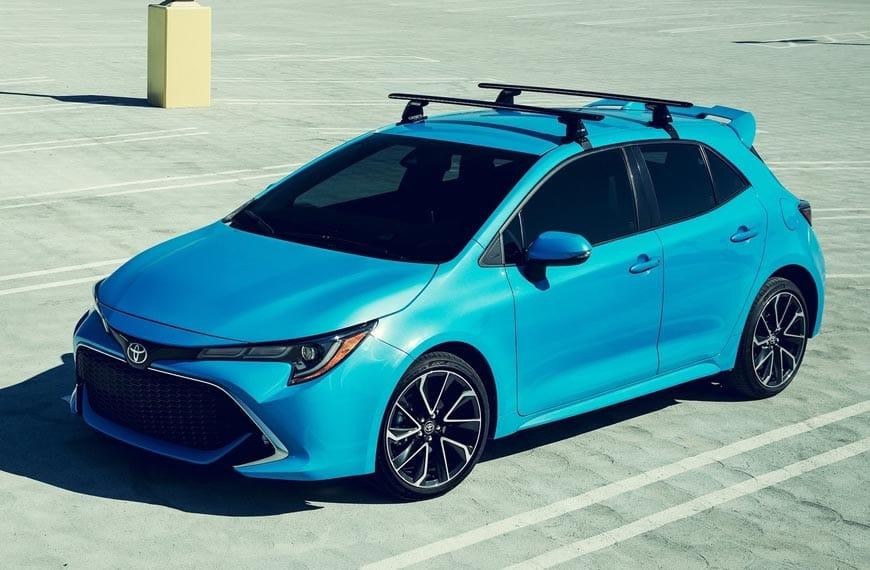
Fuel efficiency provides a second layer of financial protection that hatchback owners benefit from in ways that are not immediately obvious at purchase time. When economic conditions tighten and fuel prices climb, small and efficient vehicles experience a measurable surge in demand from cost-conscious buyers who are suddenly very motivated to reduce their monthly operating expenses.
This cyclical demand pattern provides a genuine buffer against the downward depreciation pressure that affects larger vehicles during the same economic periods.
A hatchback that might have seemed unremarkable or even undesirable during a sustained period of cheap fuel becomes significantly more attractive when filling a tank becomes expensive again, and that renewed desirability keeps used resale prices firmer than they would otherwise track.
Urban living patterns also support hatchback values in ways that have become more pronounced over the past decade. As more of the global population concentrates in cities and large metropolitan areas, the practical advantages of compact dimensions, easier parking, lower fuel consumption, and better manoeuvrability in dense traffic translate directly into sustained demand for small vehicles.
That demand does not disappear when economic cycles shift or when manufacturers release new models, providing a consistent floor beneath hatchback resale prices that many other segments simply cannot count on.
Performance hatchbacks and hot hatch variants represent a genuinely separate financial category that deserves specific attention. A $42,000 Volkswagen Golf R, a $38,000 Honda Civic Type R, or a $45,000 Hyundai i30 N carries premium pricing that appeals to a considerably narrower audience than a standard compact hatchback does.
Performance enthusiasts are passionate, knowledgeable, and loyal to their preferred models, but they are not numerically large. When the time comes to sell a used high-performance hatchback, the limited pool of buyers willing and able to pay a premium for that specific driving experience drags resale prices noticeably lower than the depreciation curves of base variants would suggest, often surprising owners who assumed their vehicle’s specialness would translate into exceptional value retention.
Toyota and Honda continue to lead the hatchback segment in value retention, with the Corolla Hatchback and Honda Jazz consistently delivering resale performance that outpaces most competitors across multiple market cycles.
Over the past decade, Hyundai and Kia have transformed their position in the automotive market. Improved reliability ratings have increased buyer confidence, while competitive pricing has made their vehicles more appealing to a wider range of used-car shoppers. As a result, both brands now attract far more interest in the pre-owned market than they did ten years ago.
For a buyer whose primary need is practical, reliable, daily-use transportation and who wants to minimise the total financial damage associated with buying new, the mainstream compact hatchback remains the most consistently sensible answer the automotive market offers.
What Controls Depreciation Across Every Vehicle
Regardless of which segment a vehicle belongs to, the same core forces determine how quickly value disappears after that first drive home. Brand reputation sits at the absolute top of that list and influences resale prices more powerfully than almost any other single variable.
Toyota and Honda consistently outperform the broader market year after year because their established reliability record reduces the perceived ownership risk for used car buyers, and lower perceived risk translates directly and reliably into stronger demand and better resale prices across every segment they compete in.
Mileage and physical condition accelerate or moderate the depreciation curve in ways that are almost entirely within the control of the individual owner. A vehicle driven 20,000 miles annually loses value measurably faster than one driven 10,000 miles under identical conditions.
Scratches, interior wear, stained upholstery, and any evidence of deferred maintenance amplify value loss beyond the normal depreciation rate and make an already difficult resale conversation considerably harder to go through.
Keeping service records, addressing cosmetic issues promptly, and maintaining the interior carefully are among the few genuine tools an owner has to slow the depreciation process after purchase.
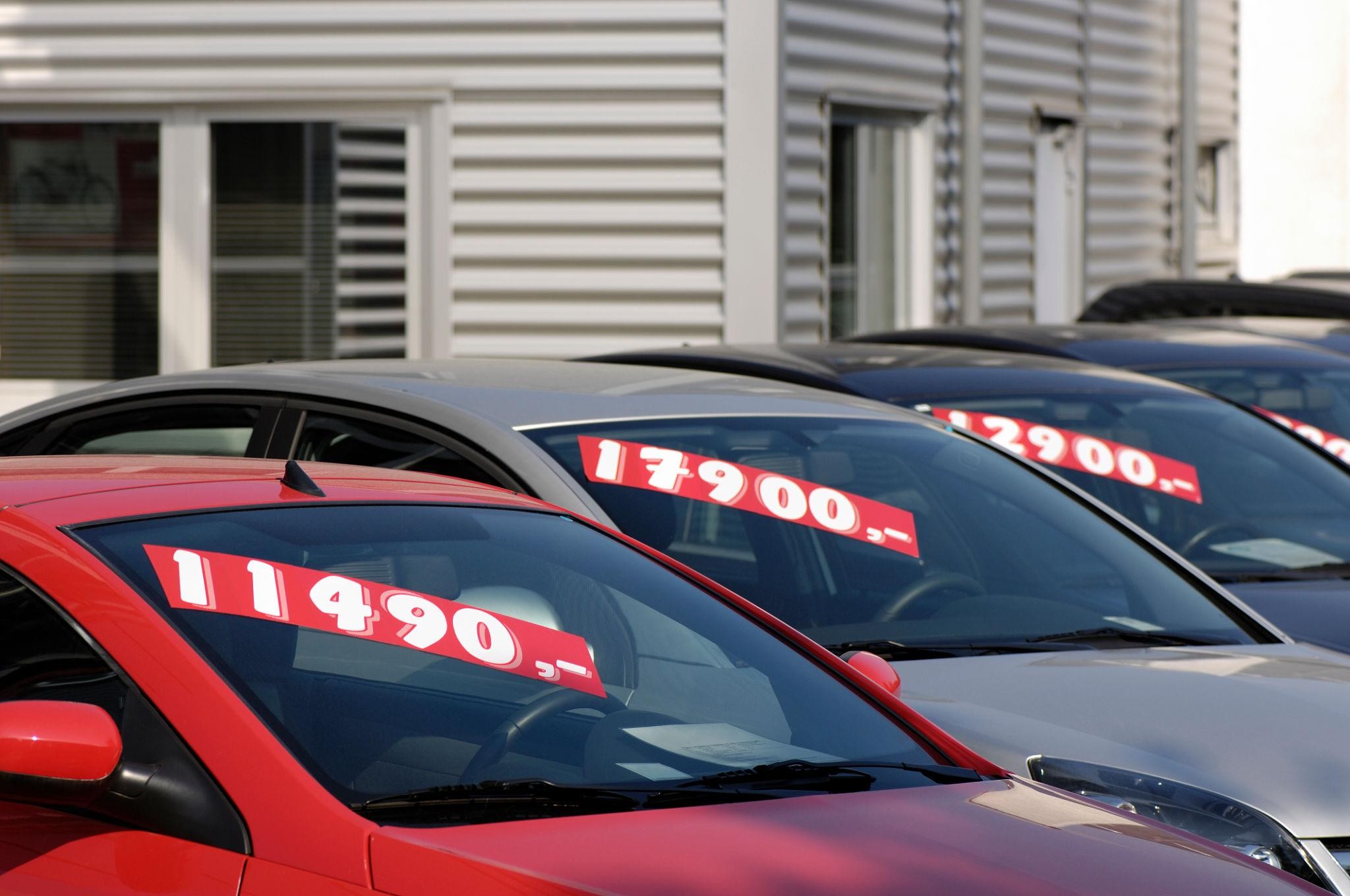
New model releases from manufacturers strike immediate and sometimes sharp blows to the resale value of the outgoing generation. When a brand announces a redesigned version of a popular model, buyers redirect their attention toward the new variant, the used supply of the previous generation increases as owners rush to trade before values drop further, and resale prices can fall noticeably within weeks of a single press release.
Timing a trade-in or private sale before a scheduled model refresh is one of the few market-timing strategies that genuinely produces measurable financial benefit for informed sellers.
Colour and configuration influence resale pricing more than the majority of vehicle owners appreciate until they experience the impact firsthand. Neutral colours, white, silver, black, and grey consistently command stronger resale prices across all segments and all markets because they appeal to the broadest possible pool of buyers.
An unusual or bold colour choice, however personally satisfying at purchase time, immediately narrows the audience for that vehicle when it enters the used market, and a narrow audience almost always means weaker offers.
Trim levels that strike a balance between features, price, and everyday usability typically attract the widest range of buyers, helping them retain stronger resale values. In contrast, ultra-luxury models and niche performance variants appeal to a much smaller group of enthusiasts. With fewer potential buyers in the market, these specialized versions often struggle to maintain resale prices at the same level as more broadly desirable configurations.
Also Read: 8 Cars That Failed the New Side Impact Test
