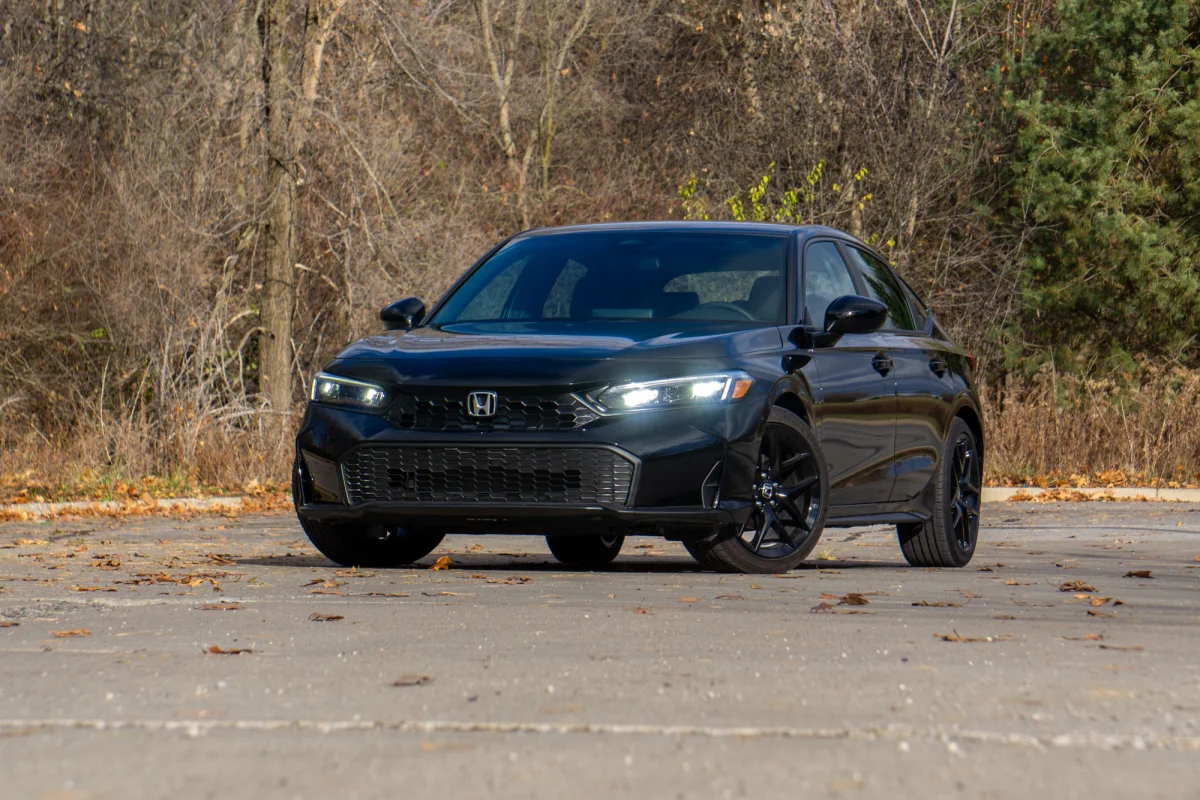
Since its debut in the early 1970s, the Honda Civic has developed into one of the most influential compact cars in automotive history. Over more than five decades, it has continually adapted to shifting regulations, new technologies, and evolving consumer expectations while maintaining its core strengths of reliability, efficiency, and practicality.
Across its generations, the Civic has ranged from basic economy transportation to an enthusiast favorite known for lightweight design and engaging performance. Some versions introduced innovations that shaped the compact-car segment, while others emphasized comfort and everyday usability.
Its global success is reflected in millions of units sold, with each generation evaluated based on impact, innovation, driving enjoyment, and execution, highlighting how it has consistently evolved while remaining true to its purpose.
Also Read: 10 SUVs Ranked By Cargo Space Behind The Third Row
10. Seventh Generation Honda Civic (2001-2005)
Honda took a different approach with the seventh-generation Civic. Instead of emphasizing sporty character, the company focused heavily on practicality, comfort, and broad consumer appeal.
The result was a car that sold well but generated less enthusiasm than many earlier Civics. The styling appeared more upright, interior packaging became a priority, and ride quality improved noticeably. These changes attracted mainstream buyers who wanted reliable transportation rather than an engaging driving experience.
One of the generation’s biggest accomplishments involved cabin space. Honda’s engineers created an interior that felt surprisingly roomy for a compact car. Families and commuters appreciated the additional comfort, helping the Civic maintain its strong position within the segment.
This generation also introduced the Civic Hybrid, marking an important step in Honda’s electrification journey. At a time when hybrid technology remained relatively uncommon, the model demonstrated Honda’s willingness to experiment with alternative powertrains.
Enthusiasts, however, often viewed the seventh generation less favorably. The handling characteristics felt softer than those of previous Civics, and some of the playful nature associated with earlier models seemed diminished. While practical advantages increased, emotional appeal declined.
Yet dismissing this generation would be unfair. Millions of buyers valued exactly the qualities Honda prioritized. Reliability remained excellent, fuel efficiency was impressive, and maintenance costs stayed remarkably low.
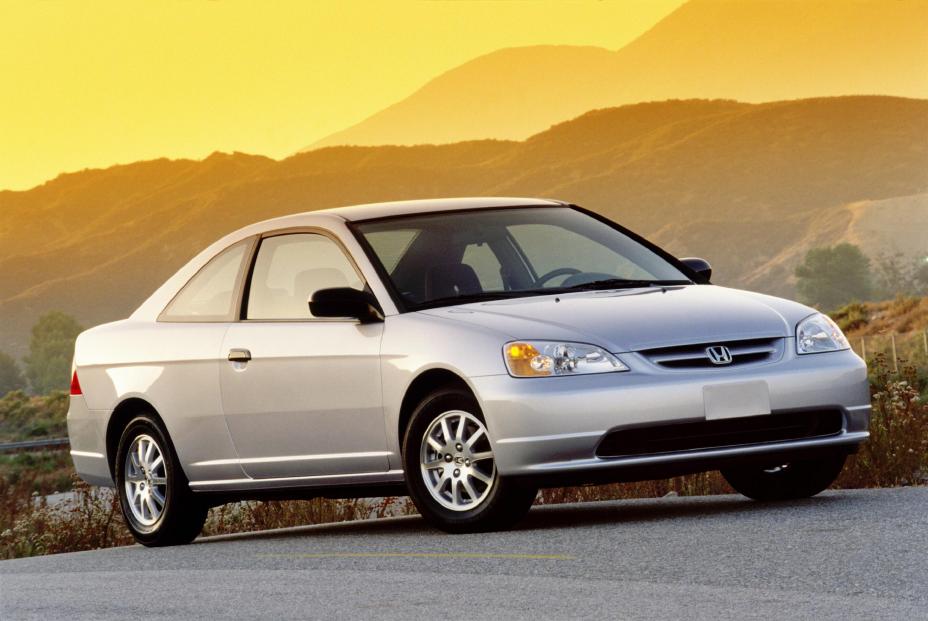
Looking back, the seventh-generation Civic represented a deliberate shift toward mainstream acceptance. It may not be remembered as the most exciting Civic, but it successfully broadened the model’s appeal and helped ensure continued commercial success.
Its place near the bottom of the ranking reflects its reduced enthusiast impact rather than any serious flaws in execution.
Specifications
- Engine: 1.7-Liter Inline-4
- Torque: 110 lb-ft
- Horsepower: 127 hp
- Length/Width: 174.6 in / 67.5 in
9. First-Generation Honda Civic (1972-1979)
Every great automotive story has a beginning, and for the Civic, that story started with a small, economical hatchback that arrived at precisely the right moment. The first-generation Civic may seem modest by modern standards, but its importance to Honda’s history cannot be overstated.
When the Civic entered the market, fuel efficiency was becoming increasingly important. The oil crisis changed consumer priorities almost overnight, and buyers suddenly became interested in vehicles that could travel farther on less fuel. Honda’s compact newcomer fit that requirement perfectly.
Unlike many economy cars of the era, the Civic offered more than simple affordability. It was well-built, easy to drive, and surprisingly refined for its size.
The introduction of Honda’s CVCC engine further enhanced its reputation by meeting strict emissions standards without requiring a catalytic converter at a time when many competitors struggled to adapt.
The Civic quickly established Honda as a serious player in international markets, particularly in North America. Buyers who had never considered a Japanese vehicle suddenly discovered a compact car that combined efficiency with dependability.
Its influence extended far beyond sales figures. The first-generation Civic laid the foundation for everything that followed. Without its success, Honda’s global expansion might have looked very different.
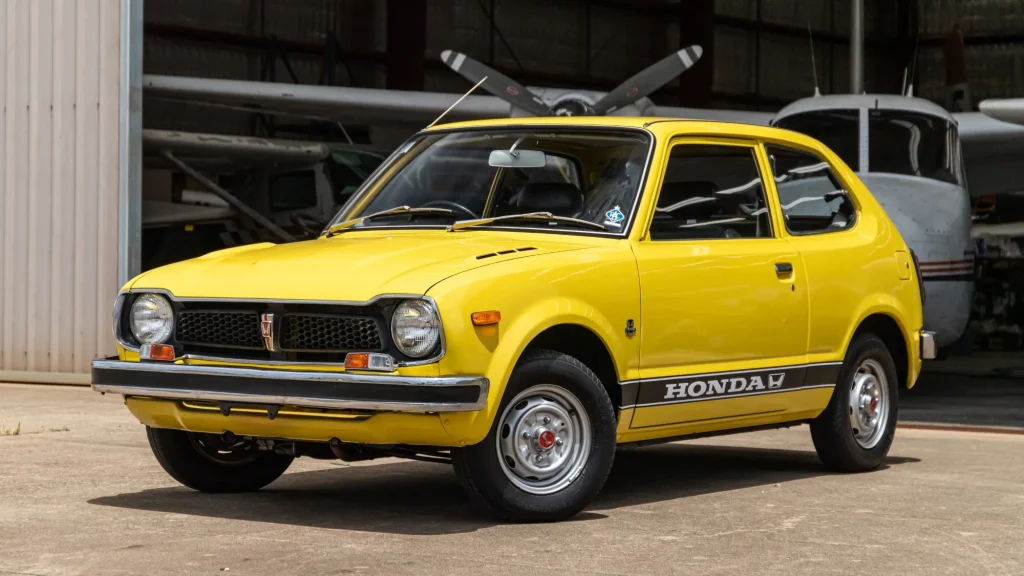
Naturally, time has revealed its limitations. Performance was modest, safety features were minimal by modern standards, and interior space was restricted compared with later generations. Yet those shortcomings are understandable given the era in which the car was developed.
The first Civic earns its place in this ranking because of historical significance. It created one of the automotive world’s most enduring nameplates and proved that a compact car could be both practical and desirable.
Specifications
- Engine: 1.5-Liter Inline-4 CVCC
- Torque: 82 lb-ft
- Horsepower: 53 hp
- Length/Width: 139.8 in / 59.1 in
8. Eighth-Generation Honda Civic (2006-2011)
Few Civic generations arrived with a more dramatic visual transformation than the eighth generation. Honda abandoned conservative styling and introduced a futuristic design that immediately distinguished the car from virtually every competitor in the compact segment.
The dashboard became one of the vehicle’s defining features. Its two-tier instrument panel looked unlike anything else available at the time. Some buyers needed time to adjust to the unconventional layout, but many appreciated Honda’s willingness to take risks.
Beneath the striking design sat a highly capable compact car. Fuel economy remained strong, reliability continued to be a major selling point, and handling characteristics struck an appealing balance between comfort and agility.
This generation also benefited from one of the most beloved performance variants in Civic history. The Civic Si featured a high-revving 2.0-liter engine, a slick manual transmission, and engaging driving dynamics that earned widespread praise among enthusiasts.
At the same time, mainstream buyers found plenty to like. The cabin felt modern, safety technology improved, and ownership costs remained competitive. As a result, the eighth-generation Civic appealed to a broad range of customers.
Not every aspect aged perfectly. Certain interior materials received criticism, and road noise could become noticeable at highway speeds. Nevertheless, these concerns were relatively minor compared with the model’s many strengths.
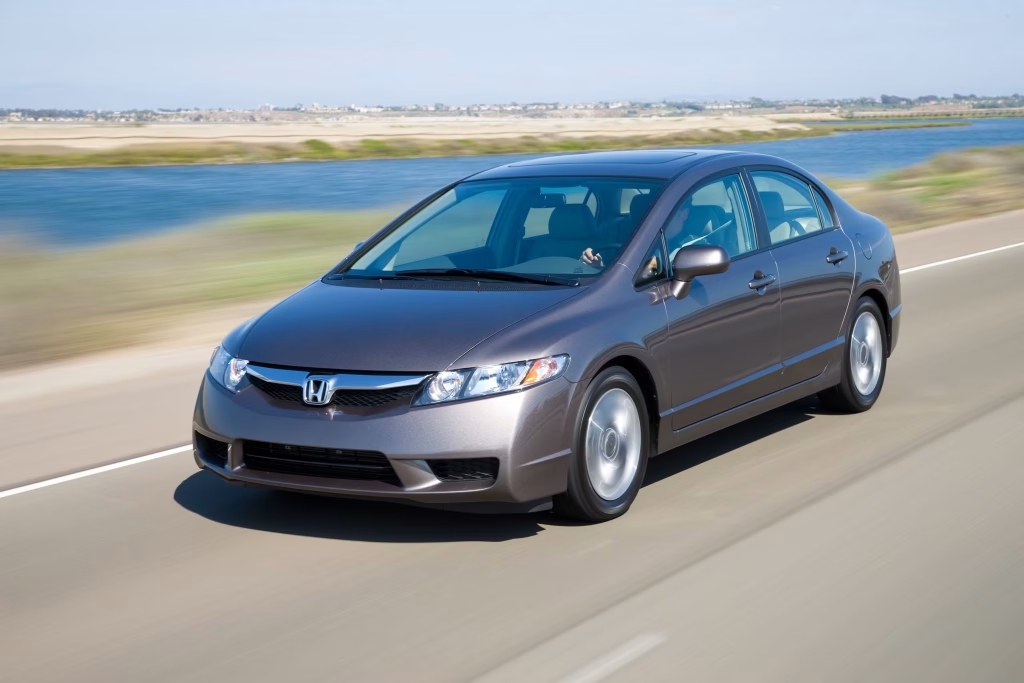
The eighth generation stands as one of Honda’s boldest redesigns. It demonstrated that a practical compact car could also feel distinctive and forward-thinking.
While later generations refined the formula further, this version deserves recognition for taking the Civic in a fresh direction and helping maintain its relevance in an increasingly competitive marketplace.
Specifications
- Engine: 1.8-Liter Inline-4
- Torque: 128 lb-ft
- Horsepower: 140 hp
- Length/Width: 177.3 in / 69.0 in
7. Third-Generation Honda Civic (1984-1987)
The third-generation Civic arrived at a time when Honda was rapidly building its reputation for engineering excellence. Rather than relying solely on the success of earlier models, the company used this generation to demonstrate that small cars could be innovative, practical, and surprisingly enjoyable to drive.
One of the most memorable aspects of this civic was its variety. Buyers could choose from hatchbacks, sedans, wagons, and the distinctive CRX, which shared much of the Civic’s engineering. This broad lineup helped Honda appeal to a wider audience than many rivals could reach.
Design also played an important role. Compared with the first two generations, the third-generation Civic looked more modern and aerodynamic. The sharper lines and improved proportions reflected changing automotive trends while maintaining the compact dimensions that buyers appreciated.
Under the skin, Honda continued refining its engineering philosophy. Improved suspension systems enhanced ride quality and handling, giving the Civic a reputation for agility that many competitors struggled to match. Fuel economy remained excellent, reinforcing the car’s appeal during an era when efficiency still mattered greatly.
The generation’s significance extends beyond sales numbers. It helped establish the Civic as something more than basic transportation. Owners began to recognize that Honda could deliver reliability and driving enjoyment in the same package.
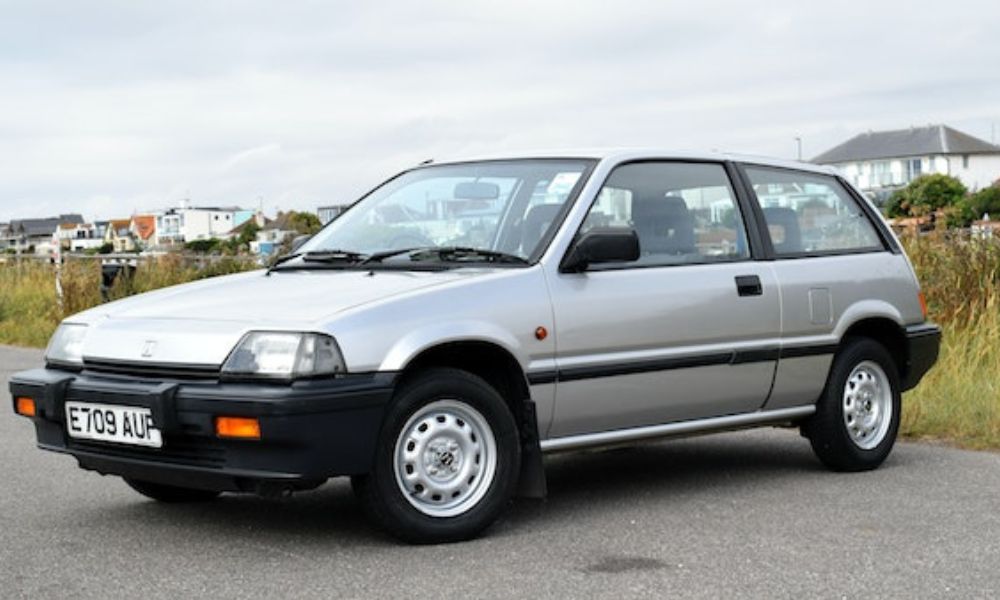
The CRX’s popularity also boosted the Civic family’s image among enthusiasts. Lightweight construction and responsive handling made it a favorite among drivers who wanted affordable performance.
Looking back, the third-generation Civic represented an important step in the model’s evolution. It expanded the Civic’s appeal, strengthened Honda’s reputation, and laid the groundwork for some of the company’s most celebrated future products.
Specifications
- Engine: 1.5-Liter Inline-4
- Torque: 83 lb-ft
- Horsepower: 91 hp
- Length/Width: 150.8 in / 64.2 in
6. Tenth-Generation Honda Civic (2016-2021)
The tenth-generation Civic marked one of the most significant reinventions in the model’s history. After criticism directed at the previous generation, Honda responded with a vehicle that felt more ambitious in nearly every respect.
From the moment it debuted, the Civic attracted attention through its aggressive styling. Sharp body lines, a low stance, and coupe-like proportions helped the car stand out in a segment often criticized for conservative design. Whether buyers loved or disliked certain styling details, few could accuse Honda of playing it safe.
The transformation extended beyond appearance. Honda introduced a new platform that improved structural rigidity, ride quality, and handling precision. The result was a Civic that felt more refined and engaging than many competitors.
Turbocharged engines also became a major part of the story. The availability of small-displacement turbo powerplants allowed Honda to improve performance and efficiency simultaneously. These engines gave the Civic stronger acceleration while maintaining excellent fuel economy.
Interior quality improved substantially as well. Materials felt more upscale, technology became more competitive, and passenger space remained among the best in the compact-car category.
Performance enthusiasts received additional reasons to celebrate. Civic Si and Type R variants upgraded the generation’s reputation, particularly the Type R, which quickly became one of the most respected front-wheel-drive performance cars ever built.
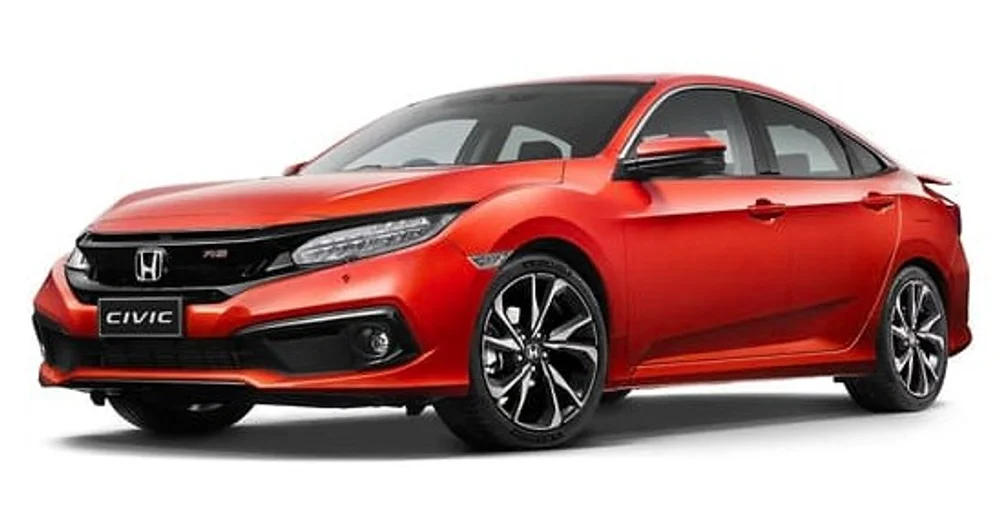
This Civic succeeded because it appealed to multiple audiences at once. Commuters appreciated the efficiency and practicality, while enthusiasts enjoyed the improved driving dynamics and performance models.
By addressing weaknesses from the previous generation and introducing meaningful innovation, the tenth-generation Civic reestablished itself as one of the benchmarks in the compact-car segment.
Specifications
- Engine: 1.5-Liter Turbocharged Inline-4
- Torque: 162 lb-ft
- Horsepower: 174 hp
- Length/Width: 182.3 in / 70.8 in
5. Fourth-Generation Honda Civic (1988-1991)
By the late 1980s, Honda had already established the Civic as a respected compact car, but the fourth-generation model upgraded the nameplate to a new level. This was the generation where Honda’s engineering ambitions became impossible to ignore.
The car arrived with cleaner styling, improved aerodynamics, and a noticeably more sophisticated driving experience. While many compact cars of the era focused purely on affordability, the Civic demonstrated that efficiency and refinement could coexist. Buyers immediately noticed the improvements in ride quality, handling balance, and build quality.
A major reason enthusiasts continue to celebrate this generation is its role in introducing Honda’s revolutionary VTEC technology.
Although not every version received the system, the performance-oriented Civic Si showcased an engine that could combine everyday usability with impressive high-rpm excitement. That innovation would become one of Honda’s defining characteristics for decades.
Another strength involved weight management. The fourth-generation Civic remained relatively light, allowing even modestly powered models to feel responsive. Combined with precise steering and excellent chassis tuning, the car delivered an engaging experience that stood out within the compact segment.
Families appreciated the practicality, while younger drivers admired the sporty character. Few vehicles managed to bridge those audiences as successfully as this Civic.
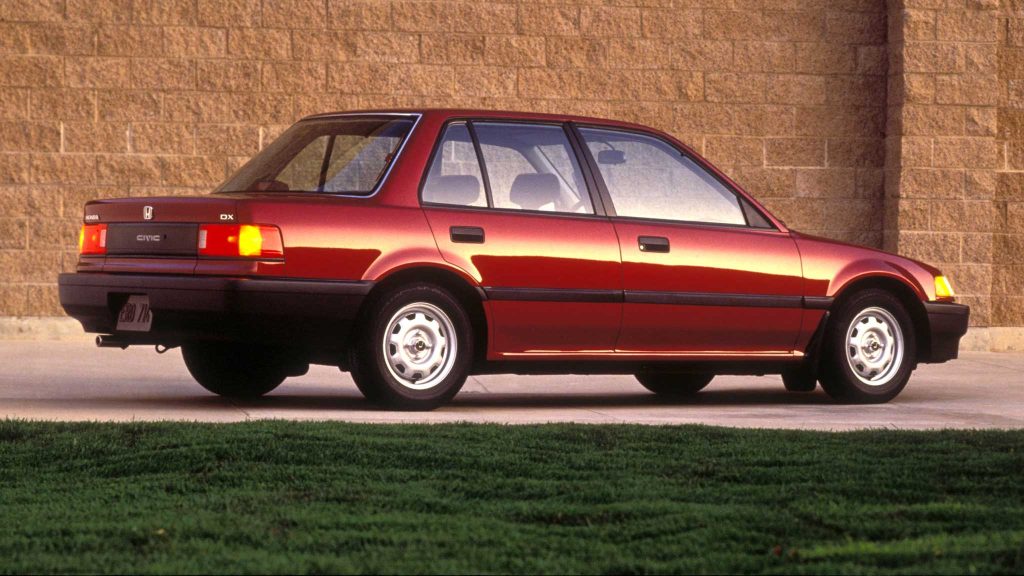
The generation also gained a strong reputation for durability. Many examples accumulated high mileage with minimal trouble, reinforcing Honda’s growing image as a manufacturer of dependable vehicles.
Looking back, the fourth-generation Civic represents a pivotal moment in the model’s history. It blended innovation, efficiency, reliability, and driver involvement in a way that influenced countless future Hondas.
For many enthusiasts, this generation marks the beginning of the Civic’s transformation from a simple economy car into a legitimate driver’s car.
Specifications
- Engine: 1.6-Liter Inline-4 DOHC VTEC
- Torque: 100 lb-ft
- Horsepower: 108 hp
- Length/Width: 156.1 in / 66.1 in
4. Eleventh Generation Honda Civic (2022-Present)
The current Civic occupies an interesting position within the model’s long history. Rather than relying on dramatic styling or radical experimentation, Honda focused on refinement, maturity, and thoughtful engineering improvements.
At first glance, the eleventh generation appears more restrained than its predecessor. The aggressive design language of the tenth generation gave way to cleaner lines and a more sophisticated appearance. This change broadened the Civic’s appeal and gave it a more premium presence.
Inside, Honda delivered one of the best cabins in the compact-car segment. A minimalist dashboard design, high-quality materials, and excellent ergonomics created an environment that felt more expensive than the vehicle’s price suggested. The honeycomb air-vent design quickly became one of the interior’s signature elements.
The driving experience also benefited from extensive refinement. Improved chassis tuning enhanced ride comfort without sacrificing handling precision. Noise levels decreased, steering remained responsive, and the car felt exceptionally polished during daily driving.
Honda continued offering a variety of configurations, ensuring broad appeal. Mainstream buyers received an efficient and comfortable commuter, while enthusiasts still had access to Si and Type R variants that delivered genuine performance credentials.
Perhaps the greatest achievement of the eleventh generation is balance. It does not dominate any single category but performs remarkably well in nearly every area. Safety technology, fuel economy, practicality, comfort, and driving enjoyment all coexist successfully.
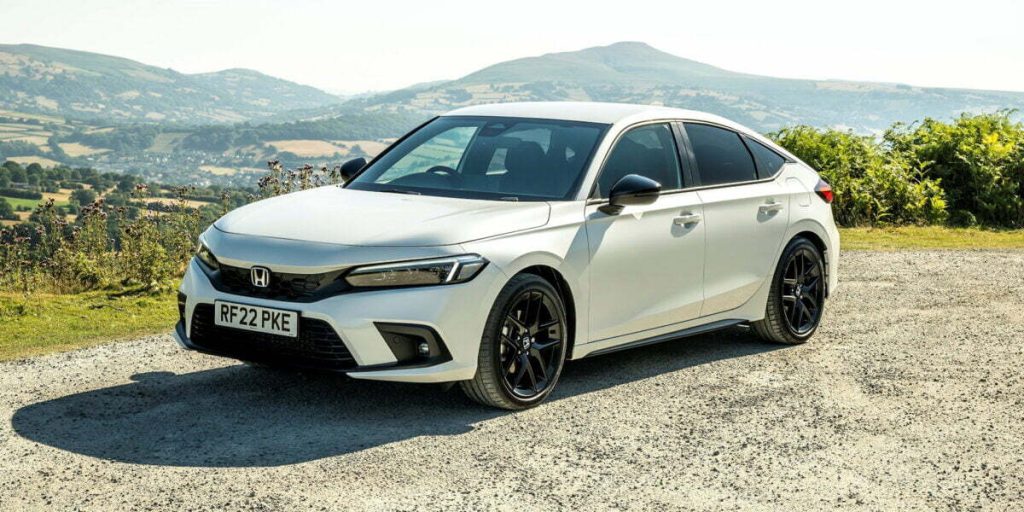
The current Civic demonstrates how much Honda has learned throughout five decades of development.
It combines lessons from previous generations into a package that feels mature, capable, and thoroughly modern. That combination earns it a place among the very best Civics ever produced.
Specifications
- Engine: 2.0-Liter Inline-4
- Torque: 133 lb-ft
- Horsepower: 158 hp
- Length/Width: 184.0 in / 70.9 in
3. Fifth-Generation Honda Civic (1992-1995)
The fifth-generation Civic occupies a special place in automotive culture. While Honda had already produced several successful Civic generations, this was the model that became a genuine icon among enthusiasts while maintaining broad mainstream appeal.
One reason for its enduring popularity was balance. The car arrived during a period when safety requirements and consumer expectations had increased, yet it remained relatively lightweight.
That combination allowed the Civic to deliver excellent fuel economy while preserving the agile handling characteristics that drivers appreciated.
Styling also contributed to its success. The smooth, aerodynamic body looked modern without appearing overly complicated. Decades later, the design still holds up remarkably well, which helps explain why clean examples remain highly sought after.
Performance-oriented variants strengthened the generation’s reputation. Models equipped with VTEC technology showcased Honda’s engineering strengths and introduced countless drivers to the thrill of high-revving naturally aspirated engines. The experience was very different from the large-displacement performance cars many Americans were familiar with.
Beyond performance, the fifth-generation Civic excelled as practical transportation. Reliability was outstanding, maintenance costs remained low, and interior packaging made efficient use of available space. These qualities attracted buyers ranging from students to families.
The aftermarket community embraced the car enthusiastically. Modifications became common because the platform responded well to upgrades and offered enormous versatility. Few compact cars have influenced automotive culture to the same degree.
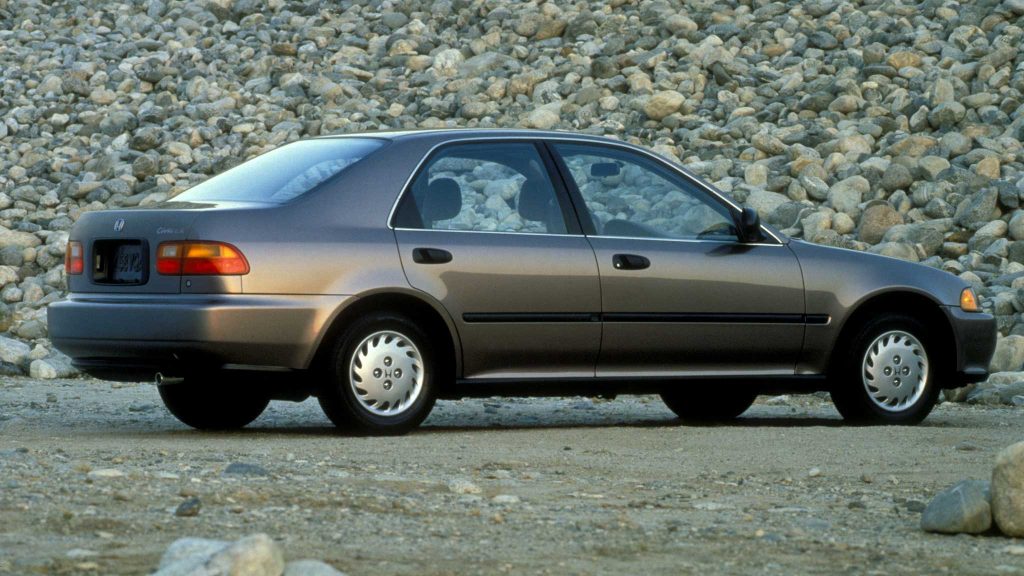
More than thirty years after its introduction, the fifth-generation Civic continues to command respect. It successfully combined affordability, reliability, efficiency, and driving enjoyment in a way that very few vehicles have matched.
For many enthusiasts, this generation represents the point where the Civic became much more than a compact commuter car.
Specifications
- Engine: 1.6-Liter Inline-4 SOHC VTEC
- Torque: 106 lb-ft
- Horsepower: 125 hp
- Length/Width: 160.1 in / 66.7 in
2. Sixth Generation Honda Civic (1996-2000)
If the fifth-generation Civic established the formula, the sixth generation perfected it. This era produced some of the most beloved Civics ever built and remains a benchmark against which many later Hondas are measured.
The sixth-generation model benefited from Honda’s growing confidence. Engineers refined nearly every aspect of the vehicle without fundamentally altering the characteristics that buyers loved. The result was a compact car that felt polished, dependable, and surprisingly rewarding to drive.
What separates this generation from many competitors is the breadth of its appeal. A commuter could appreciate the fuel efficiency and reliability, while an enthusiast could enjoy the responsive chassis and eager engines. Few vehicles managed to satisfy such different audiences so effectively.
Performance variants became especially significant. The Civic Si introduced in North America earned legendary status thanks to its high-revving B-series engine, precise manual transmission, and lightweight construction. Even today, well-preserved examples are highly valued among collectors.
The generation’s durability further enhanced its reputation. Stories of sixth-generation Civics accumulating hundreds of thousands of miles became common. This reliability helped cement Honda’s image as one of the world’s most dependable manufacturers.
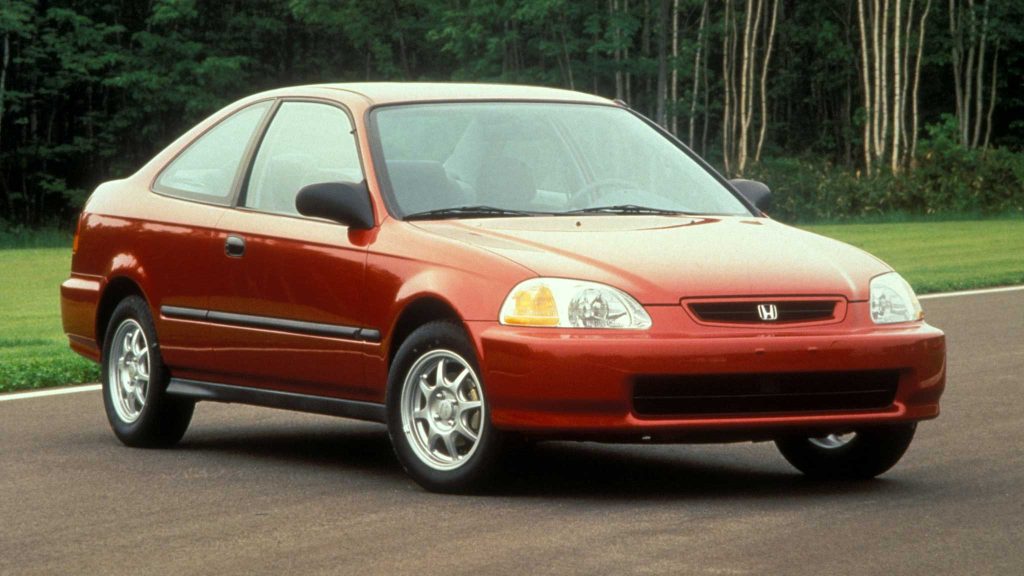
Another factor contributing to its legacy was simplicity. The vehicle avoided unnecessary complexity while delivering exactly what drivers needed. That straightforward approach has aged remarkably well.
From daily commuting to amateur motorsports, the sixth-generation Civic proved capable in countless roles. Its influence remains visible throughout modern car culture, where it continues to inspire enthusiasts and tuners around the world. Only one Civic generation manages to rank above it, and the margin is exceptionally narrow.
Specifications
- Engine: 1.6-Liter Inline-4 DOHC VTEC
- Torque: 111 lb-ft
- Horsepower: 160 hp
- Length/Width: 175.1 in / 67.1 in
1. Second-Generation Honda Civic (1980-1983)
The greatest civic generation is not necessarily the fastest, most technologically advanced, or most luxurious. The second-generation Civic earns the top position because of its extraordinary impact on Honda’s future and its role in shaping the compact-car market.
When this generation arrived, Honda was still building its reputation internationally. The second-generation Civic demonstrated that the company’s initial success was no accident. It improved upon the original formula in virtually every area, offering more interior space, better refinement, stronger performance, and enhanced efficiency.
The timing could not have been better. Fuel economy remained a major concern for consumers, and the Civic continued providing an attractive alternative to larger domestic vehicles. Buyers appreciated its practicality, affordability, and dependability.
One of the generation’s most significant achievements involved the continued development of Honda’s CVCC engine technology. The company demonstrated that efficient, emissions-compliant vehicles did not need to sacrifice usability or reliability. This helped establish Honda as an engineering leader during a critical period.
Later generations benefited from an already established reputation, but the second-generation Civic had to earn consumer trust from the ground up. It succeeded spectacularly, driving strong sales growth, strengthening brand loyalty, and helping Honda build credibility in markets around the world.
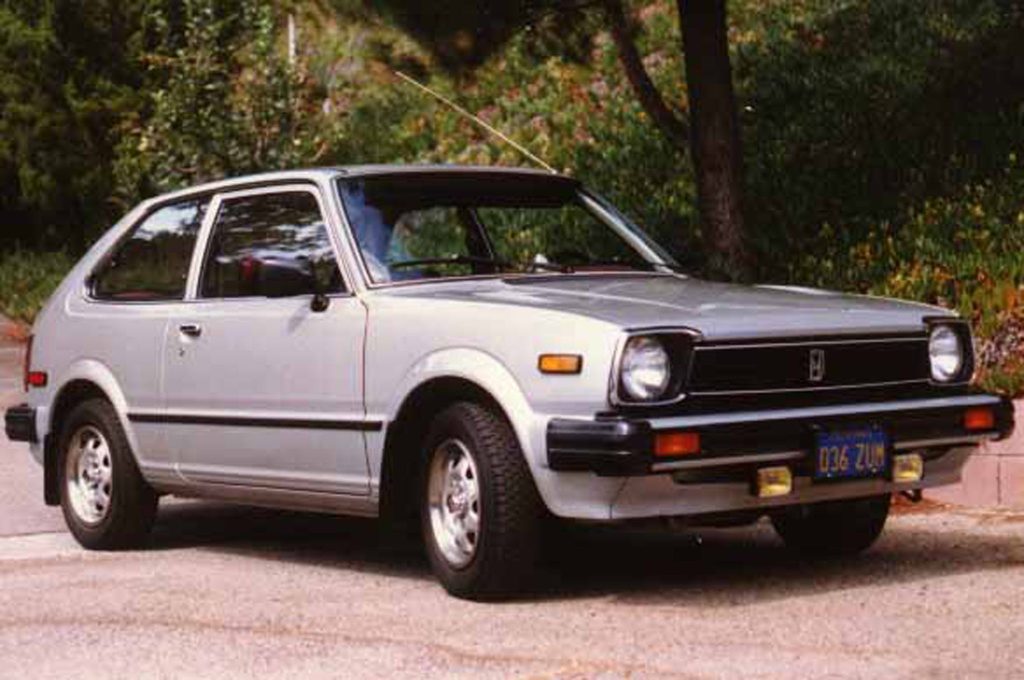
The vehicle also laid the foundation for everything that followed. The qualities that would eventually define the Civic nameplate were refined and solidified during this period.
Without the success of the second-generation Civic, it is difficult to imagine Honda becoming the global automotive force it is today. Its importance extends far beyond specifications or sales figures. That lasting influence makes it the most significant and deserving winner in this ranking.
Specifications
- Engine: 1.5-Liter Inline-4 CVCC
- Torque: 83 lb-ft
- Horsepower: 67 hp
- Length/Width: 150.0 in / 63.4 in
Also Read: 10 Compact Sedans Ranked By Backseat Space