
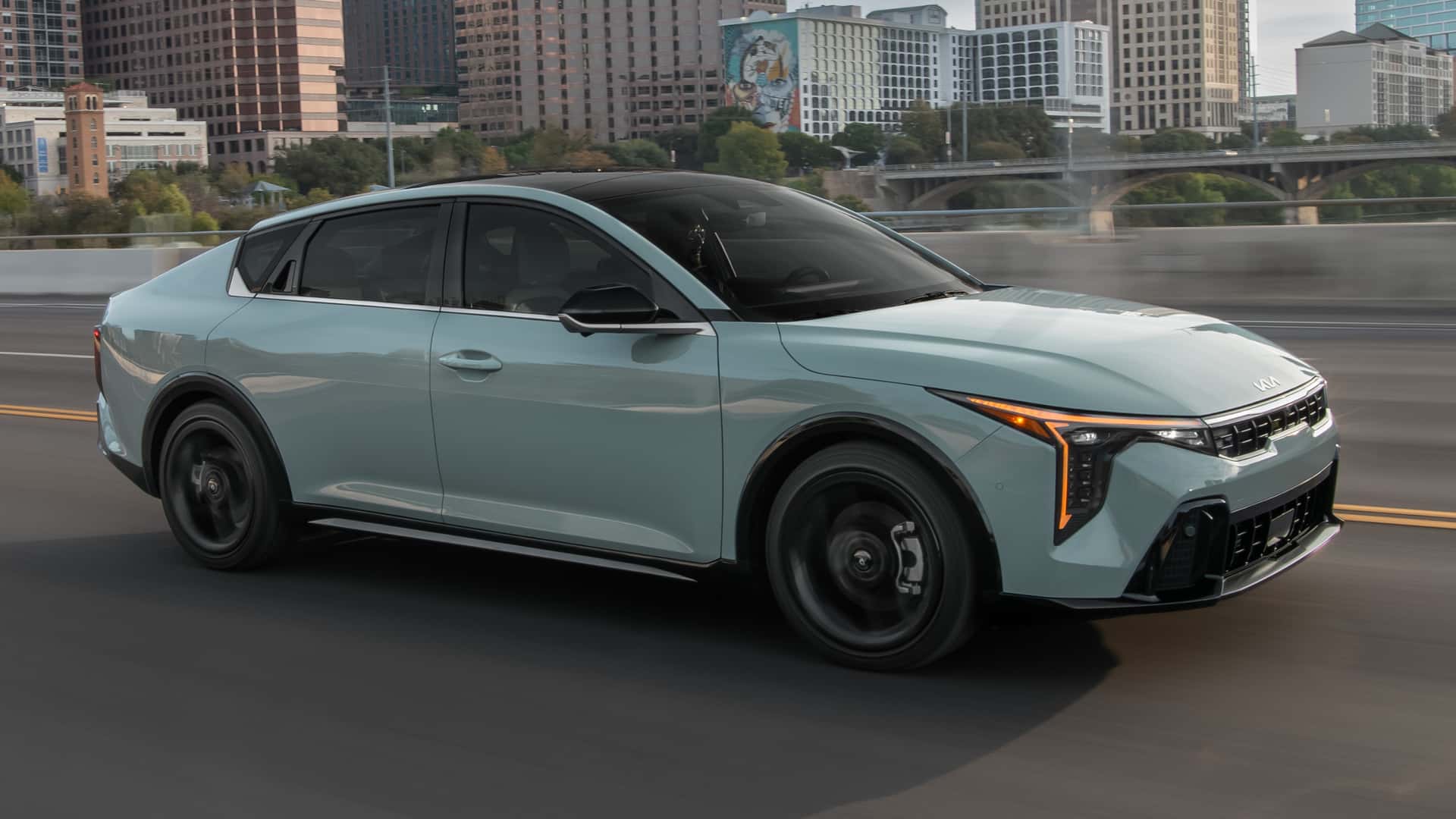
Backseat space is one of the most important factors for buyers shopping in the compact sedan segment. While fuel economy, technology, and reliability often receive the most attention, rear passenger comfort can make a significant difference in everyday usability.
Whether carrying family members, coworkers, or friends, a spacious second row transforms a compact sedan from basic transportation into a genuinely practical vehicle.
Modern compact sedans have grown considerably over the years. Clever packaging, longer wheelbases, and improved interior design allow manufacturers to provide rear-seat accommodations that would have been impressive in midsize cars not long ago.
Some models now offer enough legroom and headroom to comfortably carry adults on long trips without complaints from passengers.
Not every compact sedan delivers the same experience, however. Certain vehicles prioritize sporty styling or cargo capacity, while others focus on maximizing passenger room. The cars in this ranking stand out because they make particularly effective use of their interior dimensions, providing generous rear-seat comfort relative to their class.
This list ranks ten compact sedans by backseat space, taking into account legroom, headroom, seat comfort, and how spacious the rear cabin feels in real-world use.
These vehicles prove that buyers do not necessarily need to move up to a larger segment to enjoy comfortable accommodations for passengers riding in the second row.
Also Read: 10 Analog-Era Super Cars
1. Honda Civic
The Honda Civic has spent decades building a reputation as one of the most practical compact sedans on the market, and rear-seat comfort remains one of its strongest attributes. While many buyers initially focus on the Civic’s efficiency and reliability, passengers sitting in the back often become equally impressed.
A major reason for the Civic’s ranking is its intelligently designed cabin. Honda’s engineers have consistently found ways to maximize usable interior space without significantly increasing exterior dimensions. The result is a rear seat that feels surprisingly roomy for a compact sedan.
Legroom is particularly impressive. Adult passengers can sit comfortably behind average-height front occupants without their knees pressing against the seatbacks.
The seating position is also natural, avoiding the cramped posture that affects some smaller sedans. This makes the Civic especially suitable for longer journeys where comfort becomes increasingly important.
Headroom deserves recognition as well. Despite modern styling trends that favor sleek rooflines, the Civic maintains sufficient vertical space for most passengers. Combined with large windows and a relatively open cabin design, the rear seat feels airy rather than confined.
Practical details further enhance usability. Wide door openings make entry and exit easy, while rear-seat passengers benefit from thoughtful storage solutions and available air vents in certain trims. Families frequently appreciate these touches during daily commuting and road trips.
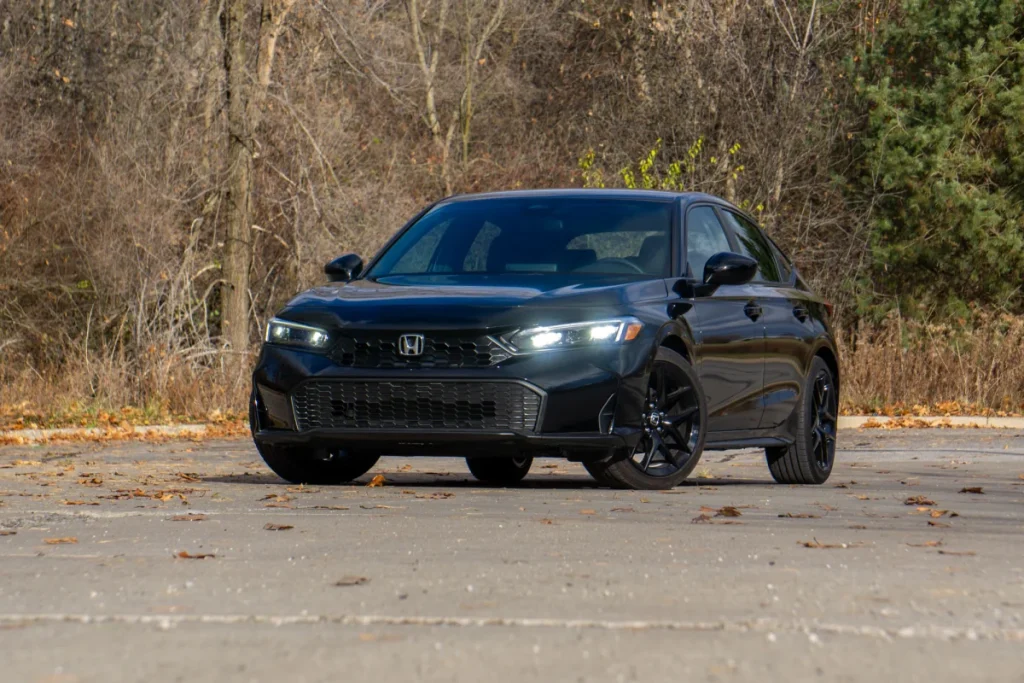
What separates the Civic from many competitors is balance. It delivers generous rear passenger accommodations without compromising driving dynamics, efficiency, or cargo capacity, making it one of the most well-rounded compact sedans available.
Specifications
- Engine: 2.0L Inline-4
- Torque: 133 lb-ft
- Horsepower: 150 hp
- Length/Width: 184.0 in / 70.9 in
2. Hyundai Elantra
At first glance, the Hyundai Elantra’s sharp styling suggests a sport-focused compact sedan. Step into the rear seat, however, and a different story emerges. Hyundai has done an excellent job of creating a cabin that comfortably accommodates passengers despite the car’s sleek appearance.
One of the Elantra’s greatest strengths is how efficiently it utilizes its wheelbase. Rear passengers enjoy impressive legroom that rivals or exceeds that of some larger sedans. Taller adults can ride in the back without feeling squeezed, which is not always the case in the compact segment.
The rear bench itself contributes significantly to comfort. Cushioning is supportive without being overly firm, and the seatback angle allows passengers to settle into a relaxed position during extended drives. This attention to ergonomics helps distinguish the Elantra from rivals that focus primarily on raw measurements.
Another advantage comes from the interior layout. Hyundai’s designers created a cabin that feels wider than its specifications might suggest. Shoulder room is respectable, allowing three passengers to fit more comfortably than expected when necessary.
Rear occupants also benefit from modern conveniences. Depending on trim level, features such as USB charging ports, rear air vents, and advanced connectivity options help improve the travel experience. These additions are particularly valuable for families and younger passengers who expect easy access to charging solutions.
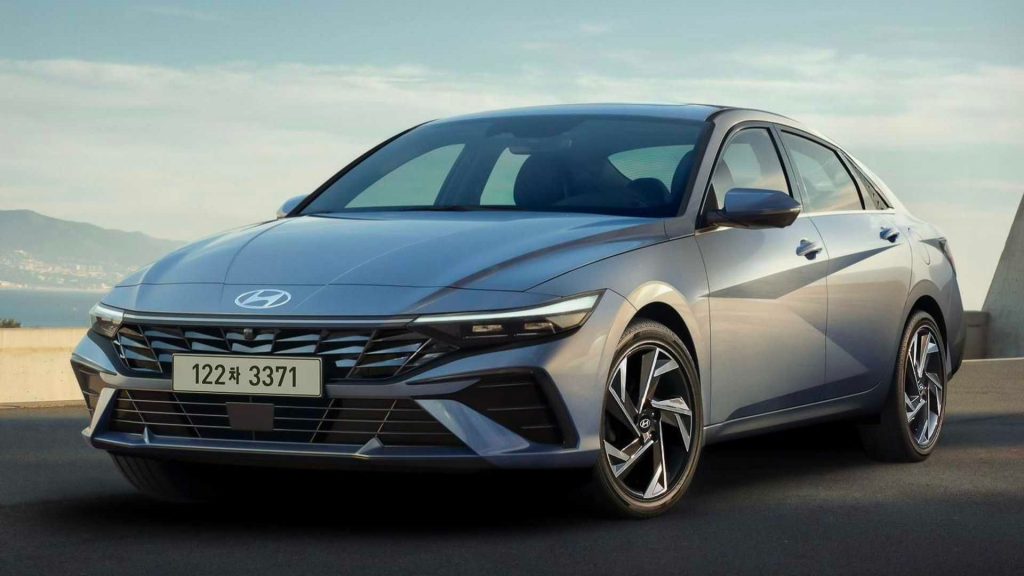
The Elantra earns its place near the top of this ranking because it combines generous rear-seat dimensions with smart packaging and thoughtful comfort features. It demonstrates that compact sedans can still provide a welcoming environment for passengers without requiring buyers to move into a larger vehicle class.
Specifications
- Engine: 2.0L Inline-4
- Torque: 132 lb-ft
- Horsepower: 147 hp
- Length/Width: 184.1 in / 71.9 in
3. Nissan Sentra
For many years, the Nissan Sentra has quietly focused on one attribute that matters greatly to families and commuters: passenger comfort. While some compact sedans chase sporty handling or aggressive styling, the Sentra approaches the segment from a practical perspective, and nowhere is that more evident than in its rear seating area.
The first thing rear passengers notice is the generous knee room. Nissan’s packaging strategy allows adults to sit behind front occupants without constantly negotiating for additional seat travel. This creates a more relaxed environment during daily commuting and longer highway trips.
Some compact sedans offer adequate space but limited comfort, but the Sentra combines its dimensions with well-supported seating. The rear bench provides sufficient cushioning to reduce fatigue on longer journeys, and the seatback angle promotes a natural seating posture. These small design choices may appear minor at first, but their importance becomes clear after extended time on the road.
Visibility is another underrated advantage. Large side windows help reduce the closed-in feeling that affects many modern sedans. Passengers enjoy a brighter cabin, which contributes to a perception of greater spaciousness than the numbers alone suggest.
Practicality extends beyond simple measurements. Rear door openings are wide enough to make entering and exiting the vehicle easier, a benefit appreciated by families with children and older passengers. Storage pockets and available charging ports further improve day-to-day usability.
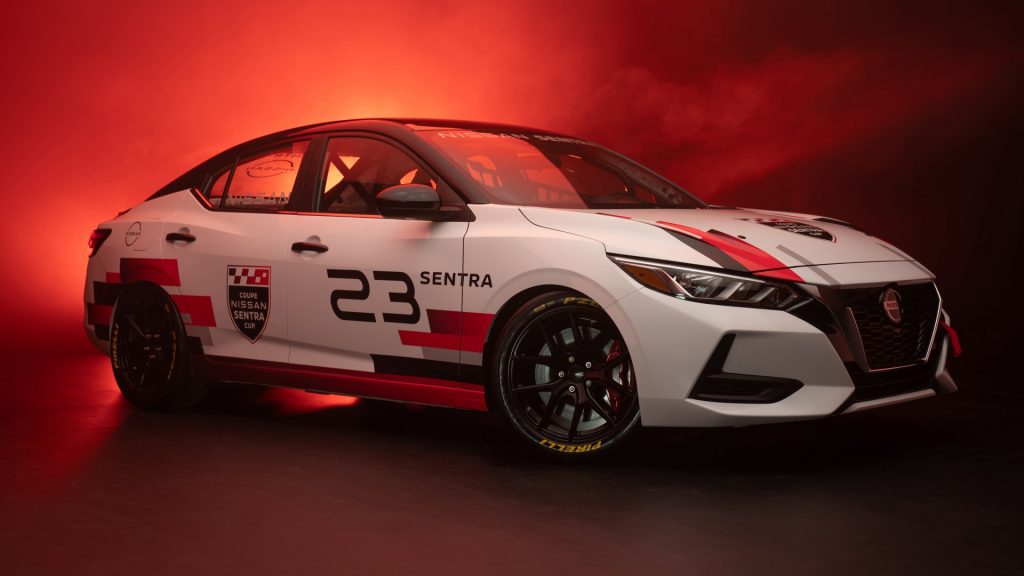
What makes the Sentra particularly appealing is its consistency. It does not rely on one standout feature to impress occupants.
Instead, it delivers a well-rounded rear-seat experience that prioritizes comfort, accessibility, and passenger satisfaction. For buyers who regularly carry adults in the second row, the Sentra remains one of the strongest choices in the compact sedan category.
Specifications
- Engine: 2.0L Inline-4
- Torque: 146 lb-ft
- Horsepower: 149 hp
- Length/Width: 182.7 in / 71.5 in
4. Volkswagen Jetta
The Volkswagen Jetta takes a distinctly European approach to interior packaging. Rather than emphasizing flashy design elements, Volkswagen concentrated on creating a cabin that feels functional, comfortable, and larger than many people expect from a compact sedan.
Rear-seat passengers immediately benefit from the Jetta’s long wheelbase. That extra distance between the front and rear axles translates directly into additional legroom, allowing adults to stretch out more comfortably than in many rivals. The effect becomes especially noticeable during longer trips where passenger comfort matters most.
A different strength emerges when examining seat design. Volkswagen engineers have traditionally paid close attention to ergonomics, and the Jetta’s rear bench reflects that philosophy. The cushions provide good support, while the seating position avoids the awkward posture sometimes found in compact cars.
The cabin’s shape also works in the Jetta’s favor. The roofline maintains adequate headroom without sacrificing exterior styling, and the relatively upright design creates a feeling of openness. Combined with large glass areas, the rear compartment feels inviting rather than restrictive.
There is another reason passengers tend to appreciate the Jetta. Road-trip comfort extends beyond dimensions alone. Noise insulation is commendable for the segment, helping conversations remain easy even at highway speeds. A quieter environment naturally makes the cabin feel more refined.
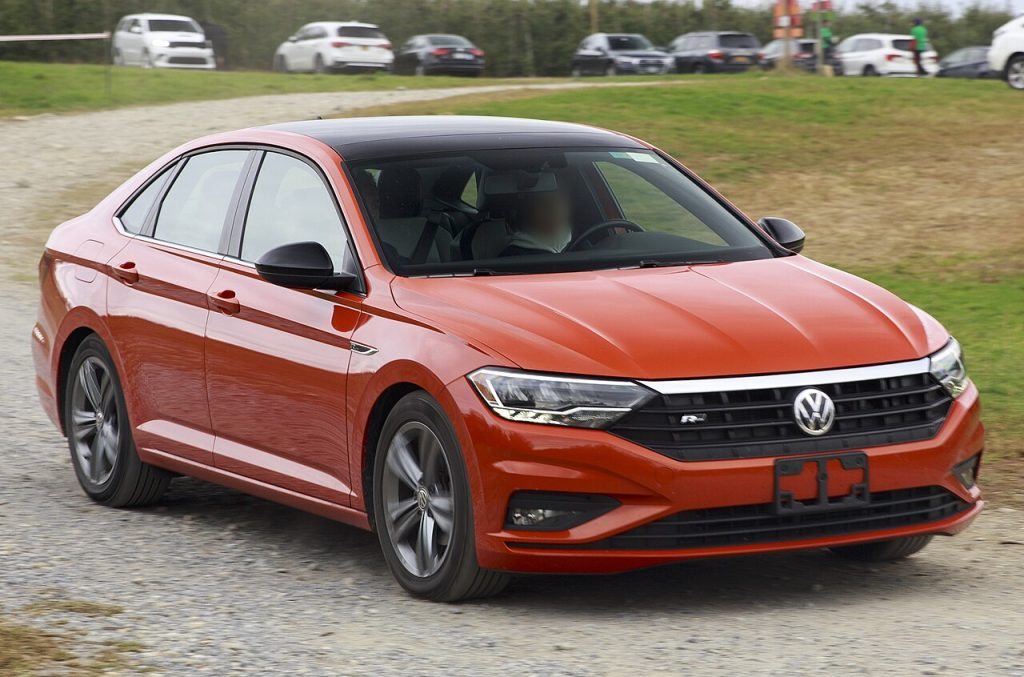
The Jetta secures its ranking because it blends measurable space with intelligent design. Volkswagen understood that comfort depends on more than legroom figures, and the result is a compact sedan capable of transporting rear passengers with a level of comfort that exceeds many expectations.
Specifications
- Engine: 1.5L Turbocharged Inline-4
- Torque: 184 lb-ft
- Horsepower: 158 hp
- Length/Width: 186.5 in / 70.8 in
5. Toyota Corolla
The Toyota Corolla has earned global popularity through reliability and efficiency, but one of its less frequently discussed strengths is the way it accommodates rear passengers. Toyota has steadily improved interior packaging over successive generations, creating a compact sedan that serves families remarkably well.
A closer look at the second row reveals thoughtful engineering. The floor design allows rear occupants to position their feet comfortably beneath the front seats, making available legroom feel more useful in real-world conditions. This seemingly simple detail contributes significantly to passenger comfort during longer journeys.
Rather than focusing solely on numerical measurements, Toyota concentrated on creating a welcoming environment. The rear bench offers supportive cushioning and sufficient width for daily use. Two adults can travel comfortably for extended periods, while occasional three-passenger seating remains manageable.
Another factor working in the Corolla’s favor is visibility. The cabin design allows plenty of natural light to enter, helping the rear compartment feel larger than expected. Passengers often perceive the space as more generous because it avoids the dark, enclosed atmosphere found in some competitors.
Families benefit from the Corolla’s practical nature as well. Wide-opening doors simplify child-seat installation, while rear-seat passengers have access to convenient storage solutions and available charging ports depending on trim level. These small touches improve everyday usability.
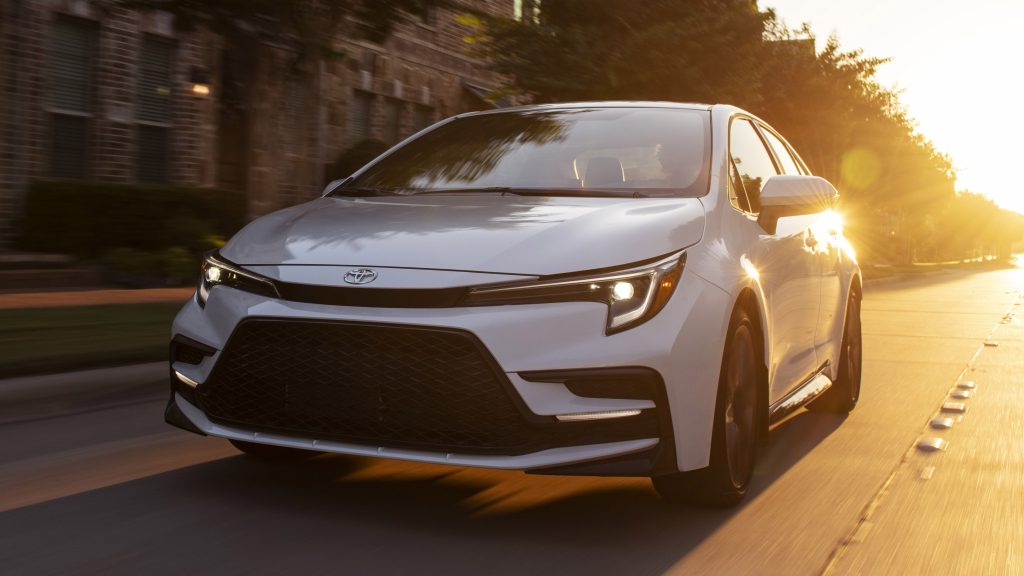
The Corolla earns its position because it delivers a balanced rear-seat experience. It may not dominate every individual measurement, but the combination of comfort, accessibility, and intelligent packaging creates a second row that consistently satisfies passengers. For many buyers, that real-world practicality matters more than headline specifications.
Specifications
- Engine: 2.0L Inline-4
- Torque: 151 lb-ft
- Horsepower: 169 hp
- Length/Width: 182.5 in / 70.1 in
6. Kia K4
Replacing the Forte in Kia’s lineup, the K4 immediately made an impression by prioritizing interior space. Despite competing in the compact sedan segment, it delivers rear-seat accommodations that challenge vehicles from larger classes, making it one of the most spacious options available today.
What stands out first is the sheer amount of legroom. Rear passengers enjoy an environment that feels unusually generous for a compact sedan. Taller adults can sit comfortably without constantly adjusting their posture, and the extra room becomes particularly valuable on extended highway journeys.
The design team approached the cabin with a modern perspective. Slimmer front-seat structures help maximize available rear space, while the cabin layout creates a more open atmosphere. These choices allow the K4 to make excellent use of its dimensions.
Comfort is not limited to space alone. The rear bench provides substantial support, and the seating position avoids the knees-up posture common in smaller sedans. Passengers are able to settle into a natural position that remains comfortable for long periods.
Technology also contributes to the experience. Depending on trim level, rear occupants benefit from charging ports, advanced connectivity features, and climate-related amenities that improve convenience. Such features help the K4 feel more upscale than many traditional compact sedans.
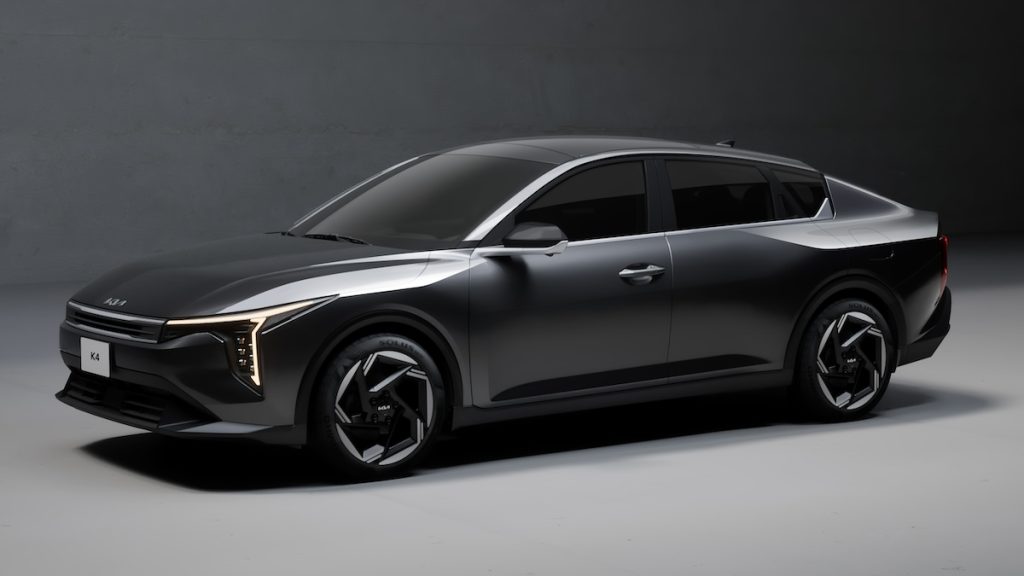
The K4’s ranking reflects how effectively Kia has utilized modern design techniques to enhance passenger accommodations.
It offers one of the most spacious rear seating areas in the segment while maintaining attractive styling and strong practicality. Buyers who frequently carry passengers will find plenty to appreciate in this impressively packaged sedan.
Specifications
- Engine: 2.0L Inline-4
- Torque: 132 lb-ft
- Horsepower: 147 hp
- Length/Width: 185.4 in / 72.8 in
7. Subaru Impreza Sedan
Not every spacious compact sedan achieves its reputation through sheer size. The Subaru Impreza Sedan earns its place through intelligent packaging and a cabin layout that makes excellent use of every inch available.
While many buyers are drawn to Subaru’s standard all-wheel-drive system, rear passengers often become some of the vehicle’s biggest fans.
The Impreza’s advantage begins with its upright design philosophy. Some sedans trade practicality for coupe-inspired styling, but Subaru places greater emphasis on passenger accommodation. This approach results in a rear compartment that feels comfortable and practical for occupants of different heights.
Headroom is one of the car’s strongest assets. Taller passengers can sit naturally without constantly brushing the roofliner. Combined with respectable legroom, the rear seat becomes a genuinely comfortable place to spend time during extended drives.
Another factor that enhances comfort is visibility. Large windows and a relatively open cabin design allow plenty of light into the interior. Passengers benefit from a better outward view, which helps reduce the confined feeling that can occur in some compact sedans.
The seating itself deserves recognition. Subaru designed the rear bench with long-distance comfort in mind, offering supportive cushions and a practical seating angle. This creates an environment that feels more accommodating than some vehicles with slightly larger measurements on paper.
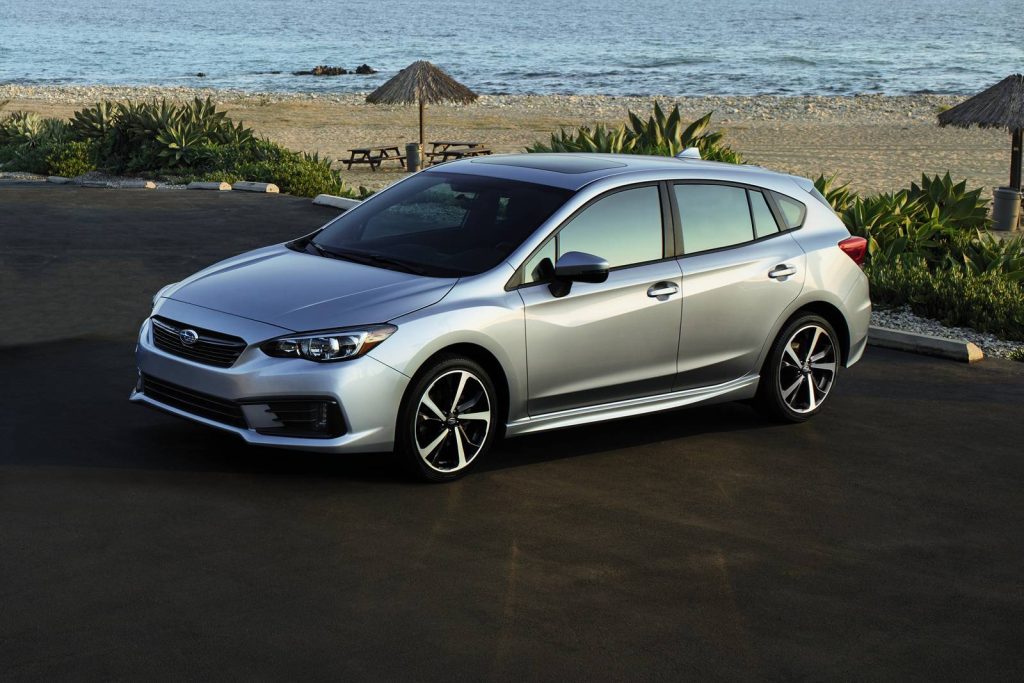
Families appreciate the Impreza’s everyday usability as well. Child-seat installation is straightforward, entry and exit are easy, and rear passengers have enough space to travel comfortably without constant compromises. These characteristics help the Impreza stand out among compact sedans focused primarily on efficiency or styling.
Its success comes from thoughtful design rather than headline-grabbing dimensions, proving that smart packaging can be just as important as raw measurements.
Specifications
- Engine: 2.0L Boxer 4-Cylinder
- Torque: 145 lb-ft
- Horsepower: 152 hp
- Length/Width: 176.2 in / 70.1 in
8. Mazda3 Sedan
The Mazda3 sedan approaches rear-seat comfort differently from most competitors. Instead of maximizing every dimension possible, Mazda focused on creating an environment that feels refined, comfortable, and welcoming. The result is a rear cabin that balances passenger space with premium design.
One of the first things passengers notice is the quality of the seating. The rear bench offers excellent support and carefully shaped cushions that help maintain comfort during longer journeys. Mazda’s attention to ergonomics becomes apparent after several hours on the road, when passengers remain comfortable rather than restless.
The cabin design contributes significantly to the experience. Premium materials and thoughtful craftsmanship create a more upscale atmosphere than many compact rivals. Rear passengers benefit from an environment that feels sophisticated rather than purely functional.
While the Mazda3 does not lead the segment in every interior measurement, it uses its available space effectively. Legroom is sufficient for most adults, and the seating position allows occupants to sit comfortably without feeling excessively cramped. The design creates a sense of intimacy without becoming restrictive.
Road noise control is another area where the Mazda3 excels. A quieter cabin makes longer trips more enjoyable and enhances the perception of comfort. Conversations remain easy, and passengers experience less fatigue compared with some noisier competitors.
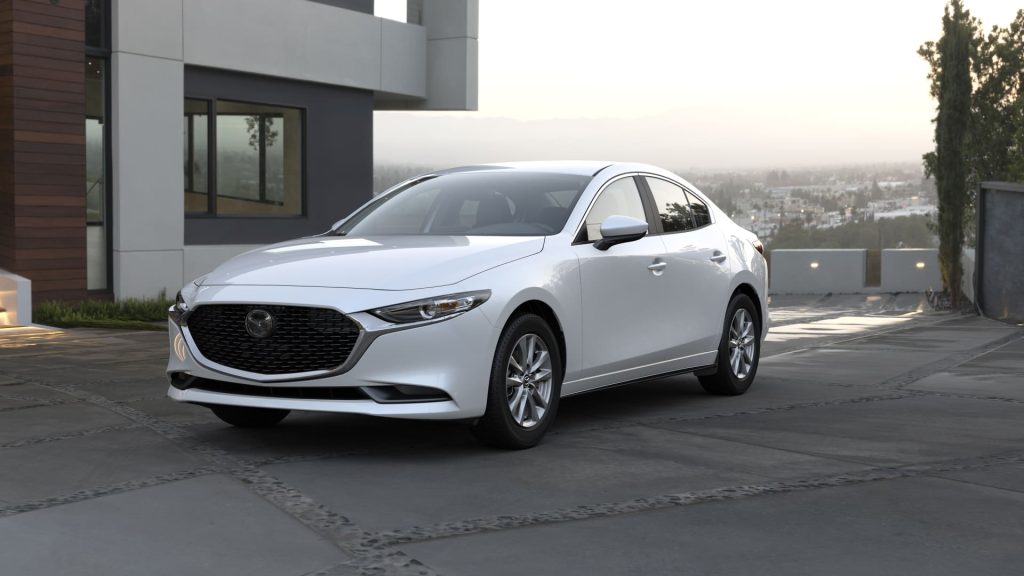
The Mazda3 earns its ranking because backseat comfort is about more than dimensions alone. Seating quality, cabin refinement, noise isolation, and thoughtful design all contribute to the passenger experience. Mazda successfully combines those elements into a compact sedan that feels more premium than its size might suggest.
Specifications
- Engine: 2.5L Inline-4
- Torque: 186 lb-ft
- Horsepower: 191 hp
- Length/Width: 183.5 in / 70.7 in
9. Chevrolet Malibu
Although many people associate the Chevrolet Malibu with the midsize segment, its interior packaging and competitive positioning often place it in consideration alongside larger compact sedans. One of the primary reasons it remains popular with families is the impressive amount of rear-seat room available to passengers.
Space is Malibu’s defining characteristic. Open the rear doors and the benefits become immediately apparent. Adult passengers are greeted by generous legroom that allows them to stretch out comfortably, even when taller occupants are seated in the front row.
For commuters and families who regularly transport passengers, this extra room can make a noticeable difference.
The seating arrangement also enhances comfort, with a wide and supportive rear bench that is well suited for long-distance travel. Some vehicles place greater emphasis on styling than usability, but the Malibu maintains a seating position designed to accommodate passengers of various sizes with ease.
A different advantage comes from the car’s cabin width. Shoulder room is respectable, helping the rear seat accommodate three passengers more effectively than many compact competitors. While three adults will never enjoy limousine-like accommodations in this segment, the Malibu handles the task better than most.
Large windows and a relatively low beltline improve visibility and create an airy atmosphere. This openness helps passengers feel less confined and adds to the perception of spaciousness. Combined with good ride quality, the rear compartment becomes a pleasant place to spend time.
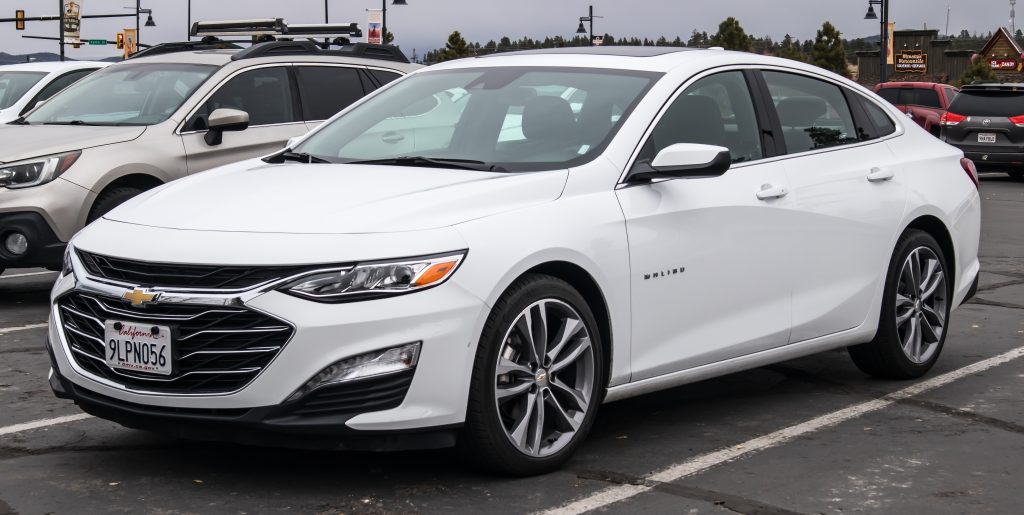
The Malibu secures its place in this ranking because it prioritizes passenger comfort in a way that many modern sedans have moved away from. It remains a strong option for buyers who place rear-seat usability near the top of their priority list.
Specifications
- Engine: 1.5L Turbocharged Inline-4
- Torque: 184 lb-ft
- Horsepower: 163 hp
- Length/Width: 194.2 in / 73.0 in
10. Hyundai Sonata
The final position on this list belongs to a sedan that consistently surprises people with its interior dimensions. The Hyundai Sonata demonstrates how thoughtful engineering can create a rear passenger experience that rivals vehicles from higher segments.
Rather than relying solely on a long wheelbase, Hyundai optimized cabin architecture to maximize usable room. Rear passengers benefit from generous legroom, allowing adults to sit comfortably during both short commutes and extended road trips. The available space compares favorably with many larger and more expensive sedans.
One area where the Sonata particularly excels is rear-seat comfort. The bench is well-contoured, offering a combination of support and cushioning that remains comfortable over long distances. Hyundai clearly considered how passengers would actually use the space instead of simply targeting impressive specification-sheet figures.
The roof design deserves attention as well. Despite the sleek profile, headroom remains accommodating for most adults. This balance between style and practicality helps the Sonata appeal to buyers who want an attractive design without sacrificing passenger comfort.
Rear occupants also benefit from a variety of convenience features depending on trim level. Available climate controls, charging ports, and premium materials upgrade the experience beyond what many people expect from a mainstream sedan. These details contribute to a more enjoyable environment for everyone on board.
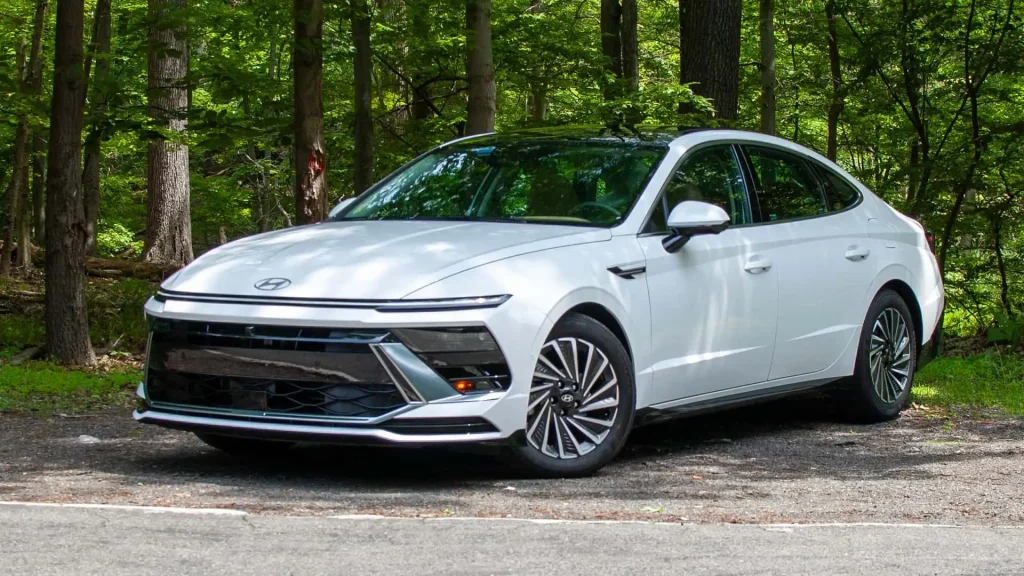
The Sonata completes this ranking because it successfully combines spacious accommodations, thoughtful ergonomics, and modern amenities. It proves that buyers seeking a roomy rear seat do not necessarily need to move into a crossover or luxury vehicle to find comfort for their passengers.
Specifications
- Engine: 2.5L Inline-4
- Torque: 181 lb-ft
- Horsepower: 191 hp
- Length/Width: 193.3 in / 73.2 in
Also Read: 10 Commuter Cars Ranked By Cost Per Mile
