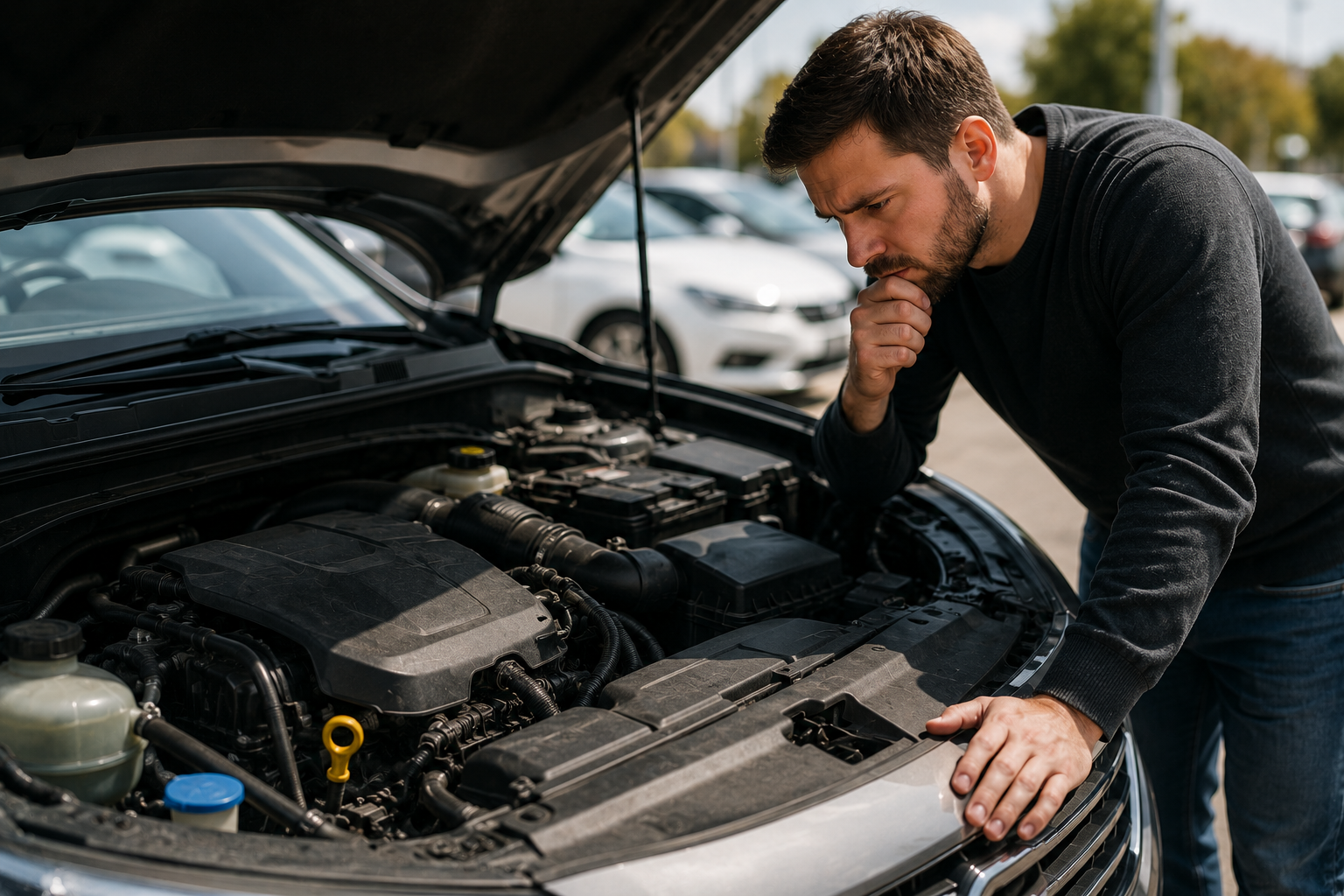
Buying a used car can be one of the smartest financial decisions a driver makes. A pre-owned vehicle often costs significantly less than a new model while still providing years of dependable transportation.
However, purchasing a used car also comes with risks that many buyers underestimate. What appears to be a great deal on the surface can quickly become an expensive mistake if underlying problems are overlooked during the inspection process.
Unlike a new vehicle that comes with a factory warranty and no previous ownership history, a used car may have experienced years of wear, neglected maintenance, or hidden damage.
Some issues are easy to spot during a test drive, while others remain concealed until after the purchase is complete. That is why understanding the most common problems found in used vehicles is essential before signing any paperwork.
A careful buyer should look beyond the paint condition and interior appearance. Mechanical components, electronic systems, structural integrity, and maintenance records all play major roles in determining whether a vehicle will be reliable in the long run.
Even cars with strong reputations for durability can develop costly problems if previous owners failed to maintain them properly.
Knowing what warning signs to watch for can save thousands of dollars in future repairs and help buyers avoid unnecessary frustration. Here are eight common problems every shopper should understand before purchasing a used car.
Also Read: 10 Vintage Cars With Features That No Longer Exists
1. Hidden Engine Problems
A shiny exterior can create a strong first impression, but the engine ultimately determines whether a used vehicle will be dependable or become a financial burden. Unfortunately, engine issues are among the most expensive problems a buyer can inherit.
Many engine problems remain hidden during a short test drive. Sellers may warm the vehicle before your arrival, masking difficult cold starts that could indicate worn components or fuel system troubles. Some warning lights may even be temporarily cleared before the sale, only to return days later.
Listen carefully for knocking, ticking, or rattling noises. Excessive vibration at idle can also signal underlying mechanical wear. Blue exhaust smoke often suggests oil consumption, while white smoke may point toward cooling system issues. Neither symptom should be ignored.
Fluid leaks deserve close attention as well. Oil accumulation around valve covers, timing covers, or beneath the vehicle can indicate aging seals and gaskets. While minor leaks may not be immediately serious, repair costs can add up quickly if multiple components require replacement.
Maintenance records provide valuable clues about an engine’s health. Regular oil changes, documented repairs, and consistent service history usually indicate responsible ownership. Missing records should encourage additional caution.
A professional pre-purchase inspection is particularly important when evaluating engine condition. Mechanics can identify problems that most buyers cannot detect during a brief examination.
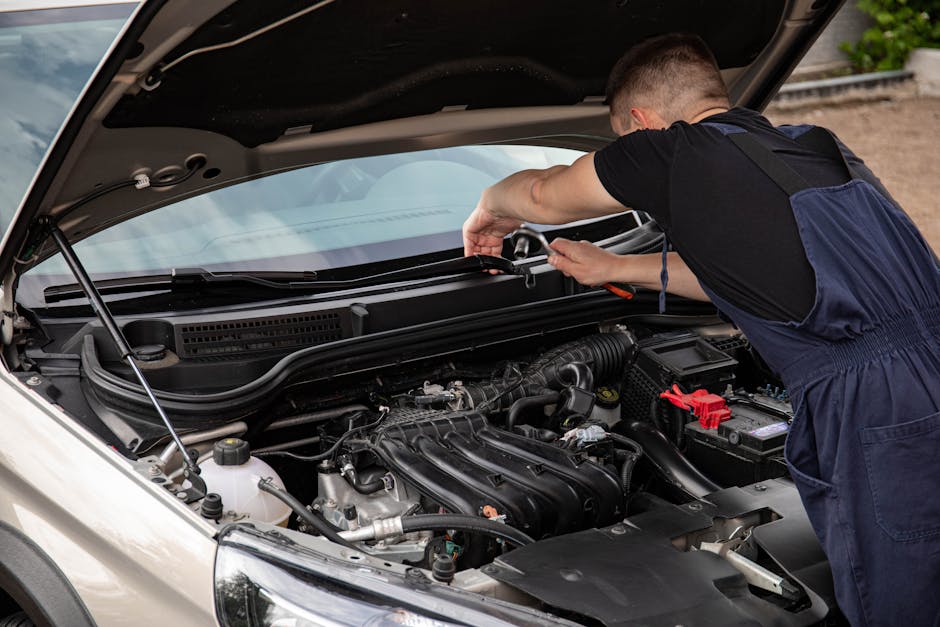
The engine is the heart of any vehicle. Spending extra time inspecting it before purchase can prevent major repair bills and significantly increase the chances of owning a reliable used car for years to come.
2. Transmission Wear And Failure
Engine repairs are expensive, but transmission problems can be equally painful for a used-car owner. Modern transmissions contain complex hydraulic and electronic systems that become costly when failures occur.
Unlike obvious mechanical defects, transmission issues often reveal themselves gradually. During a test drive, pay close attention to how the vehicle shifts through its gears. Delayed engagement when shifting into drive or reverse can indicate internal wear. Harsh shifts, slipping gears, or sudden surges during acceleration deserve further investigation.
Automatic transmissions should operate smoothly under both light and heavy throttle. A transmission that hesitates before shifting may already be showing signs of deterioration. Manual transmissions require inspection as well. Excessive clutch wear, grinding gears, or difficulty selecting gears can point toward future repairs.
Transmission fluid condition offers another useful clue. Healthy fluid typically appears red or pink and should not emit a burnt odor. Dark, contaminated fluid may suggest poor maintenance or overheating.
Some sellers focus heavily on cosmetic improvements while neglecting mechanical concerns. Fresh seat covers and polished paint cannot compensate for a transmission nearing the end of its lifespan.
Repair costs vary depending on the vehicle, but transmission replacement can easily reach several thousand dollars. That expense can quickly erase any savings gained from purchasing a used vehicle instead of a new one.
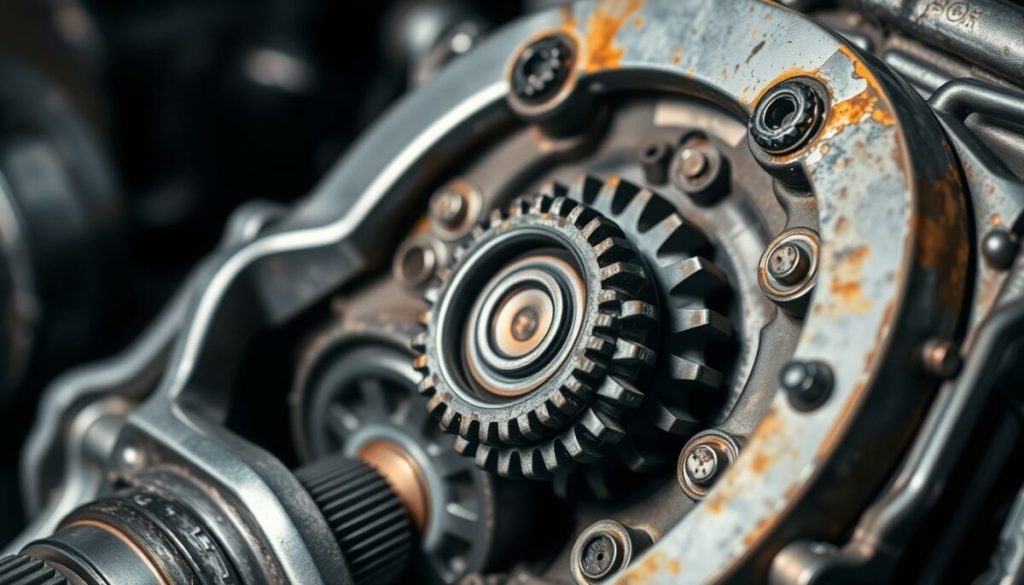
Because transmissions are essential to everyday drivability, buyers should never dismiss unusual shifting behavior as a minor concern. A careful road test combined with a professional inspection can help uncover problems before money changes hands.
Investing a little extra time during the shopping process is far cheaper than paying for a complete transmission rebuild after the purchase.
3. Rust And Structural Corrosion
Not all vehicle damage is mechanical. In many cases, the biggest threat to a used car’s long-term value is hiding underneath it. Rust and corrosion can quietly weaken important structural components while remaining invisible to casual buyers.
A vehicle may look excellent from a distance, yet serious corrosion could be developing beneath the body panels. Areas around wheel wells, door bottoms, rocker panels, suspension mounting points, and the vehicle’s frame deserve close examination.
Surface rust is common on older vehicles and may not be a major concern. Structural rust is a completely different story.
Corrosion weakens metal over time. When critical areas are affected, safety can be compromised during a collision. Repairing structural rust is often labor-intensive and expensive, especially when welding or major component replacement becomes necessary.
Vehicles that spent years in regions with heavy snowfall are particularly vulnerable because road salt accelerates corrosion. Coastal environments can create similar problems due to prolonged exposure to salty air and moisture.
A flashlight can reveal a surprising amount during an inspection. Look for bubbling paint, flaking metal, unusual undercoating applications, or freshly painted sections underneath the vehicle. Sometimes sellers attempt to hide corrosion rather than address it properly.
The suspension and braking systems may also suffer from rust-related deterioration. Corroded brake lines, mounting brackets, and fasteners can create future reliability and safety concerns.
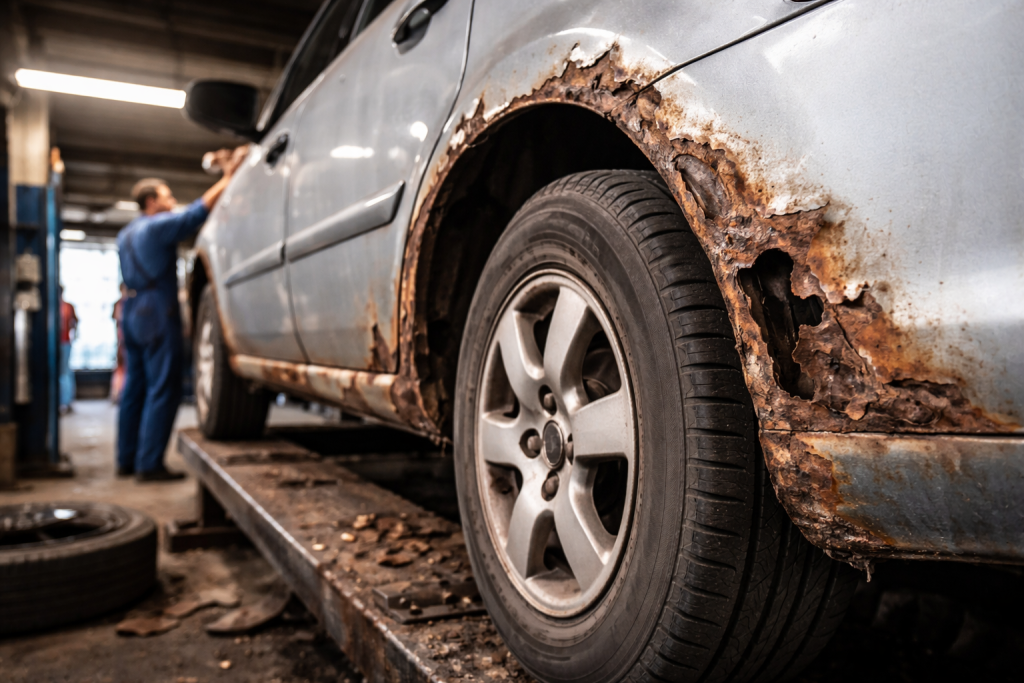
Unlike many mechanical repairs, severe rust damage often continues spreading even after purchase. That makes early detection especially important.
Buyers frequently focus on mileage and maintenance history, but structural condition deserves equal attention. A well-maintained vehicle with moderate mileage can still become a poor investment if corrosion has already compromised its foundation.
4. Electrical System Issues
Modern vehicles contain dozens of computers, sensors, modules, and wiring networks. While these systems improve convenience and safety, they also introduce another category of potential used-car problems.
Electrical issues can be frustrating because symptoms often appear inconsistently. A malfunctioning power window may work perfectly during a test drive but fail the following day. Dashboard warning lights can illuminate unexpectedly, while infotainment systems may freeze or restart without warning.
Sometimes the problem is relatively simple, such as a weak battery or a faulty switch. In other situations, diagnosing the source requires hours of labor and specialized equipment. Wiring faults hidden behind interior panels can become particularly expensive to locate and repair.
During an inspection, every electrical feature should be tested. Operate the windows, door locks, climate-control system, headlights, taillights, backup camera, heated seats, and infotainment controls. Small issues can reveal larger underlying electrical concerns.
Battery condition also deserves attention. Corroded terminals, slow engine cranking, or repeated jump-starts may indicate charging system problems. Alternator failures can create symptoms that resemble battery trouble while requiring entirely different repairs.
Water intrusion is another warning sign. Moisture entering the cabin or trunk can damage wiring harnesses and electronic control modules. A musty smell inside the vehicle may suggest previous leaks.
Because electrical systems are interconnected, a single fault can trigger multiple warning messages. What appears to be a minor annoyance could eventually affect vehicle operation.
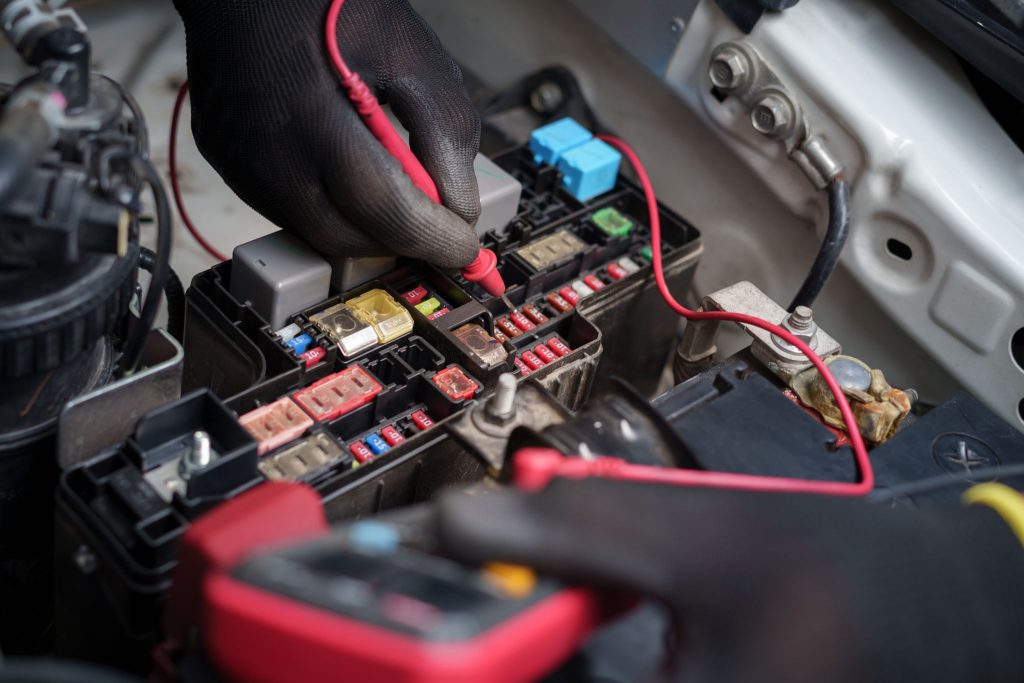
As vehicles become increasingly dependent on electronics, careful testing before purchase becomes more important than ever. Ignoring electrical problems may lead to a series of unexpected repair bills that continue long after the excitement of buying the car has faded.
5. Suspension And Steering Wear
A used car can have a healthy engine and transmission yet still feel unpleasant to drive because of worn suspension and steering components. These parts absorb road imperfections, maintain stability, and help keep the vehicle predictable during cornering and braking.
Unlike an engine problem that might trigger a warning light, suspension wear often develops gradually. Drivers become accustomed to the decline, making it difficult to recognize how much performance has been lost. That is why buyers should pay close attention during a test drive.
One useful approach is to drive over a variety of road surfaces. Excessive bouncing after bumps can indicate worn shock absorbers or struts. Clunking noises when driving over uneven pavement may point to deteriorated ball joints, sway bar links, or control arm bushings.
The steering wheel can reveal additional clues. If the vehicle wanders within its lane, requires constant corrections, or feels loose when turning, steering components may need attention. Uneven tire wear is another common indicator that suspension parts are no longer functioning correctly.
Some repairs are relatively affordable, but costs increase quickly when multiple components require replacement. Neglected suspension problems can also accelerate tire wear, creating additional expenses shortly after purchase.
Vehicles with higher mileage are especially susceptible to these issues. Even reliable models eventually experience wear in components designed to absorb thousands of miles of stress and vibration.
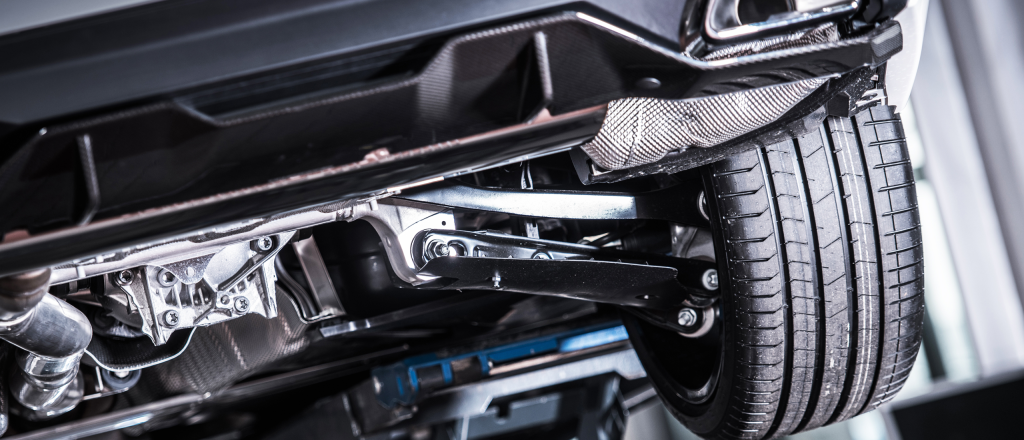
A thorough inspection underneath the vehicle can uncover leaking shocks, damaged bushings, or loose steering parts before they become a surprise expense. Buyers who evaluate ride quality carefully are far more likely to identify suspension concerns before completing the purchase.
6. Accident Damage And Poor Repairs
Vehicle history reports provide valuable information, but they do not always tell the entire story. Some cars involved in collisions never receive insurance claims, while others undergo repairs that fail to restore the vehicle properly. As a result, accident damage remains one of the most important concerns when shopping for a used car.
A careful visual inspection often reveals clues. Examine body panel gaps closely. Doors, hoods, and trunk lids should align evenly. Uneven spacing may suggest previous structural work or poorly executed repairs.
Paint inconsistencies can also expose a vehicle’s history. Differences in color shade, texture, or gloss between panels sometimes indicate repainting after a collision. Overspray around trim pieces, weather stripping, or wheel wells deserves additional scrutiny.
Inside the vehicle, look for signs that airbags may have deployed previously. Missing factory labels mismatched interior components, or unusual dashboard repairs can indicate significant past damage.
The driving experience itself can reveal hidden problems. A vehicle that pulls to one side despite proper alignment may have suffered structural damage. Wind noise around doors and windows can also result from imperfect repairs following an accident.
Not every repaired vehicle should be avoided. High-quality repairs performed by reputable professionals can restore a car to excellent condition. The concern arises when shortcuts are taken to reduce costs or conceal damage.
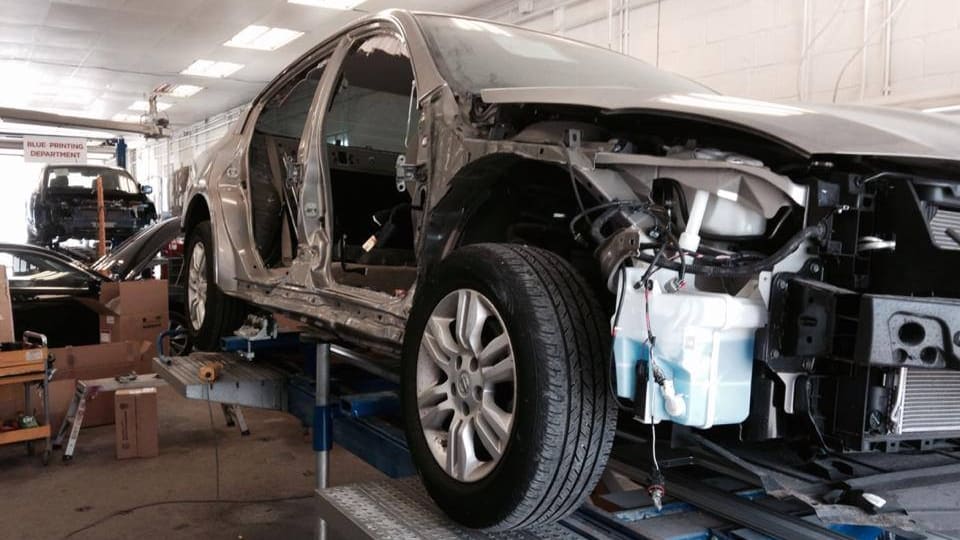
Structural repairs can affect resale value, safety performance, and long-term durability. Because these issues may not be obvious at first glance, a professional inspection remains one of the best investments a buyer can make.
Understanding a vehicle’s accident history helps prevent unpleasant surprises and provides a clearer picture of what you are actually purchasing.
7. Brake System Neglect
Few components are more important to vehicle safety than the braking system, yet it is also one of the most commonly neglected areas on used cars. Because brakes wear gradually, many owners postpone maintenance until problems become impossible to ignore.
A buyer should begin evaluating the brakes before the vehicle even moves. Looking through the wheels can sometimes reveal heavily worn brake rotors, deep grooves, excessive rust, or brake pads nearing the end of their service life. These visual clues provide an early indication of how well the vehicle has been maintained.
During a test drive, pay attention to how the brake pedal feels. A soft or spongy pedal may suggest air in the brake lines or deteriorated hydraulic components. Pulsation during braking can indicate warped rotors, while grinding noises often point toward severely worn brake pads.
The parking brake deserves attention as well. Many buyers focus exclusively on the primary braking system and forget to verify that the parking brake functions properly. Repairs involving cables, actuators, or electronic parking brake systems can become surprisingly expensive.
Brake fluid condition is another overlooked factor. Old fluid absorbs moisture over time, potentially reducing braking performance and accelerating corrosion within the hydraulic system. Dark or contaminated fluid may signal neglected maintenance.
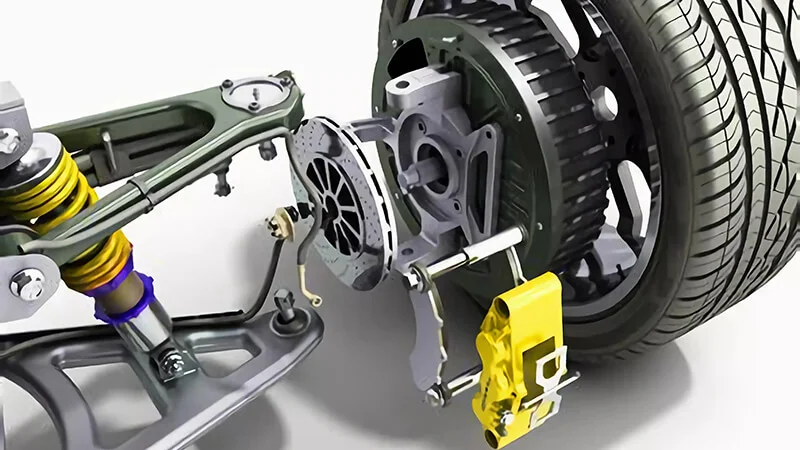
Because brake repairs vary significantly in cost, identifying issues before purchase helps establish a realistic ownership budget. A vehicle requiring pads and rotors on all four corners could need immediate work shortly after changing hands.
Braking performance plays a crucial role in driving safety across all conditions, from dense city traffic to open highway cruising. A thorough inspection can also uncover potential warning signs that may not be immediately noticeable and could otherwise go undetected until after the purchase is finalized.
8. Missing Maintenance Records
Sometimes the biggest warning sign is not a mechanical problem at all. Instead, it is the absence of documentation showing how the vehicle was cared for throughout its life.
Maintenance records provide valuable insight into ownership habits. Oil changes, transmission services, cooling system maintenance, brake work, and other documented repairs help establish a vehicle’s history.
Without those records, buyers are left guessing about what maintenance was performed and what may have been neglected.
Consider two identical vehicles with the same mileage. One comes with organized service receipts spanning several years. The other has no documentation whatsoever. Most experienced buyers would immediately feel more confident purchasing the vehicle with a verifiable maintenance history.
Missing records do not automatically mean a vehicle is problematic. Some owners simply lose paperwork or perform maintenance themselves. However, the lack of documentation increases uncertainty and may justify additional inspection efforts before committing to a purchase.
Timing belt replacement is a good example. On vehicles that require periodic timing belt service, failing to replace it on schedule can lead to catastrophic engine damage. Without records, confirming whether this maintenance was completed becomes difficult.
Routine fluid changes present similar concerns. Neglected transmission fluid, coolant, differential fluid, and brake fluid may not cause immediate problems but can contribute to expensive repairs later.
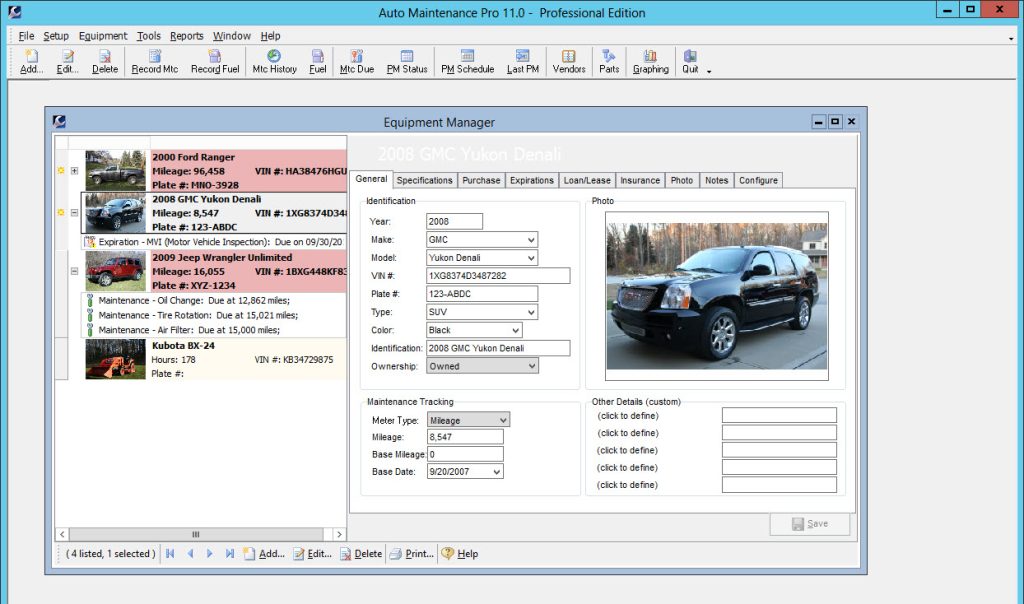
When documentation is unavailable, a comprehensive pre-purchase inspection becomes even more important. Professional technicians can identify signs of neglect that paperwork would normally help explain.
A complete maintenance history tells a story about how a vehicle has been treated. Buyers who value that information often make better purchasing decisions and reduce the likelihood of costly surprises after taking ownership.
Also Read: 10 Hidden Features in the Mercedes GLE