The automotive industry is changing at a pace few could have imagined a decade ago. Stricter emissions regulations, increasing investment in electric vehicles, shifting consumer preferences, and rising development costs are forcing automakers to rethink their product lineups.
As a result, many well-known cars are approaching the end of their production runs, even if they still have loyal fans and strong reputations.
For enthusiasts, the disappearance of a beloved model often feels like the end of an era. Some vehicles are being retired because demand has fallen as buyers move toward SUVs and crossovers.
Others are making way for electric replacements that better fit manufacturers’ future strategies. In certain cases, a model remains excellent to drive but no longer makes financial sense for the company to keep building.
The vehicles on this list represent a mix of luxury grand tourers, sports cars, family vehicles, and electric models. While each has carved out its own place in the market, all are expected to leave production after the 2026 model year or have confirmed end dates extending through 2026 before retirement.
For buyers considering one of these vehicles, the next year may be the last opportunity to purchase them new. Here are eight notable cars that are reaching the end of the road after 2026.
Also Read: 8 Cars That Failed the New Side Impact Test
1. Lexus LC 500
The Lexus LC 500 never achieved massive sales numbers, but popularity was never the point. This grand touring coupe was created to showcase what Lexus could accomplish when engineers and designers were given freedom to build something emotional rather than purely practical.
Its dramatic proportions, low roofline, and sculpted bodywork ensured that it stood apart from virtually every luxury coupe on the market. Under the hood sat one of the automotive world’s increasingly rare treasures: a naturally aspirated V8 engine.
While turbocharging has become the norm across the industry, the LC 500 delivered power with a smoothness and soundtrack that many enthusiasts considered irreplaceable.
What made the car special was not outright speed. Instead, it excelled as a long-distance companion capable of covering hundreds of miles in comfort while still feeling engaging on a winding road. The cabin featured premium materials, elegant craftsmanship, and a sense of occasion every time the driver climbed behind the wheel.
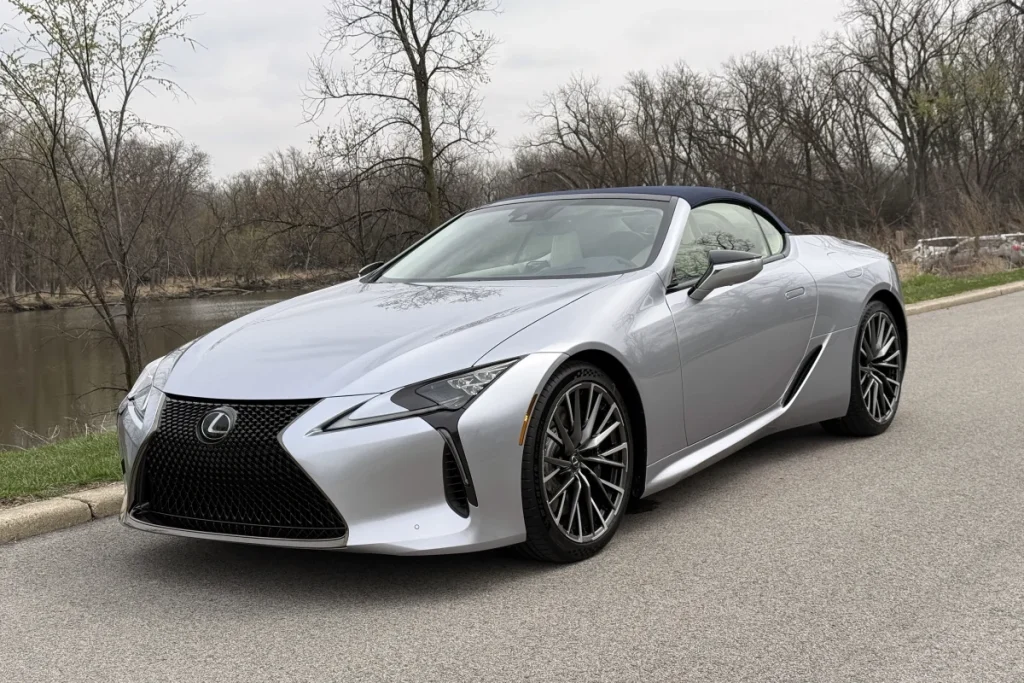
Lexus has officially confirmed that LC 500 production will conclude after the 2026 model year, bringing an end to one of the brand’s most distinctive vehicles. Its departure reflects broader industry trends as manufacturers increasingly focus on electrified performance models.
As production winds down, the LC 500 may become one of the most sought-after modern Lexus models. Future collectors are likely to appreciate its combination of naturally aspirated power, dramatic styling, and old-school grand touring character.
Specifications
- Engine: 5.0-Liter Naturally Aspirated V8
- Torque: 398 lb-ft
- Horsepower: 471 hp
- Length/Width: 187.4 in / 75.6 in
2. Hyundai Ioniq 6
Not every discontinued vehicle is old or outdated. The Hyundai Ioniq 6 demonstrates that even relatively new models can disappear when market conditions change.
When Hyundai introduced the Ioniq 6, it immediately stood out because of its aerodynamic shape. The sleek silhouette helped maximize efficiency while giving the sedan a distinctive appearance unlike traditional four-door competitors.
It quickly earned praise for its impressive range, fast charging capability, and refined driving experience.
The cabin also reflected Hyundai’s growing confidence in electric vehicle design. Clean lines, modern technology, and generous passenger space made the Ioniq 6 a practical daily driver despite its unconventional exterior styling.
Yet the sedan market continues to shrink as consumers increasingly choose SUVs and crossovers. Hyundai’s electric strategy is also evolving, with greater emphasis being placed on larger EV models produced closer to key markets.
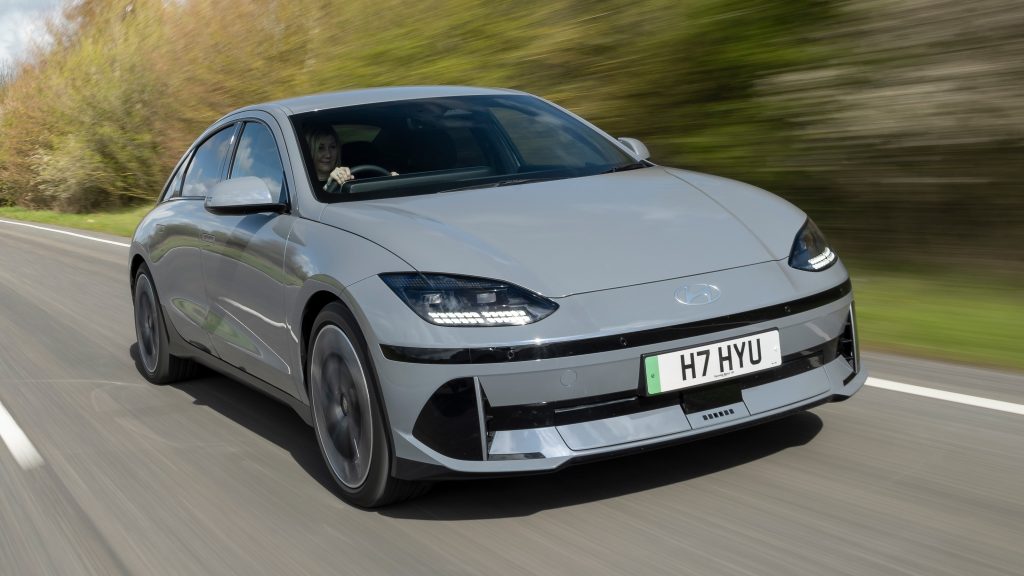
Those factors have contributed to the decision to discontinue the standard Ioniq 6 after the 2026 model year in certain markets, while performance-focused variants may continue in limited form.
Its short production run could eventually make it an interesting chapter in Hyundai’s EV history. The Ioniq 6 proved that electric sedans can be efficient, comfortable, and technologically advanced, even if market trends ultimately worked against it.
Specifications
- Engine: Dual Electric Motors
- Torque: 446 lb-ft
- Horsepower: 320 hp
- Length/Width: 191.1 in / 74.0 in
3. Nissan GT-R
Few performance cars have built a reputation quite like the Nissan GT-R. Known by enthusiasts as “Godzilla,” the GT-R spent nearly two decades proving that advanced engineering could challenge far more expensive exotic machinery.
When the R35 generation debuted, it shocked the automotive world. Its twin-turbocharged V6 engine, sophisticated all-wheel-drive system, and remarkable acceleration allowed it to compete with sports cars costing significantly more.
Through numerous updates over the years, Nissan continued refining the formula while preserving the car’s unmistakable identity.
The GT-R earned respect not only because of its speed but also because of its accessibility. Unlike many exotic cars, it could be driven daily without sacrificing practicality. Owners appreciated the balance between track-ready performance and real-world usability.
However, tightening emissions regulations and the rapid transition toward electrification have made it increasingly difficult for aging high-performance platforms to survive.
Nissan has confirmed the R35 generation is approaching the end of production, with manufacturing winding down across major markets as the company prepares for a future successor. Industry observers expect the next GT-R, if it arrives, to feature significant electrification.
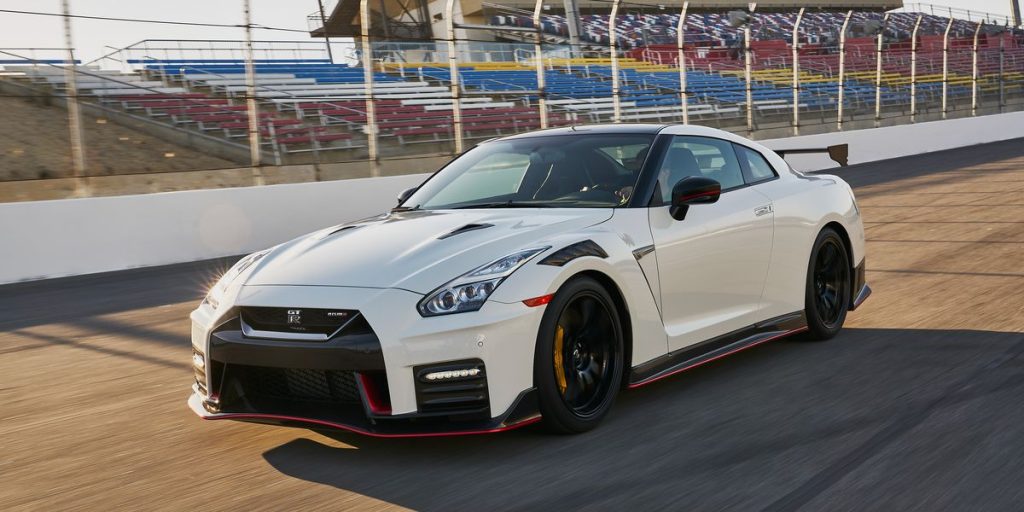
The current GT-R, therefore, represents the closing chapter of a legendary era. It remains one of the last high-performance vehicles that delivers its thrills through a relatively traditional combustion-engine formula.
Collectors and enthusiasts are already showing increased interest in well-preserved examples. As production concludes, the R35’s status as one of the most influential performance cars of the modern era appears increasingly secure.
Specifications
- Engine: 3.8-Liter Twin-Turbocharged V6
- Torque: 467 lb-ft
- Horsepower: 565 hp
- Length/Width: 185.4 in / 74.6 in
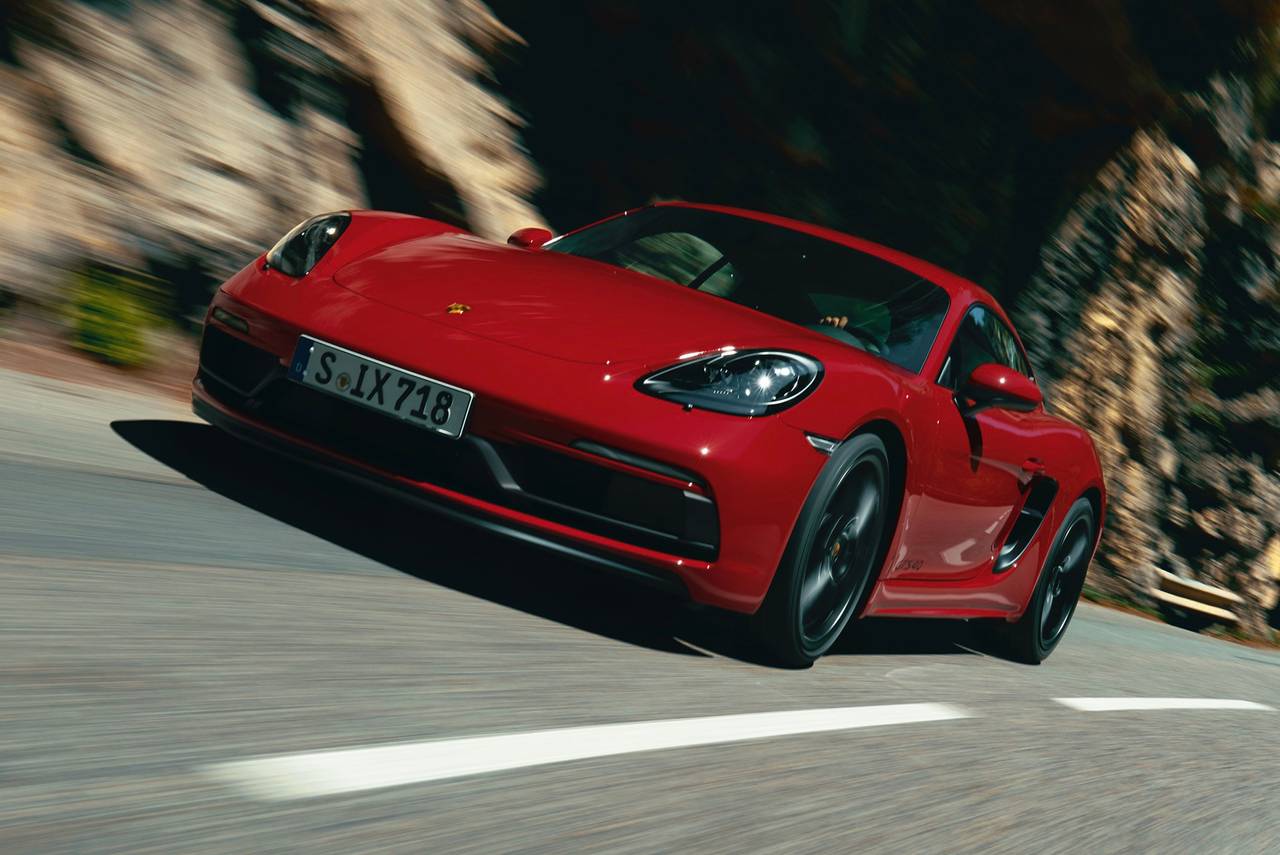
4. Porsche 718 Cayman
The Porsche 718 Cayman has long been considered one of the finest driver’s cars available at any price. While larger and more powerful sports cars often attract headlines, the Cayman built its reputation through balance, precision, and driving purity.
Positioned below the iconic 911, the mid-engine coupe developed a devoted following among enthusiasts who valued handling as much as outright horsepower. Its steering response, chassis tuning, and composure through corners consistently earned praise from automotive journalists around the world.
Part of the Cayman’s appeal comes from its simplicity. Instead of overwhelming drivers with excessive power, it rewards skill and precision. On winding mountain roads or during a day at the racetrack, it delivers an engaging experience that few rivals can match.
Porsche is preparing to transition the 718 family toward an electric future, which means the current gasoline-powered Cayman is nearing retirement. The company has already signaled that the existing combustion-powered model is approaching the end of its lifecycle as electric replacements move closer to production.
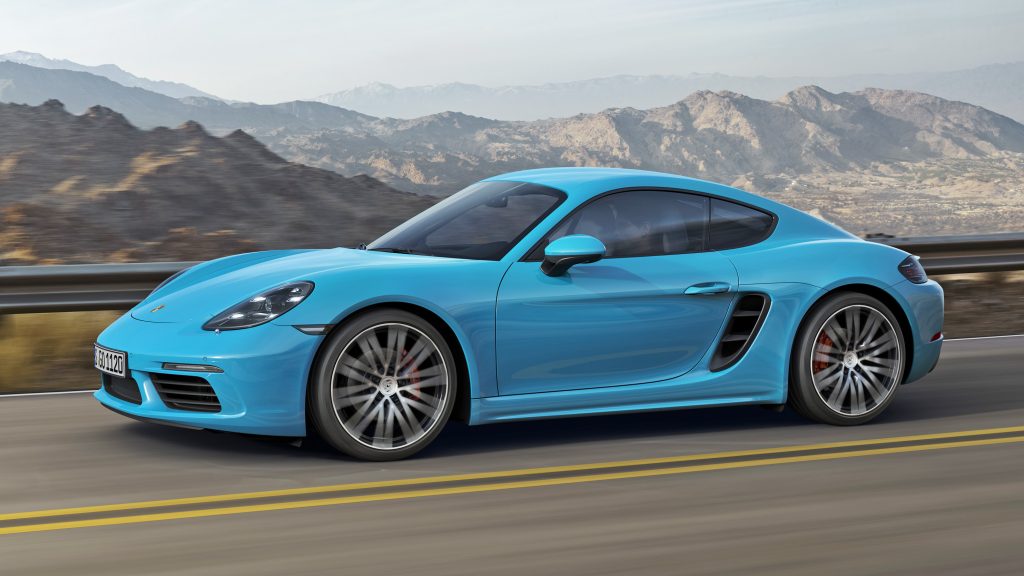
For many enthusiasts, this marks a significant moment. Sports cars with naturally balanced mid-engine layouts and internal-combustion powertrains are becoming increasingly rare.
As the final examples leave production lines, the current Cayman may be remembered as one of Porsche’s most complete sports cars. It successfully delivered excitement without requiring extreme power figures, proving that driving enjoyment often comes from balance rather than sheer speed.
Specifications
- Engine: 4.0-Liter Naturally Aspirated Flat-Six
- Torque: 309 lb-ft
- Horsepower: 394 hp
- Length/Width: 174.5 in / 70.9 in
5. Porsche 718 Boxster
While the Cayman earned praise as a hard-edged sports coupe, its open-top sibling delivered many of the same strengths with an added sense of freedom. The Porsche 718 Boxster has remained one of the benchmark roadsters in the automotive world, combining precise handling with the unique experience of top-down driving.
Roadsters have become increasingly rare in recent years. Consumer demand has shifted toward SUVs and practical crossovers, leaving fewer buyers interested in lightweight two-seat sports cars. Despite that trend, Porsche continued refining the Boxster and preserving its reputation as one of the most rewarding convertibles on sale.
What separated the Boxster from many rivals was its balance. Some convertibles sacrifice structural rigidity for open-air driving, but Porsche engineered the car to remain impressively composed through corners.
Drivers could enjoy a scenic coastal road one day and tackle a racetrack the next without feeling as though the vehicle had been compromised.
The availability of naturally aspirated flat-six engines in higher-performance variants further enhanced the appeal. Their distinctive sound and immediate throttle response created a connection between driver and machine that modern turbocharged powertrains often struggle to replicate.
Porsche’s transition toward electrification means the current combustion-powered Boxster is nearing the end of its lifecycle. Future versions are expected to adopt fully electric powertrains, making the present generation one of the final gasoline-powered examples of the famous roadster.
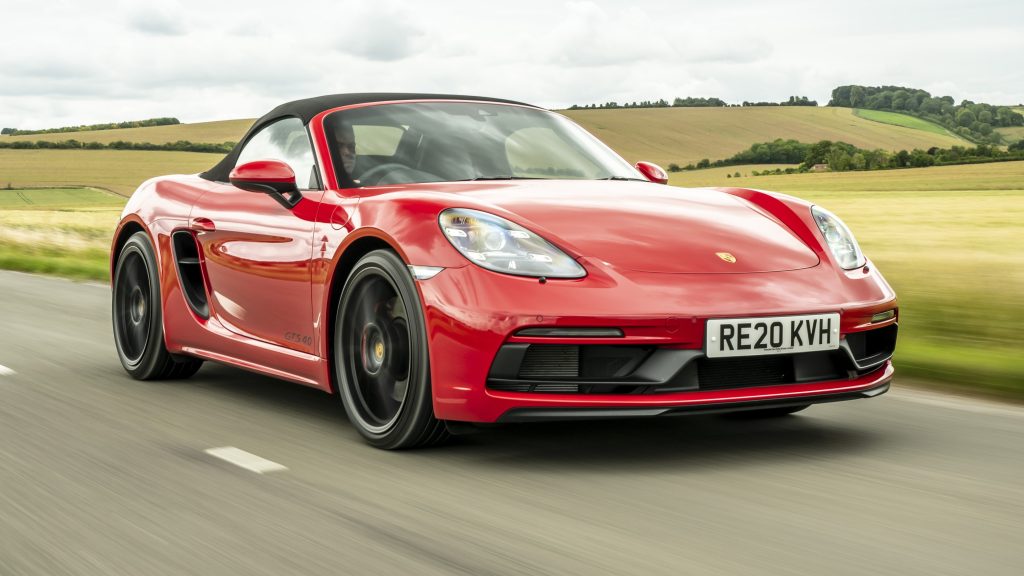
Reports indicate production of the existing model will conclude as Porsche shifts resources toward its next chapter.
For enthusiasts who appreciate traditional sports-car characteristics, the final years of the 718 Boxster represent the end of an important era. It remains a reminder that lightweight engineering and precise chassis tuning can be just as exciting as massive horsepower figures.
Specifications
- Engine: 4.0-Liter Naturally Aspirated Flat-Six
- Torque: 309 lb-ft
- Horsepower: 394 hp
- Length/Width: 172.4 in / 70.9 in
6. Infiniti QX50
Not every vehicle retiring is a sports car. The Infiniti QX50 represents a very different story, reflecting the challenges luxury brands face in a highly competitive crossover market.
When Infiniti launched the current QX50, it arrived with ambitious goals. The crossover introduced a variable-compression turbocharged engine, a technology designed to balance fuel efficiency and performance more effectively than conventional powertrains. At the time, it was one of the most innovative engines available in a production vehicle.
The QX50 also offered a spacious cabin, comfortable seating, and a quiet ride. Buyers looking for a premium crossover often appreciated its smooth driving manners and generous passenger room. Yet strong competition from established luxury rivals made it difficult for the model to achieve the sales success Infiniti had hoped for.
Luxury crossover buyers increasingly gravitated toward competitors offering newer infotainment systems, broader electrification options, and stronger brand momentum. As a result, Infiniti has begun restructuring its lineup, and the QX50 is expected to leave production as the company focuses on future products and electric vehicles.
Unlike some discontinued vehicles that depart after decades of success, the QX50’s story is more about changing market dynamics. The vehicle itself remained capable and comfortable, but evolving consumer expectations created a difficult environment.
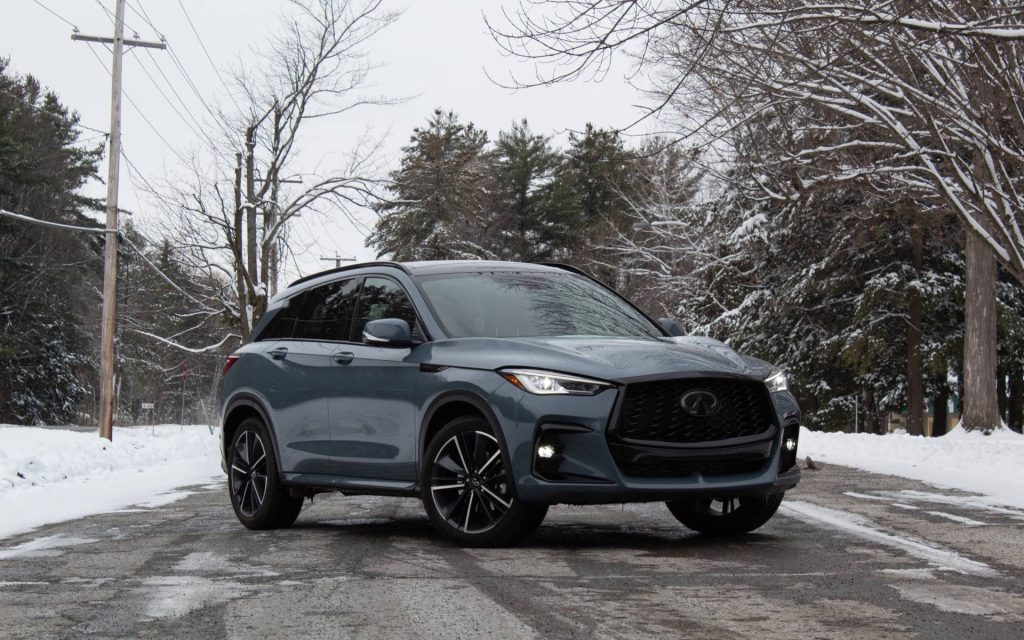
Its retirement will also mark the end of one of the industry’s most unusual engine technologies. The variable-compression turbocharged engine was a bold engineering experiment, and the QX50 served as its primary showcase.
Although its production run may be ending, the crossover will likely be remembered for attempting something genuinely different in a segment often dominated by conventional solutions.
Specifications
- Engine: 2.0-Liter Variable Compression Turbocharged Inline-4
- Torque: 280 lb-ft
- Horsepower: 268 hp
- Length/Width: 184.7 in / 74.9 in
7. Chevrolet Malibu
For decades, the Chevrolet Malibu represented a core part of the American family sedan market. It survived fuel crises, changing consumer tastes, and numerous redesigns while serving as dependable transportation for millions of drivers.
Yet even a nameplate with such history has not been immune to the industry’s shift toward crossovers and SUVs.
The Malibu’s greatest strength was its simplicity. Buyers seeking a comfortable midsize sedan found a vehicle that delivered practical transportation without unnecessary complexity. Generous interior space, respectable fuel economy, and straightforward controls helped it remain relevant long after many competitors disappeared.
During the height of the sedan market, vehicles like the Malibu formed the backbone of countless family driveways, rental fleets, and commuter garages. However, consumer preferences changed dramatically during the past decade. Buyers increasingly favored higher seating positions, greater cargo flexibility, and crossover styling.
As a result, sedan sales steadily declined across the industry. Automakers responded by reallocating resources toward more profitable SUV segments. Chevrolet ultimately decided to end Malibu production as part of its broader strategy focused on trucks, crossovers, and electric vehicles.
The decision carries symbolic significance because the Malibu was among the last traditional Chevrolet passenger cars still available in North America. Its departure further highlights the shrinking role of conventional sedans in today’s marketplace.
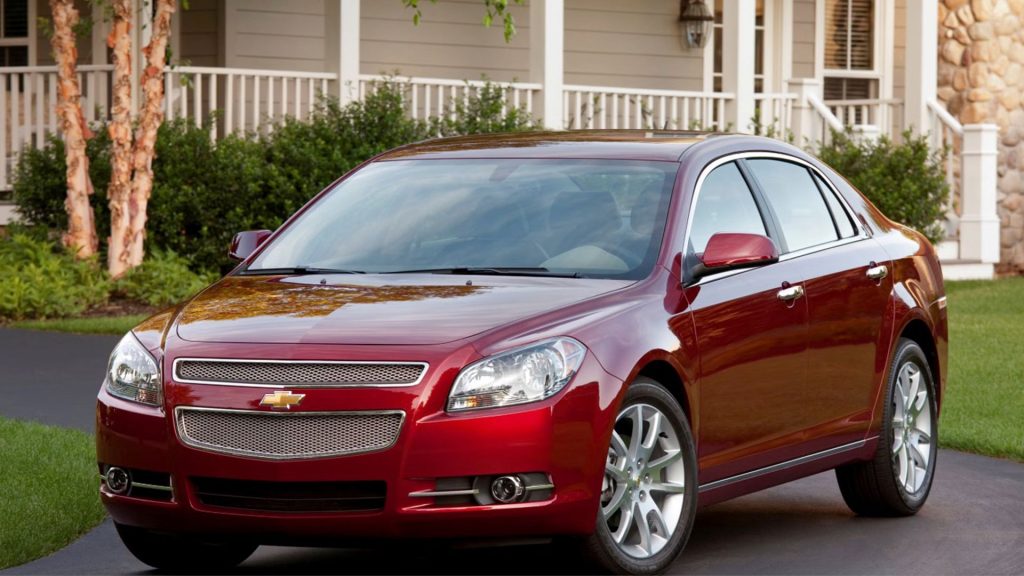
Future enthusiasts may look back on the Malibu as a reminder of an era when midsize sedans dominated sales charts and represented the default choice for families. While it never attempted to be flashy or revolutionary, it consistently delivered reliable transportation and practical value.
As production concludes, the Malibu closes a chapter that stretches back more than half a century in automotive history.
Specifications
- Engine: 1.5-Liter Turbocharged Inline-4
- Torque: 184 lb-ft
- Horsepower: 163 hp
- Length/Width: 194.2 in / 73.0 in
8. Audi A4
The Audi A4 has been one of the most influential luxury sedans of the modern era. Since its introduction in the 1990s, it has helped establish Audi as a serious competitor to German luxury rivals and has become a benchmark for buyers seeking a premium compact sedan.
Its success came from combining refinement, technology, and understated styling. Rather than relying on dramatic design elements, the A4 built a reputation through quality engineering and a polished driving experience.
The cabin consistently ranked among the best in its class, offering premium materials and advanced technology long before many competitors caught up.
Generation after generation, the A4 attracted buyers who wanted luxury without excessive flash. Its balanced approach appealed to professionals, commuters, and driving enthusiasts alike. Strong turbocharged engines, available all-wheel drive, and excellent highway manners helped maintain its popularity for years.
Yet Audi’s plans require a major restructuring of its lineup. The company is transitioning toward a revised naming strategy and expanding its electrified offerings. As part of that transformation, the traditional A4 sedan is expected to give way to successor models and new product structures after the 2026 model year.
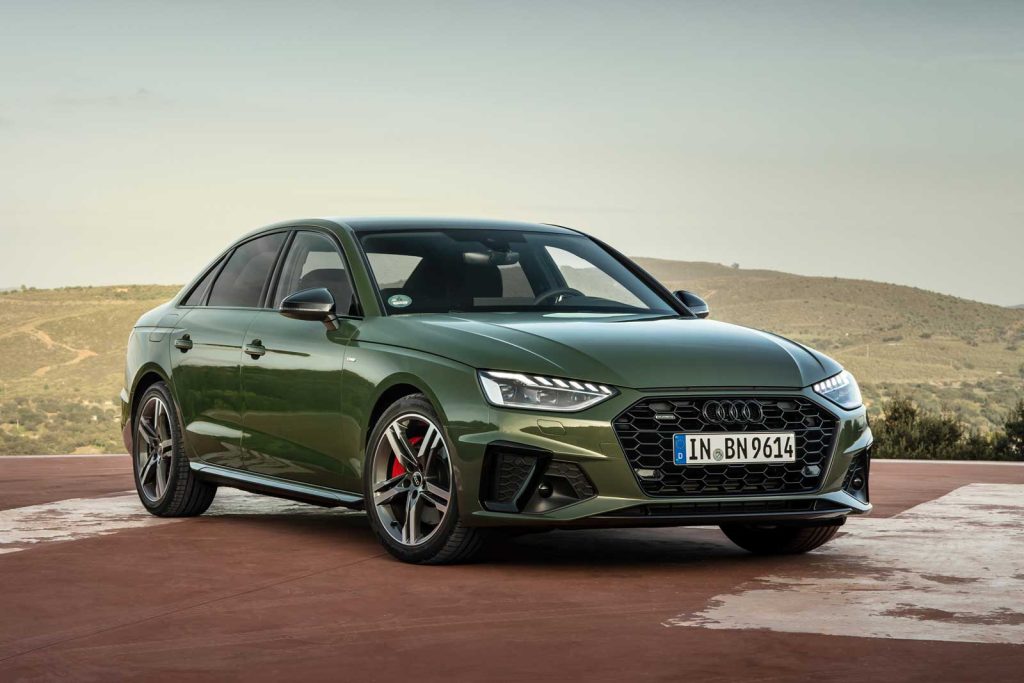
For longtime Audi fans, the retirement of the A4 name represents more than the end of a single vehicle. It marks the conclusion of a model that played a major role in shaping the brand’s global identity.
The luxury sedan segment is becoming smaller, but the A4’s influence will remain visible for years. Its blend of comfort, technology, and everyday usability helped define what many buyers expected from a premium compact sedan.
Specifications
- Engine: 2.0-Liter Turbocharged Inline-4
- Torque: 273 lb-ft
- Horsepower: 261 hp
- Length/Width: 187.5 in / 72.7 in