
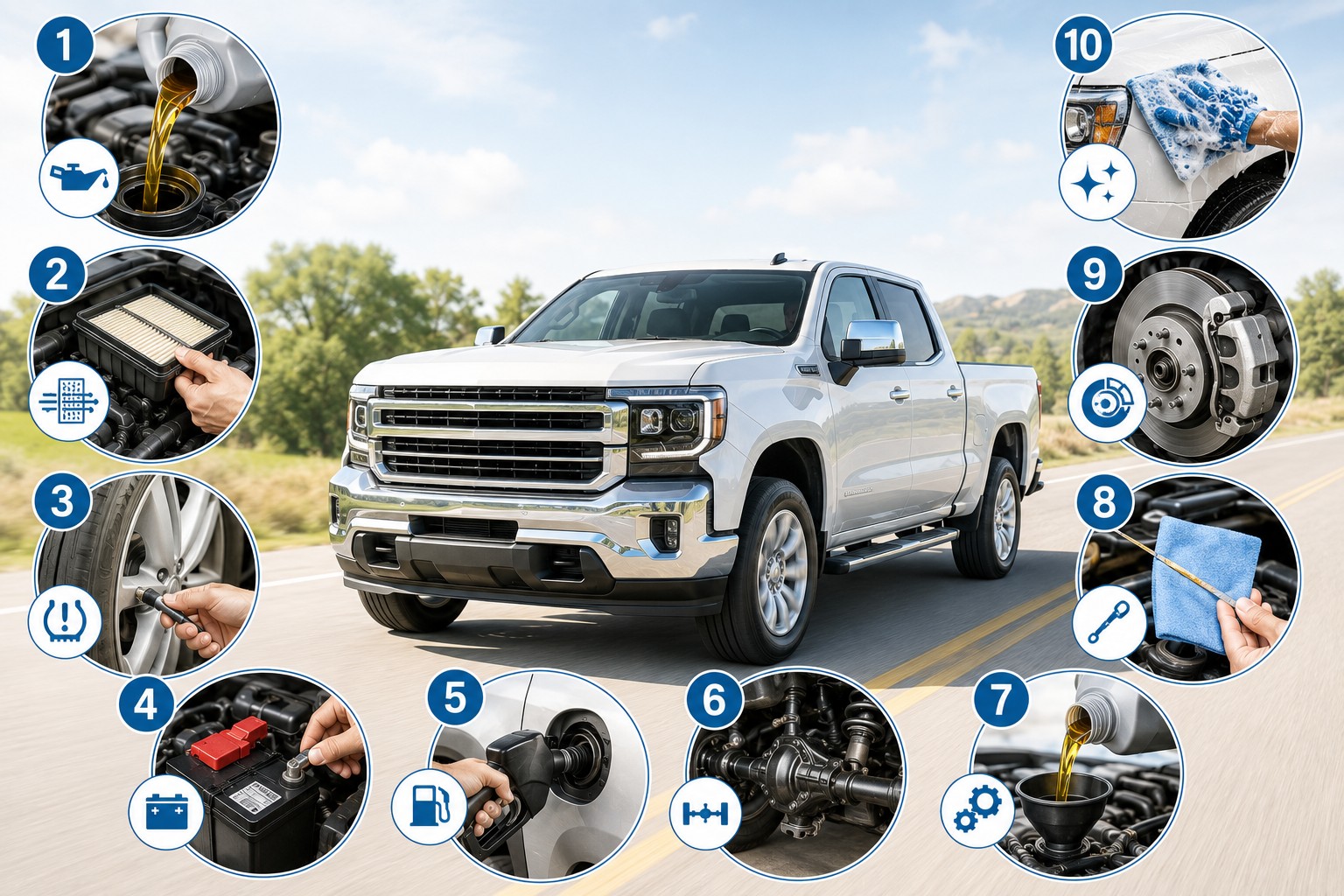
Most trucks die long before their time, not because of bad luck but because of neglect. The good news is that 250,000 miles is absolutely achievable with the right habits.
Modern trucks are built with stronger engines, better materials, and improved technology than ever before. With proper care, hitting that milestone is realistic for almost any owner.
The secret isn’t expensive upgrades or constant repairs. It’s consistency, attention to detail, and following a simple maintenance routine. Many truck owners assume high mileage means the vehicle is “almost done.” In reality, a well-maintained truck can run smoothly for hundreds of thousands of miles beyond that number.
This guide breaks down ten practical tips that will help your truck go the distance. Each tip focuses on simple, actionable steps you can start today. From oil changes to driving habits, every small choice adds up over time. Skipping maintenance might save money now, but it costs much more later.
Think of your truck like an investment. The more you put into its care, the more it gives back in reliability and lifespan. By the end of this article, you’ll have a clear roadmap to extend your truck’s life well past 250,000 miles. Let’s look into the details.
1. Follow a Strict Oil Change Schedule
Oil is the lifeblood of your engine, reducing friction and preventing overheating. Without clean oil, internal components wear down rapidly. Most manufacturers recommend changing oil every 5,000 to 7,500 miles. However, trucks used for towing or hauling may need more frequent changes.
Old, dirty oil loses its ability to lubricate properly. This leads to increased friction, heat buildup, and eventual engine damage. Always check your owner’s manual for the correct oil type and viscosity. Using the wrong oil can actually harm your engine over time.
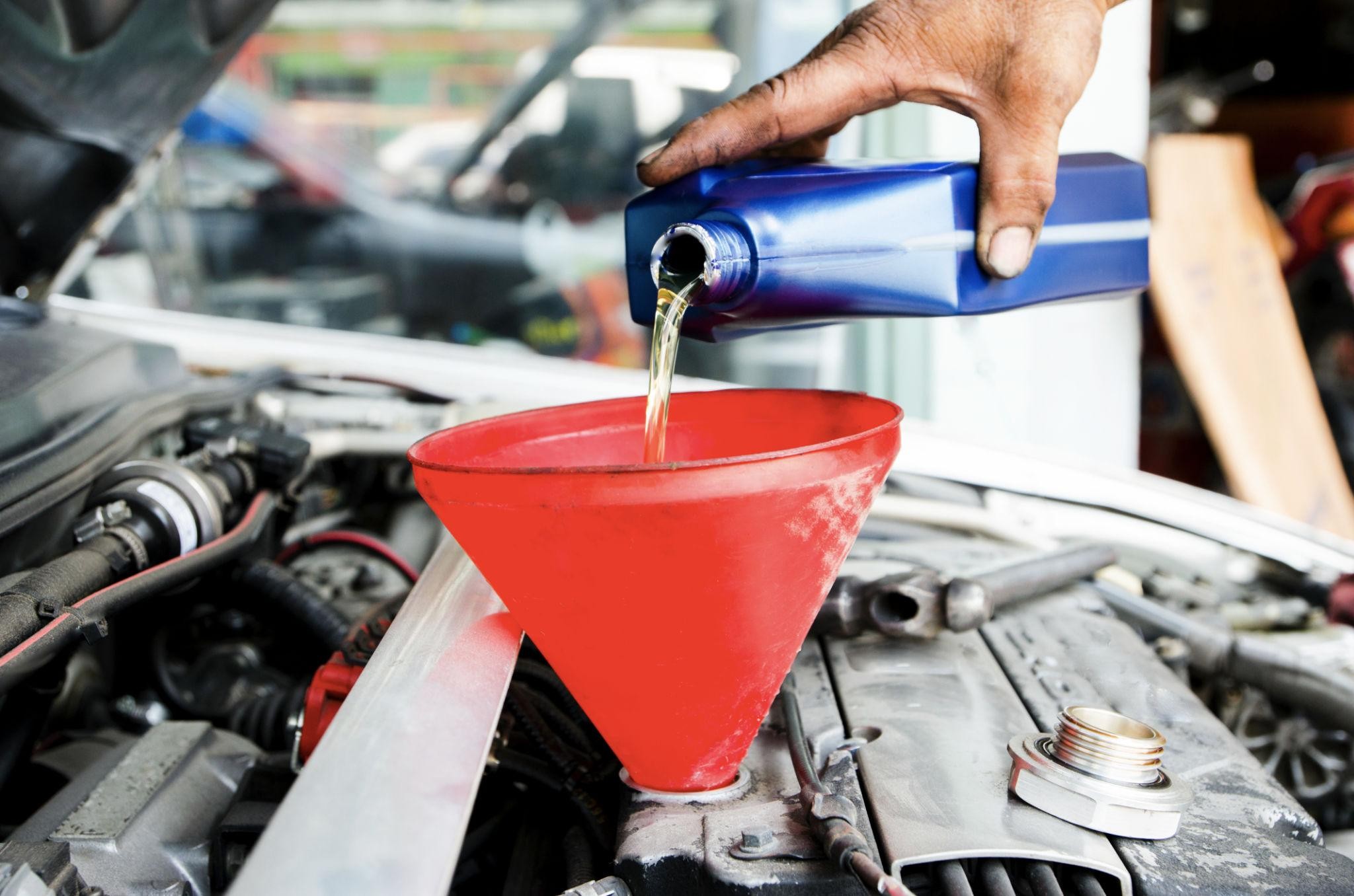
Synthetic oils generally last longer and perform better in extreme temperatures. They’re a worthwhile investment for high-mileage goals. Don’t forget to replace the oil filter every time you change the oil. A clogged filter restricts oil flow and reduces engine efficiency.
If you tow heavy loads or drive in dusty conditions, shorten your oil change intervals. Harsh conditions accelerate oil breakdown significantly. Keep a maintenance log to track when oil changes happen. This helps you stay consistent and spot patterns in oil consumption.
Low oil levels between changes can indicate leaks or burning oil. Catching these early prevents major engine damage down the road. Regular oil changes are the single most cost-effective way to extend engine life. Skipping them is one of the fastest ways to ruin a truck.
2. Check and Maintain Fluid Levels Regularly
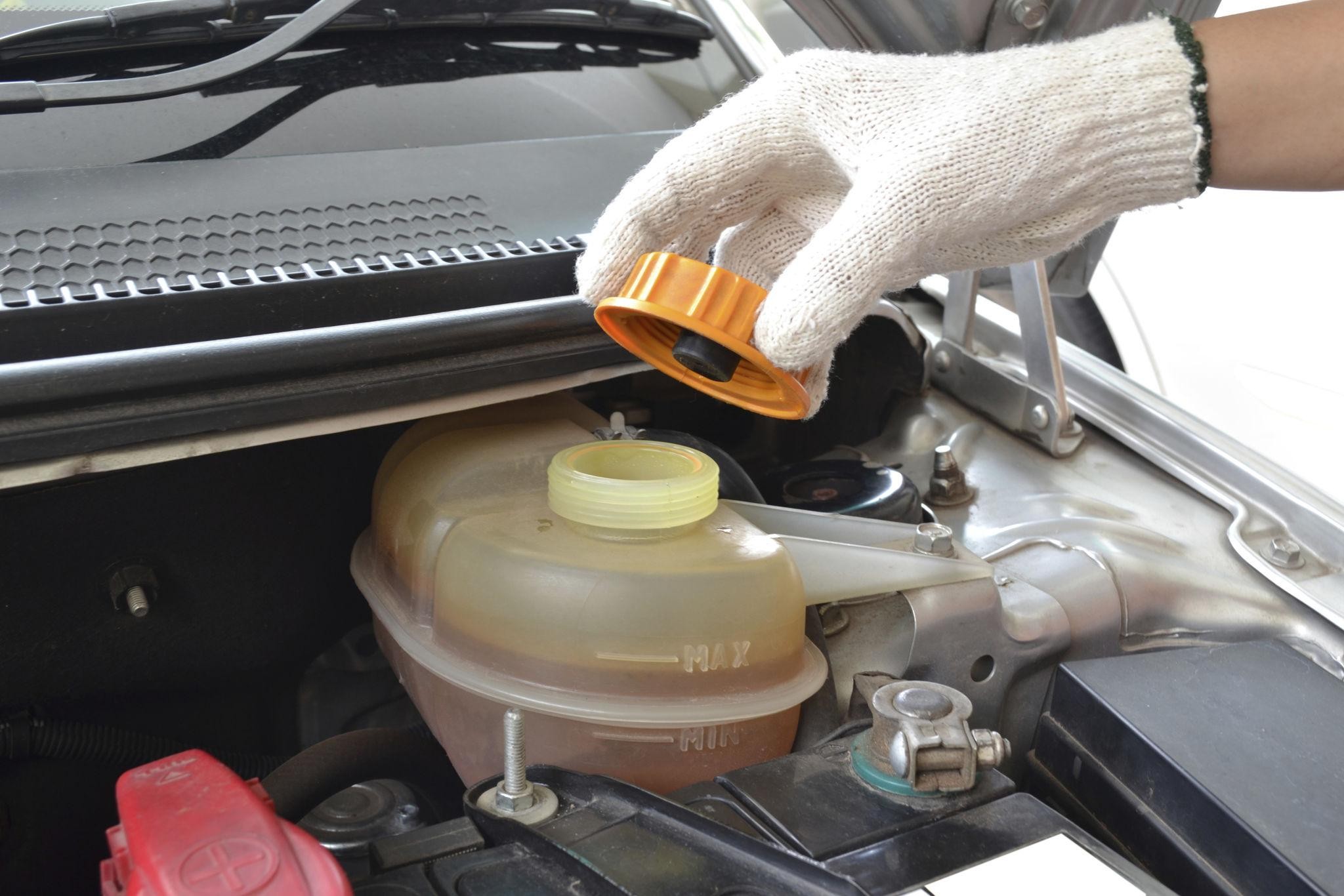
Beyond oil, your truck relies on several other fluids to function properly. Each plays a critical role in performance and longevity. Transmission fluid keeps gears shifting smoothly and prevents overheating. Low or degraded fluid can cause expensive transmission failures.
Coolant regulates engine temperature and prevents overheating in summer or freezing in winter. Always use the coolant type specified by your manufacturer.
Brake fluid is essential for stopping power and safety. Contaminated brake fluid can lead to reduced braking performance over time. Power steering fluid ensures smooth, responsive steering. Low levels can cause stiff steering and damage to the steering pump.
Differential and transfer case fluids are often overlooked, but equally important. These protect gears in your drivetrain from excessive wear. Check these fluids monthly, or more often if you notice leaks or unusual smells. A quick visual inspection can catch problems early.
Look for fluid spots under your truck after it’s been parked overnight. Different colored fluids indicate different potential issues. Topping off fluids isn’t enough if there’s a leak. Address the root cause immediately to prevent further damage.
Flush and replace fluids according to your manufacturer’s recommended schedule. Old, degraded fluids lose their protective properties over time. Properly maintained fluids keep every system working in harmony. Neglecting them puts unnecessary stress on expensive components.
3. Replace Filters on Schedule
Filters protect your truck’s vital systems from dirt, debris, and contaminants. Replacing them regularly keeps everything running efficiently. The air filter prevents dust and particles from entering your engine. A clogged air filter reduces fuel efficiency and engine power.
Most air filters should be replaced every 12,000 to 15,000 miles. If you drive in dusty environments, check it more frequently. The fuel filter removes contaminants from gasoline or diesel before they reach the engine. A dirty fuel filter can cause poor performance and stalling.
Diesel trucks often have additional fuel filters and water separators. These need regular draining and replacement to prevent fuel system damage.
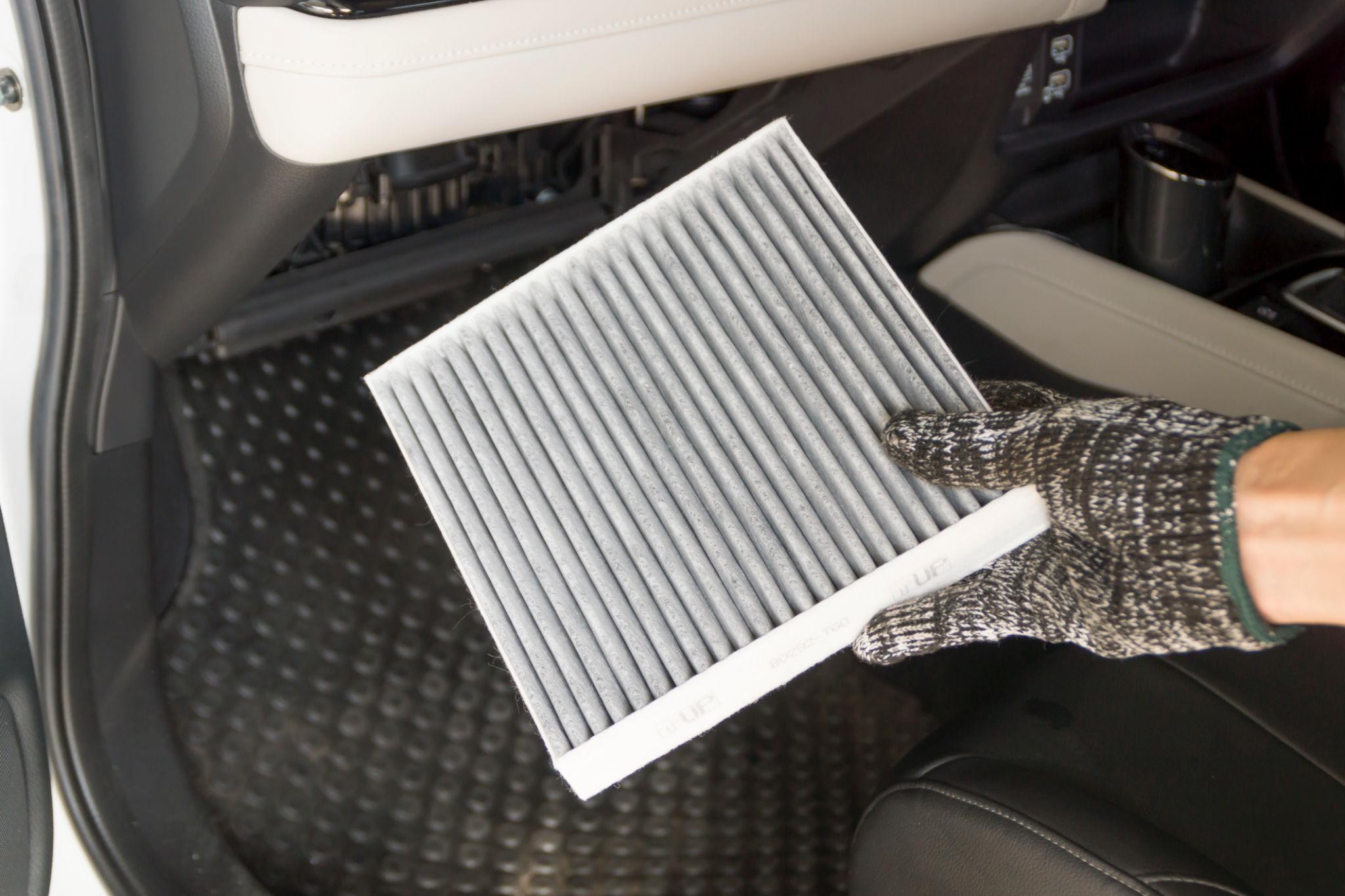
The cabin air filter improves the air quality inside your truck. While not engine-related, a clogged one affects comfort and HVAC performance. Transmission filters, though changed less frequently, are crucial during fluid changes. They catch metal shavings and debris from gear wear.
Ignoring filter replacement schedules causes increased strain on related systems. This strain leads to premature wear and costly repairs. Clean filters mean better fuel economy and smoother engine operation. The cost of a filter is minimal compared to repair costs.
Keep spare filters on hand for easy replacement. This encourages you to stay on top of maintenance without delays. A simple filter swap takes minutes but protects thousands of dollars in components. It’s one of the easiest maintenance tasks to master.
4. Address Issues Immediately, Don’t Delay
Small problems become big problems when ignored. A minor noise today could mean a major repair tomorrow. Strange sounds, vibrations, or warning lights are your truck’s way of communicating. Listening to these signals saves money and prevents breakdowns.
Many drivers postpone repairs due to cost or inconvenience. Unfortunately, this often leads to far more expensive fixes later. A small oil leak, for example, can quickly become an engine seizure. Catching it early means a simple gasket replacement instead.

Brake issues are especially dangerous to ignore. Squeaking or grinding brakes indicate worn pads that need immediate attention. Check engine lights should never be dismissed as “just a sensor.” They often indicate underlying issues that worsen over time.
Suspension problems affect handling, tire wear, and safety. Addressing these promptly prevents uneven tire wear and alignment issues. Build a relationship with a trusted mechanic who knows your truck’s history. This makes diagnosing recurring issues much easier.
Keep a running list of any unusual sounds or behaviors you notice. Bring this list to your next service appointment. Preventive repairs are almost always cheaper than emergency repairs. A small investment now avoids a major expense later. The longer you wait, the more components can be affected by a single failing part. Quick action contains damage to one area.
Also Read: Best Time of Year to Buy a New Truck in the USA
5. Drive Gently and Avoid Aggressive Habits
How you drive directly impacts how long your truck lasts. Aggressive driving accelerates wear on nearly every component. Hard acceleration puts extra stress on the engine, transmission, and drivetrain. Smooth, gradual acceleration reduces this strain significantly.
Slamming on the brakes wears down brake pads and rotors faster. Gentle, anticipatory braking extends the life of your braking system. Excessive idling, especially in cold weather, can cause unnecessary engine wear. Modern engines don’t need long warm-up periods like older models.
Avoid revving the engine unnecessarily, especially when cold. This puts stress on internal components before the oil has fully circulated. Aggressive cornering and sharp turns stress your suspension and steering components. Smooth driving reduces wear on these expensive parts.

Towing beyond your truck’s rated capacity strains the engine, transmission, and frame. Always stay within manufacturer-recommended limits. Driving at consistent, moderate speeds improves fuel efficiency and reduces mechanical stress. Highway driving is generally easier on a truck than stop-and-go traffic.
Allow your truck to warm up gently before demanding heavy loads or high speeds. This gives fluids time to circulate properly. Gentle driving habits don’t mean driving slowly everywhere. They mean being smooth, predictable, and mindful of your truck’s limits. Over hundreds of thousands of miles, driving style makes a massive difference. Smooth drivers consistently get more life from their vehicles.
6. Protect Against Rust and Corrosion
Rust is one of the biggest enemies of high-mileage trucks. It can compromise structural integrity and lead to costly repairs. Road salt, moisture, and humidity all contribute to rust formation. Trucks in colder climates face higher risks from winter road treatments.
Regular washing, especially during winter, removes salt and grime from the undercarriage. This simple habit prevents long-term corrosion damage.
Pay special attention to the frame, wheel wells, and exhaust system. These areas are particularly prone to rust buildup. Applying rust-proofing or undercoating treatments adds an extra layer of protection. Many shops offer annual rust-proofing services.
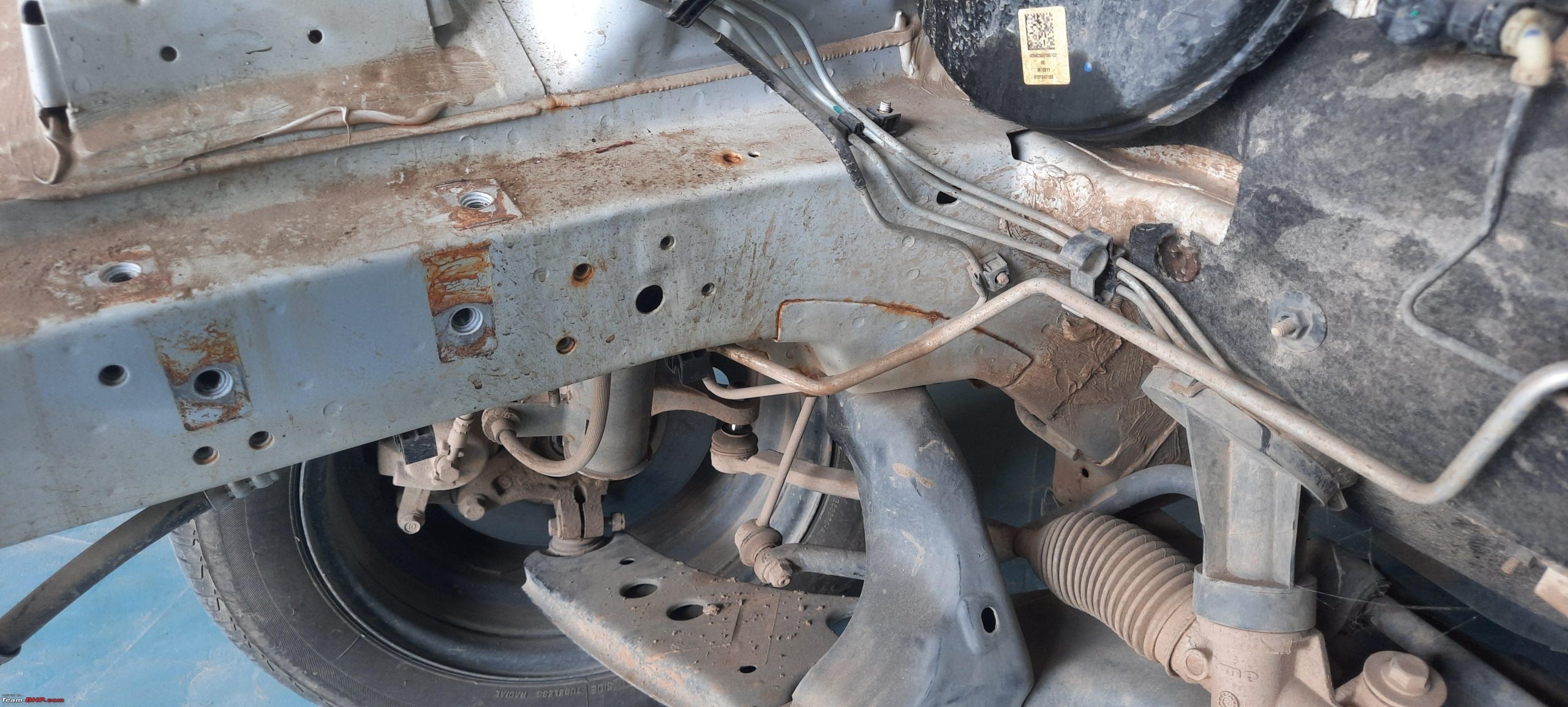
Check for paint chips and scratches that expose bare metal. Touch up these areas promptly to prevent rust from spreading. Keep your truck’s bed clean and free of standing water or debris. Trapped moisture accelerates corrosion in the bed and frame.
Inspect brake lines, fuel lines, and exhaust components for rust. These parts can fail unexpectedly if corrosion goes unchecked. If you live near the coast, salt air can accelerate rust even without road salt. Coastal owners should wash their trucks more frequently.
Storing your truck in a garage, when possible, reduces exposure to moisture and temperature extremes. This significantly slows rust development. Rust prevention is far cheaper than rust repair. A little effort now protects your truck’s structural integrity for years.
7. Maintain Your Tires Properly
Tires affect far more than ride comfort, playing an important role in fuel efficiency, handling, and safety. Proper maintenance extends their lifespan while also helping to protect other vehicle components.
Check tire pressure monthly, as underinflated tires wear unevenly and reduce fuel economy. Overinflated tires can lead to a harsher ride and uneven wear.
Rotate your tires every 5,000 to 7,500 miles. This promotes even wear across all four tires, extending their lifespan. Misaligned wheels cause uneven tire wear and can strain your suspension and steering components. Get an alignment check annually or after hitting potholes.
Balanced tires prevent vibrations that can damage suspension parts over time. Always balance tires when rotating or replacing them. Inspect tread depth regularly using the penny test or a tread depth gauge. Worn tires reduce traction and increase stopping distances.
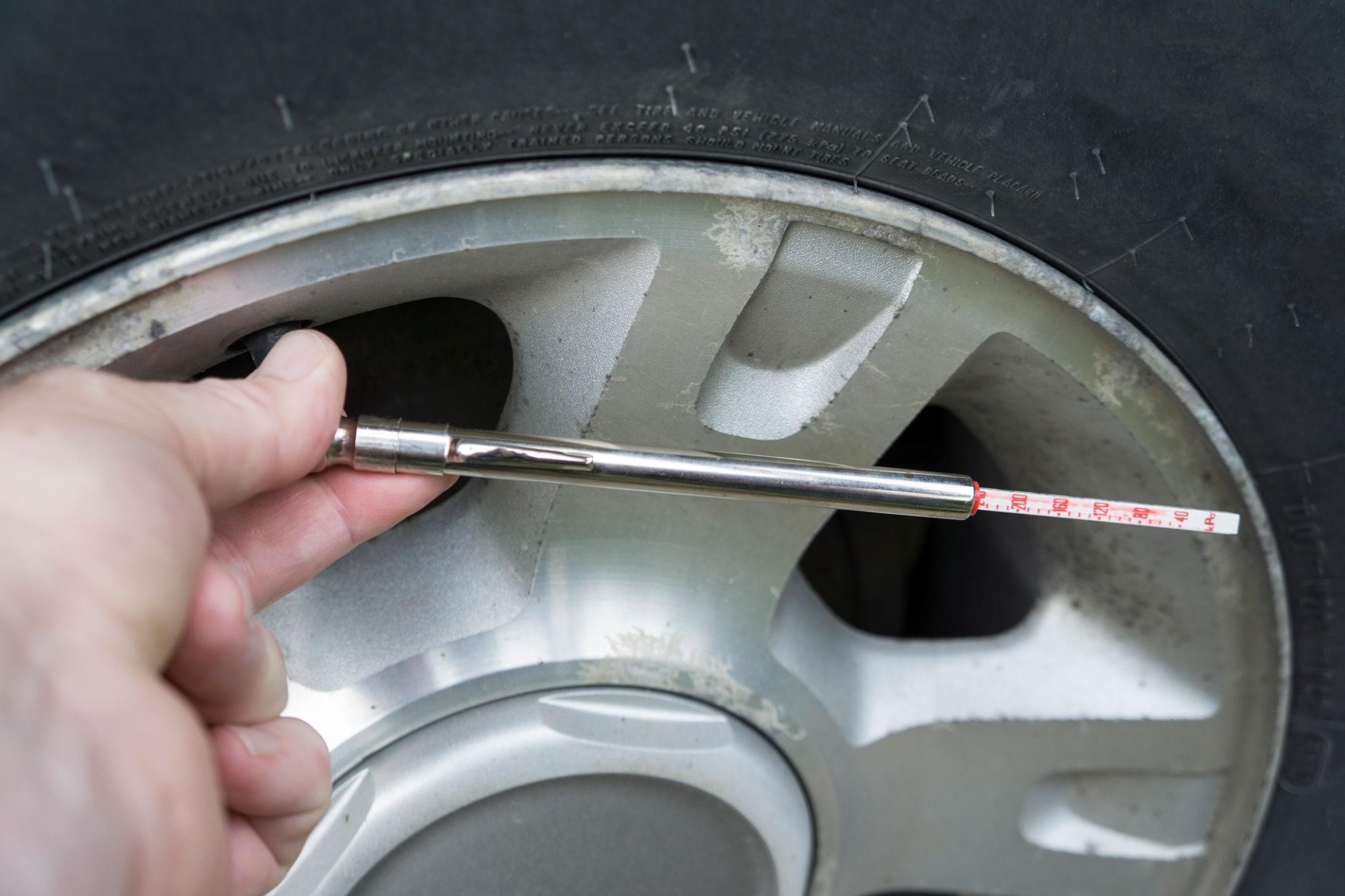
Look for uneven wear patterns, which can indicate alignment, suspension, or inflation issues. Catching these early prevents further damage. Don’t ignore sidewall damage, bulges, or cracks. These can lead to sudden blowouts, especially under heavy loads.
Quality tires designed for your truck’s use, whether off-road, highway, or towing, perform better and last longer. Choose tires suited to your driving needs.
Properly maintained tires reduce strain on your truck’s suspension, steering, and drivetrain. Healthy tires mean a healthier truck. Tire maintenance is often overlooked but plays a huge role in longevity. A small habit change here pays dividends over time.
8. Keep Your Truck Clean, Inside and Out
A clean truck isn’t just about appearances, it’s about preserving value and function. Regular cleaning prevents long-term damage in subtle ways. Washing your truck regularly removes dirt, salt, and grime that can cause corrosion. This is especially important for the undercarriage and wheel wells.
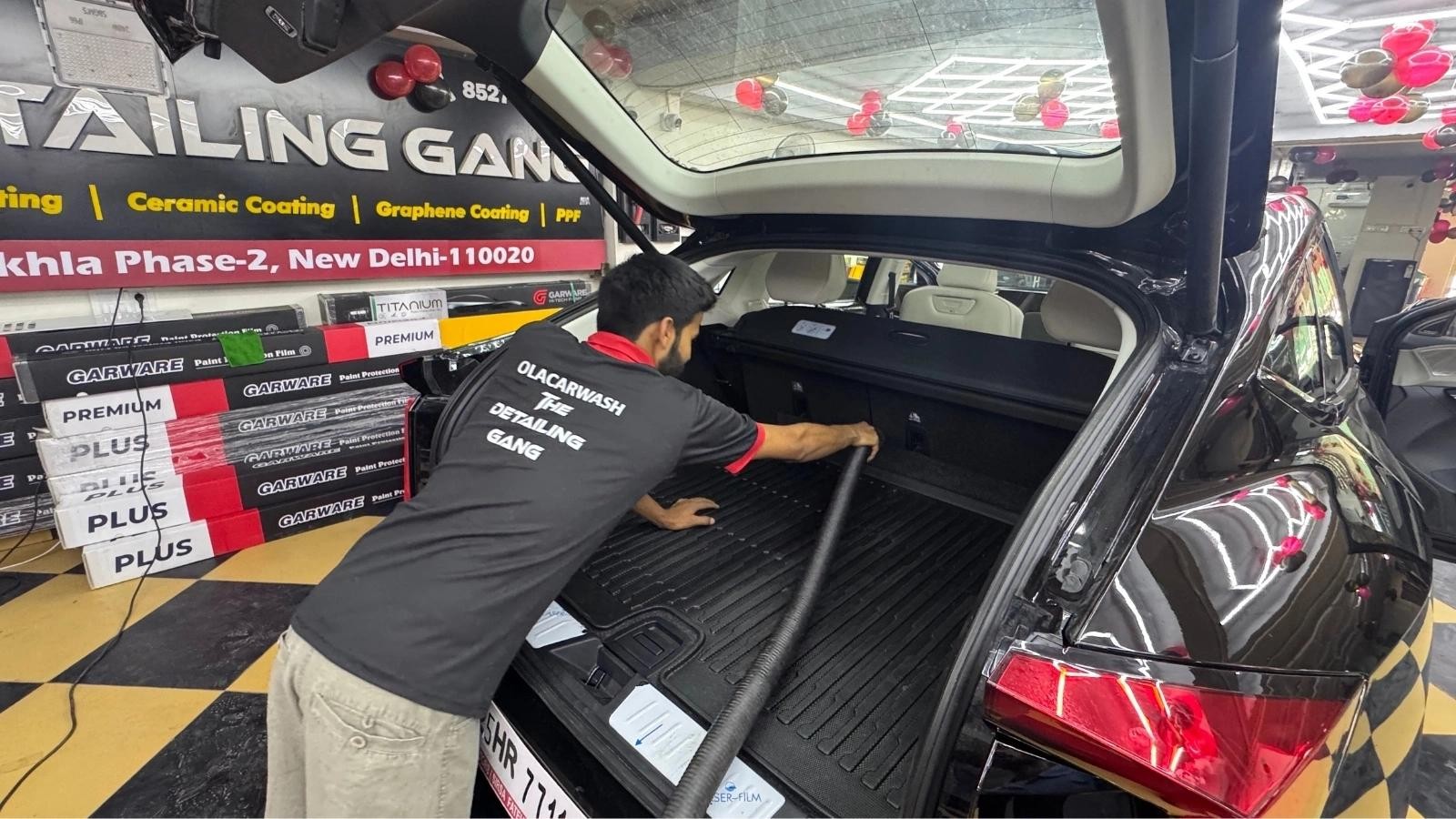
Cleaning the interior prevents dirt and debris from damaging upholstery, carpets, and electronics. Spilled liquids can cause mold or electrical issues if ignored.
Vacuum floor mats and seats regularly to prevent dirt from grinding into fabric. This extends the life of your interior surfaces. Clean your engine bay occasionally to spot leaks, frayed wires, or corrosion early. A clean engine bay makes problems easier to identify.
Wax your truck’s exterior to protect the paint from UV damage and environmental contaminants. This helps prevent rust from forming on exposed metal.
Keep windows and mirrors clean for better visibility and safety. Reduced visibility can lead to accidents that damage your truck. Clean headlights and taillights ensure proper visibility at night. Cloudy or dirty lights reduce effectiveness and safety.
Remove clutter from your truck bed and cab. Excess weight reduces fuel efficiency and adds unnecessary stress to suspension components. Pay attention to door seals and weatherstripping, keeping them clean and conditioned. This prevents water intrusion and rust around door frames. A clean truck is easier to inspect for problems and holds its value better. Cleanliness reflects care and attention to detail.
9. Service the Transmission and Drivetrain
The transmission and drivetrain are among the most expensive components to repair or replace. Proper care here pays massive dividends. Transmission fluid should be changed according to manufacturer recommendations, typically every 30,000 to 60,000 miles. Severe-duty use may require more frequent changes.
Watch for signs of transmission trouble like delayed shifting, slipping gears, or unusual noises. These symptoms shouldn’t be ignored. If you tow frequently, consider installing a transmission cooler. This helps prevent overheating, which is a major cause of transmission failure.
The differential fluid lubricates gears that transfer power to the wheels. This fluid should be changed periodically, especially in trucks used for towing. Four-wheel-drive systems have transfer case fluid that needs regular attention. Neglecting this can lead to expensive drivetrain repairs.
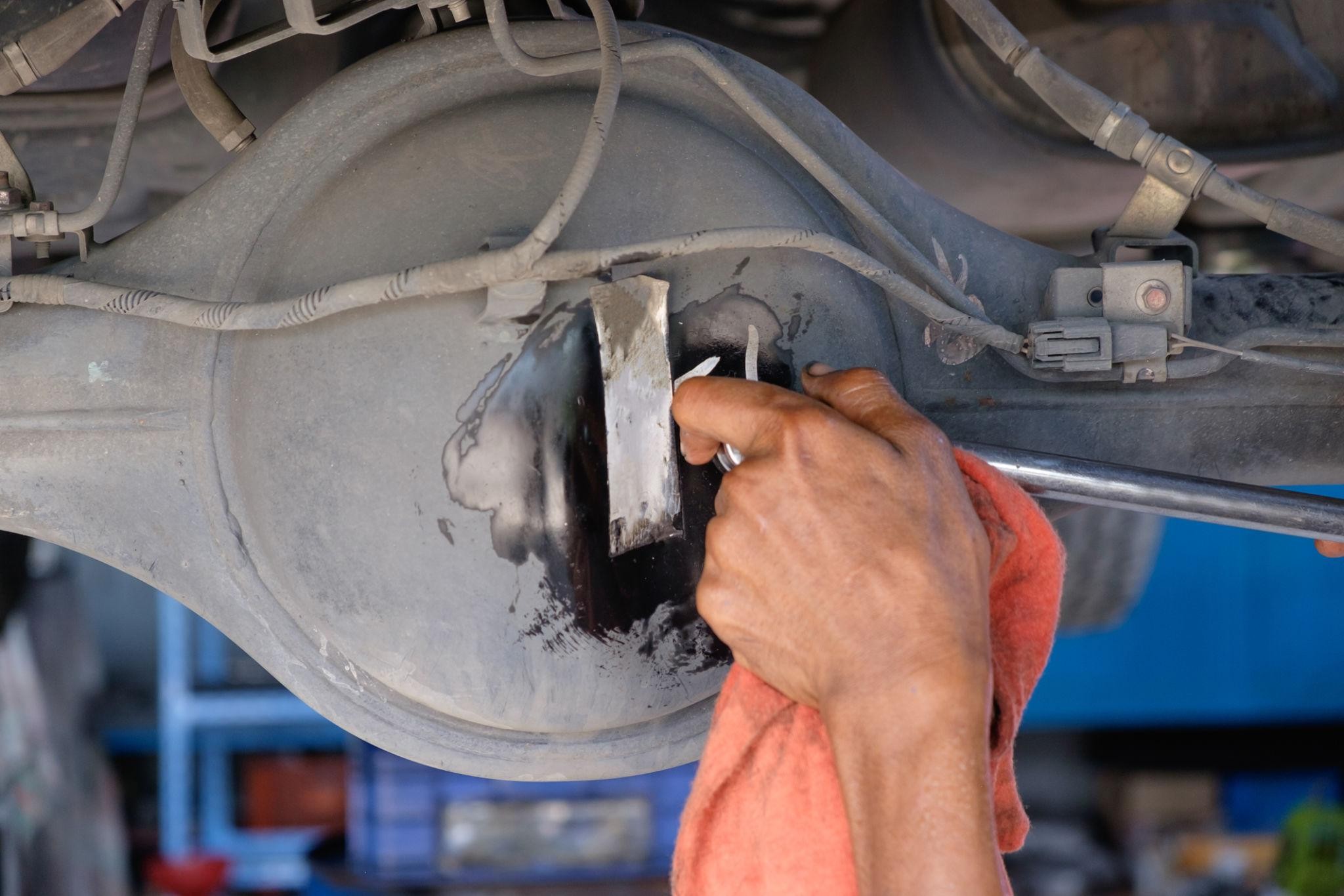
U-joints and driveshaft components should be inspected for wear and properly lubricated. Worn U-joints can cause vibrations and eventual failure.
Avoid riding the clutch in manual transmissions, as this causes premature wear. Smooth, deliberate clutch use extends clutch life significantly. Don’t shift into reverse or park while the truck is still moving. This puts unnecessary stress on transmission components.
Regular drivetrain inspections can catch worn bearings, leaking seals, or damaged components early. Early detection means simpler, cheaper repairs.
A well-maintained transmission and drivetrain can last the life of the truck. Neglect here often leads to the most expensive repairs a truck owner faces.
10. Store Your Truck Properly When Not in Use
How you store your truck during periods of inactivity matters more than most people realize. Proper storage prevents unnecessary deterioration. Park in a garage or covered area whenever possible. This protects against sun damage, rain, snow, and temperature extremes.
If storing for an extended period, fill the gas tank to prevent moisture buildup inside the tank. This also helps prevent fuel system corrosion. Use a fuel stabilizer if your truck will sit unused for more than a month. This keeps fuel from breaking down and clogging fuel lines.
Disconnect the battery or use a battery maintainer during long-term storage. This prevents battery drain and prolongs battery life. Inflate tires to the recommended pressure before storage. This prevents flat spots from forming on tires that sit too long.
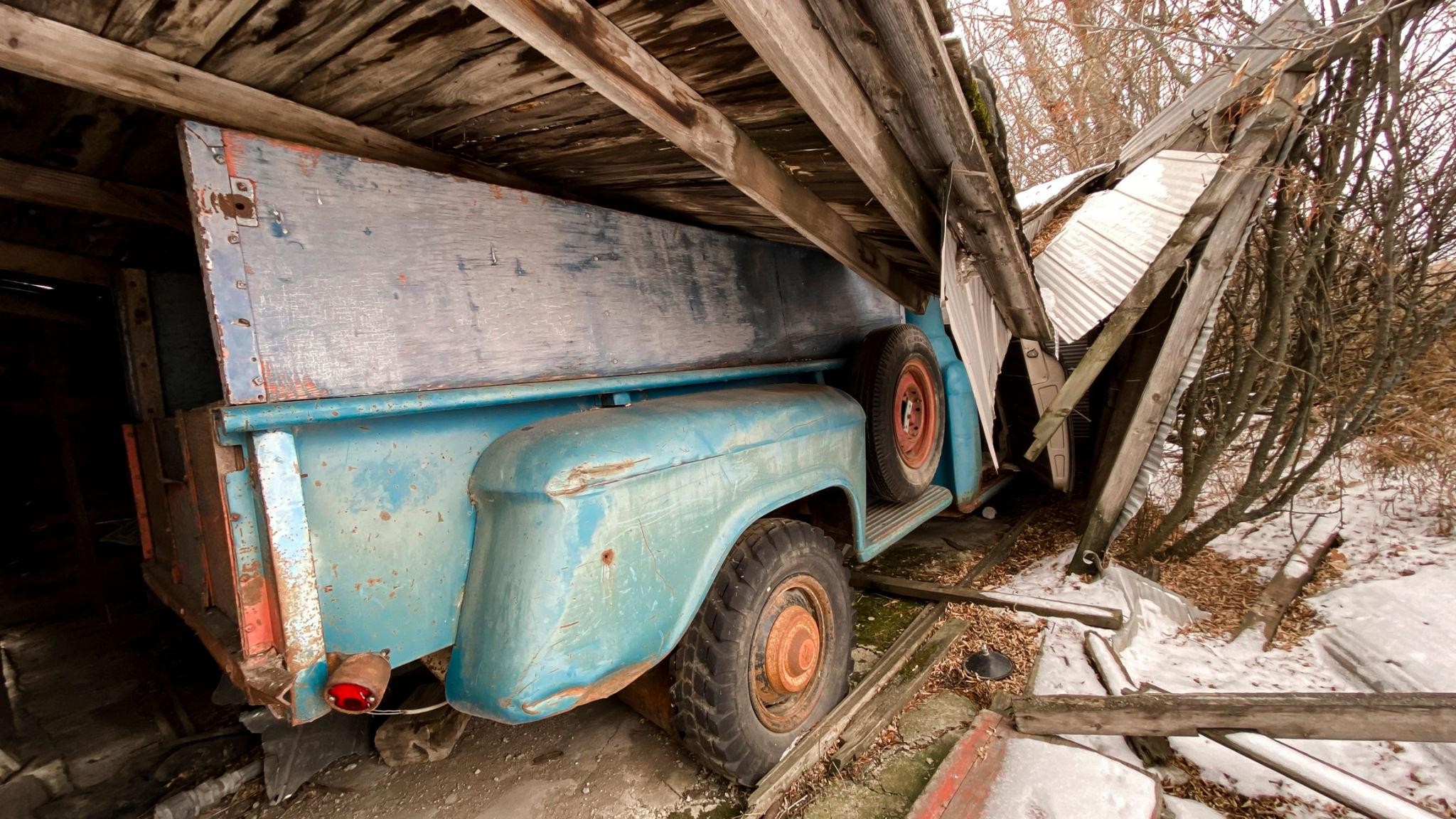
Change the oil before long-term storage rather than after. Old oil contains contaminants that can sit and cause damage during inactivity. Keep rodents away by sealing any openings and using deterrents. Rodents can chew through wires and create costly electrical problems.
Start the engine periodically, even during storage, to keep fluids circulating. This prevents seals from drying out and cracking. Cover your truck if stored outdoors to protect against UV rays, bird droppings, and debris.
A quality cover makes a noticeable difference over time. Proper storage habits prevent your truck from deteriorating even when it’s not being driven. This care extends its lifespan significantly.
Also Read: How Much It Really Costs to Own a Truck for 5 Years
