
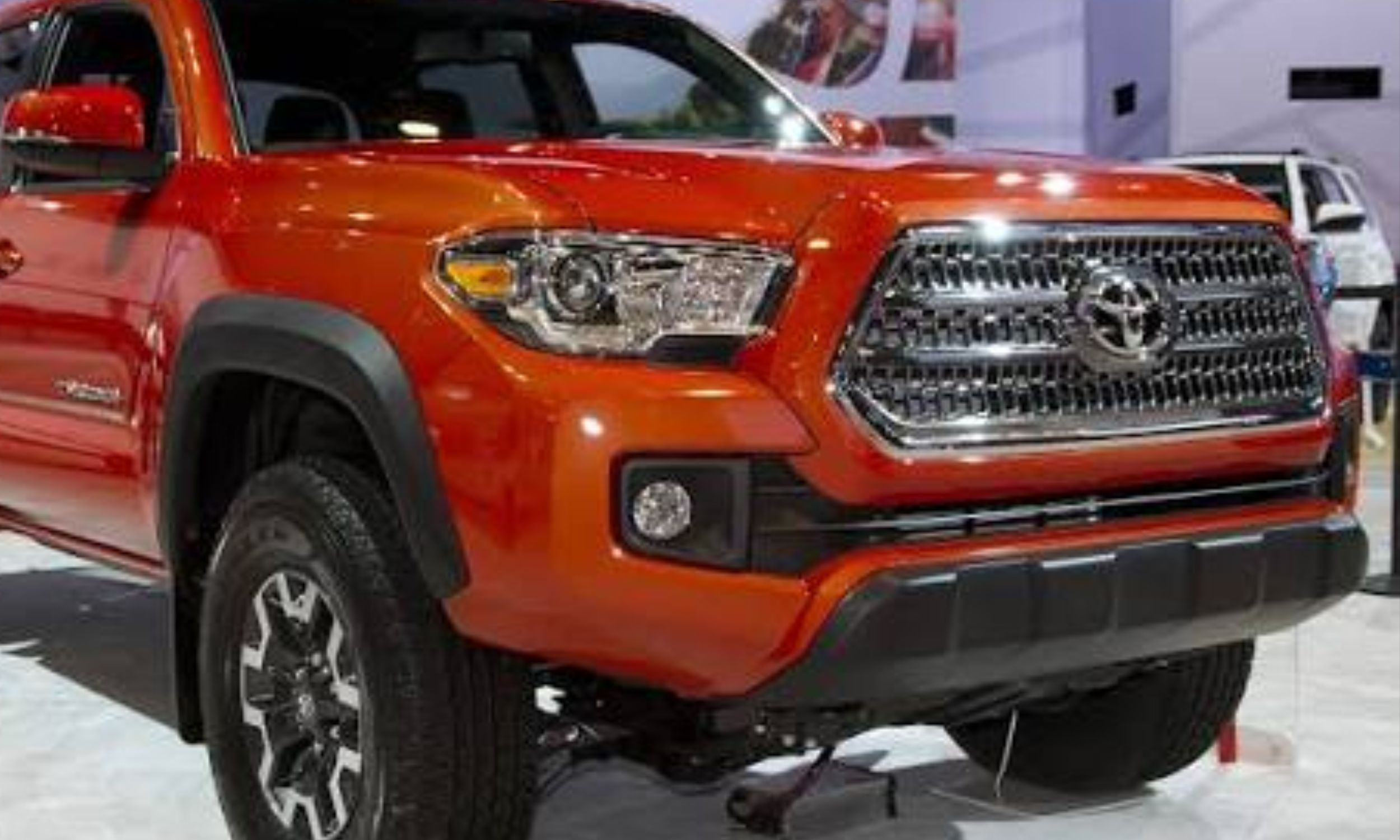
Some trucks earn a reputation. The Toyota Tacoma built one so strong that used examples regularly sell for more than their original sticker price, and buyers still line up without blinking. That is not normal behavior in the automotive market. That is loyalty born from decades of proof, the kind that comes from trucks running past 200,000 miles on original engines, climbing mountain trails without drama, and surviving conditions that would have retired a lesser vehicle years earlier.
Since its debut in 1995, the Toyota Tacoma has gone through four distinct generations, each one reflecting what Toyota believed drivers needed at that particular moment in time. Some generations nailed the brief completely. Others chased trends in ways that frustrated longtime owners. One of them redefined what a midsize truck could be. And the newest one is still proving itself to a skeptical but curious audience.
What makes ranking these generations genuinely interesting is that “best” means something different depending on who is asking. A weekend trail runner evaluating axle articulation and ground clearance will rank them differently than a contractor who needs a reliable daily hauler, or a college graduate buying their first truck with a tight budget and a long list of needs. There is real disagreement in the Tacoma community about which generation deserves the top spot, and that disagreement is worth taking seriously rather than glossing over.
This ranking uses three criteria that matter to real buyers: mechanical dependability, value for money, and day-to-day driving comfort. Those three things cover the full range of what a truck owner actually experiences, from the first test drive all the way through the sixth year of ownership. Style, off-road credentials, and aftermarket support play supporting roles in the analysis, but the three core criteria drive the final order.
Here is every Toyota Tacoma generation, ranked from best to worst, with the full picture on what each one gets right and where each one falls short.
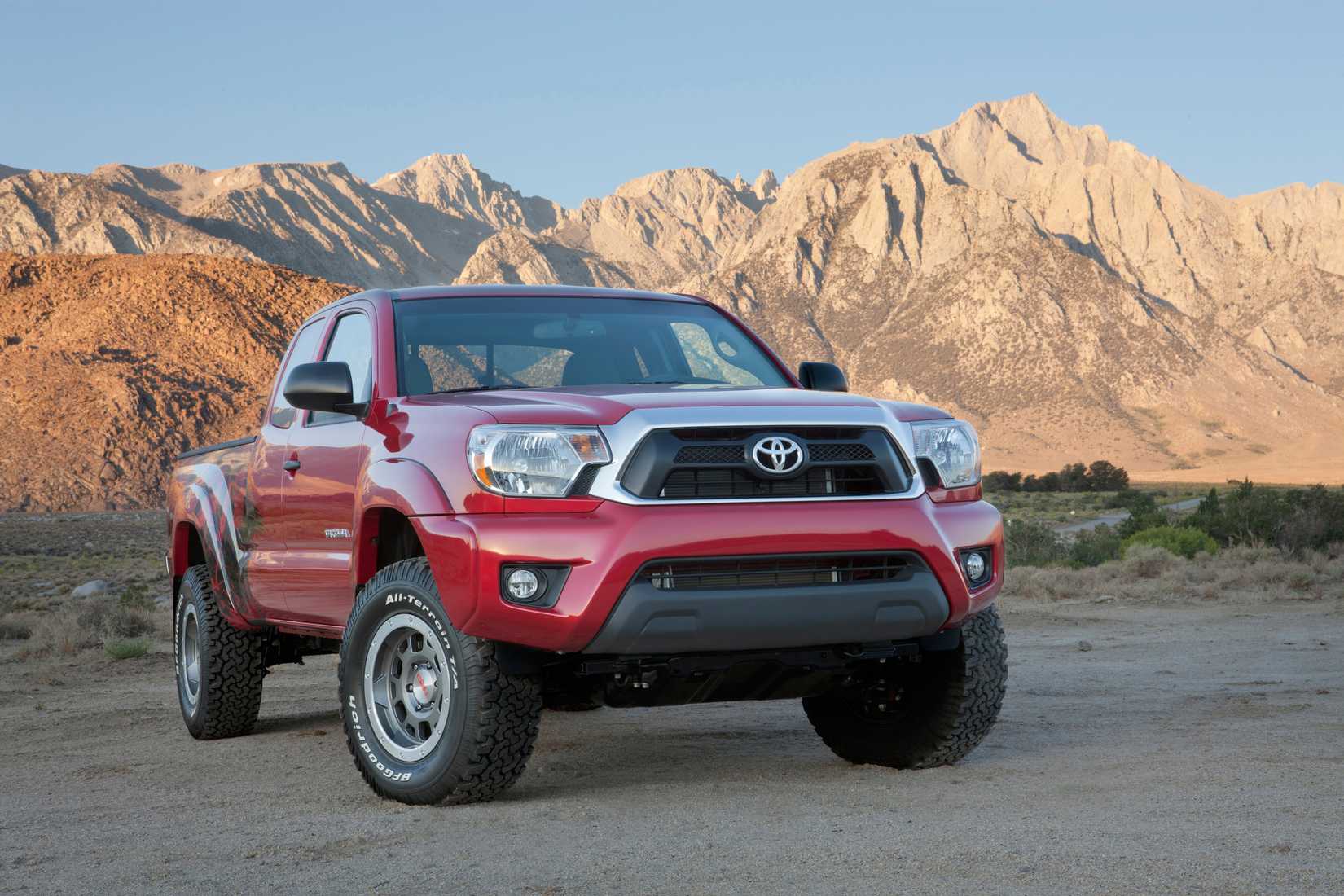
1. Second Generation Toyota Tacoma (2005-2015)
- Engine: 4.0L V6 (or 2.7L I4 optional)
- Horsepower: 236 hp (V6)
- Torque: 266 lb-ft
- Length: 208.1 to 221.3 in
- Width: 74.6 in (Note: X-Runner trim is slightly narrower)
The second-generation Toyota Tacoma is widely regarded as one of the most dependable midsize trucks ever produced. Among truck owners, mechanics, and long-term users, it consistently ranks near the top because it combines durability, practical size, and straightforward engineering that holds up well under heavy use.
Toyota repositioned the Tacoma during this generation by moving it into the midsize truck segment. Compared to earlier compact versions, it became wider, longer, and more capable for everyday driving, work duties, and outdoor use. The added size improved comfort and utility while still keeping strong off-road ability, which remained an important part of its identity.
Engine options played a major role in building its reputation. The 4.0-liter V6 became the standout choice, earning recognition for long service life and dependable performance. Many owners report these engines lasting beyond 300,000 miles when regular maintenance is followed. Routine care, such as oil changes, filter replacements, and inspections, helps these trucks maintain consistent performance for many years. The design also keeps repair needs relatively simple, which lowers long-term ownership costs.
Off-road capability was strengthened through factory TRD packages. These trims included features like locking rear differentials and enhanced suspension setups designed for rough conditions. This allowed drivers to access trail routes without needing aftermarket upgrades, giving the truck strong appeal among outdoor users.
Some problems do exist within this generation. Early models, especially from 2005 to 2009, faced serious frame rust issues in regions that use road salt. Toyota addressed this through a large-scale recall that replaced affected frames at no cost to owners. While the issue was resolved, it still influences how some buyers view early production years.
Later production years, especially 2013 to 2015, are considered the most refined. These models received interior improvements, updated technology, and benefited from corrected manufacturing processes. A well-maintained example from this range with the V6 engine is often seen as a strong long-term purchase.
Used market values reflect continued demand. Clean second-generation Tacomas frequently sell for strong prices, with TRD versions reaching even higher depending on condition and mileage. This steady demand shows how highly buyers still value this generation for long-term reliability and practical everyday use.
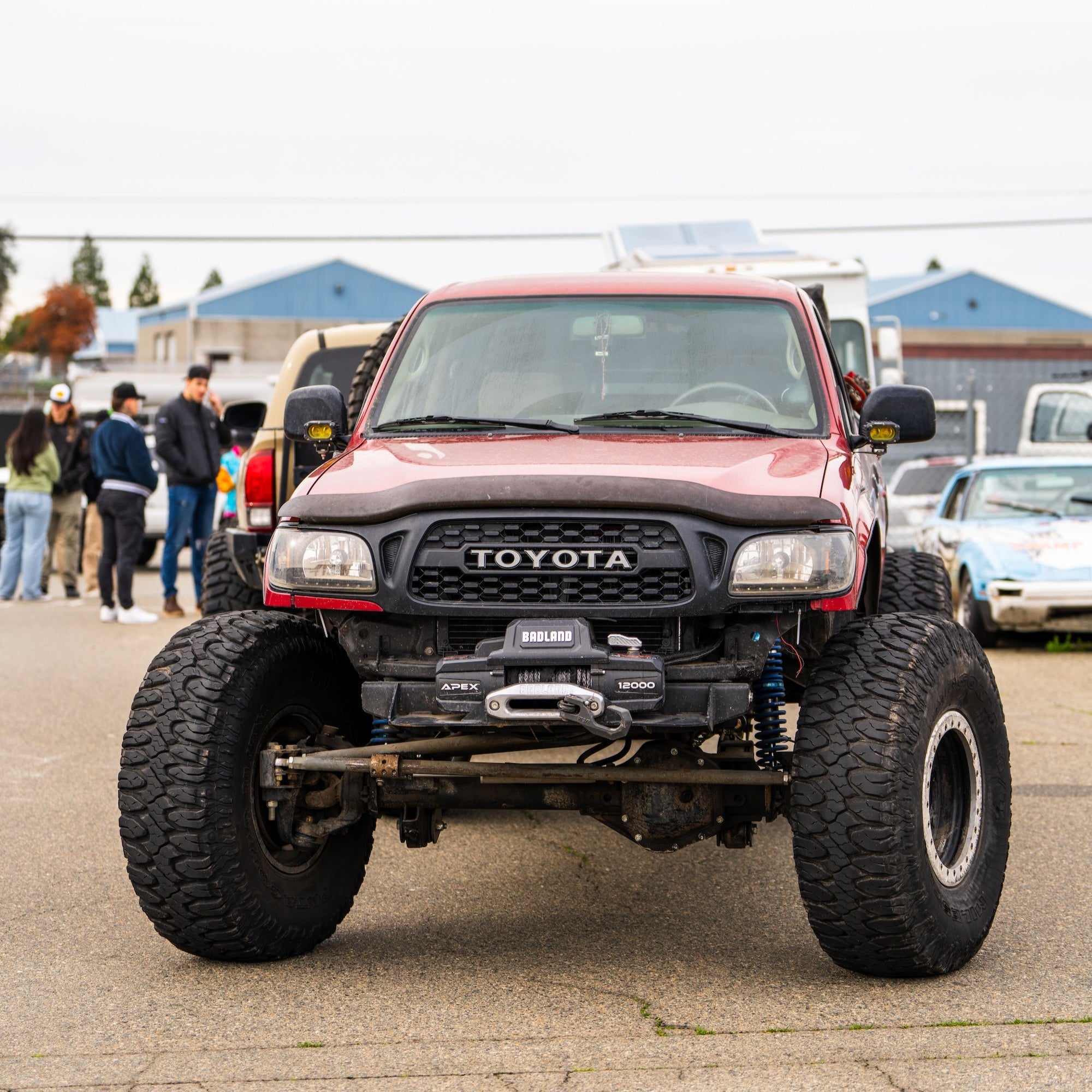
2. First Generation Toyota Tacoma (1995-2004)
- Engine: 3.4L V6 (or 2.7L I4 and 2.4L I4 optional)
- Horsepower: 190 hp (V6)
- Torque: 220 lb-ft
- Length: 174.6 to 193.3 in
- Width: 66.5 to 70.1 in
Strong respect surrounds the first-generation Toyota Tacoma, a compact truck that earned a reputation for durability and long service life in its class. It arrived in 1995 as the replacement for the Toyota Pickup, carrying forward a reputation built since the late 1960s. Toyota focused on building a truck that worked hard, lasted long, and required little attention from owners.
Enthusiasts often point to strong loyalty among owners of early Tacomas. First gen forever the best gen. This expression reflects strong attachment rather than simple nostalgia among long-time owners. Compact proportions helped define what this truck could do. Its shorter wheelbase allowed easier movement in tight spaces such as job sites, trails, and parking areas. Lightweight reduced stress on the engine, brakes, and tires, which helped extend service life.
A 3.4-liter V6 powered higher trims of this generation and earned a reputation for long service life when maintained properly. Many mechanics report these engines continuing past 250,000 miles without major mechanical failure when care is consistent. It produced about 190 horsepower in later versions, which was modest by modern standards but durability mattered more than output for buyers at the time.
Off-road ability came from simple factory design choices rather than added equipment. Short front and rear overhangs helped approach rough ground, while Four Wheel Drive models used durable suspension geometry that handled uneven paths. Owners still use these trucks on tight routes where larger modern trucks cannot fit due to size limits.
Some limits should be acknowledged. Cab space in extended cab versions is tight, with rear jump seats that suit short trips better than long travel. Basic safety equipment found in newer trucks is missing, including stability control and backup camera systems. Clean examples are becoming harder to find as demand for well-cared-for trucks increases.
Model years from 2001 through 2004 are often viewed as the strongest part of this generation. Toyota updated styling, improved interior materials, and added dual front airbags during this period. These versions balance early simplicity with added safety features, making them desirable in today’s used truck market.
Interest in well-preserved early Tacoma’s continues to rise in used truck markets across the United States. Collectors and daily drivers seek examples with clean service records and original parts, pushing prices higher for trucks that remain in good condition. Today, market demand stays strong year-round.
Also Read: 6 Audi A4 Generations Ranked Worst to Best
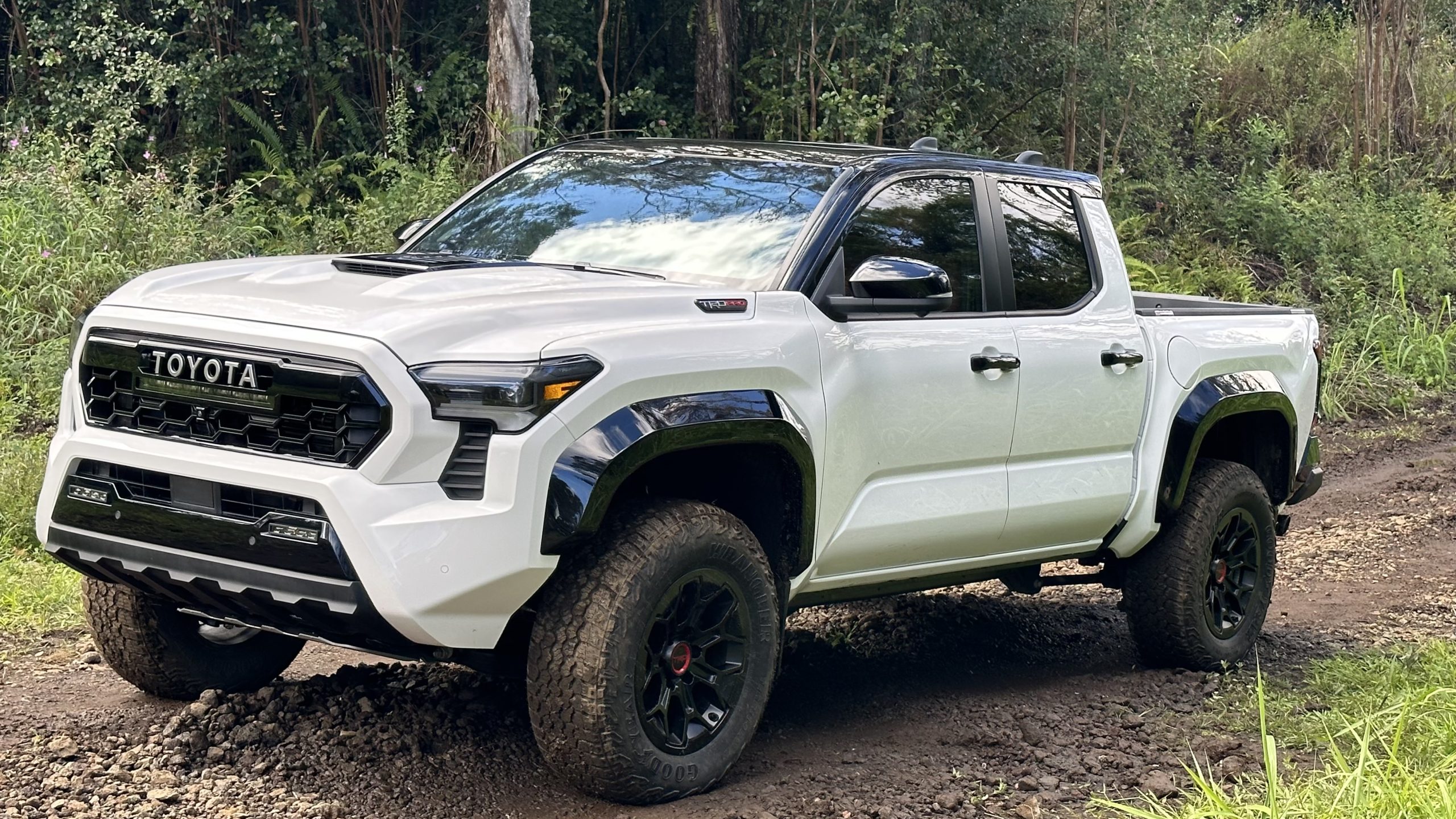
3. Fourth Generation Toyota Tacoma (2024-Present)
- Engine: 2.4L turbocharged I4 (hybrid available)
- Horsepower: 228 hp (Base SR) to 278 hp (up to 326 hp hybrid)
- Torque: 243 lb-ft (Base SR) to 317 lb-ft (up to 465 lb-ft hybrid)
- Length: ~213 to 226 in
- Width: ~76.9 in
Every aspect of the fourth-generation Toyota Tacoma shows a clear break from the conservative approach Toyota used for decades. After years of gradual refinement, this version was rebuilt on the TNGA-F platform, replacing long-standing mechanical foundations with a fresh architecture designed for modern performance, efficiency, and technology integration. Engine options, cabin design, suspension layout, and digital features all reflect a truck that has been rethought rather than lightly updated.
Powertrain changes mark the most obvious departure from earlier Tacoma’s. The long-running V6 engine is no longer part of the lineup. In its place, Toyota introduced a 2.4-liter turbocharged four-cylinder engine producing 278 horsepower and 317 lb-ft of torque.
That torque delivery arrives earlier and more efficiently than the older engine setup, addressing long-standing complaints about sluggish low-end response in previous generations. A hybrid version adds another layer, delivering up to 326 combined horsepower, which improves acceleration while also enhancing fuel efficiency in everyday driving.
Ride comfort also received noticeable attention during development. Drivers coming from the previous generation will likely recognize an immediate difference in how the truck handles rough pavement and long highway stretches. Suspension tuning has been revised to reduce stiffness, while maintaining the structural strength needed for off-road use. The result is a more balanced driving experience that feels smoother without losing capability.
Interior design moves the Tacoma firmly into modern territory. A large touchscreen dominates the dashboard, supported by wireless smartphone connectivity, a digital gauge cluster, and expanded driver assistance features. Earlier criticism about outdated interiors has been addressed with a layout that feels more aligned with current expectations for midsize trucks.
Pricing, however, changes the conversation. Higher trims push well beyond traditional midsize truck budgets, with some configurations approaching luxury-level pricing. This places the Tacoma in direct competition with larger trucks, which changes how buyers evaluate value.
Reliability expectations are still developing. The switch to turbocharged engines introduces long-term durability questions that will only be answered with time and mileage. While Toyota’s reputation remains strong, this generation does not yet have the proven track record of its predecessors.
Early production units from 2024 may show minor inconsistencies typical of a full redesign. Later builds, especially from 2025 onward, are expected to deliver a more refined ownership experience as production stabilizes and early adjustments are completed.
Also Read: 10 Cars That Got Worse With Every Generation
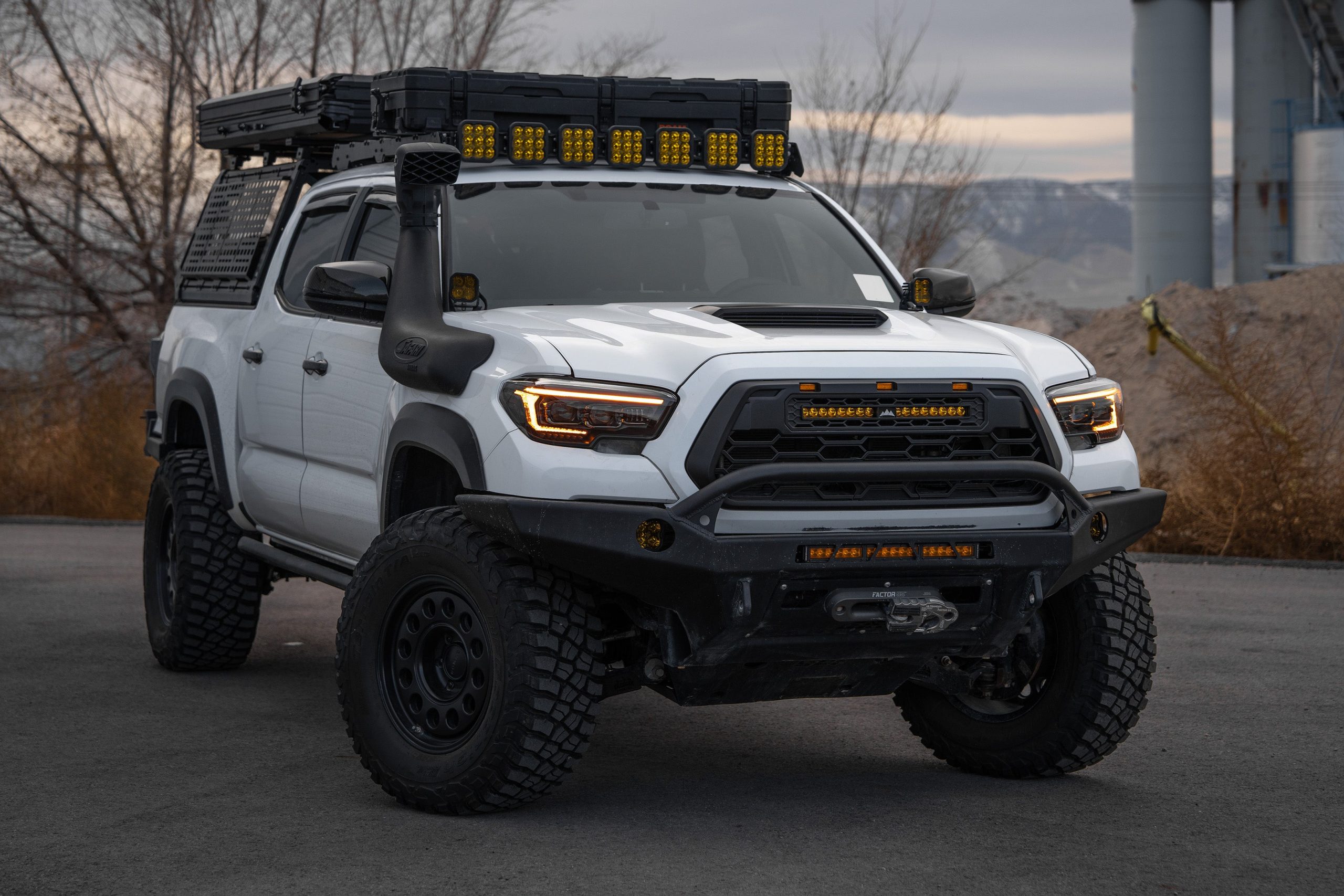
4. Third Generation Toyota Tacoma (2016-2023)
- Engine: 3.5L V6 (or 2.7L I4 optional)
- Horsepower: 278 hp (V6) / 159 hp (I4)
- Torque: 265 lb-ft (V6) / 180 lb-ft (I4)
- Length: 212.3 to 225.5 in
- Width: 74.4 in
Popularity does not always line up with how a vehicle feels in everyday use, and the third-generation Toyota Tacoma shows that idea clearly. During its long production run, the third-generation Toyota Tacoma became a top seller in the midsize truck segment in the United States, maintained strong resale values that outpaced many rivals, and developed a huge aftermarket scene that allowed owners to modify nearly every part of the truck.
On paper, it looks like a major success story. In daily driving, the experience tells a more mixed story of how Toyota gradually improved but never fully erased. A closer look at the engine explains part of the frustration. The 3.5-liter V6 produces 278 horsepower, which seems solid for the segment, yet the way that power arrives is uneven in normal driving.
The Atkinson-cycle tuning used for efficiency creates a delayed response at low speeds, making acceleration feel less immediate than expected. Drivers often notice this most when pulling away from a stop or trying to pass on a highway, where the truck feels slower to react than the numbers suggest.
Attention quickly turns to the transmission, which becomes a frequent talking point among owners. The six-speed automatic often changes gears more than expected during steady highway driving, leading to a constant searching behavior. Toyota tuned it to improve fuel economy, but the result is a driving experience that can feel unsettled during long trips. This behavior became one of the most discussed traits of this generation.
Interior comfort brings its own set of opinions. Seat positioning sits lower than many expect from a pickup, which can leave taller drivers feeling cramped during longer drives. Combined with the high center console, the seating position can feel restrictive rather than open, especially on extended commutes or road trips.
Credit is still due where Toyota made strong progress. Safety equipment improved with standard driver-assist features like pre-collision braking and lane departure alerts. Styling also became more aggressive, helping the truck maintain strong demand. Aftermarket support grew heavily, giving owners access to a wide range of upgrades and customization options.
Later model years, especially from 2020 to 2023, brought meaningful updates. Transmission tuning improved, Apple CarPlay was added, and power-adjustable seating helped address earlier complaints. These changes made the final versions more refined and easier to live with day to day.
Strong resale value continues to define this generation. Buyers are willing to pay high prices for used models, driven by brand trust, long-term durability expectations, and the massive aftermarket ecosystem. That demand does not erase the driving trade-offs, but it shows how much confidence owners place in the Tacoma name.
