
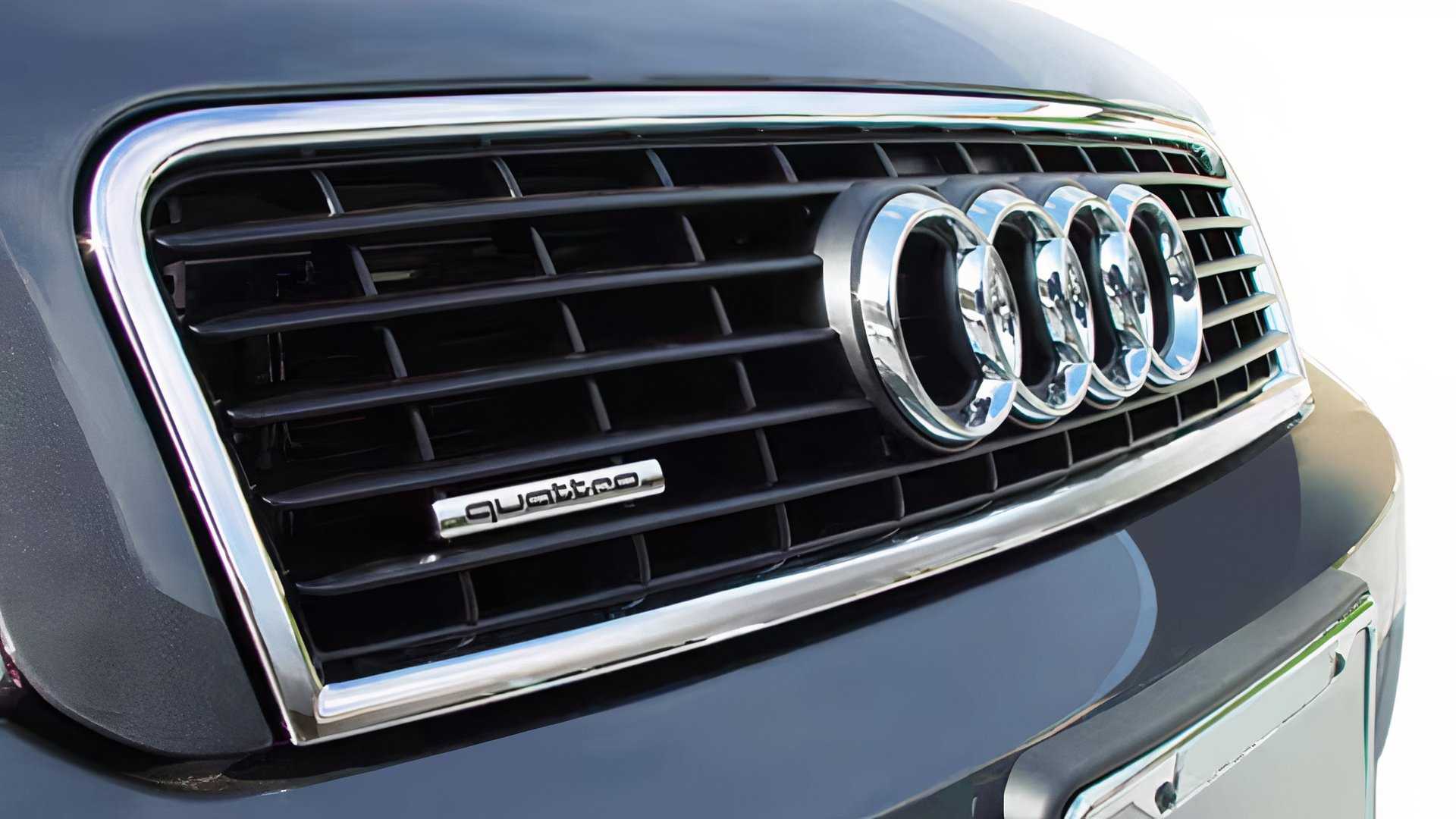
The Audi A4 has built a strong reputation as one of the most important compact luxury sedans of the modern automotive era. Across its many generations, it has moved through clear stages of transformation, each one reflecting changes in design thinking, engineering direction, and buyer expectations.
Early versions helped establish Audi as a serious premium contender, while later models introduced sharper turbocharged engines, improved cabin design, and digital features that reshaped driver interaction with the car. This ranking examines six major Audi A4 generations, ordered from least successful to most accomplished.
Each generation brings its own identity, with a mix of strengths and drawbacks that shape how it is received in real-world ownership. Some earned praise for solid road manners and interior quality, while others became known for mechanical issues or design decisions that did not stand the test of time. Even so, every generation played a role in pushing Audi toward better refinement and more advanced engineering.
The evaluation considers factors such as reliability trends, driving response, interior craftsmanship, engine performance, and long-term ownership experience. Rather than relying on marketing claims, the focus remains on how each generation performs when placed in daily use conditions. This approach provides a clearer picture of how the A4 advanced across different automotive eras.
For decades, the Audi A4 has stood in direct competition with established rivals like the BMW 3 Series and Mercedes C-Class. That rivalry has driven constant improvement, forcing each new A4 generation to refine comfort, efficiency, and technology while maintaining strong driving manners.
After a long time, the model line has reflected broader changes in the industry, including tighter emissions rules, increased electronic integration, and shifting consumer preferences toward smoother and more efficient turbocharged powertrains.
What follows is a structured ranking of the six Audi A4 generations, starting with the version that received the most criticism in ownership discussions and moving step by step toward the strongest all-around execution.
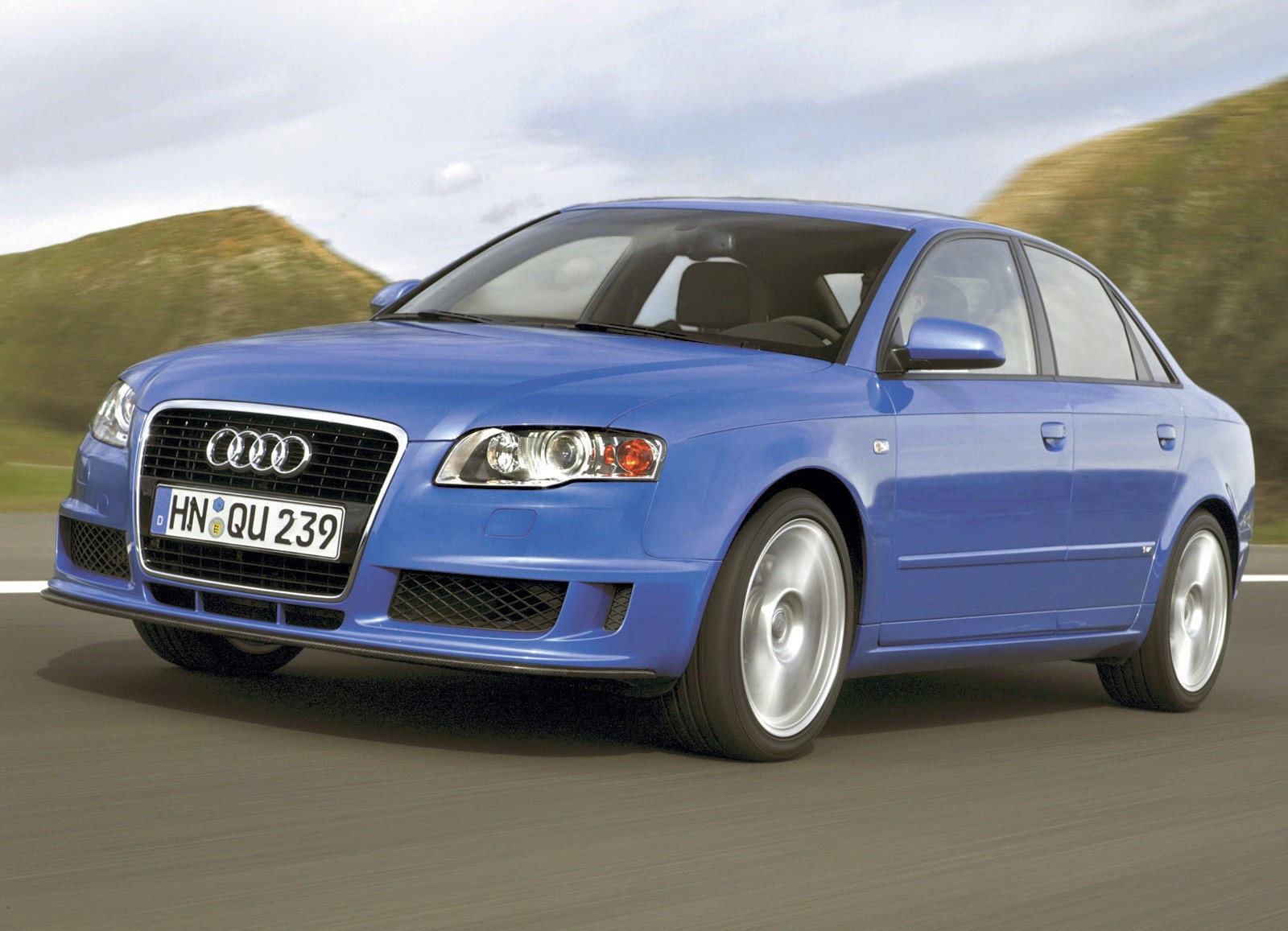
1. Audi A4 B7 Generation (2005-2008) (Worst)
- Engine: 2.0L turbocharged inline-4
- Horsepower: 200 hp
- Torque: 207 lb-ft
- Size: Length 180.6 in, Width 69.8 in
The Audi A4 B7 generation is commonly viewed as a transitional phase in the A4 lineage, carrying forward much of the B6 platform while introducing mild styling updates and incremental engineering refinements. Rather than representing a clean redesign, it functioned more like an enhanced revision, which shaped buyer expectations in a way that the car sometimes struggled to satisfy, especially in long-term ownership discussions.
Externally, the B7 brought subtle design adjustments that aligned it with Audi’s mid-2000s styling direction. The front grille received a more pronounced frame, headlights gained sharper detailing, and minor changes to body contours gave the vehicle a slightly more modern appearance.
Despite these updates, the underlying structure remained closely related to the previous generation, which influenced how the model was received among buyers expecting a more substantial mechanical advancement. A major discussion point for this generation centers on the 2.0T FSI engine.
While the engine delivered strong acceleration and respectable efficiency when operating in good condition, it developed a reputation for mechanical concerns in certain cases. Carbon buildup on intake valves became a known issue, particularly in direct injection applications of that era.
Alongside this, wear on the cam follower linked to the high-pressure fuel pump system created maintenance demands that were more frequent than expected for a premium sedan. These concerns did not affect every unit equally, yet they influenced perception in the used market, where maintenance history became a deciding factor for many buyers.
Inside the cabin, the B7 maintained Audi’s established approach to interior design, with a focus on simplicity, solid material selection, and clean layout structure. The dashboard design remained driver-oriented, with logically arranged controls and a restrained visual style.
However, long-term ownership reports highlight areas where interior surfaces and switchgear did not retain their original finish quality after extended use. Wear on soft-touch materials and button surfaces became more visible in higher mileage examples, which reduced the sense of durability when compared with competing models from BMW and Mercedes-Benz during the same period.
From a driving behavior standpoint, the B7 delivered stable and predictable road manners. The chassis tuning supported composed highway performance and controlled cornering behavior, while suspension calibration leaned toward comfort for everyday driving conditions.
Quattro-equipped versions provided dependable traction in wet or low-grip environments, reinforcing Audi’s established strength in All Wheel Drive systems. Steering response remained consistent and stable, though it prioritized ease of use and comfort rather than sharp, performance-oriented feedback. Drivers seeking more direct engagement often found rival sport sedans more satisfying in that regard.
A major highlight within this generation is the Audi RS4 B7 model. Equipped with a naturally aspirated 4.2-liter V8 engine, it delivered high-revving performance characteristics and strong output that placed it in a different category from standard A4 variants.
The RS4 gained strong attention from enthusiasts due to its mechanical character and driving intensity, and it continues to hold a respected position in performance sedan discussions. However, it stands apart as a specialized high-performance variant rather than a reflection of the core A4 lineup experience.
Long-term ownership perception of the B7 generation remains mixed. Some vehicles, when maintained correctly, continue to deliver dependable service with reasonable operating costs. Others experience recurring maintenance needs linked to engine and wear-related components.
This inconsistency plays a major role in how the generation is viewed in comparison with both its predecessor and successor. While it contributed to the evolution of the A4 nameplate, its mixed reliability record and transitional nature place it at the lower end of this ranking.
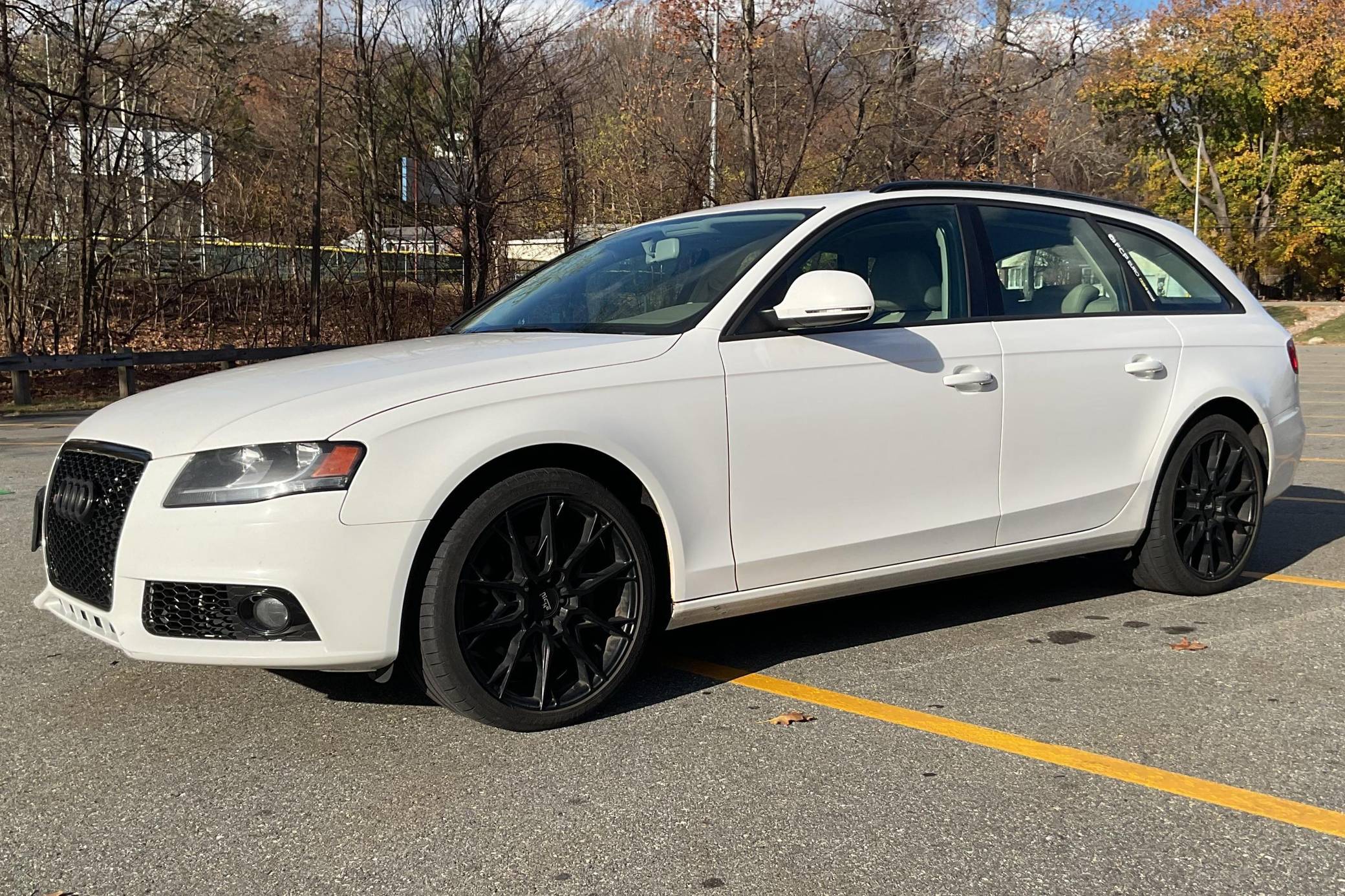
2. Audi A4 B8 Generation (2009-2016)
- Engine: 2.0L turbocharged inline-4
- Horsepower: 211 hp
- Torque: 258 lb-ft
- Size: Length 185.2 in, Width 71.9 in
The Audi A4 B8 generation marked a structural change for the model line, built on the MLB platform that repositioned the engine layout to improve weight distribution and chassis balance. This adjustment brought clearer gains in driving stability and cabin packaging. Early driving impressions leaned positive, with many buyers pointing out smoother road manners, calmer high-speed behavior, and a more polished interior presentation when compared with earlier versions.
Despite that strong start, early production years came with mechanical concerns that shaped long-term ownership discussions. The 2.0T engine found in pre-facelift models developed a reputation for high oil consumption in certain units, alongside timing chain tensioner wear in higher mileage cases.
These issues were most visible in early production batches, leading to higher service attention for some owners. Later revisions reduced these concerns through improved engineering updates, which helped restore confidence in the platform.
Inside the cabin, this generation delivered a strong step forward in design execution. The dashboard layout followed a clean, horizontal structure, paired with quality materials that gave the interior a premium feel. Button placement was logical, and tactile response from switches reflected careful attention to detail.
As production progressed, updated infotainment systems improved screen clarity and system response, making daily use more convenient for drivers and passengers. Road behavior benefited from the revised chassis architecture. Improved weight distribution enhanced steering response, giving the vehicle a more planted feel during cornering.
Quattro-equipped versions delivered stable traction on wet and uneven surfaces, supporting predictable handling in varying conditions. Suspension tuning leaned toward comfort, while still maintaining enough firmness to control body movement during more dynamic driving.
A defining highlight of this generation came through the Audi S4 B8.5 variant, which used a 3.0-liter supercharged V6 engine. That engine delivered smooth, immediate acceleration with consistent power delivery across the rev range. The absence of lag and the linear response made it a standout within the mid-performance sedan category, raising expectations for how refined performance should feel in this segment.
Even with improvements introduced in later production years, early mechanical issues continue to influence perceptions of this generation in used vehicle discussions. Buyers often place strong emphasis on service history and production year when considering this model, especially when selecting between early and later facelift versions.
Also Read: 6 Factory Audio Systems In the USA vs 6 Buzzing Plastic Doors
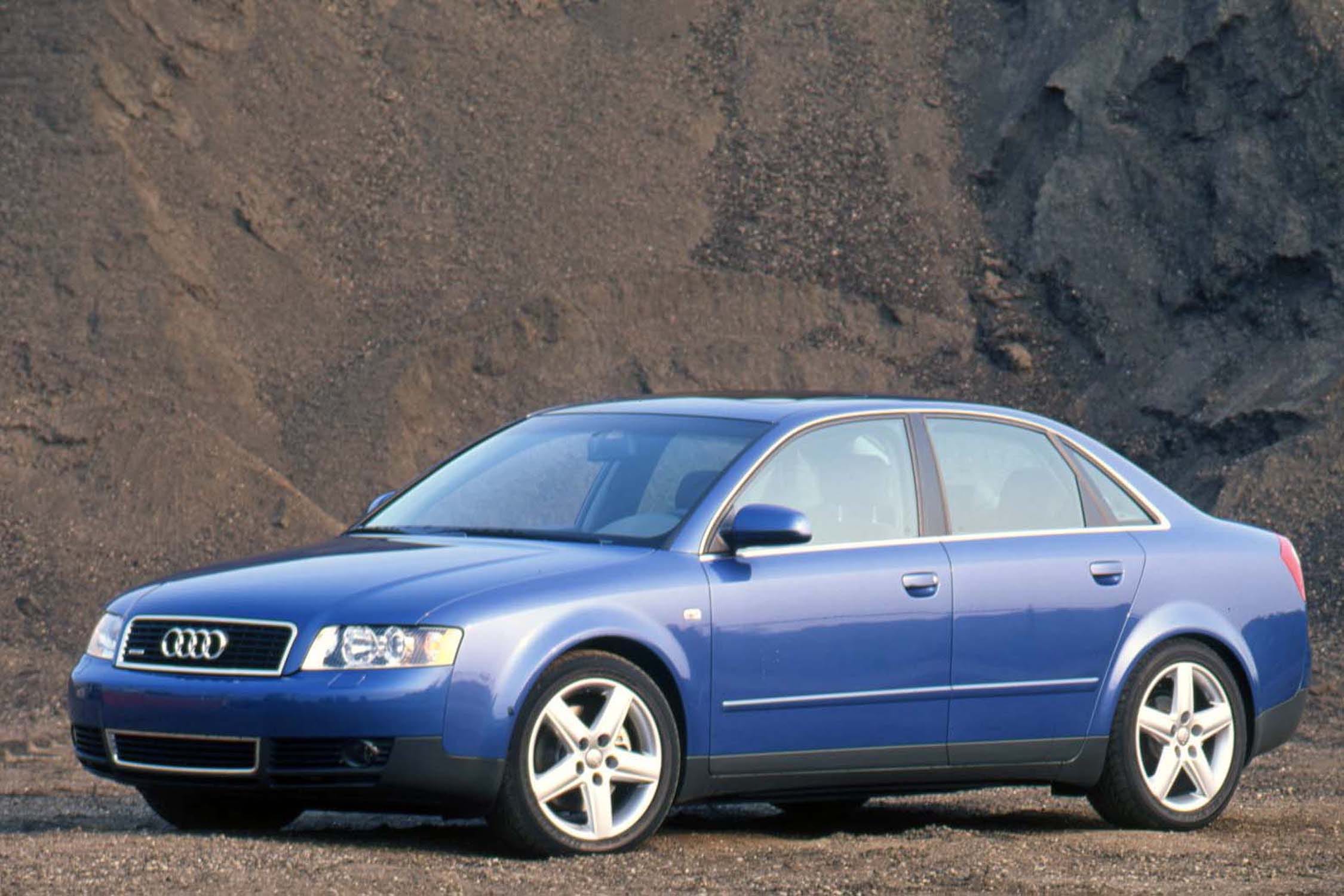
3. Audi A4 B6 Generation (2002-2005)
- Engine: 1.8L turbocharged inline-4
- Horsepower: 170 hp
- Torque: 166 lb-ft
- Size: Length 179.0 in, Width 69.8 in
The Audi A4 B6 generation marked a clear change in Audi’s design direction during the early 2000s, moving away from the sharper and more angular styling of the earlier B5 model. The exterior adopted smoother body lines, rounded edges, and a more balanced stance that aligned well with the design language of that period.
This approach gave the car a calmer visual presence, aimed at buyers who preferred understated executive styling rather than aggressive detailing. The wider proportions also contributed to a more planted road appearance, helping it stand out in the compact luxury sedan segment at the time.
Engineering improvements were introduced beneath the surface, with a stronger chassis structure that increased rigidity compared with the previous generation. This improvement translated into better stability during cornering and a more composed driving feel on uneven road surfaces. The platform was designed to handle a broader range of engine outputs while maintaining consistent structural balance, which helped support both comfort-oriented and performance-oriented variants within the same lineup.
Engine selection covered a broad range of options. The 1.8T turbocharged four-cylinder engine became a favourite among buyers due to its strong balance between fuel efficiency and tuning potential. It responded well to software tuning and hardware upgrades, which made it popular in enthusiast communities.
The 3.0-liter V6 engine catered to drivers seeking smoother acceleration and refined power delivery, offering a more relaxed driving character without the sharper turbocharged response. At the higher end of the range, the RS4 B6 introduced a 4.2-liter naturally aspirated V8 engine that delivered strong output and a distinct mechanical character, positioning it as the performance flagship of the generation.
Interior experience presents a more mixed picture when compared with exterior and mechanical improvements. Cabin layout was well organised, with a focus on driver orientation and functional control placement. However, material durability became a recurring concern among long-term owners.
The soft-touch coating applied to dashboard and trim surfaces tended to degrade in higher mileage vehicles, leading to visible wear and a less refined appearance with age. While structural build quality remained solid, cosmetic aging affected how the cabin was perceived after several years of use. The suspension setup used a multi-link design at the front, which helped the car feel more controlled during steering and improved how it stayed planted on the road.
Each wheel could move more on its own, which gave better grip and steadier balance when taking corners. This made the car feel more stable, especially on curvy roads or surfaces that were not perfectly smooth. That said, the system was not simple. Because of its design, it came with more parts that could wear out after a long time.
The control arms were especially known for this, and they often needed replacement as the miles added up. Keeping everything in proper condition required regular attention to preserve steering accuracy and a comfortable ride. On the road, the B6 delivered stable highway performance with predictable handling characteristics.
Steering response was tuned to provide balance rather than sharp precision, offering a controlled and steady driving feel suitable for daily use. Quattro-equipped versions strengthened traction performance, particularly in wet or slippery conditions, which contributed to the model’s reputation as a dependable all-weather vehicle.
This made it a practical choice for regions with varying seasonal conditions. Market reception reflected a model that strengthened Audi’s position within the premium compact sedan segment during its production years. It delivered a mix of comfort, performance, variety, and refined engineering for its time, even though later generations improved upon its interior quality and electronic systems.
The B6 generation played a clear role in shaping Audi’s future development direction, acting as a transitional step toward more advanced platforms and improved long-term refinement in subsequent A4 models.
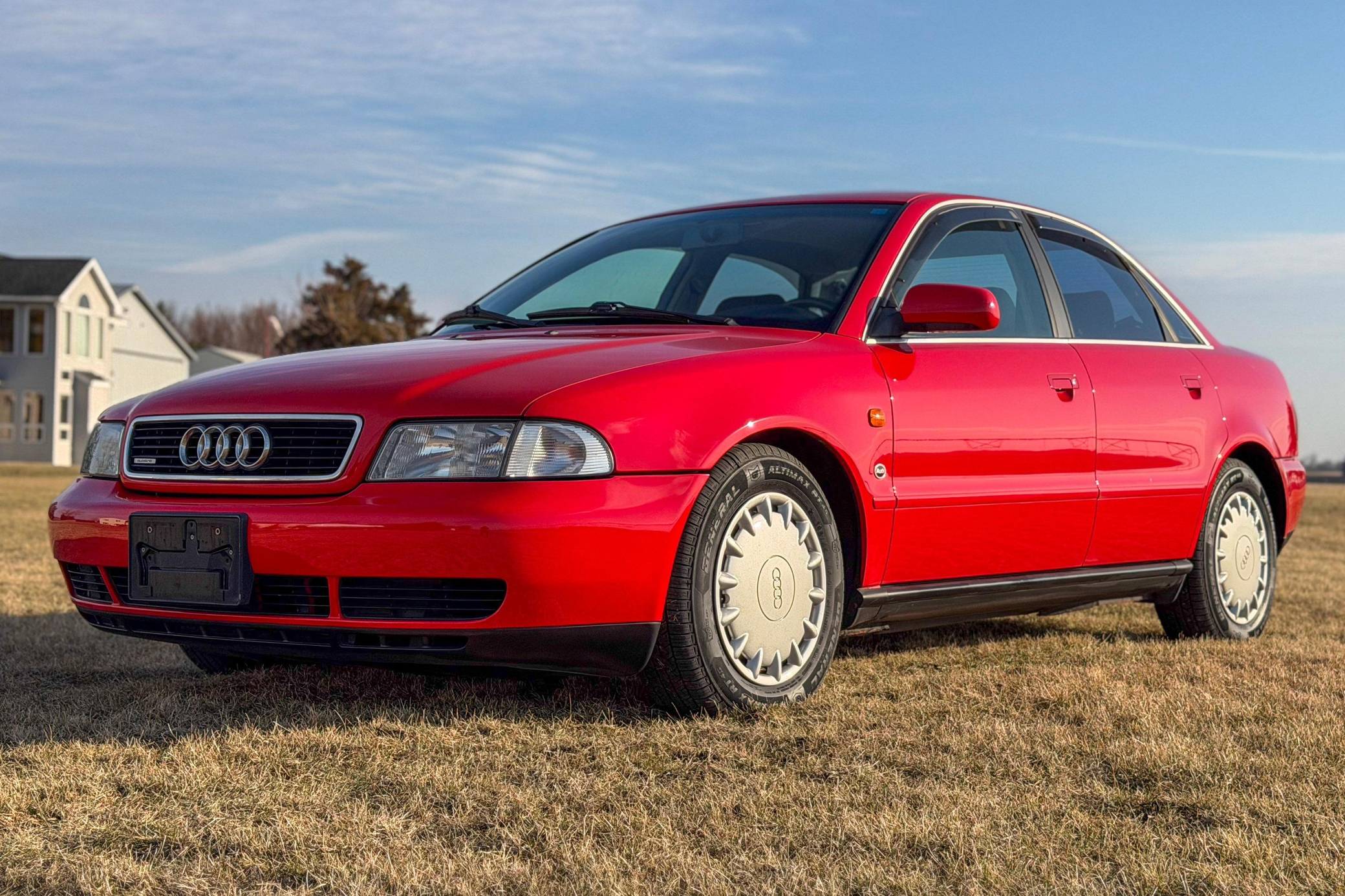
4. Audi A4 B5 Generation (1996-2001)
- Engine: 1.8L turbocharged inline-4
- Horsepower: 150 hp
- Torque: 155 lb-ft
- Size: Length 178.0 in, Width 68.2 in
The Audi A4 B5 generation carries strong historical weight as the model that repositioned Audi within the compact luxury sedan segment. Its arrival replaced the Audi 80 and introduced a more defined premium identity for the brand. Exterior styling followed a restrained design approach, with clean proportions, conservative body lines, and a focus on build precision rather than visual aggression.
That design direction appealed strongly to buyers who preferred understated executive transport. Engine offerings included the 1.8T turbocharged four-cylinder unit and a 2.8-liter V6, both of which formed the core of the range. The 1.8T engine gained wide acceptance due to its blend of efficiency and tuning flexibility, while the V6 option delivered smoother power delivery suited for drivers seeking a more relaxed driving experience.
The S4 B5 variant introduced a 2.7-liter twin-turbocharged V6, which became widely respected for its strong acceleration characteristics and tuning potential within enthusiast circles. Mechanical durability remains a strong point when examples are properly maintained. The platform was engineered with solid structural integrity, and many units have remained operational for extended periods under consistent maintenance routines.
At the same time, age-related concerns appear in common areas such as front suspension control arm wear and intermittent electrical system irregularities, both of which become more visible as mileage increases. Driving behavior reflects late 1990s engineering priorities.
Steering response is direct, giving the driver a clear sense of road interaction. The chassis delivers stable handling during cornering, with predictable weight transfer that supports confidence during varied driving conditions. Ride quality leans slightly firm, a trait that supports stability rather than prioritizing soft suspension feel.
Interior presentation is functional and straightforward. Controls are arranged in a logical manner, and materials used throughout the cabin were selected for durability. While modern technology features are absent by current standards, the simplicity of the layout contributes to ease of use and long service life without excessive electronic dependency.
Market reception remains strong among enthusiasts and long-term owners who value mechanical character and tuning flexibility. The B5 continues to hold interest due to its foundational role in shaping later A4 development, serving as the base platform upon which future refinements were built.
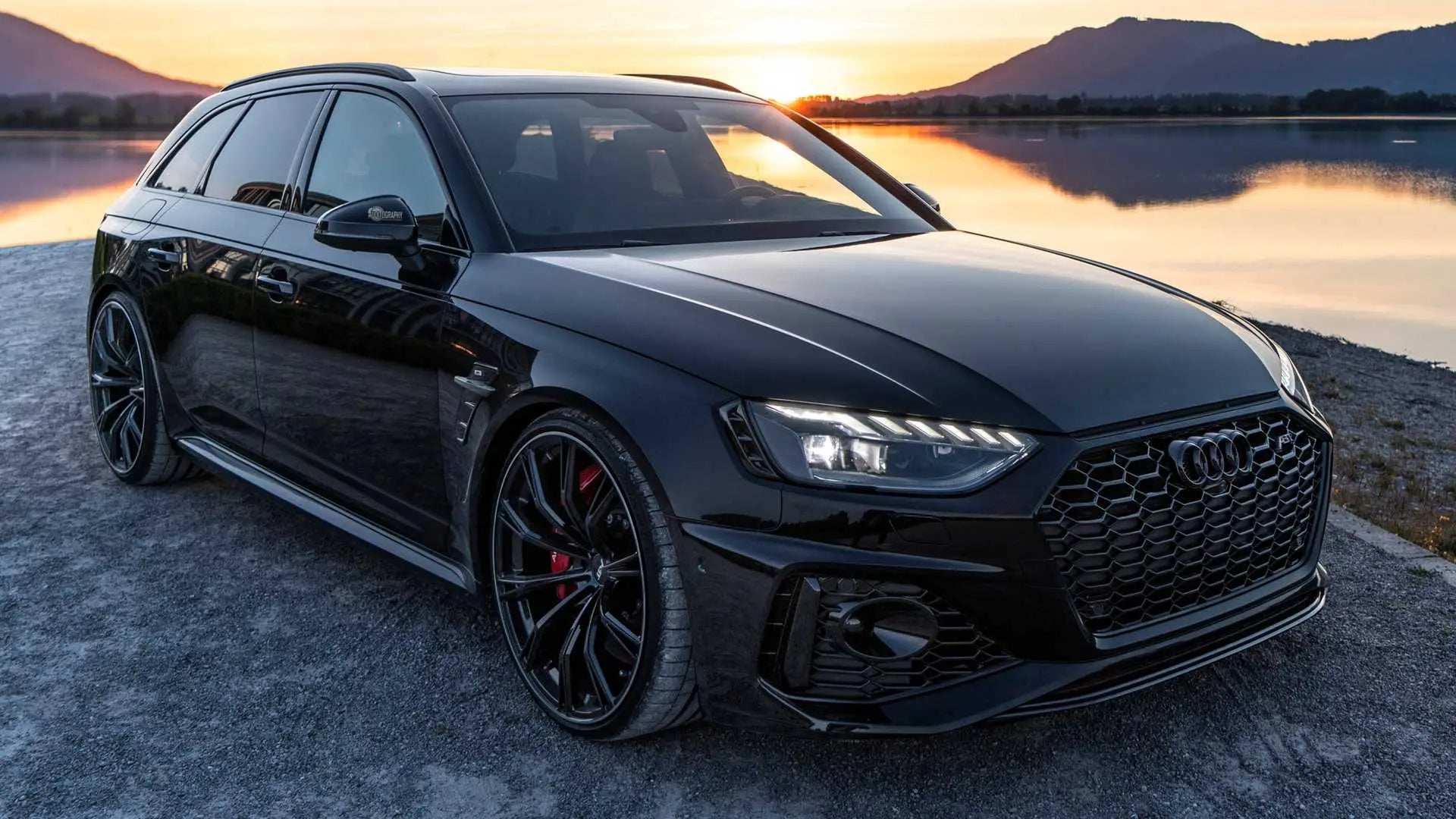
5. Audi A4 B9.5 Generation (2020-2025)
- Engine: 2.0L turbocharged inline-4 with mild hybrid
- Horsepower: 201 hp
- Torque: 236 lb-ft
- Size: Length 187.5 in, Width 72.7 in
The Audi A4 B9.5 generation represents a mid-cycle refinement of the B9 platform, shaped by a series of updates that focus on styling refresh, interior digital advancement, and improved efficiency systems. Exterior design changes include revised headlamp signatures, sharper body creases, and updated bumper detailing at both front and rear sections.
These adjustments give the sedan a more contemporary road presence while preserving the established proportions that define the A4 identity. Inside the cabin, the emphasis moves heavily toward digital operation and screen-based interaction. A centrally mounted touchscreen replaces earlier physical control interfaces, offering faster response times, improved graphics clarity, and expanded smartphone connectivity options.
The Audi Virtual Cockpit continues as a central feature, presenting driver information through a fully digital instrument display that enhances readability and reduces clutter on the dashboard. The layout of controls reflects a simplified arrangement, reducing physical switches and increasing reliance on software-based functions.
Powertrain offerings consist mainly of turbocharged four-cylinder engines paired with mild hybrid technology in selected variants. The hybrid system supports smoother engine restart during stop-start conditions and assists in improving fuel efficiency during low-load driving.
Acceleration delivery remains smooth and linear, with tuning directed toward refinement rather than aggressive output figures. Transmission behavior is calibrated to maintain steady gear transitions, contributing to a calm driving experience in urban and highway settings.
Driving characteristics place strong emphasis on comfort and stability. Suspension tuning absorbs road irregularities with controlled body movement, making the vehicle suitable for extended daily use and long-distance travel. Steering response remains predictable and steady, prioritizing ease of control rather than sharp directional input.
Quattro-equipped versions maintain secure traction during wet or uneven road conditions, reinforcing stable road behavior across different environments. Ownership feedback generally reflects a stable mechanical foundation supported by improved software integration and refined engineering updates.
Earlier infotainment concerns seen in previous production cycles receive attention through updated system architecture and improved interface responsiveness. Electronic systems play a larger role in vehicle operation, covering driving assistance, infotainment control, and efficiency management functions.
This generation reflects a transitional phase where traditional combustion engineering operates alongside mild electrification systems. The mild hybrid setup introduces efficiency gains without altering the core driving identity of the model. The result is a sedan that prioritizes smooth operation, refined comfort, and controlled performance delivery within a modernized technological framework.
Also Read: Top 6 Audi Sedans We’d Buy Used And 6 We Wouldn’t
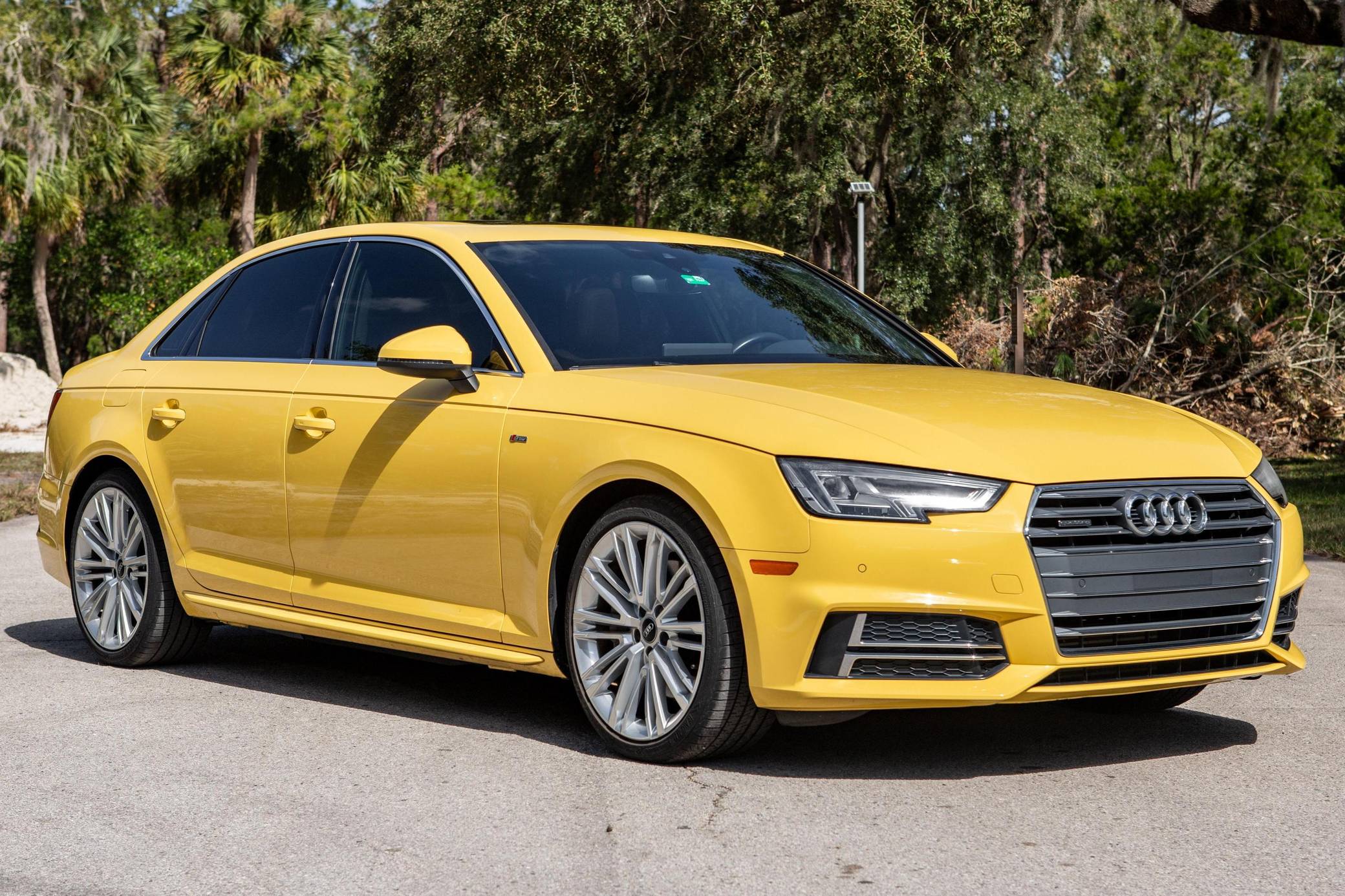
6. Audi A4 B9 Generation (2017-2019)
- Engine: 2.0L turbocharged inline-4
- Horsepower: 252 hp
- Torque: 273 lb-ft
- Size: Length 186.1 in, Width 72.5 in
The Audi A4 B9 generation represents a highly refined stage in the model’s development, built on the MLB Evo platform that introduced structural weight reduction and improved chassis rigidity. These changes allowed the vehicle to deliver a stronger balance between ride comfort and handling stability, while also improving interior packaging efficiency. Exterior design follows a restrained approach, with clean lines and a focused emphasis on aerodynamic smoothness.
Powertrain options consist primarily of turbocharged four-cylinder engines designed for improved efficiency and consistent output delivery. One of the major improvements during this generation involves the resolution of earlier oil consumption concerns that affected prior engine versions.
This correction helped strengthen long-term reliability perception among owners and reduced maintenance concerns linked to engine lubrication behavior. Transmission calibration also received refinement, producing smoother gear transitions and improved throttle response during acceleration.
Interior design represents a major advancement for Audi during this production period. The cabin layout adopts a clean horizontal structure with a strong focus on simplicity and driver orientation. Material selection maintains a premium feel, with soft-touch surfaces and precise assembly quality throughout the interior space.
A defining feature of this generation is the introduction of the Audi Virtual Cockpit, replacing traditional analog instruments with a fully digital display that offers customizable driving information and enhanced visual clarity. Driving dynamics reflect a balanced engineering approach. Steering response delivers improved precision compared with earlier generations, allowing more confident directional control during varied driving conditions.
Suspension tuning achieves a controlled balance between comfort and firmness, ensuring stable body movement without sacrificing ride quality. Quattro-equipped models enhance traction performance, providing consistent stability on wet, dry, or uneven road surfaces.
Ride comfort remains well judged for both city use and highway travel. Cabin insulation reduces external noise intrusion, contributing to a calm interior environment even at higher speeds. Driver assistance systems also become more integrated during this generation, supporting functions such as lane guidance, adaptive cruise control, and parking assistance features.
Market reception shows strong approval from both automotive reviewers and long-term owners. The combination of improved mechanical reliability, modern digital features, and refined driving behavior places this generation at a high point in the A4 lineage. It represents a stage where engineering maturity aligns well with usability and daily practicality.
The B9 generation reflects a period where Audi focused on refining existing strengths rather than introducing dramatic changes, resulting in a vehicle that delivers consistent performance, strong build quality, and a well-balanced driving experience across different usage conditions.
