
The 1980s were a transformative decade for the American automobile industry, marked by shifting consumer preferences, stricter emissions regulations, fuel efficiency demands, and the rapid rise of new vehicle categories that would shape driving culture for decades to come.
It was a period when cars were no longer just machines for transportation but symbols of identity, lifestyle, and technological progress.
American roads during this time were filled with a mix of muscle car heritage, emerging aerodynamic design, practical family vehicles, and the early foundations of the modern SUV and minivan era. Manufacturers such as Ford, Chevrolet, Dodge, Jeep, and Pontiac were all competing to redefine themselves in a rapidly changing automotive industry.
One of the most important themes of the 1980s was adaptation. The oil crises of the previous decade had already forced automakers to rethink power and efficiency, and by the 1980s, this evolution was in full swing.
Engines became smaller yet more efficient, fuel injection systems replaced carburetors in many models, and design language shifted toward boxier, more functional shapes before gradually embracing aerodynamics later in the decade. At the same time, performance enthusiasts were not abandoned. Instead, manufacturers found ways to blend power with modern engineering, giving rise to iconic performance trims that would become legendary.
Another defining characteristic of the era was diversification. For the first time, American families had more segmented choices: compact cars for economy, sedans for comfort, trucks for utility, SUVs for versatility, and minivans for practicality.
This segmentation helped establish vehicle categories that remain dominant today. Cars were no longer one-size-fits-all solutions but carefully targeted products designed for specific lifestyles and needs.
The 1980s also represented a cultural shift in how Americans viewed driving. The car was deeply embedded in daily life, commuting culture expanded significantly, and suburban growth meant longer drives and increased reliance on personal vehicles.
Automobiles became part of personal expression, with styling cues, aftermarket modifications, and performance trims gaining popularity among younger drivers. Car culture magazines, motorsports influence, and television further fueled enthusiasm for iconic models that stood out on the road.
In this article, we will explore 8 cars that truly defined American roads in the 1980s. Each of these vehicles represents a unique chapter in automotive history, from muscle car revival and sports coupe innovation to the rise of SUVs and family-oriented minivans. Together, they paint a complete picture of a decade that reshaped the American driving experience forever.
Also Read: 10 Vintage Cars With More Features Than Modern Cars
- Engine: 5.0L V8 (High Output, fuel injected)
- Horsepower: 225 hp
- Torque: 300 lb-ft
- Length: 179.0 inches (455 cm)
- Width: 68.3 inches (173 cm)
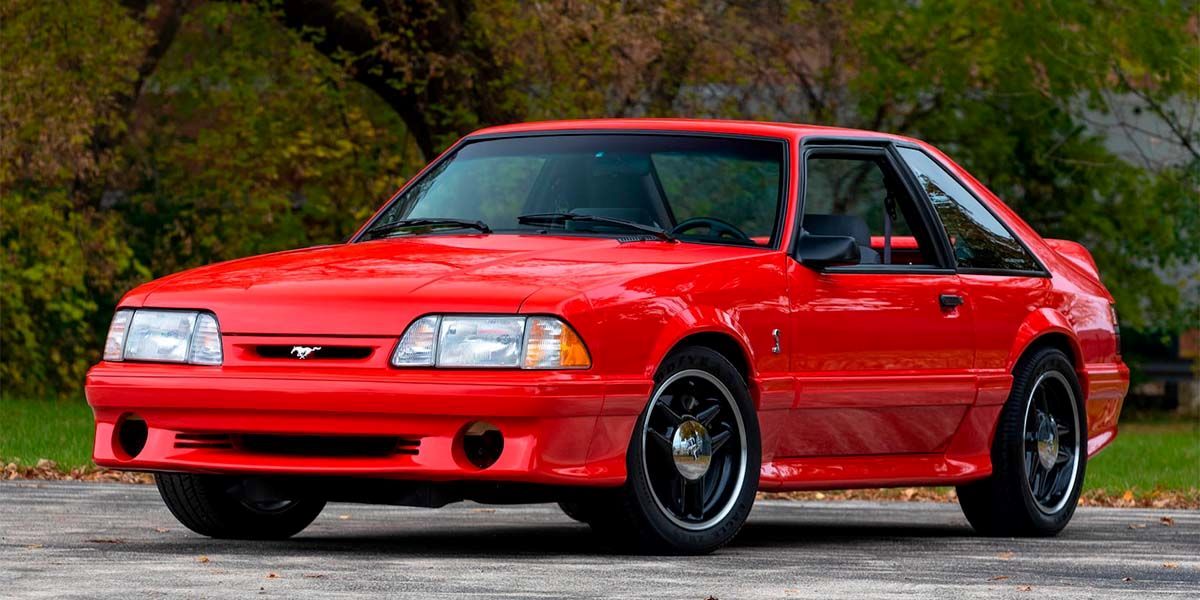
1. Ford Mustang Fox Body: The Affordable Performance Icon
The Ford Mustang Fox Body became one of the most recognizable American performance cars of the 1980s. Introduced in 1979 and dominating much of the decade, it represented a crucial turning point for the Mustang nameplate.
After the energy crises of the 1970s, Ford needed a platform that could balance performance, affordability, and fuel efficiency. The Fox Body platform achieved exactly that, becoming a favorite among enthusiasts and everyday drivers alike.
One of the most important aspects of the Fox Body Mustang was its versatility. It was offered in multiple trims ranging from economical inline four cylinder versions to powerful V8 variants like the GT.
The lightweight construction and relatively simple engineering made it highly modifiable, which contributed significantly to its popularity in the tuning and street racing communities. Many drivers saw it as a blank canvas for performance upgrades.
Design played a major role in its success. The Fox Body featured a boxy yet sporty silhouette that reflected the 1980s aesthetic. While not as aggressively styled as some European competitors, it had a distinctly American muscle identity. Its proportions and stance made it instantly recognizable, and its design remained largely consistent for years, reinforcing its brand identity on the road.
Performance was another defining factor. The introduction of fuel-injected engines in later models improved reliability and efficiency while maintaining respectable horsepower for the era.
The Mustang GT in particular became a symbol of attainable performance, offering strong acceleration and Rear Wheel Drive dynamics that appealed to driving enthusiasts. It helped keep the muscle car spirit alive during a time when many thought it would fade.
The Fox Body Mustang left a lasting mark on American car culture throughout the 1980s. It became a familiar sight everywhere from suburban streets to drag racing events and college parking lots. Its relatively low price put Mustang ownership within reach of many young enthusiasts, while its strong aftermarket support and performance potential kept it exciting. Decades later, it continues to be celebrated as one of the most important and influential generations in Mustang history.
- Engine: 5.7L V8 Tuned Port Injection
- Horsepower: 245 hp
- Torque: 345 lb-ft
- Length: 192.0 inches (488 cm)
- Width: 72.8 inches (185 cm)
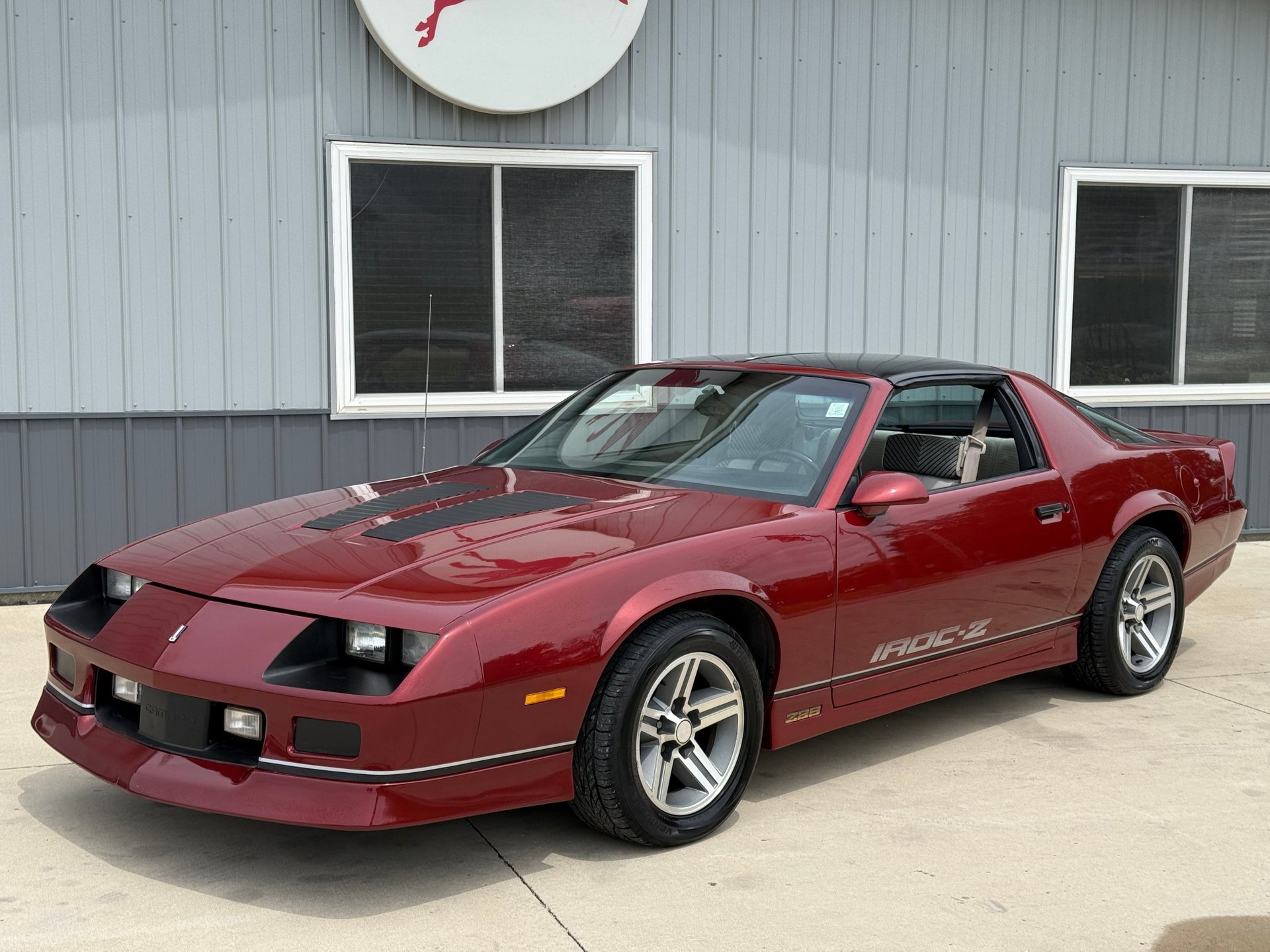
2. Chevrolet Camaro IROC Z: The Street Performance Rival
The Chevrolet Camaro IROC Z emerged in the mid 1980s as Chevrolet’s answer to the growing demand for performance-oriented muscle cars. Named after the International Race of Champions series, the IROC Z trim elevated the Camaro from a standard sports coupe to a serious performance machine. It quickly became one of the most iconic American cars of its time.
The design of the IROC Z was aggressive and purposeful. With its lowered stance, aerodynamic enhancements, and distinctive wheels, it stood out sharply against more conservative vehicles of the decade.
The styling reflected the growing influence of motorsport-inspired design in production cars. It was not just about looks but also about improved handling and performance stability at higher speeds.
Powering the Camaro IROC-Z was a selection of V8 engines that provided impressive performance by the standards of the time. Although stricter emissions requirements reduced horsepower figures compared to the peak muscle car years, Chevrolet engineered the car to deliver strong low-end torque and responsive acceleration. This approach created a driving experience that felt energetic on the street while remaining capable in performance-oriented settings.
Handling was a major improvement over earlier Camaro generations. The suspension tuning of the IROC Z was designed for sharper cornering and better road feedback. This made it more competitive against rising European sports coupes, giving American drivers a domestically produced alternative that could still deliver an engaging driving experience.
The Camaro IROC Z became deeply embedded in 1980s pop culture. It appeared in movies, television shows, and music videos, reinforcing its image as a performance-oriented lifestyle car. For many enthusiasts, it represented the peak of 1980s Camaro identity and remains one of the most celebrated trims in the model’s history.
- Engine: 5.7L V8 L98
- Horsepower: 245 hp
- Torque: 345 lb-ft
- Length: 179.7 inches (456 cm)
- Width: 71.0 inches (180 cm)
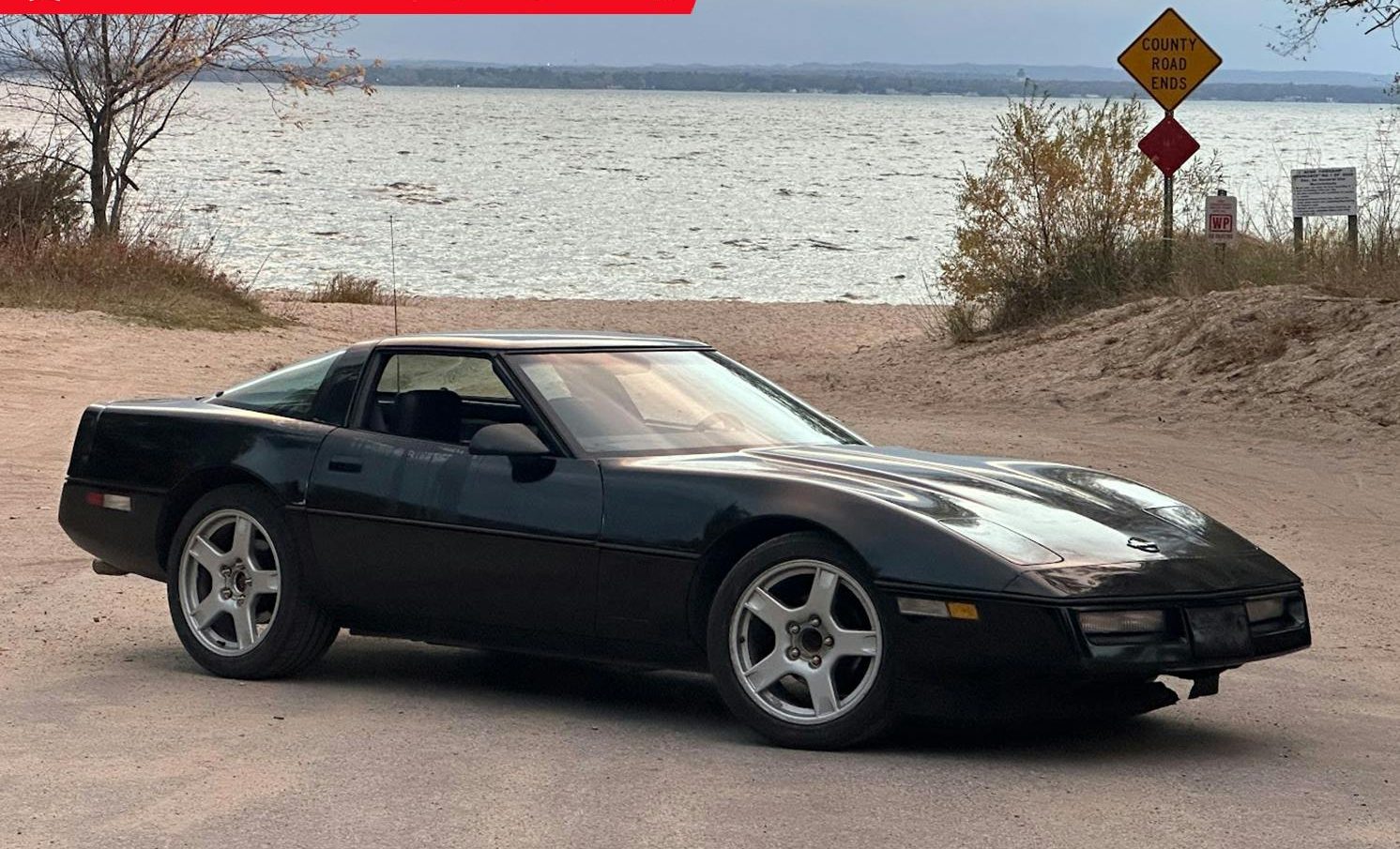
3. Chevrolet Corvette C4: The Digital Age Sports Car
The Chevrolet Corvette C4 defined a new era for American sports cars when it debuted in the early 1980s. It represented a complete redesign from the previous generation, focusing on modern engineering, digital instrumentation, and improved aerodynamics. The C4 Corvette was a bold statement that American performance cars were entering a new technological age.
One of the most striking features of the C4 Corvette was its futuristic digital dashboard. At a time when analog gauges were still the norm, the Corvette introduced electronic displays that gave it a high-tech feel unmatched by most competitors. This design choice reflected the growing influence of digital technology across industries during the 1980s.
Performance was a key focus, although early models initially faced criticism for modest horsepower compared to expectations. However, Chevrolet continuously improved the engine lineup throughout the decade. By the late 1980s, the Corvette had regained its reputation as a serious performance machine with significantly improved acceleration and handling.
The aerodynamic design of the C4 played an important role in its performance improvements. Its low profile, sharp lines, and integrated body shape reduced drag and improved stability at high speeds. This made it more efficient and more capable on highways and racetracks alike.
The C4 Corvette ultimately became a symbol of American sports car evolution. It bridged the gap between traditional muscle car roots and modern sports car engineering. Its influence can still be seen in later Corvette generations, making it one of the most important cars of the decade.
- Engine: 4.0L Inline 6
- Horsepower: 177 hp
- Torque: 224 lb-ft
- Length: 165.0 inches (419 cm)
- Width: 69.5 inches (176 cm)
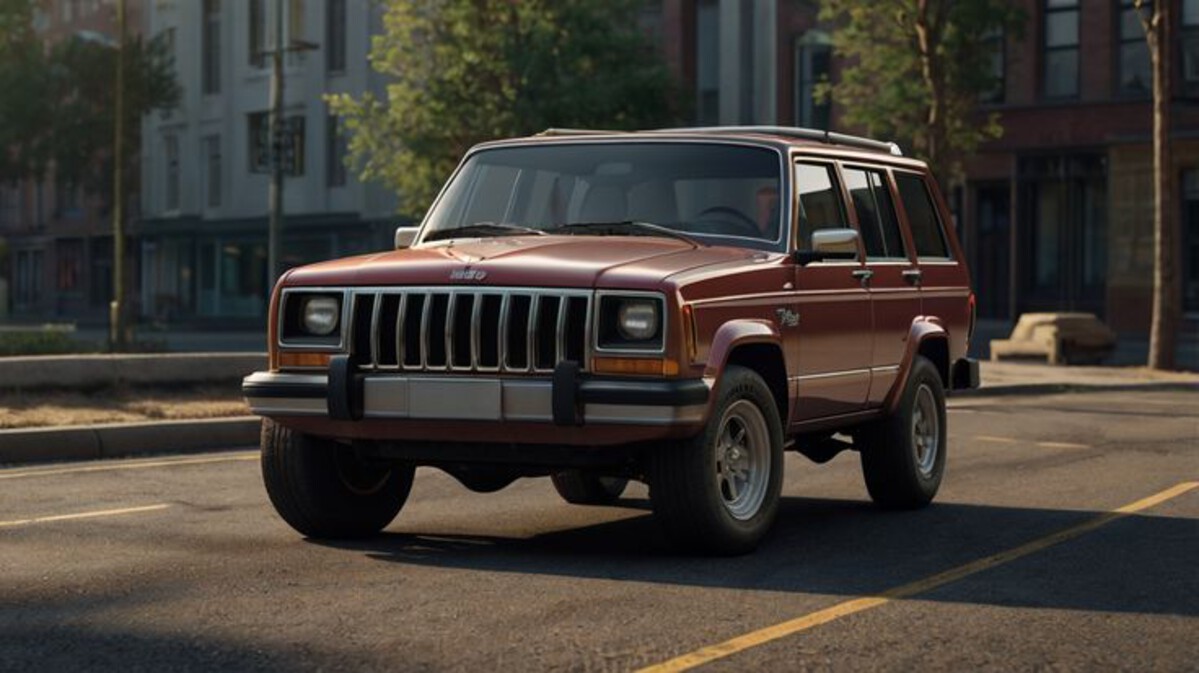
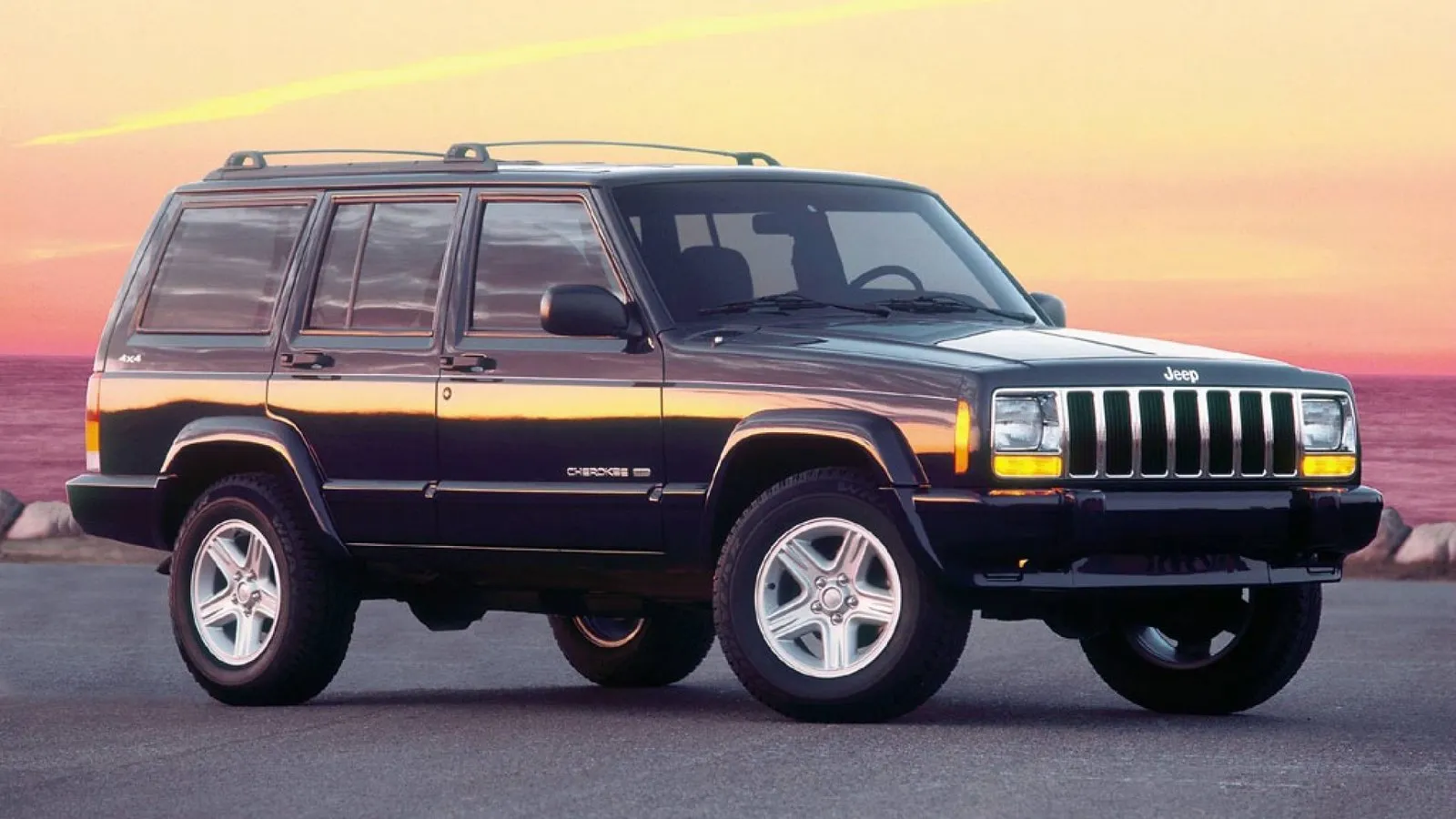
4. Jeep Cherokee XJ: The Birth of the Modern SUV
The Jeep Cherokee XJ revolutionized the automotive world by introducing what is widely considered the first modern SUV design. Launched in the early 1980s, it combined off-road capability with compact size and everyday practicality. This balance made it one of the most influential vehicles in automotive history.
The XJ Cherokee stood out due to its unibody construction, which was unusual for off-road vehicles at the time. This design made it lighter and more efficient while still maintaining durability. It allowed the Cherokee to offer better handling on paved roads compared to traditional body-on-frame SUVs.
Its boxy design became iconic, representing functionality and ruggedness. The styling was simple but purposeful, emphasizing utility over aesthetics. Despite this, it developed a strong visual identity that remains popular among SUV enthusiasts even today.
Performance-wise, the Cherokee XJ offered reliable engines that prioritized torque and durability. It was not designed for speed but for versatility, capable of handling city driving, highway travel, and rough terrain with equal confidence. This adaptability was a major factor in its widespread popularity.
The Cherokee XJ effectively created a new automotive category. It laid the foundation for the modern SUV boom that would dominate the 1990s and 2000s. Its legacy is visible in nearly every compact SUV on the road today.
Also Read: 10 Hidden Features in the Mercedes GLE
- Engine: 5.0L V8 Windsor
- Horsepower: 185 hp
- Torque: 270 lb-ft
- Length: 197.0 inches (500 cm)
- Width: 79.0 inches (201 cm)
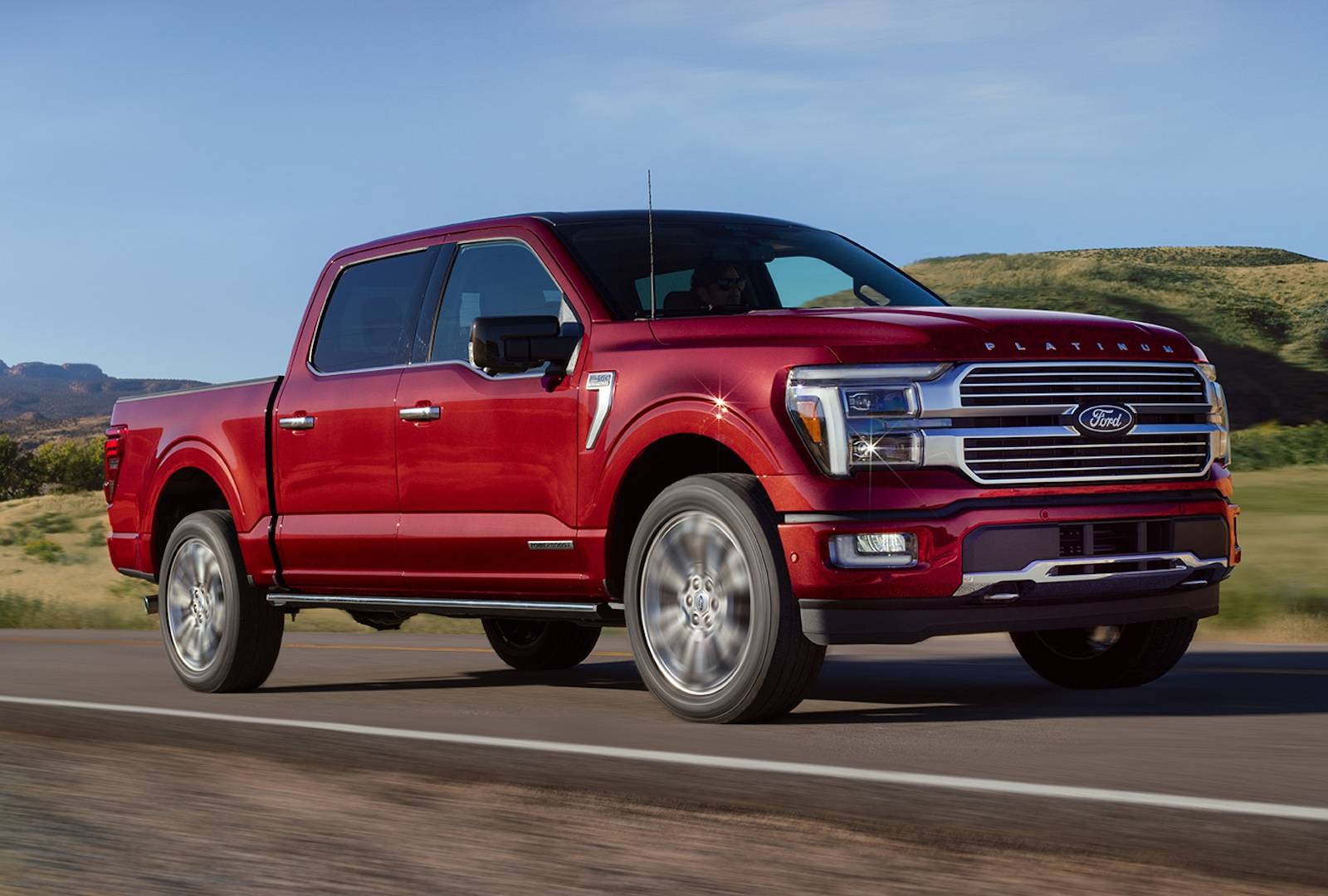
5. Ford F-150: The Workhorse of America
The Ford F-150 solidified its position as America’s best-selling truck during the 1980s. It was built to serve a wide range of needs, from construction work and farming to personal transportation. Its reputation for durability and versatility made it a staple on American roads.
The design of the F-150 in the 1980s reflected practicality and strength. Its boxy shape, wide grille, and robust frame communicated reliability. It was not focused on luxury but on function, which resonated strongly with working professionals and rural drivers.
Engine options varied widely, allowing buyers to choose between fuel efficiency and towing power. V6 and V8 engines provided the necessary strength for heavy-duty tasks, while simpler configurations offered better economy for daily driving. This flexibility contributed to its mass appeal.
The F-150’s interior prioritized practicality above all else. Durable materials, intuitive controls, and a no-nonsense layout made the cabin well-suited for work and daily use. As the years progressed, Ford gradually introduced more comfort and convenience features, reflecting the increasing demand for trucks that could serve as both capable workhorses and comfortable everyday transportation.
The Ford F-150 became more than just a truck during the 1980s. It became a symbol of the American work ethic and reliability. Its dominance during this decade helped establish a legacy that continues to this day.
- Engine: 5.7L V8 (350 small block)
- Horsepower: 210 hp
- Torque: 300 lb-ft
- Length: 219.5 inches (557 cm)
- Width: 79.6 inches (202 cm)
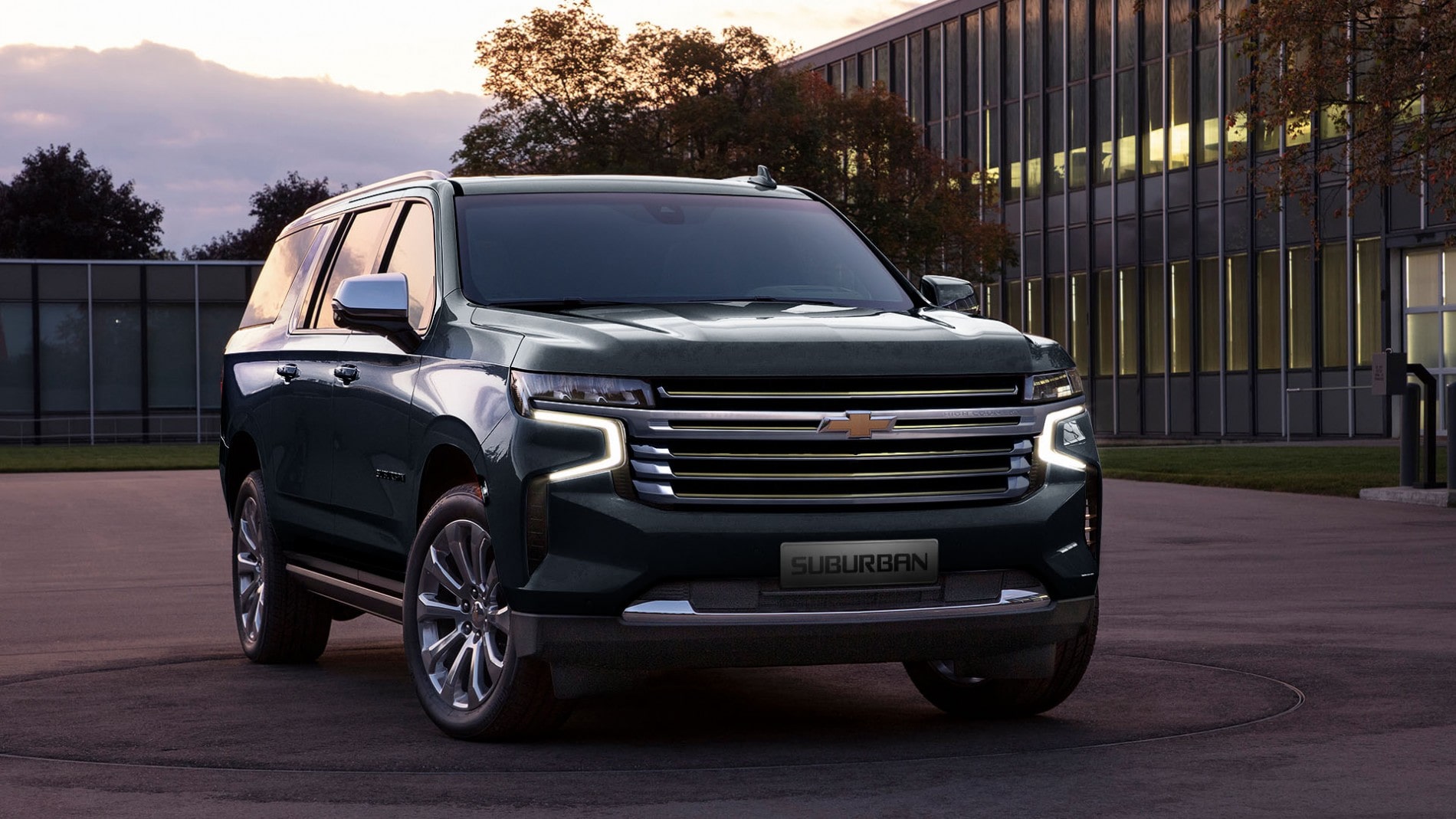
6. Chevrolet Suburban: The Family Utility Giant
The Chevrolet Suburban continued to evolve in the 1980s as one of the largest and most capable family vehicles on the road. It offered unmatched space, making it ideal for large families, travel, and utility use. Its long-standing presence in the American automotive market made it a familiar sight across the country.
The Suburban’s design emphasized size and practicality. Its extended body allowed for multiple rows of seating and significant cargo space. This made it one of the most versatile vehicles available, capable of handling both passengers and equipment with ease.
Performance focused on strength rather than speed. Large displacement V8 engines provided the torque needed for towing and heavy loads. While not fuel-efficient by modern standards, it was dependable and powerful, which mattered more to its target audience.
Comfort improved gradually throughout the decade. Later models included better seating, air conditioning, and interior refinements that made long-distance travel more comfortable. This helped transition the Suburban from a purely utilitarian vehicle to a family travel option.
The Chevrolet Suburban became a cornerstone of American suburban life. It represented space, reliability, and capability, qualities that made it indispensable for large households and commercial use alike.
- Engine: 5.7L V8 Tuned Port Injection
- Horsepower: 245 hp
- Torque: 345 lb-ft
- Length: 198.3 inches (504 cm)
- Width: 72.4 inches (184 cm)
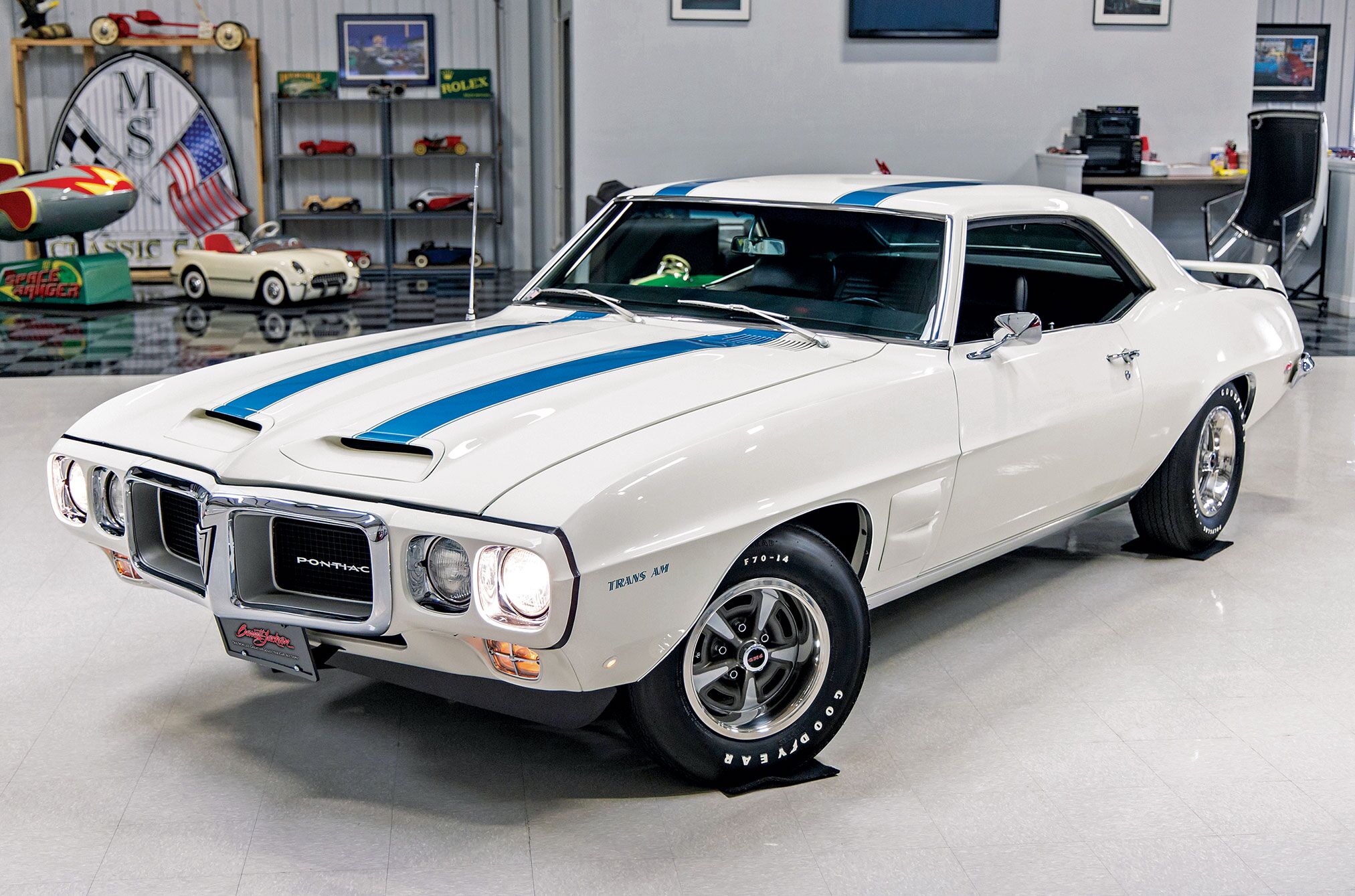
7. Pontiac Firebird Trans Am: The Pop Culture Performance Star
The Pontiac Firebird Trans Am remained one of the most visually striking performance cars of the 1980s. With its aggressive styling and strong cultural presence, it became a symbol of American automotive flair. It was especially popular due to its appearances on television and film, which boosted its legendary status.
The Trans Am design featured bold graphics, aerodynamic shaping, and the iconic hood bird emblem. These design elements made it instantly recognizable and gave it a dramatic road presence. It was a car designed not just for driving but for making an impression.
Performance varied across trims, but the V8-powered versions delivered strong acceleration and satisfying power for enthusiasts. While not as raw as earlier muscle cars, it balanced performance with improved handling and efficiency.
The Firebird platform also benefited from suspension improvements that enhanced road handling. This made it more enjoyable to drive in everyday conditions while still maintaining its sporty identity.
The Pontiac Firebird Trans Am remains one of the most iconic American cars of the 1980s, representing style, performance, and cultural influence in equal measure.
- Engine: 2.2L Inline 4
- Horsepower: 96 hp
- Torque: 119 lb-ft
- Length: 175.6 inches (446 cm)
- Width: 68.9 inches (175 cm)
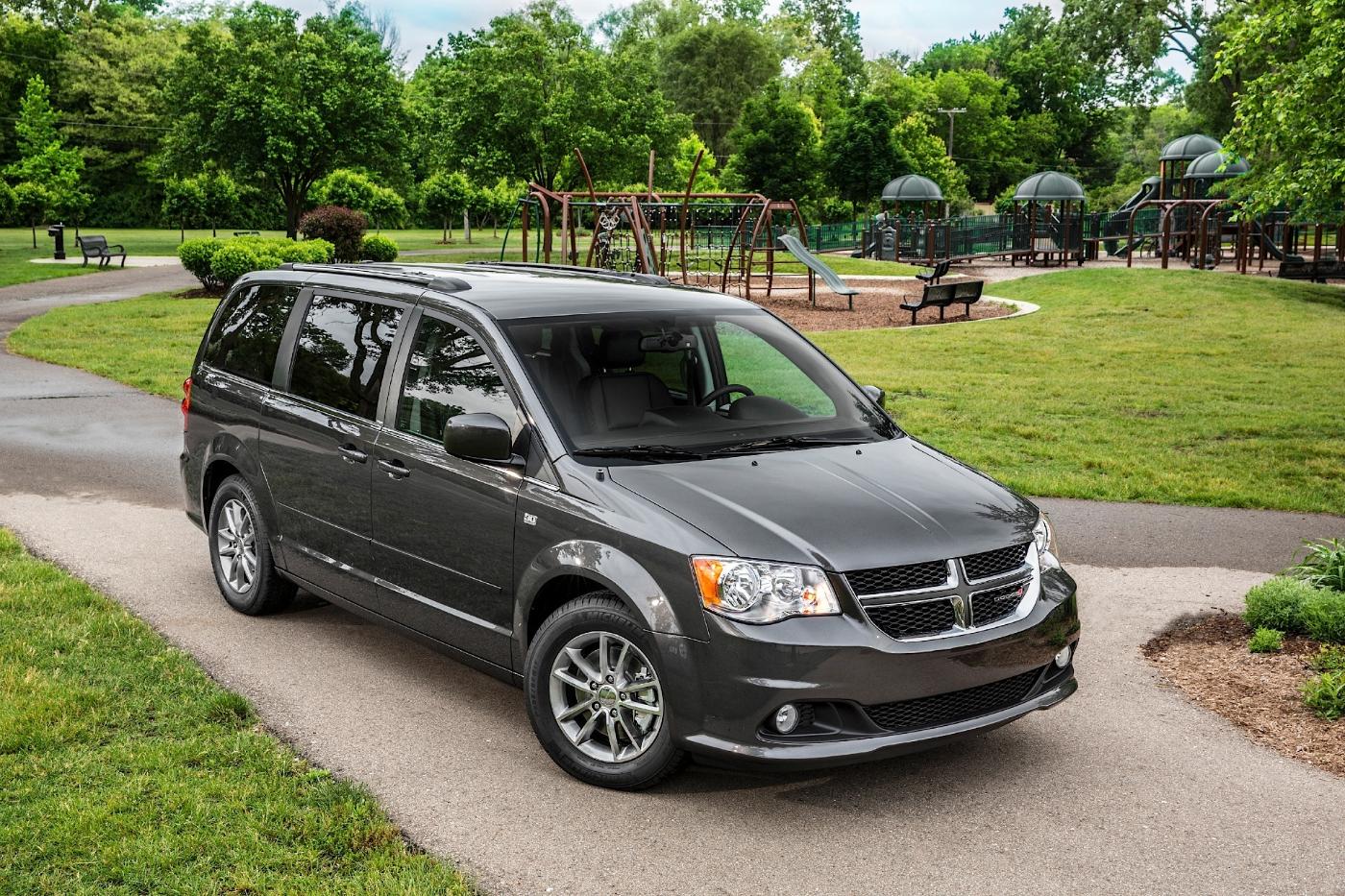
8. Dodge Caravan: The Minivan Revolution Begins
The Dodge Caravan changed the American automotive industry by introducing the modern minivan concept in the early 1980s. It was designed to provide maximum practicality for families, combining passenger space with car-like handling. This innovation created an entirely new market segment.
The design of the Caravan focused on efficiency and usability. Its sliding doors, flat floor, and flexible seating arrangements made it incredibly convenient for families. It was one of the first vehicles to prioritize interior space optimization in this way.
Performance was modest but sufficient for daily use. The focus was not on speed but on comfort and reliability. Its compact footprint made it easier to drive than larger vans, which helped it gain rapid popularity among suburban families.
The interior was highly adaptable, allowing seats to be rearranged or removed to accommodate passengers or cargo. This flexibility became one of its strongest selling points and influenced future vehicle designs across the industry.
The Dodge Caravan fundamentally changed how Americans thought about family transportation. It set the standard for minivans and remains one of the most important automotive innovations of the 1980s.
