
The pursuit of speed has shaped the automotive industry since the earliest days of the automobile. Every decade has produced machines that pushed the boundaries of engineering, aerodynamics, and performance, establishing new benchmarks for what was possible on four wheels.
While today’s hypercars can exceed 250 mph with relative ease, the fastest cars of earlier eras were equally impressive when viewed in the context of the technology available at the time.
What makes a fastest-car title significant is not simply the top speed figure. These vehicles often represented major technological breakthroughs that influenced the entire industry.
Engineers developed more powerful engines, lighter materials, improved suspension systems, and increasingly sophisticated aerodynamic designs in an effort to gain even a small advantage over competitors.
Many innovations that first appeared in record-setting performance cars eventually found their way into mainstream vehicles.
Selecting the fastest car of each decade provides a fascinating look at automotive evolution. The progression from massive supercharged engines of the prewar era to today’s hybrid-assisted hypercars illustrates just how rapidly technology has advanced over the past century.
The following ten vehicles stood at the top of the automotive performance hierarchy during their respective decades. Each one captured the imagination of enthusiasts worldwide and redefined expectations for speed in its era, leaving a lasting mark on automotive history.
Also Read: 10 Hidden Features In The Toyota RAV4
1. 1920s: Duesenberg Model J
When the Duesenberg Model J debuted in 1928, it instantly became one of the most extraordinary automobiles ever built.
At a time when many cars struggled to reach highway speeds comfortably, the Model J offered performance that bordered on unbelievable. It was designed not merely as transportation but as a statement of engineering excellence and prestige.
The vehicle’s massive straight-eight engine was among the most advanced powerplants of its era. Unlike many luxury automobiles that prioritized comfort over performance, the Duesenberg delivered both.
Wealthy buyers could cruise effortlessly at speeds that few competitors could approach, and the car’s performance capabilities quickly became legendary.
What truly distinguished the Model J was the way it combined speed with refinement. Owners included celebrities, industrialists, and royalty who demanded the best available automobile regardless of cost.
The car’s handcrafted nature and impressive engineering made it a symbol of American automotive achievement during the late 1920s.
Period testing suggested that certain versions could exceed 115 mph, an astonishing figure for the time. Few production vehicles anywhere in the world could match that performance. The optional supercharged SJ variant pushed the limits even further, reinforcing Duesenberg’s reputation for building some of the fastest road cars of the era.
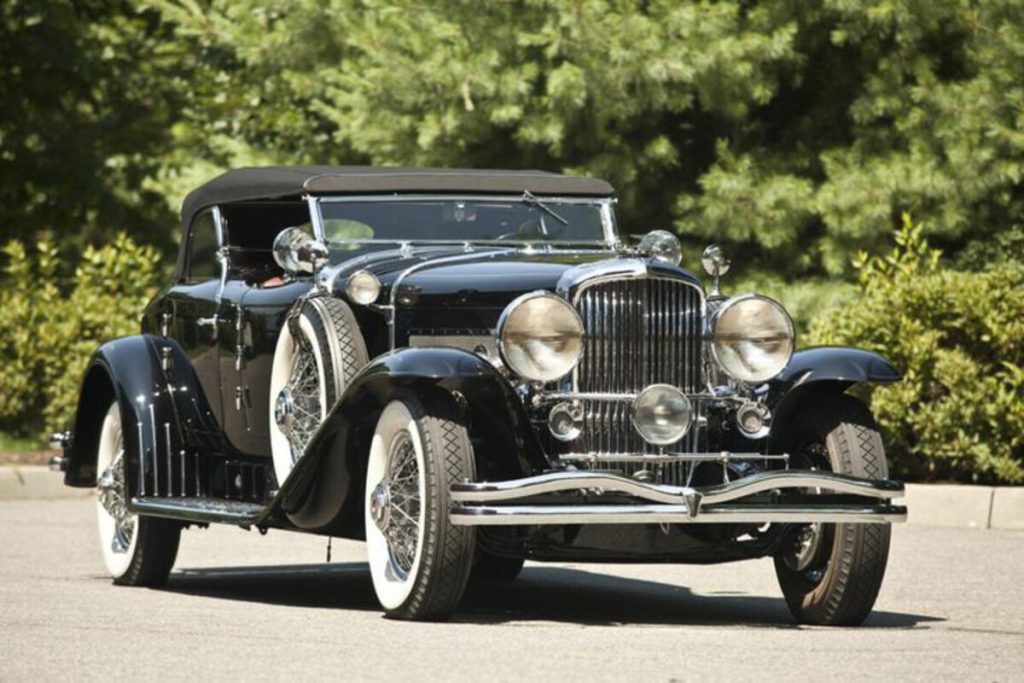
Although production numbers remained limited, the Model J’s influence was enormous. It demonstrated that luxury and speed could coexist in a single package, helping establish the template for future high-performance grand touring automobiles.
Even nearly a century later, the Duesenberg Model J remains one of the most celebrated American automobiles ever produced.
Specifications
- Engine: 6.9L Naturally Aspirated Inline-8
- Torque: 374 lb-ft
- Horsepower: 265 hp
- Length/Width: 228.0 in / 71.0 in
2. 1930s: Mercedes-Benz 540K
The 1930s witnessed remarkable advances in automotive engineering, and few vehicles showcased those developments better than the Mercedes-Benz 540K. Introduced in 1936, the car represented the pinnacle of prewar German performance and luxury.
Unlike many fast cars that relied solely on large engines, the 540K incorporated a mechanically driven supercharger that dramatically increased power when needed.
Under normal driving conditions, the engine operated smoothly and quietly. Pressing the accelerator fully engaged the supercharger, unleashing a surge of performance that few contemporaries could match.
Its elegant styling often overshadowed its capabilities. The sweeping fenders, long hood, and handcrafted bodywork made the 540K one of the most beautiful automobiles of its era. Yet beneath that sophisticated appearance was a machine capable of reaching approximately 110 mph, placing it among the world’s fastest production cars.
The vehicle appealed to wealthy buyers seeking exclusivity and engineering sophistication. Production remained limited, ensuring that ownership carried significant prestige. Mercedes-Benz paid extraordinary attention to detail, creating a car that excelled in both performance and comfort.
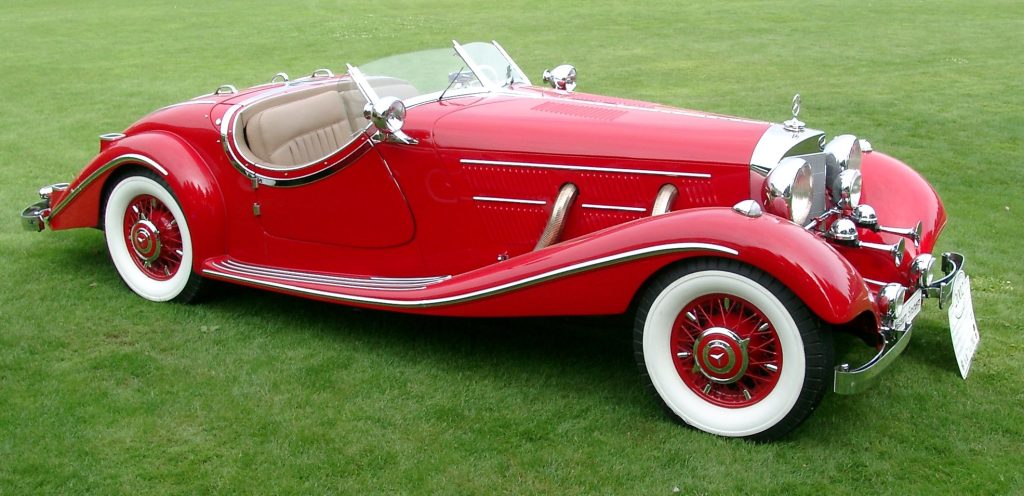
The 540K’s influence extended beyond raw speed figures. It demonstrated how advanced forced-induction technology could improve performance without sacrificing drivability. That concept would later become common among high-performance automobiles.
Among collector automobiles, surviving examples of these cars command some of the highest values. Their combination of rarity, historical relevance, and engineering achievement has earned them enduring recognition among enthusiasts worldwide.
As one of the defining automobiles of the 1930s, the Mercedes-Benz 540K secured its place in history by proving that luxury and performance could reach extraordinary heights during the prewar period.
Specifications
- Engine: 5.4L Supercharged Inline-8
- Torque: 318 lb-ft
- Horsepower: 180 hp
- Length/Width: 208.7 in / 71.3 in
3. 1940s: Jaguar XK120
The late 1940s marked a turning point for the automotive industry as manufacturers shifted from wartime production back to passenger vehicles. Among the first great performance cars of the postwar era was the Jaguar XK120, a model that surprised the automotive world with a level of speed few expected from a British manufacturer.
Introduced in 1948, the XK120 was originally intended as a showcase for Jaguar’s new twin-cam six-cylinder engine.
Although company executives initially expected the model to be produced in limited numbers, overwhelming public interest led to rapid expansion of production. Consumers were drawn to the car’s striking design and impressive performance capabilities, turning it into an immediate success.
At a time when many family cars struggled to approach 70 mph, the XK120 could exceed 120 mph under favorable conditions. That achievement inspired the model’s name and helped establish Jaguar as a serious contender in the high-performance automobiles world. For several years, it was widely recognized as the fastest production car available.
The vehicle’s success was not based solely on straight-line speed. Its elegant bodywork, balanced handling, and relatively accessible pricing attracted enthusiasts who wanted both excitement and practicality. Jaguar demonstrated that world-class performance could be offered at a lower price than many exotic competitors.
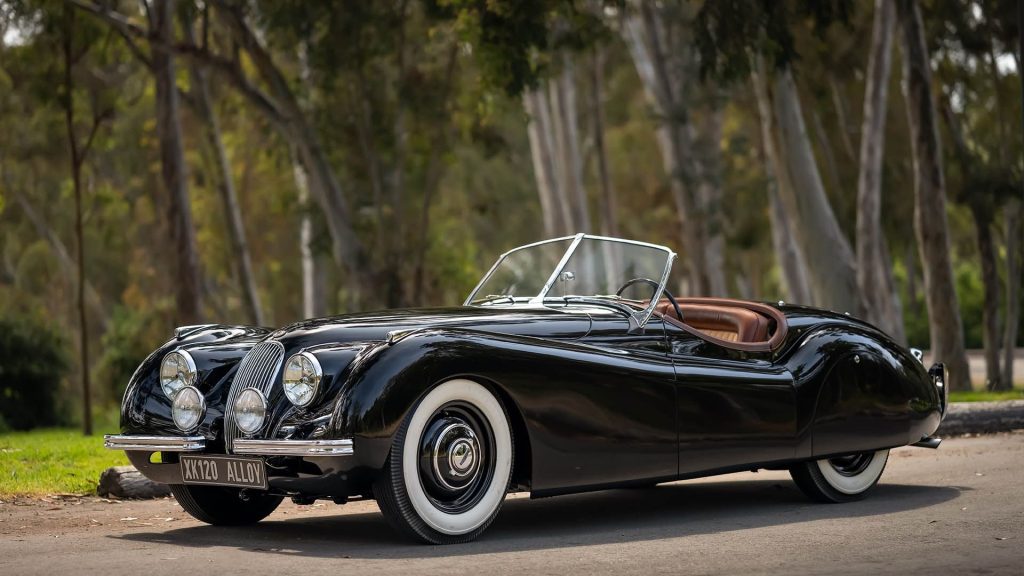
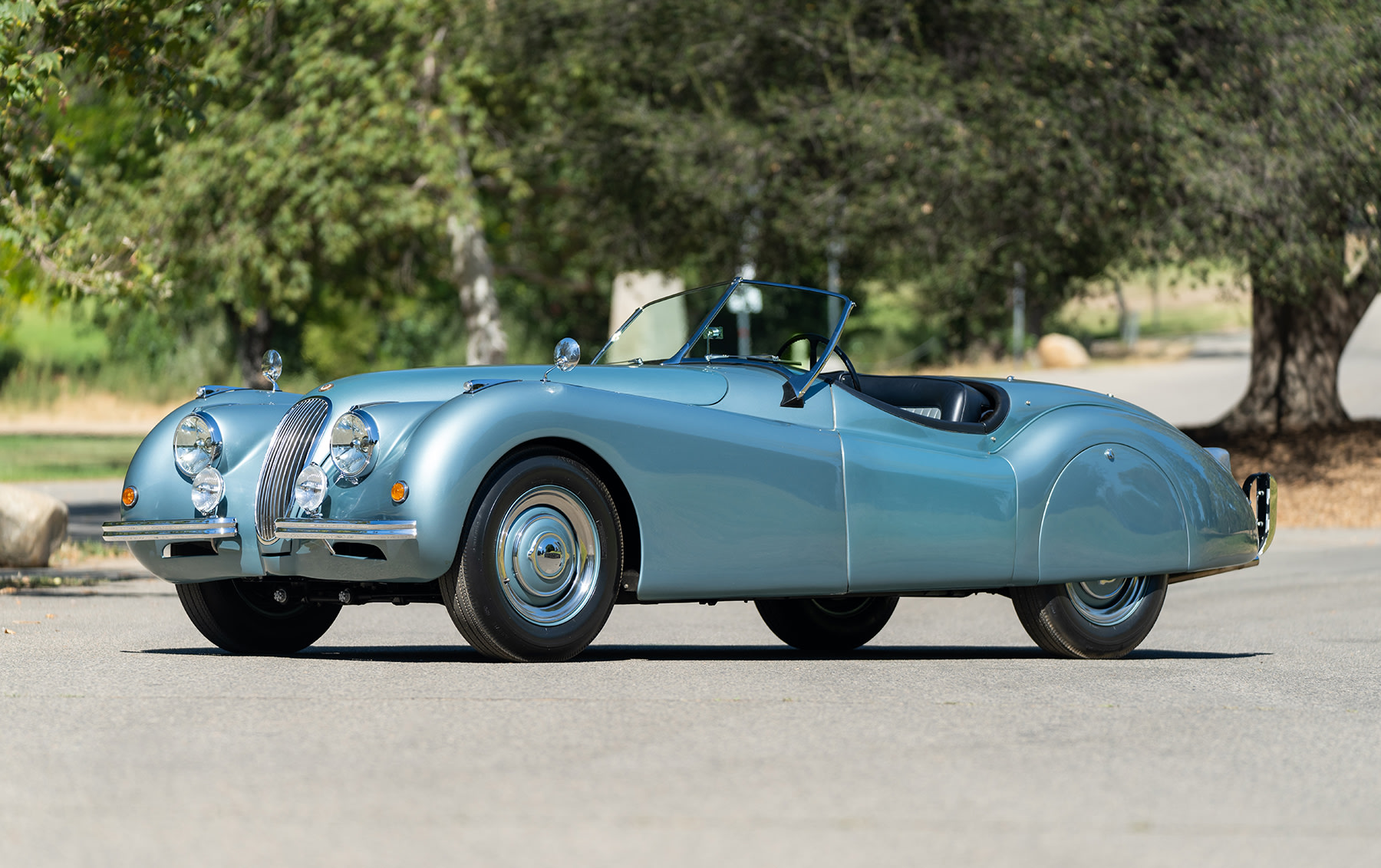
The XK120 also achieved success in motorsport, further strengthening its reputation. Drivers competed successfully in endurance events and rallies, proving the car possessed more than just impressive top-speed credentials.
Its influence on future sports cars cannot be overstated. The XK120 established many of the characteristics that would define Jaguar performance vehicles for decades. More importantly, it helped usher in a new era of postwar automotive performance that inspired manufacturers around the globe.
Specifications
- Engine: 3.4L Naturally Aspirated Inline-6
- Torque: 195 lb-ft
- Horsepower: 160 hp
- Length/Width: 173.0 in / 61.0 in
4. 1950s: Mercedes-Benz 300 SL Gullwing
By the mid-1950s, automotive engineering had advanced dramatically, and the Mercedes-Benz 300SL Gullwing stood at the forefront of that progress. Introduced in 1954, the car combined racing-derived technology with everyday usability, creating one of the most iconic sports cars ever produced.
The first thing most people notice about the 300SL is its distinctive upward-opening doors. However, the Gullwing’s engineering achievements were even more impressive than its appearance.
The car featured direct fuel injection, a technology rarely seen in production automobiles at the time. This innovation allowed Mercedes-Benz to extract significantly more performance from its engine than many rivals could achieve.
Performance figures were extraordinary for the decade. Depending on gearing and conditions, the 300SL could reach speeds approaching 160 mph, making it the fastest production car of the 1950s. Such numbers placed it in an entirely different category from most vehicles available during the era.
Its origins in motorsport contributed heavily to its success. The lightweight tubular frame, aerodynamic body, and advanced mechanical components were inspired by racing machines that had already proven themselves in competition. Buyers essentially received a road-going version of a championship-winning sports car.
The 300SL attracted wealthy enthusiasts who wanted cutting-edge technology and exceptional performance. It quickly became a symbol of sophistication and engineering excellence, a reputation it maintains to this day.
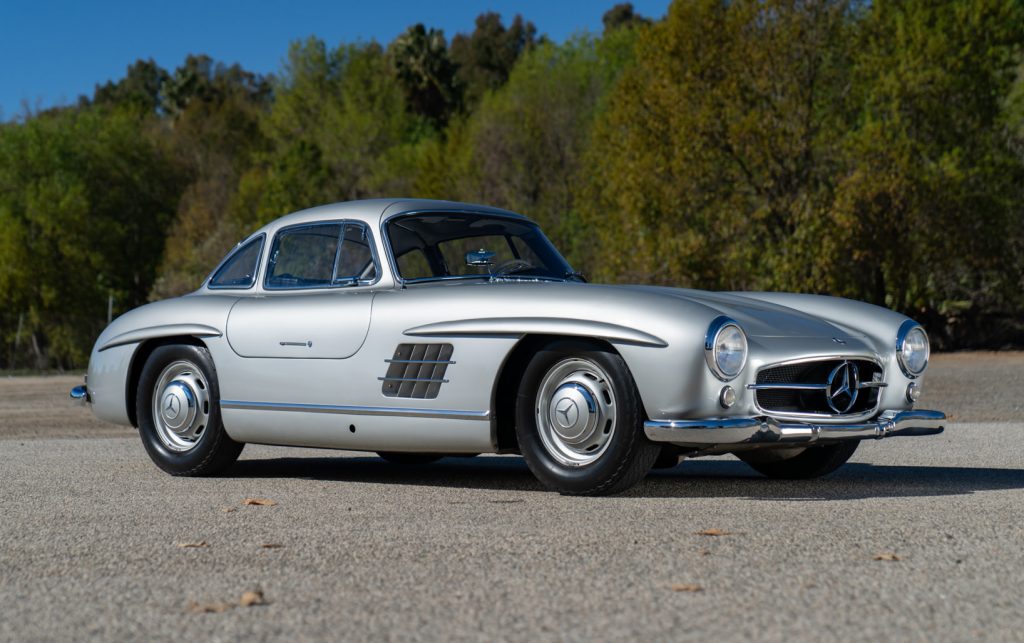
More than just a fast automobile, the Gullwing demonstrated what could be achieved when manufacturers applied racing technology to road cars. Its influence remains visible in countless high-performance vehicles that followed, securing its position among the most important sports cars ever built.
Specifications
- Engine: 3.0L Naturally Aspirated Inline-6
- Torque: 203 lb-ft
- Horsepower: 215 hp
- Length/Width: 178.7 in / 70.5 in
5. 1960s: Lamborghini Miura
The 1960s produced many legendary performance cars, but none changed the world of supercars quite like the Lamborghini Miura. Introduced in 1966, it marked a radical break from traditional grand touring design and established a mid-engine layout that would go on to shape generations of exotic cars.
Before the Miura arrived, most high-performance road cars used front-mounted engines. Lamborghini’s engineers took a different approach by placing a powerful V12 engine behind the seats. This mid-engine configuration improved weight distribution and handling while creating a striking silhouette that immediately captured attention.
The Miura’s appearance was as revolutionary as its engineering. Its low profile, flowing curves, and dramatic proportions made it look unlike anything else on the road. Designed by Marcello Gandini, the car quickly became a symbol of speed and automotive sophistication during an era obsessed with technological progress.
Performance figures justified the excitement. Later versions of the Miura could exceed 170 mph, making them the fastest production cars of their time. Such speeds were extraordinary during the late 1960s and helped establish Lamborghini as a serious rival to Ferrari.
Unlike many exotic vehicles that existed primarily as engineering showcases, the Miura generated genuine enthusiasm among wealthy buyers and enthusiasts. It became one of the defining automobiles of the decade, appearing in magazines, films, and automotive discussions worldwide.
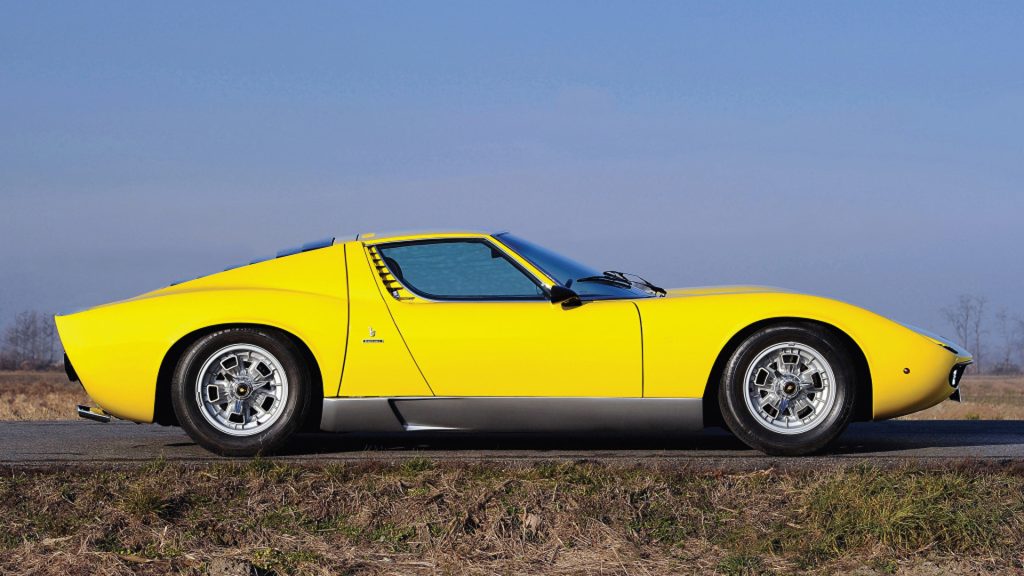
Its greatest achievement may be the blueprint it created for future supercars. The combination of a mid-mounted engine, dramatic styling, and extreme performance became the standard formula for exotic automobiles over the following decades.
The Miura was not simply the fastest car of its era. It fundamentally changed how supercars were designed.
Specifications
- Engine: 3.9L Naturally Aspirated V12
- Torque: 294 lb-ft
- Horsepower: 385 hp
- Length/Width: 171.9 in / 69.3 in
6. 1970s: Ferrari 512 BB
The 1970s were not an easy decade for performance cars. Stricter emissions regulations, fuel crises, and changing consumer priorities created challenges for manufacturers around the world. Despite those obstacles, Ferrari produced a machine capable of carrying the supercar torch forward: the 512 Berlinetta Boxer.
Introduced in 1973, the 512 BB represented Ferrari’s transition toward a mid-engine layout for its flagship road cars. While the company had extensive experience with mid-engine racing machines, bringing that configuration to a high-performance production vehicle marked an important evolution.
The car’s flat-12 engine delivered impressive power while contributing to a lower center of gravity. Ferrari engineers carefully balanced performance and drivability, creating a vehicle that felt stable at speeds that would have been unimaginable only a generation earlier.
Aesthetically, the 512 BB captured the spirit of the decade. Its wedge-shaped profile, low roofline, and wide stance gave it a commanding presence. Unlike many contemporary sports cars, it looked every bit as fast as it actually was.
Top speeds approaching 188 mph placed the 512 BB among the quickest production automobiles of the 1970s. More importantly, it maintained Ferrari’s reputation for building some of the world’s most desirable performance machines during a period when many competitors struggled to adapt to changing regulations.
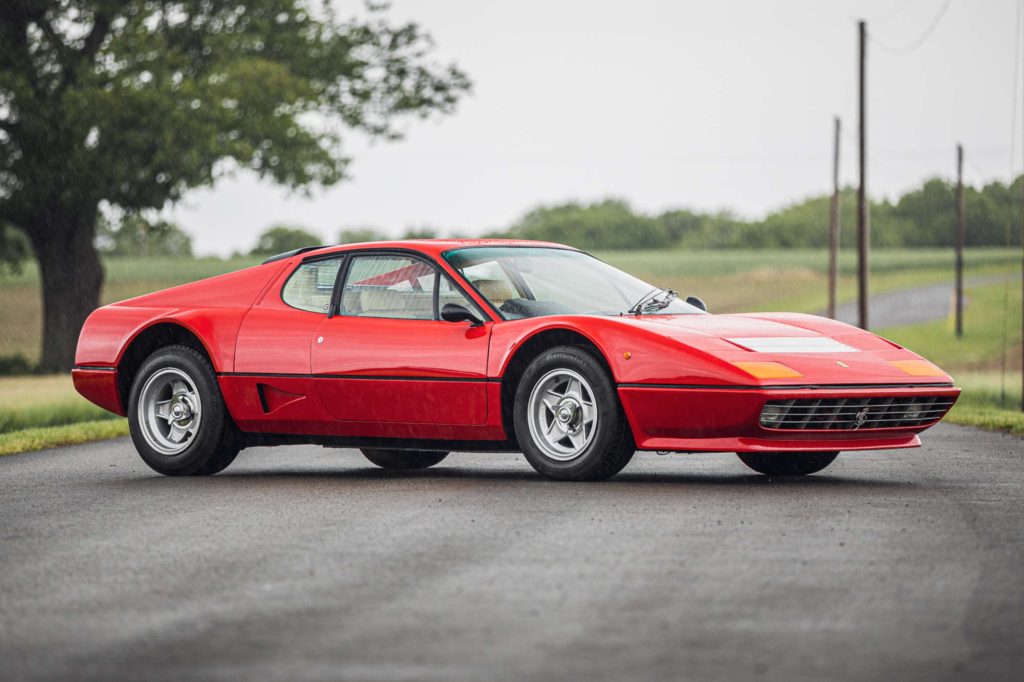
The model also served as a bridge between classic Ferraris and the more technologically advanced supercars that followed. Lessons learned from the 512 BB influenced future flagship models and helped Ferrari maintain its position at the forefront of automotive performance.
Its blend of speed, style, and engineering sophistication ensured its place among the most significant supercars of the decade.
Specifications
- Engine: 4.9L Flat-12
- Torque: 333 lb-ft
- Horsepower: 360 hp
- Length/Width: 173.8 in / 72.4 in
7. 1980s: Ferrari F40
Some cars become legends because of their rarity. Others achieve fame through their performance. The Ferrari F40 earned its status through both. Introduced in 1987 to celebrate Ferrari’s 40th anniversary, it arrived during an era when manufacturers were competing fiercely to produce the world’s fastest road car.
The F40 was a machine built with a singular purpose. Comfort and luxury took a back seat to speed. Lightweight composite materials, minimalist interior trim, and aggressive aerodynamics all contributed to its extraordinary capabilities. Even by modern standards, the car’s appearance communicates seriousness and intent.
At the heart of the F40 sat a twin-turbocharged V8 engine producing immense power for its time. Turbocharging had become increasingly popular throughout the decade, and Ferrari used the technology to devastating effect. Acceleration was brutal, and the vehicle demanded respect from anyone fortunate enough to sit behind the wheel.
What made the F40 especially remarkable was its ability to break the 200 mph barrier. With a top speed of approximately 201 mph, it became the first production car to officially exceed that milestone. Such performance upgraded it beyond the supercars of the era and into automotive history.
The F40’s raw driving experience also contributed to its enduring appeal. There were no electronic driving aids to mask mistakes. Drivers interacted directly with the machine, creating an experience that many enthusiasts still consider unmatched.
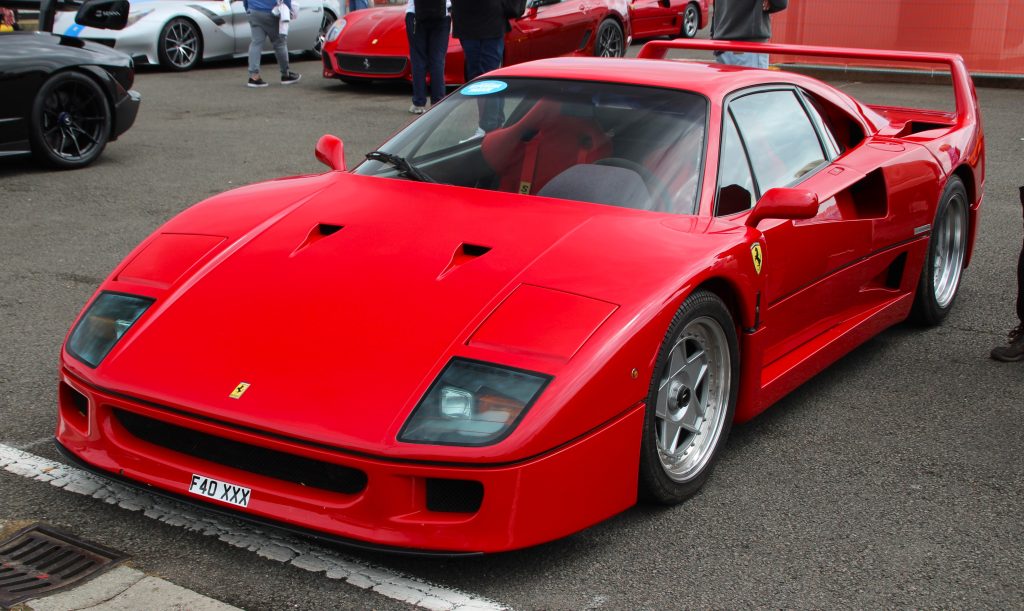
More than three decades later, the F40 remains one of Ferrari’s most celebrated creations. It perfectly captured the excess, ambition, and technological innovation of the late 1980s while establishing a benchmark that competitors spent years attempting to surpass.
Specifications
- Engine: 2.9L Twin-Turbocharged V8
- Torque: 426 lb-ft
- Horsepower: 471 hp
- Length/Width: 174.4 in / 78.0 in
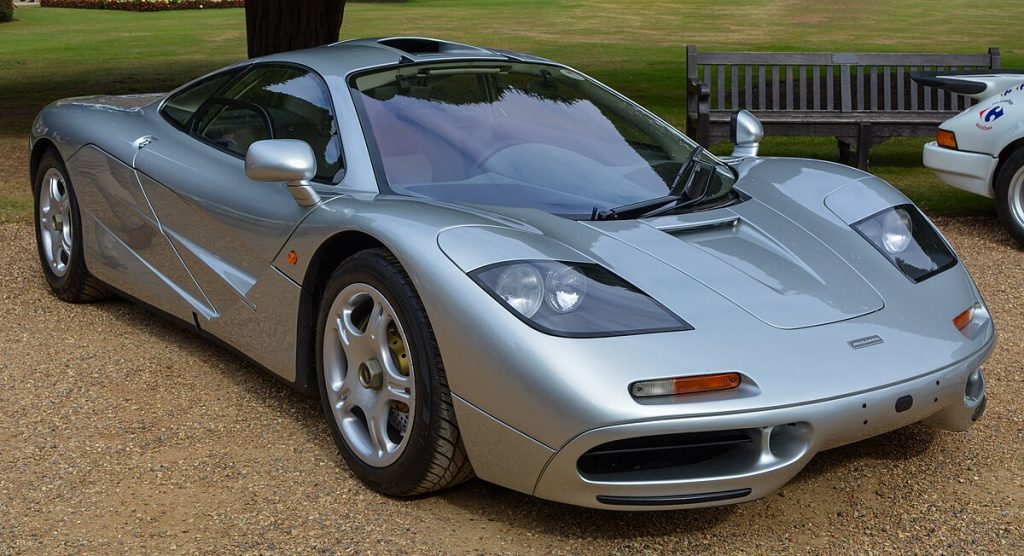
8. 1990s: McLaren F1
The 1990s produced several extraordinary supercars, but one vehicle rose above them all. The McLaren F1 was not merely the fastest car of the decade. Many enthusiasts regard it as one of the greatest automobiles ever created.
Developed by legendary engineer Gordon Murray, the F1 approached performance from a different perspective. Rather than relying on turbochargers or excessive complexity, it focused on minimizing weight and maximizing efficiency. Every design decision served a specific purpose, from the carbon-fiber monocoque chassis to the central driving position.
Its naturally aspirated BMW-sourced V12 engine delivered exceptional power while maintaining remarkable responsiveness. The engine bay even featured gold foil heat shielding, highlighting the obsessive attention to detail that characterized the entire project.
The car’s performance figures stunned the automotive world. In 1998, a production McLaren F1 achieved a top speed of 240.1 mph, setting a record that stood for years. Reaching such speeds without forced induction made the accomplishment even more impressive.
Yet numbers alone fail to explain the F1’s significance. The vehicle combined extraordinary speed with everyday usability. Owners could comfortably drive it on public roads before unleashing performance that rivaled racing machines.
Production remained extremely limited, enhancing its exclusivity. Each example became a collector’s item almost immediately, and values have continued to rise dramatically over time.
The McLaren F1 represented the culmination of decades of automotive progress. Its engineering excellence, innovative design, and record-breaking speed secured its position as the defining performance car of the 1990s and one of the most influential supercars ever built.
Specifications
- Engine: 6.1L Naturally Aspirated V12
- Torque: 479 lb-ft
- Horsepower: 618 hp
- Length/Width: 168.8 in / 71.7 in
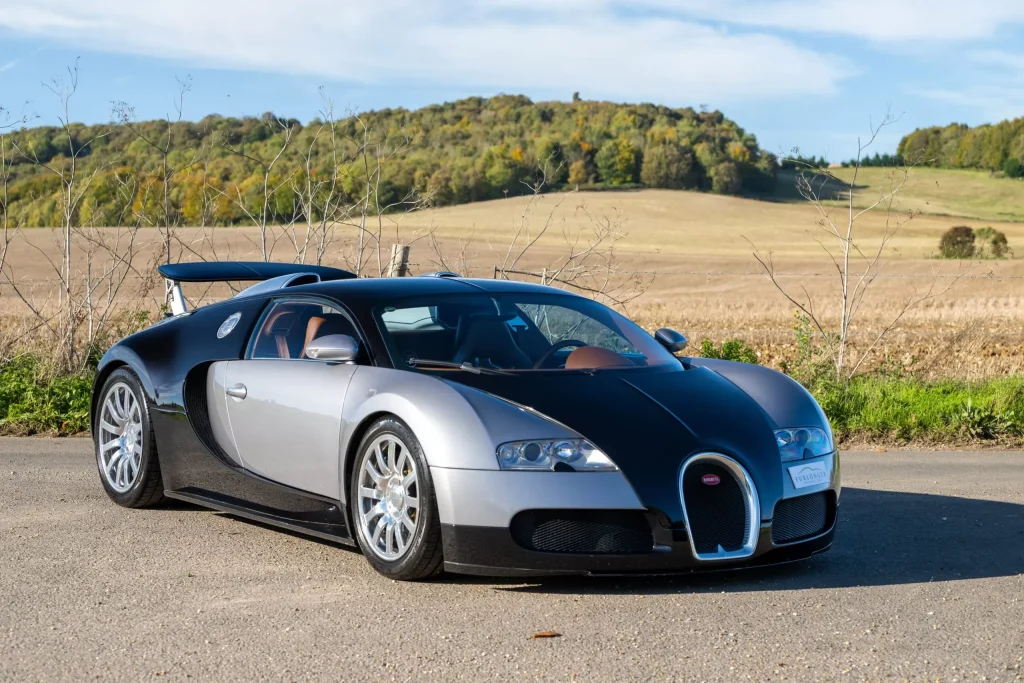
9. 2000s: Bugatti Veyron 16.4
At the beginning of the 21st century, many experts believed the limits of production-car performance had nearly been reached. Then Bugatti introduced the Veyron 16.4 and completely changed the conversation.
Revealed in the mid-2000s, the car was designed around a seemingly impossible objective: creating a road-legal vehicle capable of exceeding 250 mph while remaining comfortable and reliable enough for everyday use.
Achieving that goal required engineering solutions unlike anything seen before. The centerpiece was an enormous 8.0-liter W16 engine equipped with four turbochargers. Producing 1,001 horsepower, the powerplant generated performance figures that dwarfed nearly every road car that came before it.
Equally impressive was the sophisticated all-wheel-drive system developed to manage that power effectively.
Speed was only part of the story. The Veyron featured advanced aerodynamics that adjusted automatically depending on driving conditions. At maximum velocity, the car lowered itself and altered its aerodynamic profile to improve stability.
Extensive testing ensured that the vehicle remained controllable even at speeds approaching aircraft takeoff territory.
When officially tested, the Veyron achieved a top speed of approximately 253 mph, establishing a new benchmark for production automobiles. The achievement represented far more than a simple record. It demonstrated what was possible when engineering ambition was backed by virtually unlimited resources.
The Veyron’s influence extended throughout the industry. Competing manufacturers suddenly faced a new standard for hypercar performance, triggering a fresh wave of development among the world’s most exclusive brands.
Even today, the Veyron is remembered as the car that redefined speed in the 2000s and ushered in a new era of hypercar competition.
Specifications
- Engine: 8.0L Quad-Turbocharged W16
- Torque: 922 lb-ft
- Horsepower: 1,001 hp
- Length/Width: 175.7 in / 78.7 in
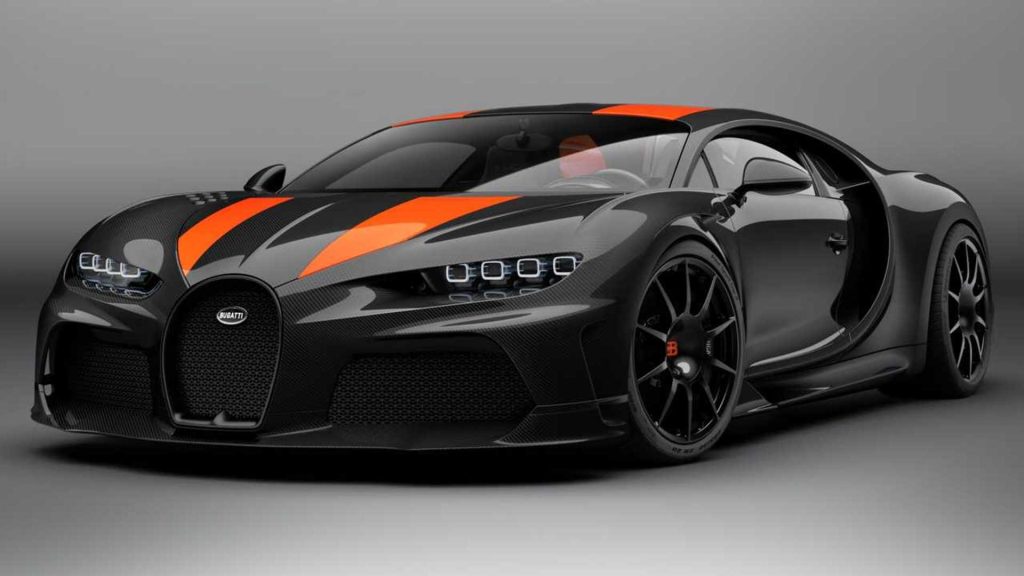
10. 2020s: Bugatti Chiron Super Sport 300+
The fastest cars of the 2020s exist in a world that would have seemed unimaginable to engineers from previous generations.
Among them, the Bugatti Chiron Super Sport 300+ stands as one of the most remarkable achievements in automotive history, representing the culmination of more than a century of relentless pursuit of speed.
Rather than starting from scratch, Bugatti refined the formula established by the Veyron. Engineers enhanced aerodynamics, increased power output, and improved high-speed stability to create a machine capable of reaching unprecedented velocities. Every surface of the vehicle was shaped with airflow management in mind.
Its quad-turbocharged W16 engine produces an astonishing 1,578 horsepower. Managing such power requires advanced electronics, sophisticated cooling systems, and meticulous engineering. The result is a vehicle capable of accelerating with an intensity that few production automobiles can match.
The Chiron Super Sport 300+ became famous after recording a speed of more than 300 mph during a high-speed test run.
Although customer versions are electronically limited for practical reasons, the achievement marked a historic milestone in automotive development. For decades, the 300-mph barrier seemed almost unattainable. Bugatti proved otherwise.
Beyond the headline figures, the car showcases how far modern engineering has progressed. Despite its incredible performance, it offers refinement, comfort, and build quality unimaginable in many earlier record holders.
As the automotive industry increasingly shifts toward electrification, the Chiron Super Sport 300+ may represent the ultimate expression of the traditional internal-combustion hypercar. Its place in history is secure as one of the fastest and most technologically advanced road cars ever created.
Specifications
- Engine: 8.0L Quad-Turbocharged W16
- Torque: 1,180 lb-ft
- Horsepower: 1,578 hp
- Length/Width: 178.9 in / 80.2 in
Also Read: 10 Cars That Can Go 600 Miles on a Full Tank
