
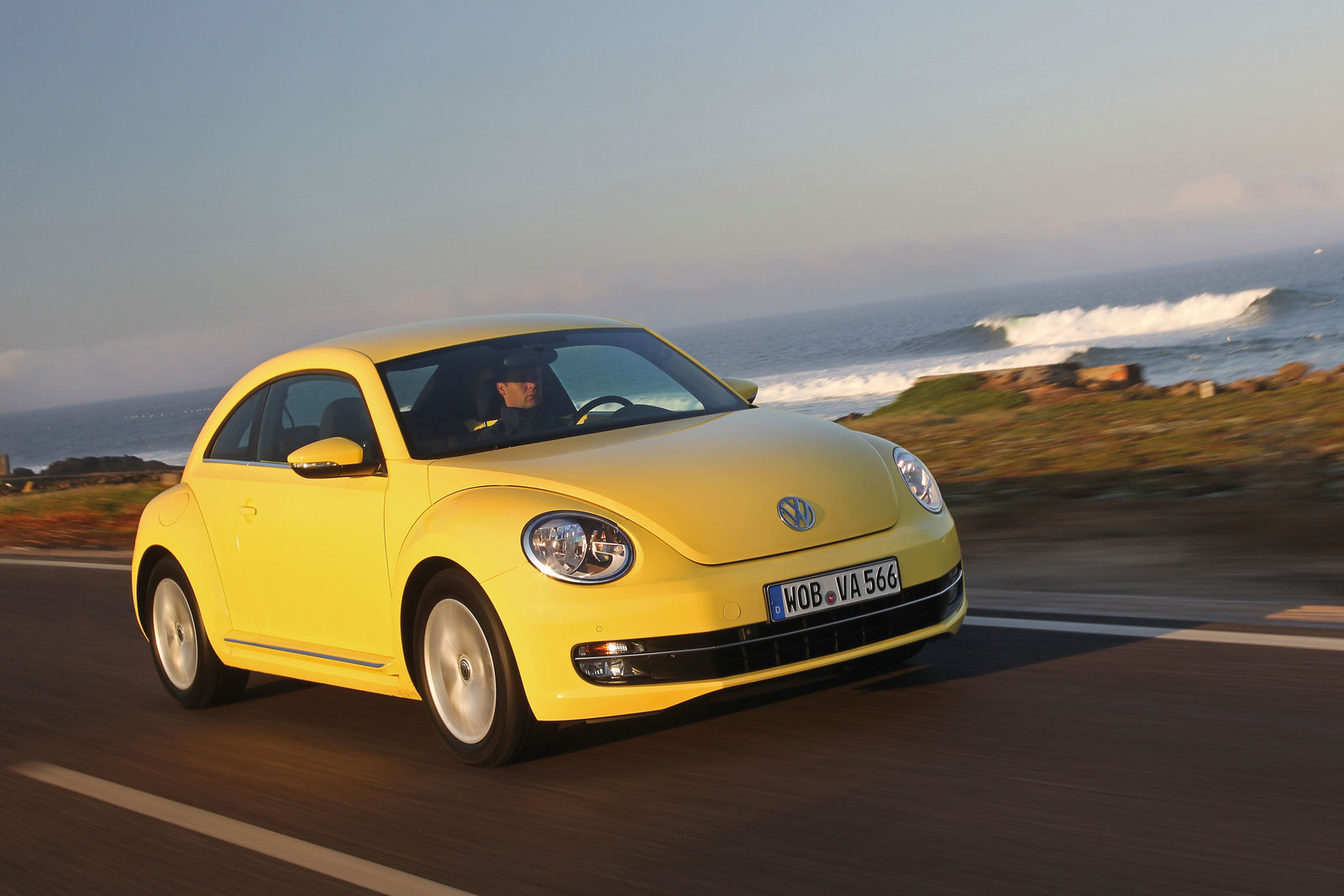
Success in the automotive industry is often measured in sales. While countless vehicles have come and gone over the last century, only a select few have achieved truly extraordinary production numbers.
These are the cars that transcended generations, crossed international borders, and became household names in dozens of countries.
Their popularity was not driven by performance or luxury alone. Instead, they succeeded by offering the qualities buyers wanted most, including reliability, affordability, practicality, and accessibility.
The world’s best-selling cars represent different eras of automotive history. Some helped motorize entire nations, while others became symbols of dependable transportation for families around the globe.
Their influence extends far beyond sales figures. Many introduced new technologies, shaped consumer expectations, and established design philosophies that competitors rushed to imitate.
What makes these vehicles especially impressive is their longevity. Selling well for a few years is difficult enough, but maintaining strong demand across multiple decades requires constant adaptation.
These cars survived changing regulations, economic downturns, shifting consumer tastes, and intense competition from rival manufacturers.
The following nine models rank among the most successful passenger cars ever produced. Each earned its place through remarkable sales achievements and lasting cultural impact.
Together, they tell the story of how the automobile evolved from a luxury item into an essential part of daily life for hundreds of millions of people worldwide.
Also Read: 10 Hidden Features In The Toyota RAV4
1. Toyota Corolla
Few vehicles have achieved the level of global success enjoyed by the Toyota Corolla. Introduced in 1966, the compact sedan arrived during a period when many consumers were seeking economical transportation that did not sacrifice dependability.
Toyota recognized this opportunity and created a vehicle that would eventually become the best-selling car nameplate in automotive history.
The Corolla’s appeal has always been rooted in simplicity. Rather than chasing radical styling or high-performance credentials, Toyota focused on qualities that mattered to everyday buyers.
Reliability became the model’s defining characteristic, helping it build an unmatched reputation across markets as diverse as North America, Europe, Asia, Africa, and Australia.
Generation after generation, Toyota refined the formula. Improvements in safety, comfort, fuel efficiency, and technology allowed the Corolla to remain competitive without abandoning its core mission. As consumer expectations changed, the car evolved while maintaining the practicality that made it famous.
Another key factor behind its success is accessibility. The Corolla has traditionally been priced within reach of a broad range of buyers, from first-time drivers to retirees. Fleet operators, families, students, and commuters have all found value in the model over the decades.
Its worldwide production footprint also contributed significantly to its sales numbers. Toyota manufactures the Corolla in numerous countries, allowing it to adapt to local market demands while keeping costs manageable.
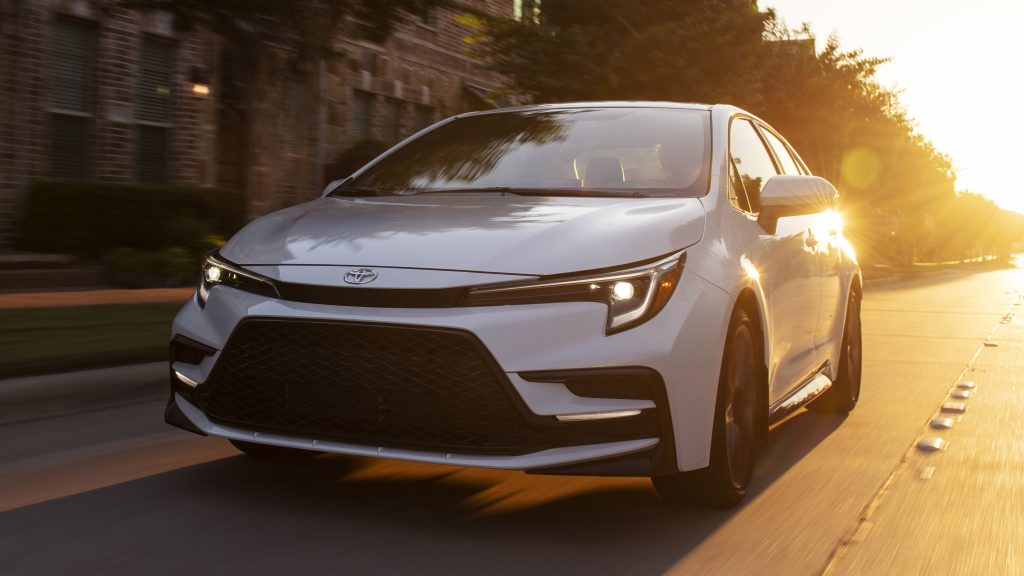
Cumulative sales have now surpassed 50 million units, an achievement unmatched by any other passenger car. The Corolla’s story demonstrates how consistency, dependability, and continuous improvement can create one of the most successful products in industrial history.
Specifications
- Engine: 2.0L Inline-4 (current generation reference)
- Torque: 151 lb-ft
- Horsepower: 169 hp
- Length/Width: 182.5 in / 70.1 in
2. Ford F-Series
The Ford F-Series is not a single model but a family of pickup trucks that has dominated sales charts for decades. Introduced in 1948, it quickly established itself as a dependable workhorse serving farmers, contractors, businesses, and private owners alike.
The truck’s success stems largely from its versatility. Buyers can choose configurations ranging from basic work trucks to luxury-oriented models equipped with premium materials and advanced technology. This broad appeal has allowed Ford to attract customers from multiple segments simultaneously.
In North America, the F-Series became deeply connected with daily life. Construction crews rely on it for demanding jobs, while families appreciate its towing capability and spacious cabins. The ability to perform both professional and personal duties has helped maintain its popularity through changing market conditions.
Ford continuously invested in innovation to keep the F-Series competitive. Advances in engine technology, aluminum body construction, safety systems, and towing capability ensured that the truck remained at the forefront of its segment. These developments attracted repeat buyers while bringing new customers into the brand.
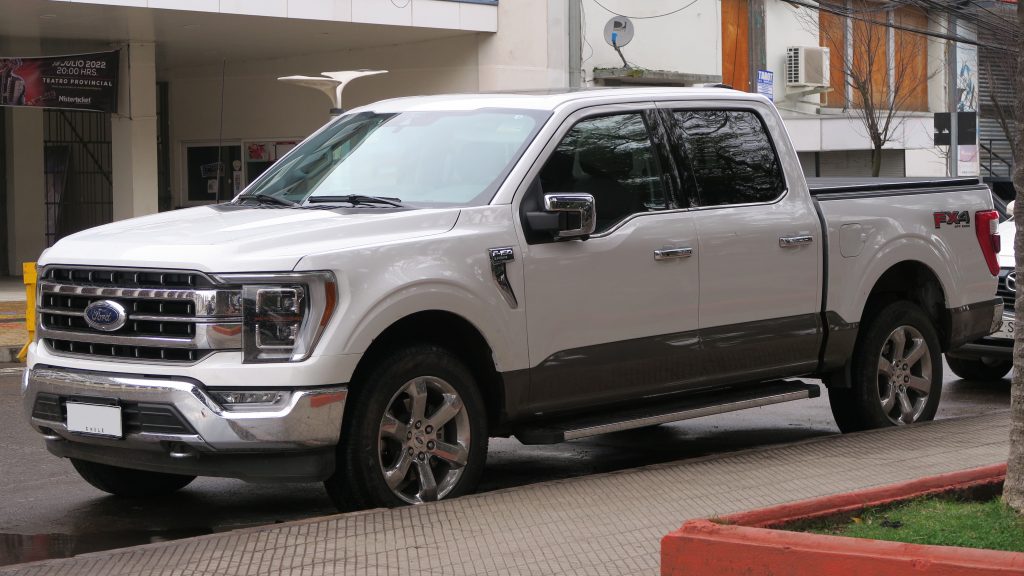
The model’s cultural significance cannot be overlooked. For many consumers, the F-Series represents durability, capability, and American manufacturing. Its presence in rural communities, urban job sites, and suburban driveways has made it one of the most recognizable vehicles ever produced.
With cumulative sales exceeding 40 million units, the F-Series stands as one of the most commercially successful automotive products in history. Its enduring popularity highlights the importance of adaptability and the ability to meet a wide range of customer needs without losing sight of its original purpose.
Specifications
- Engine: 3.5L EcoBoost V6 (F-150 reference)
- Torque: 500 lb-ft
- Horsepower: 400 hp
- Length/Width: 231.7 in / 79.9 in
3. Volkswagen Golf
Not every automotive success story begins with a bold revolution. Sometimes, it starts with a smart evolution. That was the case with the Volkswagen Golf, a model introduced in 1974 to replace the aging Beetle. At the time, Volkswagen faced a significant challenge.
The company needed a modern vehicle capable of meeting changing consumer expectations while preserving the practicality and affordability that had made its predecessor famous.
The Golf accomplished that mission almost immediately. Its front-engine, front-wheel-drive layout represented a major departure from the Beetle’s design philosophy, providing better interior space, improved handling, and greater efficiency.
Buyers appreciated the practical hatchback body style, which offered a level of versatility uncommon in many compact cars of the era.
One reason for the Golf’s enduring popularity is its ability to appeal to different types of drivers. Families valued its spacious cabin and everyday usability, while enthusiasts gravitated toward performance variants such as the GTI. Few compact cars have managed to balance practicality and driving enjoyment so effectively.
Over more than five decades, Volkswagen continually refined the Golf without dramatically altering its identity. Each generation introduced advancements in safety, technology, comfort, and efficiency while maintaining the familiar characteristics that customers expected. This consistency helped build a loyal customer base around the world.
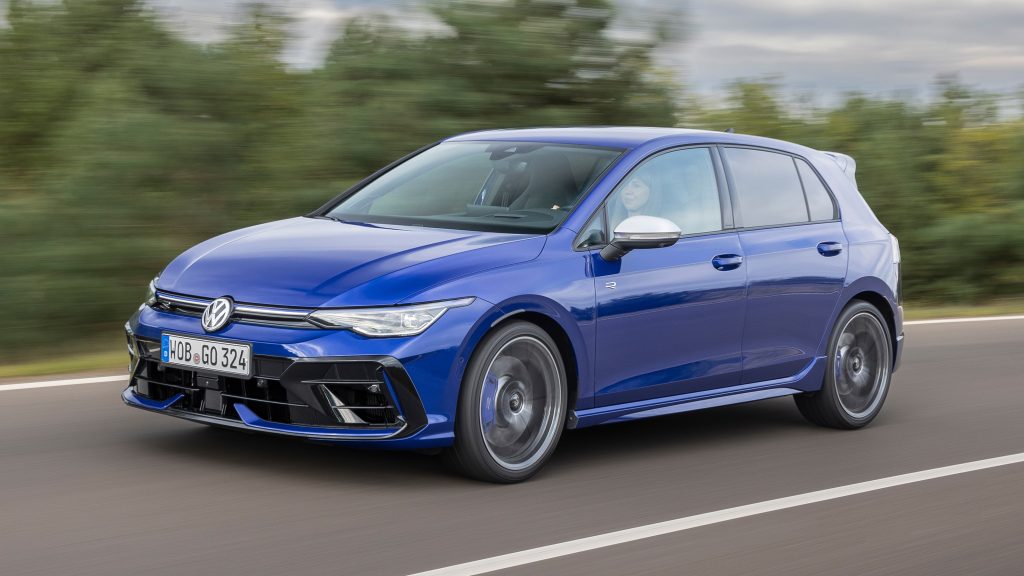
The model became particularly successful across Europe, where compact dimensions and efficient packaging made it well suited to urban environments. Strong demand also emerged in many other global markets, contributing to cumulative sales exceeding 35 million units.
The Golf remains one of the defining compact cars of the modern era, proving that thoughtful engineering and steady improvement can create a vehicle with remarkable staying power.
Specifications
- Engine: 2.0L Turbocharged Inline-4 (Golf GTI reference)
- Torque: 273 lb-ft
- Horsepower: 241 hp
- Length/Width: 168.8 in / 70.4 in
4. Volkswagen Beetle
Long before the Golf arrived, another Volkswagen model was transforming the automotive industry. The Volkswagen Beetle became one of the most recognizable vehicles ever built, earning a place in popular culture that few automobiles have matched.
Its distinctive shape, simple engineering, and worldwide appeal helped transform it into a global phenomenon.
The Beetle’s story began before World War II, but its greatest success came during the postwar years. As economies recovered and personal transportation became increasingly important, buyers sought affordable vehicles that were easy to maintain. The Beetle fit those requirements perfectly.
Its air-cooled rear-mounted engine made the car mechanically straightforward compared with many competitors. Owners appreciated the durability and ease of maintenance, particularly in regions where sophisticated service networks were limited.
The car developed a reputation for reliability that encouraged millions of people to choose it as their primary mode of transportation.
The Beetle became a cultural icon that continued to resonate long after production ended. It appeared in films, advertising campaigns, and countless personal stories. For some owners, it represented freedom and individuality. For others, it was simply dependable transportation that never seemed to quit.
Sales expanded across Europe, North America, Latin America, and numerous developing markets. Production continued for decades, with factories around the world contributing to its astonishing numbers. By the time the final classic Beetle rolled off the assembly line, more than 21 million examples had been produced.
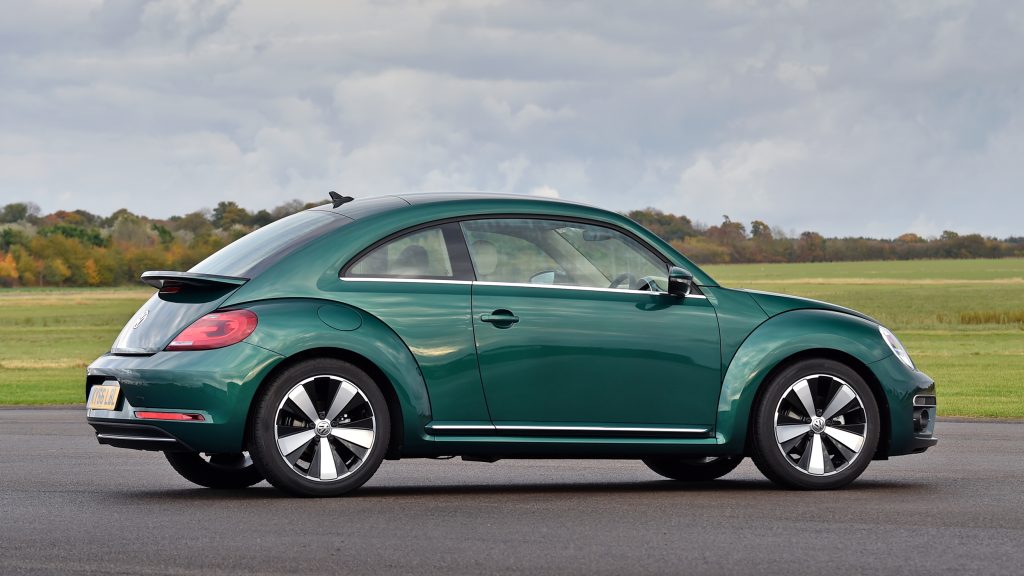
Few automobiles have achieved such a combination of commercial success and emotional connection. The Beetle’s influence remains visible in automotive history, even many years after its peak sales period ended.
Specifications
- Engine: 2.0L Turbocharged Inline-4 (Final modern Beetle reference)
- Torque: 184 lb-ft
- Horsepower: 174 hp
- Length/Width: 168.4 in / 71.2 in
5. Honda Civic
When Honda introduced the Civic in 1972, few could have predicted that it would become one of the most successful passenger cars ever produced.
Arriving during a period of rising fuel prices and growing interest in efficient transportation, the Civic quickly gained attention for offering impressive economy without feeling stripped down or compromised.
What distinguished the Civic from many rivals was its ability to combine practicality with refinement. Buyers found a vehicle that was economical to operate yet comfortable enough for daily commuting and family duties.
Honda’s engineering focus helped create a reputation for reliability that became one of the model’s strongest selling points.
The Civic also demonstrated remarkable adaptability. Across multiple generations, it has been offered as a sedan, hatchback, wagon, coupe, and even performance-oriented variants. This flexibility allowed Honda to appeal to a wide variety of customers while keeping the Civic name relevant in changing market conditions.
Enthusiasts played an important role in the car’s success as well. Performance versions such as the Si and Type R earned loyal followings, giving the Civic credibility beyond the economy-car segment. Few vehicles have managed to attract budget-conscious commuters and driving enthusiasts simultaneously.
Global expansion further strengthened the Civic’s position. Strong sales in North America, Asia, Europe, and other regions helped transform it into one of Honda’s most important products.
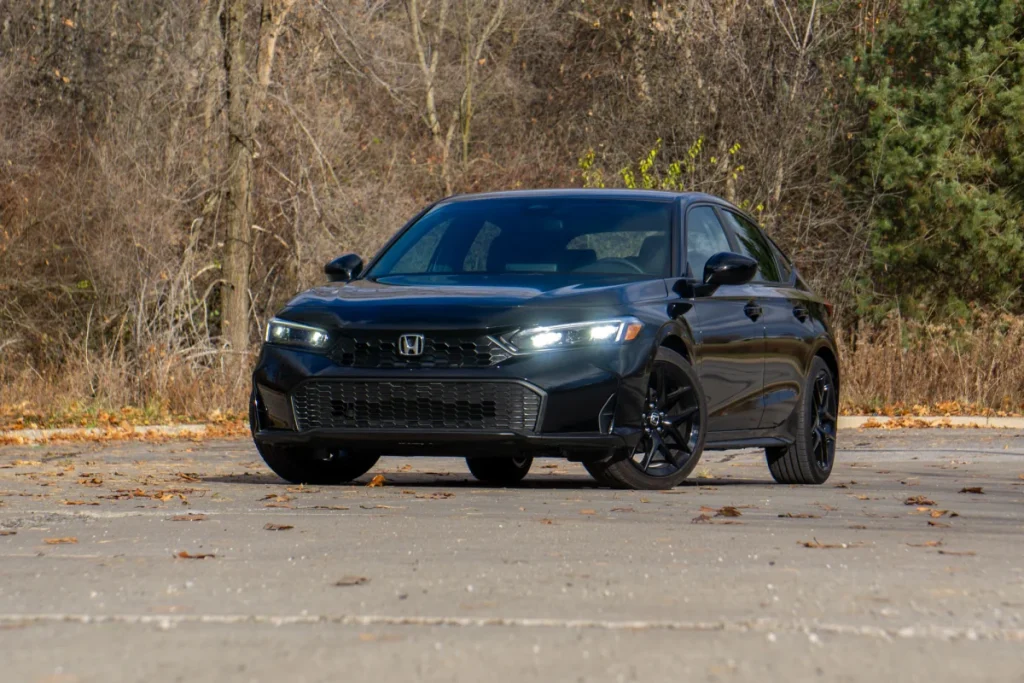
Continuous investments in safety technology, fuel efficiency, and powertrain development ensured the model remained competitive through decades of industry change.
With cumulative sales exceeding 27 million units, the Civic ranks among the best-selling cars ever built. Its enduring popularity reflects a carefully balanced combination of affordability, reliability, efficiency, and driving enjoyment that has sustained its success around the world.
Specifications
- Engine: 2.0L Inline-4 (Current Civic reference)
- Torque: 133 lb-ft
- Horsepower: 150 hp
- Length/Width: 184.0 in / 70.9 in
6. Ford Escort
The Ford Escort occupies a unique position in automotive history because its success spanned multiple continents and generations.
First introduced in Europe in 1968 and later adapted for North American markets, the Escort became one of Ford’s most important compact vehicles during a period when consumer demand was shifting toward smaller, more efficient automobiles.
The Escort built a truly international reputation rather than finding success in only one region. European buyers appreciated its practicality, responsive handling, and affordability.
Meanwhile, North American consumers embraced it as an economical alternative during times when fuel efficiency became an increasingly important purchasing consideration.
The Escort’s popularity was strengthened by its broad range of configurations. Customers could choose from sedans, hatchbacks, wagons, and sporty performance versions. This variety allowed the model to appeal to students, families, commuters, and enthusiasts alike.
Motorsport involvement also helped upgrade the Escort’s profile. Performance-oriented variants achieved notable success in rally competition, showcasing capabilities that went far beyond everyday transportation.
These achievements enhanced the model’s image and attracted buyers seeking something more engaging than a typical compact car.
Throughout its production life, Ford continually refined the Escort to meet evolving customer expectations. Improvements in safety equipment, comfort features, engine technology, and build quality helped keep the model relevant in highly competitive markets.
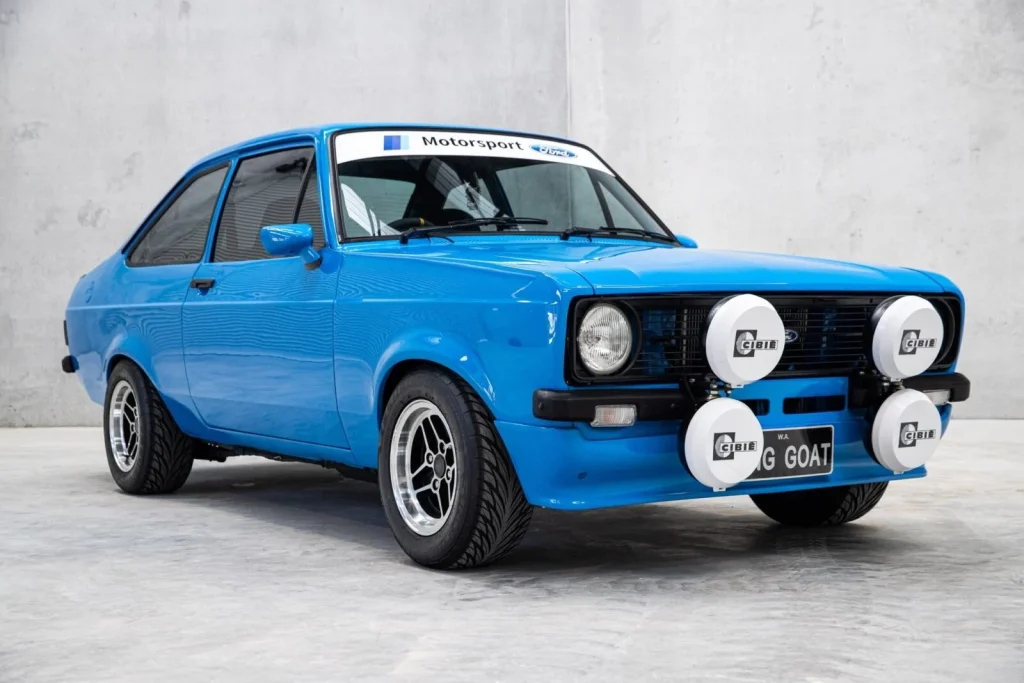
By the time production ended, worldwide sales had surpassed 20 million units. The Escort’s success reflected Ford’s ability to adapt a compact-car formula for diverse markets while maintaining the affordability and practicality that buyers valued most.
Although newer models eventually replaced it, the Escort remains one of the most commercially successful compact cars ever produced and an important chapter in Ford’s global history.
Specifications
- Engine: 1.8L Inline-4 Zetec (Late-generation reference)
- Torque: 119 lb-ft
- Horsepower: 127 hp
- Length/Width: 174.7 in / 67.0 in
7. Honda Accord
Few midsize sedans have maintained relevance for as long as the Honda Accord. Introduced in 1976, the Accord arrived at a time when consumers were becoming increasingly interested in fuel-efficient, well-built vehicles.
Honda recognized that buyers wanted more than basic transportation. They wanted comfort, reliability, and refinement without the high costs associated with luxury brands.
The Accord quickly developed a reputation for delivering exactly that. Early models impressed customers with their efficient engines and solid construction, but Honda continually expanded the car’s capabilities as market expectations evolved.
Over time, the Accord grew larger, more powerful, and more technologically advanced while retaining the qualities that made it popular in the first place.
One of the model’s greatest strengths has been its consistency. Buyers have long viewed the Accord as a dependable choice that balances comfort, performance, efficiency, and resale value. This broad appeal allowed it to attract a diverse customer base ranging from young professionals to families seeking reliable daily transportation.
Honda also invested heavily in engineering improvements throughout the Accord’s lifespan. Innovations in engine technology, safety systems, ride quality, and interior design helped the vehicle remain competitive against an expanding field of rivals.
The company rarely chased trends for their own sake, instead focusing on meaningful upgrades that enhanced owner satisfaction.
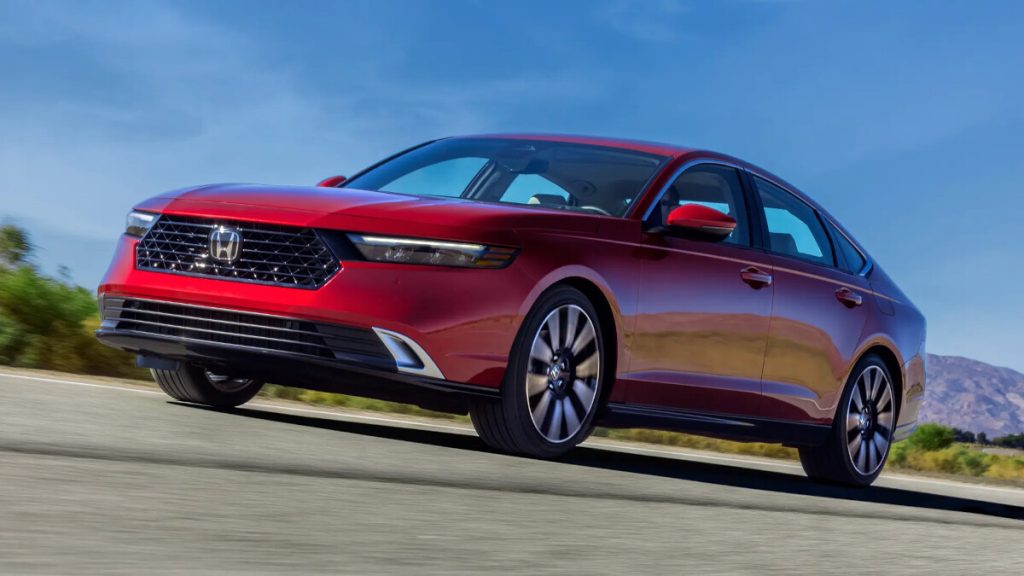
The Accord became particularly successful in North America, where it frequently ranked among the region’s best-selling passenger cars. Strong demand in other international markets further contributed to its impressive production totals.
With cumulative sales exceeding 20 million units worldwide, the Accord has secured its place among the most successful cars ever produced. Its history demonstrates the value of continuous improvement and a deep understanding of what everyday drivers truly need from their vehicles.
Specifications
- Engine: 1.5L Turbocharged Inline-4
- Torque: 192 lb-ft
- Horsepower: 192 hp
- Length/Width: 195.7 in / 73.3 in
8. Toyota Camry
Not every automotive icon relies on dramatic styling or groundbreaking performance. The Toyota Camry built its reputation through dependability, comfort, and a remarkable ability to meet the needs of mainstream buyers year after year.
Since its introduction in the early 1980s, the Camry has become one of the most trusted names in the automotive world.
The vehicle’s rise coincided with growing demand for midsize sedans that offered more space and refinement than compact cars while remaining affordable to own and operate. Toyota responded with a formula that emphasized quality, efficiency, and practicality. Buyers quickly embraced the approach.
What makes the Camry’s success particularly impressive is the consistency of its market performance. Economic downturns, changing fuel prices, and shifting consumer preferences affected the broader industry, yet the Camry remained a strong seller through multiple decades.
Its reputation for long-term reliability encouraged repeat purchases, helping Toyota maintain a loyal customer base.
Another factor behind its popularity is accessibility. The Camry appeals to a wide range of buyers because it avoids extremes.
It is comfortable without being overly expensive, efficient without sacrificing performance, and technologically advanced without becoming overly complicated. These characteristics have broad appeal across age groups and income levels.
Toyota continuously refined the model through improvements in safety, ride quality, fuel economy, and interior comfort. Hybrid variants also expanded their appeal among environmentally conscious consumers seeking greater efficiency.
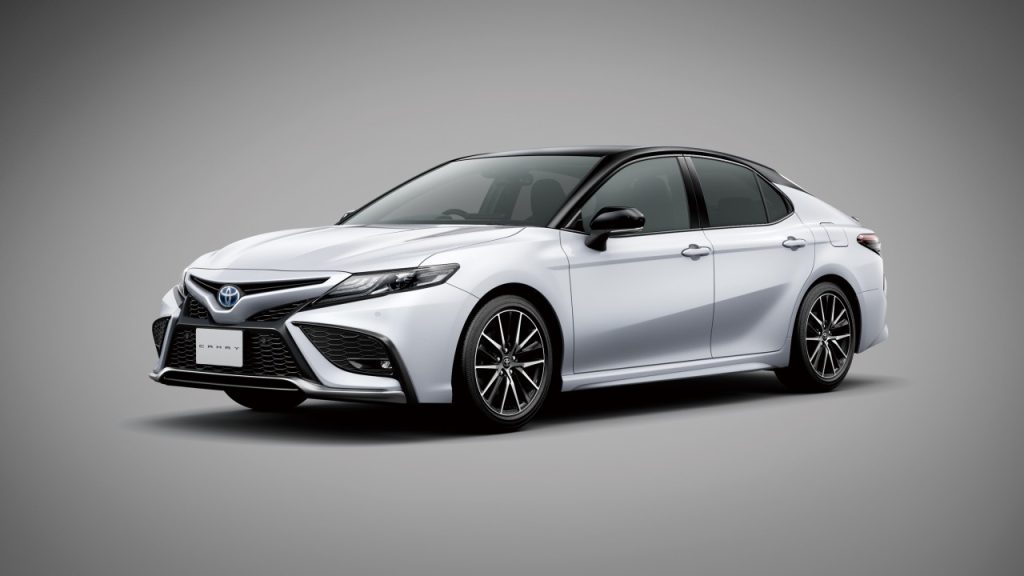
Worldwide sales have surpassed 21 million units, making the Camry one of the most successful passenger cars ever produced. Its enduring popularity serves as evidence that reliability and practicality remain powerful advantages in the global automotive marketplace.
Specifications
- Engine: 2.5L Inline-4
- Torque: 184 lb-ft
- Horsepower: 203 hp
- Length/Width: 193.5 in / 72.4 in
9. Volkswagen Passat
The Volkswagen Passat may not attract the same level of attention as sports cars or luxury flagships, but its commercial success speaks for itself. Since its debut in 1973, the Passat has become one of the world’s best-selling family cars, earning a reputation for practicality, refinement, and versatility across multiple continents.
The Passat built a truly international customer base instead of achieving popularity primarily in a single region.
European buyers appreciated its balanced driving dynamics and efficient packaging, while customers in North America and Asia were drawn to its spacious interior and comfortable ride. This broad appeal helped Volkswagen establish the model as a key part of its global lineup.
The Passat’s longevity can be attributed to its ability to evolve alongside consumer expectations. Early generations focused on affordability and efficiency, but later versions introduced more advanced safety technologies, premium interior materials, and increasingly sophisticated powertrains.
These upgrades allowed the car to compete effectively against newer rivals without abandoning its practical roots.
One of the vehicle’s greatest strengths has always been its adaptability. Throughout its history, the Passat has been offered in sedan, wagon, hatchback, and other body styles depending on market demands. This flexibility expanded its audience and contributed significantly to long-term sales success.
Fleet operators, families, and business users all played a role in the model’s popularity. Buyers often viewed the Passat as a sensible alternative to premium sedans, delivering comfort and quality without the higher ownership costs associated with luxury brands.
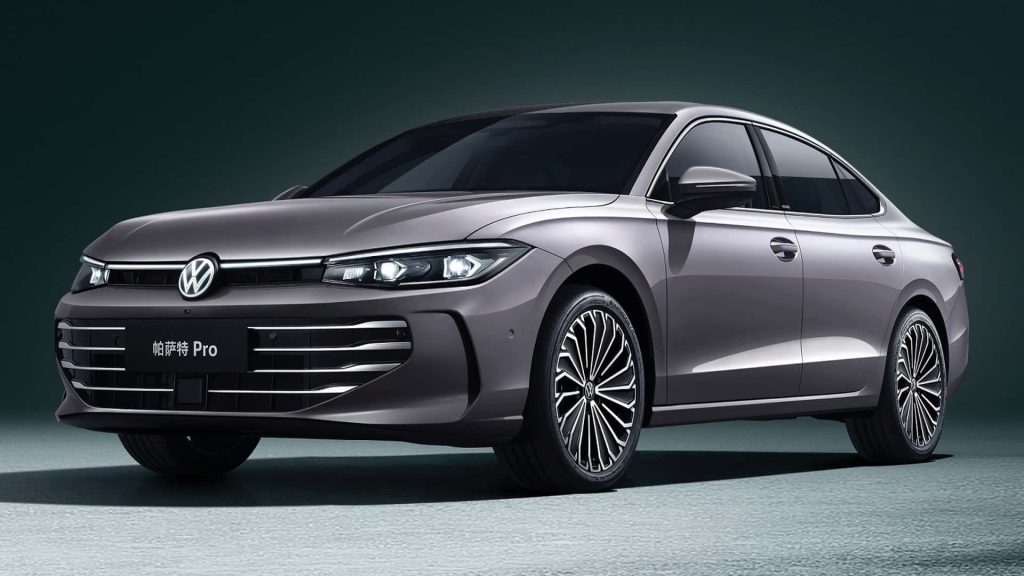
With worldwide sales estimated at more than 30 million units across its various generations, the Passat ranks among the most successful passenger cars ever produced. Its enduring presence demonstrates that practical design, strong engineering, and continuous improvement can create lasting global demand.
Specifications
- Engine: 2.0L Turbocharged Inline-4
- Torque: 207 lb-ft
- Horsepower: 174 hp
- Length/Width: 193.6 in / 72.2 in
Also Read: 10 Cars That Can Go 600 Miles on a Full Tank
