
Italian cars have long occupied a unique place in automotive history. Known for their striking designs, passionate engineering, and performance focused character, vehicles from Italy have influenced drivers and manufacturers around the world for decades.
While American automakers traditionally dominated the domestic market with large sedans, muscle cars, and pickup trucks, several Italian automobiles managed to leave a lasting impression on consumers in the United States. These vehicles did much more than provide transportation.
They introduced new ideas about styling, performance, efficiency, luxury, and driving enjoyment. In many cases, they challenged established norms and encouraged both consumers and competitors to rethink what a car could be.
The relationship between Italian automobiles and the American market has been fascinating. Some Italian models arrived as exotic dream machines that captured the imagination of enthusiasts, while others brought practical innovation and affordability to everyday drivers.
From compact city cars that demonstrated the value of fuel efficiency to high performance supercars that redefined automotive aspirations, Italian manufacturers consistently pushed boundaries. Their influence extended beyond sales figures. American designers, engineers, and automakers often studied these vehicles closely, adopting lessons that would shape future products and market trends.
Throughout the twentieth century and into the modern era, Italian automotive brands built reputations based on creativity and bold decision making. Companies such as Ferrari, Lamborghini, Fiat, Alfa Romeo, and Maserati introduced vehicles that stood apart from conventional offerings.
Their products reflected a combination of engineering expertise and artistic vision that resonated with many American buyers. Even when sales volumes were relatively small, the cultural and industry impact of these cars was often enormous.
The eight vehicles highlighted in this article represent some of the most significant Italian contributions to the American automotive industry. Each one helped change perceptions, influence market trends, or inspire competitors.
Some transformed the luxury performance segment, while others altered attitudes toward compact transportation or exotic sports cars. Together, they demonstrate how Italian innovation has repeatedly shaped the direction of the US automotive market.
Their stories reveal not only the evolution of Italian car making but also the enduring appeal of vehicles that combine style, performance, and personality in ways few others can match.
Also Read: What a 10-Year-Old Tacoma Sells For Today?
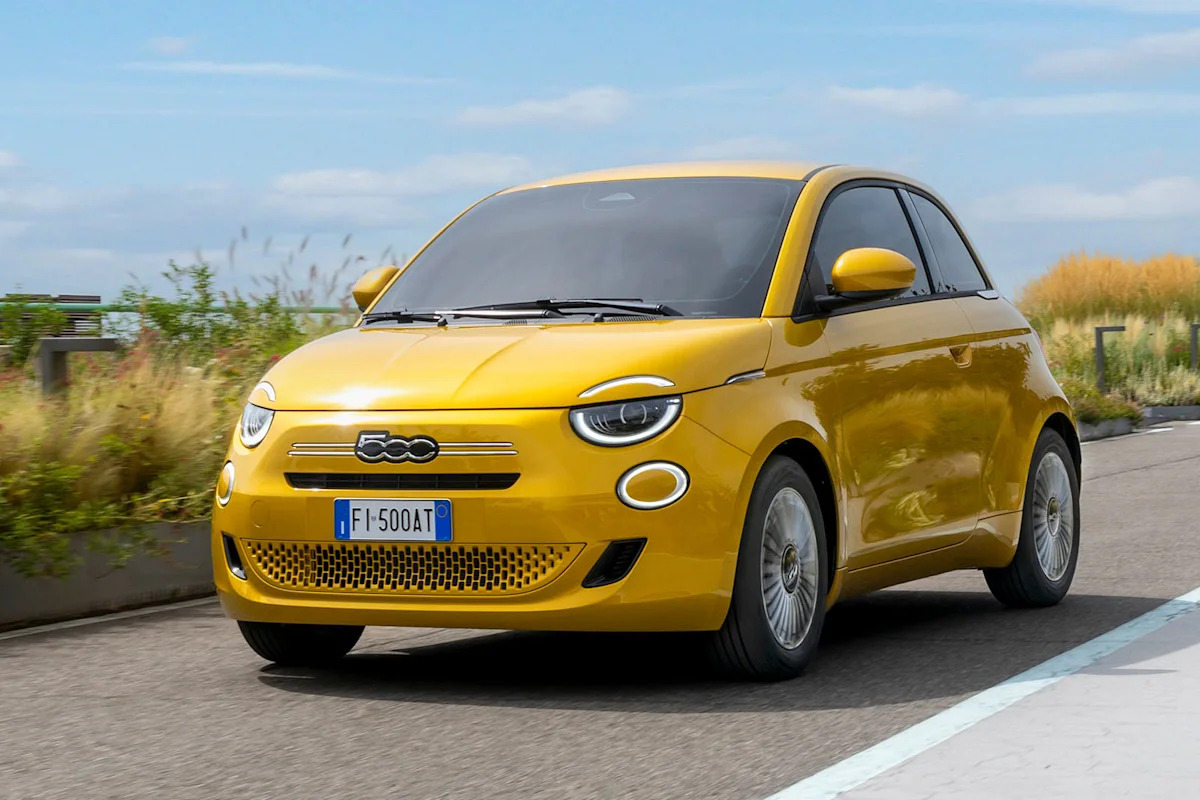
- Engine: 1.4 liter inline 4 cylinder petrol engine
- Horsepower: 101 hp
- Torque: 98 lb ft
- Length: 3546 mm
- Width: 1627 mm
1. Fiat 500
The Fiat 500 became one of the most recognizable small cars in automotive history. Originally introduced in the late 1950s, it was designed to provide affordable transportation for a growing population in postwar Europe.
Although its earliest impact was felt overseas, the vehicle eventually gained significant attention in the United States when Fiat returned to the American market. The compact dimensions and distinctive styling immediately differentiated it from larger domestic vehicles.
At a time when fuel efficiency became increasingly important, the Fiat 500 offered an attractive alternative to traditional American automobiles. Rising fuel prices and growing environmental awareness encouraged many consumers to explore smaller vehicles.
The Fiat 500 arrived with a combination of efficiency, practicality, and personality that appealed to urban drivers and younger buyers seeking something different.
The car’s retro inspired design played a major role in its success. Rather than simply competing on practicality, Fiat created a vehicle with strong emotional appeal. Buyers were drawn to its character, customization options, and European heritage. This approach demonstrated that small cars could be fashionable and desirable rather than merely economical.
American manufacturers observed the popularity of stylish compact vehicles and responded by placing greater emphasis on design and personalization in their own small car offerings. The success of the Fiat 500 helped reinforce the idea that consumers wanted vehicles that reflected their individuality, regardless of size or price category.
Beyond its direct sales impact, the Fiat 500 contributed to a broader shift in attitudes toward compact transportation. It showed that efficiency and charm could coexist, helping reshape perceptions of small cars in the United States and influencing future product development across the industry.
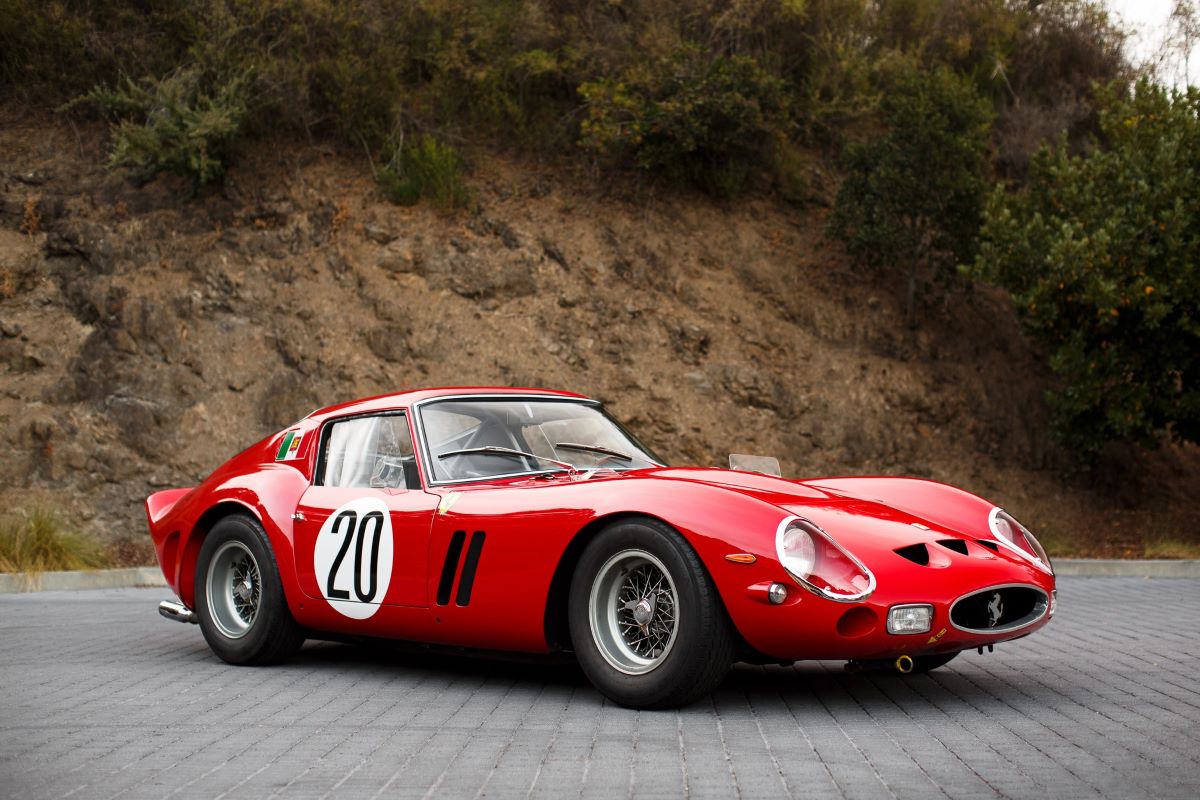
- Engine: 3.0 liter V12
- Horsepower: 300 hp
- Torque: 216 lb ft
- Length: 4330 mm
- Width: 1680 mm
2. Ferrari 250 GTO
Few automobiles have achieved the legendary status of the Ferrari 250 GTO. Introduced in the early 1960s, the car quickly established itself as one of the most desirable performance machines ever built. Although production numbers were extremely limited, its influence on the American market extended far beyond the small group of owners fortunate enough to acquire one.
The Ferrari 250 GTO set a new benchmark for automotive excellence, combining advanced engineering, aerodynamic design, and strong competition success in a way that deeply impressed enthusiasts across the United States. As a result, American buyers increasingly began to see Italian performance cars as serious rivals to established European and domestic sports car makers.
The car’s racing achievements generated widespread publicity and helped build Ferrari’s reputation among American consumers.
Motorsport success became closely linked with brand identity, demonstrating how competition could enhance consumer perception and market appeal. This strategy would later be adopted by many manufacturers seeking to establish credibility in performance segments.
Collectors and enthusiasts embraced the Ferrari 250 GTO as a symbol of exclusivity and engineering brilliance. Its growing value over the decades highlighted the emergence of collectible automobiles as significant investment assets. This trend contributed to the development of a thriving collector car culture in the United States.
The influence of the Ferrari 250 GTO can still be seen today. It elevated expectations regarding performance, craftsmanship, and design while reinforcing the appeal of limited production vehicles. Its legacy continues to inspire manufacturers and enthusiasts alike.
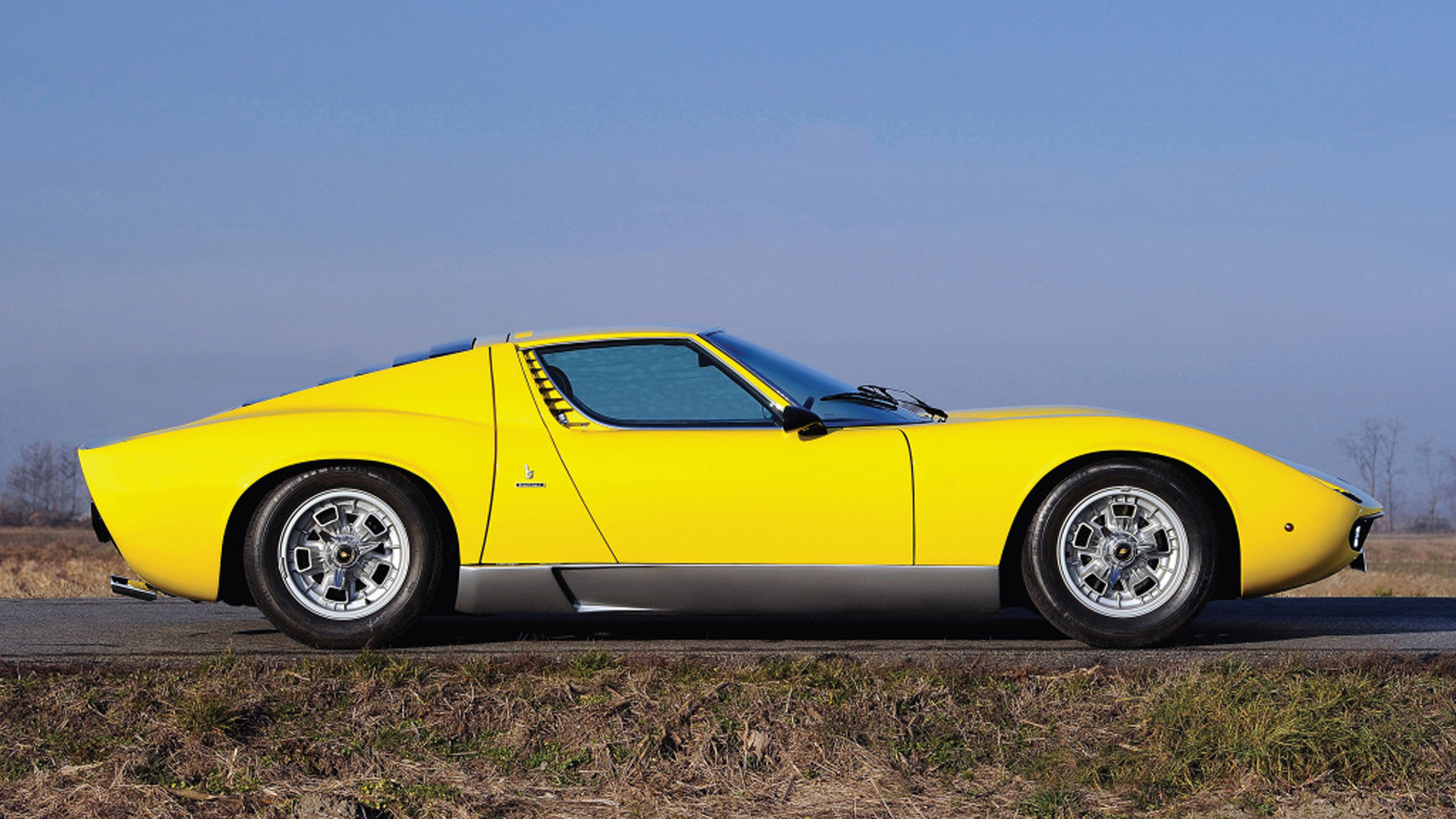
- Engine: 3.9 liter V12
- Horsepower: 385 hp
- Torque: 295 lb ft
- Length: 4370 mm
- Width: 1760 mm
3. Lamborghini Miura
When the Lamborghini Miura debuted in the 1960s, it fundamentally changed the concept of the supercar. Featuring a mid engine layout that was uncommon in road cars at the time, the Miura delivered extraordinary performance and breathtaking styling. American enthusiasts immediately recognized it as something revolutionary.
The Miura challenged conventional automotive design principles. Its engine placement improved handling characteristics and created a dramatic visual profile. The car demonstrated that innovative engineering could produce entirely new driving experiences. This influence extended well beyond Lamborghini and affected sports car development worldwide.
Its appearance generated immense excitement among American consumers. The sleek bodywork, low stance, and aggressive proportions established a new benchmark for exotic automobile styling.
Designers across the industry took notice, and many future performance vehicles incorporated elements inspired by the Miura’s groundbreaking aesthetic.
The Lamborghini Miura also helped create a market for ultra high performance exotic cars in the United States. Wealthy buyers increasingly sought vehicles that offered exclusivity and excitement beyond traditional luxury automobiles. This demand encouraged further expansion of the exotic sports car segment.
Even decades after its introduction, the Miura remains one of the most influential cars ever produced. It transformed public expectations regarding performance, design, and innovation while helping establish the modern supercar formula that continues to dominate enthusiast dreams.
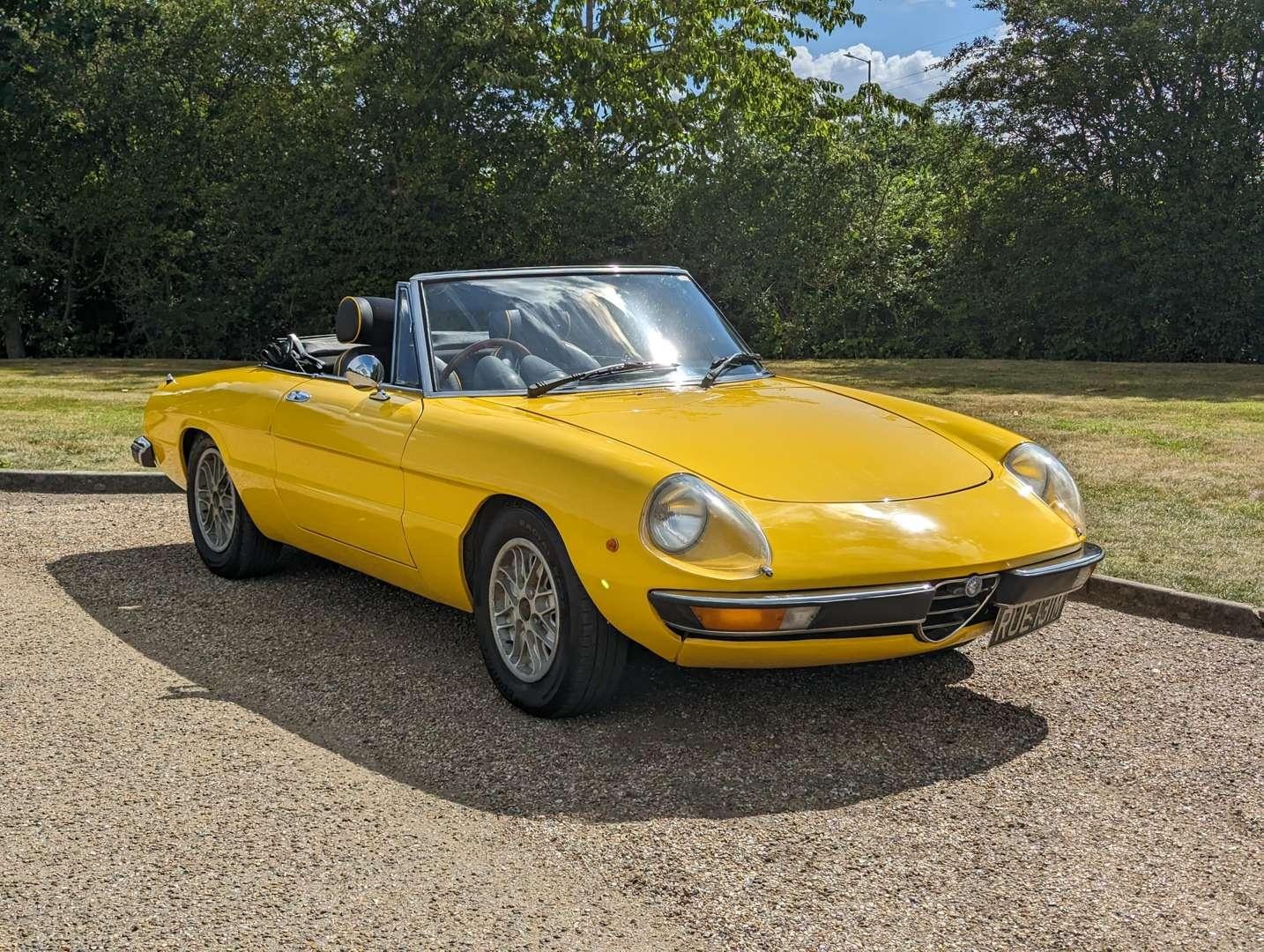
- Engine: 1.6 liter inline 4 cylinder
- Horsepower: 109 hp
- Torque: 97 lb ft
- Length: 4250 mm
- Width: 1620 mm
4. Alfa Romeo Spider
The Alfa Romeo Spider became an icon of open top motoring and played a significant role in introducing Italian automotive culture to American consumers. Its elegant styling and engaging driving dynamics made it one of the most beloved roadsters of its era.
American buyers were drawn to the Spider’s combination of affordability and sophistication. Unlike many exotic Italian cars, it offered access to European sports car excitement without requiring an enormous financial commitment. This accessibility helped broaden the appeal of Italian automobiles across a wider audience.
The vehicle gained additional visibility through appearances in popular culture, where it became associated with freedom, style, and adventure. Such exposure enhanced its appeal and strengthened the connection between Italian cars and aspirational lifestyles.
The Spider demonstrated that driving enjoyment could come from balance and responsiveness rather than sheer power alone. This philosophy influenced enthusiast communities and encouraged greater appreciation for lightweight sports cars with excellent handling characteristics.
Its long production run allowed multiple generations of Americans to experience Italian automotive design firsthand. The Alfa Romeo Spider remains an important example of how a relatively attainable sports car can shape consumer preferences and leave a lasting cultural impact.
Also Read: How Much It Really Costs to Own a Truck for 5 Years
- Engine: 3.0 liter twin turbo V6
- Horsepower: 345 hp
- Torque: 369 lb ft
- Length: 5262 mm
- Width: 1948 mm
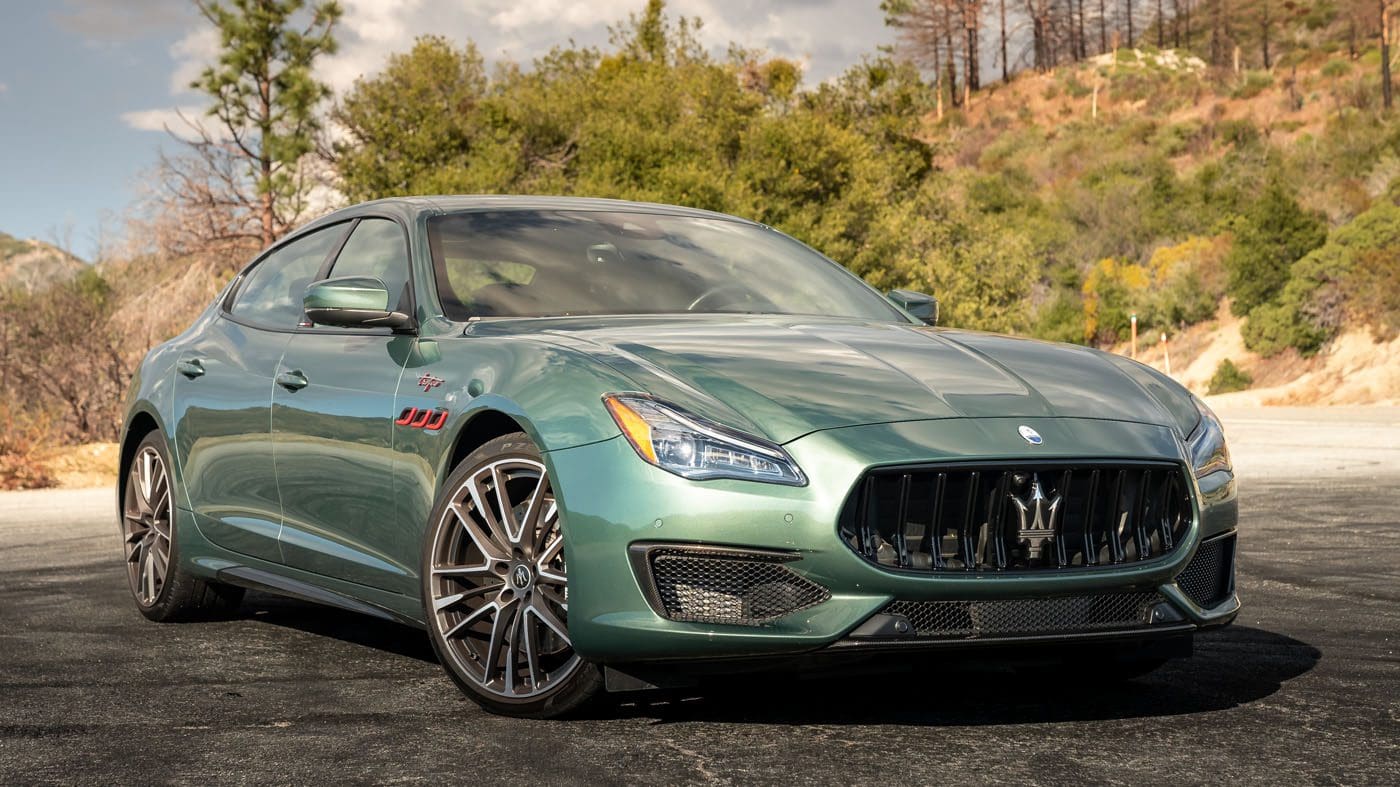
5. Maserati Quattroporte
The Maserati Quattroporte introduced a compelling blend of luxury and performance that challenged established expectations in the premium sedan market. By combining sports car characteristics with executive comfort, it offered a distinctive alternative to traditional luxury vehicles.
American luxury buyers had long been accustomed to large, comfort focused sedans. The Quattroporte demonstrated that a luxury car could also deliver engaging performance and emotional appeal. This combination attracted consumers seeking a more dynamic driving experience without sacrificing refinement.
Its Italian design language helped differentiate it from competitors. Elegant styling and attention to detail created a sense of exclusivity that appealed to buyers looking for something less conventional than mainstream luxury brands.
The success of performance oriented luxury sedans eventually became a major industry trend. Many manufacturers expanded their offerings to include vehicles capable of delivering both comfort and excitement. The Quattroporte was among the pioneers that helped establish this market segment.
Through multiple generations, the model continued to showcase the potential of combining luxury and performance. Its influence contributed to changing consumer expectations and encouraging innovation within the premium sedan category.
- Engine: 4.9 liter flat 12 cylinder
- Horsepower: 380 hp
- Torque: 354 lb ft
- Length: 4485 mm
- Width: 1976 mm
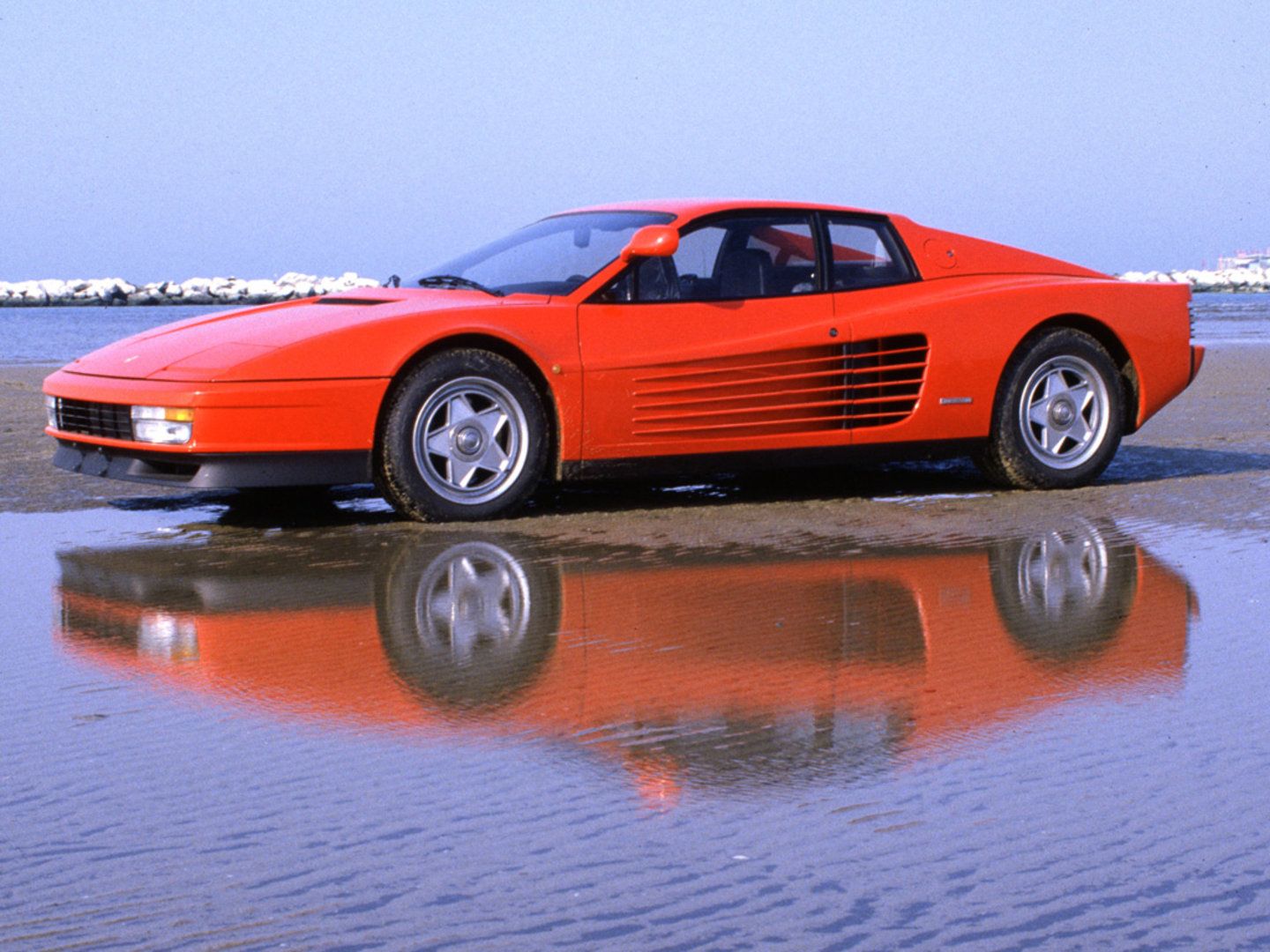
6. Ferrari Testarossa
The Ferrari Testarossa became one of the defining symbols of automotive excess and aspiration during the 1980s. Its dramatic styling and powerful performance captured the imagination of American audiences and elevated Ferrari’s visibility to unprecedented levels.
Distinctive side strakes and a wide rear track made the Testarossa instantly recognizable. The car stood apart from virtually every other vehicle on the road, reinforcing the notion that Italian supercars represented the pinnacle of automotive excitement and individuality.
Its popularity extended beyond traditional automotive circles. Appearances in television and media introduced the car to millions of Americans who may never have considered themselves enthusiasts. This cultural presence strengthened Ferrari’s brand image and expanded its influence.
The Testarossa helped fuel demand for high performance exotic vehicles. As interest in supercars grew, manufacturers across the world sought to develop products capable of competing in this increasingly lucrative segment.
Beyond its commercial significance, the Testarossa demonstrated the power of design in shaping public perception. It became a symbol of success and aspiration, influencing both consumer tastes and automotive marketing strategies.
- Engine: 1.5 liter inline 4 cylinder
- Horsepower: 75 hp
- Torque: 85 lb ft
- Length: 3830 mm
- Width: 1570 mm
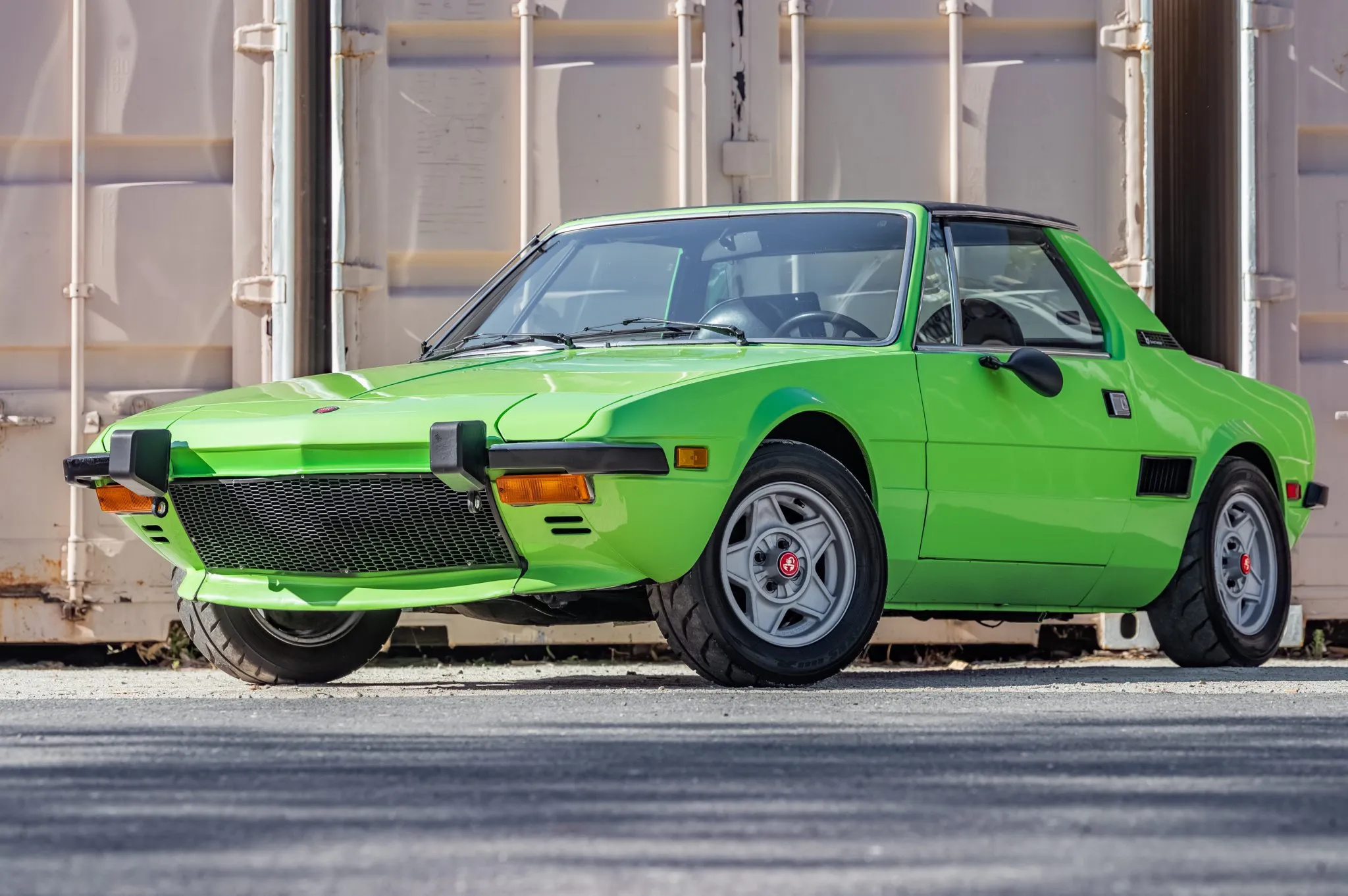
7. Fiat X1/9
The Fiat X1/9 proved that innovative sports car design did not need to be reserved for expensive exotic vehicles. Introduced during the 1970s, it brought advanced engineering concepts to a more accessible price point.
Its mid engine configuration was particularly noteworthy. While this layout was commonly associated with high performance supercars, the X1/9 made the technology available to ordinary enthusiasts. American buyers gained access to handling characteristics typically found in much more expensive automobiles.
The car’s compact size and agile performance appealed to drivers seeking an engaging experience rather than outright speed. It reinforced the idea that driving enjoyment could come from balance, precision, and responsiveness.
Manufacturers recognized growing interest in affordable sports cars with sophisticated engineering. The popularity of vehicles like the X1/9 encouraged continued investment in enthusiast focused models that prioritized handling and driver involvement.
Although often overshadowed by more famous Italian automobiles, the Fiat X1/9 played an important role in democratizing advanced sports car concepts. Its influence can be seen in many affordable performance vehicles that followed.
- Engine: 5.2 liter V12
- Horsepower: 455 hp
- Torque: 369 lb ft
- Length: 4140 mm
- Width: 2000 mm
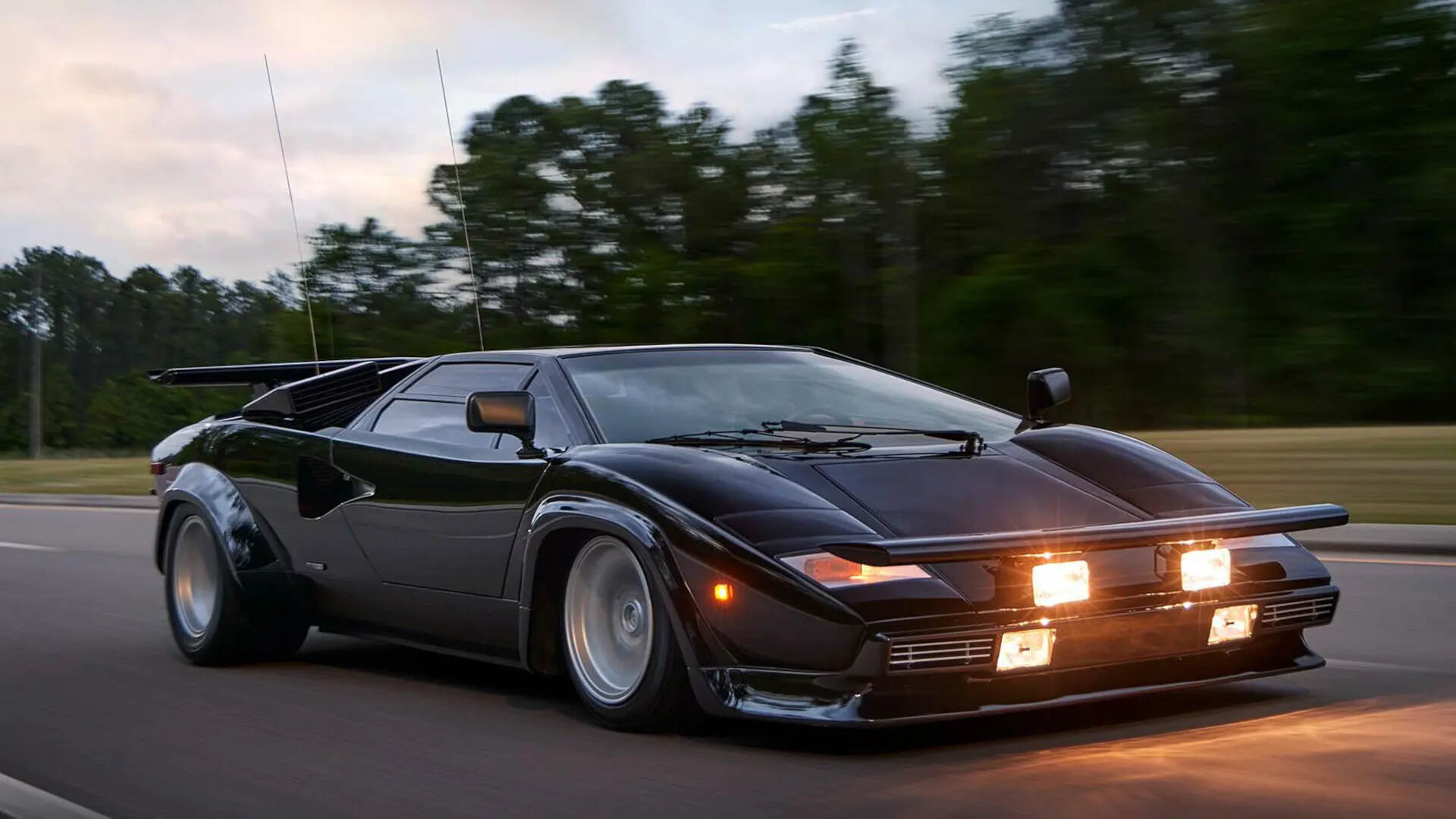
8. Lamborghini Countach
The Lamborghini Countach may be the most visually influential supercar ever created. Introduced in the 1970s and remaining in production for many years, it redefined automotive design and became an enduring symbol of performance and innovation.
The car’s angular styling represented a dramatic departure from traditional automotive aesthetics. Sharp lines, aggressive proportions, and futuristic details created an appearance that seemed decades ahead of its time. American consumers were fascinated by its boldness.
One of the Countach’s most famous features was its upward opening doors. These doors became closely associated with Lamborghini and contributed to the vehicle’s legendary status. The design demonstrated how distinctive features could strengthen brand identity and generate lasting recognition.
The Countach helped establish the image of the supercar as an object of desire. Posters adorned bedroom walls across the United States, inspiring countless enthusiasts and shaping perceptions of automotive excellence for an entire generation.
Its influence extended into design studios worldwide. Elements of the Countach’s styling philosophy appeared in numerous performance vehicles, concept cars, and even mainstream production models. Few automobiles have had such a profound impact on automotive aesthetics.
