
The American automotive market has always been one of the most influential and competitive in the world. For much of the 20th century, it was dominated by large domestic manufacturers such as Ford, General Motors, and Chrysler, which focused heavily on big sedans, muscle cars, and trucks designed for wide roads and long distances.
However, starting in the late 1960s and accelerating through the 1970s and 1980s, Japanese automakers began reshaping the industry in ways that permanently changed consumer expectations in the United States.
Japanese cars entered the US market at a time when fuel efficiency, reliability, and affordability were becoming increasingly important.
The oil crises of the 1970s played a major role in shifting consumer priorities away from large, fuel-hungry vehicles toward smaller, more economical options. Japanese manufacturers such as Toyota, Honda, Nissan, and later luxury divisions like Lexus and Acura seized this opportunity by offering vehicles that were not only fuel efficient but also highly dependable and cost effective to maintain.
What made Japanese cars particularly transformative was their focus on engineering discipline and quality control. Instead of prioritizing size or horsepower alone, these manufacturers emphasized long term reliability, precision manufacturing, and continuous improvement processes such as Kaizen.
Over time, this approach built a reputation that American consumers began to trust deeply, often preferring Japanese vehicles over domestic alternatives in several key segments.
Another major factor was innovation. Japanese automakers introduced compact sedans that were practical for urban environments, efficient engines that delivered excellent mileage, and later groundbreaking hybrid technology that reshaped the global conversation around sustainability. These vehicles were not just alternatives; they became benchmarks for quality and efficiency.
By the 1990s, Japanese brands were no longer outsiders in the US market. They had become leaders in multiple categories, including compact cars, midsize sedans, and even luxury vehicles.
Their influence forced American automakers to improve quality, rethink design strategies, and prioritize reliability in ways they had not done before.
This article explores eight Japanese cars that fundamentally changed the US automotive market. Each of these vehicles introduced innovations, set new standards, or disrupted existing expectations in a way that left a lasting impact on both consumers and manufacturers.
From compact economy cars to luxury sedans and hybrid pioneers, these models tell the story of how Japanese engineering reshaped American driving culture forever.
Also Read: What a 10-Year-Old Tacoma Sells For Today?
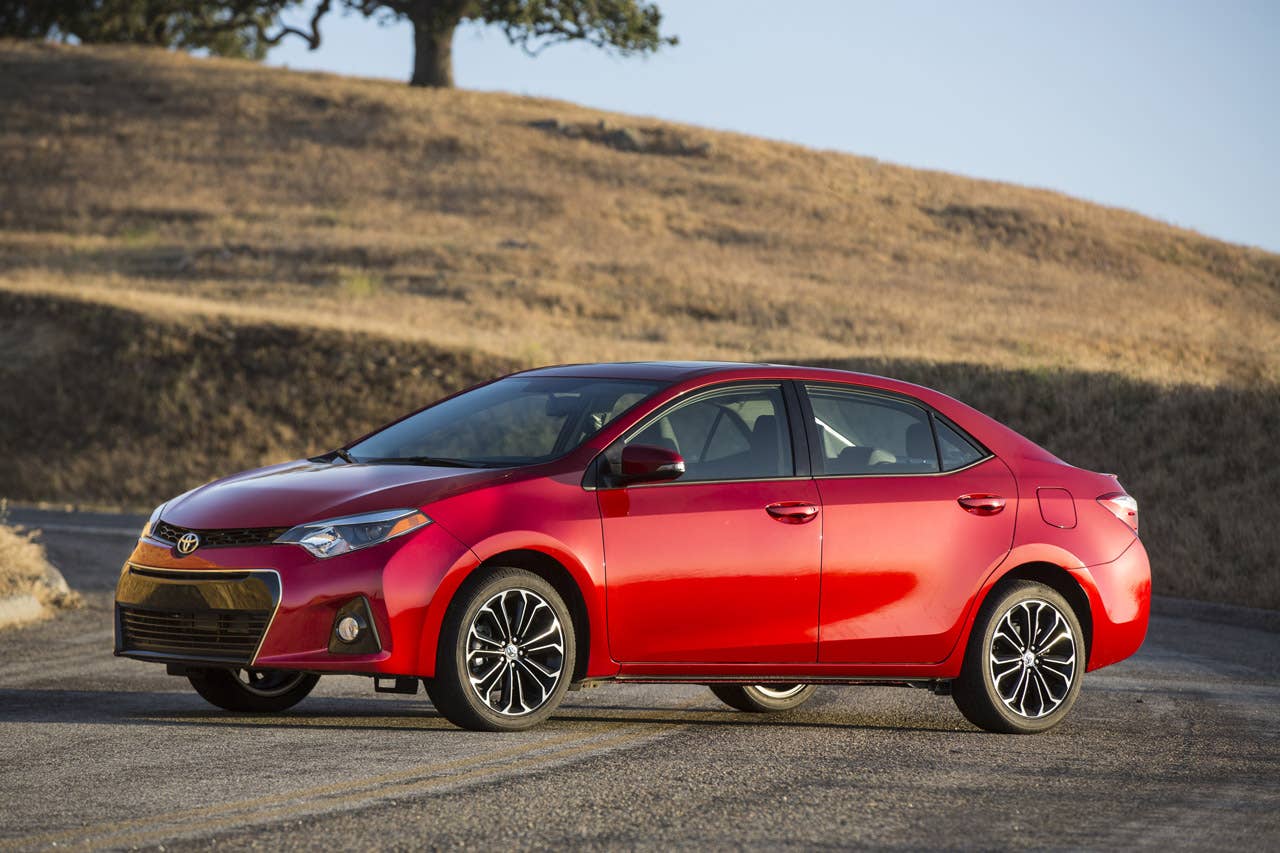
- Engine: 1.8L inline 4 cylinder (typical modern base engine)
- Horsepower: 139 hp
- Torque: 126 lb-ft
- Length: 182.3 inches
- Width: 70.1 inches
1. Toyota Corolla
The Toyota Corolla stands as one of the most influential cars in automotive history, particularly in the United States where it helped redefine what consumers expected from an entry level vehicle.
Introduced in the late 1960s, the Corolla quickly gained attention for its simplicity, durability, and affordability at a time when many American cars were significantly larger and less fuel efficient. It became a symbol of practical transportation rather than luxury or performance, which resonated strongly during periods of economic uncertainty.
One of the key reasons the Corolla changed the US market was its unmatched reputation for reliability. Owners discovered that these vehicles could last for hundreds of thousands of miles with minimal mechanical issues.
This durability was not just a marketing claim but a lived experience for millions of drivers. As word spread, the Corolla became a trusted choice for families, students, and commuters who needed a dependable car without high maintenance costs.
Another important factor was its fuel efficiency. During the 1970s oil crisis, American drivers were suddenly confronted with rising fuel prices and shortages. The Corolla offered a practical solution with small, efficient engines that significantly reduced fuel consumption compared to larger domestic vehicles. This made it especially attractive in urban areas where commuting costs mattered greatly.
The Corolla also influenced design philosophy across the industry. Its compact size made it easier to maneuver and park in crowded cities, a feature that was less emphasized in American vehicles at the time. Over successive generations, Toyota refined the Corolla with incremental improvements, focusing on consistency rather than radical redesigns. This steady evolution helped build long term consumer confidence.
Finally, the Corolla played a major role in establishing Japanese automakers as serious competitors in the US market. It demonstrated that smaller cars could be both practical and high quality, challenging the perception that bigger automatically meant better.
Today, the Corolla remains one of the best selling cars globally, and its legacy in the United States continues to influence compact car design and consumer expectations.
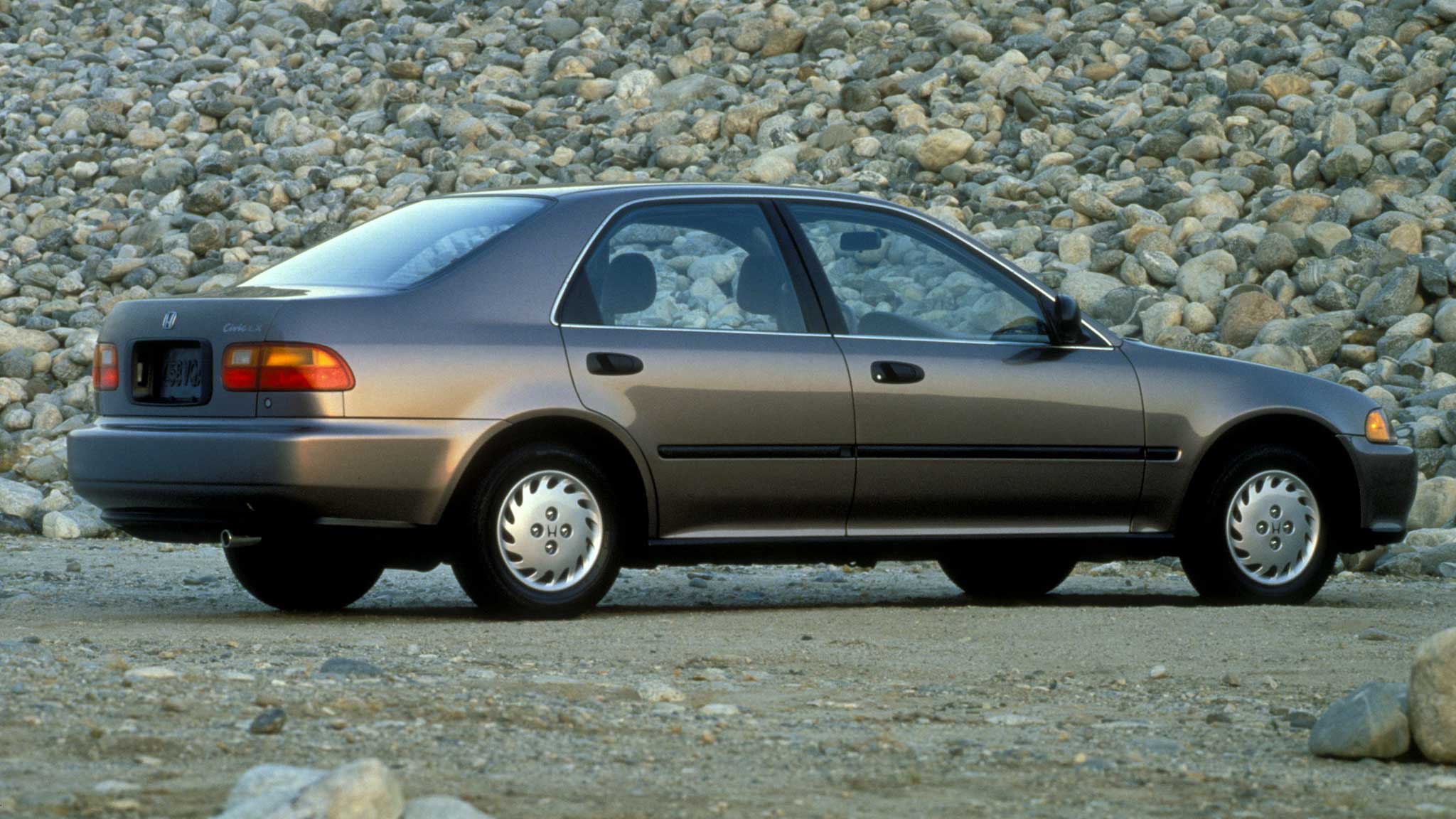
- Engine: 2.0L inline 4 cylinder
- Horsepower: 158 hp
- Torque: 138 lb-ft
- Length: 184.0 inches
- Width: 70.9 inches
2. Honda Civic
The Honda Civic is another landmark vehicle that significantly transformed the American automotive idustry. First introduced in the early 1970s, it arrived during a period of economic instability and fuel crises, offering an efficient and affordable alternative to larger domestic cars.
What made the Civic especially impactful was its ability to combine practicality, efficiency, and later even performance in a way that appealed to a broad range of drivers.
From the beginning, the Civic was designed with fuel efficiency in mind. Its lightweight construction and small displacement engine allowed it to achieve impressive mileage figures, which quickly made it popular among American consumers dealing with rising fuel prices.
Unlike many competitors at the time, it did not feel underdeveloped or compromised, but instead carefully engineered for everyday usability.
Another major contribution of the Civic was its adaptability. Over the decades, it evolved from a basic economy car into a versatile platform that included hatchbacks, sedans, coupes, and high performance variants like the Civic Si and Type R. This flexibility allowed Honda to reach multiple segments of the market while maintaining a consistent identity centered around reliability and efficiency.
The Civic also played a crucial role in shaping perceptions of Japanese build quality in the United States. Early models were praised for their durability and low maintenance requirements, helping to establish Honda as a brand associated with engineering excellence. This reputation grew stronger over time, influencing buyer behavior across generations.
In addition, the Civic became a cultural icon in the US, especially among younger drivers. Its affordability made it accessible, while its tuning potential made it popular in car enthusiast communities. This dual identity as both a practical commuter car and a performance platform further strengthened its position in the market.
The Honda Civic did more than succeed as a product. It helped redefine expectations for compact cars in America, proving that efficiency and enjoyment could coexist. Its legacy continues today as one of the most recognizable and influential vehicles in the world.
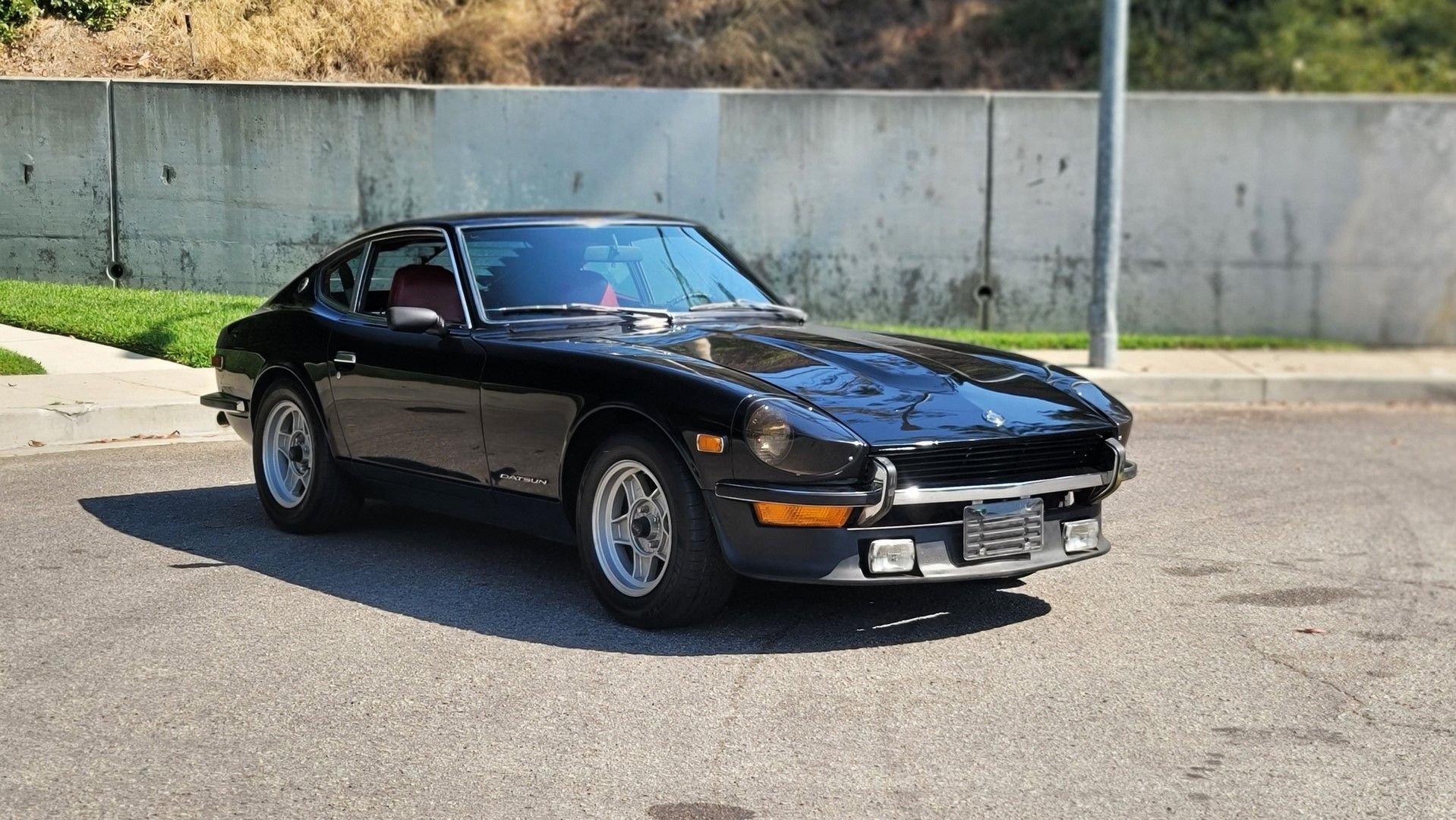
- Engine: 2.4L inline 6 cylinder
- Horsepower: 151 hp
- Torque: 146 lb-ft
- Length: 162.8 inches
- Width: 64.1 inches
3. Datsun 240Z
The Datsun 240Z arrived in the United States in 1970 at a time when the sports car segment was largely dominated by expensive European models and increasingly outdated American performance cars.
What made the 240Z so disruptive was its ability to deliver genuine sports car performance, stylish design, and mechanical reliability at a price point that was significantly lower than its competitors.
This combination immediately positioned it as a breakthrough product that expanded access to performance driving for a much wider audience than ever before. For many American buyers, it represented their first opportunity to own a car that felt both exciting and attainable, which fundamentally reshaped expectations in the sports car market.
One of the most important aspects of the 240Z’s success was its balance between performance and usability. Powered by a smooth inline six engine, it offered strong acceleration and respectable top speeds for its era, but it was also far more dependable than many European sports cars of the time.
Owners did not have to worry about constant mechanical failures or expensive maintenance, which had long been accepted as part of sports car ownership. This reliability factor alone made the 240Z stand out and helped establish Japanese performance engineering as a legitimate force in the global automotive industry.
The design of the 240Z also played a major role in its impact on the US market. With its long hood, fastback silhouette, and clean proportions, it offered a visually striking alternative to the boxier designs common in American cars of the late 1960s.
The styling felt modern and international, appealing to younger buyers who wanted something more expressive than traditional domestic models. This design philosophy influenced not only consumer preferences but also pushed competitors to rethink how sports cars should look and feel.
Beyond aesthetics and performance, the 240Z was also a turning point for the perception of Japanese automakers in America. Prior to its arrival, Japanese vehicles were often viewed primarily as economical but uninspiring transportation.
The 240Z shattered that stereotype by proving that Japan could produce vehicles with emotional appeal and driving excitement. This shift in perception opened the door for future performance-oriented Japanese models and helped establish Nissan as a serious global competitor.
The long-term legacy of the Datsun 240Z can still be seen today in the continued popularity of Japanese sports cars in the United States. It laid the foundation for future models such as the Nissan Z series and influenced the development of the entire affordable performance segment.
More importantly, it demonstrated that innovation, smart engineering, and value could successfully challenge even the most established automotive traditions.
- Engine: 2.5L inline 4 cylinder
- Horsepower: 203 hp
- Torque: 184 lb-ft
- Length: 192.1 inches
- Width: 72.4 inches
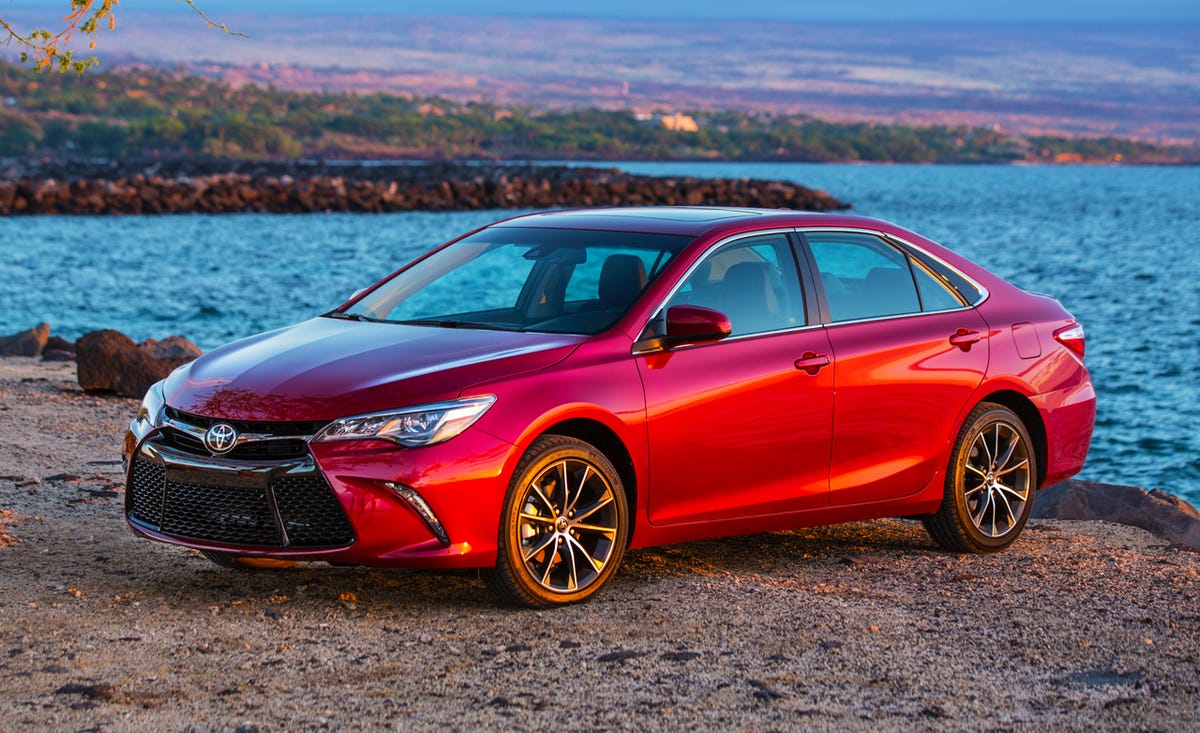
4. Toyota Camry
The Toyota Camry became one of the most important vehicles in the American midsize sedan segment, redefining what families expected from a practical, everyday car. Introduced in the early 1980s, the Camry arrived at a time when US consumers were seeking vehicles that combined comfort, fuel efficiency, and long-term reliability.
Toyota capitalized on this demand by producing a sedan that prioritized dependability above all else, while still offering a smooth and comfortable driving experience suitable for both city commuting and long-distance travel.
One of the most significant contributions of the Camry to the US market was its reputation for near bulletproof reliability. Owners consistently reported extremely low maintenance costs and long vehicle lifespans, often exceeding expectations by hundreds of thousands of miles.
This reliability transformed the Camry into a benchmark for family sedans, forcing competitors to reconsider their own quality standards. Over time, it became a default choice for buyers who valued practicality and peace of mind over performance or luxury branding.
Another key factor in the Camry’s success was its refinement in ride quality and comfort. Toyota engineers focused heavily on creating a smooth driving experience with minimal cabin noise and vibration.
This attention to comfort helped the Camry appeal not only to families but also to professionals who needed a dependable daily driver. As the model evolved through multiple generations, it gradually introduced more advanced features, improved interior materials, and enhanced safety systems, further strengthening its position in the market.
The Camry also played a major role in shifting the competitive industry of midsize sedans in the United States. Domestic manufacturers were forced to respond by improving their own vehicles, leading to an increase in quality across the segment.
This competitive pressure elevated consumer expectations and made reliability and efficiency standard requirements rather than optional advantages.
Over time, the Camry became one of the best selling passenger cars in the United States, a position it held for many years. Its success is not just a reflection of strong sales but of a deeper transformation in consumer behavior. Buyers increasingly prioritized long-term value, fuel efficiency, and low ownership costs, all qualities that the Camry consistently delivered.
Also Read: How Much It Really Costs to Own a Truck for 5 Years
- Engine: 1.5L turbocharged inline 4 cylinder
- Horsepower: 192 hp
- Torque: 192 lb-ft
- Length: 195.7 inches
- Width: 73.3 inches
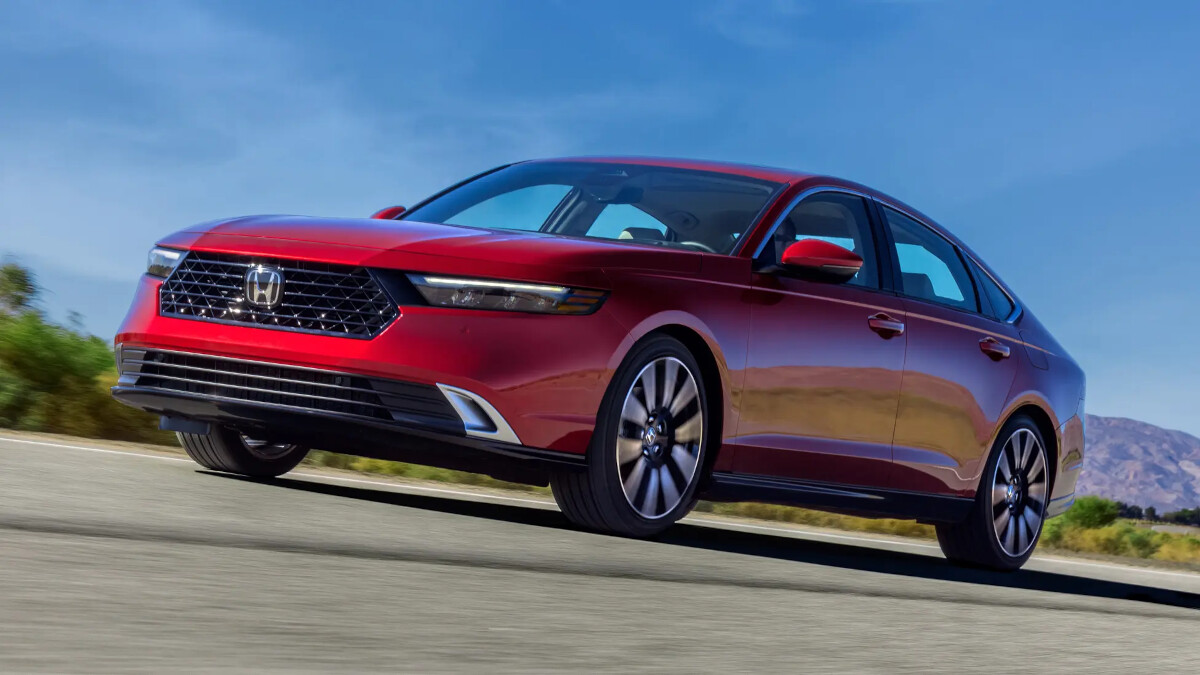
5. Honda Accord
The Honda Accord is widely regarded as one of the most influential Japanese cars ever introduced to the American market, playing a central role in reshaping the midsize sedan segment.
When it first arrived in the United States in the mid-1970s, the Accord was a compact hatchback, but it quickly evolved into a larger, more refined sedan that directly competed with domestic offerings.
Its rise in popularity was driven by a combination of efficiency, reliability, and thoughtful engineering that aligned closely with the needs of American consumers during periods of economic uncertainty and changing fuel prices.
One of the defining strengths of the Accord was its ability to deliver a balanced driving experience. Unlike many competitors that focused heavily on either performance or comfort, the Accord consistently aimed to blend both elements into a cohesive package.
Its engines were efficient yet responsive, its suspension was tuned for comfort without feeling overly soft, and its interior layout emphasized practicality and ease of use. This balance made it appealing to a wide demographic, from families to commuters to first-time car buyers.
The Accord also played a crucial role in establishing Honda’s reputation for long-term durability in the United States. Owners frequently reported high mileage longevity with minimal mechanical issues, which contributed to strong resale values and brand loyalty.
This reliability helped shift consumer perception away from domestic midsize sedans, which at the time were often criticized for inconsistent build quality and higher maintenance costs.
Another important aspect of the Accord’s influence was its continuous innovation across generations. Honda regularly introduced improvements in safety features, fuel efficiency, interior design, and driving dynamics.
These incremental upgrades ensured that the Accord remained competitive even as the automotive market evolved. It also set new expectations for what a midsize sedan could offer in terms of technology and refinement.
The Honda Accord became more than just a successful model; it became a standard by which other midsize sedans were judged. Its impact on the US market is still visible today, as many of its design philosophies and engineering principles continue to influence modern family cars.
- Engine: 3.2L V6
- Horsepower: 200 hp
- Torque: 210 lb-ft
- Length: 191.0 inches
- Width: 70.0 inches
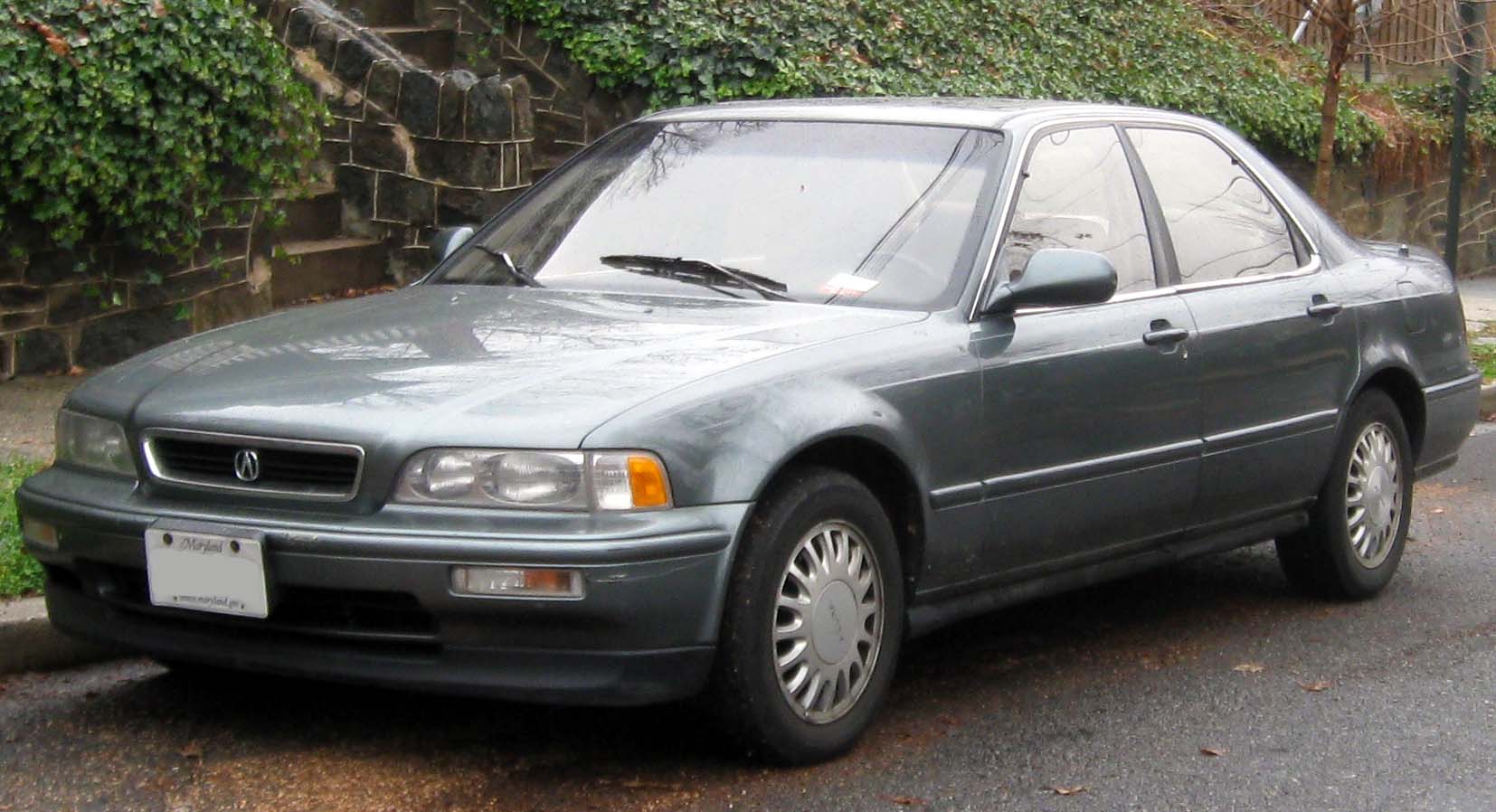
6. Acura Legend
The Acura Legend played a major role in redefining the entry level luxury sedan segment in the United States when it was introduced in the mid 1980s. At that time, the American luxury market was dominated by domestic brands and established European manufacturers such as BMW and Mercedes Benz.
However, the Legend arrived with a different philosophy, focusing on precision engineering, refinement, and reliability rather than tradition or brand heritage. This approach immediately set it apart and helped establish Acura as Honda’s premium division with serious credibility in the luxury space.
One of the most important contributions of the Legend was its ability to combine luxury features with everyday reliability. Unlike many European luxury cars of the era, which often required expensive maintenance and frequent repairs, the Legend offered a much more dependable ownership experience.
This reliability reshaped consumer expectations in the luxury segment, proving that premium vehicles did not need to sacrifice durability or affordability of maintenance. As a result, many buyers who were hesitant about luxury ownership began considering Japanese alternatives more seriously.
The design and engineering of the Legend also reflected a strong focus on driver comfort and performance balance. It featured a smooth V6 engine, refined suspension tuning, and a well insulated cabin that delivered a quiet and comfortable ride.
At the same time, it maintained responsive handling characteristics that made it enjoyable to drive, especially compared to larger, less agile American luxury sedans of the period. This combination of comfort and performance helped it appeal to professionals seeking both prestige and practicality.
Another significant impact of the Legend was its role in elevating the perception of Japanese automakers in the premium market. Prior to its introduction, Japanese brands were primarily associated with economy and reliability.
The Legend challenged that perception by demonstrating that Japanese engineering could compete directly with established luxury brands in terms of quality, design, and sophistication. This shift paved the way for future luxury Japanese models and strengthened Acura’s position in the United States.
The Acura Legend helped lay the foundation for a new segment of reliable luxury vehicles. Its influence can still be seen today in the expectations consumers have for entry level luxury sedans, where dependability and refinement are now considered equally important.
- Engine: 4.0L V8
- Horsepower: 250 hp
- Torque: 260 lb-ft
- Length: 196.7 inches
- Width: 71.3 inches
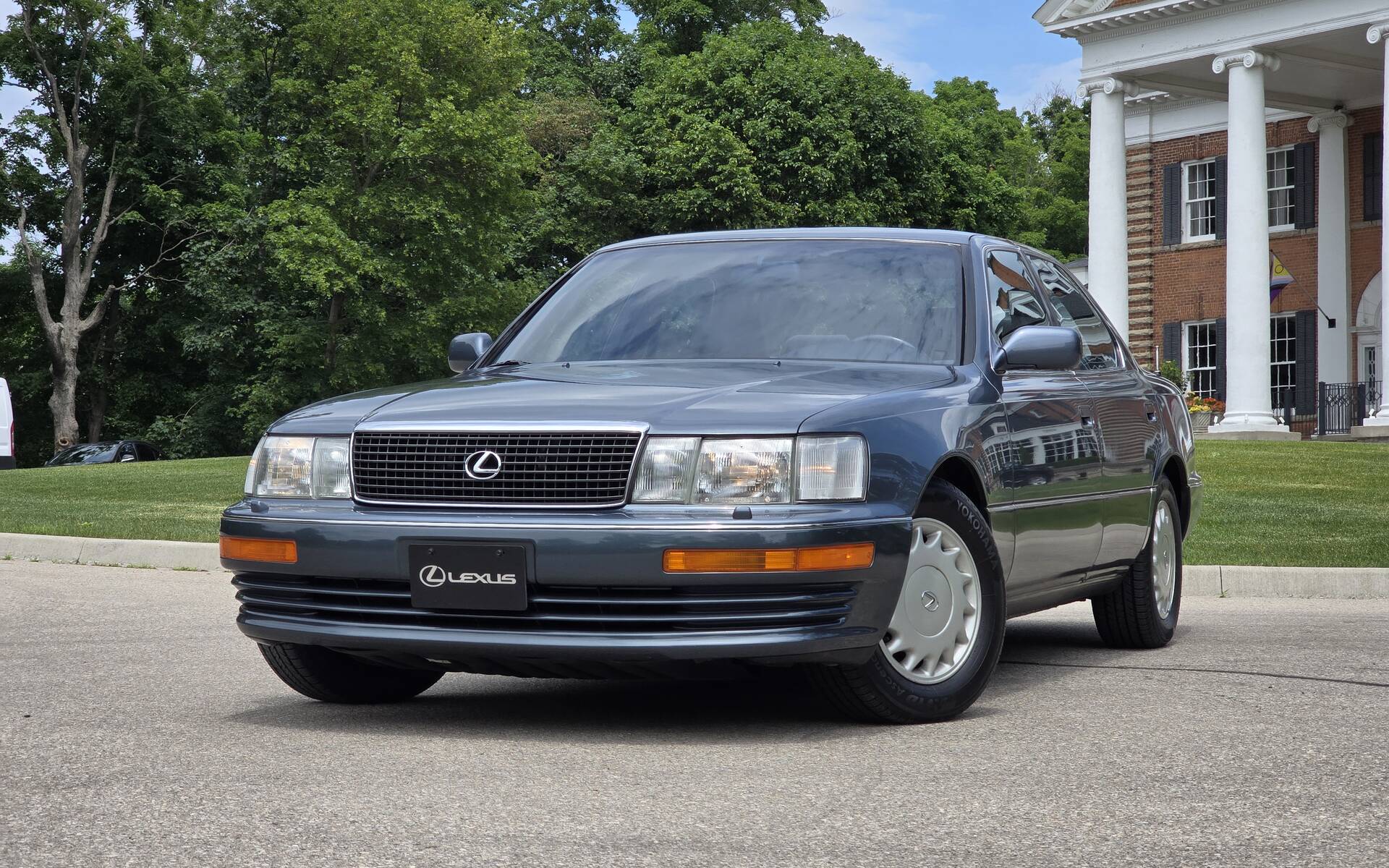
7. Lexus LS 400
The Lexus LS 400 marked a turning point in the global luxury automotive market when it debuted in 1989, especially in the United States where it directly challenged long established European luxury brands.
Developed by Toyota under the newly created Lexus brand, the LS 400 was designed with a singular goal: to build the highest quality luxury sedan in the world. This ambitious objective led to one of the most meticulously engineered vehicles of its time, setting new standards for refinement, reliability, and craftsmanship.
One of the most remarkable aspects of the LS 400 was its extraordinary build quality. Engineers spent years refining every detail, from engine smoothness to cabin insulation, in order to eliminate vibration, noise, and mechanical imperfections.
The result was a vehicle that felt exceptionally smooth and quiet, even at high speeds. This level of refinement immediately impressed American consumers and automotive critics, many of whom compared it favorably to far more expensive European competitors.
Reliability was another defining strength of the LS 400. At a time when luxury vehicles were often associated with high maintenance costs and mechanical issues, the LS 400 delivered an entirely different ownership experience.
It was engineered to last for hundreds of thousands of miles with minimal problems, which fundamentally changed expectations in the luxury segment. Buyers who previously accepted frequent repairs as part of luxury ownership began demanding the same level of dependability from other brands.
The LS 400 also influenced the perception of Japanese automakers in the premium market. It demonstrated that Japanese engineering was not only competitive but capable of surpassing traditional luxury leaders in several key areas.
This shifted the global automotive hierarchy and forced established brands to improve their quality control, technology, and customer satisfaction strategies in response to Lexus’s rapid rise.
In the long term, the LS 400 became the foundation of Lexus’s reputation as a luxury brand defined by quiet excellence and long term reliability. Its success reshaped the American luxury sedan market and continues to influence how premium vehicles are designed and evaluated today.
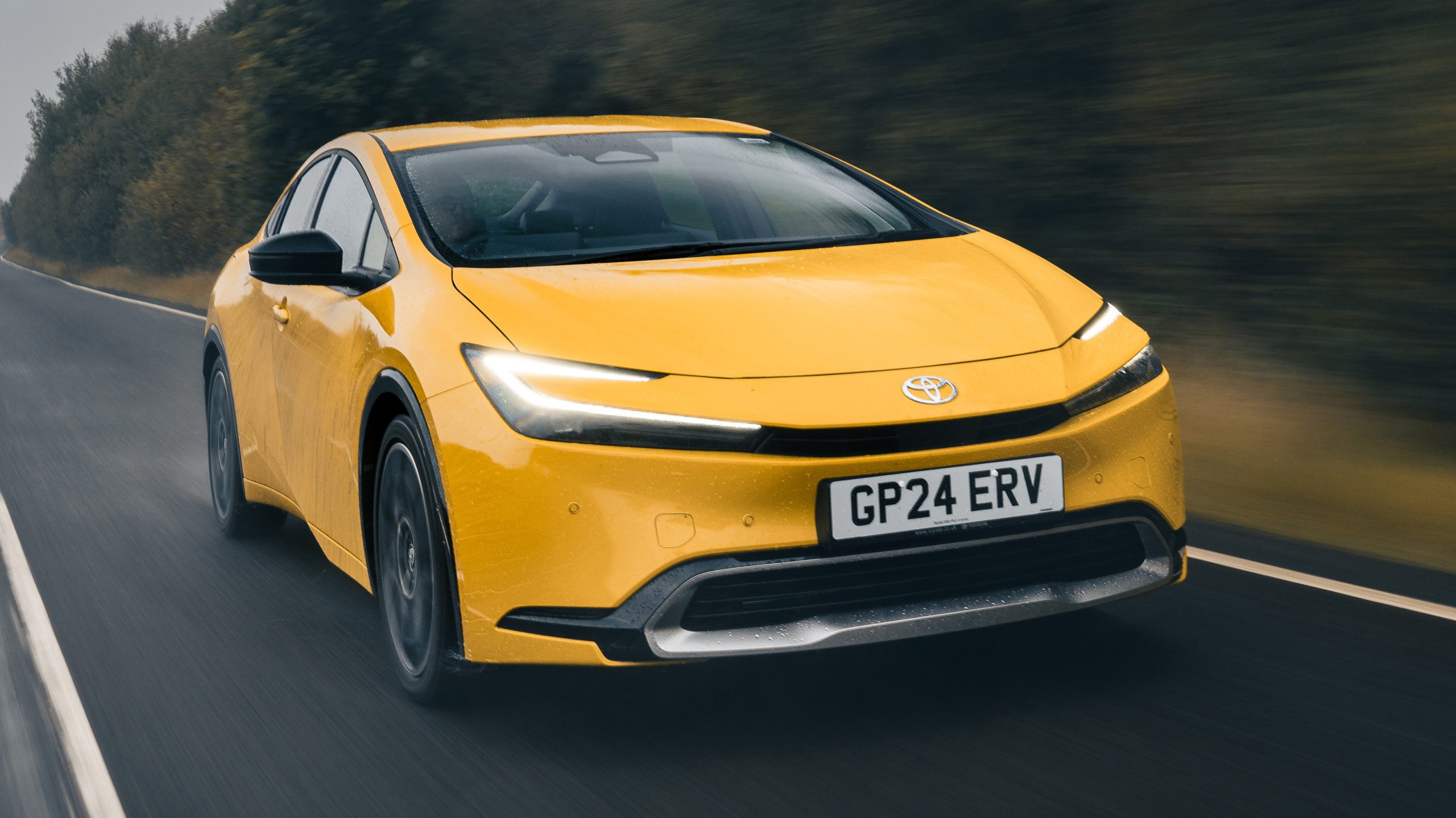
- Engine: 2.0L inline 4 cylinder hybrid system
- Horsepower: 194 hp (combined system output)
- Torque: approximately 139 lb-ft (engine contribution varies in hybrid system)
- Length: 181.1 inches
- Width: 69.3 inches
8. Toyota Prius
The Toyota Prius represents one of the most significant technological shifts in the modern automotive industry, particularly in the United States where it introduced hybrid technology to the mainstream market.
When it was launched globally in the late 1990s and introduced to the US market in the early 2000s, the Prius was initially seen as a niche vehicle designed for environmentally conscious drivers. However, it quickly evolved into a symbol of fuel efficiency and sustainability, fundamentally changing how consumers and manufacturers thought about automotive technology.
One of the key innovations of the Prius was its hybrid powertrain, which combined a gasoline engine with an electric motor to significantly improve fuel efficiency.
This system allowed the vehicle to operate more efficiently in city driving conditions by reducing fuel consumption during stop and start traffic. For American drivers facing rising fuel prices and growing environmental awareness, this technology offered a practical and forward thinking solution.
The Prius also played a major role in popularizing environmental consciousness in the automotive market. It became widely recognized as a symbol of eco friendly driving, often associated with sustainability movements and urban commuters seeking to reduce their carbon footprint.
This cultural impact extended beyond automotive engineering and influenced broader consumer behavior toward greener transportation choices.
In addition to its environmental benefits, the Prius demonstrated that efficiency did not have to come at the expense of practicality. It offered a spacious interior, reliable performance, and low operating costs, making it appealing not just to niche buyers but to a broader mainstream audience. Over time, it became one of the most recognizable hybrid vehicles in the world.
The Toyota Prius changed the direction of the global automotive industry by proving that hybrid technology could succeed at scale. Its influence can be seen today in the widespread adoption of hybrid and electric vehicles across nearly every major automaker.
