
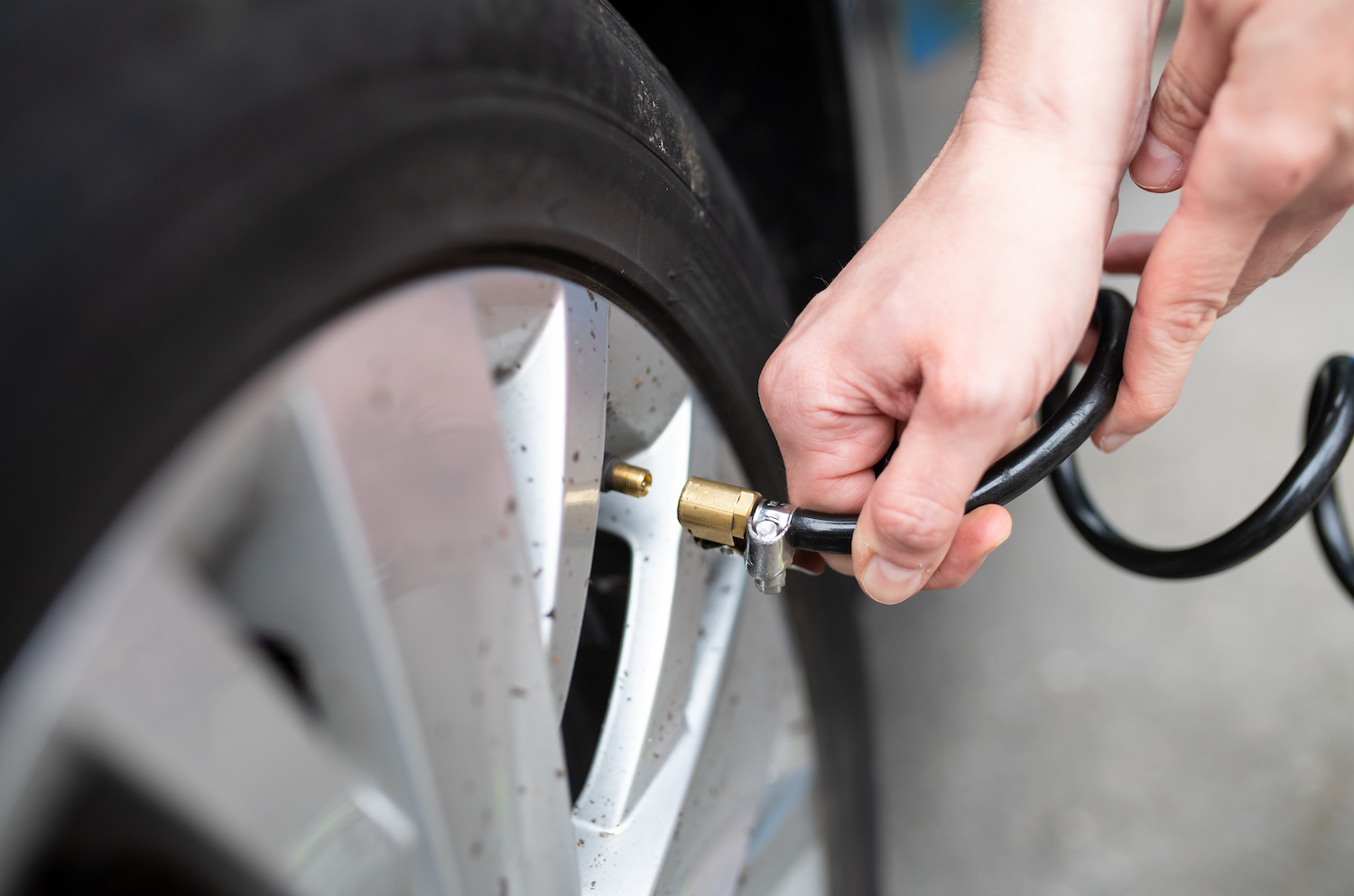
A flat tire is one of the most common and unavoidable issues that vehicle owners experience, regardless of how new or well maintained their vehicle is. It can happen suddenly while driving on a highway, in city traffic, or even when a car is parked for a long time.
In most cases, the cause is something simple like a nail, screw, sharp glass, or road debris, but the impact can be frustrating and sometimes even dangerous if it happens in an unsafe location. Because of this, knowing how to respond quickly and correctly is an important part of responsible vehicle ownership.
Many drivers immediately depend on roadside assistance or nearby repair shops when a tire goes flat. While this is sometimes necessary, it is not always the fastest or most convenient solution. In remote areas or during late hours, help may take time to arrive.
This is why having the right tools to repair a flat tire yourself is extremely valuable. It allows drivers to take immediate action, reduce downtime, and regain mobility without unnecessary delays.
Modern tire repair tools are designed to be compact, affordable, and easy to use even for beginners. They are no longer limited to professional mechanics. With basic guidance and practice, almost any driver can learn how to temporarily or permanently fix minor punctures. This shift has made roadside tire repair more accessible than ever before, especially for people who travel frequently or drive long distances.
Another important reason to understand tire repair tools is safety. A flat tire can cause loss of control, especially at high speeds, and continuing to drive on a damaged tire can lead to complete tire failure or rim damage. Having the right tools ensures that drivers can act immediately instead of risking further damage. It also helps them avoid unsafe driving conditions while waiting for help.
In this detailed guide, we will explore ten essential tools that every driver should consider carrying in their vehicle. Each tool plays a specific role in diagnosing, repairing, or restoring tire function. Understanding how they work together not only improves preparedness but also builds confidence for handling unexpected roadside emergencies effectively.
Also Read: What a 10-Year-Old Tacoma Sells For Today?
1. Tire Repair Kit
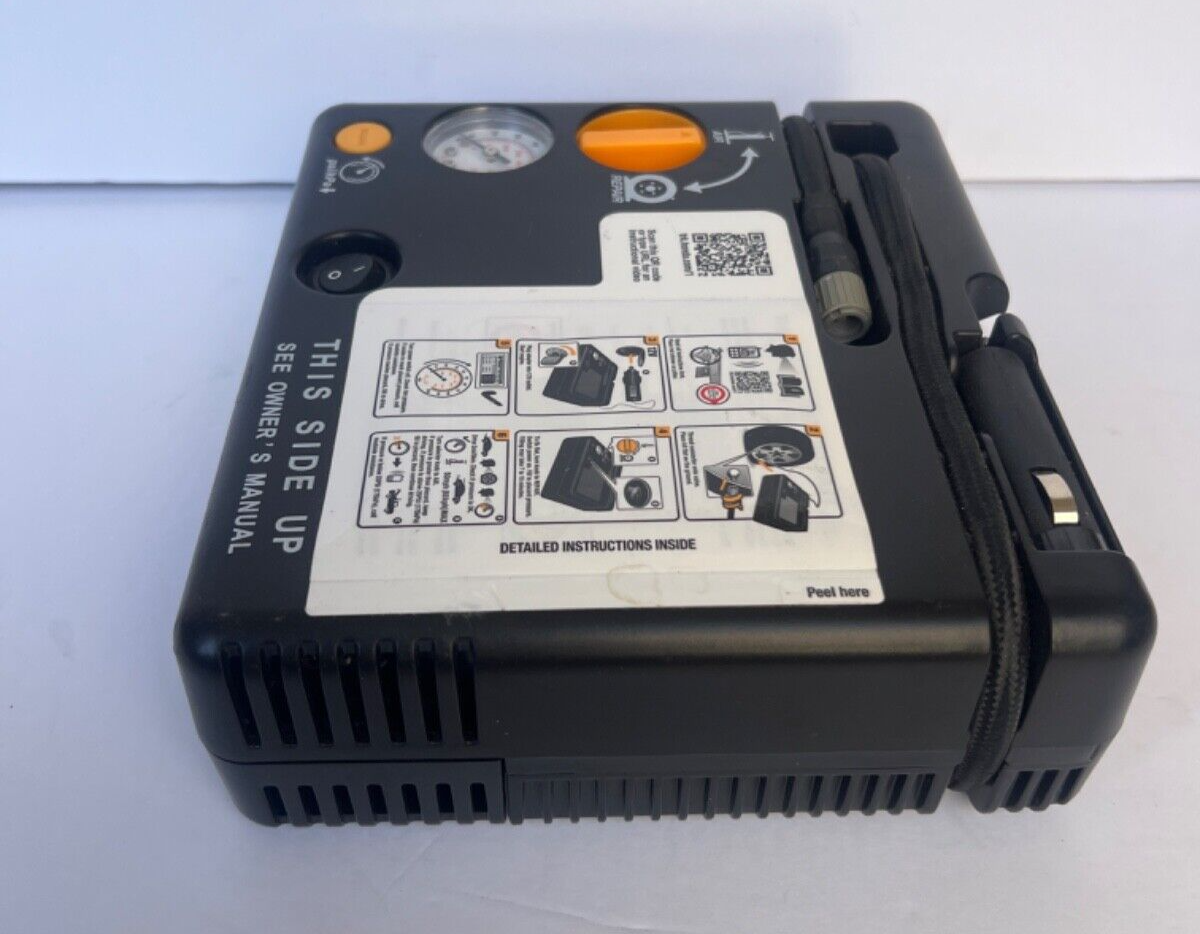
A tire repair kit is the foundation of any emergency tire repair setup. It typically includes multiple components such as rubber repair plugs, insertion tools, a reaming tool, adhesive cement, and sometimes even a cutting blade.
These items work together to seal punctures caused by sharp objects like nails or screws that commonly penetrate tubeless tires.
The main advantage of a tire repair kit is its ability to provide a quick and effective temporary solution. Instead of replacing the tire immediately, drivers can plug the hole and restore enough air pressure to continue driving safely to a repair shop. In many cases, if the puncture is small and located in the tread area, the repair can last for a long time even under normal driving conditions.
Another important benefit of a tire repair kit is its portability. The entire kit is usually small enough to fit inside a glove compartment or under a vehicle seat. This makes it easy to store and access during emergencies. Some advanced kits come in hard protective cases that keep tools organized and protected from moisture, heat, and dust.
Using a tire repair kit correctly requires a basic understanding of the process. First, the puncture area must be identified and cleaned. Then the hole is widened slightly using a reaming tool. After that, a rubber plug is inserted using the insertion tool and sealed in place. Once completed properly, the tire can retain air again and function normally for everyday driving.
Although tire repair kits are very effective, they are not suitable for every type of damage. Large cuts, sidewall punctures, or severely worn tires may still require professional replacement. However, for small punctures, a repair kit is one of the most reliable tools a driver can carry.
2. Tire Plug Strips
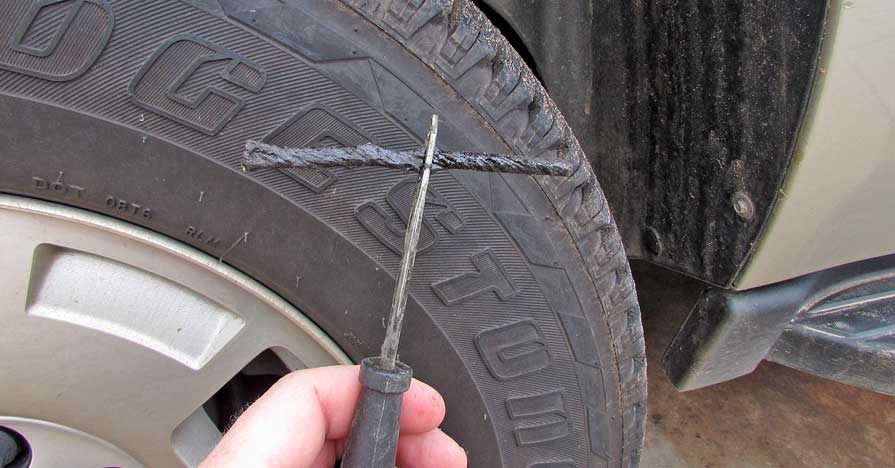
Tire plug strips are one of the most widely used materials in emergency tire repair. These strips are made of sticky, flexible rubber that can be inserted directly into a puncture to block air leakage. They are especially useful for tubeless tires, which are commonly found in modern cars, bikes, and SUVs.
The effectiveness of plug strips depends heavily on proper installation. Before inserting the strip, the puncture must be cleaned thoroughly using a reaming tool. This step ensures that dirt, metal fragments, and rough edges are removed so the plug can bond properly with the tire surface. Without proper preparation, the repair may fail prematurely.
One of the biggest advantages of tire plug strips is their simplicity. Even drivers with no mechanical experience can learn to use them with minimal instruction. This makes them ideal for emergency situations where quick action is required. They also do not require any special equipment beyond basic tools found in most repair kits.
Another important benefit is durability. High quality plug strips are designed to withstand heat, friction, and pressure generated during normal driving. When installed correctly, they can last for thousands of kilometers, making them a practical semi permanent solution for minor punctures.
However, plug strips are not a universal fix. They are most effective when used on small punctures located in the tread area of the tire. Damage on the sidewall or large tears cannot be safely repaired using this method and usually require tire replacement.
3. Tire Pressure Gauge
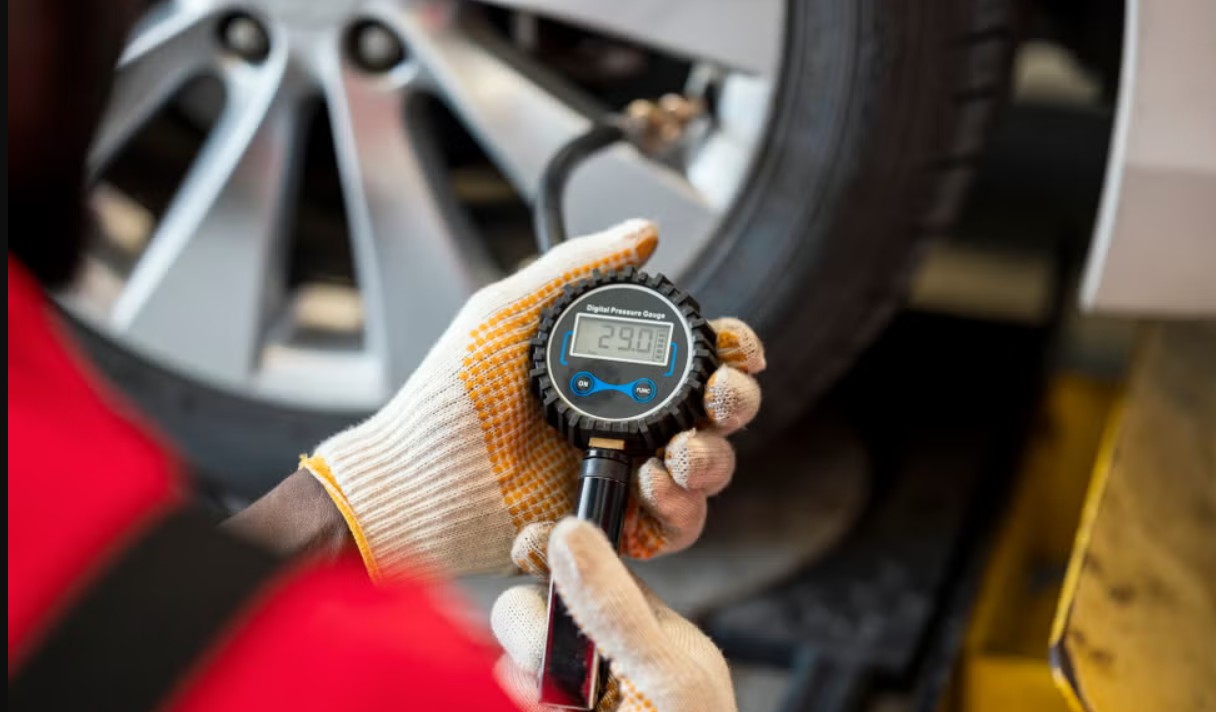
A tire pressure gauge is a small but extremely important tool for maintaining vehicle safety and performance. It is used to measure the amount of air pressure inside a tire, ensuring it matches the manufacturer recommended level. Proper tire pressure plays a major role in fuel efficiency, tire lifespan, and driving stability.
After repairing a flat tire, checking air pressure becomes essential. Even a successful repair can be unsafe if the tire is not inflated correctly. A pressure gauge helps ensure that the tire is neither underinflated nor overinflated, both of which can lead to performance issues or further damage.
There are different types of tire pressure gauges available, including digital, analog, and pen style models. Digital gauges are preferred by many drivers because they provide accurate readings and are easy to read. Analog gauges, on the other hand, are known for their durability and do not require batteries.
Regular use of a tire pressure gauge also helps in preventive maintenance. Slow leaks that are not visible can be detected early by monitoring pressure changes over time. This can prevent unexpected flats and improve road safety.
Keeping a tire pressure gauge in the vehicle is highly recommended because it is inexpensive, compact, and extremely useful in both emergency and routine situations.
4. Portable Air Compressor
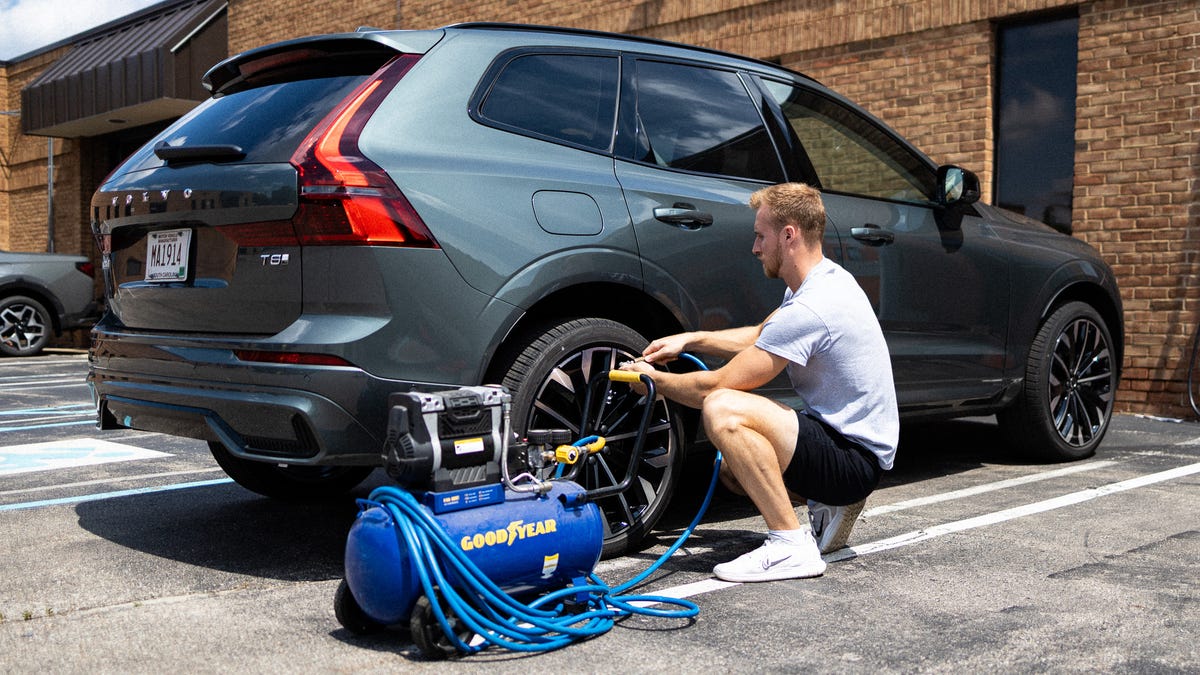
A portable air compressor is a powerful and convenient tool that allows drivers to inflate tires anywhere and at any time. It is especially useful after repairing a puncture or when dealing with slow air leaks that gradually reduce tire pressure.
Most modern portable compressors are designed to connect directly to a car’s power outlet or battery. They can inflate a standard car tire within minutes, depending on the model and tire size. Many also include built in pressure displays and automatic shutoff features for added convenience.
The biggest advantage of a portable air compressor is independence. Drivers do not need to search for a gas station or repair shop when air pressure drops. This is particularly helpful during long road trips or in rural areas where service stations may not be nearby.
Maintaining proper tire pressure is essential for safe driving. Low pressure increases tire wear, reduces fuel efficiency, and can even lead to tire blowouts in extreme cases. A portable air compressor helps prevent these risks by allowing immediate correction of pressure issues.
When choosing a compressor, factors like inflation speed, noise level, durability, and maximum pressure capacity should be considered. A reliable compressor can last for years and serve as a critical emergency tool.
5. Valve Stem Tool
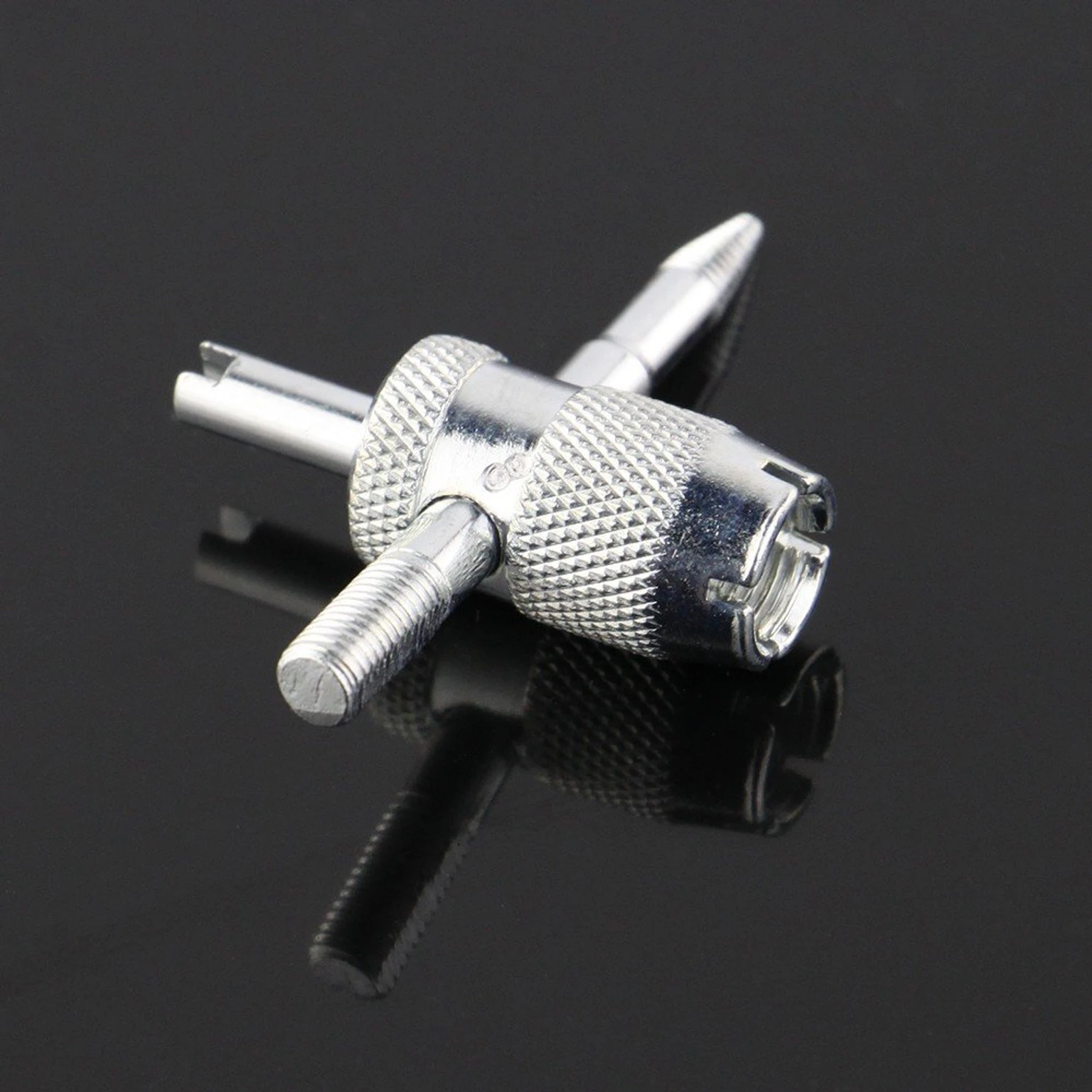
A valve stem tool is a small but highly practical device used for maintaining and repairing the valve core of a tire. The valve core is responsible for controlling airflow into and out of the tire, and even a minor fault in this component can lead to slow air leaks or sudden pressure loss. Many drivers overlook this part, but it plays a critical role in tire health and safety.
One of the most important uses of a valve stem tool is removing and reinstalling the valve core. If the core becomes loose, clogged, or damaged, it can prevent the tire from holding air properly. With this tool, the core can be quickly tightened or replaced without needing a full tire replacement or professional intervention.
Another benefit of this tool is its ability to diagnose hidden problems. Sometimes a tire appears puncture free but still loses air gradually. In such cases, the valve stem is often the source of the leak. Using a valve stem tool helps identify and fix these issues quickly, saving time and preventing unnecessary repairs.
The tool is also extremely compact and lightweight, making it easy to carry in any emergency kit. Despite its small size, it can solve problems that might otherwise require a visit to a tire shop. Many professional mechanics consider it a basic but essential diagnostic tool.
Valve stem tools are often used alongside spare valve cores. Replacing a worn or damaged core takes only a few minutes and can immediately restore proper tire pressure. This makes it one of the most efficient solutions for slow leaks that are otherwise difficult to detect.
Regular maintenance of valve stems helps improve tire reliability over time. Exposure to heat, dust, and road conditions can weaken the valve components, so periodic inspection ensures long term performance and reduces the chances of unexpected flats.
The valve stem tool is a simple but powerful addition to any tire repair kit, especially for drivers who want quick and effective solutions for air retention problems.
Also Read: How Much It Really Costs to Own a Truck for 5 Years
6. Tire Reamer Tool
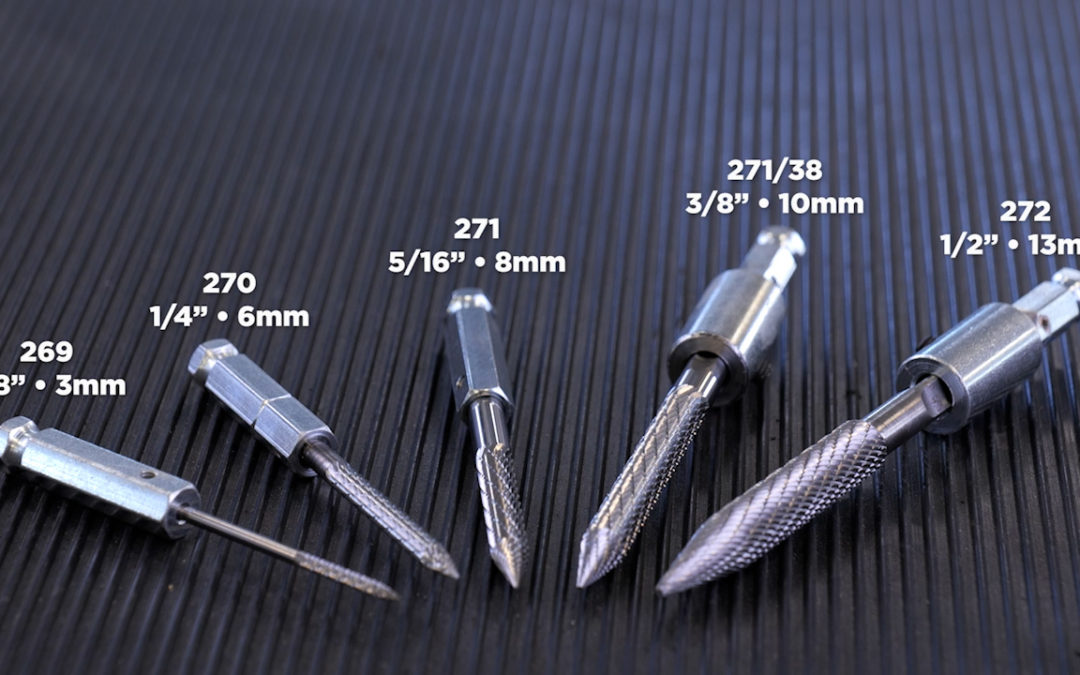
A tire reamer tool is specifically designed to prepare the puncture hole before inserting a repair plug. This step is essential because it ensures that the repair material fits securely and bonds properly with the tire structure. Without proper preparation, even a high quality plug may fail to seal the puncture effectively.
When a tire is punctured by a nail or screw, the hole is often rough and filled with debris. The reamer tool helps clean this area by removing dirt, metal fragments, and damaged rubber. It also smooths the inner surface of the puncture, making it suitable for plug insertion.
Another important function of the reamer is to slightly enlarge the puncture hole. While this may seem counterintuitive, it actually helps the plug grip the tire more firmly. A properly sized hole ensures that the plug compresses tightly inside, creating a durable seal that can withstand air pressure.
The tool is usually made of hardened steel to ensure durability and resistance to wear. Since it is used to scrape and prepare tough rubber surfaces, strength is an important factor in its design. Many models also include textured handles to improve grip during use.
Using a tire reamer correctly improves the success rate of tire repairs significantly. It ensures that the plug sits evenly and reduces the risk of air leakage after repair. This makes it a critical step rather than an optional one in the tire repair process.
Drivers who skip this step often face repeated leaks or incomplete repairs. This is why professional tire technicians always emphasize proper puncture preparation before sealing.
In short, the tire reamer tool may seem simple, but it plays a major role in ensuring long lasting and reliable tire repairs.
7. Plug Insertion Tool
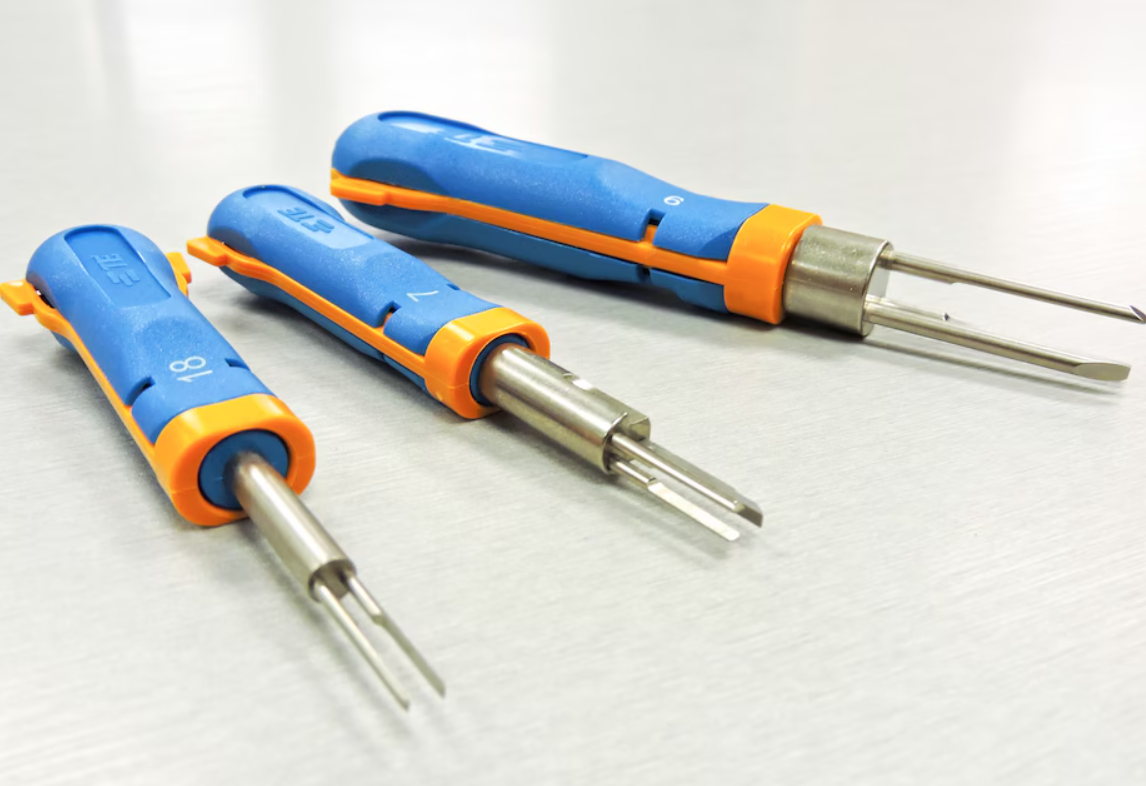
The plug insertion tool is used to insert rubber repair strips into the puncture hole created by sharp objects. Its primary purpose is to ensure that the plug is placed deep and securely inside the tire, creating an airtight seal.
This tool works in combination with tire plug strips, and together they form one of the most common methods for repairing tubeless tires. The insertion tool grips the plug and pushes it into the prepared hole with controlled pressure.
One of the key benefits of this tool is precision. Without it, inserting the plug evenly would be difficult, which could result in air leakage or an unstable repair. The tool ensures that the plug is centered and properly aligned within the puncture.
Most plug insertion tools are designed with ergonomic handles to provide comfort during use. This is especially useful during roadside repairs where conditions may not be ideal. A strong grip helps maintain control and reduces effort during insertion.
Once the plug is inserted, the tool is carefully withdrawn, leaving the rubber strip securely lodged inside the tire. The remaining ends of the plug may then be trimmed for a smooth finish, depending on the repair method.
Another advantage of this tool is speed. It allows quick repairs, often restoring tire usability within minutes. This is particularly valuable during emergencies where time and safety are critical factors.
A high quality plug insertion tool is a must have in any tire repair kit because it directly affects the success and reliability of the repair.
8. Wrench
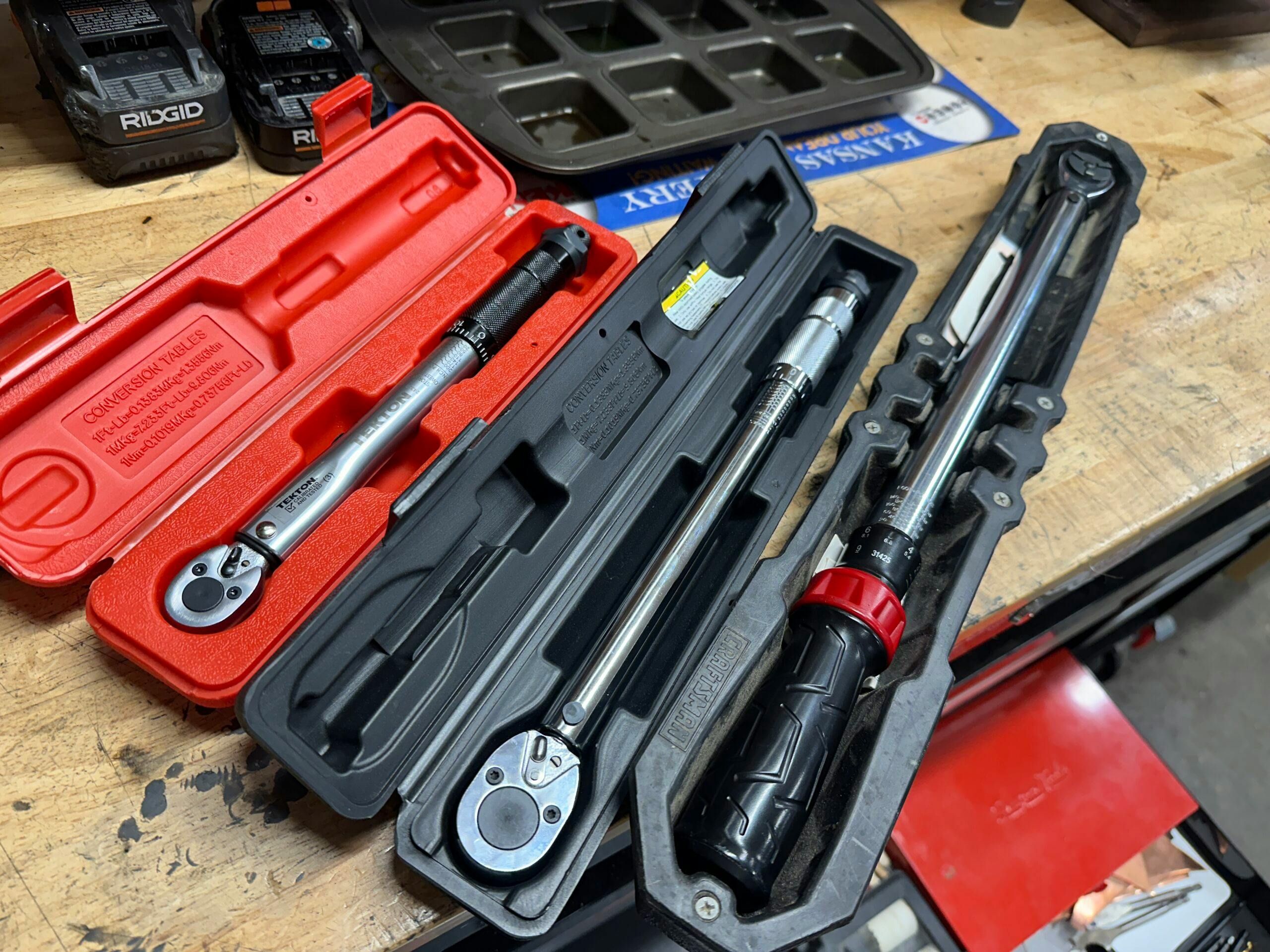
A wrench is an essential tool used for removing and tightening wheel nuts when a tire needs to be replaced or inspected. Without this tool, it is impossible to remove the wheel from the vehicle, making it one of the most important items in any roadside emergency kit.
Lug wrenches come in several designs, including cross shaped, L shaped, and telescopic versions. Cross wrenches provide greater leverage due to their shape, while telescopic models offer adjustability and portability. Each design has its own advantages depending on the situation.
One of the most important aspects of using a lug wrench is applying the correct force. Over tightening wheel nuts can damage threads, while under tightening can make the wheel unsafe during driving. Proper torque is essential for safe operation.
In emergency situations, wheel nuts may become tight due to rust or prolonged exposure. A sturdy lug wrench provides the leverage needed to loosen these nuts without excessive effort. This makes it a valuable tool during roadside tire replacement.
It is also important to ensure compatibility between the wrench and the vehicle’s wheel nuts. Different vehicles use different sizes, and using the wrong tool can cause damage or make removal impossible.
Regular practice in using a lug wrench can be helpful for drivers. Knowing how to position and apply force correctly can save time and reduce stress during emergencies.
The lug wrench is one of the most fundamental tools for tire maintenance and is required in almost every tire related repair situation.
9. Hydraulic Jack
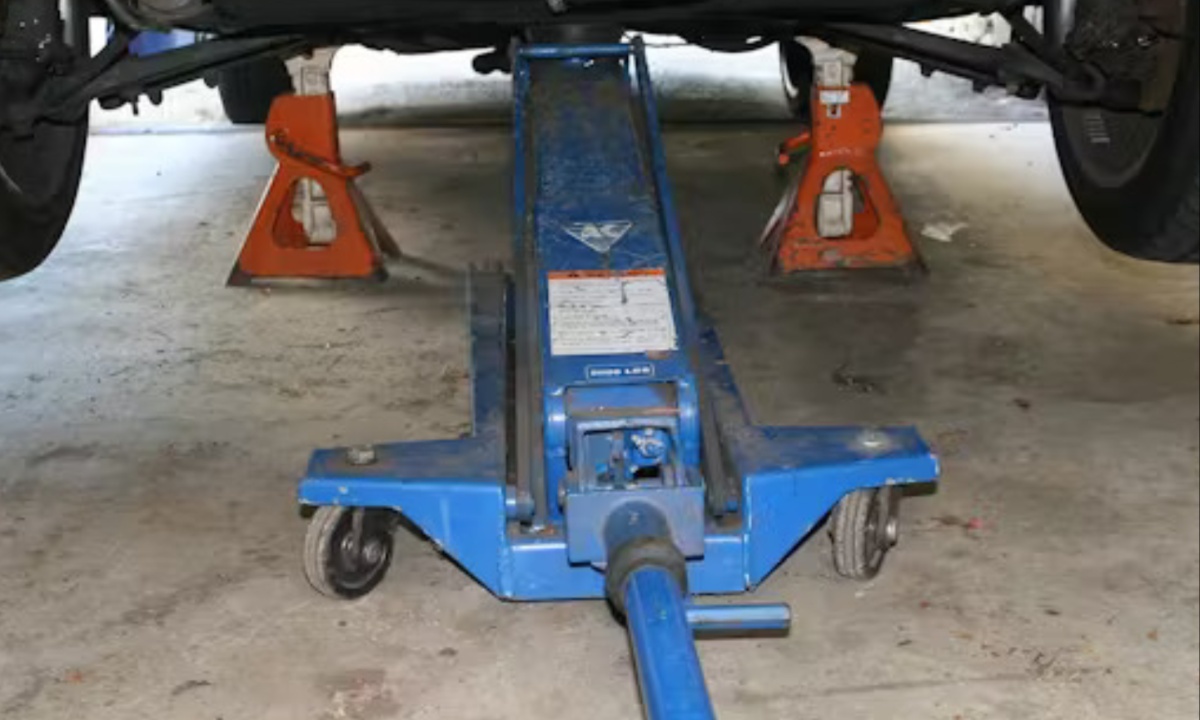
A hydraulic jack is used to lift a vehicle off the ground so that a tire can be safely removed or replaced. It operates using hydraulic pressure, which allows heavy vehicles to be lifted with minimal physical effort.
One of the main advantages of a hydraulic jack is stability. Unlike basic mechanical jacks, hydraulic models provide smoother lifting and better weight distribution. This reduces the risk of accidents during tire replacement.
Before using a jack, it is important to place the vehicle on a flat, stable surface. The jack must also be positioned at the correct lifting point as specified by the vehicle manufacturer. Improper placement can lead to vehicle damage or instability.
Hydraulic jacks are especially useful in emergency situations where speed and safety are important. They allow drivers to quickly lift the vehicle and access the damaged tire without excessive effort.
Another advantage is ease of use. Even individuals with no mechanical experience can operate a hydraulic jack with basic instructions. The lifting process is smooth and controlled, making it safer than manual alternatives.
However, regular inspection is important to ensure proper functioning. Hydraulic fluid levels, seals, and mechanical components should be checked periodically to avoid failure during use.
A reliable hydraulic jack is a critical part of any tire repair kit because it ensures safe access to the wheel during repair or replacement.

10. Work Gloves
Work gloves are an essential but often underestimated tool in tire repair. They provide protection for the hands while handling sharp objects, dirty surfaces, and heavy tools during roadside emergencies.
During tire repair, drivers may come into contact with metal fragments, rough rubber edges, and hot surfaces. Gloves act as a protective barrier that prevents cuts, scrapes, and burns. This makes them an important safety item.
Another advantage of work gloves is improved grip. Tools such as lug wrenches, reamers, and air compressors can be slippery, especially in wet or dusty conditions. Gloves help maintain a firm hold, improving control and reducing the risk of accidents.
High quality gloves are designed to offer both durability and flexibility. This allows users to perform precise tasks while still maintaining hand protection. Some gloves are also resistant to oil and grease, which is useful during mechanical work.
Work gloves also improve hygiene. Tire repairs often involve dirt and road grime, and gloves help prevent direct contact with these substances. This keeps hands clean and reduces skin irritation.
In addition, gloves enhance comfort during longer repair tasks. They reduce strain on the hands and allow drivers to work more efficiently, especially in challenging roadside conditions.
Work gloves are a simple yet extremely important part of any tire repair kit, ensuring both safety and efficiency during emergency repairs.
