
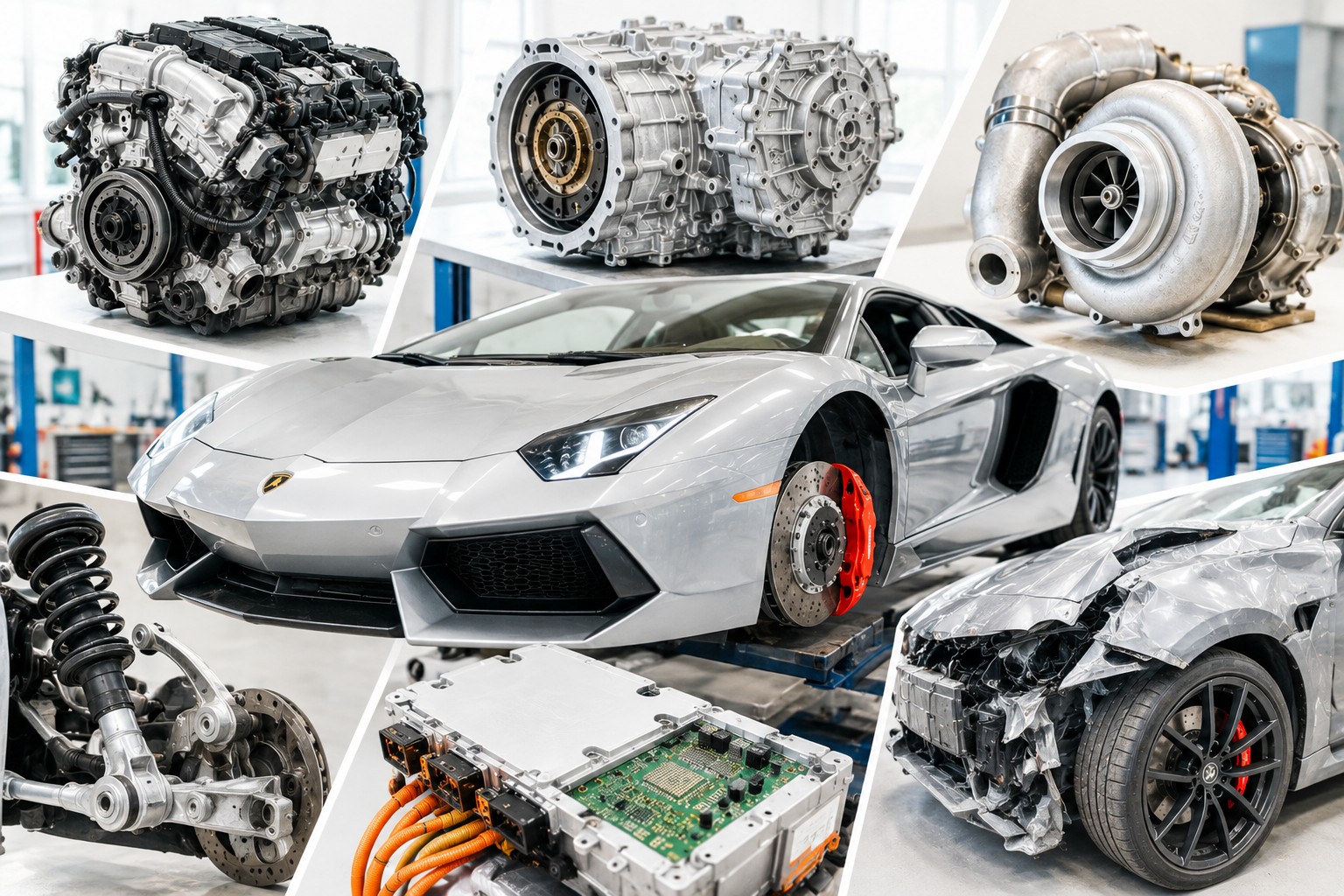
Car repairs can drain a wallet fast. Some fixes cost more than a month’s rent. Across the 12 most populated U.S. states, driving conditions vary widely. California’s stop-and-go traffic, Texas heat, and Florida humidity each stress vehicles differently. New York, Pennsylvania, Illinois, Ohio, Georgia, North Carolina, Michigan, New Jersey, and Virginia add their own wear patterns. Heavy traffic, road salt, and heat waves all push parts toward failure faster than normal use.
This guide breaks down the ten priciest repairs drivers face today. For each one, we explain what triggers the damage and why it costs so much. We also weave in real vehicle details, engine size, horsepower, torque, length, and width, from cars commonly affected by each issue.
Knowing these details helps drivers spot warning signs early. It also explains why repair bills vary so much by region and vehicle type. A driver in dense traffic faces different risks than one on rural highways.
Climate plays just as big a role as driving habits. Heat, cold, salt, and humidity each attack different parts of a car. Understanding your local conditions helps you plan ahead financially.
Whether you drive a sedan in Pennsylvania or a truck in Texas, these patterns apply. Let’s look at what breaks, why it breaks, and what it costs to fix.
1. Engine Replacement
A failed engine is the most feared repair on any car. It often means the vehicle’s heart needs a full rebuild or swap. Skipped oil changes are the biggest trigger. Sludge builds up and starves internal parts of lubrication.
Overheating from a coolant leak is another major cause. It warps metal and cracks components beyond repair. In dense-traffic states like California, New York, and Illinois, prolonged idling adds extra heat cycles. That accelerates wear on seals and gaskets.
In hot-climate states like Texas, Florida, Georgia, and North Carolina, oil breaks down faster. That leaves engines running with thinner protection for longer stretches.
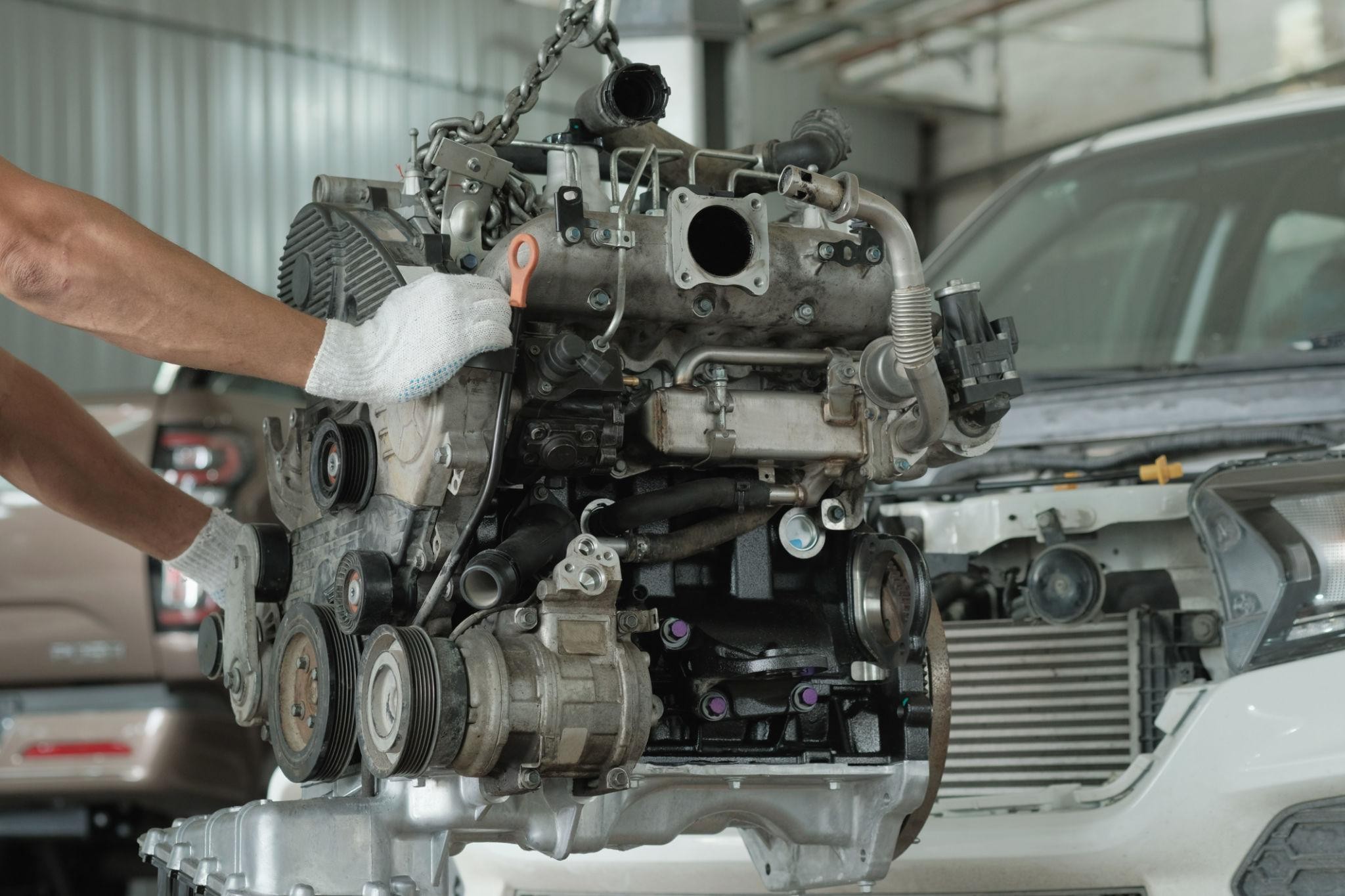
Dealership engine replacement averages close to $8,000, and high-output engines can run three or four times that amount. engine replacement typically falls between $2,000 and $10,000 depending on the vehicle and parts chosen.
A good example is the Toyota Camry’s 2.5-liter four-cylinder. It makes 203 horsepower and 184 lb-ft of torque, in a body that’s 192.1 inches long and 72.4 inches wide.
This midsize sedan is common across all 12 states. Its engine is reliable but still vulnerable to neglect. Watch for blue or white exhaust smoke early on. A knocking sound under load is another red flag. Regular oil changes remain the cheapest insurance against this repair. Catching a coolant leak early can save thousands down the road.
2. Transmission Replacement
A failing transmission can leave a car stuck in one gear. It’s one of the most disruptive repairs a driver can face. Heat is the main trigger. Fluid breaks down faster when a car sits in traffic for long periods.
Towing beyond a vehicle’s rated capacity also strains internal clutches. That wears them out years ahead of schedule. In Michigan and Pennsylvania winters, cold fluid thickens before it warms up. That adds friction during every cold start.
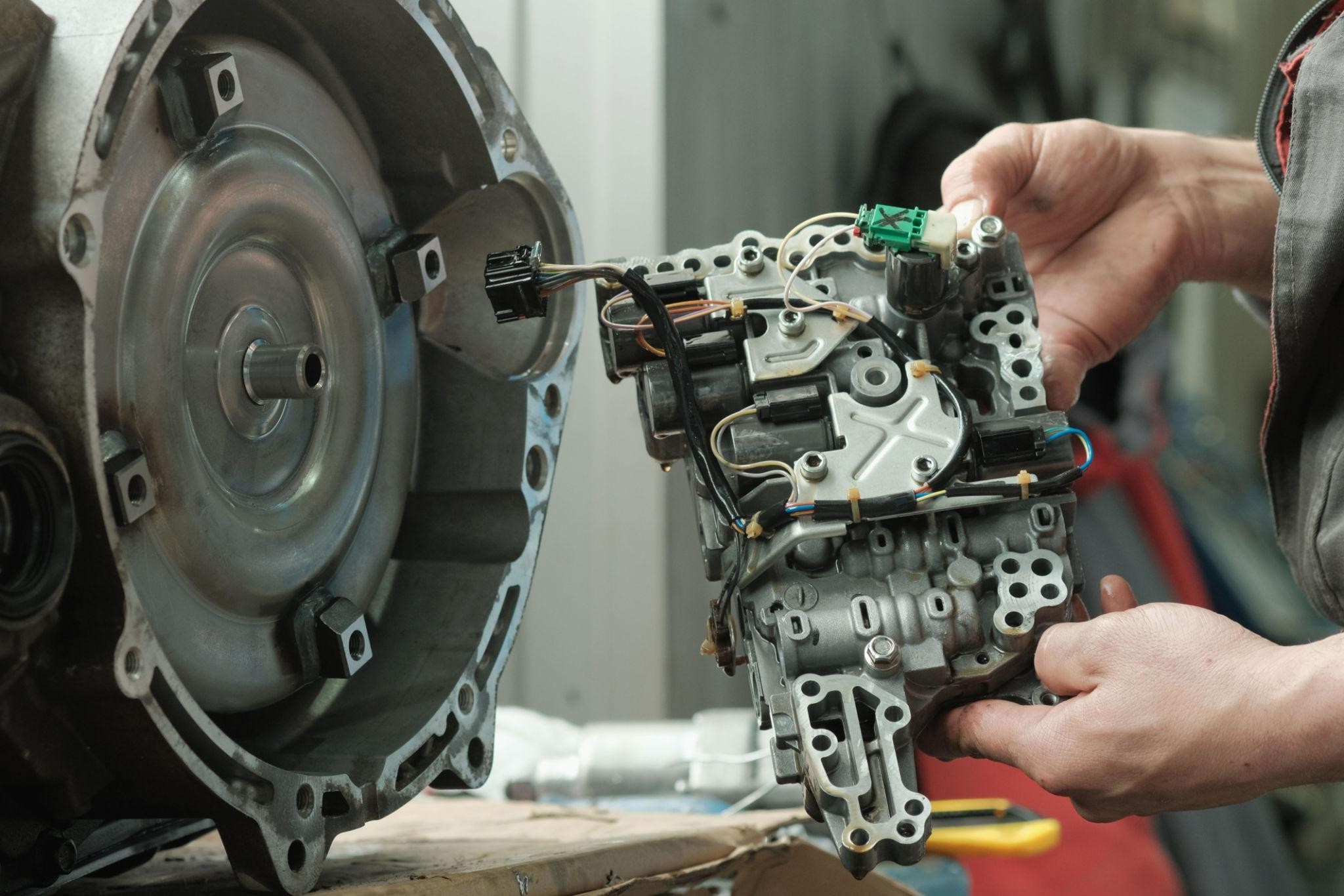
In Georgia, Texas, and North Carolina, towing boats and trailers is common. That shortens transmission life considerably. Transmission replacement currently runs between $2,900 and $7,100, according to Kelley Blue Book data. Smaller sedans tend to land at the lower end of that range.
The Honda Accord 1.5T pairs a turbocharged inline-four with a CVT. It produces 192 horsepower and 192 lb-ft of torque, stretching 195.7 inches long and 73.3 inches wide.
This sedan’s CVT transmission is sensitive to fluid quality. Regular service extends its lifespan significantly. Slipping gears or delayed shifts are early warning signs. A burning smell from the fluid often means it’s overdue for service. Flushing transmission fluid on schedule prevents most early failures. Avoiding overloaded towing also protects the internal clutch packs.
3. Head Gasket Replacement
A blown head gasket lets coolant and oil mix where they shouldn’t. The repair is labor-intensive because the engine must come apart. Chronic overheating is the top trigger. It happens when coolant leaks go unnoticed for too long.
Boxer-style engines, like those in some Subarus, have a known weakness here. Their flat design puts extra stress on the gasket seal. In hot states like Texas, Florida, and Georgia, cooling systems work overtime. That accelerates gasket fatigue over the years.
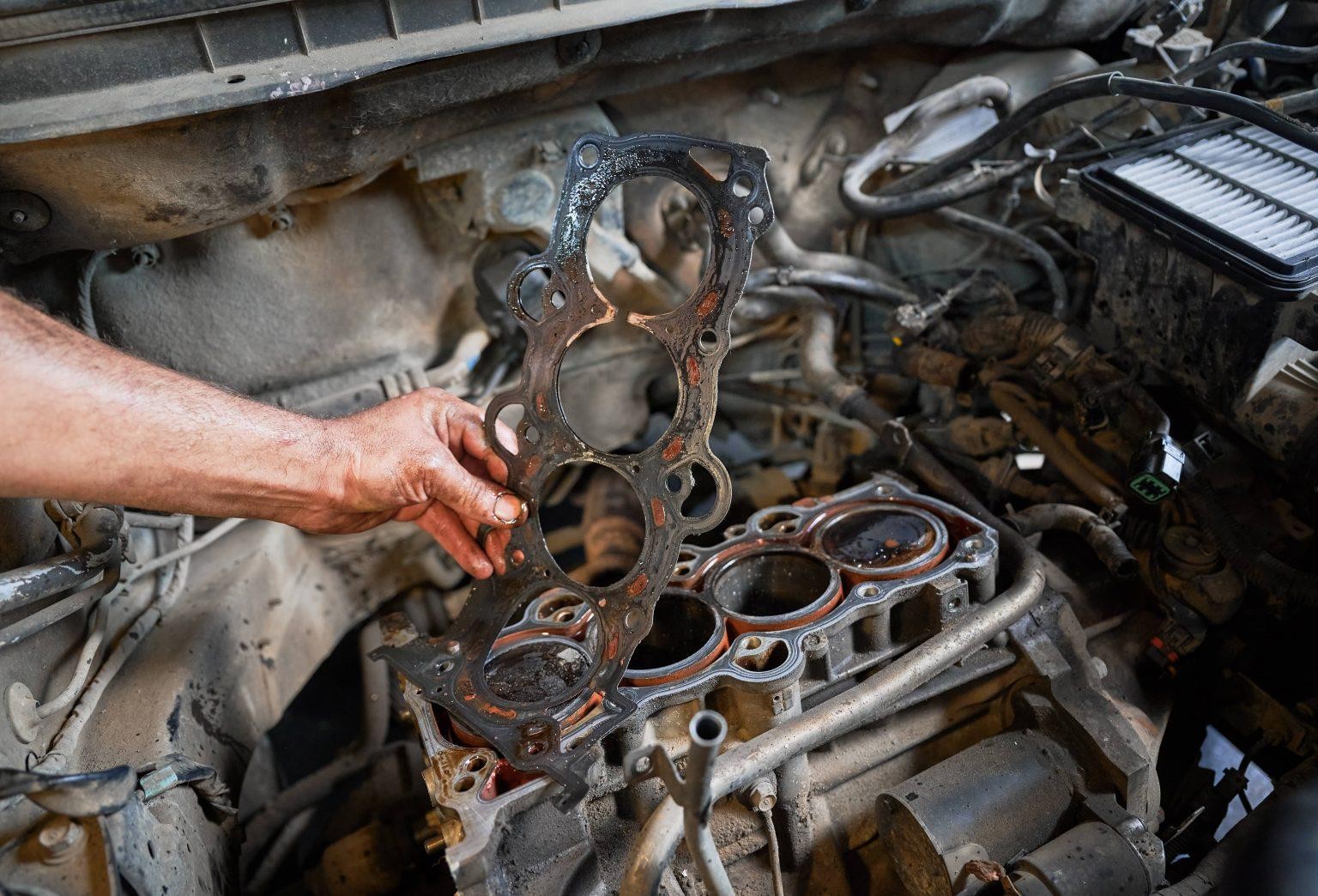
In cold states like Ohio, Pennsylvania, and Michigan, repeated cold starts stress the metal. Expansion and contraction cycles weaken the seal faster. This repair is labor-intensive and can cost up to $3,000 for a complete replacement.
The Subaru Outback’s 2.5-liter flat-four makes 182 horsepower and 176 lb-ft of torque. The crossover measures 191.3 inches long and 73 inches wide.
This crossover is popular in colder, hillier states. Its engine layout makes head gasket care especially important. White, milky oil on the dipstick is a classic warning sign. Sweet-smelling exhaust often points to coolant burning inside the cylinders. Flushing and replacing coolant on schedule helps prevent this failure. Fixing small leaks immediately avoids a much larger bill later.
4. Turbocharger Replacement
Turbochargers add serious power, but they spin at extreme speeds. That makes them vulnerable to neglect. Oil starvation is the most common trigger. A few seconds without lubrication can destroy the internal bearings.
Carbon buildup from short trips is another factor. The turbo never reaches full operating temperature, so deposits accumulate. In Texas and Georgia, heavy towing pushes turbocharged trucks hard. That increases heat and stress on the unit.
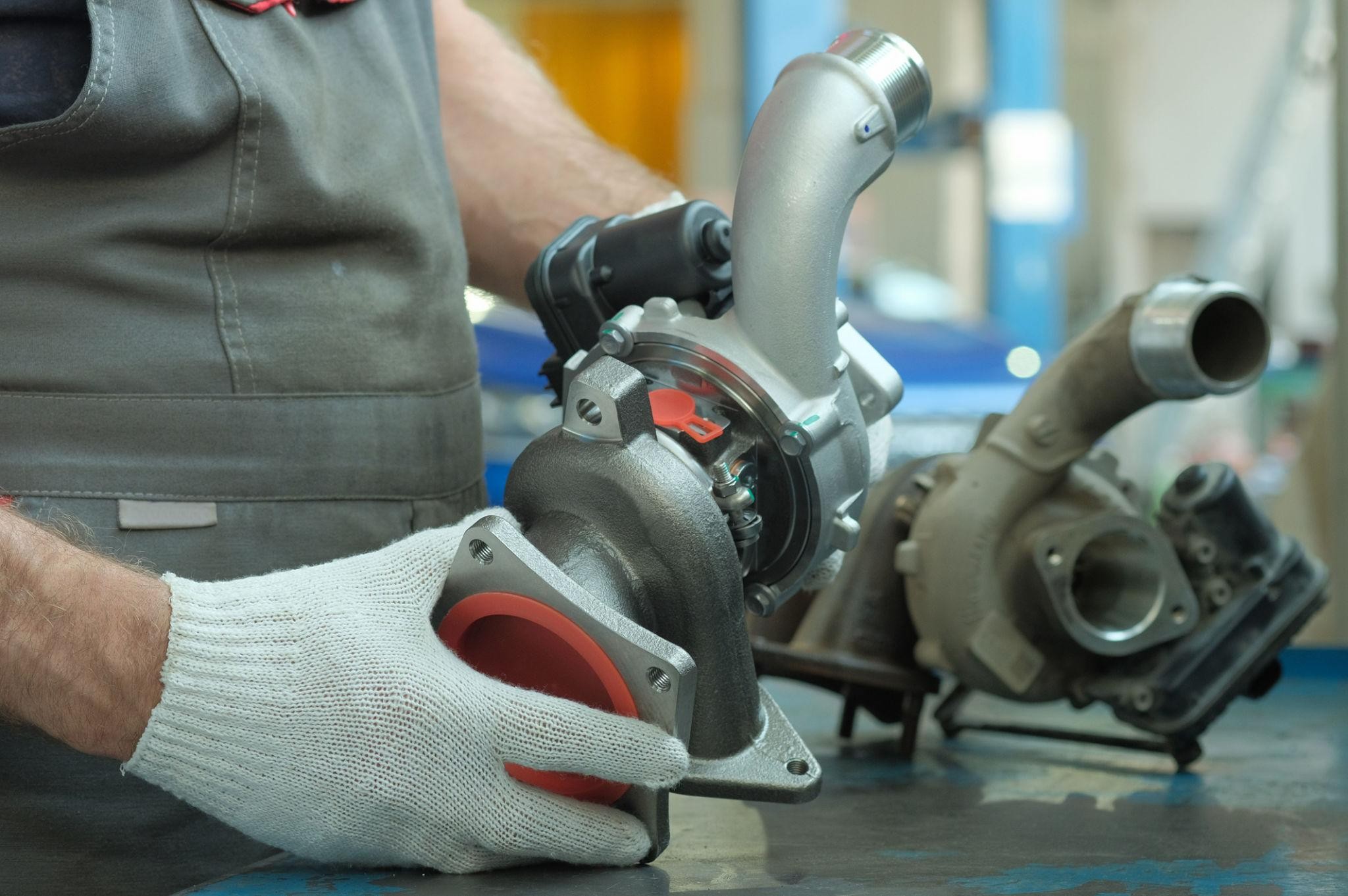
In Michigan, Pennsylvania, and Ohio, cold starts without warmup time strain the bearings. Oil hasn’t fully circulated before the turbo spins up. Turbocharger replacement typically runs between $2,500 and $6,000. Twin-turbo setups on trucks land at the higher end.
The Ford F-150’s twin-turbo 3.5-liter V6 makes 400 horsepower and 500 lb-ft of torque. The truck stretches 231.7 inches long and 79.9 inches wide.
This truck is one of the best-selling vehicles nationwide. Its twin-turbo design rewards careful maintenance. A whining or whistling noise under acceleration often signals trouble. Visible blue smoke from the exhaust is another common symptom.
Letting the engine idle briefly before shutdown helps cool the turbo. Using the manufacturer’s recommended oil grade also protects the bearings.
Also Read: 8 Brands With the Highest Annual Maintenance Bills
5. Hybrid and EV Battery Replacement
A degraded battery pack is the costliest part of owning an electrified vehicle. Replacement involves expensive cells and specialized labor. Age is the clearest trigger. Battery capacity naturally fades after years of charge cycles.
Extreme heat speeds up that fade. Southern states like Texas, Florida, Georgia, and North Carolina see faster degradation rates. Extreme cold reduces range and stresses the battery management system. Northern states like Michigan, New York, and Illinois see this effect each winter.
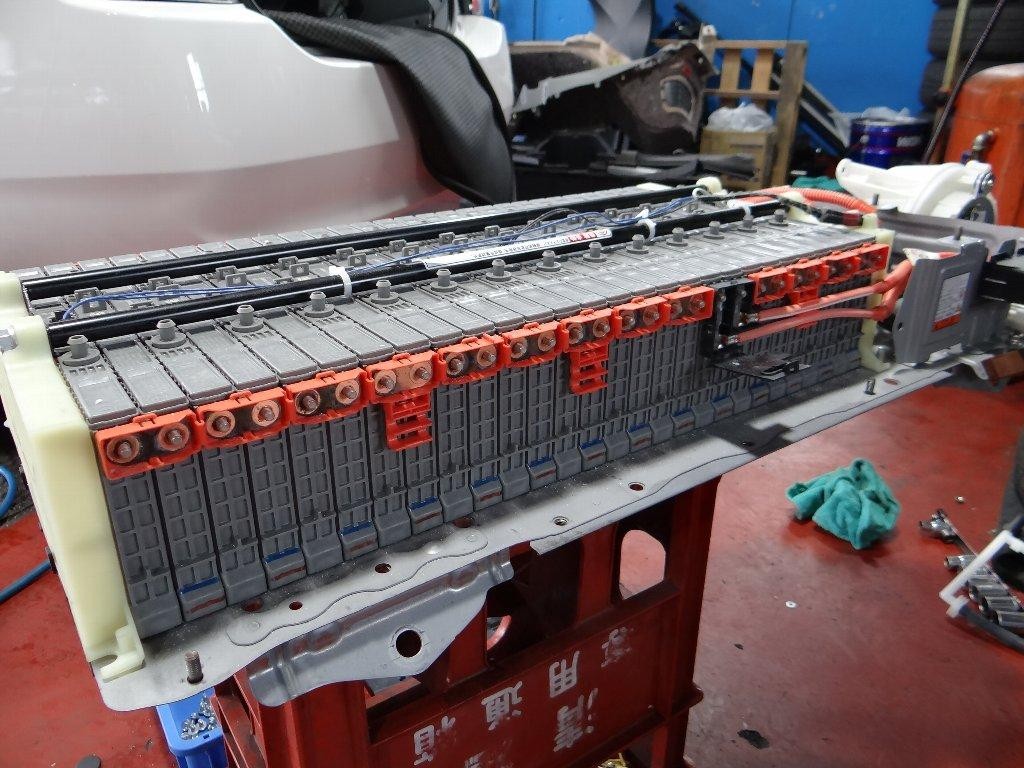
Battery prices have been falling quickly, with projections estimating costs near $80 per kWh by the end of 2026. Even so, full pack replacements on larger EVs can still reach into five figures.
The Toyota Prius runs a 1.8-liter gas-electric hybrid system. It makes 194 combined horsepower and 139 lb-ft from the gas engine, in a body 181.1 inches long and 70.2 inches wide.
This hybrid sedan is common in nearly every populous state. Its smaller battery keeps replacement costs lower than full EVs. A sudden drop in range or fuel economy is an early sign. Frequent dashboard warnings about the hybrid system shouldn’t be ignored. Avoiding constant fast-charging helps preserve battery health on EVs. Parking in shade during summer reduces heat-related degradation.
6. Air Suspension and Suspension System Repair
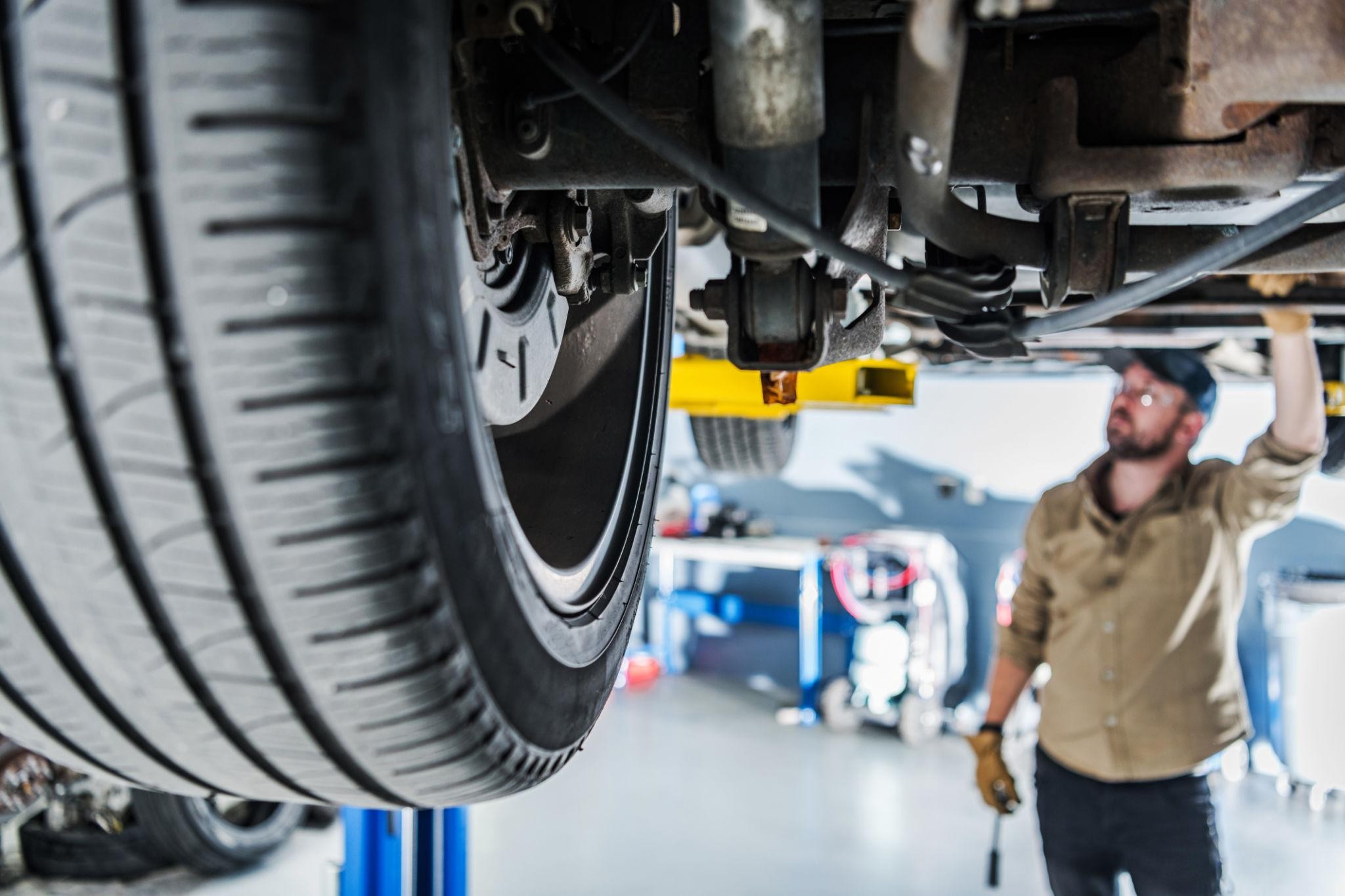
Air suspension delivers a smooth ride, but its components wear out over time. Leaks and corrosion are the usual culprits. Pothole impacts are a major trigger. A hard hit can rupture an air strut instantly.
Road salt and humidity corrode metal fittings gradually. That eventually causes slow air leaks throughout the system. Pennsylvania, New York, Illinois, and Ohio see pothole-heavy winters every year. That shortens suspension component life considerably.
Florida and North Carolina’s humid, salty coastal air corrodes parts even without snow. Rust forms quietly under the vehicle. Air suspension repairs typically range from $1,500 to $5,000. Luxury SUVs with multiple air struts sit at the top of that range.
The Cadillac Escalade’s 6.2-liter V8 makes 420 horsepower and 460 lb-ft of torque. It measures 211.9 inches long and 81 inches wide. This full-size SUV relies heavily on air suspension for comfort. Its size makes parts and labor more expensive.
A vehicle sinking overnight is a classic warning sign. Uneven ride height between sides points to a specific failed strut. Washing road salt from the undercarriage in winter slows corrosion. Avoiding deep potholes when possible protects the air struts directly.
7. Catalytic Converter Replacement
This emissions component has become a target for thieves. Its precious metal content makes it valuable on the black market. Theft is the leading trigger in dense urban areas. A converter can be cut out in under two minutes with a battery saw.
Engine misfires are another cause. Unburned fuel damages the converter’s internal honeycomb structure over time. California and New York require CARB-compliant replacement parts. Those parts can add 40 to 80 percent to the total cost compared to standard aftermarket options.
Texas, Georgia, Illinois, and North Carolina’s larger cities also report frequent theft incidents. Trucks and SUVs are targeted most because of their higher ground clearance.
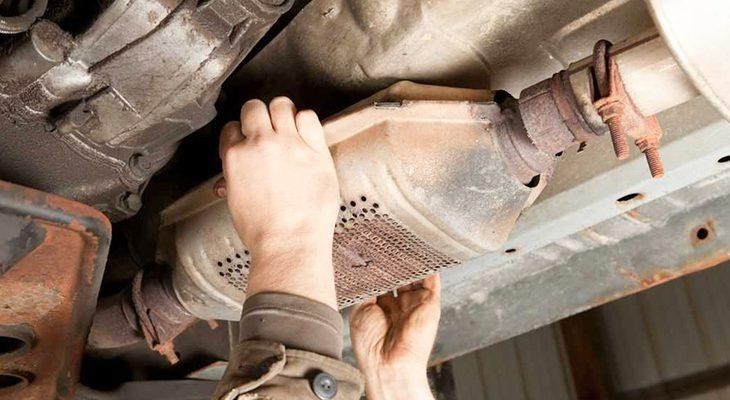
Replacement averages range from $1,300 to $3,500, with some luxury and hybrid models pushing past $4,000. The Jeep Grand Cherokee’s 3.6-liter V6 makes 293 horsepower and 260 lb-ft of torque. The SUV is 193.5 inches long and 76.5 inches wide.
This SUV’s higher clearance makes it an easy target for theft. Owners in cities often add protective shields. A loud roaring exhaust note often means the converter is gone. A check engine light frequently follows soon after. Parking in well-lit, monitored areas reduces theft risk. Aftermarket anti-theft shields are a low-cost form of protection.
8. Timing Chain or Timing Belt Replacement
The timing chain keeps an engine’s internal components perfectly synced. A failure here can cause catastrophic internal damage. A stretched chain skipping its gear teeth is the main trigger. This throws off valve timing immediately.
Worn tensioners are a close second cause. They lose the ability to keep the chain properly tight over time. Hot climates in Texas, Florida, Georgia, and North Carolina break oil down faster. That leaves the chain running with less protection.
Stop-and-go traffic in California, New York, Illinois, and New Jersey heats components repeatedly. That stresses tensioners with constant expansion cycles.
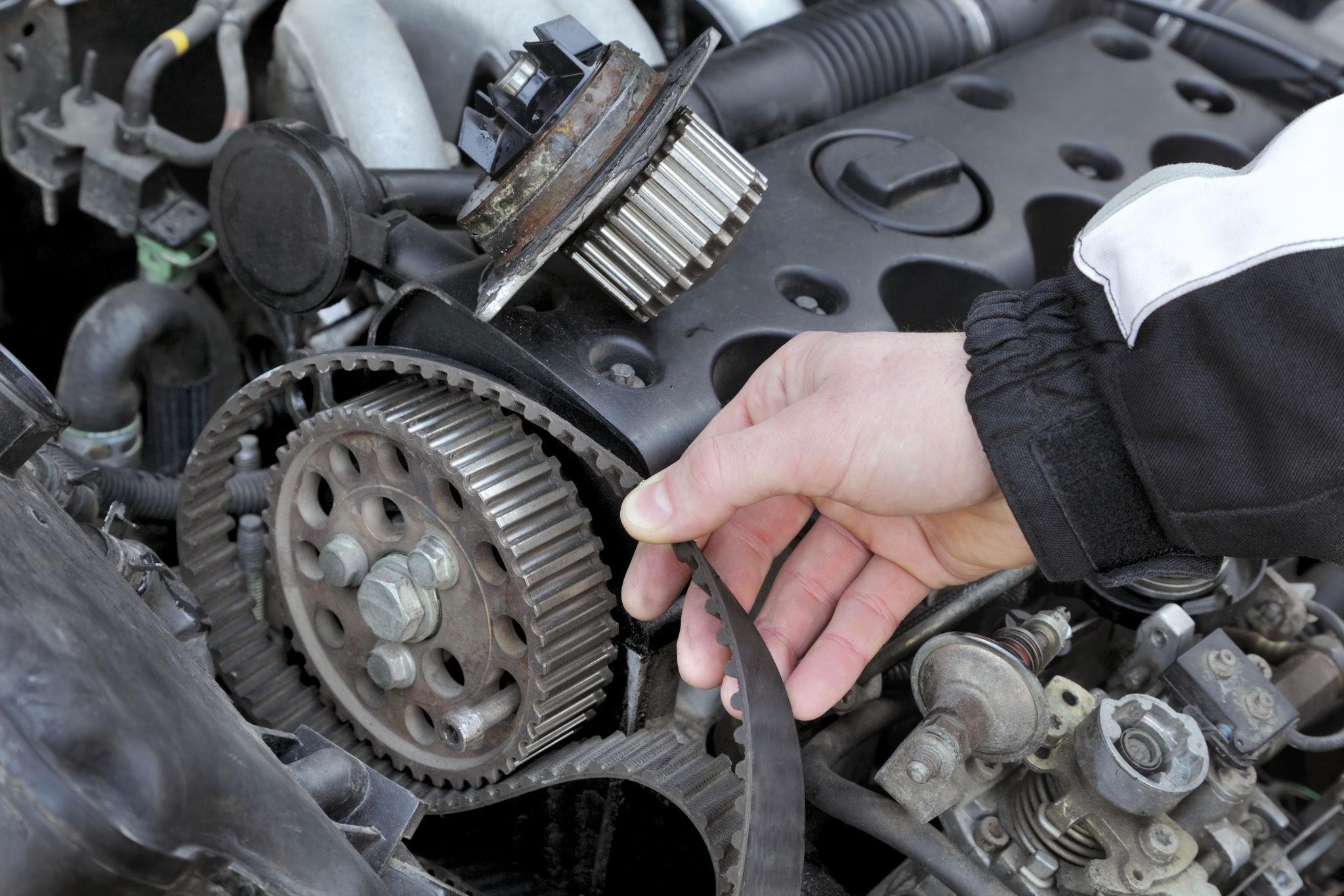
Timing chain replacement generally costs between $1,500 and $3,000. Engines requiring extensive disassembly land near the top. The BMW 3 Series’ turbocharged 2.0-liter engine makes 255 horsepower and 295 lb-ft of torque. It’s 185.7 inches long and 71.9 inches wide.
This sports sedan’s turbocharged engine depends on precise timing. Regular oil changes are essential for chain longevity. A rattling noise at startup is the most telling sign. A check engine light related to camshaft timing often follows. Sticking to manufacturer oil intervals keeps the chain properly lubricated. Addressing a rattle quickly avoids a snapped chain entirely.
9. AC Compressor and Climate System Repair
A failed AC system is more than just discomfort. In hot states, it can mean a genuinely unsafe drive. Refrigerant leaks are the most common trigger. Small cracks in hoses or seals let the system slowly lose pressure.
Compressor clutch wear is another frequent cause. Constant cycling eventually burns out the electromagnetic clutch. Texas, Florida, Georgia, and North Carolina drivers run their AC nearly year-round. That constant use shortens compressor lifespan significantly.
Humidity in these same states adds extra load on the system. The compressor works harder to remove moisture from the cabin air. AC compressor and system repairs typically cost between $800 and $2,500. Trucks and SUVs with larger systems often land higher.
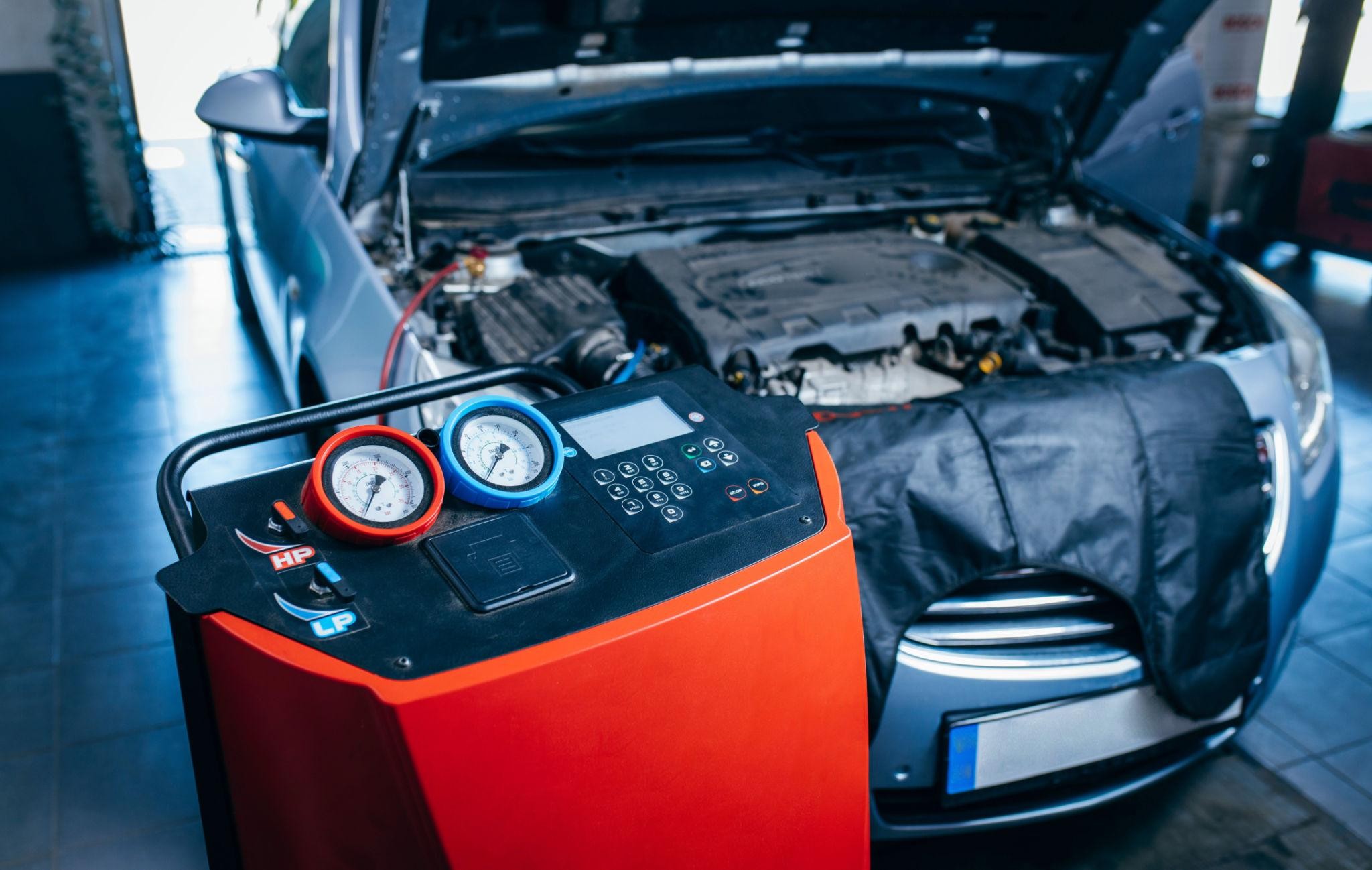
The Chevrolet Silverado’s 5.3-liter V8 makes 355 horsepower and 383 lb-ft of torque. The truck stretches 231.7 inches long and 81.2 inches wide. This full-size truck is a top seller in hot, humid states. Its AC system works hard through long summers.
Warm air from the vents despite a high setting is an early clue. A loud clicking noise from the compressor often follows. Running the AC briefly even in winter keeps seals lubricated. Fixing small leaks early avoids full compressor failure later.
10. Brake System and ABS Module Overhaul
Major brake repairs go beyond simple pad replacement. They can involve lines, sensors, and the entire ABS control module. Dense, stop-and-go traffic is the biggest trigger. Constant braking wears rotors and pads far faster than highway driving.
Brake fluid contamination from moisture is another factor. It corrodes internal components over several years of use. New York, California, Illinois, and New Jersey’s heavy traffic accelerates this wear noticeably. Daily commutes add thousands of brake cycles per year.
Michigan, Ohio, and Pennsylvania’s road salt corrodes ABS sensors and brake lines. That often forces early replacement of otherwise functional parts.
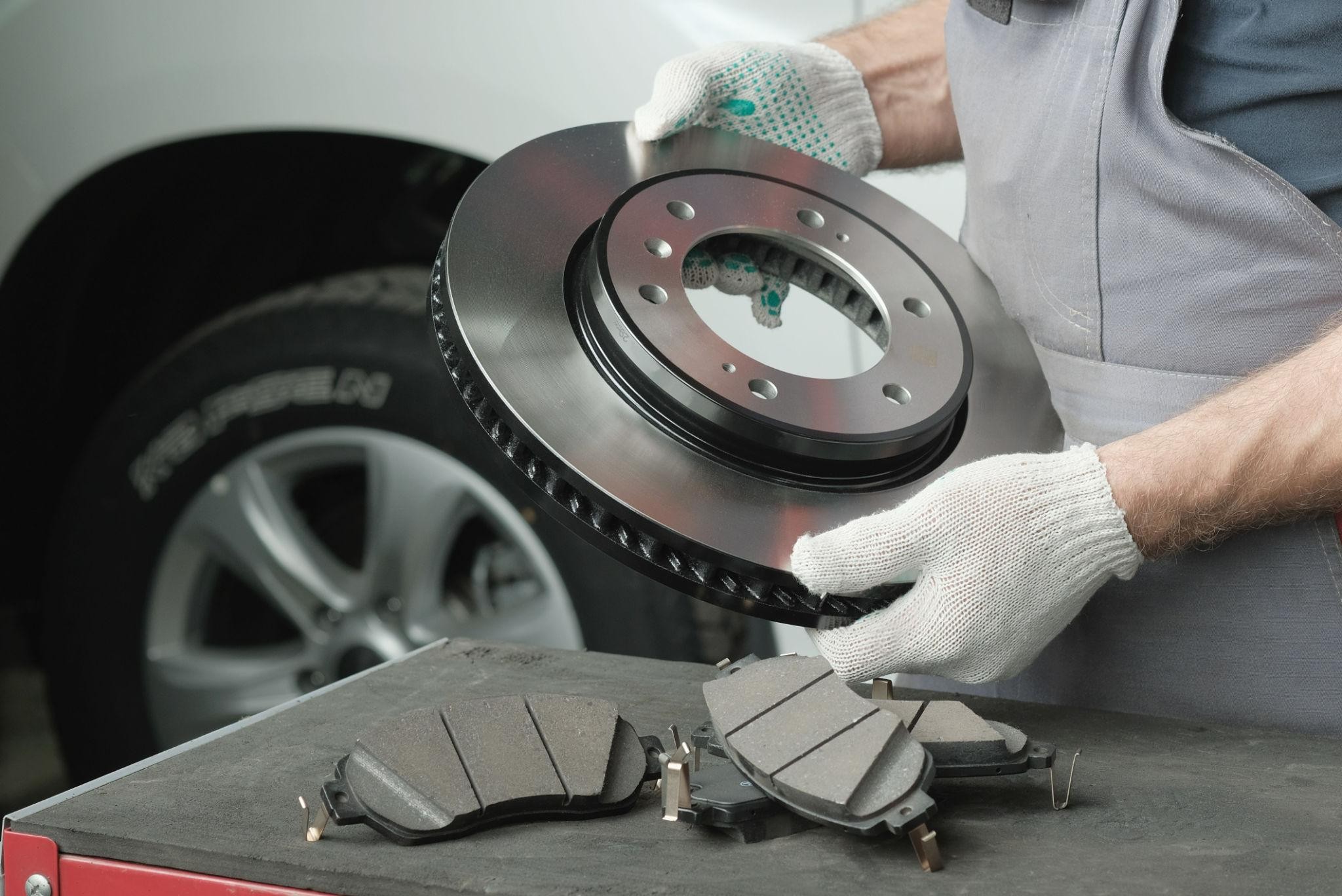
Major repairs involving brake lines, modules, or ABS sensors can cost between $800 and $1,500 or more. Luxury vehicles with extra sensors often exceed that range.
The Mercedes-Benz E350’s turbocharged 2.0-liter engine makes 255 horsepower and 273 lb-ft of torque. The sedan measures 194.3 inches long and 71.3 inches wide.
This sedan’s advanced braking electronics add repair complexity. Salt-belt states see this repair more often than warmer regions. A spongy brake pedal or dashboard warning light are key signs. Grinding noises usually mean pads have worn down completely. Flushing brake fluid every couple of years prevents internal corrosion. Washing salt from brake lines in winter extends sensor life.
Also Read: 7 Cheapest Brands to Maintain Over a Decade
