
Owning a luxury or high-performance vehicle is a dream for millions of people around the world. These cars promise speed, comfort, prestige, and an unmatched driving experience. However, what most buyers fail to consider is the enormous cost that comes after the purchase.
Annual maintenance bills can sometimes rival the cost of a modest family car. Luxury brands are notorious for their expensive spare parts, specialized labor, and complex engineering that demands expert attention.
Many owners are caught off guard when their first service bill arrives. What seems like a reasonable purchase quickly turns into a financial commitment that stretches far beyond the showroom price.
From exotic Italian supercars to German precision machines, the cost of keeping these vehicles in peak condition is staggering. Routine services, oil changes, brake replacements, and tire costs are all dramatically higher than those of average vehicles.
Insurance premiums, depreciation, and fuel costs add further pressure on the wallet. But the maintenance bills alone are enough to make even wealthy buyers think twice.
This article explores eight brands that consistently rank among the most expensive to maintain annually. These are vehicles where passion meets a very real financial responsibility. Understanding these costs before buying could save you from a very expensive surprise down the road.
1. Lamborghini
Lamborghini is one of the most iconic supercar brands on the planet. Owning one is a statement of extreme wealth and bold taste. However, the annual maintenance costs are as fierce as the cars themselves.
The average Lamborghini owner spends between $2,000 and $4,000 per year on routine maintenance alone. This figure can climb dramatically if any major components need attention or replacement.
Lamborghini vehicles use highly specialized engines that require trained technicians. Only a small number of authorized dealerships worldwide are equipped to service these machines properly.

A simple oil change on a Lamborghini Huracán can cost between $400 and $1,000. This is because the process requires premium synthetic oil and significant labor hours due to the mid-engine layout.
Tire replacement is another major expense for Lamborghini owners. The ultra-wide, performance-specific tires can cost $500 to $1,500 per tire, and they wear out faster than conventional tires due to aggressive driving dynamics.
Brake pads and rotors on a Lamborghini are made from advanced materials to handle extreme heat. Replacing the full brake system can cost anywhere from $3,000 to $10,000, depending on the model.
Lamborghini’s annual major service, which is required every few years, involves inspecting the entire drivetrain, belts, and fluid systems. This service alone can cost $5,000 to $15,000 at an authorized dealer.
The Lamborghini Aventador, with its naturally aspirated V12 engine, is particularly expensive to service. The engine requires periodic valve adjustments and inspections that are labor-intensive and costly.
Parts availability is also a challenge. Lamborghini produces vehicles in limited numbers, so spare parts can take weeks to arrive and carry premium price tags.
Insurance for a Lamborghini is another layer of financial commitment. Annual premiums often range between $5,000 and $12,000, making the total cost of ownership truly eye-watering.
Despite all these costs, Lamborghini ownership remains incredibly desirable. The brand’s exclusivity and performance continue to attract buyers who are willing to pay for the privilege of the raging bull badge.
2. Ferrari
Ferrari is synonymous with speed, elegance, and Italian craftsmanship. It is arguably the most famous supercar brand. But maintaining a Ferrari is an experience that demands deep pockets.
Annual maintenance costs for a Ferrari typically range from $3,500 to $6,000 for routine services. This figure rises sharply when scheduled major services are due.
Ferrari requires what is known as a major service every 3 years or 20,000 miles, whichever comes first. This comprehensive service can cost between $7,000 and $20,000, depending on the model and what is found during inspection.
One of the biggest expenses for Ferrari owners is the belt service. Models like the Ferrari 488 and F8 Tributo use timing belts that must be replaced at specific intervals. This job alone can cost $5,000 to $10,000 due to the labor involved.
Ferrari’s electronics and software systems are extremely advanced. Even minor electrical issues require specialized diagnostic equipment that only Ferrari-authorized technicians possess.
Tires on a Ferrari are another high cost. Performance tires designed specifically for Ferrari models can cost $400 to $1,200 per tire. A full set replacement can easily exceed $4,000 to $5,000.
Oil changes on a Ferrari are not cheap either. A standard oil service can cost $500 to $900, as the vehicles require specific lubricants and the process is time-consuming.
Ferrari’s genuine spare parts are notoriously expensive. A replacement clutch for a Ferrari can cost over $10,000, including parts and labor, which is shocking compared to mainstream vehicles.
The Ferrari California and Portofino models use retractable hardtops with complex hydraulic systems. When these systems develop faults, repair costs can reach several thousand dollars quickly.
Storage and detailing costs also add up for Ferrari owners. Many choose climate-controlled garages and professional detailing services to preserve the vehicle’s condition and value.
Despite the enormous running costs, Ferrari ownership holds a certain emotional value that transcends money. The brand’s racing heritage and limited production numbers make every Ferrari a rolling piece of history.
3. Rolls-Royce
Rolls-Royce represents the absolute summit of automotive luxury. Every vehicle is hand-built with extraordinary attention to detail. However, that bespoke craftsmanship comes with maintenance costs that match the brand’s elite status.
Annual maintenance for a Rolls-Royce typically runs between $3,000 and $5,500 for standard services. However, any repair outside of routine maintenance can push annual costs far higher.
Rolls-Royce vehicles are fitted with complex air suspension systems that provide their signature smooth ride. When these systems develop leaks or electronic faults, repairs can cost $5,000 to $15,000 or more.
The brand’s iconic coach-built bodies use specialized materials and finishes. Any bodywork repair requires highly skilled craftsmen who charge premium rates for their expertise and time.
Rolls-Royce upholstery uses the finest leather, wood veneers, and lambswool carpeting. Repairing or replacing interior components can cost tens of thousands of dollars, especially in bespoke configurations.
The Rolls-Royce Phantom, the brand’s flagship sedan, has an oil change cost of approximately $600 to $1,000. The vehicle requires specific synthetic oil grades not available in standard automotive shops.
Rolls-Royce tires are specially developed for noise reduction and ride comfort. These tires can cost $700 to $1,500 per unit, and the brand recommends replacement at conservative mileage intervals.
The brand’s V12 engines are engineered to extreme tolerances. Any engine-related work requires disassembly by factory-trained specialists who bill at rates that exceed most other luxury brands.
Rolls-Royce electronics are deeply integrated into every system of the vehicle. Diagnosing electrical faults requires proprietary software and equipment, which is only available at official dealerships.
Many Rolls-Royce owners also invest in extended warranty plans and annual care packages offered by the dealership. These packages can cost $5,000 to $10,000 per year but provide comprehensive coverage.
Ownership of a Rolls-Royce is a lifestyle commitment, not just a car purchase. The maintenance costs reflect the extraordinary level of engineering, materials, and craftsmanship that goes into every vehicle.
4. BMW
BMW is one of the world’s most popular premium automotive brands. It blends performance, technology, and comfort in a compelling package. However, BMW also consistently ranks among the most expensive brands to maintain over the long term.
Studies have shown that BMW owners spend an average of $1,700 to $2,500 per year on maintenance. This is significantly higher than mainstream brands like Toyota or Honda.
BMW’s turbocharged engines are sophisticated but demanding. Turbocharger failures, which are not uncommon after high mileage, can cost $2,000 to $4,000 to diagnose and repair properly.
The brand’s VANOS variable valve timing system is a common source of issues on older models. Repairing or replacing this system can cost between $1,500 and $3,000, depending on the engine.
BMW’s electronic systems, known collectively as the iDrive system, are highly complex. Software updates, sensor replacements, and module failures can add hundreds or thousands of dollars to annual costs.
Oil changes on BMW vehicles are more expensive than average, typically costing $150 to $250 at a dealership. BMW requires specific oil grades that are more costly than conventional motor oils.
Brake maintenance on BMWs is another well-known expense. Front brake pad and rotor replacement can cost $600 to $1,200, partly because BMW uses electronic parking brakes that require special tools.
BMW’s run-flat tire technology, standard on many models, means that tires are significantly more expensive than conventional alternatives. A full set of BMW run-flat tires can cost $1,200 to $2,000.
The brand’s all-wheel-drive system, known as xDrive, requires periodic fluid changes and inspections. Neglecting this service can lead to expensive transfer case or differential failures.
BMW’s cooling system is another area of concern. Water pumps, thermostat housings, and coolant hoses are known to fail, with repairs often costing $1,000 to $2,500.
While BMW maintenance costs are high compared to mass-market brands, they are lower than those of ultra-luxury marques. The key is finding a trusted independent specialist rather than relying solely on dealership pricing.
Also Read: The True Cost of Charging an EV vs Filling a Gas Tank
5. Mercedes-Benz
Mercedes-Benz is a brand that has defined luxury motoring for over a century. From the S-Class sedan to the AMG GT supercar, every vehicle carries the promise of refined engineering. However, that engineering comes with notable maintenance expenses.
Mercedes-Benz owners typically spend between $1,500 and $3,000 per year on routine maintenance. AMG performance models push this figure considerably higher.
The Mercedes AMG models, which are hand-built high-performance variants, require additional servicing beyond standard models. AMG-specific components like performance exhaust systems and upgraded brakes are costly to maintain and replace.
Mercedes-Benz uses a sophisticated air suspension system called AIRMATIC on many models. When air struts or compressors fail, which they often do on older vehicles, repairs can cost $2,000 to $6,000.
The brand’s 9-speed automatic transmission, found in many current models, is complex and expensive to service. A full transmission fluid service can cost $400 to $700 at a dealership.
Mercedes-Benz diagnostic systems use proprietary software called XENTRY. Only authorized dealerships have access to full system diagnostics, which means repair costs are driven by exclusive access to this technology.
Spark plug replacement on Mercedes V6 and V8 engines is more labor-intensive than most vehicles. A complete spark plug change can cost $500 to $900 due to engine access challenges.
Mercedes-Benz headlight systems, particularly the advanced Multibeam LED and Digital Light systems, are extremely expensive to repair or replace. A single headlight unit can cost over $5,000.
Cooling system maintenance is also a notable cost for Mercedes owners. Radiators, water pumps, and coolant pipes are known failure points, with repairs often reaching $1,000 to $2,000.
Annual service plans offered by Mercedes-Benz dealers can help manage costs. However, these plans still represent a significant financial commitment compared to maintaining a non-luxury vehicle.
Mercedes-Benz ownership blends prestige with responsibility. Understanding the full cost of ownership before purchasing one of these vehicles is essential for long-term financial planning.
6. Land Rover
Land Rover is celebrated for producing some of the world’s most capable off-road vehicles. The Range Rover, in particular, is an icon of luxury SUV culture. However, Land Rover consistently tops reliability surveys for all the wrong reasons, and maintenance costs reflect this.
Annual maintenance costs for Land Rover vehicles typically range from $1,500 to $4,000. Older models and high-mileage vehicles often exceed this figure significantly.
Land Rover’s complex Terrain Response system and electronic air suspension are engineering marvels. However, when they fail, repairs can cost $3,000 to $8,000 or more, depending on the severity.
Air suspension failures are among the most common and costly issues for Range Rover owners. Replacing all four air struts, which is often recommended when one fails, can cost $4,000 to $7,000 in parts and labor.
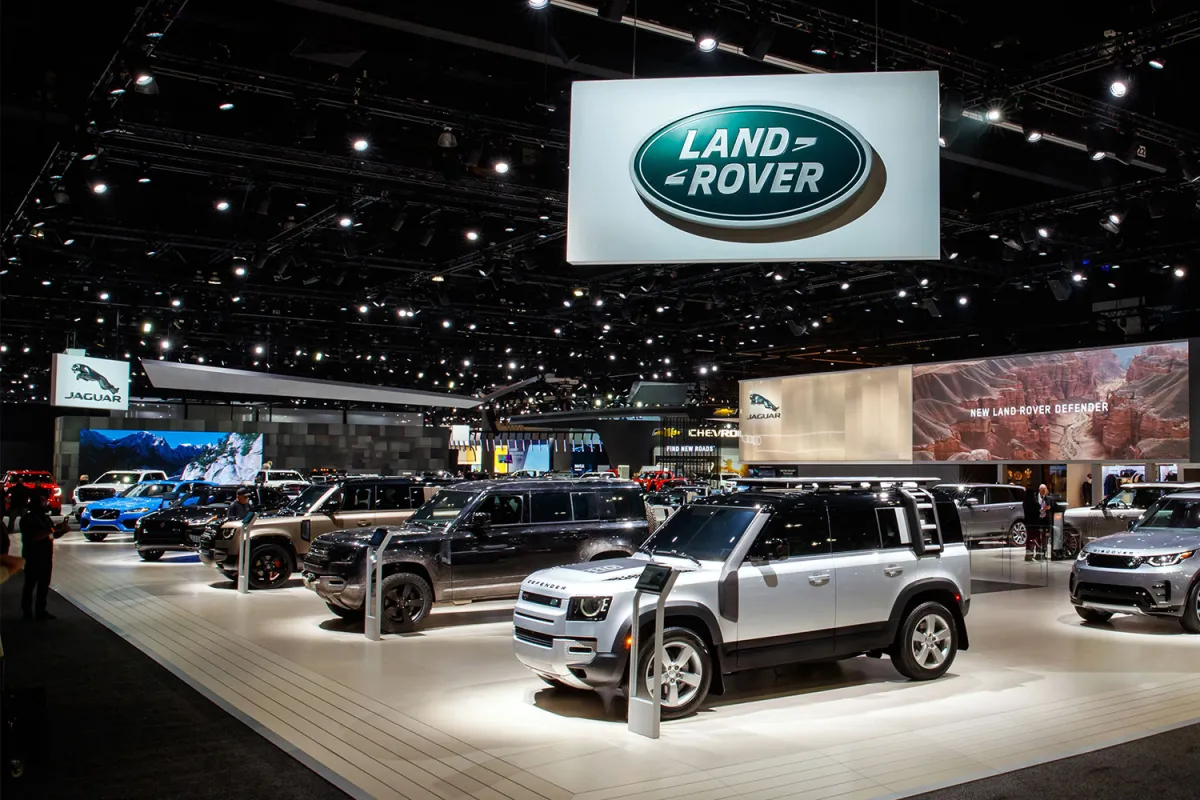
Land Rover engines, particularly the supercharged V8 units, are known for oil consumption issues. Repairing oil leaks from timing chain covers and gaskets can cost $2,000 to $5,000.
The brand’s ZF 8-speed automatic transmission is reliable in most cases but requires regular fluid changes. Neglecting transmission service on a Land Rover can lead to failures costing $5,000 to $10,000.
Land Rover’s electronics are notoriously complex and occasionally problematic. Owners frequently report multiple warning lights appearing simultaneously, leading to diagnostic costs of hundreds of dollars per visit.
Coolant system failures are another well-documented issue with Land Rover vehicles. The plastic coolant pipes and water pump components tend to fail, with repairs costing $1,000 to $3,000.
Land Rover tires are large and performance-oriented for both road and off-road use. Replacing a full set of tires on a Range Rover can cost $1,500 to $3,000, depending on the specification.
Independent Land Rover specialists can reduce repair costs significantly compared to main dealership pricing. However, the sheer frequency of issues means total annual bills remain high regardless of where the work is done.
Despite the costs, Range Rover ownership remains aspirational for millions worldwide. The combination of luxury, capability, and visual presence continues to attract buyers willing to pay for the privilege.
7. Porsche
Porsche is widely regarded as the gold standard for sports car engineering. The brand’s vehicles deliver exceptional performance, everyday usability, and remarkable longevity. However, Porsche maintenance costs are firmly in the premium category.
Annual maintenance costs for Porsche vehicles typically range from $1,500 to $3,500 for routine services. Performance variants like the GT3 and Turbo S can push costs considerably higher.
Porsche’s flat-six and V8 engines are highly engineered for performance and durability. However, accessing these engines for service often requires removing components, increasing labor time, and costs.
The Porsche Cayenne and Panamera, which share platforms with Volkswagen Group vehicles, tend to be slightly less expensive to maintain than the 911. However, they still carry significant service costs compared to mainstream SUVs.
Porsche’s PDK dual-clutch transmission is a technological masterpiece. However, clutch pack replacements, when needed, can cost $5,000 to $12,000 depending on the model and mileage.
Brake maintenance on Porsche sports cars is a notable expense. Track-capable cars like the 911 GT3 use carbon-ceramic brakes that cost $15,000 to $25,000 to replace when worn.
Standard steel brake replacement on road-focused Porsches is less shocking but still expensive. A full brake service can cost $1,500 to $3,500 at an authorized Porsche Center.
Porsche’s PASM active suspension system requires periodic inspection and occasional component replacement. Air spring and damper replacement can cost $2,000 to $6,000 per axle.
Porsche oil changes are typically performed annually or every 10,000 miles. A full synthetic oil service at a Porsche dealer costs $250 to $450, depending on the engine specification.
One advantage of Porsche ownership is the brand’s exceptional build quality. When properly maintained, a Porsche often requires fewer unexpected repairs than other exotic brands.
Porsche ownership strikes a unique balance between sports car excitement and real-world reliability. The maintenance costs are high but are justified by the driving experience and the brand’s legendary engineering standards.
8. Maserati
Maserati is a brand that promises Italian style, exclusivity, and a soundtrack unlike anything else on the road. The distinctive exhaust note and stunning design attract passionate buyers worldwide. However, Maserati has earned a reputation for being among the most expensive and unreliable luxury brands to own.
Annual maintenance costs for Maserati vehicles typically range from $1,800 to $4,500. Unexpected repairs can push this figure to $10,000 or more in a single year.
Maserati’s Ferrari-derived engines, used in older models like the GranTurismo, are powerful and exotic. However, they require servicing by technicians with Ferrari-level expertise and command Ferrari-level prices.
The Maserati Ghibli and Quattroporte use turbocharged V6 engines developed in partnership with Ferrari. These engines require specialized knowledge and premium parts that significantly inflate service costs.
Timing belt replacement on Maserati models is one of the most dreaded expenses. This service is required every 30,000 miles or three years and can cost $4,000 to $8,000 at an authorized dealer.
Maserati’s ZF automatic transmissions are reliable but require regular fluid changes and inspections. Any internal failure can result in repair bills of $5,000 to $12,000, particularly on older models.
The brand’s electronic systems have historically been a source of frustration. Multiple owners report recurring issues with infotainment, sensors, and control modules that require repeated dealer visits.
Brake system maintenance on Maserati vehicles is expensive but necessary. A complete brake overhaul on the GranTurismo can cost $3,000 to $7,000 due to the performance-oriented components used.
Maserati’s depreciation curve is notoriously steep. A used Maserati may seem like a bargain at purchase, but the maintenance costs on an out-of-warranty vehicle can be financially ruinous.
Finding independent mechanics who are qualified to work on Maserati vehicles is challenging. This lack of competition among service providers keeps repair costs consistently high.
Maserati has made significant strides in recent years with new models under the Stellantis group. However, the brand’s reputation for high maintenance costs remains a real consideration for potential buyers.
Owning a Maserati is undeniably glamorous. But prospective buyers must enter the relationship with a clear financial plan and a robust emergency fund for the inevitable repair bills that will follow.
Also Read: How Much It Really Costs to Own a Truck for 5 Years
