
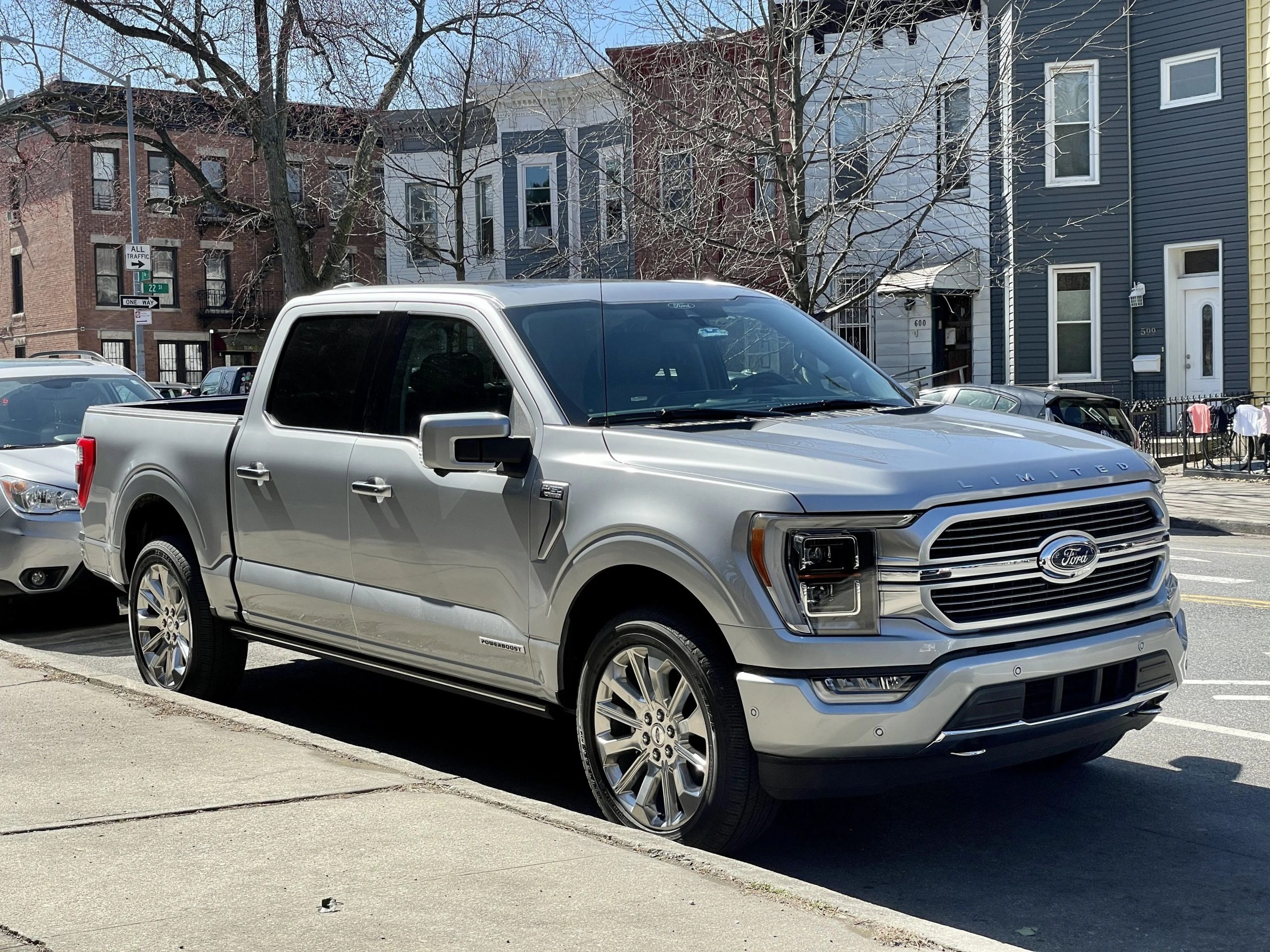
The Ford F-150 has been America’s best-selling truck for decades, and for good reason. It offers impressive towing capability, a wide range of engine choices, strong resale value, and enough configurations to satisfy everyone from contractors and ranchers to suburban families.
Whether it’s being used as a work truck, daily driver, weekend tow vehicle, or all three, the F-150 remains one of the most versatile vehicles on the market. However, the purchase price is only part of the ownership equation.
Many buyers focus heavily on monthly payments while overlooking the long-term costs that come with owning a full-size pickup. Fuel, insurance, maintenance, depreciation, repairs, registration fees, and financing costs can add up quickly.
In some cases, these expenses can approach or even exceed the truck’s original purchase price over several years.
That’s why automotive research firms such as Kelley Blue Book and Edmunds track what they call “Cost to Own” figures. These estimates provide a clearer picture of what owners actually spend throughout the vehicle’s life rather than simply what they pay at the dealership.
The good news for F-150 buyers is that the truck generally performs well compared with other full-size pickups.
Kelley Blue Book regularly ranks the F-150 among the better trucks in its segment for ownership costs, thanks largely to strong resale values and manageable maintenance expenses. Still, owning an F-150 is far from cheap.
For most buyers, a realistic five-year ownership cost falls somewhere between $60,000 and $70,000 when all expenses are included. The exact figure depends on trim level, financing terms, driving habits, fuel prices, and insurance costs. Here’s where that money actually goes.
Also Read: 4 Best And Worst Years For The Ford F-150
Depreciation Is Still The Biggest Expense
Most truck owners assume fuel is their largest expense. In reality, depreciation usually costs more.
Depreciation refers to the value a vehicle loses over time. The moment a new truck leaves the dealership, it begins losing value. During the first few years, this decline can be substantial.
According to Kelley Blue Book’s Cost to Own calculations, a typical 2025 or 2026 Ford F-150 can lose between roughly $16,000 and $26,000 in value during its first five years, depending on trim level and configuration.
Higher-end models often experience greater depreciation simply because they start with higher purchase prices. Fortunately, the F-150 performs relatively well in this area.
The truck’s popularity in both new and used markets helps preserve resale value. Kelley Blue Book notes that Ford’s flagship pickup remains among the stronger performers in the full-size truck segment when it comes to retaining value over time.
Even so, depreciation remains the single largest ownership expense for most buyers. A truck that costs $50,000 today may only be worth around $25,000 to $35,000 five years later depending on mileage, condition, and market conditions.
That lost value represents real ownership cost, even though many owners rarely think about it on a monthly basis.
Fuel Costs Depend Heavily On Engine Choice
The F-150’s fuel expenses vary dramatically depending on which engine sits under the hood. Ford offers multiple powertrains, including the 2.7-liter EcoBoost V6, 3.5-liter EcoBoost V6, 5.0-liter V8, hybrid options, and high-performance engines in models such as the Raptor.
A driver covering approximately 15,000 miles annually can easily spend between $8,000 and $12,000 on fuel over five years. Kelley Blue Book estimates fuel expenses around $8,300 for some lower-trim configurations during a five-year ownership period.
The difference between engines can be significant. The turbocharged 2.7-liter EcoBoost is generally regarded as one of the most efficient choices in the lineup while still delivering impressive capability. Larger engines and performance-oriented models naturally consume more fuel.
Driving habits matter just as much. Frequent towing, heavy payloads, aggressive acceleration, off-road use, and city driving can dramatically increase fuel consumption. Drivers who spend most of their time on highways often achieve much better efficiency than EPA estimates might suggest.
Because fuel prices fluctuate constantly, this category remains one of the most difficult ownership costs to predict accurately.
Still, it is safe to assume fuel will represent one of the largest ongoing expenses throughout ownership.
Insurance Is More Expensive Than Many Buyers Expect
Insurance costs have risen sharply across the automotive industry in recent years. Pickup trucks are no exception.
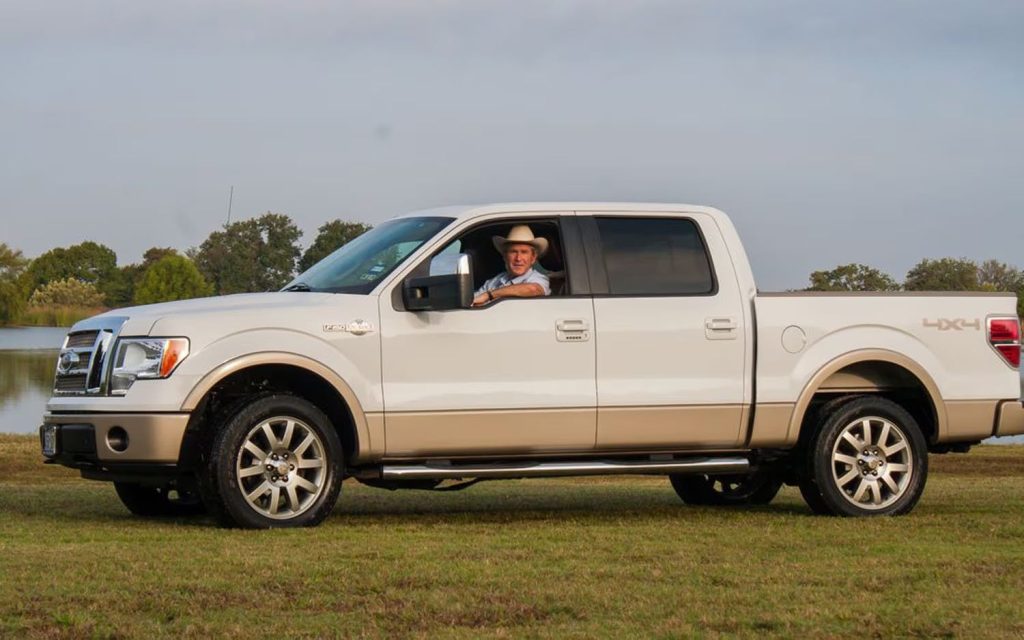
Modern F-150s contain advanced safety systems, expensive sensors, cameras, large touchscreens, and sophisticated electronics. Repairing collision damage has become significantly more expensive than it was a decade ago.
According to Kelley Blue Book estimates, insurance can account for roughly $12,000 to $13,000 of ownership costs during a five-year period for some F-150 configurations.
Several factors influence insurance premiums:
- Driver age
- Driving history
- Location
- Coverage levels
- Annual mileage
- Vehicle trim level
A base XL work truck will generally cost less to insure than a fully loaded Platinum or Raptor model.
Younger drivers often face substantially higher premiums than experienced drivers with clean records. For many owners, insurance becomes the second-largest operating expense after fuel.
Maintenance Costs Are Surprisingly Reasonable
One area where the F-150 performs well is routine maintenance. Despite its size and capability, maintenance costs remain relatively manageable compared with many competitors.
Kelley Blue Book estimates maintenance expenses of roughly $5,400 to $5,700 during the first five years of ownership for many F-150 configurations. That works out to approximately $1,000 to $1,100 annually.
Typical maintenance items include the following:
- Oil changes
- Tire rotations
- Brake service
- Air filters
- Fluid replacements
- Scheduled inspections
The truck’s popularity also helps keep maintenance costs under control. Parts availability is excellent, and nearly every repair facility in North America has experience servicing F-150s.
Compared with luxury trucks or specialty performance models, routine maintenance remains relatively affordable.
Owners who follow recommended service schedules generally experience predictable maintenance expenses during the first several years of ownership.
Repairs Usually Stay Low During The First Five Years
Repair costs differ from maintenance costs. Maintenance includes scheduled services. Repairs involve fixing components that fail unexpectedly.
Fortunately, the F-150 has developed a reputation as a relatively durable truck, particularly during its early ownership years.
Edmunds estimates repair costs under $1,000 during the first five years for certain F-150 configurations, though actual expenses can vary significantly depending on usage and reliability outcomes.
Heavy towing, commercial use, and off-road driving can accelerate wear on various components.
Likewise, high-mileage owners may encounter repair expenses sooner than drivers who use their trucks more casually.
The good news is that major failures remain relatively uncommon during the first five years for most owners.
Modern F-150s benefit from decades of engineering development, and many examples accumulate substantial mileage before requiring significant repairs.
Financing Can Add Thousands To Ownership Costs
One expense many buyers underestimate is financing. Interest rates play a major role in determining what a truck actually costs.
Even a competitive loan can add thousands of dollars to total ownership expenses over five years. Kelley Blue Book and Edmunds estimates frequently show financing costs ranging from roughly $5,000 to well over $13,000 depending on loan terms and vehicle price.
The impact becomes even greater on expensive trims. A buyer financing a $75,000 luxury-oriented F-150 will naturally pay more interest than someone financing a base-model work truck.
Interest rates, down payments, and loan length all influence this category significantly. For many households, financing represents one of the most overlooked ownership expenses despite being one of the largest.
What does the five-year total look like?
When everything is combined, the numbers become substantial. Kelley Blue Book estimates total five-year ownership costs for many F-150 configurations ranging from approximately $57,000 to over $67,000, while higher trims and specialty models can climb much higher.
Some Raptor variants exceed $100,000 in total five-year ownership costs when depreciation and operating expenses are included.
A typical ownership breakdown often looks something like this:
- Depreciation: $18,000 to $26,000
- Fuel: $8,000 to $12,000
- Insurance: $12,000+
- Maintenance: $5,000+
- Repairs: $1,000+
- Financing: $5,000 to $14,000
- Registration and fees: Several thousand dollars
While the totals may appear intimidating, they are generally competitive within the full-size truck segment.
Is The F-150 Worth The Cost?
For many buyers, the answer remains yes.
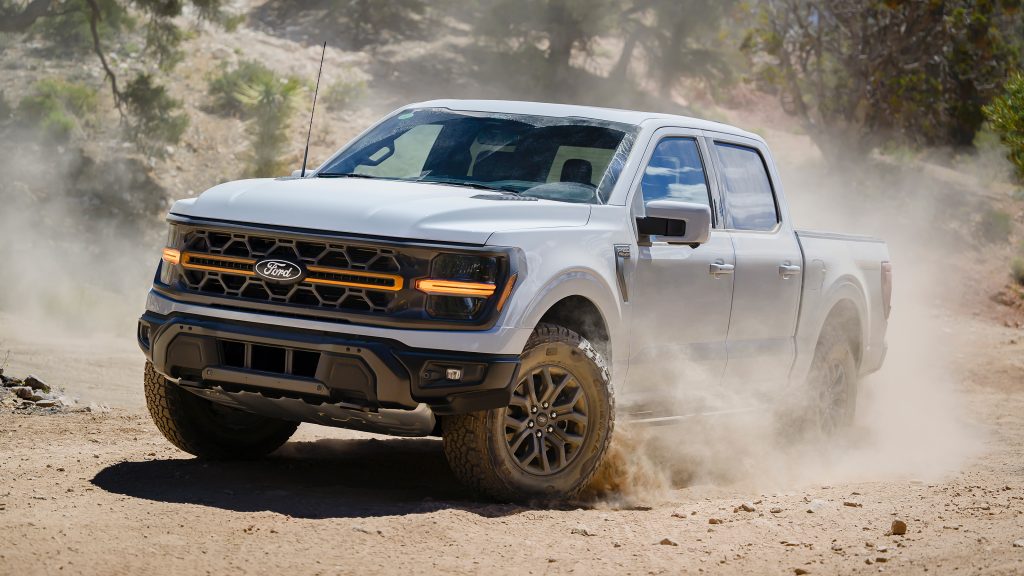
The Ford F-150 delivers a unique combination of capability, versatility, resale value, and widespread service support. It can function as a work truck, family vehicle, tow rig, and road-trip machine all at once.
Ownership costs are undeniably significant, but they are not unusually high compared with competing full-size pickups. In fact, Kelley Blue Book consistently places the F-150 among the stronger performers in its segment for long-term ownership value.
The key is entering ownership with realistic expectations. A modern full-size truck is not a cheap vehicle to operate. Buyers who focus only on the sticker price often underestimate the true cost of ownership. Fuel, insurance, depreciation, and financing ultimately determine what the truck really costs over time.
For most owners, a Ford F-150 will require roughly $60,000 to $70,000 in total ownership expenses during the first five years. That number may sound high, but it reflects the reality of owning one of America’s most capable and popular vehicles. When viewed through that lens, the F-150 remains a strong value in the full-size pickups world.
Also Read: Ford F-150 vs Chevrolet Silverado: Which Full-Size Pickup Truck Comes Out on Top?
