
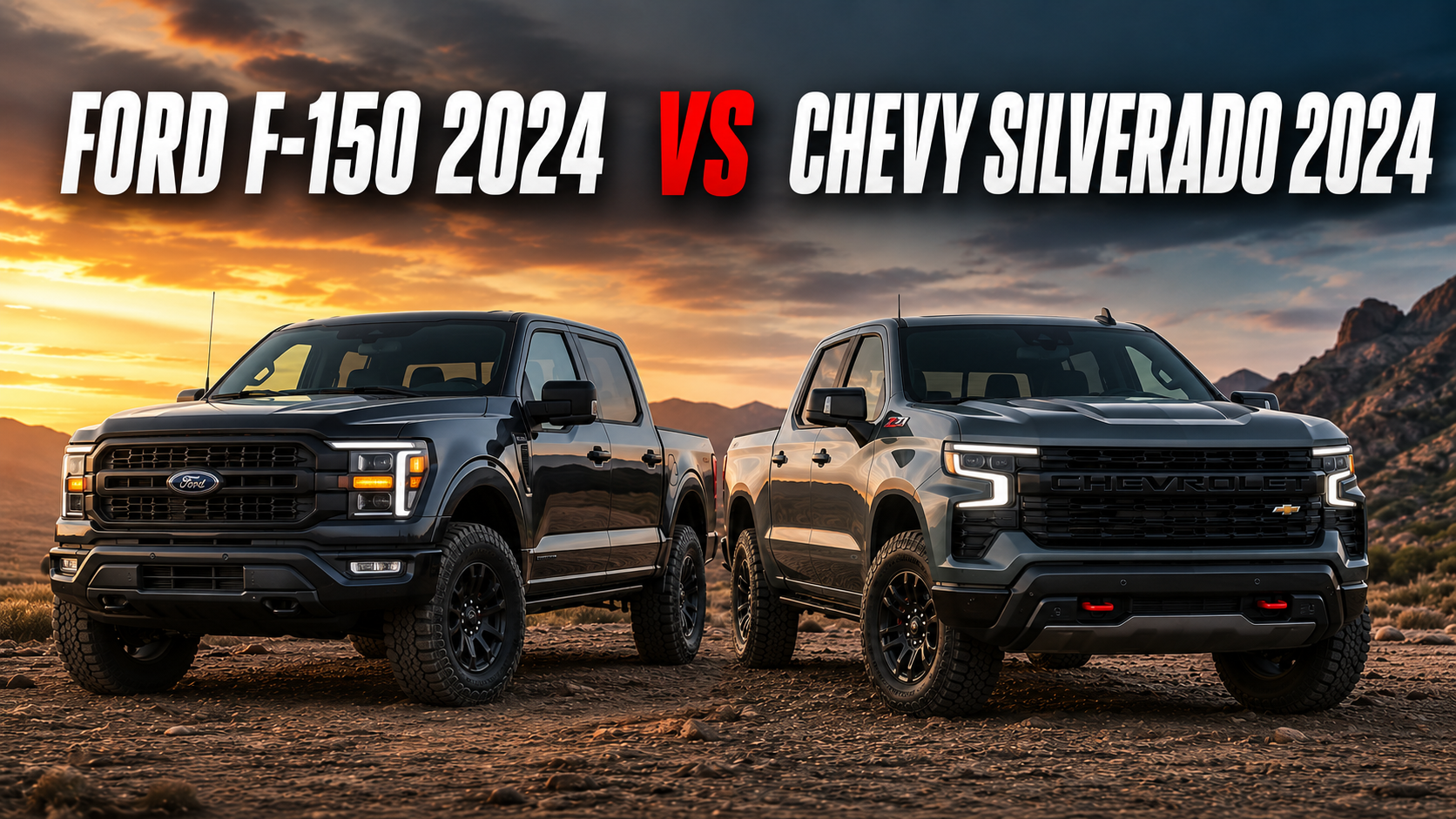
For decades, the battle between the Ford F-150 and the Chevrolet Silverado has defined the American full-size pickup truck market. These two nameplates have become synonymous with capability, durability, and versatility, attracting everyone from contractors and ranchers to families and outdoor enthusiasts.
While many rivalries in the automotive world come and go, the competition between these trucks remains as intense as ever, with each new generation bringing improvements in technology, performance, comfort, and efficiency.
The Ford F-150 has long held the crown as America’s best-selling vehicle, a title it has maintained through continuous innovation and a willingness to embrace new technologies.
From introducing aluminum body construction to offering hybrid powertrains and advanced towing systems, Ford has consistently pushed the segment forward. The F-150 has evolved from a simple work truck into a highly sophisticated vehicle that can serve as a mobile office, family transporter, and heavy-duty hauler all at once.
The Chevrolet Silverado takes a somewhat different approach. While it has adopted modern technology and advanced features over the years, Chevrolet has remained committed to preserving the traditional truck characteristics that many buyers still value.
The Silverado is known for its robust V8 engines, straightforward functionality, and dependable performance under demanding conditions. Its loyal customer base appreciates its rugged personality and proven reliability.
With both trucks offering multiple engines, numerous trim levels, impressive towing capacities, and increasingly luxurious interiors, choosing between them has become more difficult than ever. Each excels in different areas, and the “better” truck often depends on how it will be used.
To determine which pickup truly deserves the top spot, it is necessary to examine every major category, from performance and capability to comfort and ownership experience.
Also Read: 5 Land Rover Models Worth the Risk VS 5 To Avoid
A Legacy Built on Hard Work and Innovation
The history of the Ford F-150 and Chevrolet Silverado is deeply connected to the evolution of the American pickup truck. Both vehicles have spent decades adapting to changing consumer demands while maintaining their identities as capable workhorses.
The Ford F-Series dates back to 1948 and has become one of the most successful vehicle lineups in automotive history. The F-150 itself has been the centerpiece of Ford’s truck strategy for generations. Over the years, it has established a reputation for balancing work capability with innovation.
Ford has often been willing to take risks, whether through the introduction of turbocharged EcoBoost engines or the decision to use military-grade aluminum for body panels. While some traditionalists initially questioned these changes, many of them proved successful and helped keep the F-150 ahead of its competition.
The Chevrolet Silverado emerged from a long line of Chevrolet pickups and officially became its own model name in 1999. Since then, it has built a reputation for toughness and reliability.
Chevrolet has traditionally focused on refining proven formulas rather than introducing radical changes. This strategy has appealed to buyers who value consistency and dependability above all else.
Both trucks have grown significantly over the years. Modern versions offer luxury-level interiors, advanced safety systems, and technology features that would have seemed unimaginable in earlier generations. Yet despite these advancements, they continue to perform the core tasks that made them successful in the first place.
Today, the rivalry remains incredibly close. Ford continues to lead sales charts, but Chevrolet consistently attracts buyers who prefer its traditional truck character and strong V8 lineup. The result is a competition that benefits consumers by pushing both manufacturers to continually improve their products.
Engine Options and Performance
One of the biggest factors influencing truck buyers is engine selection, and this is an area where both the Ford F-150 and Chevrolet Silverado provide extensive choices.
Ford’s engine lineup is among the most diverse in the segment. Buyers can choose from a turbocharged 2.7-liter EcoBoost V6, a naturally aspirated 5.0-liter V8, a powerful 3.5-liter EcoBoost V6, and the innovative PowerBoost hybrid system. Higher-performance variants, such as those found in specialty trims, further expand the lineup.
The 3.5-liter EcoBoost engine deserves particular attention because it has become one of the most respected powerplants in the truck industry. It produces substantial torque at low engine speeds, allowing the truck to accelerate confidently even when carrying heavy loads or towing large trailers. The turbocharged design provides strong performance without requiring the large displacement traditionally associated with full-size trucks.
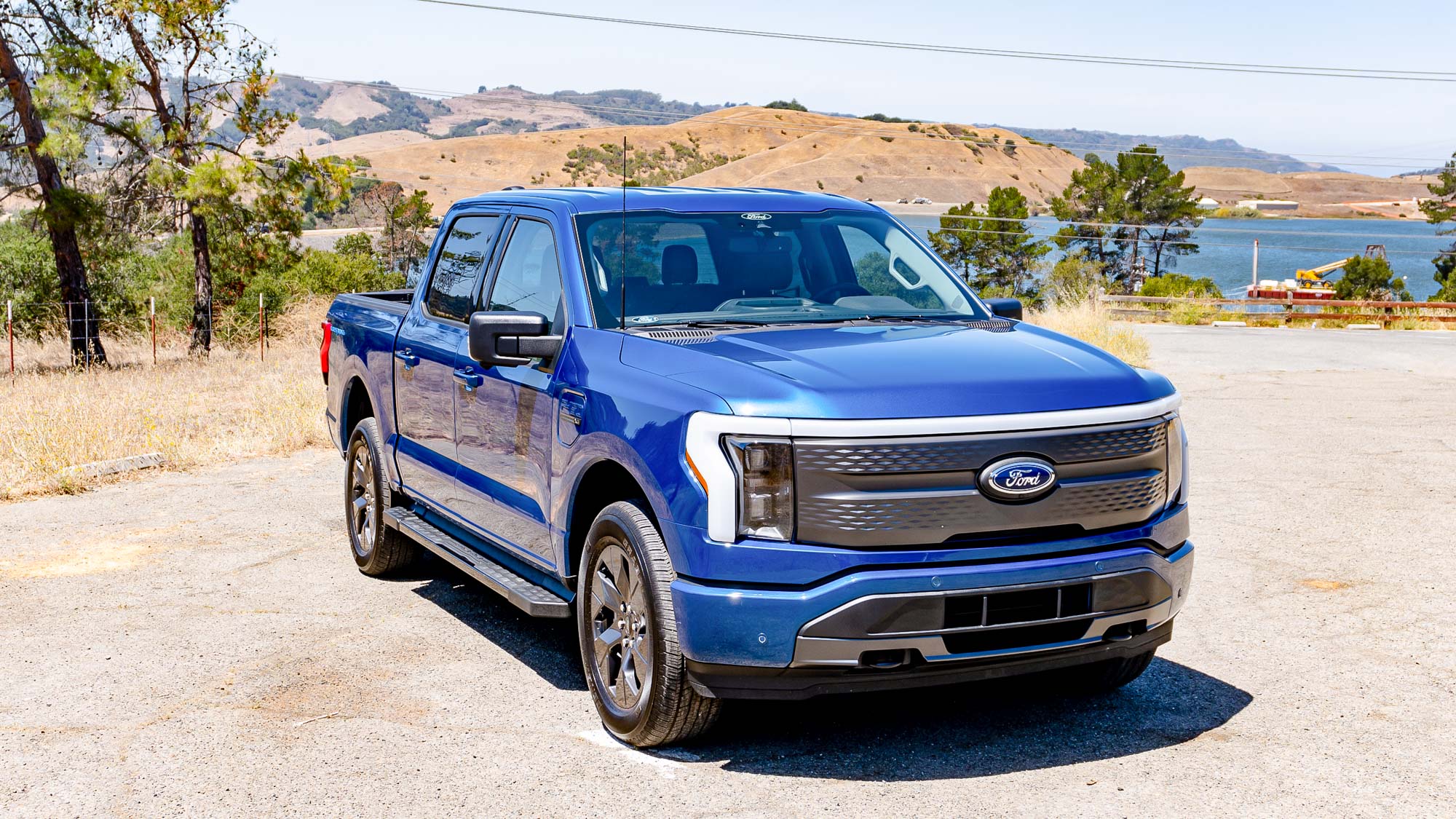
The PowerBoost hybrid system represents Ford’s commitment to innovation. By combining a gasoline engine with electric assistance, the hybrid delivers impressive fuel efficiency while maintaining strong towing and hauling capabilities. It also offers onboard power generation features that can supply electricity to tools, appliances, and equipment directly from the truck.
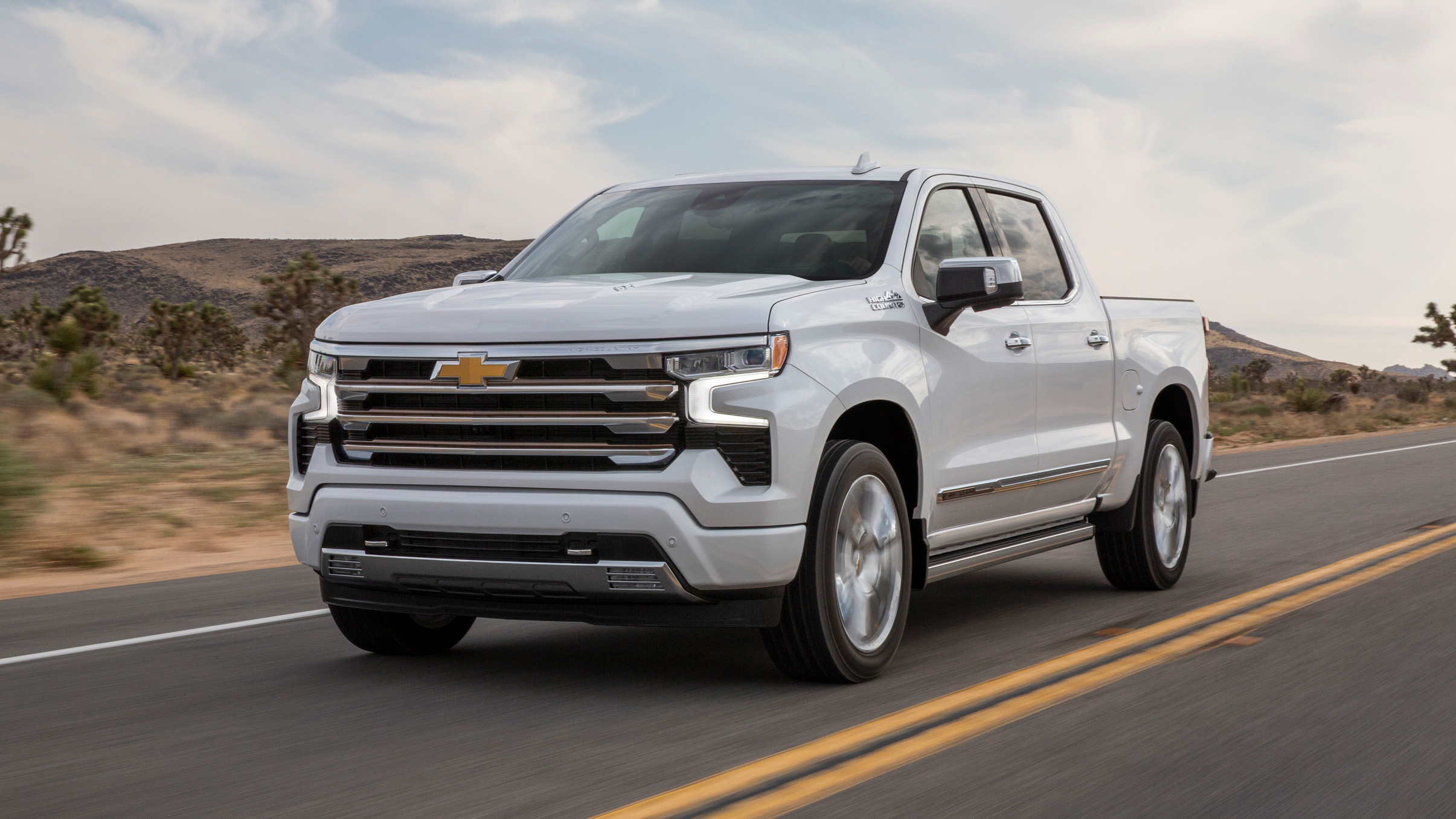
Chevrolet counters with a lineup that includes a turbocharged four-cylinder engine, a 5.3-liter V8, a 6.2-liter V8, and a 3.0-liter Duramax diesel. While the Silverado’s range may appear more conventional, it offers powertrains that have earned strong reputations among truck enthusiasts.
The 6.2-liter V8 stands out as one of the most exciting engines available in a mainstream pickup. It delivers immediate throttle response, strong acceleration, and the unmistakable sound that many truck buyers associate with traditional American performance. Unlike turbocharged engines, the power delivery feels linear and predictable, which some drivers prefer.
The Duramax diesel option provides a different type of performance. Its abundant torque makes towing effortless, while its fuel efficiency helps reduce operating costs during long-distance travel. For buyers who spend significant time on highways or regularly tow heavy loads, the diesel remains a compelling choice.
In everyday driving, the F-150 generally feels more responsive due to its turbocharged engines. The Silverado, meanwhile, offers a more traditional driving experience that many longtime truck owners find familiar and satisfying.
Winner: Ford F-150
Towing and Payload Capability
Capability remains one of the most important considerations in the full-size truck segment, and both the F-150 and Silverado deliver impressive numbers.
The Ford F-150 has consistently ranked among the segment leaders in maximum towing capacity. When properly equipped, certain configurations can tow up to approximately 13,500 pounds. This capability makes the truck suitable for everything from travel trailers and boats to construction equipment and livestock trailers.
Ford enhances the towing experience through advanced technology. Features such as Pro Trailer Backup Assist, trailer sway control, onboard scales, and smart hitch systems help drivers manage heavy loads with greater confidence. These technologies can be particularly beneficial for less experienced operators who may find trailer maneuvering challenging.
The Chevrolet Silverado closely matches Ford’s capabilities, with properly equipped models capable of towing around 13,300 pounds. While the difference on paper is relatively small, real-world performance remains highly competitive. The Silverado’s available diesel engine further enhances towing confidence by delivering substantial torque across a broad range of operating conditions.
Payload capacity is similarly impressive in both trucks. Depending on configuration, each can carry well over 2,000 pounds in the bed. This level of capability makes them suitable for demanding work environments where tools, materials, and equipment need to be transported regularly.
For buyers prioritizing Towing and Payload Capability, the F-150 holds a clear edge.
Winner: Ford F-150
Interior Comfort and Technology
Modern pickup trucks have evolved far beyond their utilitarian origins, and nowhere is this transformation more evident than inside the cabin.
The Ford F-150 offers one of the most technologically advanced interiors in the segment. Higher trim levels feature large digital instrument clusters, expansive infotainment displays, premium materials, and innovative storage solutions. The available fold-flat interior work surface has become one of Ford’s most popular features, allowing owners to use the cabin as a workspace when needed.
Passenger comfort is another area where the F-150 excels. Rear-seat space is generous, making the truck suitable for family transportation as well as work duties. Noise insulation has improved significantly over previous generations, creating a quiet and refined environment even during highway travel.
Chevrolet has made substantial improvements to the Silverado’s interior in recent years. Earlier generations were often criticized for lagging behind competitors in terms of design and material quality, but current models have largely addressed those concerns. Large touchscreen displays, digital gauges, and premium trim options help the Silverado compete effectively against the F-150.
The Silverado’s cabin emphasizes practicality and ease of use. Controls are logically arranged, and the design feels durable and functional. While it may not appear quite as futuristic as the F-150’s interior, many buyers appreciate its straightforward layout.
Luxury trims from both manufacturers rival premium SUVs in terms of comfort and features. Heated and ventilated seats, premium audio systems, panoramic sunroofs, and advanced driver-assistance technologies are widely available.
For buyers prioritizing technology and innovation, the F-150 holds a slight edge. Those who prefer a more traditional and functional interior may find the Silverado more appealing.
Winner: Ford F-150
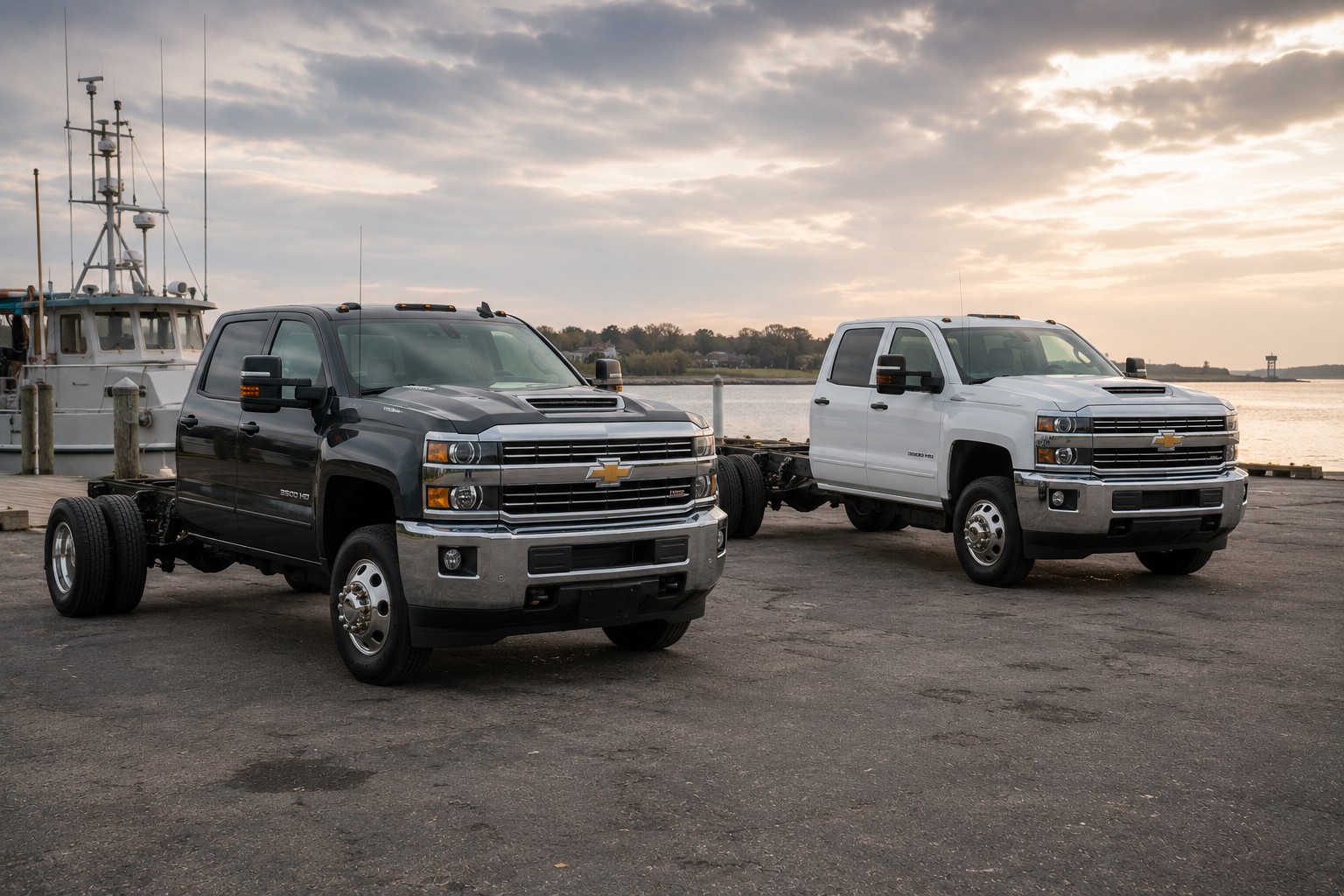
Ride Quality and Driving Experience
While capability figures and technology features often dominate marketing materials, the way a truck feels on the road plays a major role in everyday ownership. Most full-size truck owners spend far more time commuting, traveling, and running errands than towing maximum loads, making ride quality and driving comfort increasingly important factors.
The Ford F-150 has developed a reputation for delivering one of the most refined driving experiences in the segment. A major contributor to this refinement is its aluminum-intensive body construction, which helps reduce weight compared to traditional steel-bodied trucks.
The reduced mass improves acceleration, braking, handling, and fuel efficiency while also helping the suspension respond more effectively to road imperfections.
On city streets, the F-150 feels surprisingly composed for a vehicle of its size. Steering is light enough to make parking manageable, while the suspension absorbs bumps and potholes with confidence.
On highways, the truck settles into a comfortable cruising rhythm, with minimal road noise entering the cabin. This refinement makes long-distance travel less tiring and contributes to the F-150’s reputation as one of the easiest full-size trucks to live with on a daily basis.
Ford has also invested heavily in advanced driver-assistance systems that enhance the driving experience. Features such as adaptive cruise control, lane-centering assistance, blind-spot monitoring, and hands-free driving technology on certain models help reduce driver fatigue during long journeys. These technologies further strengthen the F-150’s position as a modern and sophisticated pickup.
The Chevrolet Silverado approaches driving dynamics from a different perspective. Rather than emphasizing car-like refinement, Chevrolet has maintained a stronger connection to traditional truck characteristics. The Silverado feels substantial and planted on the road, giving drivers a sense of confidence and stability, particularly when carrying heavy loads or towing trailers.
One of the Silverado’s strengths is its predictable behavior under demanding conditions. The suspension is tuned to provide excellent stability, and the truck remains composed even when the bed is heavily loaded. Drivers who regularly use their truck for work-related tasks often appreciate this sense of durability and control.
The Silverado’s V8 engines also contribute significantly to its driving character. The immediate throttle response and deep exhaust note create a driving experience that feels distinctly American. While turbocharged engines provide excellent efficiency and torque, many enthusiasts still prefer the smooth and natural power delivery of a large-displacement V8.
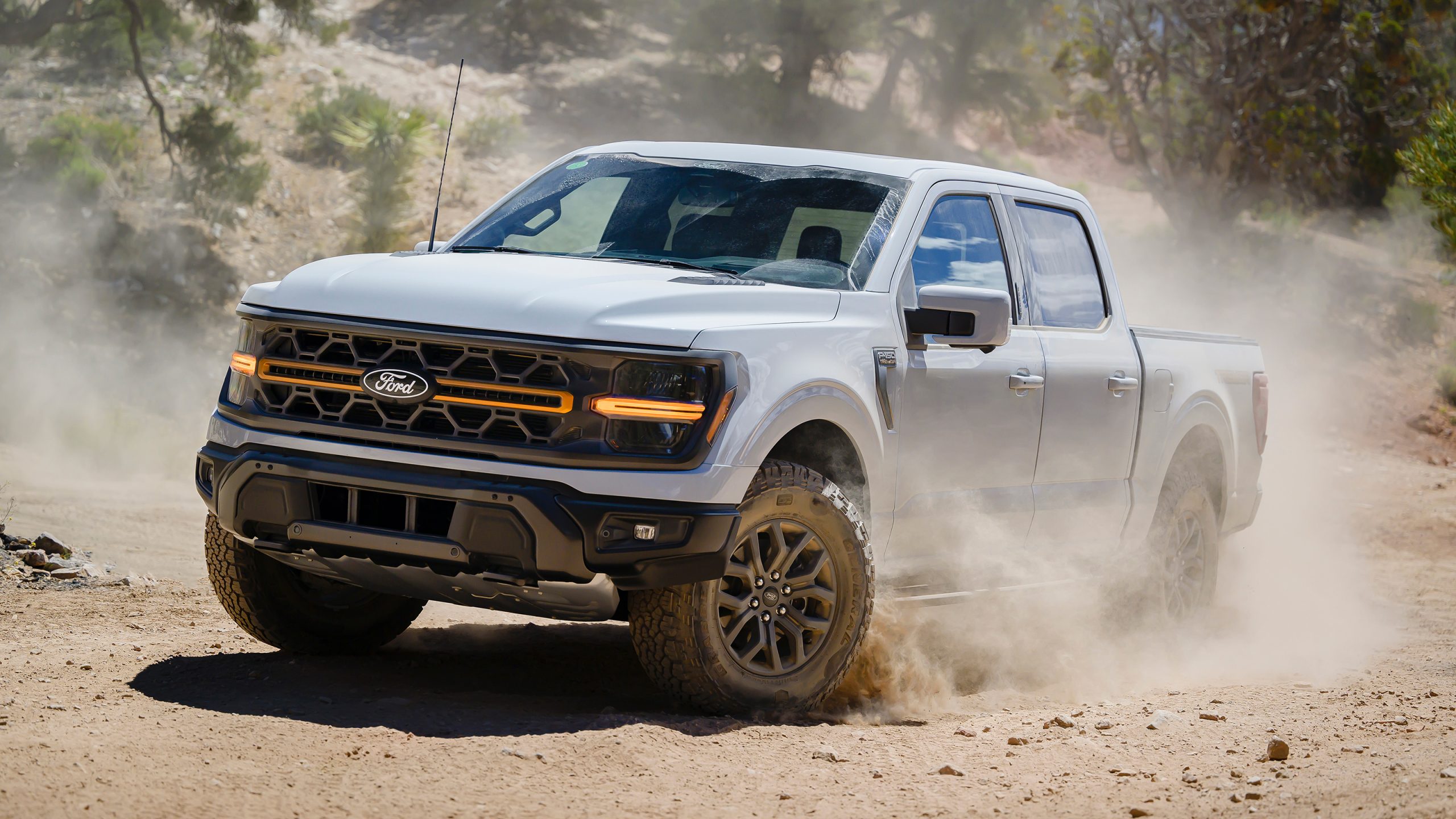
Off-road capability is another area where both trucks perform well. Specialized trims such as the F-150 Tremor and Silverado Trail Boss offer upgraded suspensions, all-terrain tires, locking differentials, and additional ground clearance. These packages allow owners to confidently tackle trails, rough terrain, and challenging weather conditions without sacrificing everyday usability.
The F-150 provides a more refined and technologically advanced driving experience, while the Silverado appeals to buyers seeking traditional truck characteristics and a stronger sense of ruggedness.
Winner: Ford F-150
Fuel Economy and Efficiency
Fuel economy has become increasingly important in the full-size truck segment, particularly as fuel prices fluctuate and buyers seek to reduce operating costs. Both Ford and Chevrolet have introduced new technologies to improve efficiency, but their strategies differ significantly.
Ford has arguably taken the more aggressive approach by offering multiple turbocharged EcoBoost engines and a hybrid powertrain. The company’s philosophy centers on delivering V8-like performance while reducing fuel consumption through smaller-displacement engines and advanced engineering.
The PowerBoost hybrid represents Ford’s most ambitious effort in this area. By combining a gasoline engine with an electric motor, the system delivers impressive power while significantly improving fuel efficiency. Unlike some hybrid vehicles that prioritize economy at the expense of capability, the PowerBoost maintains strong towing and hauling performance. This balance has made it particularly attractive to buyers who need a truck’s capability but also want lower fuel expenses.
Even Ford’s non-hybrid EcoBoost engines perform well in terms of efficiency. The turbocharged design allows the engines to operate efficiently under light loads while still providing substantial power when needed. This flexibility helps the F-150 achieve competitive fuel economy figures across a variety of driving conditions.
Chevrolet has chosen a different route by emphasizing diesel technology alongside its gasoline engines. The Silverado’s 3.0-liter Duramax diesel is widely regarded as one of the best diesel engines available in a light-duty pickup. It combines excellent fuel economy with strong torque, making it especially effective for highway driving and long-distance towing.
For drivers who regularly cover hundreds of miles at a time, the diesel Silverado can be remarkably economical. The engine’s efficiency helps extend driving range between fill-ups, reducing the frequency of fuel stops during long trips. This advantage is particularly valuable for commercial operators and recreational users who frequently travel long distances.
The Silverado’s gasoline engines are also reasonably efficient, though they generally cannot match the economy of Ford’s hybrid offerings. However, some buyers are willing to accept slightly higher fuel consumption in exchange for the simplicity and familiarity of a naturally aspirated V8.
Ford holds the advantage in efficiency thanks to its hybrid technology and turbocharged engines. Chevrolet counters with one of the segment’s strongest diesel options, making the choice largely dependent on individual driving habits and priorities.
Winner: Tie
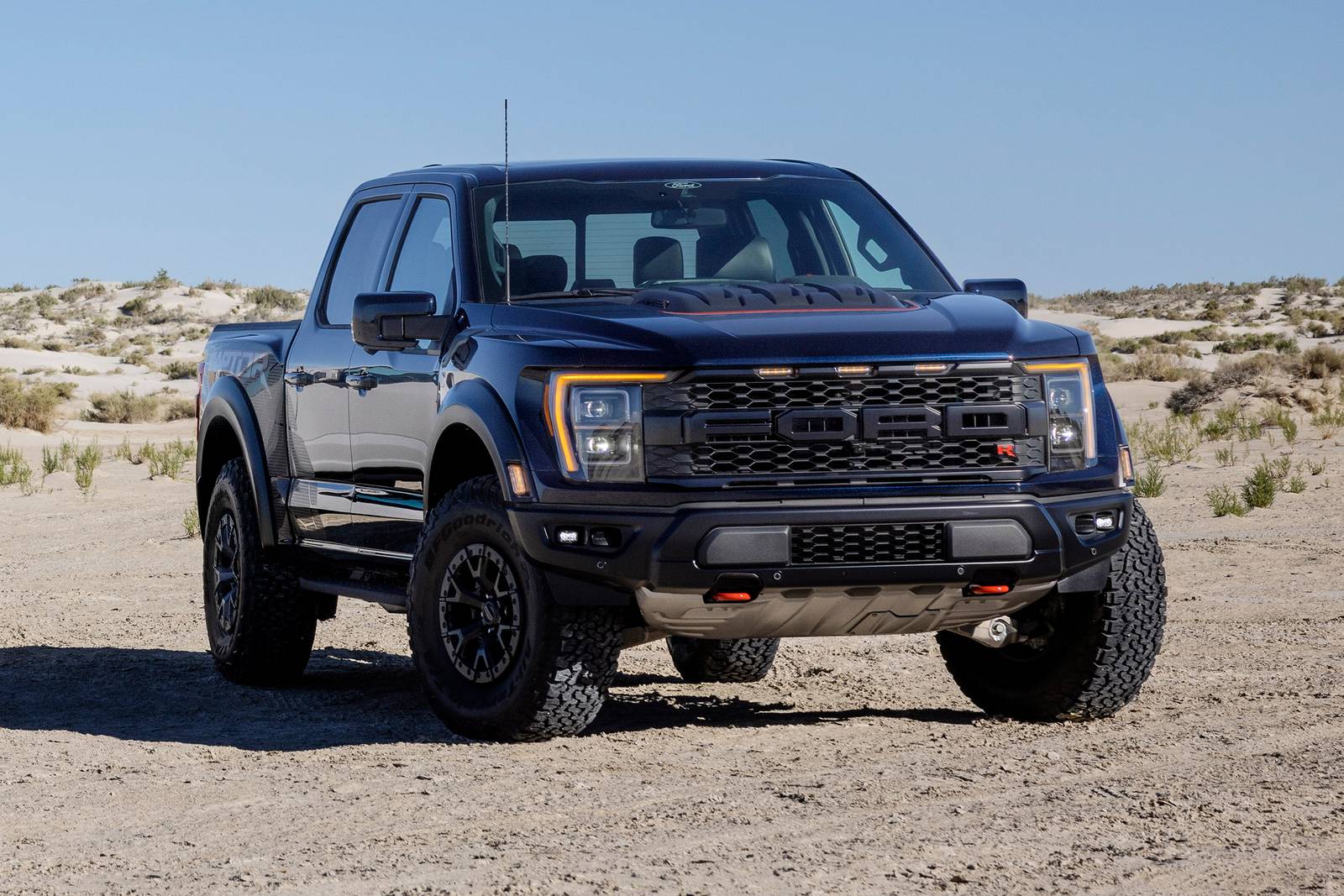
Reliability and Ownership Experience
Reliability is often one of the most important considerations for truck buyers, particularly those who depend on their vehicles for work. A truck that spends time in the repair shop can lead to lost productivity and unexpected expenses, making long-term dependability a critical factor.
The Ford F-150 benefits from decades of development and an enormous customer base. Its popularity ensures widespread parts availability, extensive service networks, and strong aftermarket support. Owners can find replacement components, accessories, and maintenance services virtually anywhere in North America.
Ford’s diverse engine lineup provides buyers with numerous options, but it also means reliability experiences can vary depending on the specific powertrain.
The EcoBoost engines have generally proven durable when properly maintained, though some owners have reported issues related to turbocharger systems and complex electronics over the years. Ford has continuously refined these components, improving reliability with each generation.
The PowerBoost hybrid introduces additional complexity compared to conventional powertrains, but early ownership data has been encouraging. As hybrid technology becomes more common, concerns about long-term durability continue to diminish.
The Chevrolet Silverado has earned a reputation for straightforward durability, particularly when equipped with traditional V8 engines. Many Silverado owners appreciate the relative simplicity of these powertrains, which have evolved gradually over time rather than undergoing radical redesigns.
Chevrolet’s V8 engines are often praised for their longevity when properly maintained. The Duramax diesel also enjoys a strong reputation among owners who prioritize towing capability and long-term durability. While diesel maintenance can be more expensive in some situations, many buyers consider the trade-off worthwhile.
Ownership costs for both trucks are generally competitive within the segment. Insurance rates, maintenance expenses, and depreciation vary depending on trim level, engine choice, and market conditions. Because both vehicles are extremely popular, resale values tend to remain strong, particularly for well-equipped models in good condition.
Winner: Tie
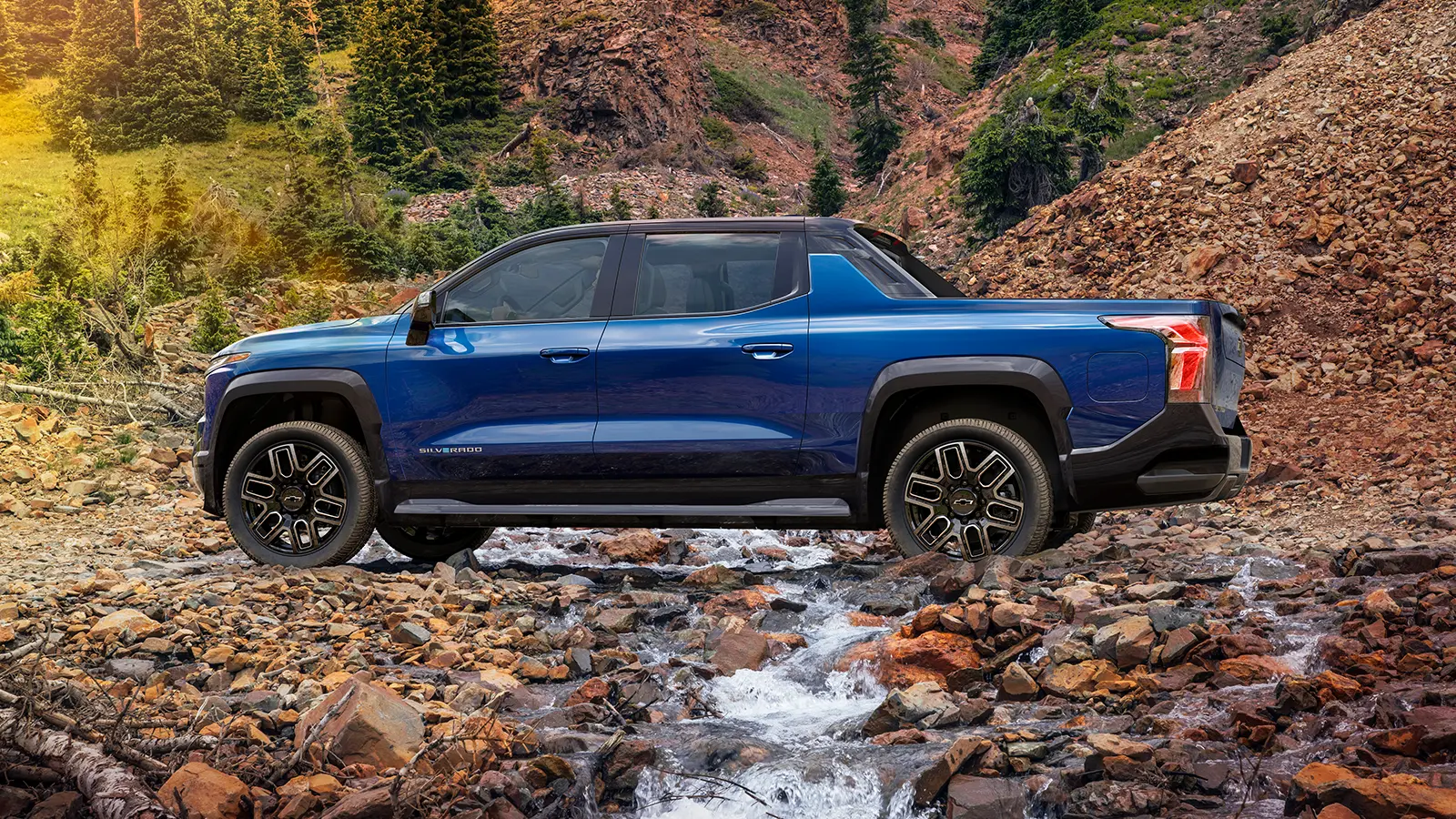
Pricing and Value
Pricing plays a major role in the purchasing decision, and both the Ford F-150 and Chevrolet Silverado offer a wide range of configurations designed to accommodate different budgets.
Entry-level models from both manufacturers provide practical transportation and work capability at relatively accessible price points. These trucks are often purchased by businesses, contractors, and fleet operators who prioritize functionality over luxury.
As buyers move up the trim ladder, pricing increases significantly. Mid-level trims introduce upgraded interiors, larger infotainment screens, advanced safety systems, and additional convenience features. These models represent the sweet spot for many consumers, balancing capability, comfort, and value.
At the top end of the lineup, both trucks can become surprisingly luxurious. Premium trims feature leather upholstery, high-end audio systems, advanced technology packages, and sophisticated driver-assistance features. In some cases, fully loaded models approach the pricing territory of luxury SUVs.
Ford often justifies its pricing through innovative technology and advanced features, while Chevrolet focuses on delivering strong capability and traditional truck appeal. Depending on incentives, regional pricing, and available promotions, either truck may offer better value at a given time.
The key consideration is matching the truck’s features and capabilities to actual needs. Many buyers purchase more capability than they will ever use, leading to unnecessary expense. Carefully evaluating intended usage can help identify the trim and configuration that provides the best value.
Winner: Ford F-150
Also Read: 5 Land Rover Models Worth the Risk VS 5 To Avoid
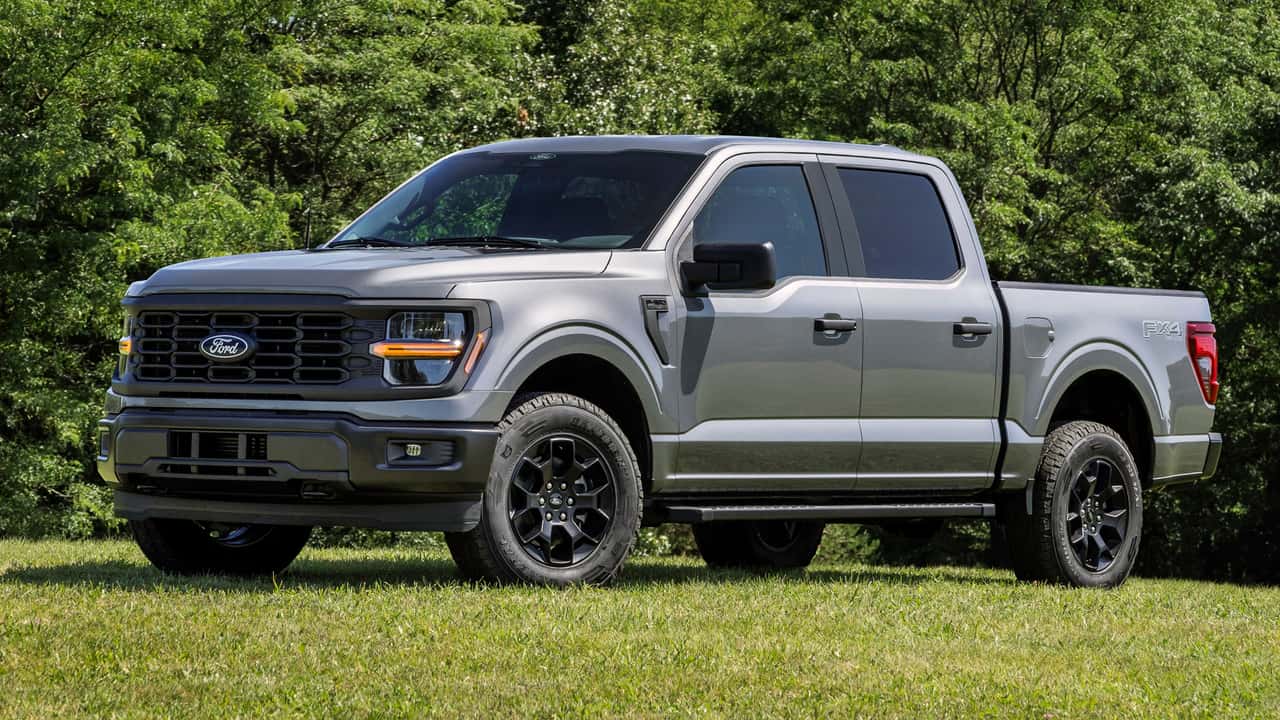
Final Verdict: Which Truck Wins?
The Ford F-150 and Chevrolet Silverado are two of the most capable and well-rounded pickup trucks available today. Both excel in areas that matter most to truck buyers, including towing capability, payload capacity, comfort, technology, and long-term usability.
The Ford F-150 emerges as the stronger choice for buyers seeking innovation, advanced technology, superior efficiency, and a refined driving experience. Its diverse engine lineup, hybrid option, sophisticated towing features, and modern interior make it one of the most versatile trucks on the market.
For those who want a pickup that feels as comfortable commuting through the city as it does hauling heavy loads, the F-150 is difficult to beat.
The Chevrolet Silverado, meanwhile, remains an outstanding choice for buyers who value traditional truck characteristics. Its powerful V8 engines, excellent diesel option, stable towing behavior, and rugged personality give it a unique appeal that continues to attract loyal customers.
The Silverado feels authentic and dependable, staying true to the qualities that have defined American pickups for generations.
Winner: Ford F-150
