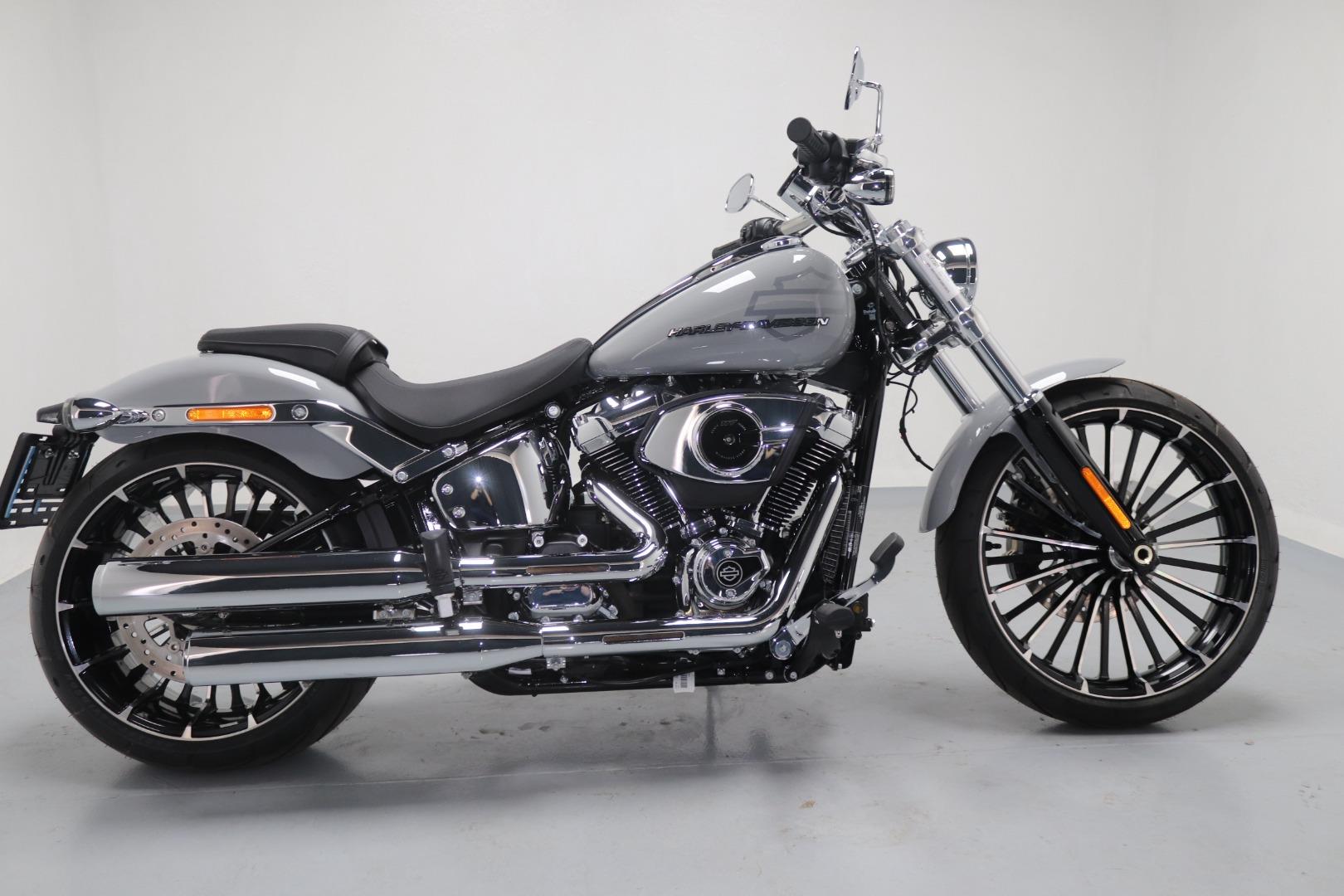
Few motorcycle brands enjoy the recognition of Harley-Davidson. For more than a century, the American manufacturer has built motorcycles that represent freedom, individuality, and long-distance touring.
Whether it’s a Street Glide rolling down the interstate, a Road King crossing state lines, or a Low Rider parked outside a local café, Harley-Davidson motorcycles have become cultural icons as much as transportation.
However, buying a Harley is only the beginning of the ownership journey.
Like any vehicle, a motorcycle comes with ongoing expenses that extend far beyond the initial purchase price. Insurance, maintenance, tires, fuel, depreciation, accessories, registration fees, and occasional repairs all contribute to the true cost of ownership. Many first-time buyers focus heavily on monthly payments while underestimating how much they will spend during the years that follow.
The good news is that Harley-Davidsons generally hold their value well compared with many motorcycles. The brand’s loyal customer base and strong used-bike market help support resale values.
Many models are also built for high mileage and long-term ownership, making them attractive to riders who plan to keep their motorcycles for years. Still, ownership is not inexpensive.
For a typical rider purchasing a new Harley-Davidson cruiser or touring model, five-year ownership costs can easily range between $20,000 and $35,000 beyond the initial purchase price depending on financing, mileage, insurance rates, and customization habits.
The exact figure varies from rider to rider, but understanding where the money goes can help buyers make smarter decisions before signing paperwork.
Also Read: Harley-Davidson Sportster S vs Triumph Rocket 3 & Which Is Better?
Depreciation Is Usually The Largest Expense
Most people think fuel or maintenance will be the biggest cost of motorcycle ownership. In reality, depreciation often takes that title.
Depreciation refers to the difference between what you paid for the motorcycle and what it is worth when you eventually sell or trade it. Even motorcycles with strong resale values lose money over time, particularly during the first few years of ownership.
Harley-Davidson performs better than many competitors in this category. Popular models such as the Street Glide, Road Glide, Fat Boy, and Road King tend to retain value more effectively than many sport bikes or niche motorcycles. That said, depreciation remains significant.
A new Harley costing $22,000 to $30,000 today may lose $5,000 to $12,000 in value during its first five years depending on model, condition, mileage, and market demand.
Higher-end touring models often lose more money in absolute terms simply because they start with higher purchase prices. Limited-production models and highly desirable versions sometimes perform better, but no motorcycle completely escapes depreciation.
For many owners, this single category represents the largest financial hit during ownership. The money may not leave your bank account monthly, but it disappears in the form of reduced vehicle value.
Insurance Costs Add Up Quickly
Insurance is one of the most overlooked ownership expenses. Motorcycle insurance rates vary dramatically depending on age, riding history, location, coverage levels, and the specific Harley being insured.
A rider in their 50s with decades of experience may pay substantially less than a younger rider purchasing their first large-displacement motorcycle.
Touring motorcycles generally cost more to insure than smaller cruisers because replacement values are higher.
A typical Harley owner can expect insurance expenses ranging from roughly $500 to $1,500 annually. Riders living in urban areas or carrying comprehensive coverage may pay even more. Over five years, insurance costs commonly total between $3,000 and $8,000.
Several factors influence premiums:
- Riding experience
- Accident history
- Credit profile
- Geographic location
- Annual mileage
- Motorcycle value
- Coverage limits
Some owners reduce costs by storing motorcycles seasonally and adjusting coverage during winter months. Others maintain year-round policies regardless of riding habits.
Regardless of the approach, insurance remains one of the most predictable ownership expenses and one that should be budgeted carefully before purchasing any motorcycle.
Maintenance Costs Are Higher Than Many Expect
Harley-Davidsons have earned a reputation for durability, but they still require routine maintenance.
Many riders accumulate only a few thousand miles per year on their motorcycles, but Harley owners frequently use their bikes for long-distance touring. This higher mileage leads to maintenance requirements that are harder to overlook.
Routine service typically includes the following:
- Engine oil changes
- Primary fluid changes
- Transmission fluid service
- Air filter replacement
- Brake fluid replacement
- Drive belt inspections
- Battery maintenance
- General inspections
Dealership service costs can add up quickly. A standard service visit may cost several hundred dollars depending on the model and maintenance schedule. Larger scheduled services can become considerably more expensive.
Over five years, maintenance expenses commonly fall between $2,000 and $5,000 for riders who follow manufacturer recommendations.
Owners who perform their own maintenance can reduce costs significantly. Harley-Davidsons remain relatively accessible motorcycles for home mechanics compared with some highly complex performance bikes.
However, many owners prefer dealership service records because they can support resale value later. Whether performed at home or by professionals, routine maintenance represents a meaningful part of the ownership equation.
Tires Are A Bigger Expense Than Most Riders Realize
Motorcycle tires tend to wear out much faster than car tires, which often surprises new Harley owners. Harley-Davidson bikes are also fairly heavy machines, especially touring versions loaded with luggage, passengers, and accessories.
A set of quality replacement tires can cost between $400 and $800 before installation. Depending on riding style and mileage, rear tires may need replacement every 8,000 to 15,000 miles. Front tires usually last longer but still require periodic replacement.
For riders covering significant distances, tire expenses become a recurring cost. Over five years, many Harley owners spend between $1,000 and $3,000 on tires alone.
Aggressive riding, frequent two-up touring, and heavy loads can shorten tire life considerably. Conversely, riders who cover limited mileage each year may replace tires based on age rather than tread wear.
Either way, tires remain one of the most predictable maintenance-related expenses associated with motorcycle ownership.
Fuel Costs Are Surprisingly Manageable
Compared with cars and trucks, Harley-Davidsons are relatively fuel-efficient. Most modern Harley models deliver fuel economy figures ranging from roughly 35 to 50 miles per gallon depending on the motorcycle, riding style, and conditions.
Touring models equipped with large-displacement V-twin engines generally consume more fuel than smaller cruisers, but they still compare favorably with many automobiles.
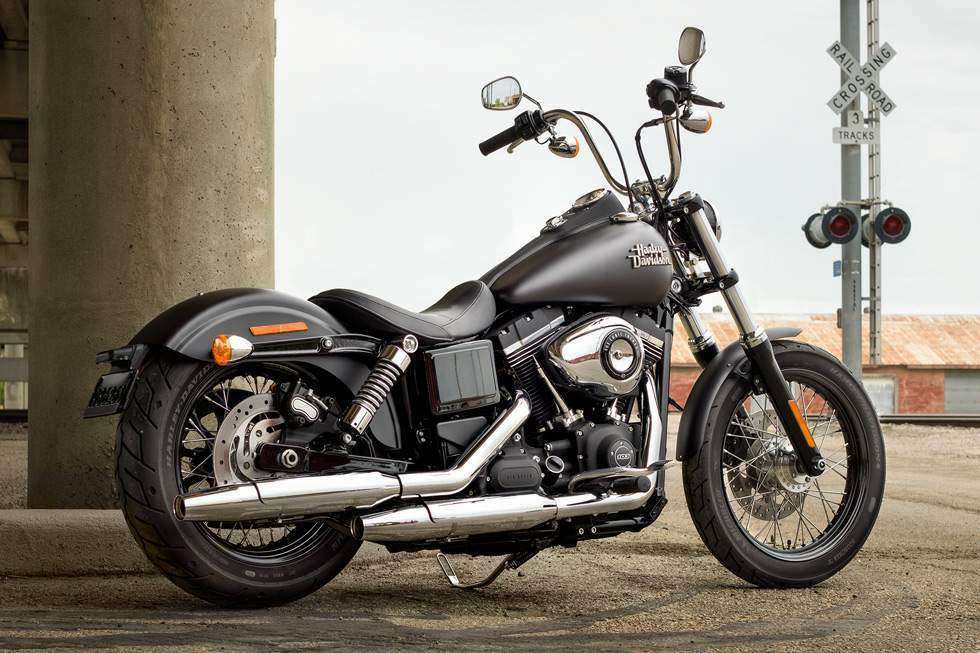
Assuming annual mileage of approximately 5,000 to 8,000 miles, fuel costs often total between $2,000 and $4,000 over five years. This makes fuel one of the smaller ownership expenses.
Of course, riders who frequently go on cross-country adventures will spend more. Long-distance touring is one of the biggest appeals of Harley ownership, and extensive travel naturally increases fuel consumption.
Even so, gasoline rarely becomes a major financial burden compared with depreciation, insurance, or customization costs.
Accessories Can Easily Become The Most Expensive Category
This is where Harley ownership becomes unique. Few motorcycle brands inspire customization the way Harley-Davidson does. Many owners begin with good intentions.
They purchase a motorcycle and promise themselves they will leave it stock. A few months later, a new exhaust system appears. Then comes a windshield, upgraded seat, luggage rack, LED lighting package, performance tuner, handlebars, engine guards, custom wheels, navigation equipment, or premium audio system.
The list can become endless. Harley-Davidson has built an enormous ecosystem around personalization. Thousands of factory and aftermarket accessories allow riders to tailor motorcycles to their preferences.
This flexibility is part of the brand’s appeal. It is also one of the biggest financial traps. Some owners spend less than $500 on modifications during five years. Others spend $10,000 or more.
In many cases, accessories become the largest discretionary ownership expense. The important thing to remember is that modifications rarely return their full value at resale.
Many upgrades improve enjoyment but do little to increase the motorcycle’s market price.
Financing Costs Can Add Thousands
Many Harley buyers finance their motorcycles rather than paying cash. Interest charges vary based on credit scores, loan terms, down payments, and prevailing rates. While monthly payments may seem manageable, financing costs add up significantly over time.
A buyer financing a $25,000 motorcycle could easily spend several thousand dollars on interest during a five-year ownership period.
Longer loan terms often reduce monthly payments while increasing total interest expenses. For some owners, financing costs may reach $3,000 to $6,000 over five years.
The exact amount depends heavily on individual circumstances. Buyers who make larger down payments or secure favorable financing rates can reduce this category substantially.
Nevertheless, financing remains an important component of the true ownership picture.
So What Does Five Years Really Cost?
When all expenses are combined, the numbers become clearer. A typical five-year Harley-Davidson ownership experience may look something like this:
- Depreciation: $5,000 to $12,000
- Insurance: $3,000 to $8,000
- Maintenance: $2,000 to $5,000
- Tires: $1,000 to $3,000
- Fuel: $2,000 to $4,000
- Financing: $3,000 to $6,000
- Registration and fees: $500 to $2,000
- Accessories and customization: $500 to $10,000+
For many owners, total five-year ownership costs beyond the purchase price fall somewhere between $20,000 and $35,000.
Enthusiasts who heavily customize their motorcycles can exceed that figure considerably. The wide range reflects how differently people use their motorcycles.
A weekend rider and a cross-country touring enthusiast may own identical motorcycles while experiencing dramatically different costs.
Is a Harley-Davidson worth it?
From a purely financial perspective, motorcycles are rarely the cheapest transportation solution.
Cars offer greater practicality, weather protection, passenger capacity, and cargo space. A Harley-Davidson is not purchased solely because it makes economic sense.
People buy Harleys because of the experience. The sound of a V-twin engine, the feeling of an open highway, the community surrounding the brand, and the freedom associated with motorcycle travel are difficult to quantify. Those qualities explain why so many owners remain loyal to Harley-Davidson despite the costs involved.
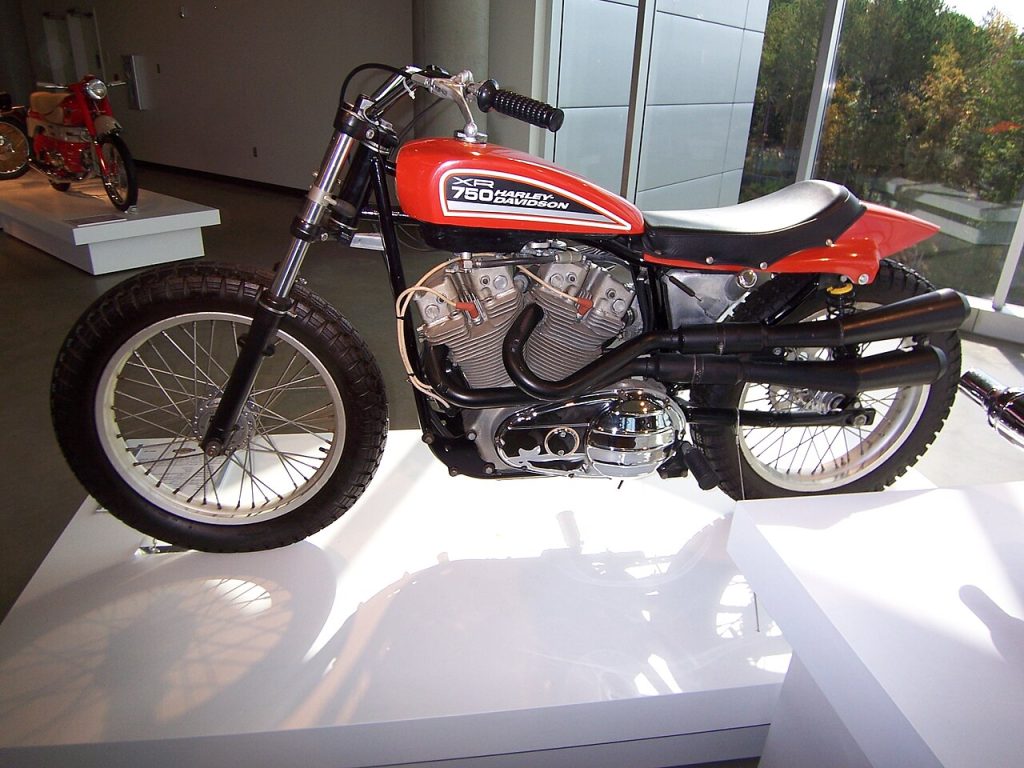
The key is understanding what ownership actually entails. A Harley is more than a purchase price and monthly payment. It is a long-term financial commitment that includes maintenance, insurance, fuel, tires, and often a steady stream of accessories.
For riders who enter ownership with realistic expectations, the experience can be immensely rewarding. And while the costs are significant, many Harley owners would argue that few vehicles deliver as much enjoyment per mile.
That is why so many continue riding them year after year, long after the numbers alone would suggest choosing something else.
Also Read: Harley-Davidson’s Aging Customer Base Is Forcing a Make-or-Break Reinvention