
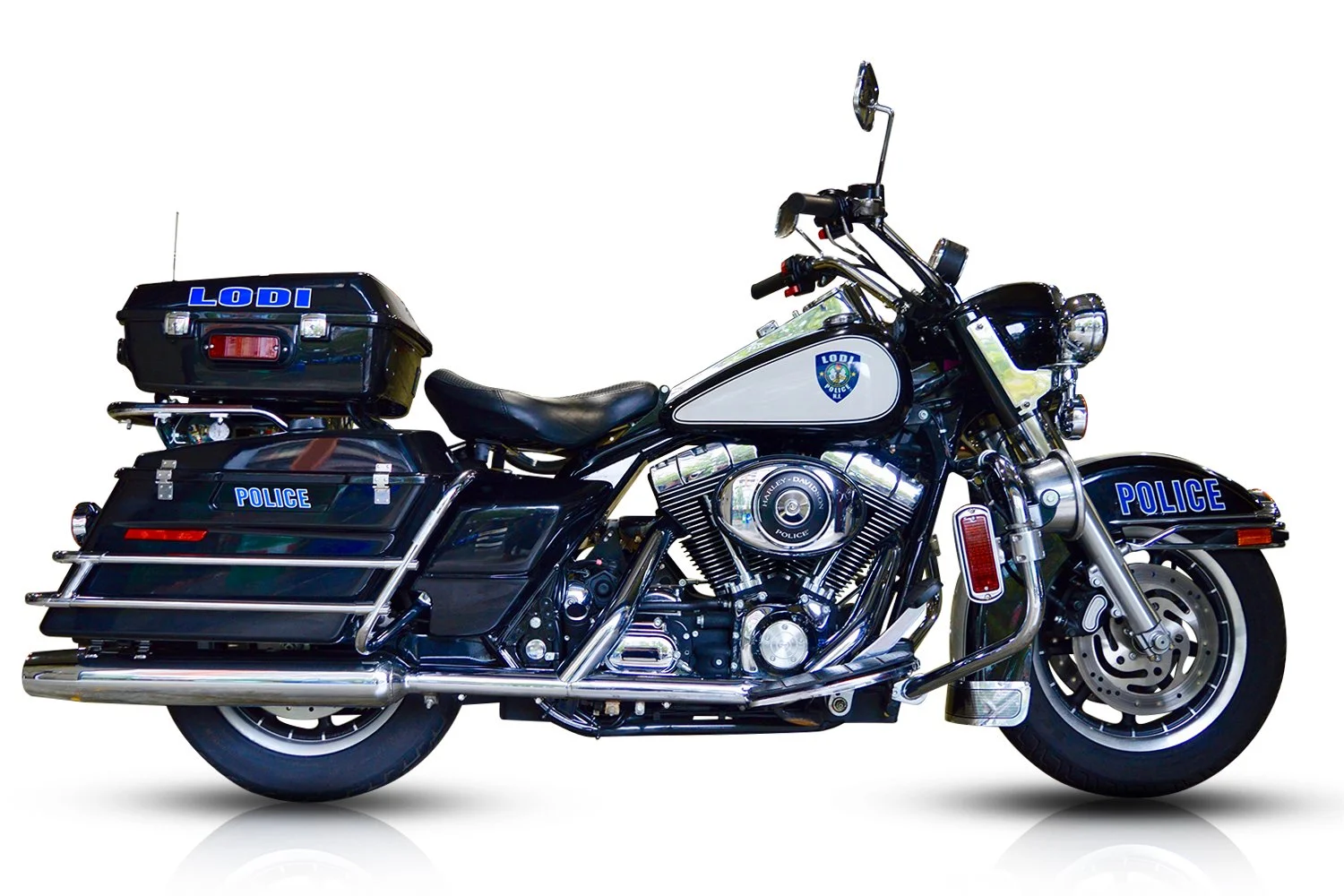
For more than a century, Harley-Davidson represented freedom, rebellion, and American motorcycle culture at its loudest and most recognizable. The company built an image so powerful that even people who had never ridden a motorcycle could instantly identify the sound of a Harley V-twin engine from blocks away.
But beneath the chrome, leather jackets, and legendary highway image, Harley-Davidson is confronting one of the most serious challenges in its modern history. Its core customer base is getting older.
For years, Harley depended heavily on Baby Boomers and older Generation X riders who embraced heavyweight cruisers, long highway tours, and the traditional biker lifestyle.
Those riders fueled decades of strong sales and helped transform Harley-Davidson into one of the most iconic motorcycle brands in the world. Now the company faces an uncomfortable reality.
Many longtime customers are aging out of riding altogether, reducing purchases, or shifting toward lighter motorcycles that are easier to manage. Younger buyers, meanwhile, often show far less interest in expensive heavyweight cruisers than previous generations did.
This demographic shift has forced Harley-Davidson into a make-or-break reinvention effort that could determine the company’s future over the next decade. Executives understand the danger clearly.
Without attracting younger riders and expanding beyond its traditional audience, Harley risks becoming a shrinking legacy brand tied too heavily to nostalgia rather than future growth.
The challenge is especially difficult because the company must modernize without alienating loyal customers who helped build Harley’s identity in the first place. That balancing act now defines nearly every major decision the company makes.
Also Read: 10 Motorcycles With Bigger Engines Than Most Cars
Younger Riders Want Different Motorcycles
The motorcycle market has changed dramatically since Harley-Davidson dominated American roads during the late twentieth century.
Younger riders today often prioritize affordability, technology, versatility, and practicality over the traditional cruiser lifestyle that Harley built its empire around. Many new riders live in urban environments where lightweight motorcycles, naked bikes, sport bikes, and adventure motorcycles fit daily life better than massive touring cruisers.
Price has become another major obstacle. Modern Harley-Davidson motorcycles can cost well over $20,000 before accessories, financing, and insurance. Premium touring models sometimes approach luxury car pricing levels.
Younger buyers facing rising housing costs, student debt, and economic uncertainty frequently hesitate before committing to such expensive recreational vehicles. Competing brands have taken advantage of that shift.
Japanese manufacturers continue offering lower-priced motorcycles with strong reliability and modern technology. European companies attract younger enthusiasts with aggressive performance bikes and adventure-focused models.
Even smaller-displacement motorcycles have grown increasingly popular as new riders look for approachable entry points into motorcycling. Harley recognized this shifting market years ago.
The company attempted to attract younger customers through models like the Street series, which targeted urban riders with more affordable pricing and smaller engines. While the bikes generated some interest, they failed to fully transform Harley’s demographic problem.
The challenge goes beyond the product alone. Many younger consumers simply do not connect emotionally with traditional biker culture the same way earlier generations did.
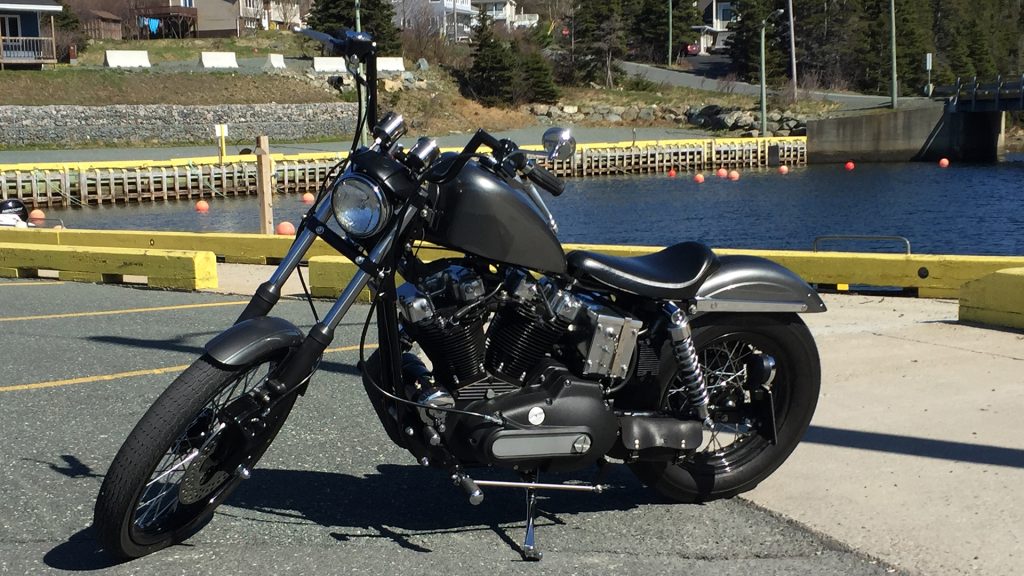
The classic Harley image of leather vests, highway rallies, and massive chrome cruisers feels distant from the lifestyles and tastes of many younger riders entering the market today.
That cultural disconnect has forced Harley to rethink not just its motorcycles, but also its entire brand identity.
The Company Is Betting Big on Reinvention
Harley-Davidson has spent recent years aggressively trying to modernize its lineup and expand into entirely new motorcycle categories.
One of the company’s boldest moves came with the launch of the Harley-Davidson Pan America 1250, an adventure touring motorcycle designed to compete directly with dominant models from BMW, Ducati, and KTM. The bike represented a dramatic departure from Harley’s traditional cruiser image.
The Pan America surprised many critics by performing far better than expected. Riders praised its powerful engine, advanced technology, and legitimate off-road capability. More importantly, the motorcycle attracted buyers who previously would never have considered purchasing a Harley-Davidson product.
The company also introduced the Harley-Davidson Sportster S, a modern, performance-focused cruiser aimed at younger riders seeking aggressive styling and stronger handling dynamics.
Then came one of Harley’s most controversial projects. The company launched the Harley-Davidson LiveWire as part of its push into electric mobility.
The motorcycle showcased impressive acceleration and advanced engineering, but it also sparked fierce debate among traditional Harley enthusiasts who felt electric motorcycles lacked the emotional character associated with the brand.
Despite mixed reactions, the move demonstrated how seriously Harley views the need for transformation.
Executives understand that relying entirely on aging cruiser customers is not sustainable long-term. The company is now experimenting with new technologies, riding categories, and customer demographics more aggressively than at any point in recent memory. Still, reinvention carries enormous risk.
Harley-Davidson’s identity remains deeply connected to heritage and tradition. Loyal customers often resist major changes, especially when those changes appear to move away from the company’s historic V-twin cruiser roots. That tension has created a difficult balancing act inside the brand.
Harley must evolve enough to survive while still preserving the personality that made it famous.
Financial Pressure Is Adding Urgency
The demographic challenge facing Harley-Davidson is not just cultural. It is also financial. Motorcycle sales in the United States have become increasingly unpredictable as economic uncertainty affects discretionary spending.
Premium motorcycles are expensive purchases, and many consumers delay buying recreational vehicles during periods of inflation or rising interest rates.
Harley’s heavyweight touring models remain profitable, but the long-term customer pipeline has weakened.
Industry analysts note that younger riders are entering motorcycling later in life than previous generations, if they enter at all. Others choose smaller motorcycles, adventure bikes, or performance-oriented models from competing brands instead of traditional cruisers. The result is growing pressure on Harley-Davidson’s future sales outlook.
The company has responded by restructuring operations, refining dealer strategies, and focusing heavily on higher-margin motorcycles. Harley leadership has repeatedly emphasized quality over volume, preferring profitability even if total unit sales remain lower than in past decades.
Yet many investors still question whether Harley can successfully rebuild its customer base over time. Electric motorcycles add another layer of uncertainty.
While governments worldwide push stricter emissions regulations and cleaner transportation policies, many traditional riders remain skeptical about battery-powered motorcycles. Harley must therefore prepare for an electric future without losing the loyal enthusiasts who continue supporting its gasoline-powered lineup today.
The broader motorcycle market is also becoming more competitive. Adventure motorcycles have exploded in popularity, attracting riders interested in travel, versatility, and outdoor lifestyles. Performance naked bikes and middleweight sport motorcycles continue drawing younger enthusiasts who value speed and aggressive styling.
Harley can no longer rely solely on brand heritage to dominate attention. It must convince a new generation that the company still matters.
Harley’s Future Depends on Winning Younger Riders
Harley-Davidson now stands at one of the most important crossroads in its history. The company still possesses enormous strengths. Few motorcycle brands carry the same emotional recognition, cultural influence, or loyal following.
Harley motorcycles remain symbols of American motorcycling around the world, and the brand’s legacy continues to hold powerful appeal for millions of enthusiasts. But legacy alone cannot guarantee future growth.
The average Harley rider has grown steadily older over time, creating serious long-term concerns about replacement customers. Younger generations often approach transportation, recreation, and spending differently than the Baby Boomers, who helped fuel Harley’s rise during previous decades.
That generational shift is forcing Harley to reinvent itself faster than ever before. The company’s recent motorcycles show clear evidence of that strategy.
Models like the Pan America and Sportster S demonstrate a willingness to break away from traditional formulas, while electric projects like LiveWire signal that Harley intends to remain relevant in an evolving industry. Whether those efforts succeed remains uncertain.
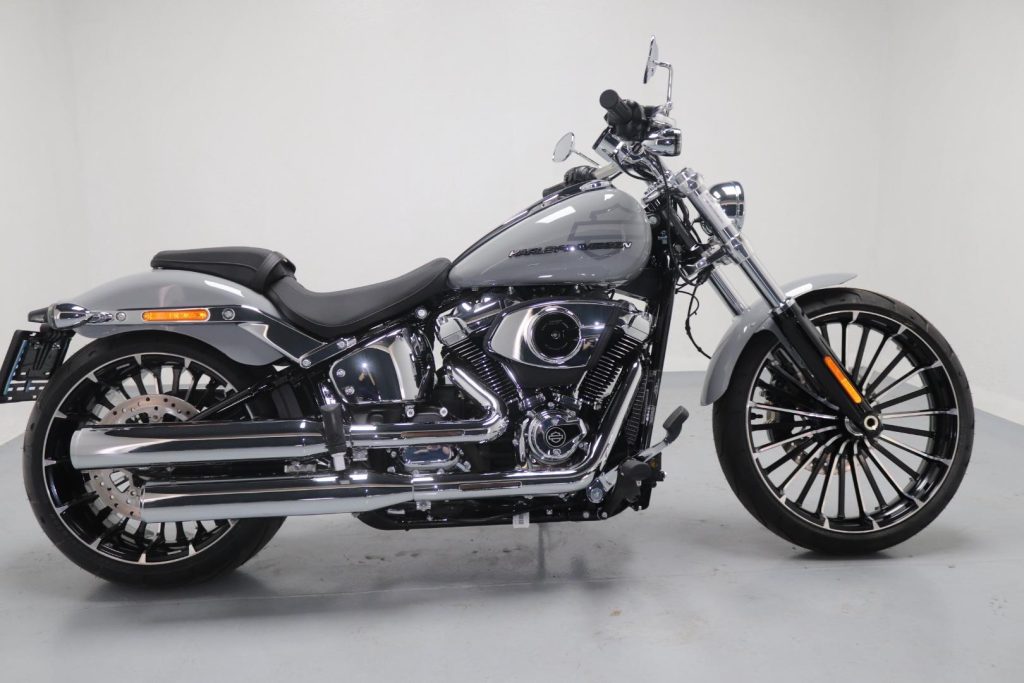
Some longtime riders worry Harley is moving too far from its roots, while some younger consumers still view the brand as expensive, old-fashioned, or disconnected from modern motorcycle culture. Yet standing still would likely create even greater danger.
Motorcycle companies survive by attracting new riders continuously. Without younger customers entering the Harley ecosystem, the company risks shrinking alongside its aging customer base.
Harley-Davidson therefore faces a challenge larger than launching a few new motorcycles. It is attempting to redefine what the brand means in the modern era.
The next several years may determine whether Harley-Davidson successfully evolves into a broader, more future-focused motorcycle company or remains tied too closely to a generation that is slowly leaving the road behind.
Also Read: 10 Modified Mustangs That Are Better Than A Ferrari
