
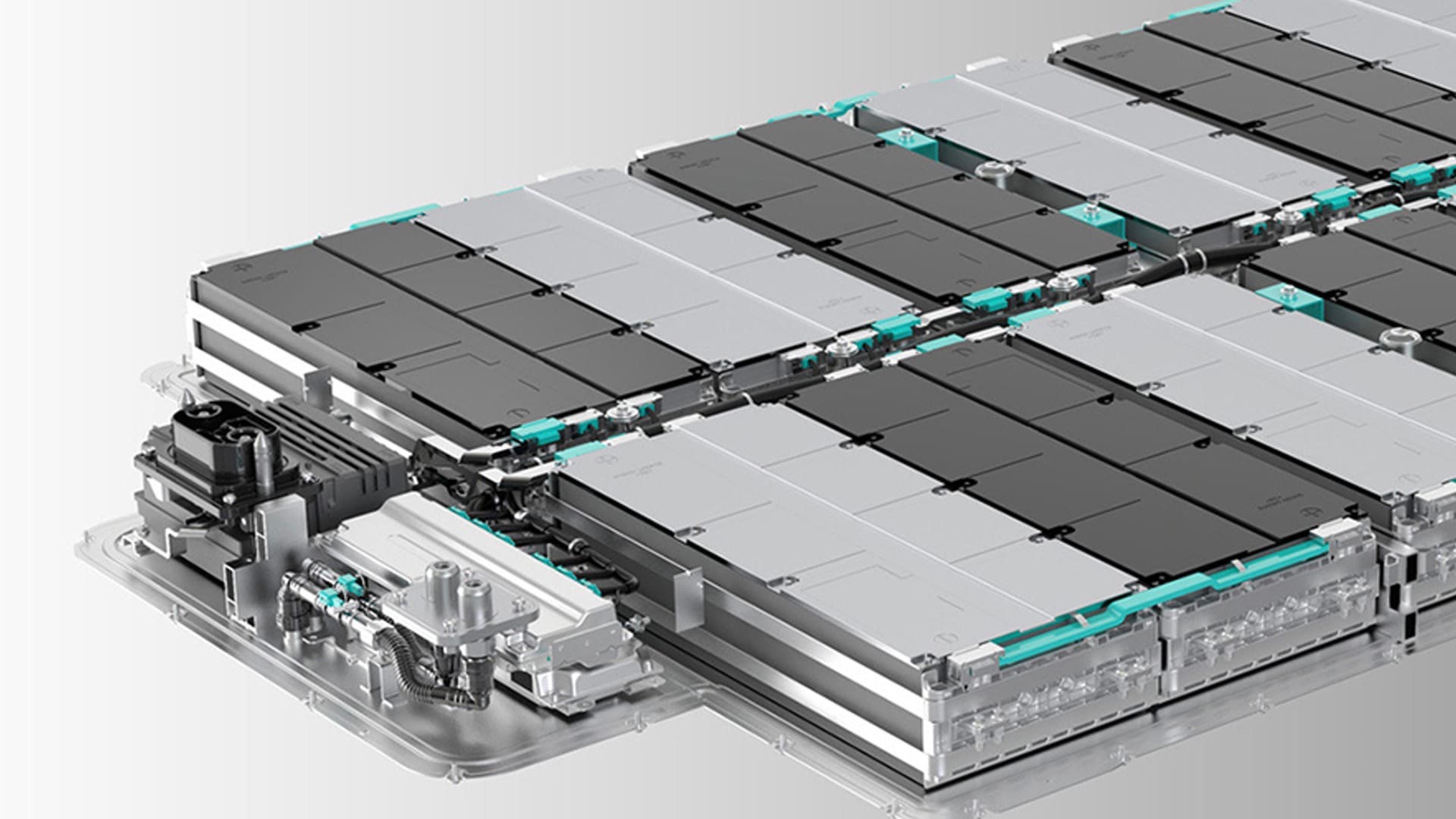
Electric vehicles have transformed the automotive industry by offering cleaner transportation, lower operating costs, and impressive performance. Yet one question continues to concern current and prospective EV owners: what actually kills an EV battery over time?
Many people assume that simply driving an electric vehicle eventually wears out the battery in the same way that mileage wears out an engine. The reality is more complex. EV batteries are remarkably durable and are designed to last for many years, often exceeding 150,000 to 300,000 kilometers while retaining most of their original capacity.
However, battery degradation is unavoidable because lithium-ion batteries are electrochemical devices that gradually lose performance through aging and repeated use.
Understanding battery degradation is important because the battery pack is the most expensive component in an electric vehicle. A healthy battery delivers strong driving range, reliable charging performance, and long-term value. A degraded battery, on the other hand, provides less range and may take longer to charge.
Fortunately, most battery degradation occurs gradually rather than suddenly. Modern battery management systems work continuously to protect battery cells from harmful conditions, but even the best systems cannot completely eliminate wear.
The factors that contribute to battery aging are often misunderstood. Some drivers believe that frequent charging destroys batteries, while others think that high mileage is the biggest threat. In reality, several interconnected factors influence battery health.
Extreme temperatures, prolonged exposure to high states of charge, repeated fast charging, deep discharge cycles, calendar aging, and aggressive driving habits can all contribute to battery degradation. The impact of each factor varies depending on battery chemistry, vehicle design, climate, and usage patterns.
Another important point is that not all degradation is caused by driving. In many cases, time itself is a significant contributor to battery aging. Chemical reactions continue inside battery cells even when the vehicle is parked. This means that an EV driven sparingly can still experience some capacity loss over the years.
Manufacturers account for this reality by building protective buffers into battery packs and offering long battery warranties that often cover eight years or more.
To understand what truly kills an EV battery over time, it is necessary to look beyond myths and focus on the science of lithium-ion batteries.
By examining the primary causes of degradation, drivers can better understand how batteries age and what practical steps can maximize battery lifespan. The good news is that most battery damage occurs gradually and can often be minimized through smart charging habits, proper temperature management, and routine vehicle use.
Also Read: What a 10-Year-Old Tacoma Sells For Today?
Extreme Heat: The Biggest Battery Killer
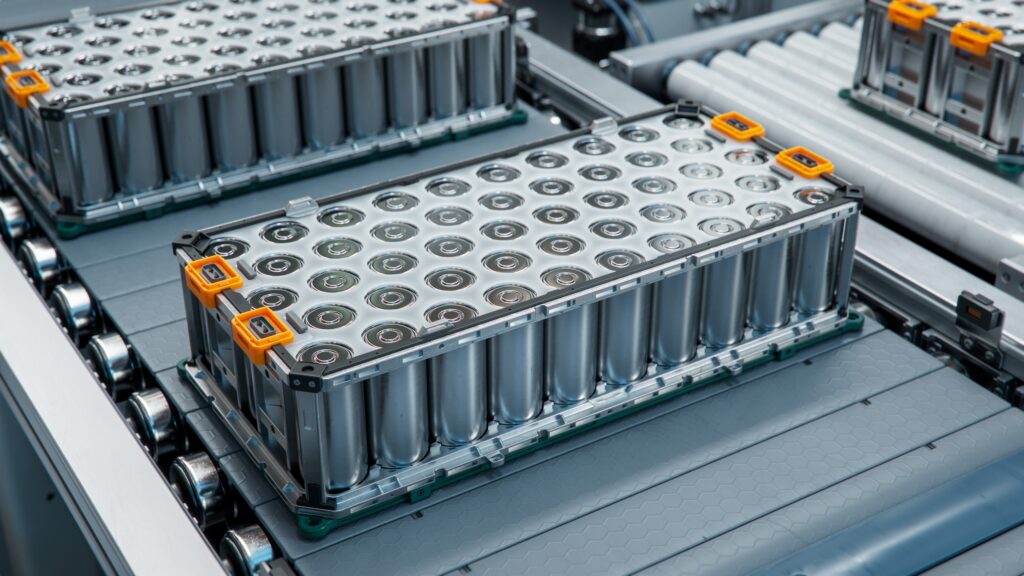
Heat is widely considered the most damaging factor affecting EV battery longevity. Lithium-ion batteries operate best within a moderate temperature range, typically between 15 and 35 degrees Celsius.
When temperatures rise significantly above this range, chemical reactions inside the battery accelerate. While some of these reactions are necessary for battery operation, others contribute directly to degradation and permanent capacity loss.
High temperatures cause the electrolyte within the battery to break down more quickly. The electrolyte serves as the medium through which lithium ions travel between electrodes during charging and discharging.
As the electrolyte degrades, the battery becomes less efficient and loses some of its ability to store energy. This process occurs gradually but becomes more pronounced when batteries are repeatedly exposed to extreme heat.
Heat also increases the growth of unwanted chemical layers on battery electrodes. One of the most important of these layers is known as the solid electrolyte interphase. While a thin layer is necessary for battery stability, excessive growth consumes active lithium ions that would otherwise contribute to energy storage. Over time, this reduces the battery’s usable capacity and performance.
Vehicles operating in hot climates often experience faster battery degradation than those used in moderate environments. Prolonged exposure to direct sunlight, high ambient temperatures, and repeated charging in hot conditions can accelerate aging.
This is one reason why advanced thermal management systems have become a critical component of modern electric vehicles. Liquid cooling systems help maintain optimal temperatures and reduce stress on battery cells.
The combination of heat and high charge levels is particularly harmful. A battery sitting at nearly full charge in a hot environment experiences greater chemical stress than one stored at a moderate charge level.
For this reason, manufacturers often recommend avoiding prolonged storage at 100 percent charge, especially during hot weather. Managing heat effectively remains one of the most important factors in extending battery lifespan.
Keeping the Battery at 100 Percent Charge for Long Periods
Many EV owners assume that charging to 100 percent is always beneficial because it maximizes driving range. While occasionally charging to full capacity is generally safe, keeping a battery at 100 percent charge for extended periods can accelerate degradation. Lithium-ion batteries experience greater stress when maintained at very high voltage levels.
At full charge, the battery’s positive electrode operates under increased chemical pressure. This environment promotes side reactions that gradually consume active materials within the battery. As these reactions accumulate over time, the battery loses some of its ability to store energy efficiently.
Battery manufacturers understand this challenge and often include software protections to reduce stress. Some vehicles reserve a hidden buffer above the displayed 100 percent charge level, meaning the battery is not actually reaching its absolute maximum capacity. Even with these safeguards, prolonged exposure to a fully charged state can still contribute to aging.
For daily driving, many automakers recommend maintaining a charging limit between 70 and 90 percent. This range reduces voltage-related stress while still providing ample driving distance for most users. Drivers who regularly commute short distances may see improved long-term battery health by avoiding unnecessary full charges.
Charging to 100 percent remains useful before long trips when maximum range is needed. The key issue is duration. A battery charged to full capacity and driven soon afterward experiences less stress than a battery left at full charge for days or weeks. Balancing convenience and battery health can significantly reduce long-term degradation.
Frequent DC Fast Charging
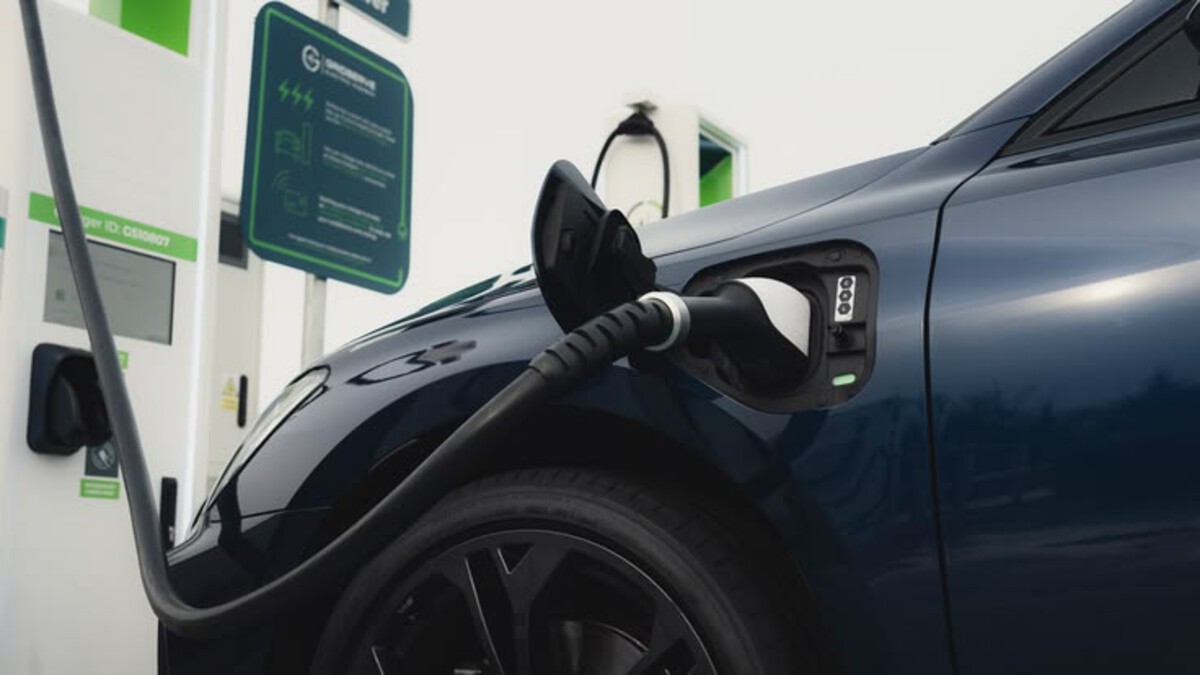
Fast charging technology has become one of the most valuable features of modern electric vehicles. It allows drivers to replenish significant amounts of range in a relatively short period of time. However, repeated use of high-power DC fast charging can contribute to battery wear when compared with slower charging methods.
During fast charging, large amounts of current flow into the battery within a short period. This process generates additional heat and increases internal stress on battery cells. Elevated temperatures combined with high charging rates can accelerate chemical degradation over time.
One concern associated with frequent fast charging is lithium plating. Under certain conditions, particularly when batteries are cold or charged very rapidly, lithium ions may deposit on the surface of the electrode rather than being properly absorbed into its structure. This phenomenon reduces battery capacity and can negatively affect long-term performance.
Modern battery management systems actively monitor temperature, voltage, and charging rates to minimize risks. Many vehicles automatically reduce charging speed as the battery approaches higher charge levels. This protective behavior helps preserve battery health while still delivering practical charging performance.
Despite these concerns, occasional fast charging is not inherently harmful. Most EVs are designed to handle regular fast charging throughout their lifespan.
Problems generally arise when fast charging becomes the dominant charging method, especially under extreme temperature conditions. A balanced approach that combines home charging with occasional fast charging typically supports better long-term battery health.
Also Read: How Much It Really Costs to Own a Truck for 5 Years
Deep Discharges and Running the Battery Empty
Another factor that contributes to battery aging is repeatedly discharging the battery to very low levels. While modern EVs include safeguards that prevent complete depletion, regularly driving until the battery is nearly empty can increase stress on battery cells.
Low charge levels place the battery in a chemically vulnerable state. As voltage decreases, certain degradation mechanisms become more likely to occur. Repeated exposure to these conditions can accelerate capacity loss over the years.
Battery management systems maintain reserve buffers to prevent severe damage. Even when a vehicle displays zero percent charge, a small amount of energy often remains inaccessible to the driver. This hidden reserve helps protect the battery from conditions that could cause permanent harm.
Drivers who frequently cycle between extremely low and extremely high charge levels may experience more degradation than those who operate within a moderate range. Maintaining charge levels between approximately 20 and 80 percent for routine driving is often considered ideal for long-term battery preservation.
Deep discharges are not catastrophic when they occur occasionally. Problems arise when they become a regular habit. Keeping sufficient charge in the battery and avoiding repeated near-empty operation can help reduce unnecessary wear and support longer battery life.
The Damage Caused by Time
One of the least understood aspects of battery degradation is calendar aging. Unlike cycle aging, which occurs through charging and discharging, calendar aging happens simply because time passes. Even a battery that is rarely used continues to undergo chemical changes.
Inside every lithium-ion battery, slow reactions occur continuously. These reactions consume active lithium ions and gradually alter the battery’s internal structure. As a result, the battery loses capacity even when the vehicle spends most of its time parked.
Temperature and state of charge strongly influence calendar aging. Batteries stored at high temperatures and high charge levels tend to age more rapidly. Conversely, cooler temperatures and moderate charge levels generally slow the aging process.
Calendar aging explains why a ten-year-old battery with relatively low mileage may still exhibit noticeable capacity loss. Time affects all batteries regardless of how frequently they are driven. This reality highlights the importance of proper storage conditions when an EV will remain unused for extended periods.
Manufacturers design battery packs with sufficient durability to account for calendar aging. Nevertheless, understanding this process helps owners recognize that battery lifespan depends not only on mileage but also on environmental conditions and storage habits throughout the vehicle’s life.
Aggressive Driving and High Power Demands
Driving style plays a meaningful role in battery health. Electric vehicles are known for delivering instant torque and rapid acceleration, but frequent high-power operation can place additional stress on battery cells.
Hard acceleration requires the battery to deliver large amounts of current in a short period. This increased current flow generates heat and contributes to internal resistance-related losses. While occasional spirited driving is unlikely to cause significant damage, consistently aggressive driving can accelerate wear over time.
High-speed driving also affects battery temperatures. Sustained operation at elevated speeds demands more energy and can increase thermal stress. Vehicles with sophisticated cooling systems manage these conditions effectively, but repeated exposure still contributes to long-term aging.
Similarly, frequent towing or carrying heavy loads places greater demands on the battery. Higher power output generates additional heat and may increase the rate of degradation. These effects are generally gradual rather than immediate, but become more significant over many years of use.
Moderate driving habits can help reduce battery stress while also improving efficiency and range. Smooth acceleration, controlled speeds, and efficient driving techniques contribute not only to lower energy consumption but also to improved long-term battery health.
