
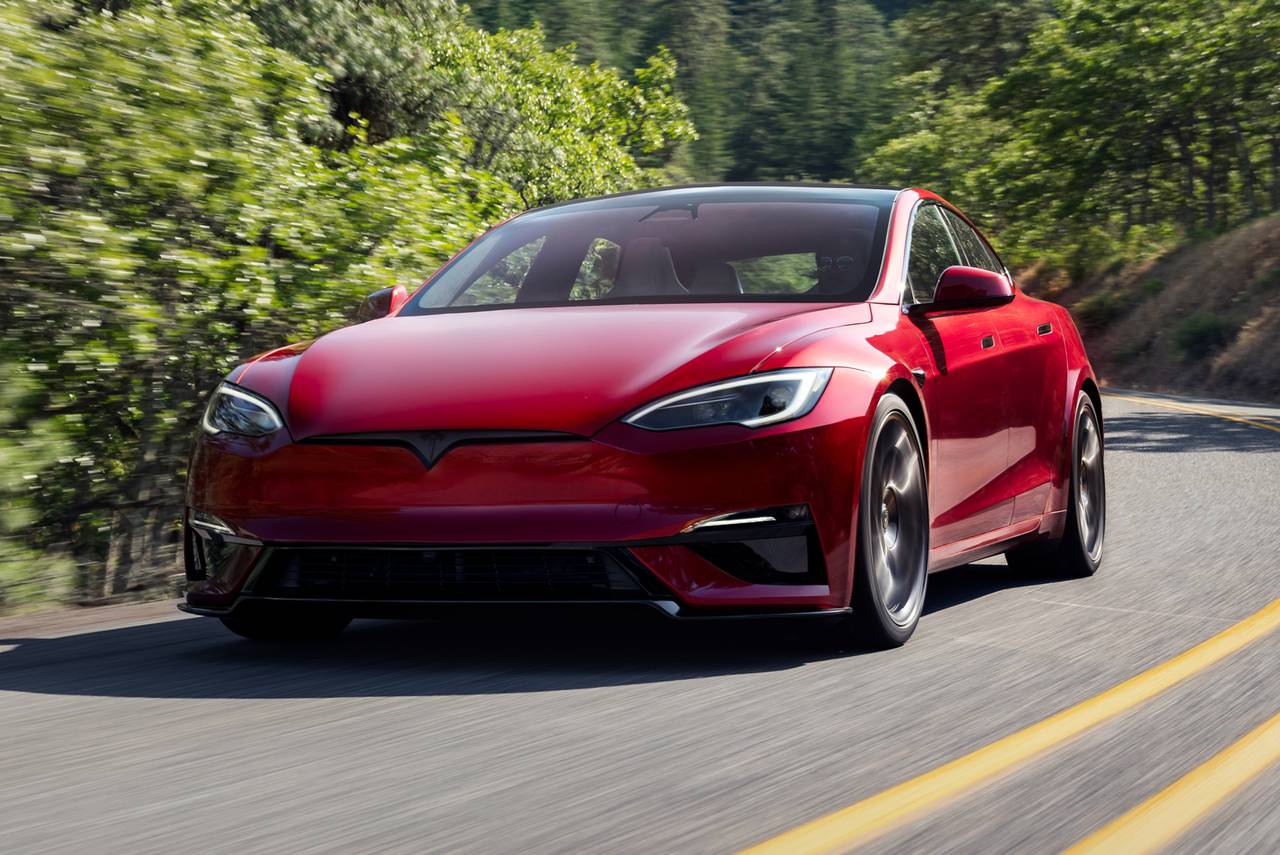
Buying a new car is one of the most significant purchases many people make, yet few buyers fully consider how much that vehicle will be worth several years down the road. While factors such as styling, performance, technology, comfort, and brand reputation often influence purchasing decisions, depreciation remains one of the most important financial aspects of vehicle ownership.
Depreciation refers to the reduction in a vehicle’s value over time, and it is often the largest ownership cost associated with a new car. Some vehicles retain a substantial portion of their original value after several years, while others experience dramatic declines that can leave owners surprised by how little their cars are worth when it comes time to sell or trade them in.
The automotive market is influenced by numerous factors that affect resale values. Brand perception, reliability records, maintenance costs, consumer demand, fuel efficiency, and changing market trends all play important roles.
Luxury vehicles, in particular, tend to suffer from steep depreciation because they often come with high initial purchase prices, expensive maintenance requirements, and rapidly aging technology.
Electric vehicles have also experienced significant depreciation in some cases due to evolving battery technology and aggressive pricing strategies from manufacturers. In addition, vehicles that are produced in large numbers or appeal to a narrow audience can struggle to maintain their value over time.
For buyers who plan to keep a vehicle for many years, depreciation may not seem like a major concern. However, for those who frequently trade in cars, lease vehicles, or view their automobile as a financial asset, understanding depreciation is crucial.
Knowing which models tend to lose value quickly can help consumers make smarter purchasing decisions and potentially save thousands of dollars over the ownership period.
This article explores eight cars that commonly lose more than 60 percent of their value within five years. While these vehicles may offer impressive features, luxury amenities, advanced technology, or strong performance, their resale values often decline much faster than the industry average.
Understanding why these vehicles depreciate so heavily provides valuable insights into the economics of car ownership and helps buyers evaluate whether a particular vehicle aligns with their long term financial goals.
Also Read: What a 10-Year-Old Tacoma Sells For Today?
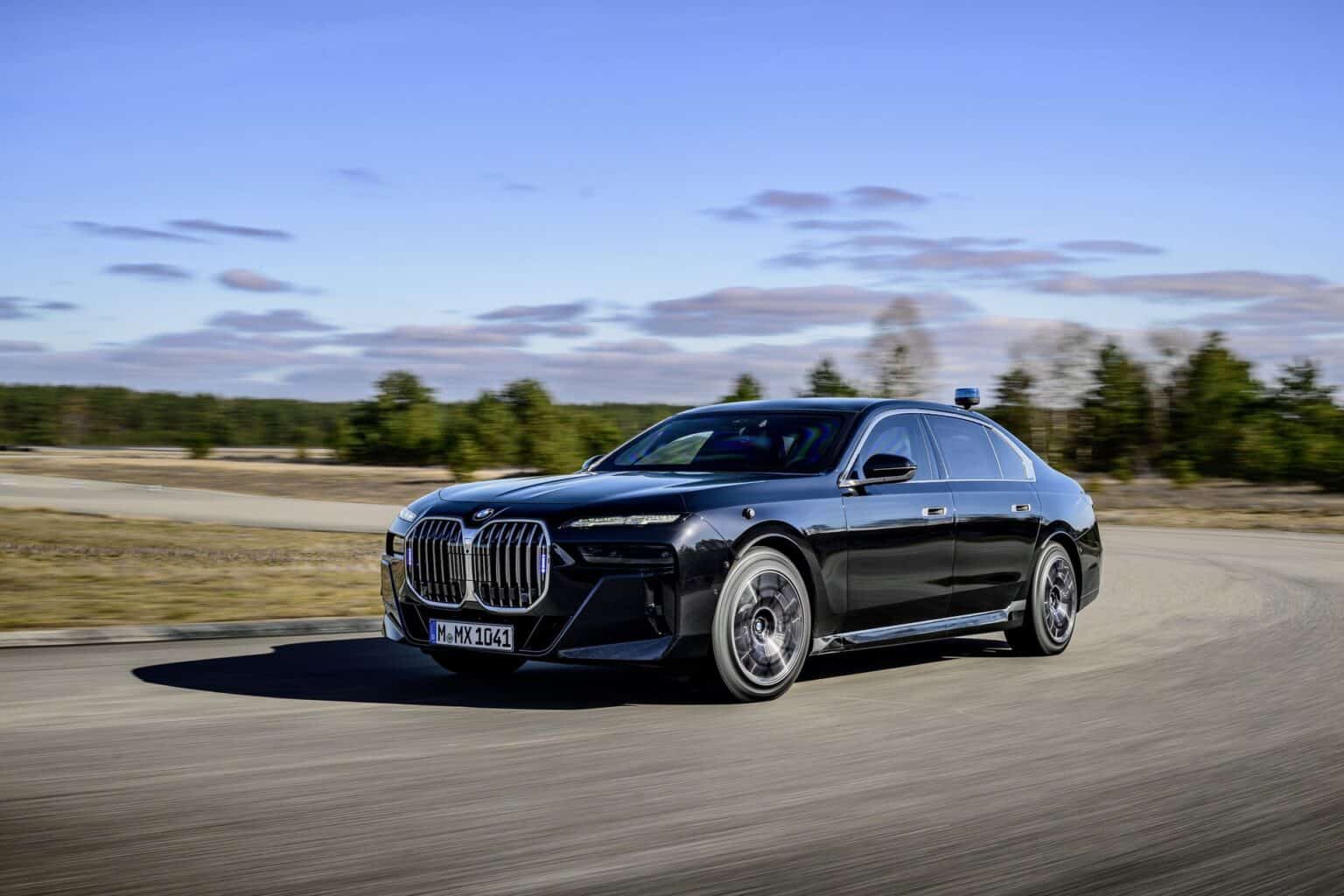
- Engine: 3.0L TwinPower Turbo inline 6-cylinder
- Horsepower: ~375 hp
- Torque: ~520 Nm
- Length: ~5,391 mm
- Width: ~1,950 mm
1. BMW 7 Series
The BMW 7 Series has long represented the pinnacle of luxury within the BMW lineup, combining executive level comfort with advanced engineering, cutting edge infotainment, and powerful engine options.
It is designed to compete directly with other flagship sedans in the luxury segment, offering features such as adaptive air suspension, premium leather interiors, rear seat entertainment systems, and semi autonomous driving capabilities in newer generations.
One of the biggest reasons for this steep decline is its extremely high initial price. When new, the BMW 7 Series sits at the top end of the sedan market, with fully loaded variants costing significantly more than many competing vehicles. However, the used luxury sedan market does not expand at the same rate as new car pricing.
This creates a gap where demand is limited compared to supply, forcing resale prices down sharply over time. Buyers in the second hand market are often unwilling to pay premium prices for a vehicle that is already several years old, especially when newer models are available with updated technology.
Another major factor is the cost of ownership after the warranty period ends. The BMW 7 Series uses complex systems including adaptive suspension, advanced electronics, turbocharged engines, and high end infotainment systems.
While these features improve driving comfort and performance, they also increase the likelihood of expensive repairs as the vehicle ages. Even routine maintenance can be significantly more costly compared to non luxury vehicles, which reduces demand in the used market and contributes to faster depreciation.
Technology aging also plays a critical role in value loss. Luxury vehicles evolve rapidly, especially in areas such as driver assistance systems, digital dashboards, and connectivity features.
A 5 year old BMW 7 Series may still be mechanically strong, but it can feel outdated compared to newer models that offer improved autonomous driving capabilities, larger touchscreens, and more advanced software integration. This perception of being technologically behind reduces buyer interest and pushes prices down further.
Despite this steep depreciation, the BMW 7 Series remains an attractive option in the used luxury market. Buyers who understand maintenance requirements can acquire a high end executive sedan at a fraction of its original price. This makes it one of the strongest examples of how depreciation can benefit second hand buyers while heavily impacting first owners.
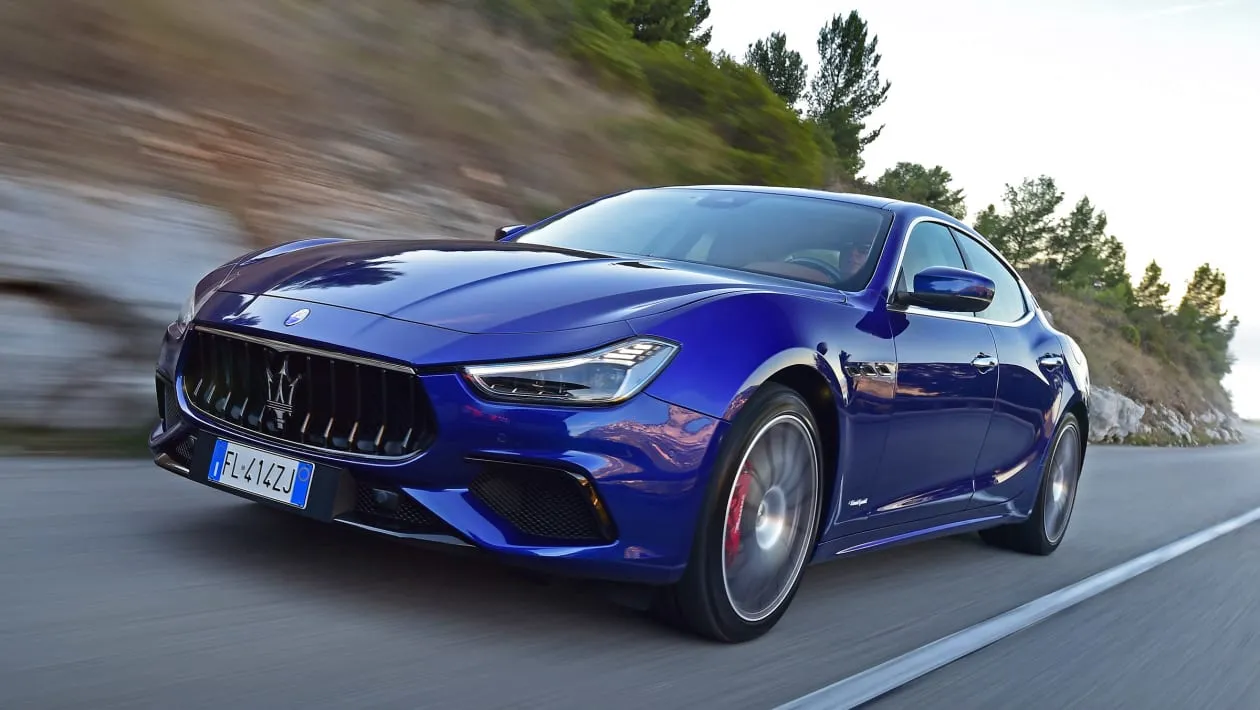
- Engine: 3.0L Twin-Turbo V6
- Horsepower: ~345 to 424 hp (variant dependent)
- Torque: ~500 to 580 Nm
- Length: ~4,971 mm
- Width: ~1,945 mm
2. Maserati Ghibli
The Maserati Ghibli is an Italian luxury sports sedan known for its bold styling, distinctive exhaust note, and strong brand heritage. It is designed to deliver a blend of performance and exclusivity, offering turbocharged engine options, sporty handling, and a cabin that emphasizes Italian craftsmanship.
On paper, it competes with German luxury sedans, but in the real world resale market, it behaves very differently due to its rapid depreciation rate.
A key reason for the Ghibli’s value drop is its limited brand strength in the mass luxury segment. While Maserati carries prestige, it does not have the same global reputation for reliability, long term durability, or resale stability as brands like BMW or Mercedes.
This creates hesitation among used car buyers who are concerned about long term ownership risks. Even if the vehicle is visually appealing and performance oriented, uncertainty about future maintenance costs reduces demand.
Maintenance and repair costs also heavily influence depreciation. The Ghibli uses specialized parts and service requirements that often require authorized service centers or experienced luxury technicians.
These services are expensive, and replacement parts are typically priced higher than mainstream luxury brands. As the vehicle ages and warranty coverage expires, potential buyers factor in these ongoing costs, which significantly reduces resale value.
Another major factor is its niche appeal in the used market. While the Ghibli stands out with its unique styling and Italian identity, most used luxury buyers prioritize practicality, reliability, and lower ownership costs. As a result, demand is narrower compared to more common models in the same price category. This imbalance between supply and demand leads to sharp depreciation over a short period.
Additionally, competition in the luxury sedan segment is intense. Buyers often compare the Ghibli directly with more established rivals that offer similar performance but stronger reputations and better resale history. Even small differences in perceived reliability or brand trust can significantly influence pricing in the used market.
Despite these challenges, the Maserati Ghibli becomes an attractive option for buyers in the second hand market. Its steep depreciation allows enthusiasts to experience Italian luxury and performance at a much lower entry cost than when new.
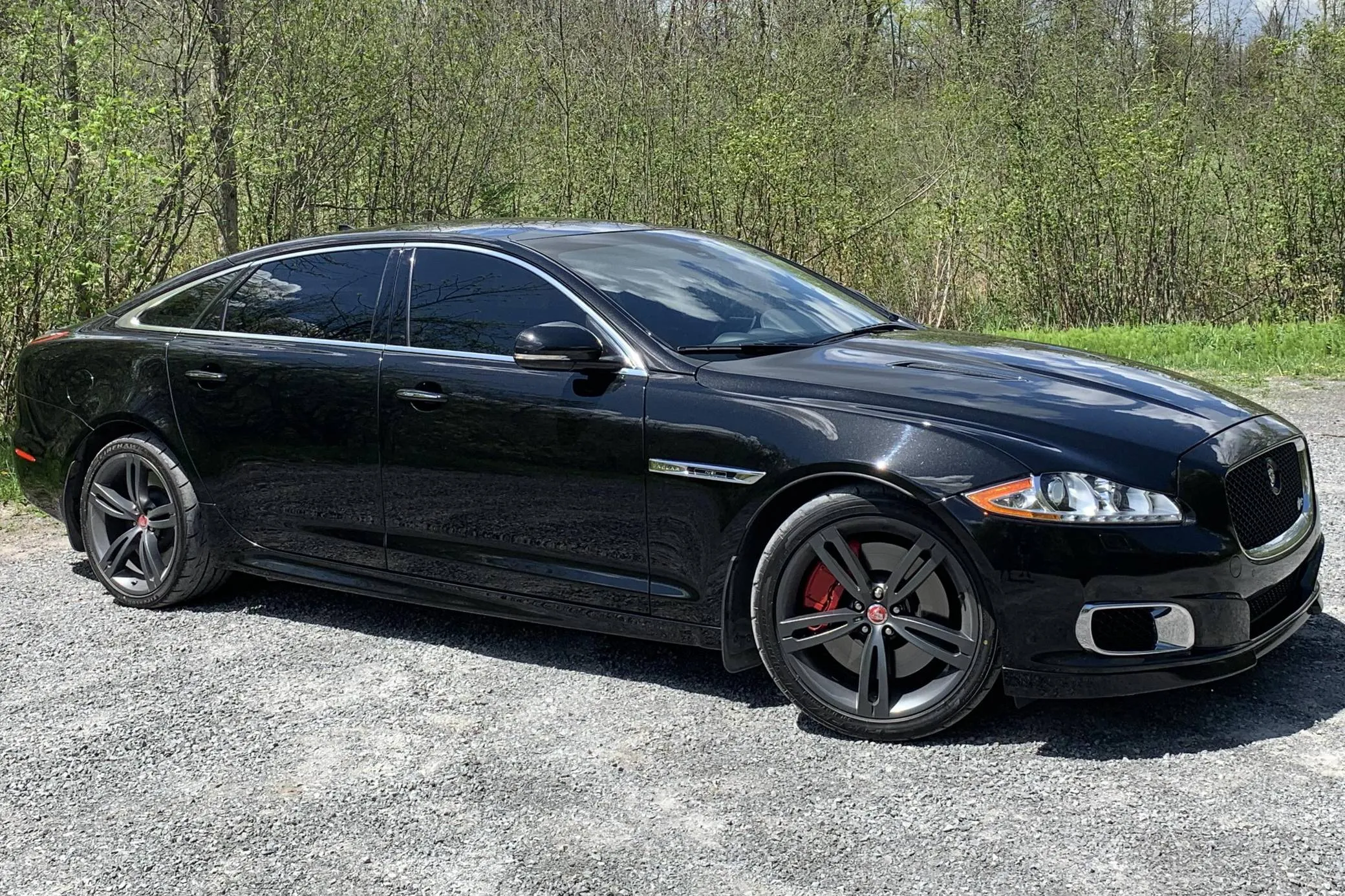
- Engine: 3.0L Supercharged V6 (base variant reference)
- Horsepower: ~340 hp
- Torque: ~450 Nm
- Length: ~5,130 mm
- Width: ~1,894 mm
3. Jaguar XJ
The Jaguar XJ has historically served as the flagship luxury sedan of Jaguar, showcasing British elegance, refined performance, and a distinct design language that sets it apart from German competitors. It offers smooth ride quality, premium interior materials, and a focus on comfort and prestige.
However, despite its strong identity and luxury positioning, the XJ is well known for significant depreciation within its first five years of ownership.
One of the primary reasons for this decline is market competition. The luxury sedan segment is one of the most competitive automotive categories, dominated by strong players with high global demand.
Vehicles from German manufacturers often overshadow the XJ in terms of resale strength due to their stronger brand perception and broader buyer base. This reduces demand for used Jaguar sedans and leads to faster value loss.
Reliability perception also plays a major role in depreciation. While many Jaguar owners report satisfactory experiences, the brand has historically struggled with inconsistent reliability ratings compared to competitors.
Even the perception of potential mechanical issues can influence buyer behavior in the used market. When buyers anticipate higher repair risks, they are less willing to pay premium prices for older vehicles.
The XJ also suffers from high maintenance costs typical of luxury sedans. As vehicles age, components such as suspension systems, electronics, and engine parts become more expensive to maintain or replace. Buyers in the used market often discount these future costs when making purchasing decisions, which lowers resale value significantly.
Another factor is technology evolution. Luxury sedans evolve quickly in terms of infotainment systems, safety features, and driver assistance technologies. A 5-year-old Jaguar XJ may still offer a comfortable driving experience, but it can appear outdated compared to newer competitors that include advanced digital interfaces and semi-autonomous driving features.
Even with its depreciation, the Jaguar XJ remains highly desirable among enthusiasts who value comfort and design. Its reduced price in the used market makes it an appealing option for buyers seeking luxury at a lower cost.
Also Read: How Much It Really Costs to Own a Truck for 5 Years
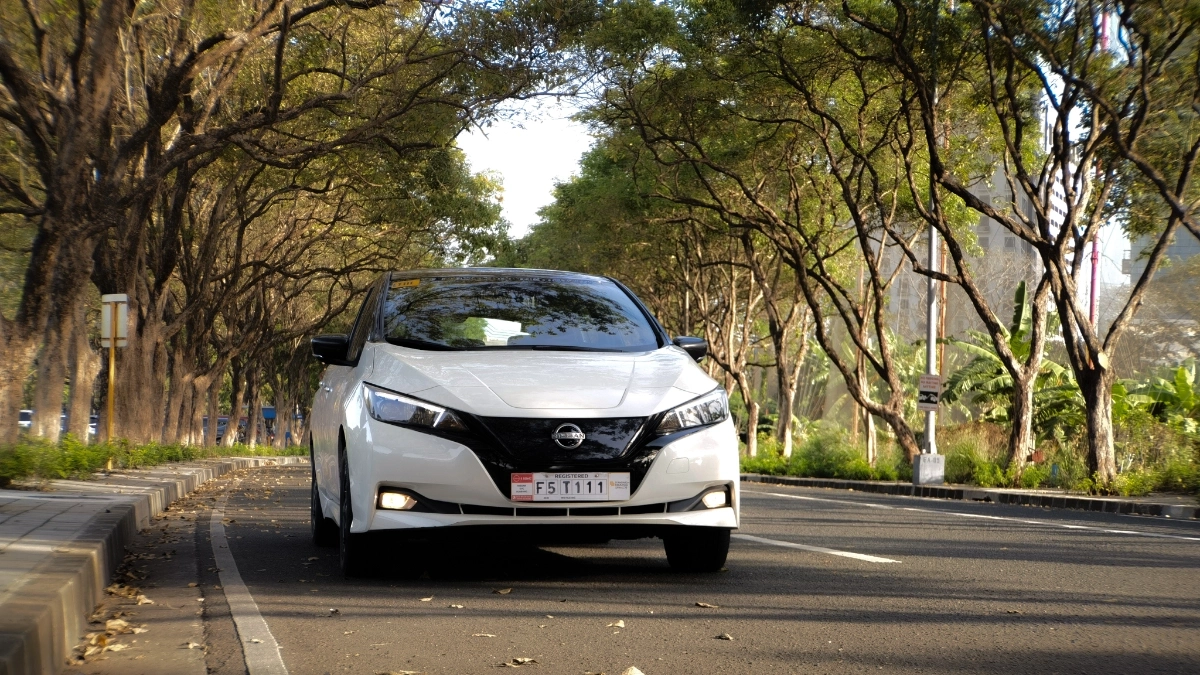
- Engine: Electric motor (110–160 kW depending on version)
- Horsepower: ~147 to 214 hp
- Torque: ~320 Nm
- Length: ~4,480 mm
- Width: ~1,790 mm
4. Nissan Leaf
The Nissan Leaf is one of the most important electric vehicles in automotive history, helping to bring affordable electric mobility into the mainstream. It offers a simple driving experience, low running costs, and zero tailpipe emissions, making it popular among environmentally conscious drivers. However, despite its significance, it is also known for rapid depreciation, especially in earlier model years.
One of the biggest reasons for value loss is the fast pace of electric vehicle technology development. Battery range, charging speed, and efficiency have improved dramatically over short time periods.
As newer electric vehicles enter the market with significantly better specifications, older models like early Nissan Leaf versions quickly lose competitiveness. This reduces demand in the used market.
Battery degradation concerns also influence resale prices. Even though many electric vehicle batteries last for many years, potential buyers often worry about reduced range over time and the cost of battery replacement. This uncertainty leads to a lower willingness to pay for used electric vehicles compared to internal combustion engine cars.
Government incentives also affect depreciation. In many markets, new electric vehicles benefit from subsidies or tax credits that reduce their effective purchase price. This makes new EVs more attractive compared to used ones, narrowing the price gap and pushing used values downward.
Another contributing factor is early generation limitations. Older Nissan Leaf models had relatively limited driving range compared to modern EVs. As consumer expectations rise, vehicles with shorter ranges become less practical for everyday use, which significantly reduces demand.
Despite depreciation challenges, the Nissan Leaf remains a practical and affordable choice for urban commuting. Its low operating costs and simplicity continue to make it a strong option for budget-conscious EV buyers.
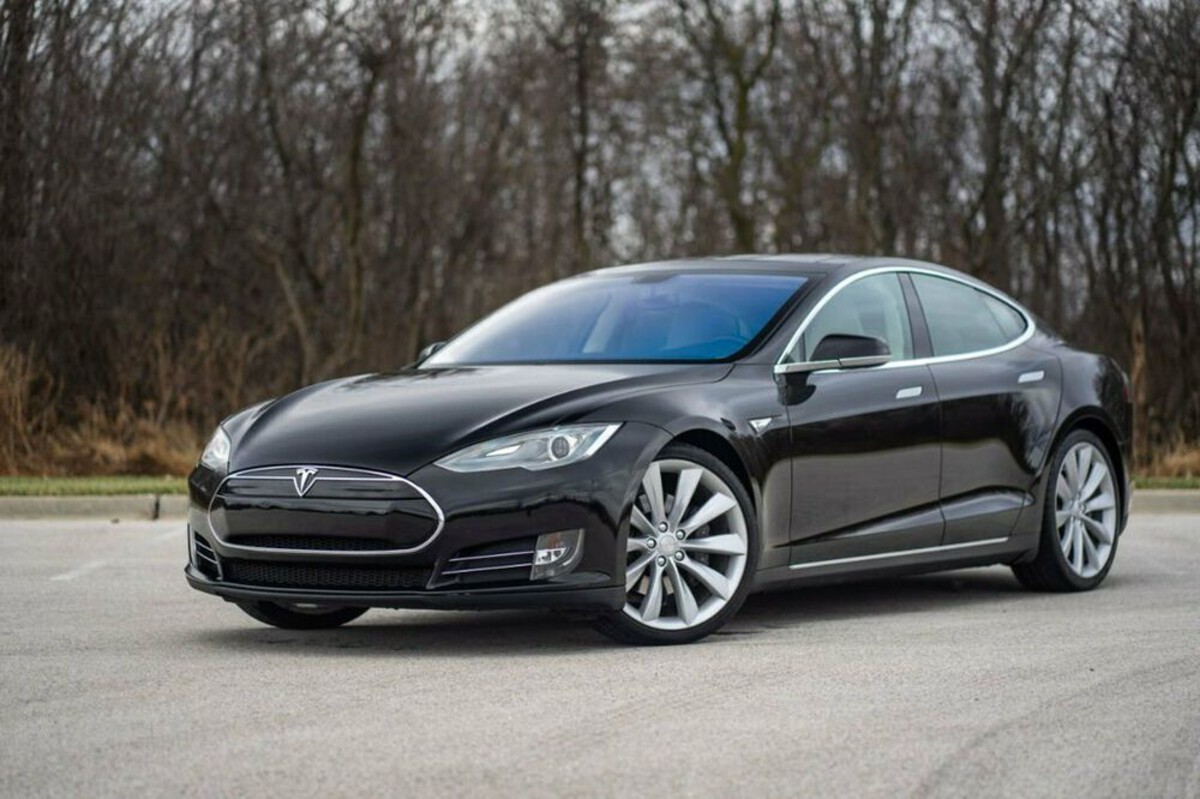
- Engine: Dual Motor All-Wheel Drive (Tri-Motor in Plaid)
- Horsepower: ~670 hp (Long Range) to ~1,020 hp (Plaid)
- Torque: ~660 Nm to 1,420 Nm (approximate system output)
- Length: ~4,970 mm
- Width: ~1,964 mm
5. Tesla Model S
The Tesla Model S is one of the most influential electric vehicles ever produced, redefining expectations for performance, range, and software integration in the luxury EV segment.
It introduced long-range electric driving, rapid acceleration, and over-the-air software updates that transformed the automotive industry. However, despite its innovation and popularity, it has still experienced depreciation over a five-year period.
One major factor is frequent pricing changes by Tesla. The company has adjusted new vehicle pricing multiple times over the years in response to production costs, market conditions, and competitive pressures. When new car prices drop, used vehicle values typically follow, leading to accelerated depreciation for existing owners.
Another reason is rapid technological advancement. Tesla continuously improves its vehicles through software updates and hardware revisions. Newer versions often feature better battery range, improved charging capabilities, and upgraded autonomous driving hardware. This makes older Model S versions feel less advanced in comparison, reducing their market value.
Competition in the electric vehicle market has also increased significantly. Many manufacturers now offer luxury electric sedans with similar performance, advanced technology, and competitive pricing. This reduces the Model S’s exclusivity advantage, which previously supported stronger resale values.
Battery technology expectations also influence depreciation. Buyers are increasingly focused on range, charging speed, and long-term battery health. Older models may not meet current expectations, which affects demand in the used market.
Despite depreciation, the Tesla Model S continues to hold strong appeal. Its acceleration, software ecosystem, and charging infrastructure still make it one of the most desirable used electric luxury cars available today.
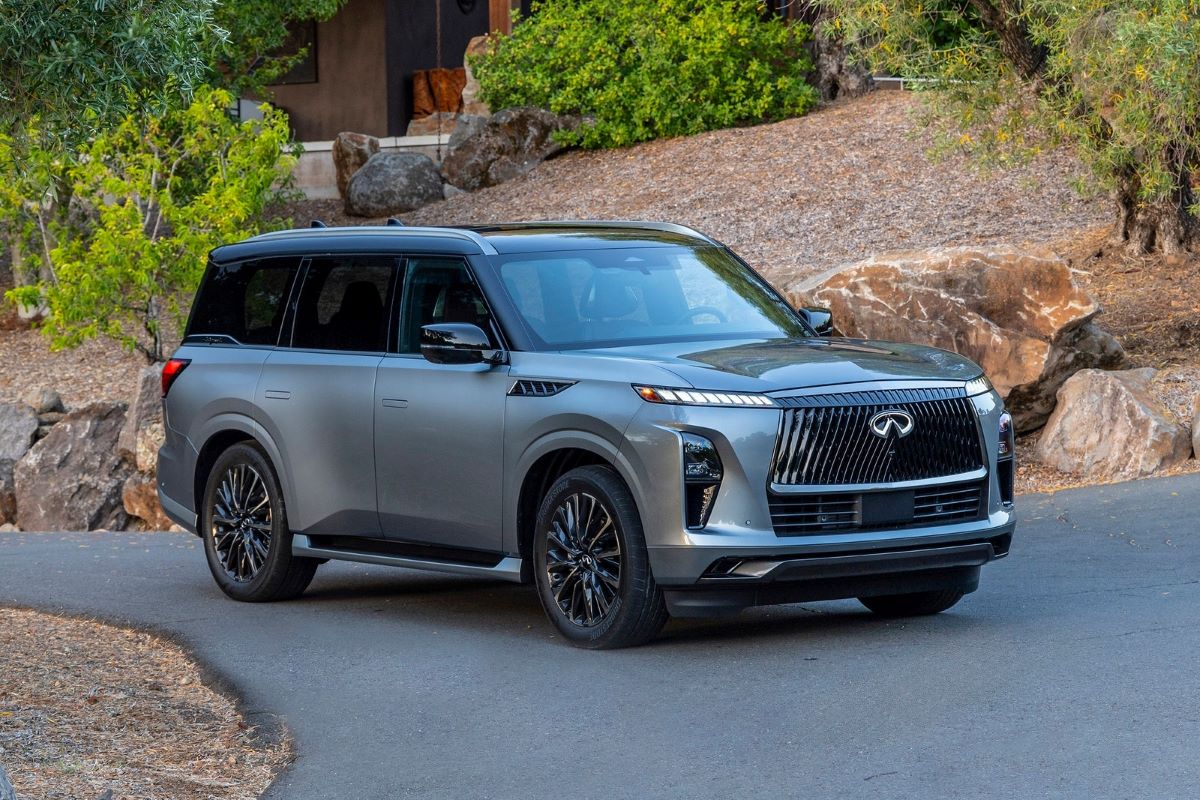
- Engine: 5.6L V8
- Horsepower: ~400 hp
- Torque: ~560 Nm
- Length: ~5,340 mm
- Width: ~2,030 mm
6. Infiniti QX80
The Infiniti QX80 is a full-size luxury SUV designed to deliver a combination of power, space, and premium comfort. It features a large V8 engine, a commanding road presence, and an interior that prioritizes passenger comfort with leather upholstery, wood trim accents, and advanced infotainment systems.
It is often chosen by families or buyers who want a traditional luxury SUV experience with strong towing capability and spacious seating across three rows. However, despite its strengths, it is one of the vehicles that tends to lose more than 60 percent of its value within five years.
One of the biggest reasons for this depreciation is fuel efficiency. The QX80 is powered by a large displacement engine that prioritizes performance and towing ability over economy.
As fuel prices fluctuate and consumer preferences shift toward more efficient vehicles, large SUVs like the QX80 become less attractive in the used market. Buyers often factor long-term fuel costs into their decisions, which reduces demand and pushes resale prices lower.
Another contributing factor is competition in the luxury SUV segment. The market is filled with strong alternatives from brands like BMW, Mercedes, Lexus, and Cadillac, many of which offer more modern technology, improved fuel efficiency, and updated design language.
When consumers compare options, the QX80 can appear less advanced due to its relatively conservative redesign cycle. This perception reduces its competitiveness and affects resale value.
Technology aging also plays a significant role in depreciation. While the QX80 offers a comfortable and feature-rich interior, its infotainment systems and driver assistance technologies may not feel as advanced compared to newer rivals. Luxury SUV buyers often prioritize the latest technology, and older systems can quickly feel outdated, reducing appeal in the used market.
Maintenance and operating costs further influence depreciation. Large luxury SUVs require more expensive tires, brakes, fuel, and servicing compared to smaller vehicles. As the vehicle ages, these costs become more important to buyers, many of whom prefer alternatives with lower long-term expenses.
Despite these challenges, the Infiniti QX80 remains a strong value proposition in the used market. Its steep depreciation allows buyers to access a large, comfortable, and capable luxury SUV at a significantly reduced price compared to its original cost.
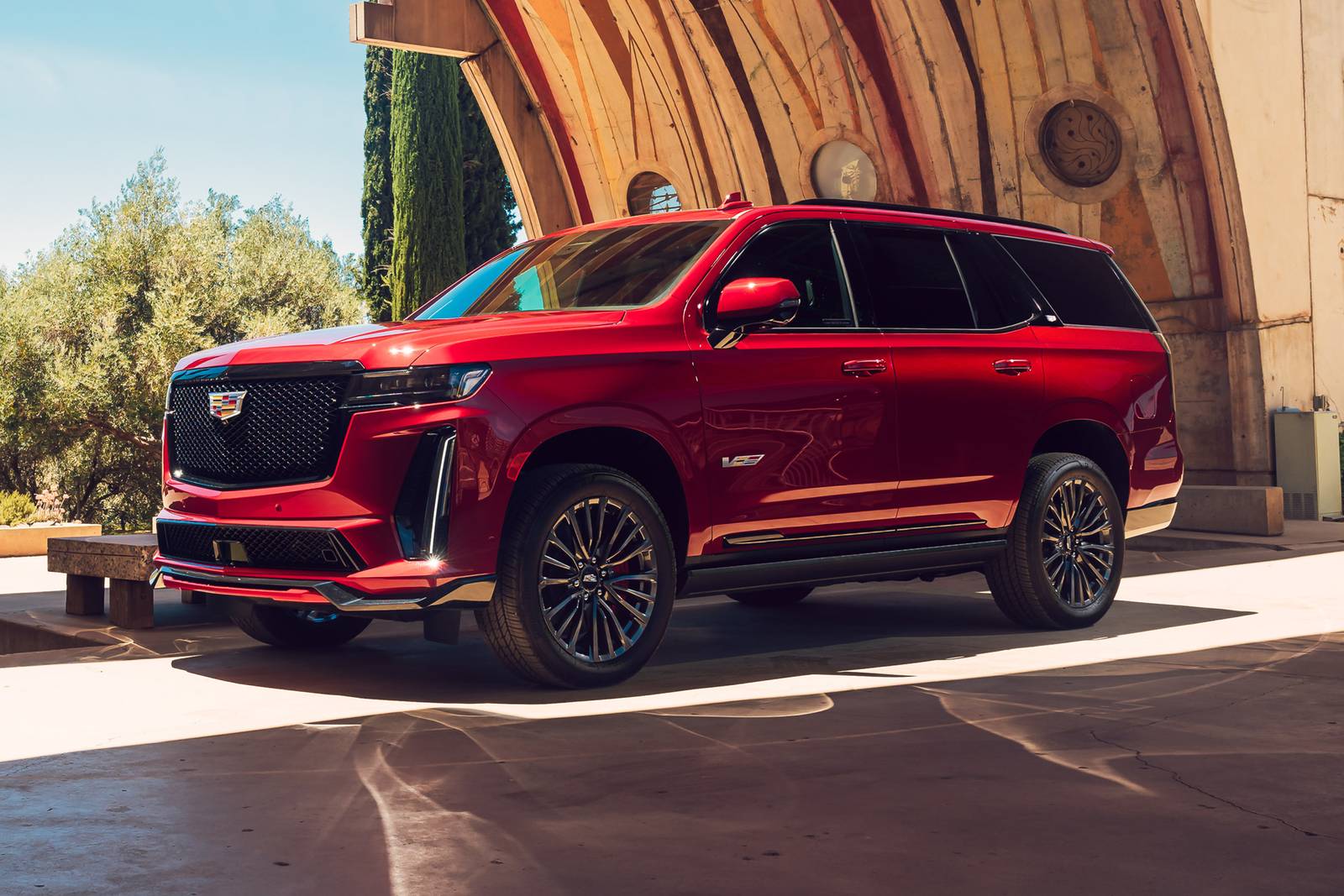
- Engine: 6.2L V8
- Horsepower: ~420 hp
- Torque: ~623 Nm
- Length: ~5,765 mm
- Width: ~2,060 mm
7. Cadillac Escalade ESV
The Cadillac Escalade ESV is one of the most recognizable luxury SUVs in the automotive world, known for its bold design, expansive interior space, and premium features.
It is often associated with status and presence, offering advanced infotainment systems, powerful engine options, and a spacious cabin suitable for large families or executive transport. Despite its popularity and strong brand recognition, it still experiences substantial depreciation over a five-year ownership period.
One of the main reasons for this value decline is its high starting price. The Escalade ESV sits at the top tier of the luxury SUV market, and fully equipped versions can become extremely expensive when new. Vehicles with high initial pricing tend to experience larger absolute depreciation values, even if demand remains relatively stable in the used market.
Another key factor is rapid model evolution. Cadillac frequently updates the Escalade lineup with new styling, improved technology, and upgraded interior materials. Each new generation introduces significant enhancements that make older models feel less desirable in comparison. Buyers in the used market often prefer newer versions with updated features, which reduces demand for older units.
Technology expectations in luxury SUVs also contribute to depreciation. Modern buyers expect large digital displays, advanced driver assistance systems, and seamless smartphone integration. While older Escalade models are still luxurious, they may not offer the same level of technological sophistication found in newer competitors, which impacts resale value.
Operating costs are another important consideration. The Escalade ESV is a large SUV with a powerful engine, which leads to higher fuel consumption. In addition, insurance premiums, maintenance, and repair costs tend to be higher than average. These ongoing expenses can discourage used buyers who are sensitive to long-term ownership costs.
Market trends also influence depreciation. As consumer preferences gradually shift toward more fuel-efficient SUVs and electric vehicles, large traditional SUVs face increased competition. This affects resale demand and contributes to faster value loss over time.
Despite its depreciation, the Cadillac Escalade ESV continues to hold strong appeal in the used market due to its comfort, space, and prestige. It offers a luxury experience at a significantly lower price point for second-hand buyers.
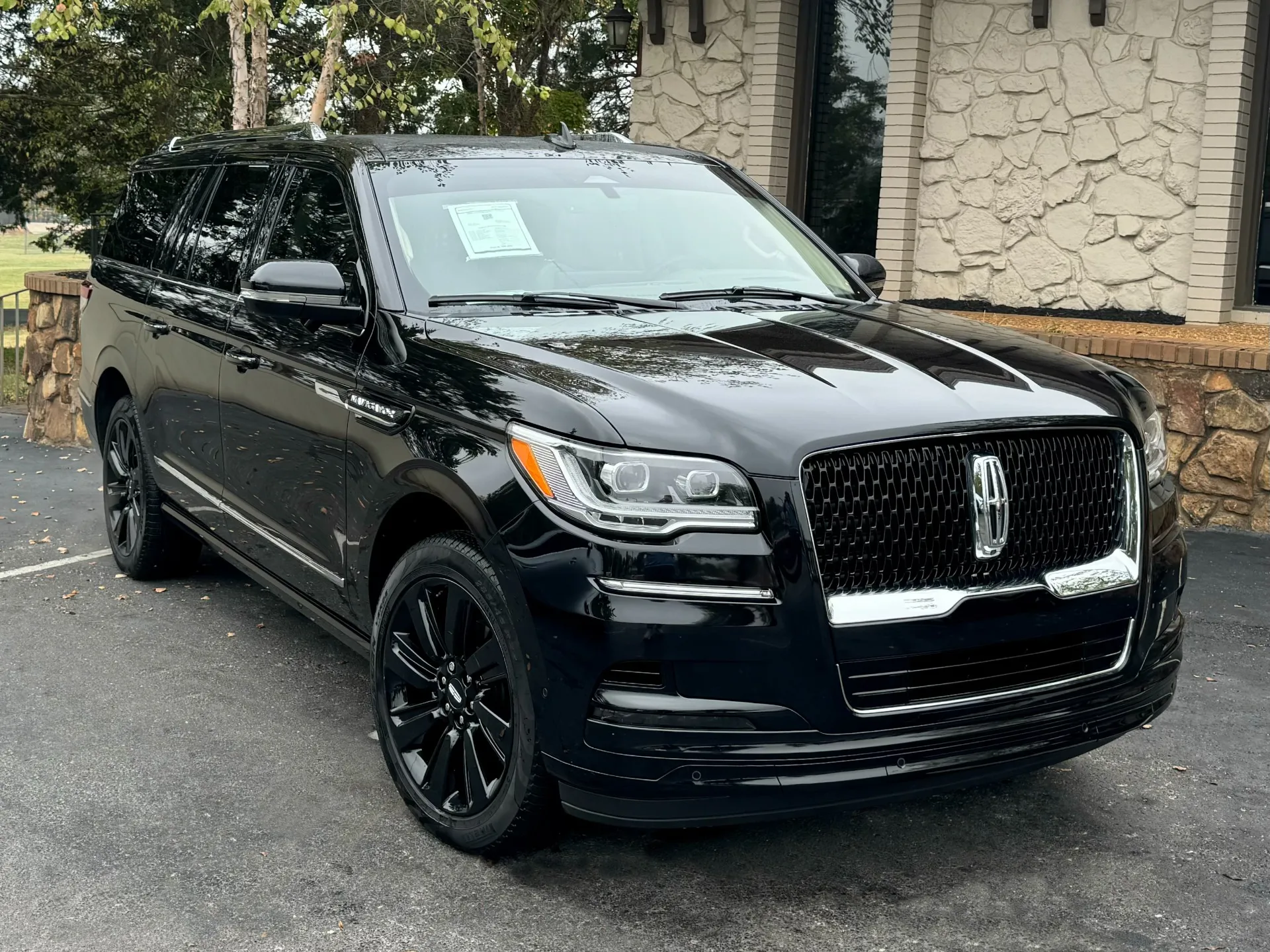
- Engine: 3.5L Twin-Turbo V6 EcoBoost
- Horsepower: ~440 hp
- Torque: ~691 Nm
- Length: ~5,630 mm
- Width: ~2,070 mm
8. Lincoln Navigator L
The Lincoln Navigator L is an extended wheelbase luxury SUV designed to maximize interior space, comfort, and passenger convenience. It is a premium offering from Lincoln, featuring a refined cabin, advanced infotainment systems, and powerful engine performance.
The extended L version provides additional cargo space and legroom, making it especially attractive for families and long-distance travel. However, like many full-size luxury SUVs, it is also prone to significant depreciation.
One of the primary reasons for its value decline is its premium positioning. Vehicles in the upper end of the luxury SUV segment often experience steep depreciation because their high original prices limit the pool of potential used buyers. As the vehicle ages, fewer consumers are willing or able to afford even the reduced price, which lowers demand.
Changing consumer preferences also play a major role. In recent years, there has been a growing shift toward smaller SUVs, crossovers, and electric vehicles. Larger vehicles like the Navigator L face reduced demand as buyers prioritize efficiency, urban usability, and lower running costs. This shift in market preference directly impacts resale values.
Competition is another important factor. The Navigator L competes with other luxury SUVs that offer similar features, often with more modern styling or updated technology. When buyers compare alternatives, even small differences in perceived innovation or brand strength can significantly affect purchasing decisions in the used market.
Ownership costs further contribute to depreciation. The Navigator L has relatively high fuel consumption due to its size and engine power. Maintenance and repair costs can also be higher than average, especially as the vehicle ages. These long-term expenses reduce its attractiveness to budget-conscious used car buyers.
Despite these challenges, the Lincoln Navigator L remains highly desirable for those seeking maximum space and comfort. Its steep depreciation allows buyers to access a full-size luxury SUV at a much lower price than when new, making it an appealing option in the second-hand market.
