
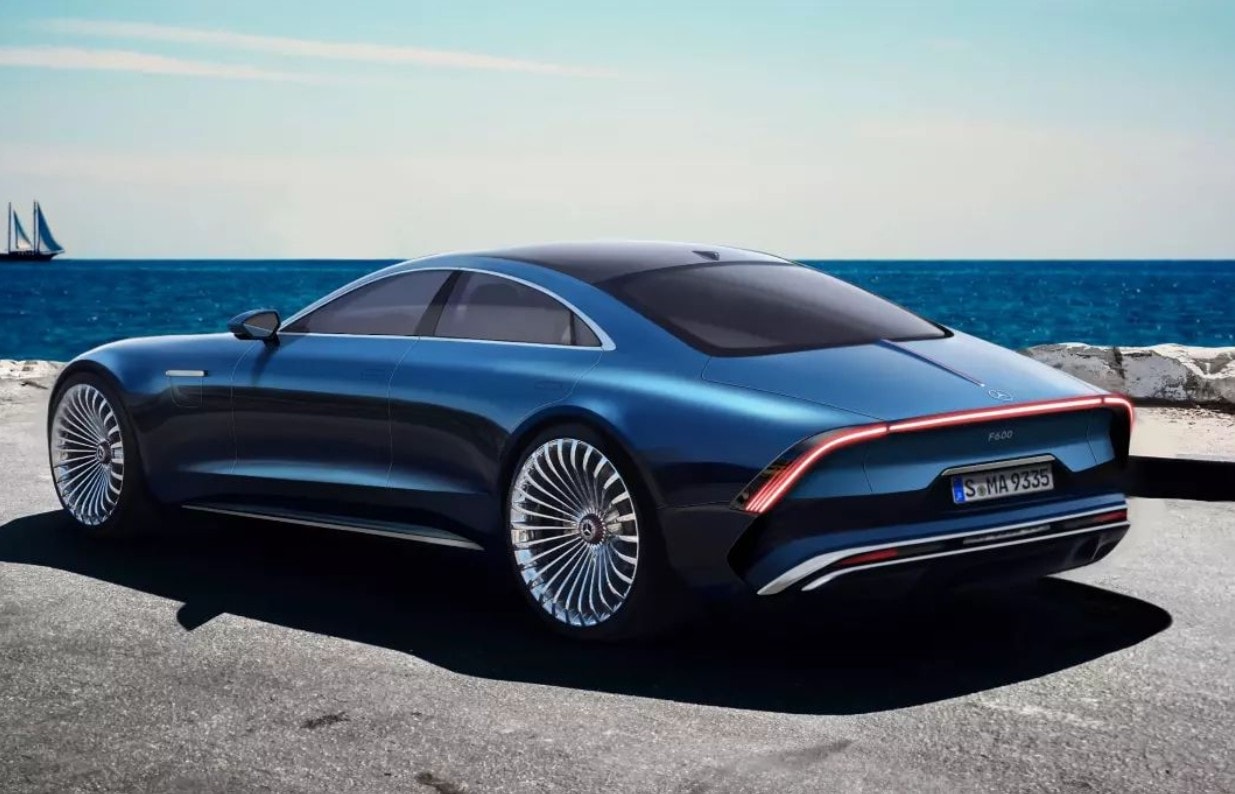
The automotive industry is undergoing one of the most significant transformations in its history, and electric vehicles have become the centerpiece of that evolution. Over the past decade, luxury electric vehicles have moved from niche products to mainstream status among affluent consumers.
Premium brands introduced sophisticated EVs packed with advanced technology, impressive performance capabilities, cutting-edge battery systems, and premium interiors designed to rival traditional luxury sedans and SUVs.
Early adopters were often willing to pay substantial premiums to experience the latest innovations, while manufacturers positioned their electric offerings as symbols of progress, sustainability, and prestige.
However, an unexpected trend has emerged in the used vehicle market. Many luxury electric vehicles are experiencing depreciation rates that significantly exceed those of comparable gasoline-powered luxury models.
In numerous cases, luxury EVs lose between 40 and 60 percent of their original value within just a few years of ownership. This level of depreciation has surprised many buyers who assumed that advanced technology and growing demand for electric transportation would help preserve resale values.
Instead, the opposite has frequently occurred. Vehicles that originally sold for premium prices have entered the used market at steep discounts, creating challenges for owners, leasing companies, and dealerships alike.
Several factors contribute to this phenomenon. Rapid technological advancement means that newer electric vehicles often offer significantly better range, charging speed, software capabilities, and battery efficiency than models introduced only a few years earlier.
Consumers shopping for used EVs frequently compare older luxury models with brand-new alternatives that may offer superior features at competitive prices.
This dynamic places downward pressure on resale values. In addition, concerns about battery longevity, evolving government incentives, changing market demand, and aggressive manufacturer pricing strategies have all influenced depreciation patterns.
The luxury segment faces unique challenges because premium buyers often prioritize having the latest technology and features. Unlike traditional luxury cars, which may maintain appeal through craftsmanship and brand prestige alone, luxury EVs are heavily evaluated based on technological relevance.
As a result, an electric vehicle that was considered groundbreaking three years ago may already appear outdated when compared with current models.
Understanding why luxury EVs depreciate so rapidly is important for consumers, investors, dealers, and manufacturers. By examining technological trends, market forces, consumer behavior, and industry economics, it becomes possible to understand why these vehicles are losing value so quickly and what the future may hold for electric vehicle resale markets.
Also Read: What a 10-Year-Old Tacoma Sells For Today?
The Rapid Pace of EV Technology Advancement
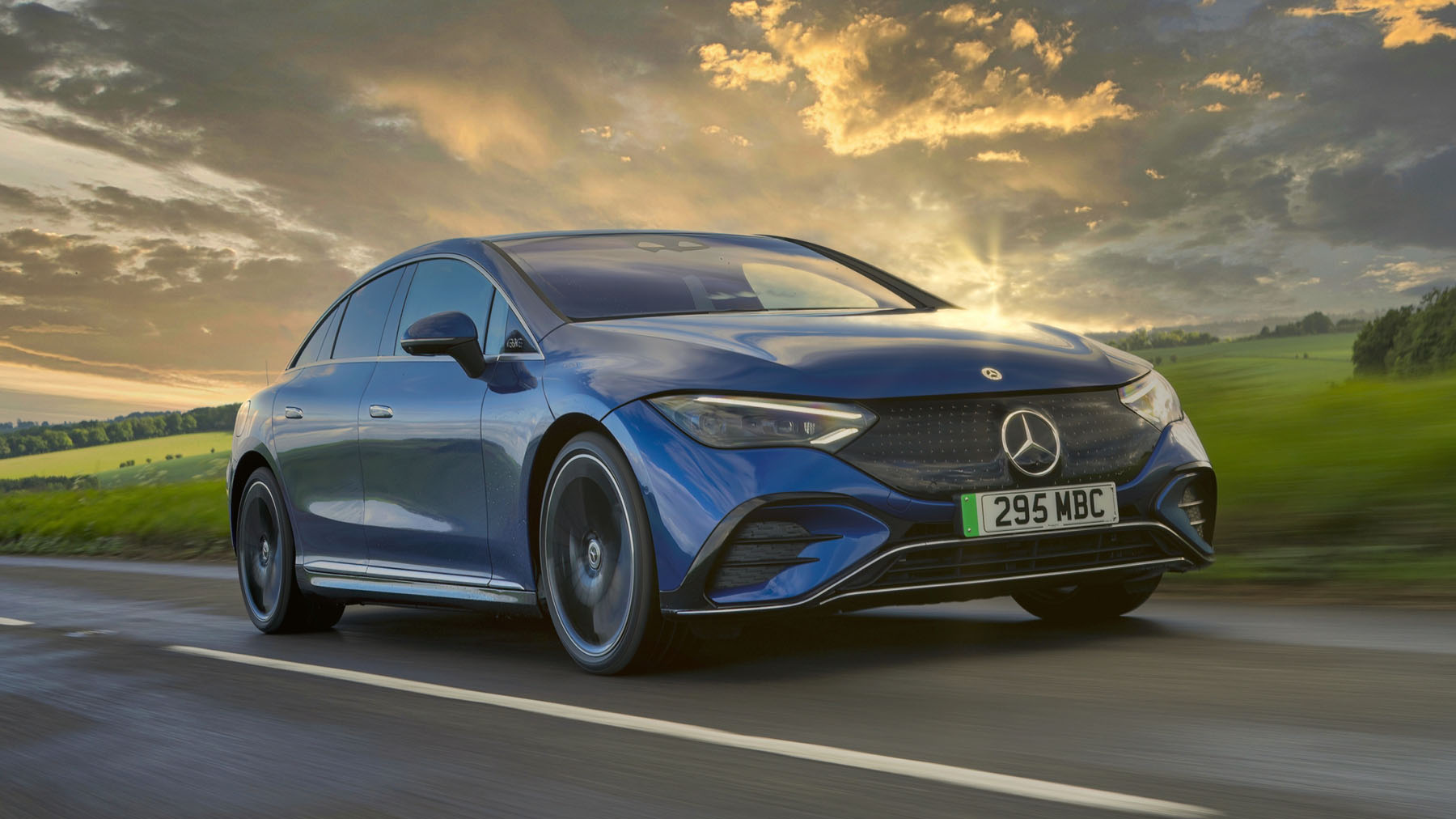
One of the biggest drivers of luxury EV depreciation is the extraordinary speed of technological improvement. Traditional automotive technology evolves gradually over many years, allowing vehicles to remain competitive for extended periods.
Electric vehicles, however, operate within a technology ecosystem that resembles consumer electronics more than conventional automobiles. Every new generation often introduces meaningful improvements in battery chemistry, software capabilities, charging efficiency, and vehicle performance.
Consumers evaluating used luxury EVs often compare them against newer models with significantly improved specifications. A luxury EV launched just three years ago may offer substantially less driving range than a current vehicle at a similar price point.
As range anxiety remains a key concern for many buyers, even moderate improvements can influence purchasing decisions and reduce demand for older models.
Charging infrastructure compatibility also plays a role. Newer vehicles frequently support faster charging standards and improved battery management systems. Buyers who regularly travel long distances may prioritize charging convenience, making older luxury EVs less attractive. Consequently, resale prices must decline to compensate for perceived technological disadvantages.
Software development further accelerates depreciation. Modern EVs rely heavily on digital systems, over-the-air updates, and connected services.
New generations often feature improved user interfaces, more advanced driver assistance systems, enhanced navigation tools, and better integration with mobile devices. These advancements can make older models appear outdated despite remaining mechanically sound.
Luxury buyers tend to place significant value on technological leadership. Because premium EVs are marketed around innovation and cutting-edge capabilities, they face stronger depreciation pressure when newer products arrive.
Unlike traditional luxury vehicles, where craftsmanship may remain timeless, technology-focused products can lose appeal rapidly as newer alternatives enter the market.
Battery Concerns and Consumer Perception
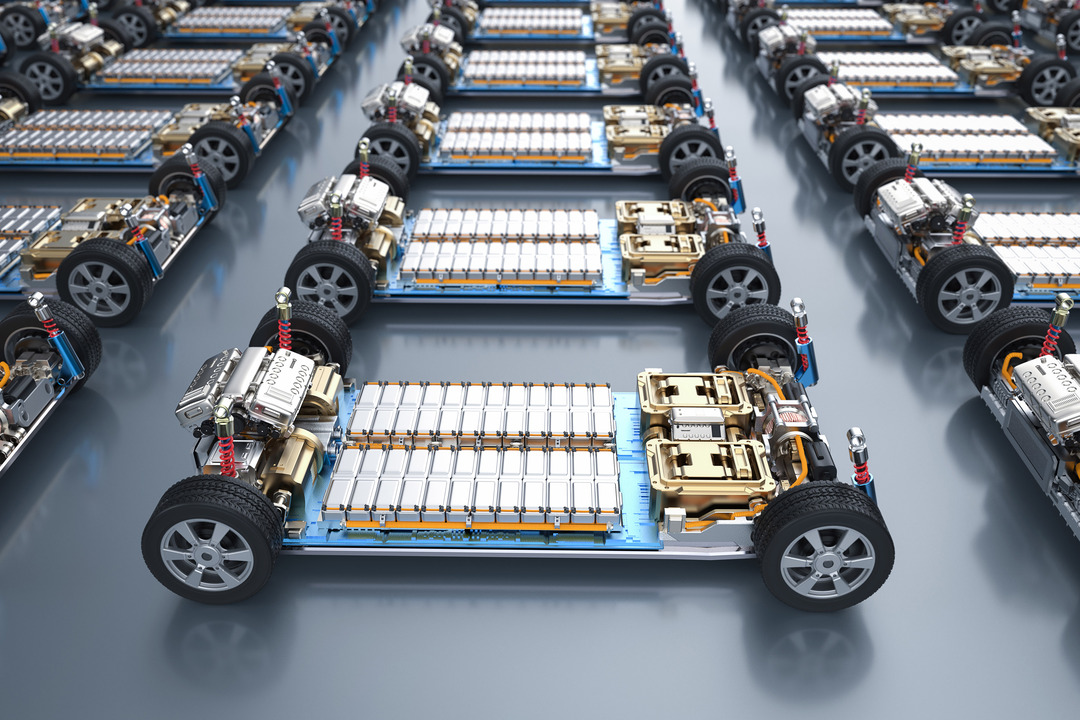
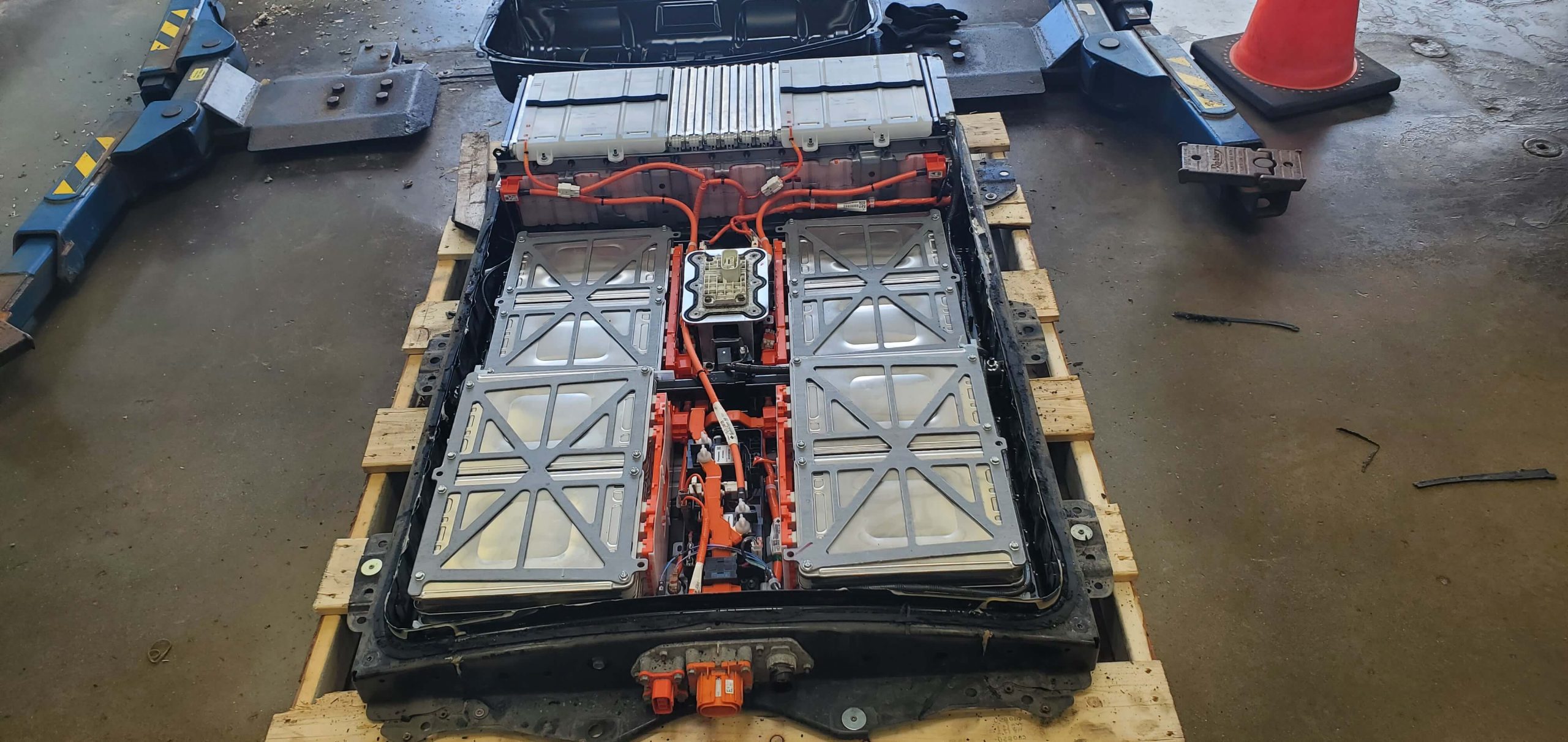
Battery technology lies at the heart of every electric vehicle, making battery health a critical factor in determining resale value. Although modern batteries are generally more durable than many consumers assume, uncertainty surrounding long-term battery performance continues to influence buyer behavior in the used luxury EV market.
Many prospective buyers worry about battery degradation. Even though actual degradation rates are often modest, concerns persist regarding reduced driving range over time. Consumers may hesitate to purchase an expensive used luxury EV if they are uncertain about the condition of its battery pack. This uncertainty can reduce demand and push resale prices downward.
Battery replacement costs also contribute to depreciation. While complete battery replacements are relatively uncommon, the possibility of a future replacement remains a concern. Luxury EVs often utilize large battery packs that can be costly to repair or replace outside warranty coverage. Buyers frequently factor these potential expenses into their purchasing decisions.
The complexity of battery health assessment further complicates the used market. Traditional vehicles can often be evaluated through service records, mechanical inspections, and mileage history. Electric vehicles require more specialized analysis of battery condition, which many buyers may not fully understand. This information gap can create caution and lower willingness to pay premium prices.
Warranty considerations significantly influence consumer confidence. Vehicles approaching the end of battery warranty periods may experience greater depreciation as buyers become increasingly concerned about future risks. Even when actual reliability remains high, perceived risk can have a substantial impact on market value.
Luxury EVs face additional scrutiny because buyers spending significant amounts on used vehicles often expect certainty and peace of mind. Any doubts regarding battery longevity, future performance, or replacement costs can disproportionately affect resale values compared with conventional luxury vehicles.
Manufacturer Price Cuts and Competitive Pressure
Aggressive pricing strategies by automakers have become another major contributor to luxury EV depreciation. As competition within the electric vehicle market intensifies, manufacturers frequently adjust pricing to attract customers and increase market share. These decisions can have immediate effects on used vehicle values.
When manufacturers reduce prices on new EVs, existing owners often see the value of their vehicles decline almost instantly. A luxury EV purchased at a premium price may suddenly compete against a new model available for significantly less money. Used vehicle buyers naturally expect discounts relative to new alternatives, resulting in accelerated depreciation.
Competition among luxury brands has become increasingly intense. Established automakers face pressure from both traditional rivals and newer EV-focused companies.
To remain competitive, manufacturers often introduce incentives, financing programs, lease subsidies, and direct price reductions. While these measures stimulate new vehicle sales, they can undermine residual values.
Government incentives can amplify these effects. Tax credits, rebates, and other purchase incentives often apply primarily to new vehicles. As a result, consumers may find new EVs more attractive than slightly used alternatives. This dynamic reduces demand for used luxury EVs and places additional downward pressure on pricing.
Inventory management strategies also influence depreciation. During periods of slowing demand, manufacturers may increase incentives to move unsold inventory. Such actions can create sudden market adjustments that negatively affect resale values. Owners who purchased before these incentives were introduced often experience significant value losses.
Luxury EV buyers may be particularly vulnerable because premium vehicles typically carry higher initial prices. When manufacturers cut prices or offer substantial incentives, the absolute dollar amount of depreciation can become dramatic, contributing to the 40 to 60 percent value declines observed in some segments.
Also Read: How Much It Really Costs to Own a Truck for 5 Years
The Influence of Leasing on Used EV Values
Leasing has played a significant role in shaping luxury EV depreciation patterns. Many premium electric vehicles are leased rather than purchased outright, creating a steady stream of vehicles entering the used market after relatively short ownership periods.
Luxury EV leasing became especially popular because consumers wanted access to emerging technology without assuming long-term ownership risks. Leasing allowed drivers to upgrade frequently while avoiding concerns about future battery performance, technological obsolescence, and resale uncertainty.
As large numbers of leased vehicles return to dealerships simultaneously, the used vehicle supply increases substantially. Greater supply can place downward pressure on prices, especially if consumer demand fails to keep pace. This supply imbalance often contributes to accelerated depreciation.
Leasing companies and financial institutions establish residual value forecasts when setting lease terms. In the early years of EV adoption, predicting long-term resale values proved challenging. Some vehicles experienced lower-than-expected residual values, leading to adjustments that reflected broader market realities.
The abundance of off-lease inventory provides consumers with numerous options. Buyers comparing similar vehicles can negotiate aggressively, forcing sellers to reduce prices. This competitive environment tends to depress resale values across the segment.
Luxury EVs often experience the combined effects of technological change and lease returns. By the time a leased vehicle enters the used market, newer models may already offer meaningful improvements.
The result is a marketplace where supply increases while demand shifts toward newer alternatives, accelerating depreciation further.
Changing Consumer Preferences and Market Dynamics
Consumer attitudes toward electric vehicles continue to evolve, influencing resale values throughout the luxury segment. While EV adoption remains significant, demand patterns are not always predictable, particularly in the premium market.
Many early adopters prioritized innovation and sustainability. Today, a broader range of consumers evaluates EVs based on practical considerations such as charging access, range, ownership costs, and convenience. This shift can affect demand for specific used luxury models.
Infrastructure development remains uneven across regions. Areas with limited charging networks may generate weaker demand for used luxury EVs. Potential buyers who lack home charging options may hesitate to purchase electric vehicles, reducing market size and influencing pricing.
Economic conditions also affect luxury vehicle demand. During periods of financial uncertainty, consumers may postpone discretionary purchases or seek lower-priced alternatives. Used luxury EVs can be particularly sensitive to these shifts because they occupy a premium segment of the market.
Brand reputation continues to play an important role. Manufacturers with strong EV ecosystems, reliable software support, and established charging solutions may retain value more effectively than competitors. However, even leading brands face depreciation challenges due to rapid technological evolution.
Market expectations are constantly changing. Consumers increasingly anticipate longer ranges, faster charging times, improved software experiences, and advanced autonomous features. Vehicles that fail to meet these evolving expectations may experience sharper depreciation regardless of their original prestige or performance.
The Future of Luxury EV Depreciation
Although luxury EV depreciation has been severe in recent years, future trends may not follow the same trajectory indefinitely. As the industry matures, several factors could contribute to greater stability in resale values.
Battery technology is gradually becoming more standardized and reliable. As long-term performance data accumulates, consumer confidence may improve. A better understanding of battery longevity could reduce uncertainty and strengthen demand for used electric vehicles.
Technological improvements may eventually become more incremental. During periods of rapid innovation, older vehicles become obsolete quickly. As EV technology matures, annual improvements may become less dramatic, allowing vehicles to retain relevance for longer periods.
The used EV market is also becoming more sophisticated. Independent battery health assessments, certification programs, and specialized inspections can provide buyers with greater transparency. Improved confidence often supports stronger resale values.
Charging infrastructure continues to expand in many regions. Greater accessibility reduces barriers to EV ownership and broadens the potential pool of used vehicle buyers. Increased demand could help stabilize depreciation rates over time.
Luxury manufacturers are learning valuable lessons about pricing, incentives, and residual value management. Future strategies may place greater emphasis on preserving long-term value. While depreciation will remain a reality for all vehicles, the extreme declines experienced by some luxury EVs may gradually moderate as the market reaches greater maturity.
