
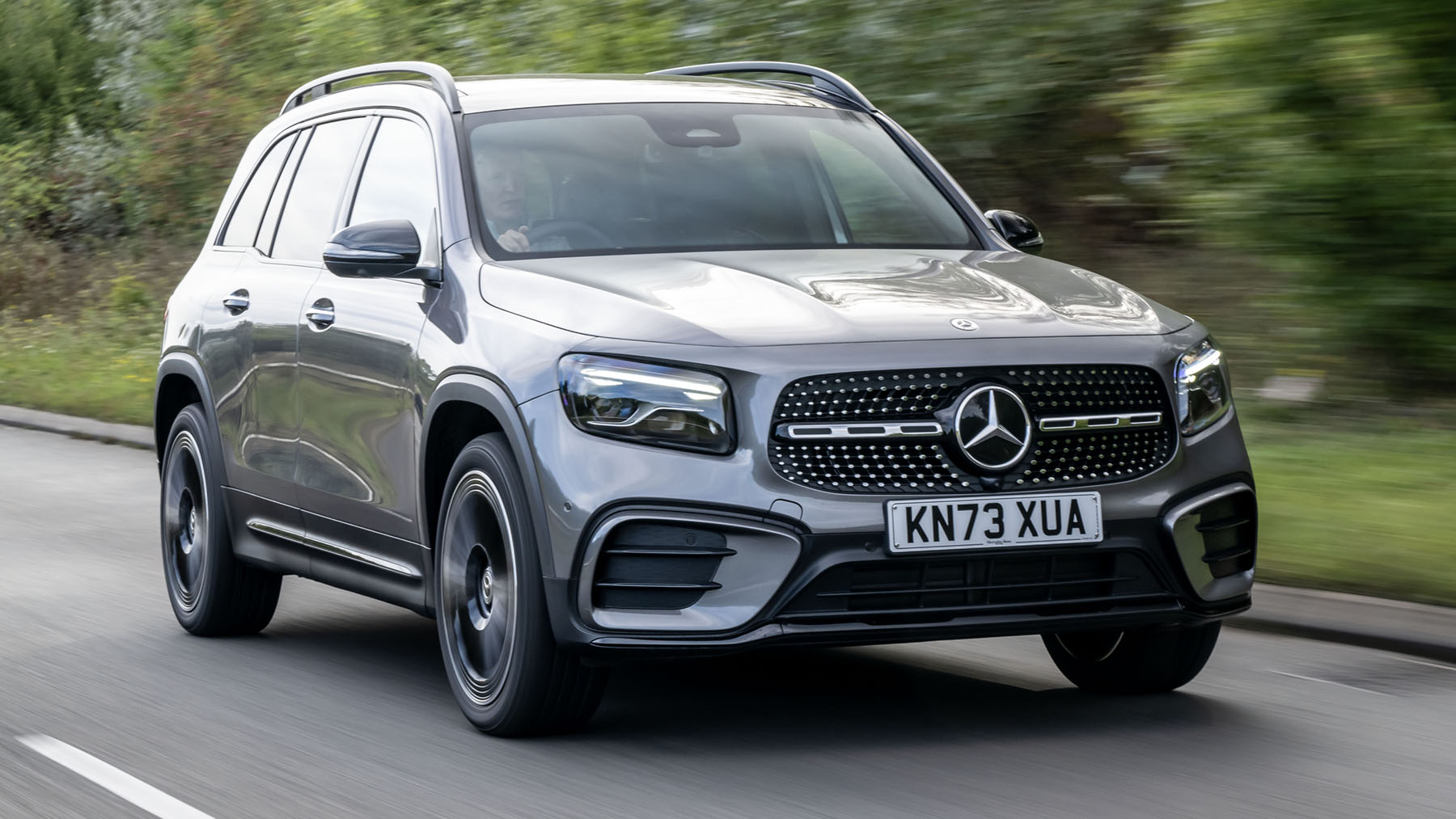
German cars have long occupied a special place in the automotive world. Brands such as BMW, Mercedes-Benz, Audi, and Porsche have built their reputations on engineering excellence, refined driving dynamics, advanced technology, and premium interiors.
For many buyers, owning a German vehicle represents a step up from mainstream transportation into the world of luxury and performance. The appeal is easy to understand.
German automakers consistently produce vehicles that feel solid, sophisticated, and rewarding to drive. Whether it’s a BMW 3 Series carving through a winding road, a Mercedes-Benz E-Class cruising comfortably on the highway, or an Audi Q5 blending luxury with practicality, these vehicles often deliver experiences that justify their premium price tags.
However, there is another ownership side that becomes increasingly apparent after the warranty expires.
According to various ownership-cost studies from organizations such as Consumer Reports, Kelley Blue Book, and automotive service-industry research firms, German luxury vehicles typically cost significantly more to maintain and repair than mainstream alternatives.
In many cases, owners can expect annual maintenance and repair expenses to exceed $900, with older vehicles often costing substantially more. Many people assume this happens because German cars are unreliable. That explanation is too simple.
The real reason German cars often cost more than $900 per year to keep has less to do with poor engineering and more to do with how these vehicles are designed, built, and serviced. The same factors that make them impressive when new often contribute directly to higher ownership costs later.
Understanding why requires looking beyond repair bills and examining the philosophy behind German automotive engineering.
Also Read: Honda Recalls About 880,000 Vehicles Over Rear Subframe Issue
German Manufacturers Prioritize Performance And Refinement
One of the biggest reasons German vehicles cost more to maintain is that they are engineered to meet higher performance and refinement standards than many mainstream vehicles.
A typical luxury sedan from BMW or Mercedes-Benz is expected to deliver strong acceleration, precise handling, high-speed stability, excellent ride quality, low cabin noise, and premium comfort simultaneously. Achieving all of those goals requires complexity.
Suspension systems often feature multiple links, adaptive dampers, electronic controls, and sophisticated geometry. Engines frequently incorporate turbocharging, direct fuel injection, advanced cooling systems, and intricate emissions equipment.
These technologies improve the driving experience. They also create additional components that eventually require maintenance or replacement.
A mainstream family sedan may use simpler mechanical solutions that are cheaper to service. German luxury cars often use more advanced systems because they are chasing a different set of objectives.
The result is a vehicle that feels more sophisticated but also costs more to maintain throughout its life. Owners are not simply paying for repairs.
They are paying for the complexity required to achieve the vehicle’s original performance goals.
Luxury Technology Creates Long-Term Expenses
Technology has become one of the defining characteristics of modern German automobiles. Features that once appeared only in flagship luxury vehicles now exist across much of the lineup.
Digital instrument clusters, adaptive cruise control, air suspension systems, advanced driver-assistance features, powered seats, premium audio systems, ambient lighting, and multiple interconnected control modules have become common.
When new, these technologies help justify premium pricing. Years later, they often become a major source of ownership costs.
A vehicle with dozens of electronic systems naturally has more potential failure points than one with fewer features. Even minor issues can become expensive because diagnosis often requires specialized equipment and manufacturer-specific software.
The problem is not unique to German brands. However, German manufacturers have historically been aggressive adopters of new technology. They often introduce advanced features years before they become common elsewhere.
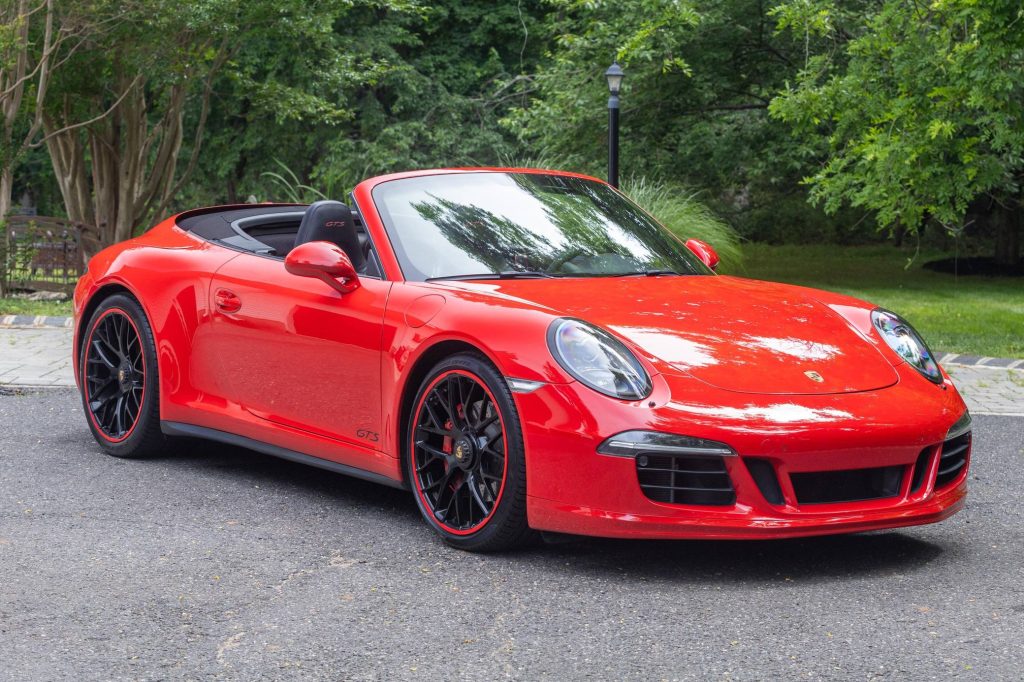
That innovation helps build their reputation. It also means owners eventually inherit the costs associated with maintaining increasingly sophisticated systems.
As vehicles age, electronic repairs frequently become a larger portion of annual ownership expenses.
Parts Costs Are Significantly Higher
Another major factor involves replacement parts. German luxury vehicles generally use higher-specification components than mainstream models. Brake systems, suspension components, cooling systems, sensors, and engine parts are often engineered to meet demanding performance requirements.
These parts tend to cost more. For example, a brake job on a mainstream sedan may cost a few hundred dollars. A comparable service on a German luxury vehicle can easily cost two or three times as much depending on the model.
The same pattern appears across numerous maintenance categories. Premium materials, specialized engineering, and lower production volumes contribute to higher prices. Imported components can add additional expense.
Even routine maintenance items frequently cost more than owners expect. This does not necessarily mean the parts are overpriced.
Many are genuinely more sophisticated than those found in lower-cost vehicles. The challenge is that owners must continue paying premium prices long after the vehicle itself has depreciated.
A ten-year-old luxury sedan may be worth a fraction of its original sticker price, but replacement parts often remain priced like those of a luxury vehicle.
Labor Costs Are Higher Than Average
Labor represents another major contributor to ownership expenses. German vehicles often require technicians with specialized training and access to manufacturer-specific diagnostic tools. Independent repair shops can perform many services, but certain repairs still require expertise that not every mechanic possesses.
As a result, labor rates tend to be higher. Luxury dealerships frequently charge well over $150 per hour in many markets, with some locations exceeding $200 per hour.
Even independent specialists often command premium rates because of their expertise. Repair procedures can also take longer.
Modern German vehicles are often packaged tightly, with components arranged to maximize performance, safety, and space efficiency. Unfortunately, this can make routine repairs more labor-intensive.
A relatively simple repair may require removing multiple surrounding components before technicians can access the affected part.
Owners end up paying not only for the repair itself but also for the time required to perform it. Those labor expenses add up quickly over the course of ownership.
Maintenance Schedules Are More Demanding
Many German vehicles require maintenance procedures that are more extensive than those associated with mainstream cars.
High-performance engines often need premium synthetic oils. Sophisticated cooling systems require specific fluids. Advanced transmissions may benefit from service intervals that owners sometimes overlook.
Luxury brands also tend to use larger brakes, wider tires, and more complex suspension systems. These components frequently wear faster than simpler alternatives.
A performance-oriented BMW or Audi may consume tires significantly more quickly than an economy car. Brake replacements can arrive sooner as well, particularly if the vehicle is driven aggressively.
None of this necessarily reflects poor reliability. It reflects the fact that performance-oriented components often involve trade-offs.
The same brakes that provide exceptional stopping power may require more frequent replacement. The same tires that deliver outstanding grip may wear more quickly.
Owners enjoy the benefits every time they drive the car. They also pay for those benefits during maintenance visits.
Depreciation Makes Repairs Feel Worse
An interesting psychological factor influences how people perceive German-car ownership costs.
Luxury vehicles typically experience significant depreciation during their early years. A car that originally sold for $70,000 may be available on the used market for $25,000 a decade later.
This creates a mismatch between purchase price and maintenance expectations. Buyers see a used luxury vehicle priced similarly to a new mainstream car and assume ownership costs will be comparable.
They are often surprised when repair bills reflect the vehicle’s original status rather than its current market value. The car may be worth $20,000.
Its parts and service requirements may still resemble those of a $70,000 vehicle. This disconnect explains why so many second or third owners find themselves shocked by maintenance expenses.
The vehicle became affordable to purchase. It never became inexpensive to maintain.
Reliability Is Only Part Of The Story
German vehicles often receive criticism for reliability concerns, but reliability alone does not explain annual ownership costs exceeding $900.
Many German cars can be highly dependable when maintained properly. Some owners accumulate hundreds of thousands of miles with relatively few serious problems.
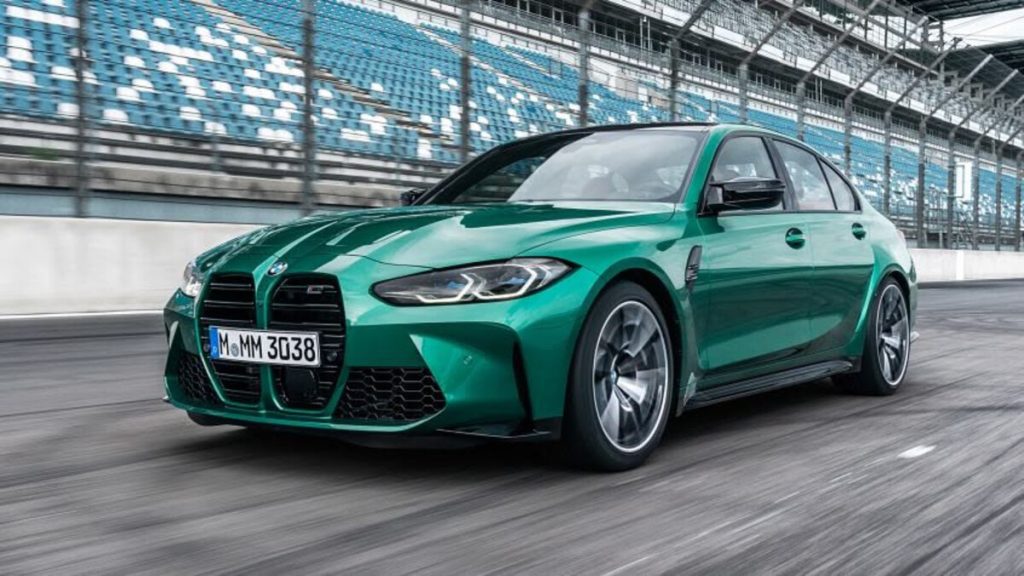
The issue is that when maintenance or repairs are required, they tend to cost more.
Even a reliable BMW or Mercedes-Benz may still demand higher annual expenses because routine services, wear items, labor, and replacement parts all cost more than those of mainstream vehicles. This distinction is important.
A vehicle can be reasonably reliable while still being expensive to own. In fact, many ownership-cost studies show that maintenance and repairs remain upgraded even for German models with solid reliability records.
The expenses stem from engineering complexity and premium specifications rather than constant breakdowns.
Why The Cost Is Often Worth It
Despite the higher expenses, millions of people continue choosing German vehicles. The reason is simple. Owners often believe the driving experience justifies the cost.
German luxury cars typically offer a combination of performance, comfort, refinement, safety, and engineering sophistication that remains difficult to match. The steering feels sharper, the interiors feel more substantial, and the full experience often feels more premium than mainstream alternatives.
For many buyers, those qualities have real value. The higher maintenance costs become part of the ownership equation rather than a dealbreaker.
After all, nobody buys a luxury vehicle expecting economy-car operating costs. The Real Explanation Behind The $900-Plus Annual Cost
The real reason German cars often cost more than $900 per year to keep is not because they are inherently bad vehicles. It is because they are engineered to deliver a different experience.
Advanced technology, premium materials, sophisticated performance systems, specialized parts, and higher labor requirements all contribute to ownership costs. The same engineering decisions that make these vehicles desirable when new continue affecting expenses throughout their lives.
Luxury performance comes with complexity. Complexity comes with costs. For owners who appreciate what German vehicles offer, those costs may be entirely reasonable. For buyers expecting mainstream-car ownership expenses, however, the reality can be surprising.
German cars are not expensive to maintain because they were built cheaply. In many cases, they are expensive because they were built to achieve standards that require more sophisticated engineering. The annual repair and maintenance bills are simply the long-term price of that ambition.
Also Read: The Mid-Engine Hot Hatch That Became A Supercar-Killer
