
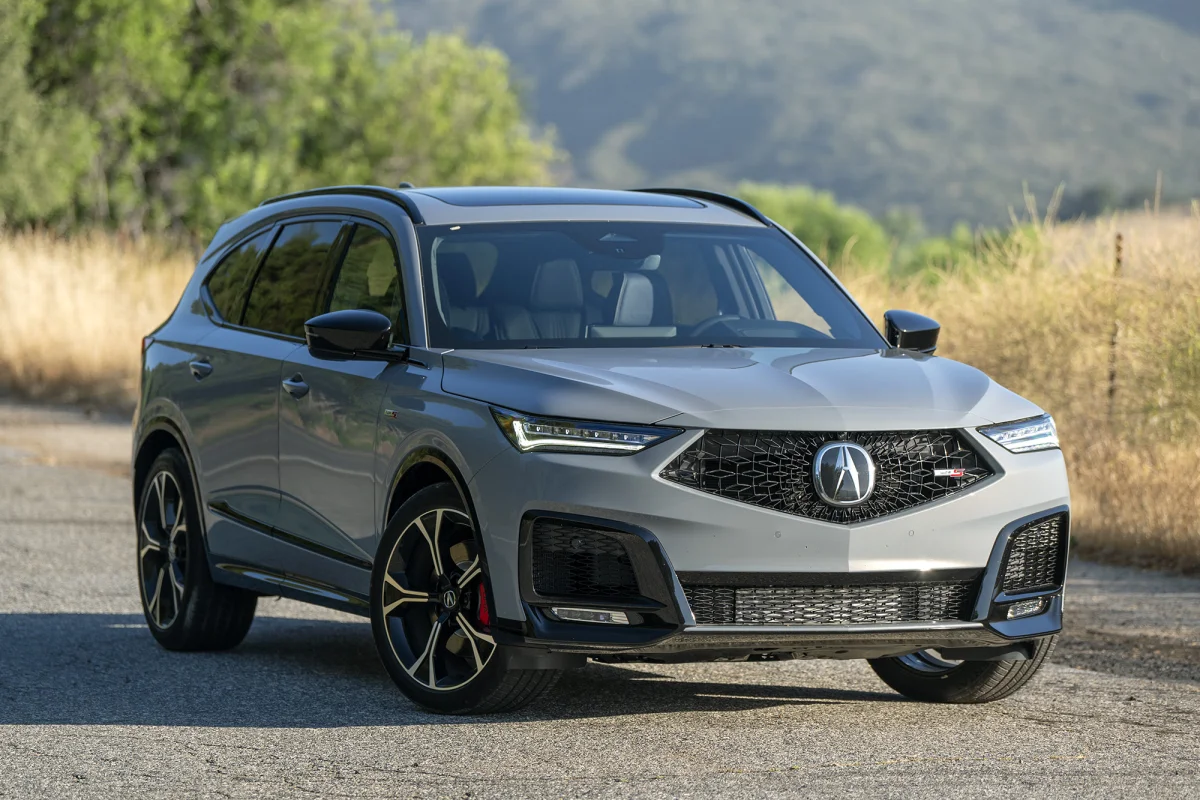
Honda has launched one of its largest safety recalls of 2026, affecting approximately 880,000 Honda and Acura vehicles in the United States after discovering a potentially serious defect involving the rear subframe.
The issue, which can lead to corrosion and eventual suspension component failure, has prompted immediate action from both the automaker and federal safety regulators.
The recall was announced on June 11 after investigations determined that certain vehicles may experience premature deterioration of the rear subframe, a critical structural component that supports parts of the rear suspension system. If left unaddressed, the defect could compromise vehicle handling and increase the risk of a crash.
While the problem is limited to specific vehicles and regions, the large number of affected models makes it one of Honda’s most significant recall campaigns in recent years.
Also Read: Hyundai Confirms No Standard Ioniq 6 for the 2026 Model Year
What Is the Rear Subframe and Why Does It Matter?
Modern vehicles rely on a network of structural components to support suspension systems, absorb road forces, and maintain stability. One of those components is the rear subframe.
The rear subframe acts as a mounting point for suspension parts and helps keep the vehicle’s rear wheels aligned correctly. It plays an important role in ride quality, handling, and full vehicle control.
According to documents submitted to the National Highway Traffic Safety Administration (NHTSA), corrosion can develop around suspension mounting points on certain Honda and Acura vehicles. As corrosion progresses, the metal may weaken, potentially leading to fractures or failures in suspension-related components.
If a suspension mounting point becomes severely compromised, drivers could experience changes in vehicle behavior, reduced stability, or difficulty maintaining control.
Safety experts note that structural corrosion is especially concerning because it often develops gradually and may remain unnoticed until significant damage has already occurred.
Which Vehicles Are Included?
The recall covers 880,514 vehicles across four model lines.
Affected vehicles include:
- 2014-2020 Acura MDX
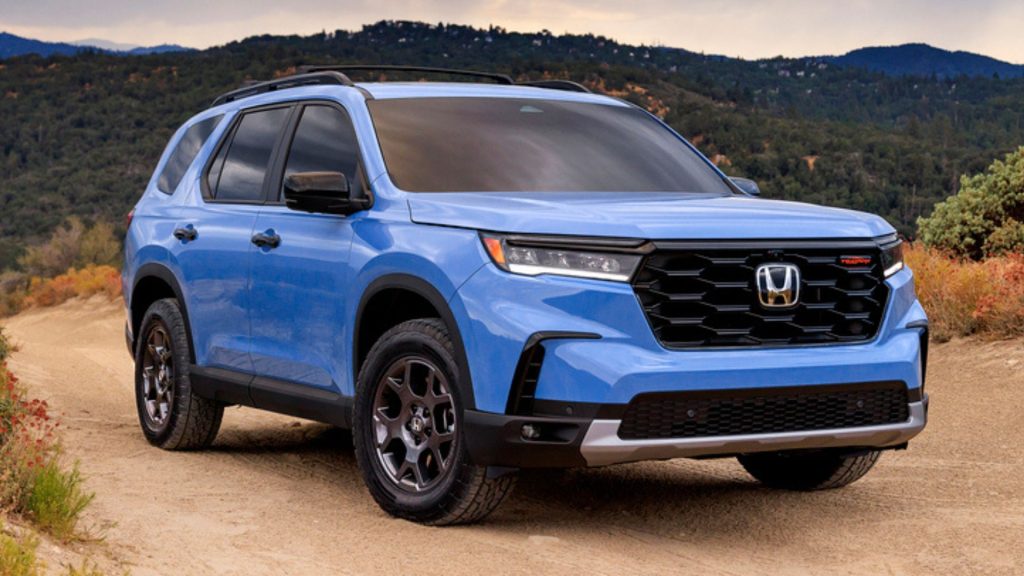
- 2016-2022 Honda Pilot
- 2017-2023 Honda Ridgeline
- 2019-2023 Honda Passport
Among the affected population, the Honda Pilot accounts for the largest number of recalled vehicles, followed by the Acura MDX, Honda Ridgeline, and Honda Passport.
The recall specifically targets vehicles sold or registered in regions where road salt is commonly used during winter months. These areas, often referred to as the “Salt Belt,” experience more aggressive corrosion conditions because salt accelerates the rusting process.
States included in the campaign span much of the northeastern and midwestern United States, along with Washington, D.C.
The Root Cause: Premature Corrosion
Honda’s investigation traced the issue to a manufacturing problem involving protective coatings applied to rear subframes.
According to recall documents, the coating used on certain subframe assemblies may not adhere properly to the metal surface. Over time, the protective layer can peel away, exposing the underlying steel to moisture, salt, and other environmental contaminants.
Once exposed, the metal becomes vulnerable to accelerated corrosion. Engineers identified the greatest concern around suspension mounting locations where structural strength is particularly important. As corrosion advances, the metal can thin and weaken, potentially allowing suspension components to shift or fail.
While corrosion is a common challenge for vehicles operating in harsh winter environments, regulators determined that the affected Honda and Acura models may experience deterioration faster than expected because of the coating issue.
How the Problem Could Affect Drivers
The most significant concern involves the possibility of suspension component failure. If corrosion becomes severe enough, mounting points attached to the rear suspension could weaken.
This may alter wheel alignment, affect handling characteristics, or reduce vehicle stability during driving. In extreme cases, suspension components could detach from compromised mounting areas.
Drivers experiencing advanced corrosion may notice symptoms such as:
- Unusual noises from the rear suspension
- Changes in vehicle handling
- Excessive vibration
- Uneven tire wear
- Difficulty maintaining straight-line stability
However, safety officials emphasize that corrosion often develops gradually. Many owners may not notice obvious warning signs before significant deterioration occurs.
Because the issue can affect vehicle control, regulators concluded that a recall was necessary even though only a relatively small percentage of vehicles are expected to develop the defect.
Honda’s Investigation
The recall follows an extensive investigation conducted by Honda and federal regulators. Engineers began examining reports involving corrosion-related concerns in affected vehicles, particularly those operating in regions exposed to heavy winter road salt. Detailed inspections revealed patterns of premature corrosion around rear subframe suspension mounting points.
Further analysis connected the issue to manufacturing processes associated with the protective coating applied to the affected subframes.
Once the root cause was identified, Honda worked with regulators to determine the scope of the problem and develop a corrective action plan.
Unlike many recalls triggered by electronic failures or software defects, this case involves a physical deterioration process that occurs over time. As a result, engineers had to carefully evaluate corrosion progression rates and determine which vehicles faced higher risk.
How Honda Will Fix the Problem
Honda has developed a repair strategy designed to address both existing corrosion and future deterioration.
Dealers will inspect the rear subframe of affected vehicles and determine the condition of the suspension mounting points. Depending on the results, technicians may install a reinforcement kit designed to strengthen vulnerable areas.
If inspectors discover more advanced corrosion, additional repairs may be required. In some cases, dealers may repair or replace affected subframe components to restore structural integrity. All recall-related work will be performed free of charge.
Honda believes the combination of inspections, reinforcement measures, and repairs will effectively eliminate the safety risk associated with the defect.
Injury Reports and Risk Assessment
One notable aspect of the recall is the relatively low number of reported incidents compared with the size of the affected vehicle population.
According to information released by Honda and regulators, the company estimated that only about one percent of recalled vehicles may actually exhibit the defect. Despite the low occurrence rate, the potential consequences of suspension failure justified a nationwide recall effort.
At the time the recall was announced, Honda reported no known deaths or injury claims directly linked to the issue. The absence of serious incidents likely reflects the fact that many affected vehicles have not yet experienced advanced corrosion levels.
Safety experts frequently point out that recalls are intended to prevent accidents before they occur rather than simply respond after injuries are reported.
What Owners Should Do
Owners of affected Honda Pilot, Passport, Ridgeline, and Acura MDX vehicles should watch for official recall notifications from Honda.
Owner notification letters are expected to begin mailing in July 2026. Once notified, customers can schedule appointments with authorized Honda or Acura dealerships for inspections and repairs.
Drivers living in regions with harsh winters should pay particular attention to the recall because road salt exposure plays a major role in corrosion development.
Even owners who have not noticed any symptoms should arrange for the inspection. Corrosion can occur beneath protective coatings and may not be immediately visible during casual inspections.
Another Reminder About Long-Term Durability
The recall highlights an often-overlooked aspect of vehicle safety: long-term structural durability.
Modern recalls frequently involve software updates, electronic systems, or advanced driver-assistance technologies. This campaign serves as a reminder that traditional engineering concerns, such as corrosion protection, remain just as important.
For Honda, the recall represents a proactive effort to address a defect before it leads to widespread suspension failures or serious accidents. For owners, it underscores the importance of responding promptly to recall notices, even when vehicles appear to be operating normally.
With more than 880,000 vehicles affected, the campaign is substantial in scale. Yet Honda’s inspection and repair plan aims to ensure that these popular SUVs, pickups, and luxury crossovers continue operating safely for years to come, particularly in regions where winter weather places extra demands on vehicle durability.
Also Read: Genesis GV60 Adds Range and a Native Tesla Charging Port for 2026
