
There was a time when diagnosing a car problem often required little more than a toolbox, mechanical knowledge, and a bit of patience. If a power window stopped working, a mechanic checked the switch, motor, wiring, or fuse.
If the engine ran poorly, the likely suspects were fuel delivery, ignition components, or vacuum leaks. Most vehicle systems operated independently, making troubleshooting relatively straightforward.
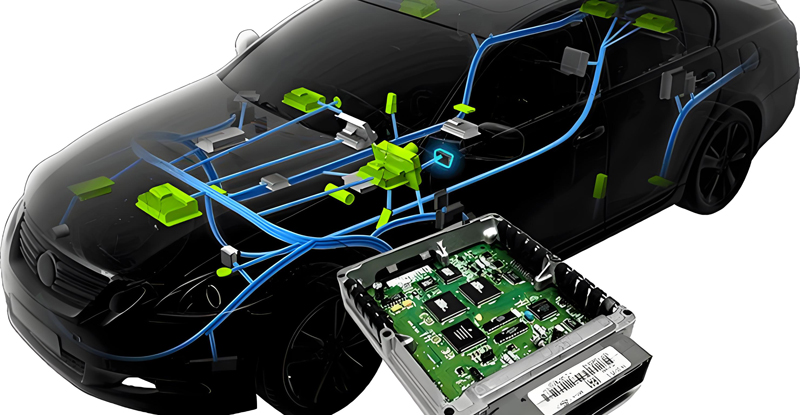
Modern vehicles are entirely different. Today’s cars, trucks, and SUVs are essentially rolling computer networks. A typical new vehicle may contain more than 50 electronic control modules, while luxury vehicles and advanced electric vehicles can exceed 100.
These small computers constantly communicate with one another, managing everything from engine performance and transmission operation to climate control, seat adjustments, safety systems, lighting functions, and infotainment features.
The technology delivers enormous benefits. Modern vehicles are safer, more efficient, more comfortable, and more capable than anything sold just two decades ago.
Features such as automatic emergency braking, adaptive cruise control, blind-spot monitoring, digital instrument clusters, and smartphone connectivity all depend on sophisticated electronic systems working together. However, this complexity has created an unintended consequence.
Repairs that once involved replacing a simple mechanical component now frequently require software diagnostics, electronic calibration, module programming, and network troubleshooting. What used to be a relatively inexpensive repair can quickly become a four-figure service visit.
The reason is not necessarily that modern vehicles are less reliable. Instead, it is that dozens of interconnected control modules have fundamentally changed how vehicles operate and how they are repaired.
Also Read: Ford Recalls 2025–2026 Explorer, Ranger, and Bronco Models Over Engine Failure Risk
Cars Have Become Computer Networks On Wheels
The modern automobile contains an astonishing amount of computing power. Each electronic control module serves a specific purpose. Some manage major systems such as the engine, transmission, braking system, or airbag deployment. Others control seemingly minor functions like power seats, door locks, mirrors, lighting, or climate settings.
The average driver rarely notices these computers because they operate silently in the background.
What makes them remarkable is their ability to communicate continuously through data networks known as CAN buses, Ethernet systems, and other vehicle communication architectures.
Rather than functioning independently, modules share information constantly. For example, a modern adaptive cruise control system may rely on data from radar sensors, cameras, steering systems, brake controllers, engine computers, and transmission controllers. Multiple modules must work together seamlessly for the feature to function properly.
This interconnected design improves vehicle performance dramatically. It also means that a problem in one area can sometimes affect multiple systems simultaneously.
The days of diagnosing issues by examining a single component are increasingly disappearing.
A Simple Switch Is No Longer Just A Switch
One of the biggest reasons repairs have become more expensive is that many seemingly simple components no longer operate directly.
Consider a power window. In older vehicles, pressing the switch often sent power directly to the window motor. Diagnosing a failure was relatively straightforward because only a few components were involved.
Modern vehicles frequently handle the same function differently. Pressing a window switch may send a digital signal to a door-control module. That module communicates with other vehicle systems before instructing the window motor to operate.
Anti-pinch safety features, automatic operation modes, security systems, and memory functions may all be integrated into the process.
Suddenly, a problem that once involved a switch and motor can involve multiple computers, sensors, and communication pathways. The same transformation has occurred throughout the vehicle.
Headlights, door locks, climate controls, steering systems, parking brakes, and even windshield wipers increasingly rely on electronic modules rather than direct mechanical control. As functionality expands, so does diagnostic complexity.
Diagnosing Problems Now Requires Specialized Equipment
When a modern vehicle develops an issue, identifying the root cause often requires sophisticated diagnostic tools.
Independent repair shops and dealerships use scan tools capable of communicating with dozens of control modules simultaneously. These devices retrieve fault codes, monitor live data, perform system tests, and access manufacturer-specific diagnostic information.
The equipment is expensive. Professional-grade diagnostic platforms can cost thousands of dollars, while subscription fees for manufacturer software and service information add recurring expenses.
Technicians also require specialized training. Diagnosing modern electronic systems demands a different skill set than traditional mechanical repair work. Understanding communication networks, software logic, module interactions, and sensor behavior has become essential.
These costs ultimately reach consumers. A repair bill often includes not only the cost of replacing a failed component but also the time required to identify the problem accurately.
In many cases, diagnosis itself has become a significant portion of the total repair expense.
Calibration Has Become A New Repair Category
One of the biggest changes in modern vehicle repair is the growing importance of calibration. Replacing a component no longer guarantees the repair is complete.
Many systems require calibration procedures after installation to ensure proper operation. Cameras, radar sensors, steering-angle sensors, lane-keeping systems, adaptive cruise control equipment, and advanced driver-assistance technologies frequently need recalibration following repairs.
Even relatively minor collisions can trigger these requirements. Replacing a windshield, for example, may require recalibrating forward-facing cameras used by safety systems. Repairing suspension components may necessitate steering-system calibrations. Installing certain sensors often requires programming procedures before the vehicle can recognize them.
Calibration equipment is expensive, and the process can take significant time. As advanced safety technologies become more common, calibration-related costs continue increasing across the industry.
Consumers often find themselves surprised when a repair that appears simple on the surface requires extensive electronic procedures behind the scenes.
Software updates are now part of vehicle maintenance.
Software has become as important to modern vehicles as mechanical hardware. Manufacturers routinely release updates addressing bugs, improving functionality, enhancing efficiency, or correcting unexpected behaviors. Some vehicles can receive updates over the air, while others require dealership visits.
This shift has created a new category of repair and maintenance. Problems that once involved replacing hardware may now require software updates, module reprogramming, or system resets. In some cases, multiple modules must receive coordinated updates to ensure compatibility.
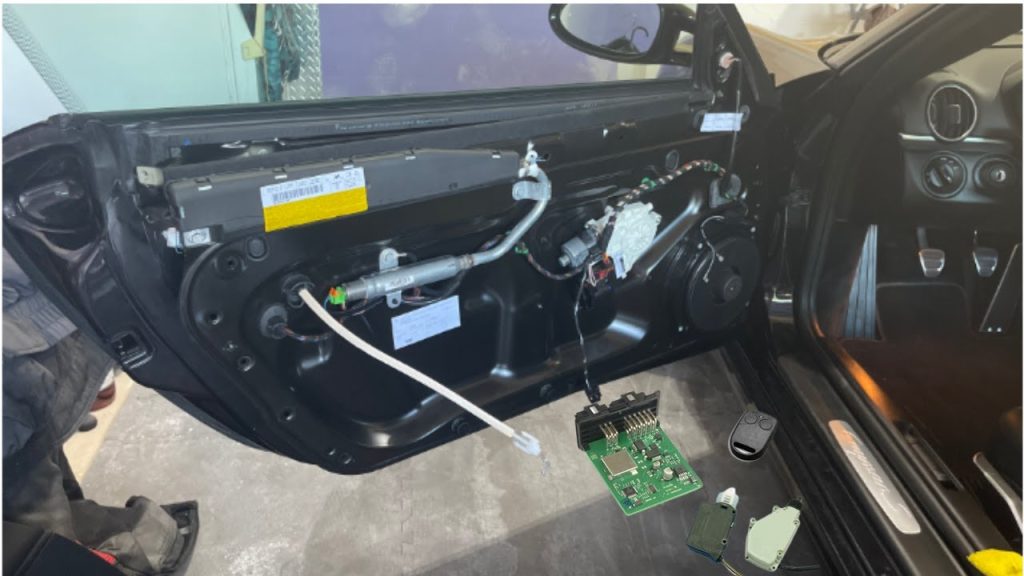
The process resembles maintaining a smartphone or computer more than servicing a traditional automobile.
While software can solve problems without replacing physical components, it also introduces additional complexity.
Technicians must ensure that modules communicate properly, software versions remain compatible, and updates are installed correctly.
As vehicles become increasingly software-driven, these considerations continue expanding.
One Failed Module Can Affect Multiple Systems
Interconnected vehicle networks provide significant advantages, but they also create new challenges.
In older vehicles, a failed component often affected only a single system. A faulty power-seat switch generally impacted only the seat. Modern networked architectures are different.
A malfunctioning control module may disrupt communication across multiple systems. Faults can trigger warning lights unrelated to the original problem, making diagnosis more difficult.
For example, a communication failure involving one module may generate fault codes throughout the vehicle because other systems can no longer exchange information properly.
The resulting repair process often involves extensive testing to determine which module actually caused the issue. This complexity contributes significantly to rising repair costs.
The problem may not be difficult to fix once identified, but identifying it often requires substantial diagnostic effort.
Luxury Vehicles Push Complexity Even Further
While all modern vehicles contain numerous control modules, luxury vehicles frequently take complexity to another level.
Premium manufacturers compete by offering advanced features and technological innovations. Massaging seats, adaptive suspension systems, ambient lighting, gesture controls, advanced driver-assistance systems, digital displays, premium audio systems, and automated parking technologies all require additional electronics.
As a result, luxury vehicles often contain far more control modules than mainstream models. Each additional feature introduces another layer of complexity and another potential point of failure.
The same technologies that create impressive ownership experiences can also increase long-term repair costs.
This is one reason luxury vehicles often become significantly more expensive to maintain as they age. The sophistication that makes them desirable when new can become costly years later.
Why Repair Bills Continue Rising
The increase in repair costs is not solely the result of inflation or dealership labor rates. Vehicle complexity plays a major role.
Modern automobiles contain more computers, more sensors, more software, and more interconnected systems than ever before. These technologies provide undeniable benefits in terms of safety, comfort, efficiency, and performance.
However, they also require specialized equipment, advanced training, extensive diagnostics, software support, and calibration procedures.
Even when a failed component itself is inexpensive, the process required to diagnose, replace, program, and verify that component can be surprisingly costly.
This dynamic helps explain why repair bills have risen steadily across much of the automotive industry.
The Hidden Price Of Automotive Innovation
There is little doubt that modern vehicles are better than their predecessors in many important ways.
They protect occupants more effectively during crashes, offer remarkable convenience features, achieve impressive fuel efficiency, and provide levels of performance that were once unimaginable. Much of that progress has been made possible by electronic control modules working together behind the scenes.
Yet every technological advancement comes with trade-offs. The same network of 50-plus control modules that enables advanced safety systems, seamless connectivity, and sophisticated driver assistance also makes repairs more complicated and expensive.
What was once a simple mechanical fix may now require diagnostics, programming, calibration, and software updates.
Consumers benefit enormously from automotive innovation, but they also pay for it when repairs become necessary.
The modern vehicle is no longer just a machine composed of mechanical parts. It is a complex electronic ecosystem where dozens of computers constantly communicate with one another. That transformation has made cars smarter than ever before, but it has also made even seemingly simple repairs far more expensive than they used to be.
Also Read: The Mid-Engine Hot Hatch That Became A Supercar-Killer
