

Ford has issued a safety recall affecting certain 2025 and 2026 model-year Explorer, Ranger, and Bronco vehicles after discovering an engine defect that could result in catastrophic engine failure and a sudden loss of drive power.
While the number of affected vehicles is relatively small compared with some of Ford’s larger recall campaigns, the seriousness of the defect has prompted the automaker and federal regulators to act quickly.
The recall was announced in June 2026 and centers on a manufacturing issue affecting the 2.3-liter EcoBoost engine used in certain vehicles. According to recall documents filed with the National Highway Traffic Safety Administration (NHTSA), a component within the engine’s valvetrain may have been installed incorrectly during production.
If the problem occurs, the engine can sustain severe internal damage, potentially causing a complete loss of power while the vehicle is in motion.
Ford has instructed dealers to replace the affected engine long block assemblies free of charge. However, because replacement parts and repair procedures are still being finalized, owners will initially receive interim notification letters explaining the risk before a permanent remedy becomes available later this year.
The recall serves as another reminder of how even relatively small manufacturing errors can create significant safety concerns in modern engines.
Also Read: Ford Mustang GT vs Dodge Challenger: Which Is Better?
The problem involves a critical engine component.
According to information released through federal recall filings, the issue originates from a camshaft roller finger follower that may have been installed improperly during engine assembly. The roller-finger follower is a small but critical component within the engine’s valvetrain system.
Its purpose is to transfer motion from the camshaft to the valves, ensuring that the engine’s intake and exhaust systems operate with precise timing. If the component becomes dislodged, the engine may begin operating abnormally. Drivers could notice unusual ticking or tapping noises before more serious damage develops.
In severe cases, the dislodged component can cause extensive internal engine damage. This damage may eventually result in engine failure, a no-start condition, or sudden loss of drive power while the vehicle is moving.
Federal safety regulators classify unexpected loss of drive power as a significant safety concern because it can increase the risk of a crash, particularly in heavy traffic or at highway speeds.
Although the defect involves a relatively small number of vehicles, Ford determined that the potential consequences warranted a formal recall campaign.
Which Vehicles Are Affected?
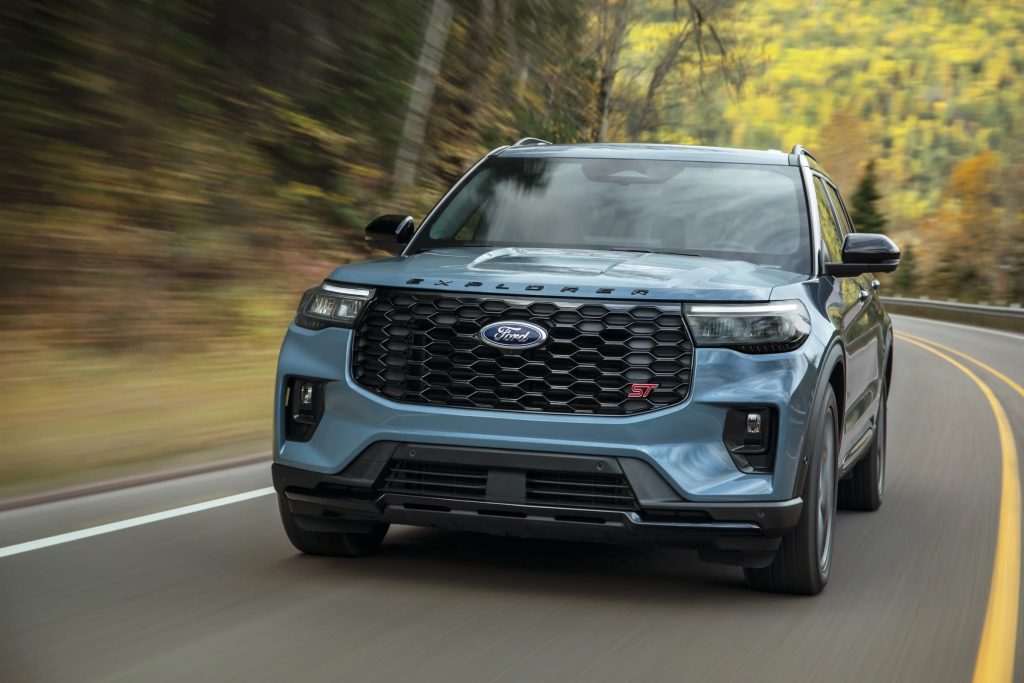
The recall covers specific 2025 and 2026 model-year vehicles equipped with Ford’s 2.3-liter EcoBoost four-cylinder engine.
According to recall filings, the affected population includes:
- 2025–2026 Ford Explorer
- 2025–2026 Ford Ranger
- 2025–2026 Ford Bronco
The total number of recalled vehicles is approximately 1,536 units. Of those, 895 are Explorers, 408 are Broncos, and 233 are Rangers.
Compared with some recalls affecting hundreds of thousands of vehicles, this campaign is relatively limited in scope. Nevertheless, Ford and NHTSA determined that even a small number of vehicles with a defect capable of causing engine failure must be addressed.
Owners can determine whether their vehicle is included by checking their vehicle identification number through NHTSA’s recall database or Ford’s recall resources. Recall VIN searches became available in late May 2026.
Why Engine Failure Recalls Are Taken Seriously
Many automotive recalls involve software updates, labeling issues, or components that may never fail during normal ownership. Engine failure recalls are different.
When an engine loses power unexpectedly, drivers may have limited time to react. While steering and braking systems generally remain functional after an engine stalls, the vehicle can rapidly lose speed. This creates particular risks when merging onto highways, crossing intersections, overtaking slower traffic, or towing heavy loads.
The danger becomes even greater if the failure occurs without warning. Ford’s investigation suggests some drivers may hear unusual engine noises before a failure occurs. A ticking or tapping sound from the engine compartment could indicate that the valvetrain component has become displaced.
However, not every affected vehicle will necessarily provide obvious warning signs before damage develops.
Because of the potential safety implications, regulators generally treat engine-related defects with a high degree of urgency.
Even though only a small percentage of vehicles may actually experience the problem, the consequences are serious enough to justify a nationwide recall.
Ford’s solution involves replacing the engine.
Unlike many modern recalls that can be resolved through software updates, this defect requires substantial mechanical repairs.
Ford has instructed dealers to replace the engine long block assembly in affected vehicles. The long block includes the core engine structure and major internal components necessary to eliminate the defect. All repairs will be performed free of charge.
Replacing an engine is a much more significant undertaking than most recall repairs. The decision reflects the seriousness of the defect and Ford’s determination that replacement is the most effective way to eliminate the risk.
Because the repair involves major engine components, Ford requires additional time to prepare parts inventories and service procedures. As a result, the company will initially notify owners about the safety risk before repairs become available.
This two-stage process is common when manufacturers identify a defect before replacement parts can be supplied nationwide.
Owners Will Have To Wait For The Final Remedy
One of the more unusual aspects of the recall is the delay between notification and repair availability.
According to recall documents, interim owner notification letters are scheduled to begin mailing on June 15, 2026. These letters inform owners about the defect and explain the potential safety risk.
However, the final repair is not expected to become available until late November 2026. Ford anticipates beginning remedy notifications around November 30, 2026, once replacement engines and repair procedures are fully available.
This means some owners may wait several months before they can have their vehicle repaired.
During that period, Ford advises owners to remain attentive to unusual engine noises and monitor any warning indicators that may appear.
While the company has not issued a “Do Not Drive” order for affected vehicles, owners who experience symptoms associated with the recall should contact a dealership promptly.
Another Recall In A Challenging Period For Ford
The engine recall arrives during a period when Ford continues to face intense scrutiny regarding vehicle quality and manufacturing consistency.
Over the past several years, the company has issued recalls involving software systems, fuel pumps, brake boosters, engine block heaters, rearview cameras, and various mechanical components across multiple vehicle lines.
Ford executives have publicly acknowledged the importance of improving quality control processes and reducing the frequency of recalls. The company has invested heavily in manufacturing oversight and engineering reviews aimed at identifying defects earlier in the development process.
Industry analysts note that modern vehicles contain thousands of components sourced from a global supplier network, making quality management increasingly complex. Even minor assembly errors can eventually result in significant recall campaigns.
While the latest recall affects a relatively small number of vehicles, it highlights how critical precision manufacturing remains in today’s automotive environment.
What Owners Should Do Now
Owners of 2025 or 2026 Ford Explorer, Ranger, and Bronco models equipped with the 2.3-liter EcoBoost engine should determine whether their vehicle is included in the recall.
Those whose vehicles are affected should watch for official notifications from Ford and remain alert for symptoms such as unusual engine ticking or tapping noises. Any signs of abnormal engine operation should be evaluated by a dealership as soon as possible.
Although repairs will not be available immediately, Ford has committed to replacing affected engine long blocks free of charge once the remedy becomes available later this year.
For the approximately 1,500 owners included in the campaign, the recall is undoubtedly inconvenient. However, identifying and correcting the issue before widespread failures occur remains the primary purpose of the automotive recall system.
In this case, Ford’s decision to replace entire engine assemblies demonstrates the seriousness of the defect and the company’s effort to eliminate the risk before it leads to larger safety problems. Once repairs begin later in 2026, affected owners should be able to return to normal operation with confidence that the underlying issue has been addressed.
Also Read: Ford Discontinues the Electric F-150 Lightning and Takes a $19.4 Billion Write-Down
