
Buy a new smartphone, and you accept that it will feel outdated in a year or two. Buy a new Tesla, and that same logic somehow applies, except the price tag has an extra zero on the end and the stakes are measured in thousands of dollars rather than a few hundred.
Tesla has built a reputation for innovation that few automakers can touch, but that same innovation engine is exactly what makes Tesla’s resale values some of the shakiest in the entire car industry. Every year, fresh depreciation studies come out, and every year, Tesla models land near the top of the list for value lost the fastest. That is not a coincidence, and it is not really about quality either. Teslas are generally well-built, well-reviewed vehicles.
The problem is structural. Tesla’s own pricing habits, the breakneck pace of EV technology, a wave of returning lease vehicles, and a handful of policy quirks all combine to create a resale environment that punishes Tesla owners in ways that owners of a Toyota Camry or a Honda Accord simply do not experience.
Here is the full breakdown of why Tesla models keep showing up on every fastest-depreciating list in the country, and what that actually means for anyone currently owning or considering buying one.
Tesla’s Own Price Cuts Are Working Against Its Existing Owners
Pricing strategies in the auto industry are usually predictable. Once a vehicle launches with a set sticker price, it tends to stay fairly stable until the next model year or refresh. That consistency helps protect resale values. Tesla takes a very different approach, and that difference plays a major role in how its vehicles lose value.
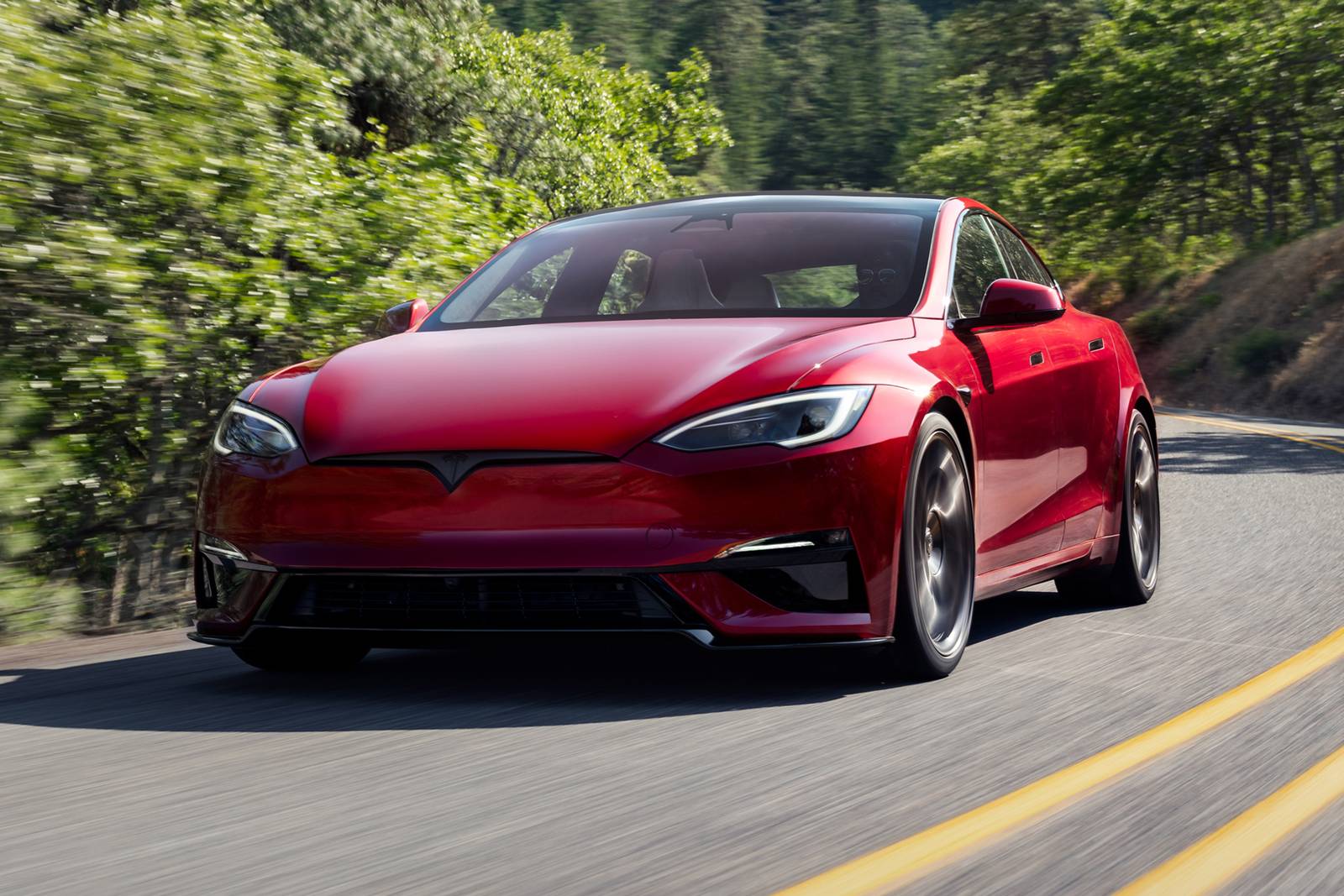
Frequent price changes are at the center of the issue. Tesla has a history of adjusting prices quickly, sometimes without much warning. When the company lowers the cost of a new model, the used market reacts almost immediately. If a new Tesla Model S drops by thousands of dollars, older versions instantly become less valuable because buyers compare them directly to the new, lower price.
A clear example comes from the pricing swings seen in recent years. During supply shortages, vehicles like the Tesla Model Y Long Range were in such high demand that some buyers could resell them at a profit shortly after purchase. Once production stabilized, Tesla reduced prices again, leaving those same owners with cars worth far less than what they originally paid.
High-end models felt this effect even more. Buyers of the Tesla Model S Plaid who paid peak prices saw sharp drops in value within a short period. Comparable luxury vehicles from brands like Mercedes-Benz or Porsche tend to avoid such sudden changes because their pricing remains more stable.
This approach creates a mixed outcome. Lower prices benefit new buyers, making these vehicles more accessible. For current owners, though, each price cut can reduce resale value almost instantly, regardless of condition or mileage.
EV Technology Moves So Fast That Last Year’s Tesla Already Feels Old
Most vehicles hold up well over several years because their core design does not change dramatically from one model year to the next. A midsize SUV like a Toyota Highlander from a few years ago rarely feels outdated in a short time. Tesla follows a very different pace, closer to the rhythm of consumer electronics, and that faster cycle affects resale values in a noticeable way.
Frequent updates are a big part of the story. Tesla regularly introduces improvements in areas such as battery performance, software capability, and interior features without waiting for a full redesign. New hardware or comfort upgrades can appear mid-cycle, which means a recently released model can quickly feel more advanced than one built just a year or two earlier. A change introduced in a newer Tesla Model S Plaid can make an earlier version seem dated, even though the older car still performs well.
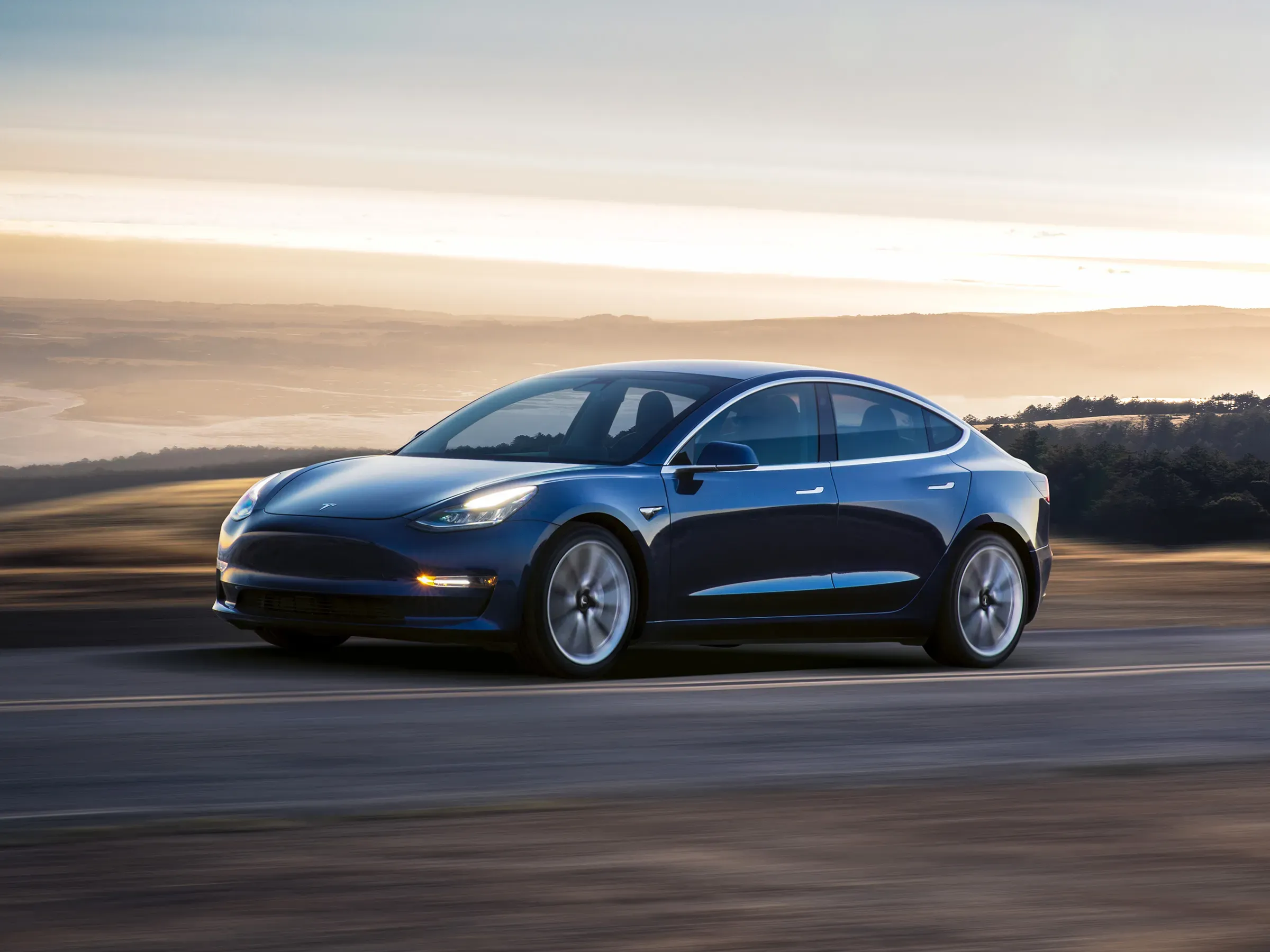
The same pattern shows up across the lineup. The Tesla Model 3 has gone through multiple updates since its launch, including improvements in range, charging speed, and cabin design. Buyers comparing a 2019 version with a 2023 model are not just looking at mileage or condition. They are comparing different generations of hardware and capability, which creates a noticeable gap in perceived value.
Software updates add another layer. While over-the-air improvements can enhance older vehicles, they also raise expectations for what a current model should offer. A Tesla Model X equipped with earlier computing hardware can feel less appealing once newer versions arrive with faster systems and expanded features, even if both vehicles drive similarly in everyday use.
Also Read: The Tesla Model Y Is Not the Best EV Anymore
Used EV Tax Incentives Quietly Undercut Older Tesla Pricing
Government incentives aimed at boosting electric vehicle adoption have created an unexpected effect on resale pricing, especially for Tesla models. Many buyers do not factor this in at first, but these programs can change how used EVs are valued in a meaningful way.
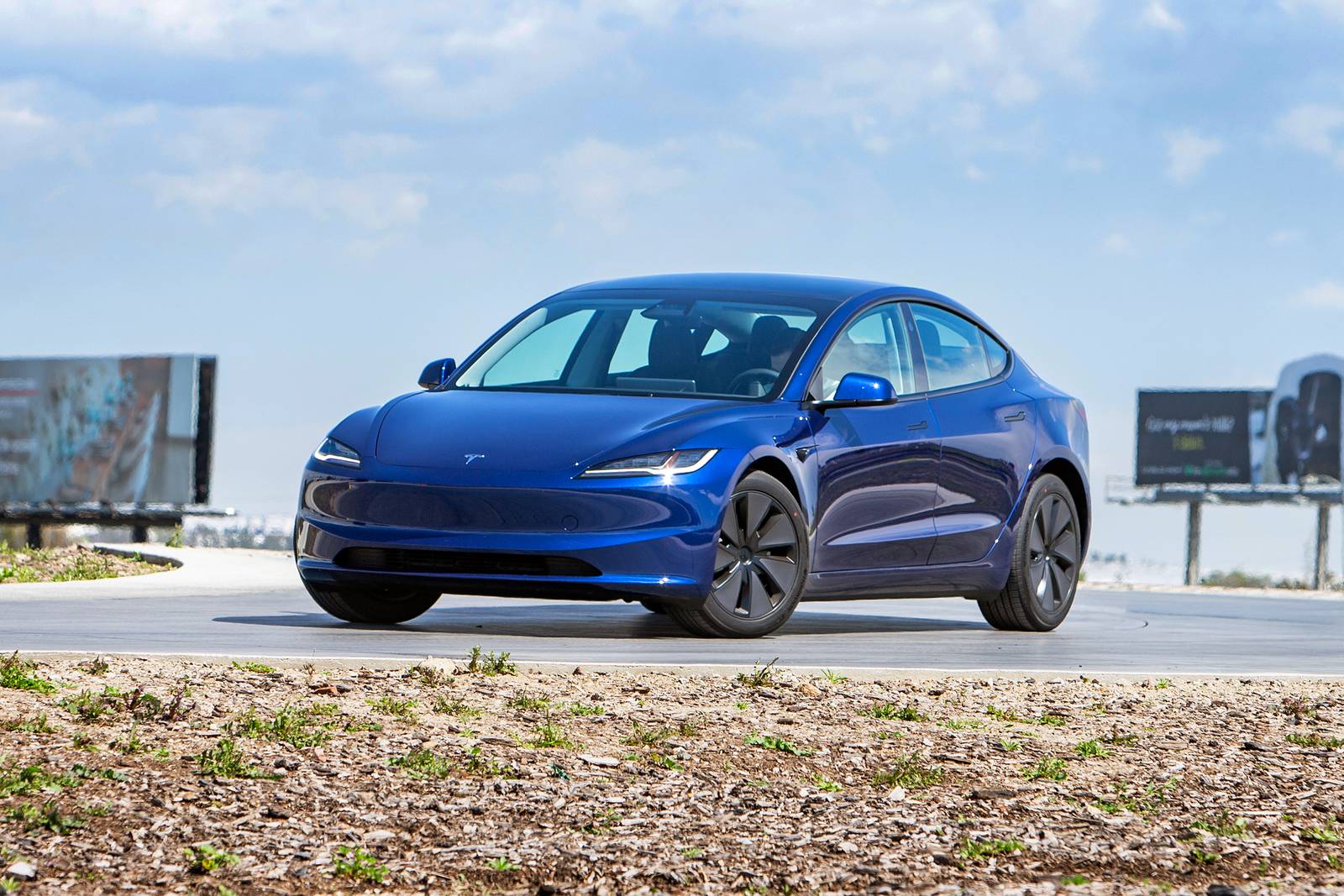
Tax credits for pre-owned electric vehicles play a big role in this dynamic. When available, these incentives allow buyers to reduce the effective purchase cost by several thousand dollars. That adjustment makes newer or better-equipped vehicles more appealing, even if their listed price is higher. Models like the Tesla Model 3 have been directly affected, particularly when large numbers of slightly older units entered the market at the same time.
This creates a tougher environment for sellers of older vehicles. Someone listing a 2019 Tesla Model 3 Mid-Range may find it harder to compete with a newer version, such as a 2021 Long Range model, once the buyer factors in a tax credit. Even if the older car is well-maintained, the price advantage moves toward the newer option because of the incentive.
Gas-powered vehicles do not face this kind of pressure. A sedan like the Nissan Altima is priced based on condition, mileage, and market demand, without any government program altering the buyer’s effective cost. Tesla, with its large presence in the EV market, feels this effect more than most brands, since many qualifying used electric vehicles fall within its lineup.
A Surge of Returning Lease Vehicles Has Flooded the Used Market
Market forces play a bigger role in Tesla depreciation than many buyers expect. A surge in leasing during peak sales years has led to a large number of vehicles returning to the market at roughly the same time. When leases expire in clusters, they create a sudden increase in supply that the used market has to absorb, which naturally pushes prices lower.
Timing makes that effect even more noticeable. Vehicles leased during high-demand periods often come back after about three years, meaning thousands of similar models hit the market within a short window. A seller listing a Tesla Model Y Performance ends up competing with many nearly identical units from lease returns. That level of competition limits pricing flexibility, forcing sellers to stay competitive if they want to attract buyers.
Tesla’s approach to lease returns adds another layer to the situation. In many cases, the company has restricted end-of-lease buyouts, choosing instead to bring those vehicles back into its own inventory. This gives Tesla more control over how used inventory is released. By managing supply directly, the company can influence the timing and volume of vehicles entering the market, which can affect resale values for privately owned cars.
The Tesla Model X highlights how this dynamic plays out in the luxury segment. Despite its high original price and unique features such as falcon-wing doors, it has depreciated faster than many comparable luxury SUVs. A combination of lease returns, rapid technology updates, and pricing adjustments has made it harder for values to hold, even when demand remains steady.
Also Read: Tesla Model X Lost 61% Value in 5 Years
Battery Anxiety and a Ticking Warranty Clock Spook Used Buyers
One question almost every used car shopper asks is what happens when a major component fails after warranty coverage ends. With traditional gas vehicles, concerns usually center on the engine or transmission, parts most buyers already understand.
Electric vehicles bring a different kind of uncertainty, especially when it comes to battery life and replacement costs, which many buyers find harder to judge. Battery concerns play a large role in how vehicles from Tesla lose value. These cars include an eight-year battery warranty with mileage limits, and as a used vehicle approaches those limits, buyer hesitation tends to increase.
Even though Tesla batteries are built for long service life, the possibility of a costly replacement after the warranty expires makes some shoppers cautious. That hesitation affects resale pricing, especially for older models nearing the end of coverage.
Software-related concerns add another layer of uncertainty. Tesla vehicles depend heavily on advanced software and regular updates, which raises questions about long-term reliability once warranty protection ends. A used Tesla Model X, for example, includes complex features such as Falcon-wing doors and an advanced sensor system. These unique components can be expensive to repair, which leads buyers to factor potential risks into their purchase decisions.
Optional features such as Full Self-Driving also complicate resale value. While buyers may have paid thousands upfront for this feature, the used market typically adds only a small portion of that cost to resale pricing. This gap reduces the return on that investment compared to expectations.
When these factors combine, a clear pattern appears. Pricing changes, fast-moving technology, incentives, and buyer concerns all contribute to depreciation. These vehicles lose value quickly, not because of poor quality, but because they follow a rapid innovation cycle more similar to consumer technology than traditional cars.
