
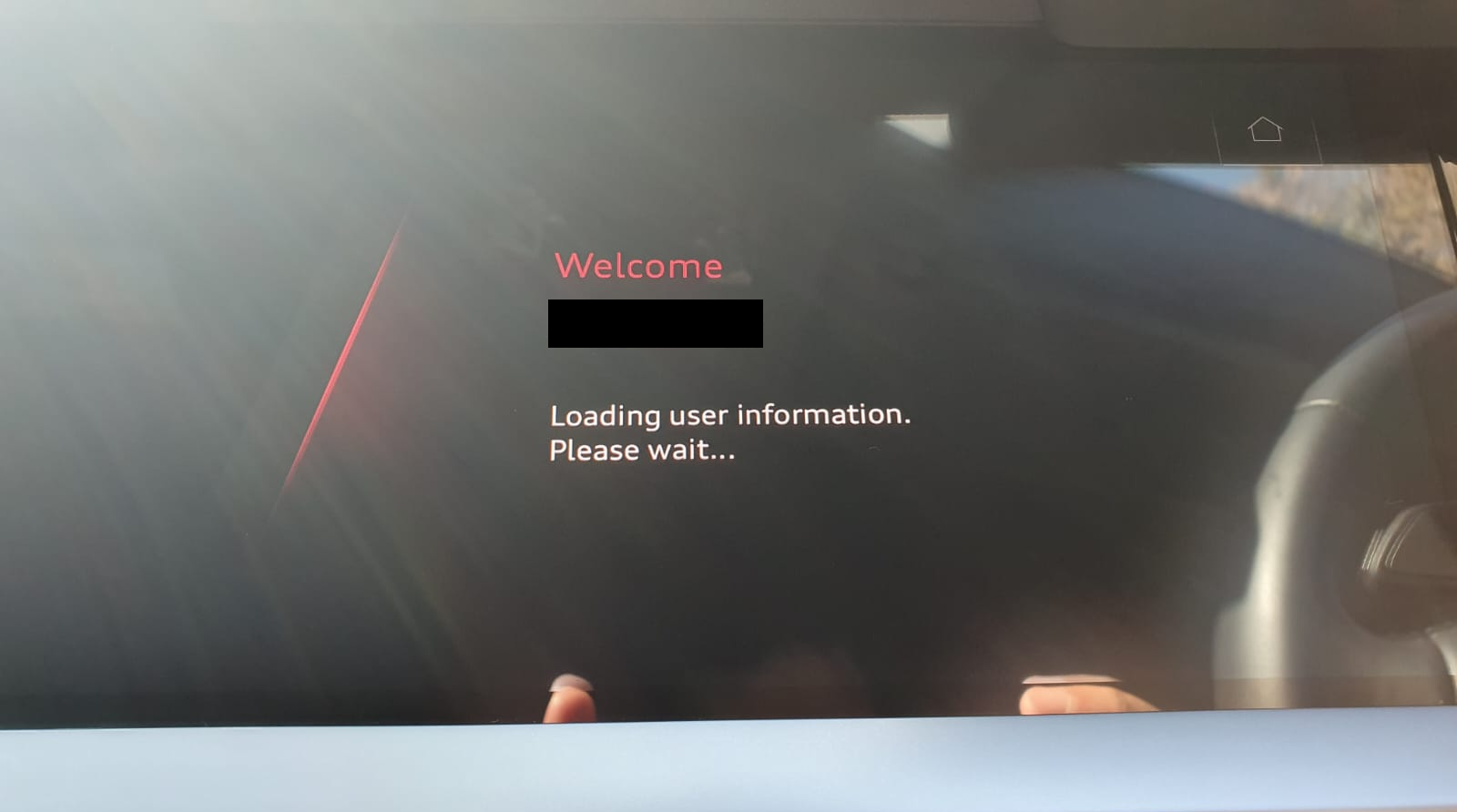
Not long ago, vehicle quality rankings were dominated by complaints involving engines, transmissions, suspension components, paint defects, or electrical failures. Today, a very different problem is generating frustration among car owners: frozen infotainment screens.
Across the automotive industry, infotainment-related issues have emerged as one of the most frequently reported owner complaints.
What was once considered a convenience feature has evolved into the central control hub for modern vehicles, managing everything from navigation and climate controls to driver-assistance settings and smartphone connectivity.
As automakers increasingly replaced physical buttons with touchscreens during the past six years, software reliability has become just as important to customer satisfaction as mechanical dependability.
Industry studies consistently show infotainment systems generating more complaints than almost any other vehicle feature category. According to J.D. Power’s Initial Quality Study (IQS), infotainment systems have repeatedly ranked among the highest sources of owner-reported problems throughout the past decade.
In recent years, issues involving screen freezes, lagging interfaces, Bluetooth failures, voice-recognition errors, and software crashes have become some of the most common complaints recorded during the first months of vehicle ownership.
The trend reflects a fundamental transformation in automotive design. Vehicles are no longer judged solely by how they drive. Increasingly, they are evaluated by how well their software performs.
Also Read: 8 Car Brands’ Reliability Rankings In 2016 vs 2026
The Touchscreen Revolution Changed Everything
The roots of today’s infotainment complaints can be traced back to a major design shift that accelerated around 2019 and intensified throughout the early 2020s.
For decades, vehicle functions relied primarily on physical controls. Drivers adjusted climate settings using knobs, changed radio stations through dedicated buttons, and accessed vehicle features through simple electronic interfaces.
These systems were often limited in capability, but they were generally reliable because each function operated independently. That philosophy changed as automakers embraced larger touchscreens.
Manufacturers, including Tesla, pioneered minimalist interiors that eliminated many traditional controls. Other automakers soon followed, introducing increasingly sophisticated infotainment systems with larger displays and broader functionality.
According to industry data from S&P Global Mobility and automotive technology analysts, the percentage of new vehicles equipped with large touchscreen interfaces increased dramatically between 2018 and 2025. Features once controlled mechanically migrated into software menus.
Climate controls, seat settings, drive modes, navigation systems, audio functions, vehicle diagnostics, and even glovebox releases began appearing on screens. The result was a dramatic increase in software complexity.
Why Complaints Have Increased So Rapidly
Modern infotainment systems perform tasks that would have required multiple separate computers only a decade ago.
Today’s systems simultaneously manage navigation, smartphone integration, wireless connectivity, streaming services, vehicle settings, camera systems, driver profiles, over-the-air updates, and advanced voice controls. Every new capability introduces additional opportunities for failure.
According to J.D. Power’s annual quality studies, infotainment-related issues consistently account for a disproportionate share of owner complaints compared with traditional vehicle systems. Researchers have repeatedly noted that software-related concerns often exceed complaints involving engines, transmissions, and suspension components.
Several factors contribute to this trend. Unlike mechanical systems that change gradually over time, software failures can occur instantly. A single coding error, memory conflict, communication interruption, or update problem can cause an entire interface to become unresponsive.
Owners often experience these failures as frozen screens, delayed responses, black displays, or repeated system reboots.
Because the infotainment system serves as the primary interface for so many vehicle functions, even minor glitches can feel significant.
Smartphones Changed Consumer Expectations
Another reason infotainment complaints have become so prominent involves changing consumer expectations.
Drivers compare vehicle software to smartphones because both rely on touchscreens and digital interfaces.
The problem for automakers is that smartphones receive frequent updates, are designed by dedicated software companies, and typically operate within tightly controlled ecosystems.
Vehicles are fundamentally different. Automotive software must communicate with dozens of electronic control modules while functioning in extreme temperatures, vibration-heavy environments, and constantly changing network conditions. Systems must also meet strict safety and reliability requirements.
Despite these challenges, consumers expect vehicle interfaces to perform as smoothly as modern phones.
When a navigation screen freezes or a Bluetooth connection fails, drivers often view the issue through the lens of consumer electronics rather than traditional automotive quality standards. This expectation gap has become a major source of dissatisfaction.
Software Complexity Has Exploded
The average modern vehicle contains dramatically more software than most consumers realize.
According to various industry estimates, today’s vehicles can contain more than 100 million lines of code. Premium vehicles and highly connected electric vehicles may contain significantly more.
Much of that software interacts directly with infotainment systems. A simple touchscreen command may trigger communications between multiple processors, cloud-based services, navigation databases, smartphone applications, wireless networks, and vehicle control modules.
Every connection creates potential failure points. According to automotive software experts interviewed by Automotive News and other industry publications, managing software integration has become one of the biggest engineering challenges facing automakers.
Unlike traditional vehicle development, software development often continues long after production begins. This shift has transformed vehicle launches into ongoing software projects.
The Rise of Over-the-Air Updates
One major development that emerged alongside touchscreen adoption was the introduction of over-the-air software updates.
Tesla demonstrated that vehicle software could be updated remotely, much like a smartphone. Other manufacturers quickly adopted similar capabilities.
The benefits are significant. Automakers can fix bugs, improve functionality, and add features without requiring dealership visits. According to industry analysts, over-the-air updates have helped manufacturers address numerous infotainment issues more quickly than traditional service campaigns.
However, updates have also introduced new risks. Software releases occasionally create unexpected problems. A fix for one issue may inadvertently cause another. Some owners have reported new glitches appearing after updates that were intended to improve system performance.
The automotive industry is still learning how to manage software lifecycles on the same scale as consumer technology companies. That learning process has not always been smooth.
Electric Vehicles Accelerated the Trend
The growth of electric vehicles has intensified the focus on infotainment systems. Many EV manufacturers embraced software-centric design philosophies from the beginning. Large central displays became defining characteristics of numerous electric models.
Functions that once relied on physical switches have increasingly migrated into digital interfaces. According to J.D. Power studies, some EV owners report higher rates of software-related complaints compared with owners of conventional vehicles.
While EV powertrains generally contain fewer moving parts, the vehicles often rely more heavily on software for daily operation.
Battery management information, charging controls, route planning, energy monitoring, and vehicle customization features frequently pass through infotainment systems.
As a result, software reliability plays an even greater role in the ownership experience. When a screen freezes in a software-driven vehicle, the disruption can feel more significant than it would in a traditional automobile.
Climate Controls Became a Flashpoint
One of the most controversial aspects of touchscreen adoption has been the migration of climate controls into infotainment systems.
For decades, drivers adjusted temperature settings through physical buttons and knobs that could be operated without looking away from the road. Many modern vehicles now place those functions inside touchscreen menus.
Consumer advocacy groups, safety researchers, and automotive journalists have repeatedly criticized this trend. Organizations such as the European New Car Assessment Programme (Euro NCAP) have publicly encouraged manufacturers to retain physical controls for essential functions.
When infotainment systems freeze, climate controls are often affected as well. Drivers who experience software crashes may temporarily lose access to heating, cooling, defrosting, or seat-adjustment functions.
These incidents help explain why infotainment problems generate such strong reactions from owners. The issue extends beyond convenience.
Automakers Are Responding
Manufacturers have become increasingly aware of the growing dissatisfaction surrounding infotainment reliability.
Several automakers have invested heavily in next-generation software architectures designed to simplify system integration and improve stability. Companies including Ford, General Motors, Mercedes-Benz, BMW, Hyundai, and others have expanded software engineering teams and created dedicated technology divisions.
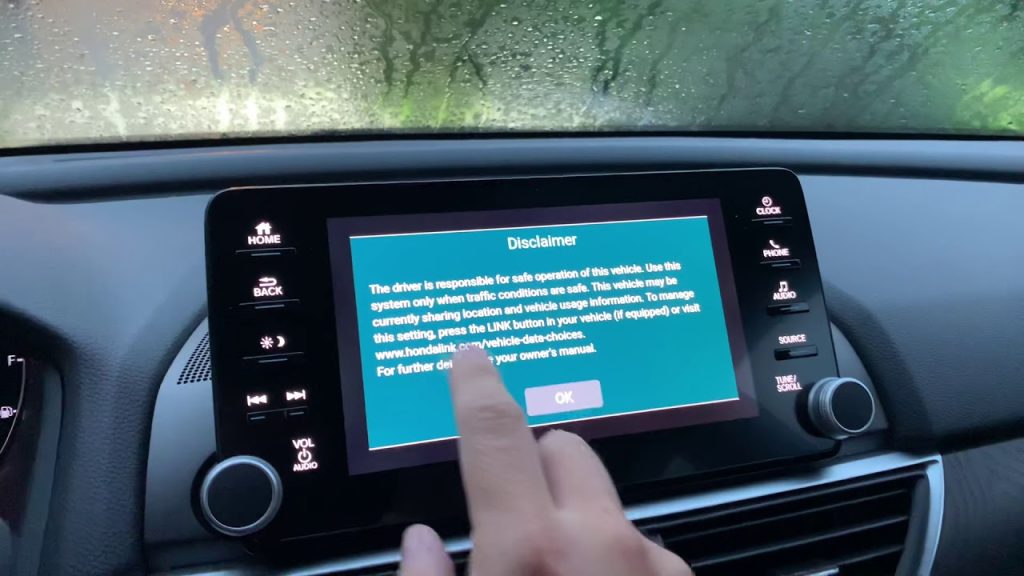
According to Automotive News, software development now represents one of the largest areas of investment across the automotive industry.
Many manufacturers are also reintroducing some physical controls after receiving customer feedback.
Recent vehicle launches suggest a modest shift away from touchscreen-only interfaces, particularly for high-use functions such as climate settings and volume controls.
The trend indicates that automakers are beginning to recognize the limitations of fully digital interiors.
Why Infotainment Complaints May Continue Rising
Despite ongoing improvements, infotainment complaints are unlikely to disappear soon. Vehicles continue adding new software features, connectivity services, AI-powered assistants, advanced navigation systems, and increasingly sophisticated digital ecosystems.
Each innovation increases system complexity. At the same time, consumers are becoming less tolerant of software failures. Expectations continue rising as smartphone technology advances and digital experiences become more integrated into daily life.
Industry analysts expect software quality to become one of the defining competitive factors of the automotive market over the next decade. Reliability will increasingly involve more than engines and transmissions.
The rise of infotainment has shifted from occasional annoyance to one of the industry’s leading complaint categories, reflecting a broader transformation in vehicle design.
Over the past six years, automakers have rapidly embraced touchscreens and software-driven interfaces, shifting dozens of functions from physical controls into digital systems.
According to repeated findings from J.D. Power quality studies, infotainment-related problems now rank among the most commonly reported owner complaints. Frozen screens, delayed responses, connectivity failures, software crashes, and update-related issues have become familiar frustrations for many drivers.
The trend highlights both the promise and challenges of the software-defined vehicle era. Modern infotainment systems offer capabilities unimaginable a decade ago, but they also introduce new reliability concerns that traditional mechanical engineering was never required to solve.
As vehicles continue evolving into rolling computers, the industry’s next quality battle may not be fought under the hood. It may be fought behind the touchscreen.
Also Read: 8 Used Hybrids That Hold Value Better Than Their Gas Twins
