
Not long ago, a minor collision often meant replacing a bumper cover, repainting a panel, and sending the vehicle back on the road. Modern vehicles have changed that equation dramatically.
Today’s cars are packed with cameras, radar units, ultrasonic sensors, lane-keeping systems, adaptive cruise control hardware, and automatic emergency braking technology. Many of these components are hidden behind bumpers, grilles, windshields, mirrors, and even body panels.
As a result, repair costs have shifted in ways many owners never expected. In some cases, the physical body damage from a low-speed impact may be relatively inexpensive to repair, yet the calibration process required afterward can add hundreds or even thousands of dollars to the final bill.
Technicians must use specialized equipment, controlled environments, and manufacturer-approved procedures to ensure that safety systems continue functioning correctly after repairs.
This trend has become particularly noticeable on vehicles equipped with advanced driver-assistance systems. A simple bumper replacement may require radar recalibration.
Windshield replacement can trigger camera alignment procedures. Even a minor suspension repair may affect sensor positioning enough to require additional calibration work.
For collision shops and insurance companies, calibration expenses have become one of the fastest-growing portions of repair invoices.
The seven vehicles highlighted here demonstrate how modern technology can make calibration costs rival or even exceed the cost of repairing visible damage. Their stories reveal why a seemingly minor accident can produce a surprisingly large repair estimate in today’s automotive market.
Also Read: 8 Electric Models Automakers Pulled or Delayed Since Late 2023
1. Tesla Model Y
Few vehicles better illustrate the rise of calibration expenses than the Tesla Model Y. At first glance, a minor collision involving a bumper, fender, or windshield might appear relatively straightforward. Yet beneath the exterior lies an extensive network of cameras and sensors that support Tesla’s Autopilot and driver-assistance features.
Unlike traditional vehicles that may rely heavily on radar, the Model Y uses a camera-focused architecture that demands extremely precise alignment.
Even a windshield replacement can trigger a series of calibration procedures designed to ensure cameras interpret road markings, traffic signals, and surrounding vehicles correctly. If those cameras are not properly calibrated, driver-assistance functions may not operate as intended.
Body shops frequently discover that the visible damage represents only a portion of the repair process. A front-end impact that requires bumper work may also require sensor inspections, software verification, and camera recalibration.
These procedures often require specialized equipment and technicians trained specifically for Tesla systems.
Insurance adjusters have increasingly noted that calibration expenses on the Model Y can significantly increase repair costs following relatively minor accidents. The technology that makes the vehicle attractive to consumers also creates additional complexity during repairs.
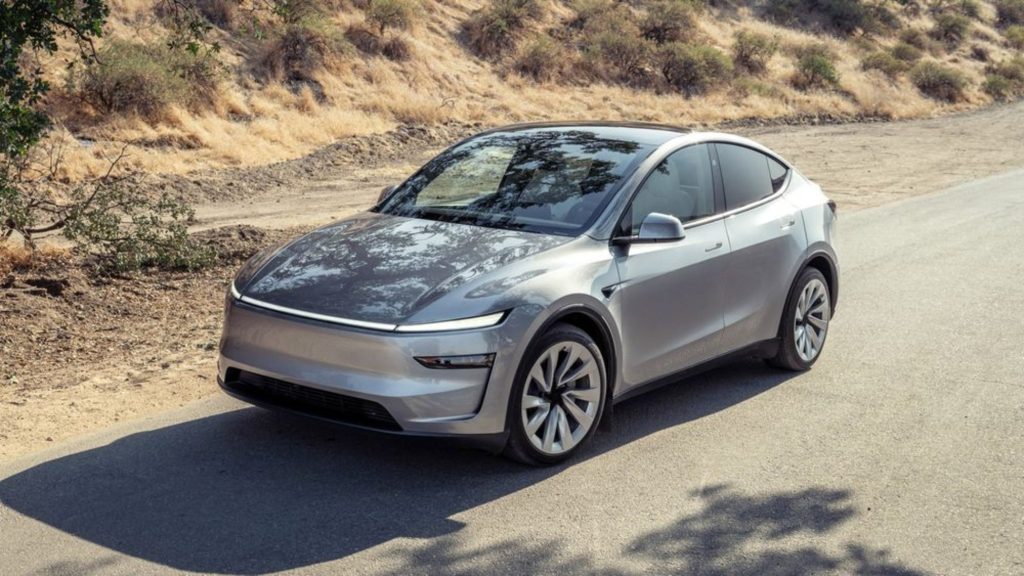
Interestingly, some owners are surprised to learn that calibration charges may continue even when no major mechanical parts are replaced. The reason is simple: safety and driver-assistance systems depend on accurate sensor positioning rather than visible conditions alone.
The Model Y, therefore, serves as one of the clearest examples of how advanced electronics can transform the economics of modern collision repair.
Specifications
- Engine: Dual-Motor Electric Powertrain
- Horsepower: 295–534 hp (depending on trim)
- Torque: 310–487 lb-ft (420–660 Nm)
- Length/Width: 187.0 in / 75.6 in
2. Mercedes-Benz EQS
Luxury vehicles have traditionally carried higher repair costs, but the Mercedes-Benz EQS introduces a new dimension to the conversation. This flagship electric sedan incorporates a remarkable amount of technology, much of which relies on sensors requiring exact calibration after repairs.
The vehicle’s sophisticated safety suite includes cameras, radar systems, ultrasonic sensors, and numerous electronic modules working together simultaneously.
What makes the EQS particularly challenging is the sheer quantity of systems interacting with one another. A repair affecting one area of the vehicle can sometimes trigger calibration requirements for multiple components.
Consider a relatively modest front-end repair. Replacing a damaged bumper may involve more than painting and installation.
Technicians often need to verify radar alignment, recalibrate camera systems, and confirm that adaptive cruise control and lane-centering functions operate correctly. Each procedure requires specialized diagnostic equipment and manufacturer-specific software.
Mercedes also places strict requirements on repair processes. Authorized facilities frequently follow detailed calibration protocols intended to restore factory performance standards. While this approach helps maintain safety and functionality, it also increases labor time and equipment costs.
Owners are often surprised when calibration charges rival the actual bodywork costs. A panel repair that appears uncomplicated can generate a lengthy list of electronic procedures before the vehicle is considered ready for delivery.
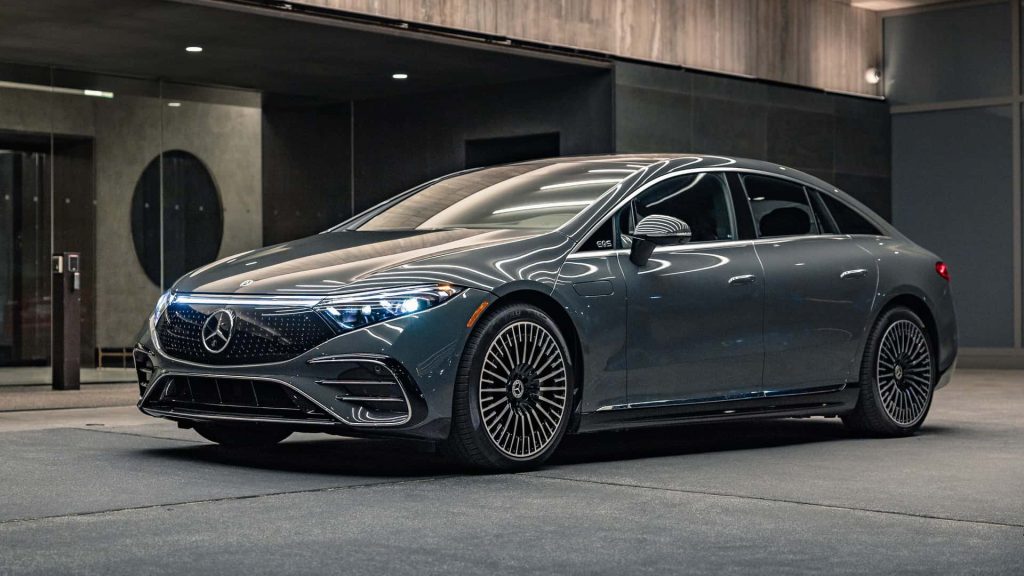
The EQS demonstrates how modern luxury vehicles increasingly blur the line between automotive engineering and advanced computing.
Repairing the visible damage is only part of the process. Ensuring that dozens of interconnected systems communicate correctly afterward has become equally important and sometimes more expensive than the body repair itself.
Specifications
- Engine: Dual-Motor Electric Powertrain
- Torque: 633 lb-ft
- Horsepower: 516 hp
- Length/Width: 205.4 in / 75.8 in
3. Rivian R1S
The Rivian R1S occupies a unique position in the market because it combines luxury SUV comfort with serious off-road capability. Hidden beneath its rugged appearance is an extensive collection of cameras, radar sensors, and electronic driver-assistance hardware.
Those systems help deliver features such as adaptive cruise control, lane-centering assistance, collision mitigation, and surround-view monitoring. They also help explain why repair invoices can climb rapidly after even a modest accident.
Unlike some vehicles where sensor placement is concentrated in a single area, the R1S distributes critical components throughout the body.
Cameras are positioned strategically around the vehicle, while radar hardware and other electronic systems are integrated into areas commonly affected by low-speed impacts. As a result, repairs that appear relatively minor on the surface often require extensive verification afterward.
A damaged bumper cover provides a good example. Replacing the physical component may represent only part of the bill.
Once installation is complete, technicians frequently must confirm sensor alignment, perform calibration procedures, and verify that safety systems communicate correctly with the vehicle’s central control architecture. These steps demand specialized tools and carefully controlled working conditions.
The challenge becomes even greater because Rivian’s technology package is still relatively new compared with those of long-established manufacturers. Repair facilities often require additional training and equipment to service the vehicles properly. That investment ultimately influences labor rates and calibration charges.
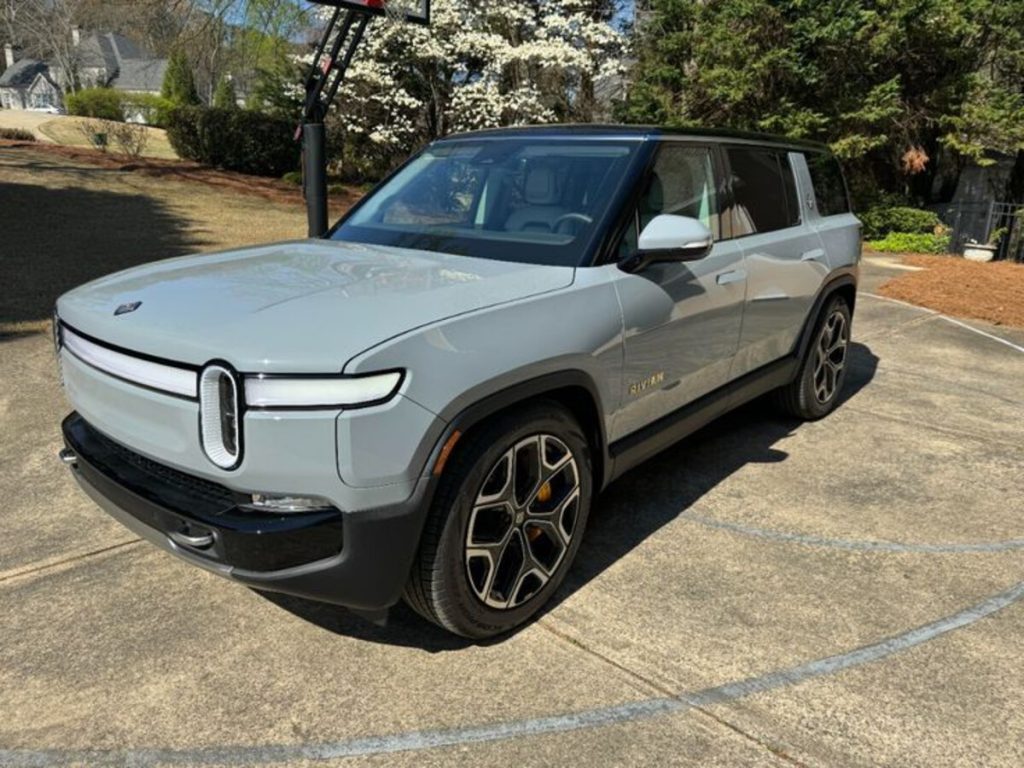
Owners accustomed to traditional SUVs can find the final invoice surprising. In some situations, the electronic verification process contributes as much to the repair cost as the bodywork itself.
The R1S demonstrates how modern adventure-oriented vehicles are increasingly dependent on sophisticated technology, making calibration an essential and often expensive component of collision repair.
Specifications
- Engine: Quad-Motor Electric Powertrain
- Torque: 908 lb-ft
- Horsepower: 835 hp
- Length/Width: 200.8 in / 79.3 in
4. BMW iX
The BMW iX approaches vehicle technology from a different angle than many competitors. Rather than emphasizing visible sensors and obvious hardware, BMW integrated a large portion of its driver-assistance equipment into a sleek exterior design.
The result is a premium electric SUV packed with advanced electronics that frequently require calibration following collision repairs.
One reason calibration costs can become substantial on the iX is the complexity of its safety systems. Multiple cameras, radar units, and software-driven assistance features work together continuously while the vehicle is in motion.
Adaptive cruise control, automated parking functions, lane-keeping technology, and collision-warning systems all depend on precise sensor positioning.
Imagine a scenario involving minor front-corner damage. The body repair itself may be relatively straightforward. A technician might replace a panel, refinish the surface, and restore the vehicle’s appearance.
Yet before the SUV can be returned to the owner, calibration procedures often become necessary to ensure the repaired area has not altered sensor orientation.
BMW’s repair standards require accuracy because even a slight deviation can affect how assistance systems interpret the surrounding environment. Specialized targets, diagnostic computers, and dedicated workspaces are frequently required.
These procedures add time and expense that many vehicle owners do not anticipate when reviewing repair estimates.
Another factor involves software integration. Modern BMW systems communicate constantly across multiple control modules. Following repairs, technicians often perform additional diagnostic checks to verify proper operation throughout the network.
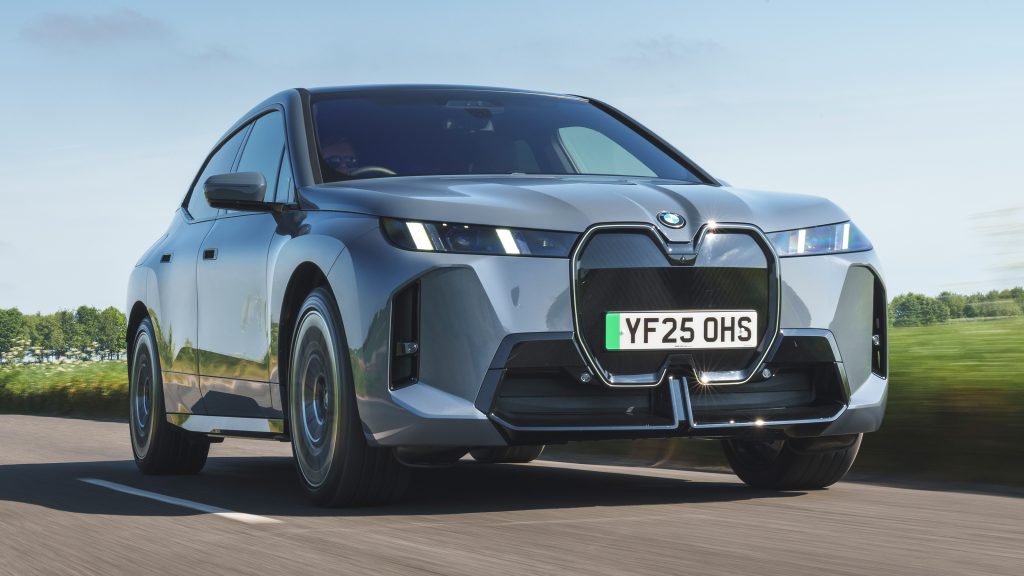
The iX serves as a prime example of how advanced driver-assistance technology has changed the economics of collision repair. Physical damage may be limited, but the effort required to restore electronic precision can easily rival the cost of the bodywork itself.
Specifications
- Engine: Dual-Motor Electric Powertrain
- Torque: 749 lb-ft
- Horsepower: 516 hp
- Length/Width: 195.0 in / 77.4 in
5. Hyundai Ioniq 5
The Hyundai Ioniq 5 has earned praise for its distinctive styling, spacious interior, and advanced electric architecture. However, beneath its retro-inspired exterior sits a sophisticated collection of cameras, radar sensors, ultrasonic detectors, and electronic safety systems that have significantly changed the way collision repairs are performed.
One of the reasons calibration expenses can become surprisingly high on the Ioniq 5 is the vehicle’s extensive use of driver-assistance technology.
Features such as Highway Driving Assist, adaptive cruise control, lane-following assistance, blind-spot monitoring, and forward-collision avoidance depend on sensors that must maintain extremely precise alignment. A repair that shifts a component by even a small amount can affect system performance.
The windshield provides a particularly good example. Replacing damaged glass may appear routine, yet the forward-facing camera mounted behind it often requires recalibration after installation.
Similarly, repairs involving bumpers can affect radar sensors hidden beneath exterior panels. Before the vehicle can be returned to the owner, technicians must verify that these systems function according to factory specifications.
What makes the Ioniq 5 especially interesting is that many of its repairs involve a combination of traditional bodywork and advanced electronics. The painted bumper itself may not be particularly expensive, but the calibration procedures that follow can add substantial costs to the invoice.
Collision-repair specialists increasingly report that technology-related labor represents a growing share of repair bills for modern EVs.
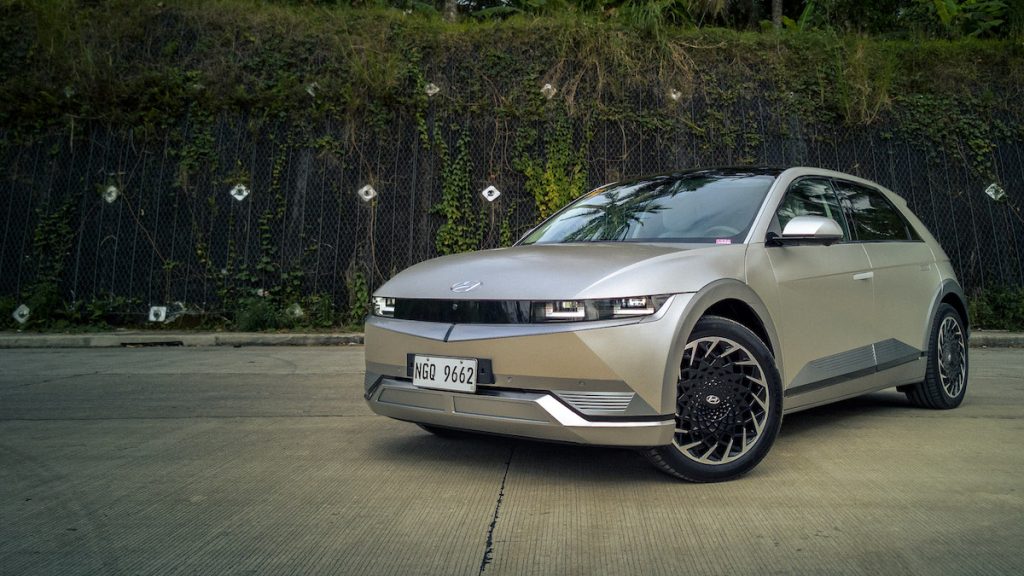
The Ioniq 5 illustrates that trend perfectly. Its sophisticated safety systems provide genuine benefits during everyday driving, yet they also create additional steps whenever repairs become necessary.
As a result, owners sometimes discover that restoring sensor accuracy costs nearly as much as repairing the visible damage that triggered the work in the first place.
Specifications
- Engine: Dual-Motor Electric Powertrain
- Torque: 446 lb-ft
- Horsepower: 320 hp
- Length/Width: 182.5 in / 74.4 in
6. Ford F-150 Lightning
Pickup trucks were once considered relatively straightforward vehicles to repair. The Ford F-150 Lightning challenges that assumption. Although it retains the familiar shape of a full-size truck, it incorporates a sophisticated network of cameras, radar systems, and electronic driver-assistance features that rival many luxury vehicles.
The truck’s size actually contributes to some calibration challenges. Sensors positioned throughout the front fascia, mirrors, tailgate area, and windshield help support functions such as BlueCruise hands-free driving, adaptive cruise control, lane-centering assistance, trailer-assist technology, and collision-avoidance systems. When repairs affect any of these areas, calibration often becomes mandatory.
A low-speed parking-lot accident demonstrates the issue clearly. Replacing a damaged bumper or grille may not seem particularly complicated from a body-shop perspective.
Yet hidden behind those components are sensors that must be aligned within very specific tolerances. After repairs are completed, technicians frequently spend additional time performing electronic measurements and system verification procedures.
The F-150 Lightning also presents another consideration: towing technology. Because the truck is designed to haul trailers and heavy loads, several driver-assistance systems rely on accurate calibration to function properly. Incorrect sensor alignment can influence how these systems interpret surrounding traffic and road conditions.
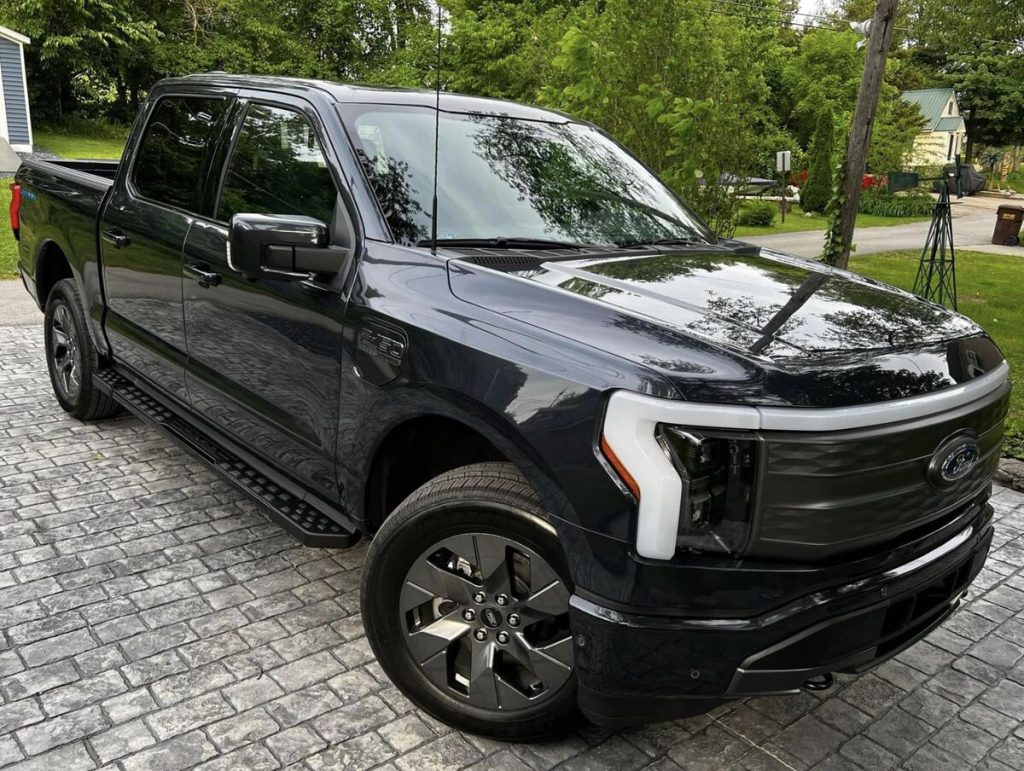
Many owners focus on the visible repair estimate when evaluating accident damage. However, calibration costs often emerge as a significant portion of the final invoice. Specialized equipment, software subscriptions, and technician training all contribute to those expenses.
The Lightning demonstrates how the modern pickup truck has evolved into a technology platform on wheels. In some repair scenarios, ensuring that sensors operate correctly can become just as expensive as repairing the damaged body panels.
Specifications
- Engine: Dual-Motor Electric Powertrain
- Torque: 775 lb-ft
- Horsepower: 580 hp
- Length/Width: 232.7 in / 80.0 in
7. Genesis GV70
The Genesis GV70 has gained recognition for combining luxury-level refinement with advanced technology at a competitive price point.
While buyers often focus on its elegant interior, smooth ride quality, and upscale materials, collision-repair professionals frequently notice something else: the extensive calibration procedures required after even relatively modest repairs.
Unlike some vehicles that concentrate safety hardware in a few locations, the GV70 spreads cameras, radar sensors, and monitoring equipment throughout the vehicle.
Forward-collision warning systems, adaptive cruise control, lane-keeping assistance, blind-spot monitoring, highway-driving support features, and parking technologies all depend on precise sensor alignment.
A front bumper repair illustrates the challenge. Once the damaged component is removed and replaced, technicians cannot simply repaint the area and return the SUV to service.
Radar sensors hidden behind exterior panels often require recalibration to ensure they measure distance and vehicle speed accurately. Likewise, camera systems may need verification procedures to confirm that lane markings, traffic signs, and surrounding vehicles are being interpreted correctly.
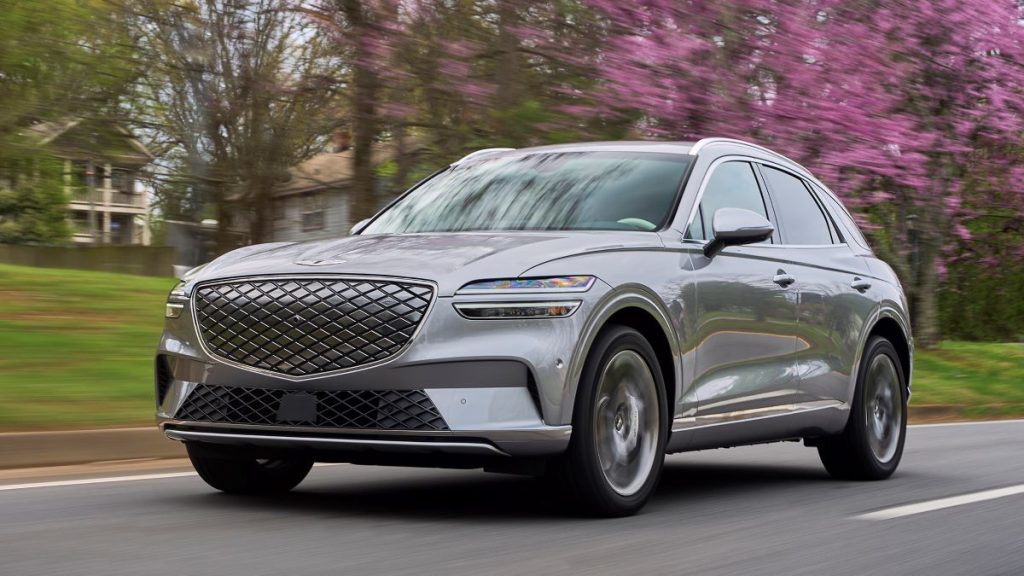
Genesis has established detailed repair standards for these systems. Specialized targets, diagnostic software, and controlled workshop conditions are often necessary to complete the process successfully. As a result, labor hours accumulate quickly even when the visible damage appears limited.
Another factor contributing to costs is the integration between multiple electronic systems. Modern safety features rarely operate independently. Instead, they exchange information continuously through a network of control modules.
After repairs, technicians frequently perform additional diagnostic checks to verify proper communication across the entire system.
The GV70 demonstrates how luxury crossovers have evolved beyond traditional mechanical engineering. In many cases, the bodywork itself becomes only one part of the repair. Restoring electronic precision can consume as much time and money as repairing the physical damage that brought the vehicle into the shop.
Specifications
- Engine: 2.5L Turbocharged Inline-4
- Torque: 311 lb-ft
- Horsepower: 300 hp
- Length/Width: 185.6 in / 75.2 in
Also Read: 8 Car Brands’ Reliability Rankings In 2016 vs 2026
