
The 1990s produced some of the most interesting sports cars of the modern era, yet many of them remain overshadowed by a small group of famous collector favorites. Names such as the Toyota Supra, Mazda RX-7, Acura NSX, and Dodge Viper receive much of the attention today, often bringing prices far beyond the reach of ordinary enthusiasts.
Beneath those headline-grabbing models sits another group of 1990s sports cars that still offer character, performance, and a connection to an exciting automotive decade.
These forgotten choices came from American, Japanese, and European manufacturers. Some used turbocharged engines, while others relied on naturally aspirated power, lightweight construction, sharp handling, or unusual engineering.
A few were expensive when new and have since become affordable because buyers worry about maintenance costs. Others were simply overlooked because they were sold alongside more famous rivals. That does not mean they lack appeal.
Buying any 1990s performance car requires patience. Age affects hoses, electronics, rubber components, suspension bushings, cooling systems, and interior materials. A complete service history is often more valuable than low mileage alone.
Still, a well-maintained example can offer a driving experience that newer cars struggle to match. These ten forgotten sports cars deserve attention from buyers who want something distinctive before values rise further.
Also Read: 8 Sedans That Outrun Sports Cars Costing Twice as Much
1. Dodge Stealth R/T Twin Turbo
The Dodge Stealth R/T Twin Turbo is one of the most overlooked high-performance cars from the early 1990s. It shared its core engineering with the Mitsubishi 3000GT VR-4, but Dodge gave it a different front-end design, unique rear styling, and a more aggressive American-market identity.
Because the Mitsubishi version often receives more attention today, the Stealth can still be a compelling choice for buyers who want serious performance without chasing the most obvious badge.
Its mechanical package was advanced for the period. The R/T Twin Turbo used a twin-turbocharged 3.0-liter V6, full-time all-wheel drive, four-wheel steering, and a five-speed manual transmission.
Early models produced 300 horsepower and 307 lb-ft of torque, while later versions gained more power. The all-wheel-drive system gave the Stealth strong traction from a standstill, helping it deliver acceleration that could challenge far more expensive sports cars of its era.
The car also had a proper grand-touring personality. It offered a hatchback body, four seats, a comfortable interior, and a stable high-speed feel. That made it more versatile than a small two-seat roadster. Its wide stance and low nose still look dramatic, especially in clean original condition.
A buyer should be realistic about ownership. Turbochargers, all-wheel-drive hardware, electronics, and aging hoses can make neglected examples expensive to restore. The smartest purchase is a well-documented car with evidence of regular timing-belt service and careful maintenance.
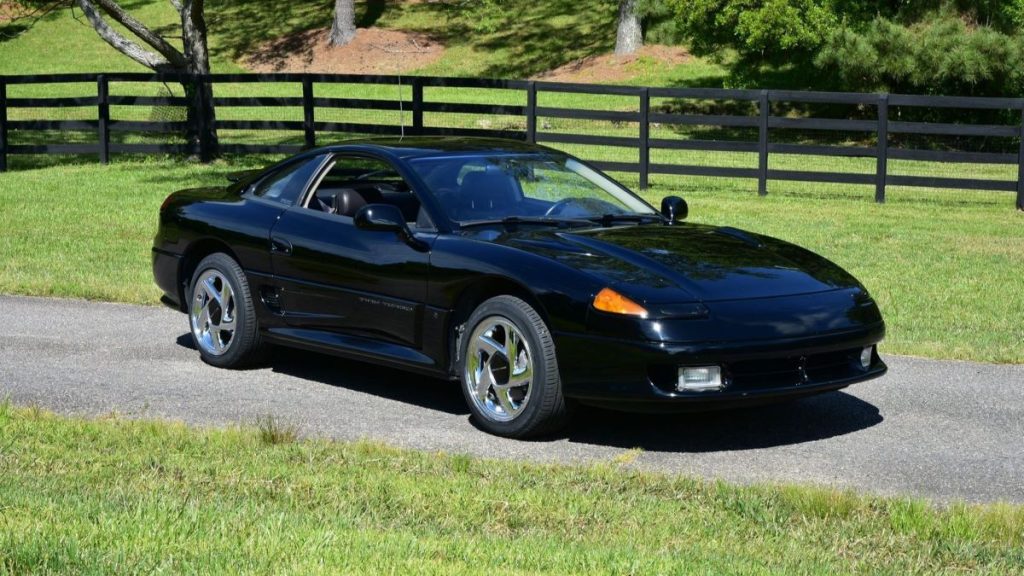
When bought correctly, the Stealth R/T Twin Turbo delivers technology, traction, and 1990s turbocharged excitement that remains difficult to duplicate at its price point.
- Engine: 3.0-liter twin-turbocharged V6
- Torque: 307 lb-ft
- Horsepower: 300 hp
- Length/Width: 179.9 inches / 72.4 inches
2. Ford Probe GT
The Ford Probe GT is easy to dismiss if someone remembers it only as a front-wheel-drive coupe from the 1990s. That would miss the point.
The Probe GT was developed with Mazda and used a platform related to the Mazda MX-6, giving it sharper responses and more balanced road manners than many American coupes of the time. Its smooth, rounded shape also captured the aerodynamic styling trend that defined the decade.
Ford gave the second-generation Probe GT a 2.5-liter V6 that produced 164 horsepower and 156 lb-ft of torque. Those figures do not sound dramatic today, but the car was relatively light and came with a five-speed manual transmission that made the most of the engine’s rev-happy nature.
The V6 had a more refined character than the four-cylinder engines found in many affordable coupes, and the chassis was willing to change direction quickly.
The interior is pure 1990s, with a driver-oriented dashboard, supportive front seats, and a low seating position that makes the car feel sportier than its specifications suggest. A clean Probe GT can be a refreshing alternative for buyers who want a coupe that is different from the usual Mustang, Camaro, or Eclipse choices.
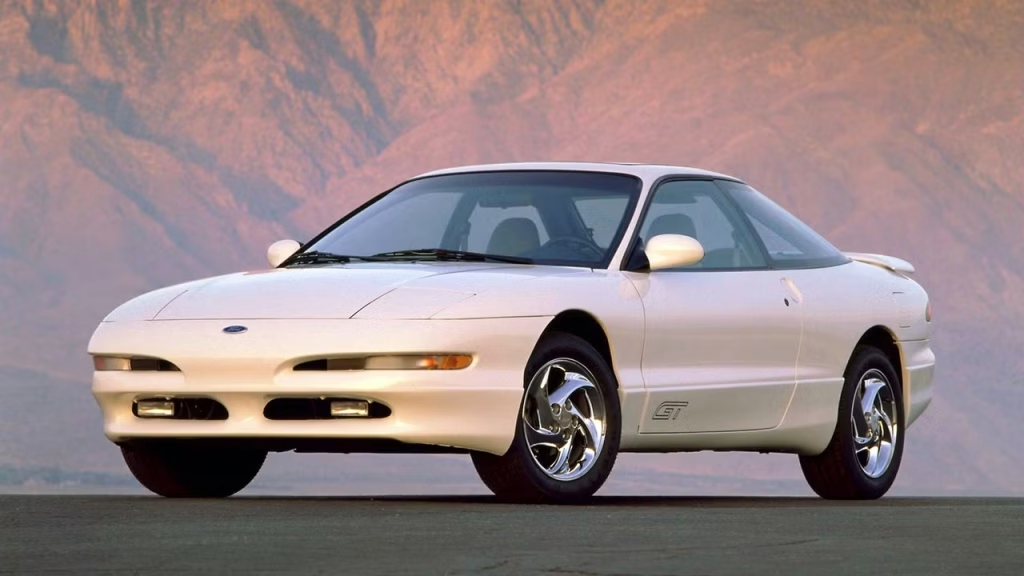
Its value comes from its relative obscurity. The Probe has not yet become a major collector car, so good examples can still cost less than more famous Japanese sport compacts.
Rust, neglected cooling systems, worn suspension parts, and difficult-to-find trim pieces should be checked carefully. A well-preserved manual GT is the one to seek because it delivers the most engaging version of the Probe’s character.
- Engine: 2.5-liter V6
- Torque: 156 lb-ft
- Horsepower: 164 hp
- Length/Width: 178.0 inches / 69.8 inches
3. Nissan 300ZX Twin Turbo
The Nissan 300ZX Twin Turbo was one of the most sophisticated Japanese sports cars sold in America during the 1990s, but it is often overlooked beside the Toyota Supra Turbo and Mazda RX-7.
That makes it a compelling choice for buyers who want a genuine twin-turbocharged performance car with a strong 1990s identity without paying the same collector premium demanded by its better-known rivals.
Nissan gave the Z32-generation 300ZX a sleek body, a low roofline, T-top panels, and a wide stance that still looks dramatic. The Twin Turbo model used a 3.0-liter VG30DETT V6 with two turbochargers and intercoolers.
Factory output was 300 horsepower and 283 lb-ft of torque, sent to the rear wheels through a five-speed manual transmission or optional automatic. Its performance was serious for the period, while available Super HICAS rear-wheel steering added another layer of technical interest.
The 300ZX was not merely a straight-line car. It was built as a grand touring sports coupe, with a stable chassis, supportive seats, useful hatchback cargo access, and a cabin designed for longer trips.
The two-seat version is the more focused choice, while the 2+2 offers additional passenger space. Both provide a more substantial driving feel than lighter sports cars from the same decade.
Buying one now requires a careful inspection. The tightly packed engine bay makes major repairs labor-intensive, particularly turbocharger work, cooling-system repairs, injector replacement, and timing-belt service.
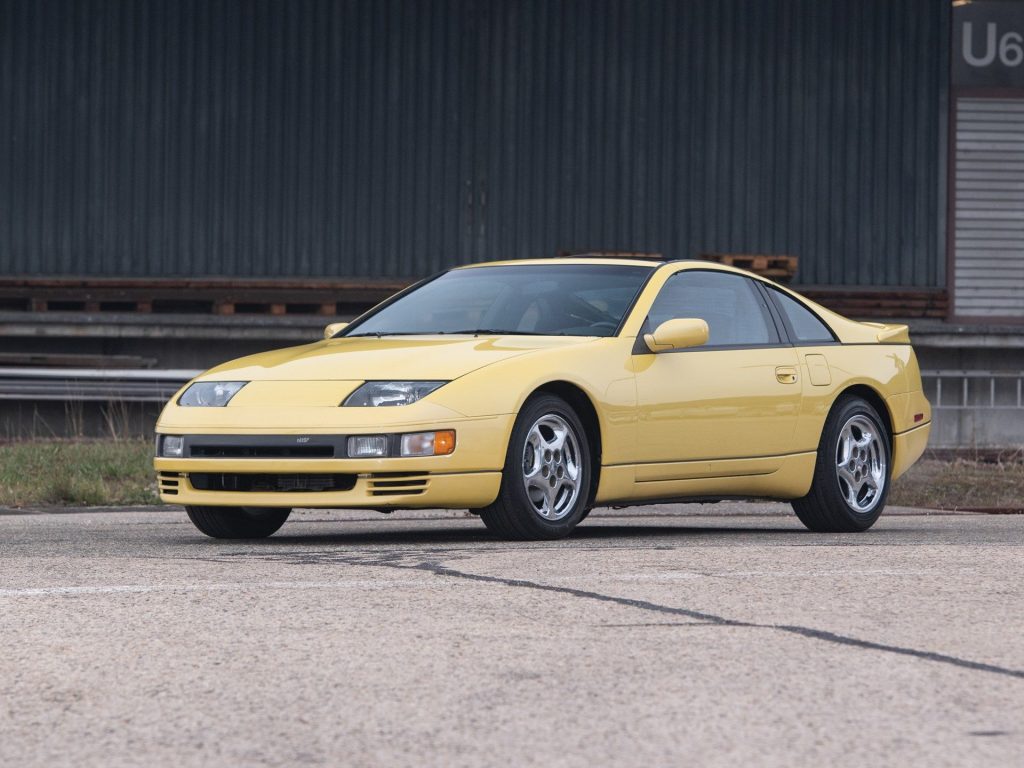
Modified cars should be approached cautiously unless the work is fully documented. A clean, mostly original manual Twin Turbo with service records is the model worth pursuing. It offers classic Japanese engineering, distinctive styling, and performance that remains satisfying today.
- Engine: 3.0-liter twin-turbocharged V6
- Torque: 283 lb-ft
- Horsepower: 300 hp
- Length/Width: 169.5 inches / 70.5 inches
4. Chevrolet Camaro Z28
A fourth-generation Chevrolet Camaro Z28 may not seem forgotten to American muscle-car fans, but it has spent years in the shadow of earlier Camaros and more expensive collector models.
That has kept it accessible, especially when compared with 1960s examples or limited-production performance cars. For buyers who want a 1990s sports car with V8 power, rear-wheel drive, and a manual transmission, the Z28 deserves a closer look.
The 1993 redesign gave the Camaro a much smoother body than the boxy third-generation model. Its long hood, sloping windshield, wide rear hatch, and low seating position made it feel more modern, while the hatchback body gave it useful cargo flexibility.
Chevrolet initially used a 5.7-liter LT1 V8 derived from the Corvette. In 1996, the Z28 received the stronger LT4 engine in limited numbers, but even the standard LT1 cars delivered serious performance for the money.
The 1995 Z28 is a strong example of what makes this generation appealing. Its 5.7-liter V8 produced 275 horsepower and 325 lb-ft of torque, with a six-speed manual available for drivers who wanted a more involved experience.
Acceleration was quick, and the car had the kind of low-end V8 pull that many smaller turbocharged coupes could not match.
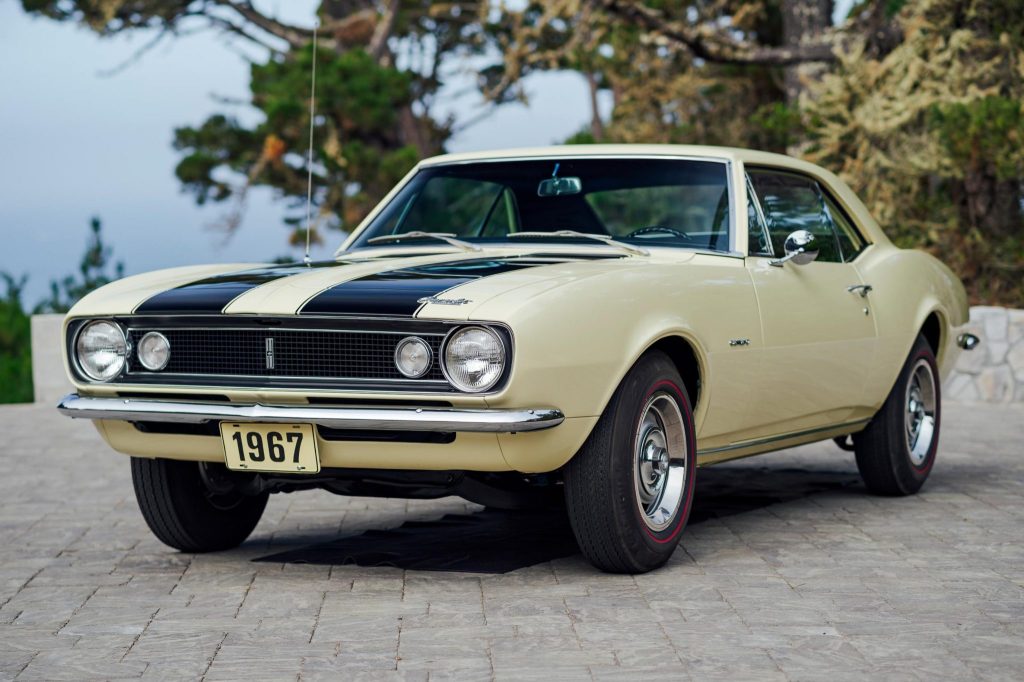
Condition matters more than mileage alone. Check for worn T-top seals, aging interior plastics, cooling-system issues, rear-axle wear, and evidence of hard drag-racing use.
A clean, unmodified manual Z28 can still be a relatively affordable way to buy authentic American V8 performance from the 1990s. Its values may rise as buyers begin to appreciate how much speed and character these cars offered.
- Engine: 5.7-liter LT1 V8
- Torque: 325 lb-ft
- Horsepower: 275 hp
- Length/Width: 193.2 inches / 74.1 inches
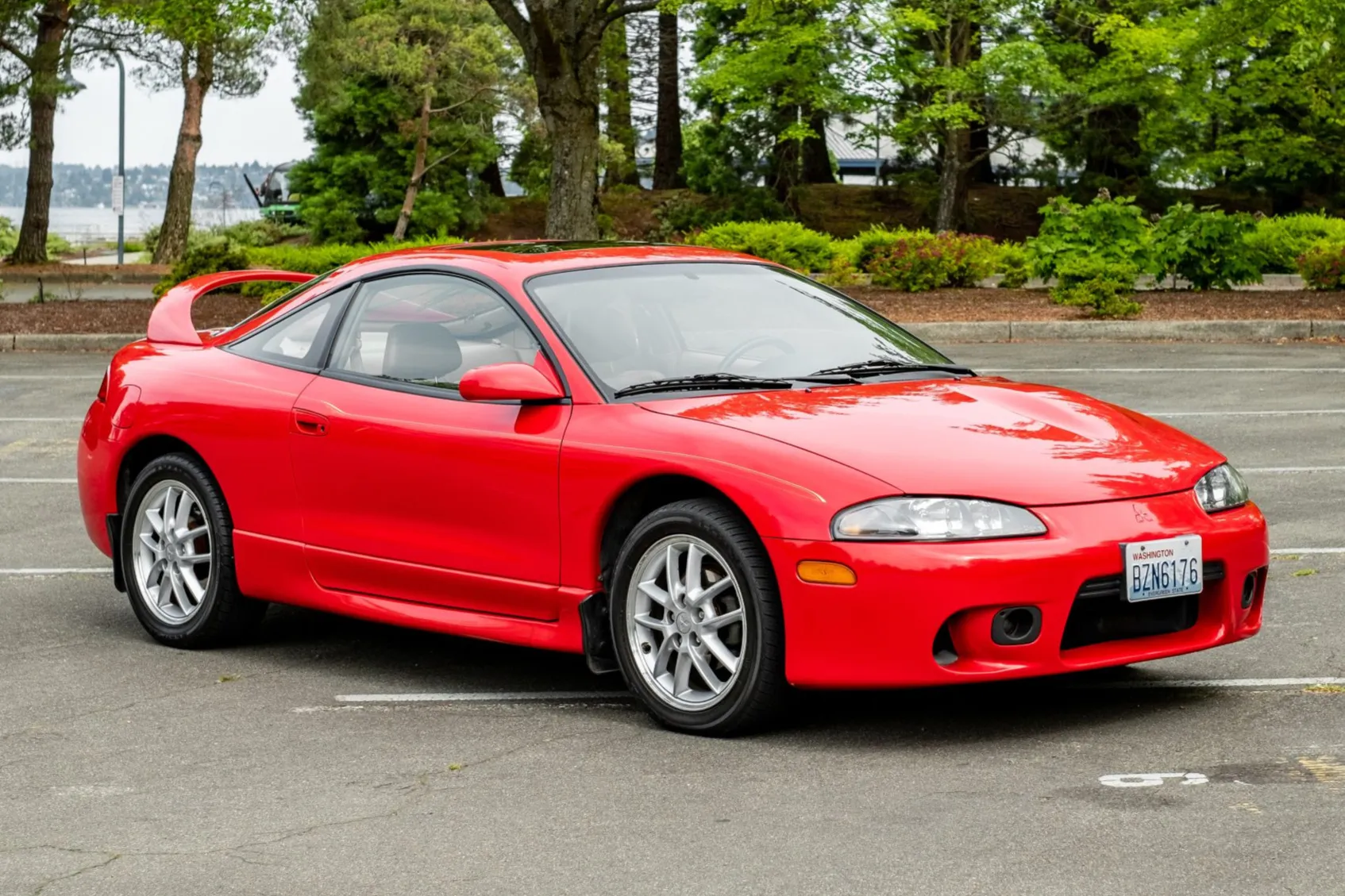
5. Mitsubishi Eclipse GSX
The Mitsubishi Eclipse GSX earned a loyal following during the 1990s, yet it still receives less collector attention than several Japanese turbocharged rivals. That creates an opportunity for buyers who want a compact sports coupe with all-wheel drive, a turbocharged engine, and strong modification potential.
The second-generation Eclipse, sold from 1995 through 1999, is the version most enthusiasts seek because it combined more aggressive styling with the capable turbocharged drivetrain.
At the center of the GSX was Mitsubishi’s 2.0-liter 4G63 turbocharged four-cylinder engine. In factory form, it produced 210 horsepower and 214 lb-ft of torque. Those numbers were competitive when new, but the engine became famous because it could respond well to carefully planned upgrades.
The all-wheel-drive system gave the Eclipse strong launches and helped drivers use its turbocharged power more effectively than front-wheel-drive sport compacts.
Its body shape remains a major part of the appeal. The low hood, curved roofline, rear spoiler, and wide rear hatch gave the Eclipse GSX a distinct look that fit perfectly into the tuner-car era. It was also practical enough to serve as a daily driver, with a hatchback cargo area and rear seats for occasional passengers.
A stock or lightly modified example is the best purchase. Many GSX models were heavily modified, raced, or fitted with low-quality aftermarket parts during the early tuner scene. Buyers should inspect the transmission, transfer case, clutch, turbocharger, suspension mounts, and signs of rust carefully.
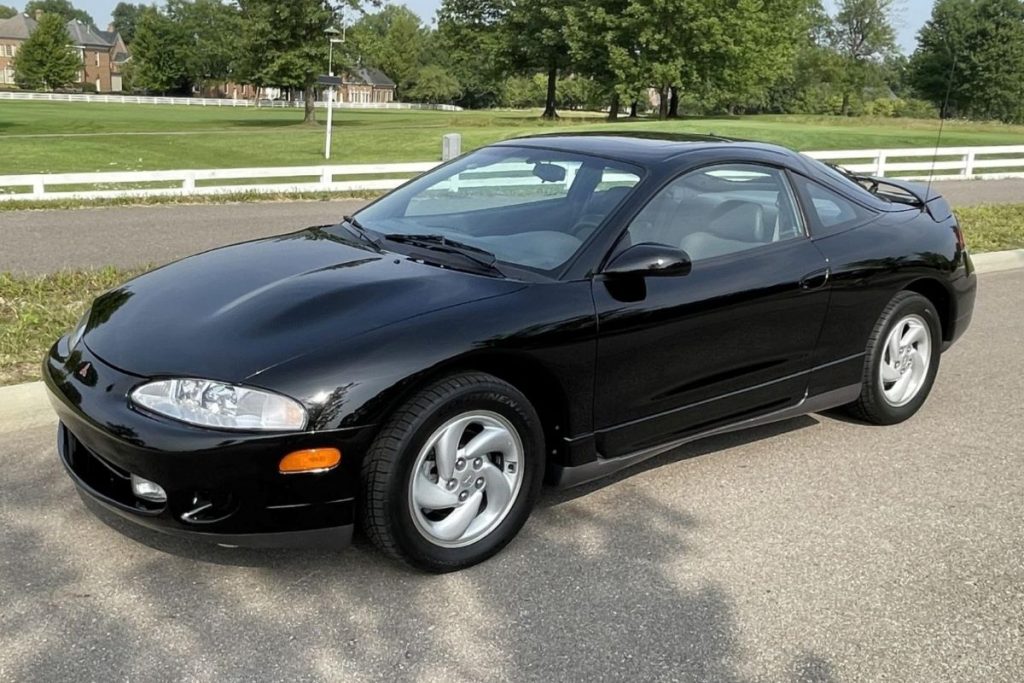
A documented maintenance history is especially important because neglected turbocharged all-wheel-drive cars can become costly projects.
The Eclipse GSX is worth considering because it offers a raw, mechanical driving experience that modern sport compacts often smooth away. It is a 1990s performance car with real tuning heritage and a strong connection to the era’s street-racing culture.
- Engine: 2.0-liter turbocharged four-cylinder engine
- Torque: 214 lb-ft
- Horsepower: 210 hp
- Length/Width: 172.8 inches / 68.5 inches
6. Pontiac Firebird Formula
The Pontiac Firebird Formula was the quieter alternative to the better-known Trans Am, which is exactly why it deserves attention today.
Sold during the fourth-generation Firebird era, the Formula used much of the same V8 performance hardware as the Trans Am but avoided some of the larger spoilers, graphics, and appearance upgrades. That gave it a cleaner look and, in many cases, a lower purchase price when new and on the used market.
For buyers interested in performance rather than image, the Formula was often the smarter choice. By the late 1990s, it could be ordered with Chevrolet’s 5.7-liter LS1 V8, the same basic engine used in the Corvette.
In the 1998 form, the Formula produced 305 horsepower and 335 lb-ft of torque. That was serious output for a relatively affordable American coupe, especially when paired with the available six-speed manual transmission.
The Firebird Formula used rear-wheel drive, a long hood, and a hatchback rear section, preserving the traditional American pony-car formula. It could accelerate hard, produce a deep V8 exhaust note, and still carry luggage or groceries behind the rear seats.
The Formula’s lighter visual treatment also appeals to buyers who prefer a performance car that does not attract attention at every stoplight.
Finding a good example takes care. Many Formula models were driven hard, modified for drag racing, or neglected after their values dropped.
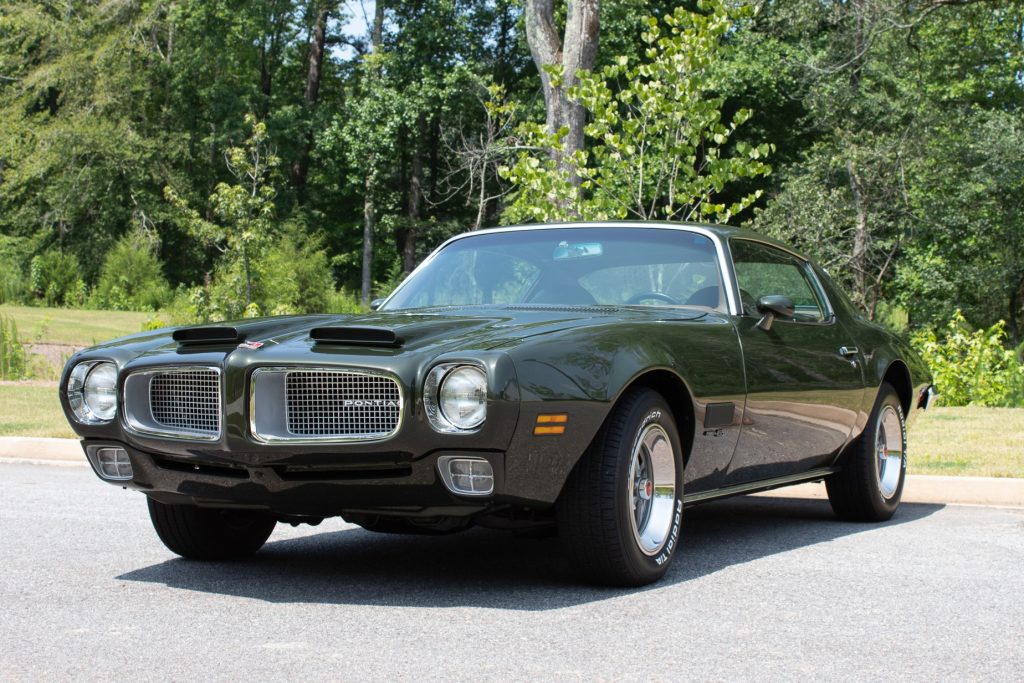
Check for T-top leaks, cracked interior panels, worn rear suspension components, differential noise, and evidence of poor electrical repairs. Cars with original body panels, clean interiors, and maintenance records are becoming more desirable.
The Formula is a forgotten 1990s bargain because it offers Corvette-related V8 power in a distinctive Pontiac body. It has the speed, sound, and rear-drive personality that collectors increasingly value, yet it still sits below the price of many famous muscle-car names.
- Engine: 5.7-liter LS1 V8
- Torque: 335 lb-ft
- Horsepower: 305 hp
- Length/Width: 193.8 inches / 74.5 inches
7. Mazda MX-6 GT
The Mazda MX-6 GT has largely disappeared from conversations about 1990s sports coupes, which is surprising because it offered a turbocharged engine, sharp styling, and a chassis developed during Mazda’s most ambitious performance era.
Sharing much of its engineering with the Ford Probe, the MX-6 had a more understated personality and was sold in smaller numbers. That relative rarity makes a clean example appealing for buyers who want something different from the familiar Japanese collector cars.
The first-generation GT, sold through 1992, used a 2.2-liter turbocharged four-cylinder engine. It produced 145 horsepower and 190 lb-ft of torque, with the torque figure giving the car a stronger midrange pull than many naturally aspirated coupes of its time.
A five-speed manual transmission was the version to seek, as it made the turbo engine feel more responsive and gave the driver greater control over its power delivery.
Mazda tuned the MX-6 to feel composed rather than wild. Its independent suspension and compact dimensions gave it confident road manners, while the two-door body offered a useful hatchback-style rear opening.
The cabin was simple and driver-focused, with a low seating position that made ordinary trips feel more engaging.
The challenge is finding one that has not suffered from rust or years of deferred maintenance. Turbo plumbing, cooling-system components, suspension bushings, and aging interior trim deserve close inspection.
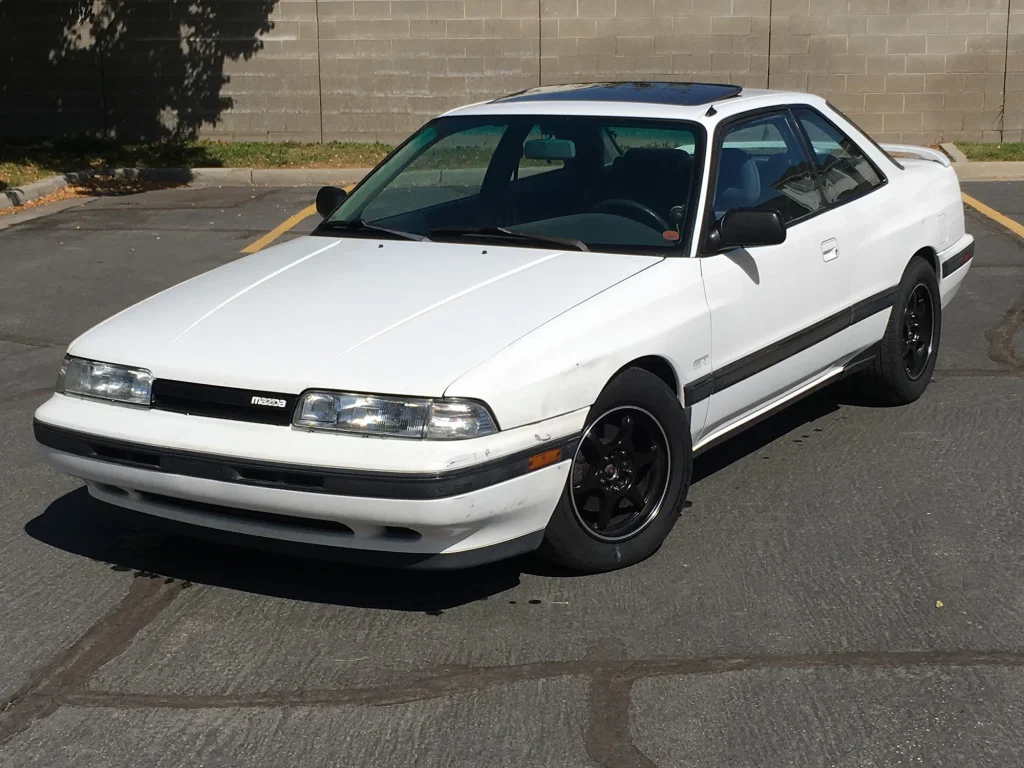
Replacement parts can also require patience because the MX-6 does not have the same aftermarket support as a Miata or RX-7.
A well-kept MX-6 GT is worth buying because it captures an overlooked side of Mazda’s 1990s history. It is quick enough to be entertaining, uncommon enough to attract attention, and still affordable compared with the decade’s more celebrated turbocharged cars.
- Engine: 2.2-liter turbocharged four-cylinder engine
- Torque: 190 lb-ft
- Horsepower: 145 hp
- Length/Width: 177.6 inches / 68.1 inches
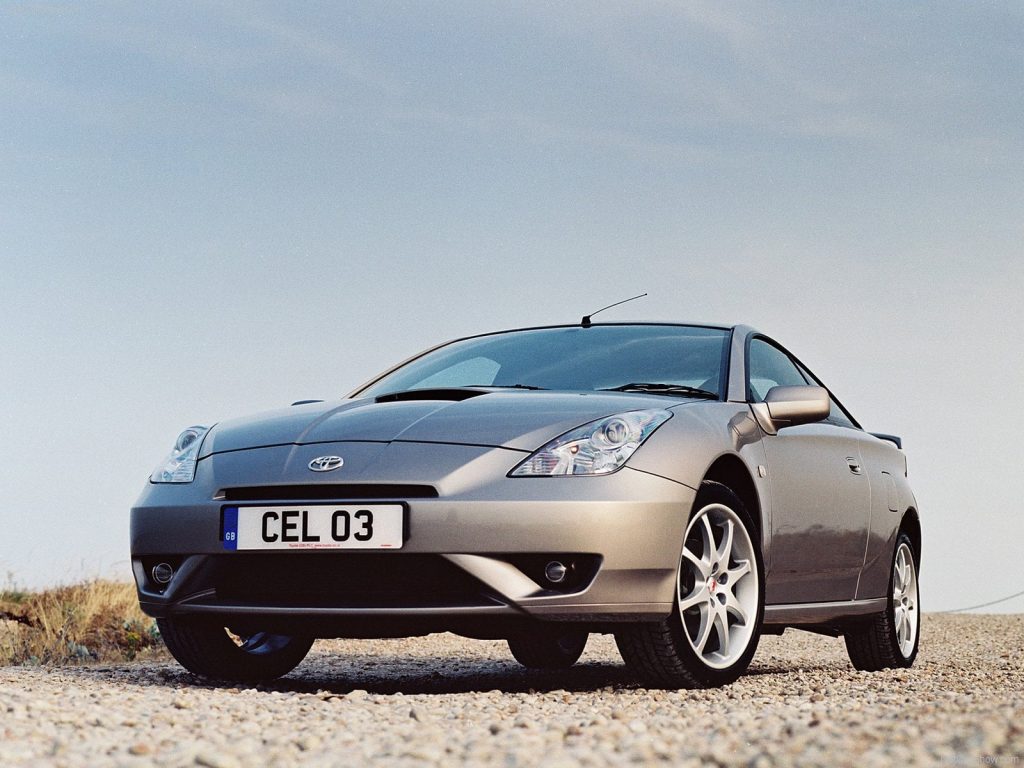
8. Toyota Celica GT-S
The sixth-generation Toyota Celica GT-S is often forgotten because it arrived in the shadow of the turbocharged, all-wheel-drive Celica GT-Four sold in other markets. American buyers did not receive that rally-bred version during the 1990s, leaving the front-wheel-drive GT-S to build its own reputation.
It may not have had turbo power, but it offered dependable Toyota engineering, attractive coupe styling, and a high-revving character that has aged well.
The 1994 through 1999 Celica GT-S used a 2.2-liter four-cylinder engine rated at 135 horsepower and 145 lb-ft of torque. It was not built for drag-strip acceleration. Its appeal came from its light feel, compact proportions, and willingness to be driven through corners.
A five-speed manual transmission brings out the best in the engine, making the Celica feel more involved than its output figures suggest.
Styling remains one of the strongest reasons to consider one. The rounded body, slim headlights, steeply angled windshield, and rear liftback gave the Celica a clean, sporty profile that still looks distinctly 1990s.
It was also easier to live with than many two-seat sports cars because the hatchback cargo area could handle daily errands, and the rear seats added limited extra flexibility.
Toyota reliability is a major advantage, but these cars are now old enough that condition matters greatly. Buyers should inspect for rust, oil leaks, worn engine mounts, tired suspension components, and neglected timing-belt service.
Modified examples should be checked carefully, especially if they have been fitted with poorly installed intake or suspension parts.
The Celica GT-S is a sensible, forgotten sports car purchase because it offers style and driver involvement without the high maintenance risk associated with many turbocharged 1990s alternatives. A clean manual example can provide years of enjoyable ownership while remaining relatively affordable.
- Engine: 2.2-liter four-cylinder engine
- Torque: 145 lb-ft
- Horsepower: 135 hp
- Length/Width: 175.0 inches / 68.3 inches
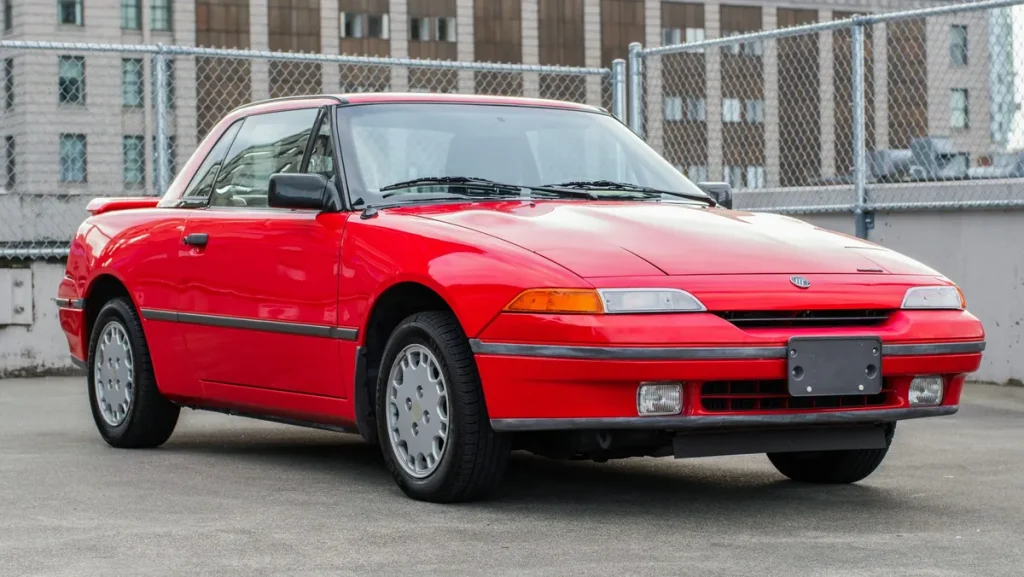
9. Mercury Capri XR2
The Mercury Capri XR2 is an unusual early-1990s sports car that deserves more attention from buyers who want something different. Sold in the United States from 1991 through 1994 through Mercury dealers, it was built in Australia by Ford.
Its compact size, convertible body, turbocharged engine, and limited production run separate it from the larger American coupes that usually dominate discussions about the decade.
The XR2 was the performance version of the Capri lineup. It used a turbocharged 1.6-liter four-cylinder engine rated at 132 horsepower and 136 lb-ft of torque. Those numbers are modest by modern standards, but the Capri was light and nimble.
A five-speed manual transmission helped the driver keep the engine in its stronger rev range, making the car feel more energetic than its output figures suggest.
Front-wheel drive gave the Capri predictable behavior in wet weather, while the power-operated convertible top added a relaxed open-air character.
It was not built to compete with a Corvette or a Nissan 300ZX. Instead, it offered an affordable, small convertible for drivers who wanted turbocharged power and a distinctive design.
Condition is extremely important because many examples were treated as inexpensive summer cars. Buyers should inspect the convertible-top mechanism, cooling system, turbocharger, transmission, and body for rust.
Trim parts can be difficult to find, so a complete and well-maintained example is worth paying more for.
The Capri XR2 remains a forgotten bargain because it is rare, entertaining, and far less common than popular roadsters from the same period.
- Engine: 1.6-liter turbocharged four-cylinder engine
- Torque: 136 lb-ft
- Horsepower: 132 hp
- Length/Width: 166.1 inches / 65.9 inches
10. Mercury Cougar V6
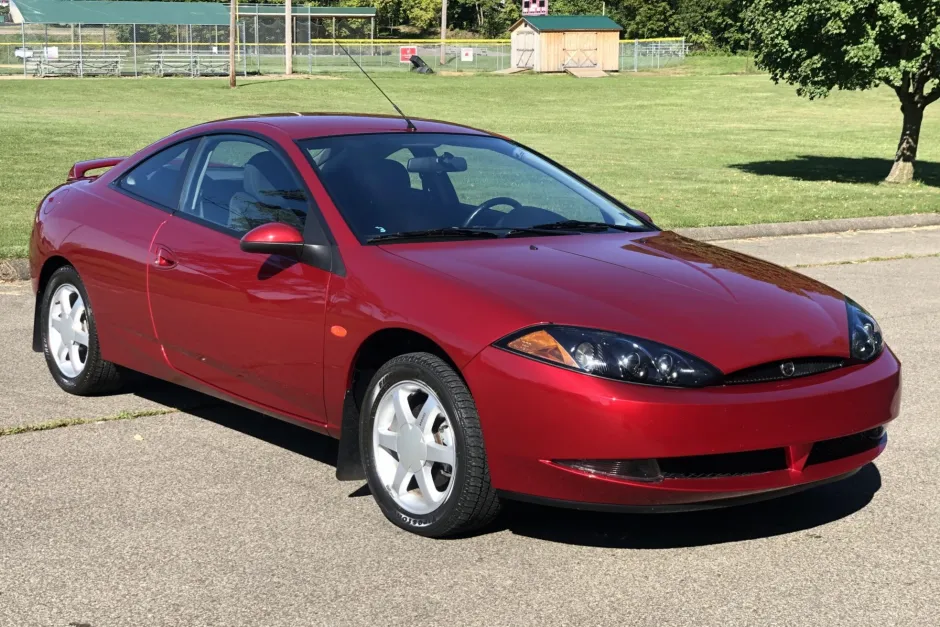
The 1999 Mercury Cougar V6 was one of the most overlooked sport coupes of the late 1990s. It replaced the Ford Probe and arrived with sharp New Edge styling, a wide rear liftback, and a more European-influenced chassis than earlier Mercury coupes.
Its design divided opinions when new, but it now looks like a clear snapshot of late-1990s American automotive styling.
The V6 version used Ford’s 2.5-liter Duratec V6, producing 170 horsepower and 165 lb-ft of torque. A five-speed manual transmission was available, and is the version worth finding because it makes the Cougar feel more responsive. Although it was front-wheel drive, the Mondeo-based platform gave it composed handling and a stable ride.
The rear liftback added real usefulness. It could carry luggage, shopping bags, and larger items more easily than a conventional coupe. The cabin also had room for occasional rear passengers, making it more practical than a small two-seat sports car.
Buyers should look for clean, unmodified examples. Rust, worn suspension bushings, clutch wear, cooling-system leaks, and damaged interior trim are common age-related concerns.
A well-kept Cougar V6 is still affordable and offers a manual V6, unusual styling, and daily usability that many 1990s sport coupes cannot match.
- Engine: 2.5-liter Duratec V6
- Torque: 165 lb-ft
- Horsepower: 170 hp
- Length/Width: 185.0 inches / 69.6 inches
Also Read: 8 Hidden Features in the Toyota Highlander Most Drivers Miss
