
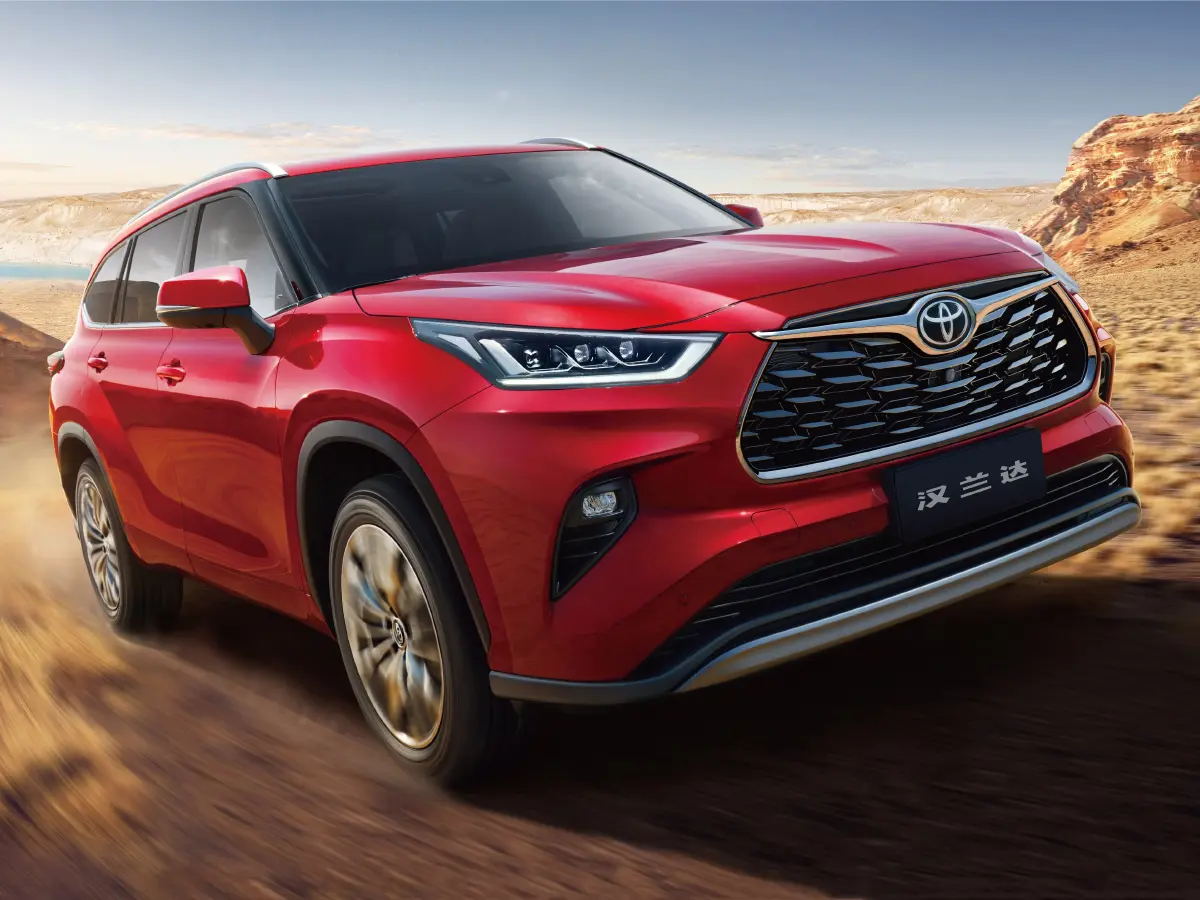
The Toyota Highlander has become one of the most popular midsize SUVs thanks to its reputation for reliability, family-friendly practicality, and strong resale value. Buyers are often drawn to its spacious cabin, comfortable ride quality, advanced safety technologies, and available hybrid powertrain.
Yet many owners spend years driving their Highlander without realizing just how many useful features are hidden beneath the surface.
Modern vehicles contain far more technology than most drivers use on a daily basis, and the Highlander is no exception. Toyota has incorporated numerous convenience, safety, and comfort functions that are easy to overlook during ownership.
Some are tucked away within vehicle settings, while others operate automatically in the background. Because they rarely demand attention, these features often go unnoticed despite providing meaningful benefits.
What makes these hidden capabilities interesting is that they are designed to improve everyday life rather than impress buyers during a quick dealership demonstration.
They can make parking easier, reduce driver fatigue, increase passenger comfort, or help protect the vehicle from common situations encountered during daily use.
For families, commuters, and road-trip enthusiasts alike, learning about these lesser-known functions can unlock additional value from an already capable SUV. Small engineering details often have the biggest impact over time, and the Highlander contains many examples of thoughtful design that deserve greater recognition.
The following hidden features reveal a side of the Toyota Highlander that even many longtime owners have yet to discover.
Also Read: 8 Foreign Cars Brands That Feel Completely All-American
1. Rear Seat Reminder System
One of the most practical yet often overlooked features in the Toyota Highlander is its rear seat reminder system. While entertainment and driver assistance technologies tend to draw most of the attention, this function operates quietly in the background, helping ensure that important items are not left behind inside the vehicle.
The system monitors rear door activity before and during a trip. If one of the rear doors is opened before driving, the Highlander remembers that activity. Once the trip ends and the vehicle is turned off, a reminder appears on the instrument display encouraging the driver to check the rear seats before leaving.
At first glance, the feature may seem simple, but its usefulness extends far beyond reminding parents about their children. Many owners use the second and third rows to carry groceries, work equipment, gym bags, laptops, pet supplies, or other personal belongings.
During busy days, it can be surprisingly easy to walk away from the vehicle while leaving something important behind.
Toyota designed the system to be informative rather than intrusive. The reminder appears only when appropriate and does not interfere with normal driving operations. Because of its subtle nature, many owners barely notice it after purchase.
The feature becomes particularly valuable for families managing hectic schedules. Between school pickups, shopping trips, and daily errands, reminders can help prevent costly mistakes or inconvenient return trips to the parking lot.
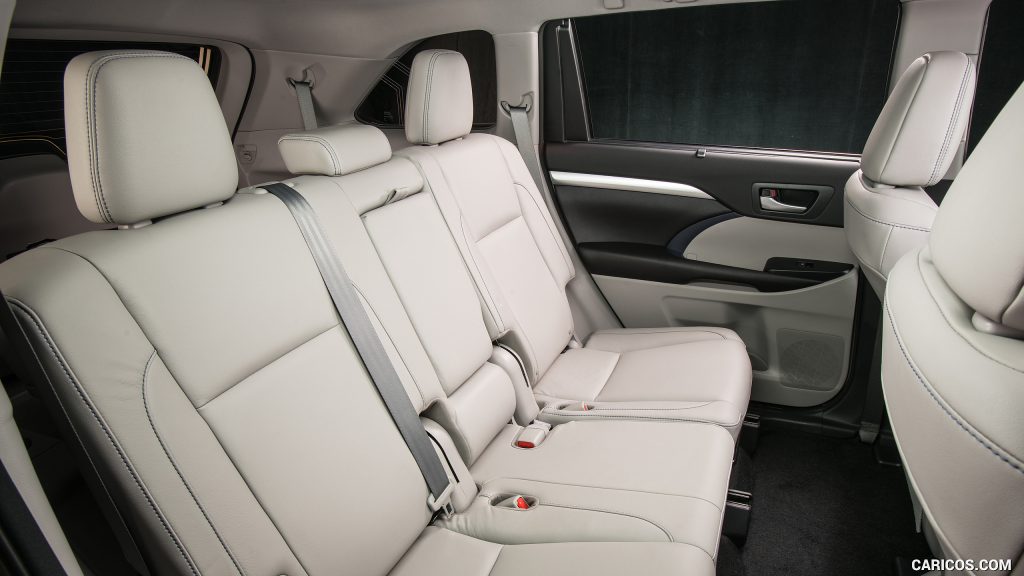
In an era where many vehicle technologies focus on performance or entertainment, the rear-seat reminder system addresses a very real, everyday problem. Its effectiveness comes from simplicity rather than complexity, making it one of the Highlander’s most underrated hidden features.
2. Adaptive Headlights That Follow Curves
Night driving presents unique challenges, especially on winding roads where traditional headlights can leave portions of the roadway hidden until the vehicle has already entered a turn. Certain Toyota Highlander trims address this issue with adaptive headlights that actively follow the vehicle’s direction of travel.
Conventional lighting systems typically project light straight ahead without adjusting for steering input, but these headlights respond to the driver’s steering angle. They pivot subtly and automatically, directing illumination toward the direction the vehicle is turning rather than the space it has already passed.
This capability can make a noticeable difference on dark rural roads, mountain highways, and poorly lit suburban streets. Drivers gain a clearer view of upcoming curves, roadside hazards, and potential obstacles before reaching them. The added visibility can increase confidence while reducing stress during nighttime travel.
Many owners remain unaware that the system exists because it operates so smoothly. No dramatic movements or obvious indicators are announcing its operation. Instead, the headlights quietly adjust their aim as conditions change.
Long-distance travelers often appreciate the feature the most. Hours spent driving after sunset can place significant strain on a driver’s concentration. By improving visibility around bends and corners, the adaptive lighting system helps reduce some of that workload.
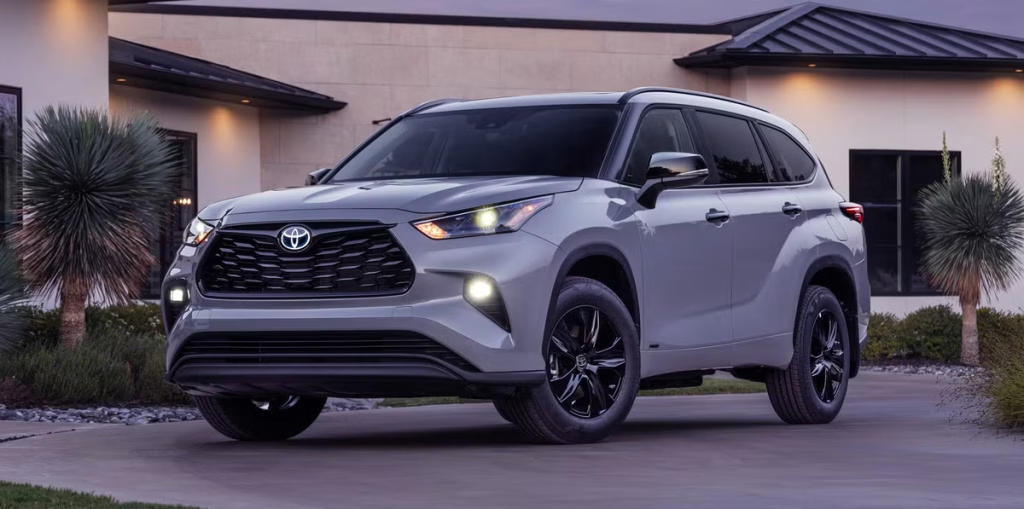
Toyota’s implementation focuses on creating a natural driving experience rather than showcasing flashy technology.
Drivers simply notice that the road ahead appears easier to see. The engineering behind that improvement remains largely hidden, which is precisely why this feature deserves more recognition among Highlander owners.
3. Driver Easy Speak Communication System
Families often discover that conversations inside a three-row SUV are not always as easy as expected. Passengers seated in the third row may struggle to hear the driver, especially during highway travel when road and wind noise increase. Toyota developed a clever solution called Driver Easy Speak, and many Highlander owners never realize it is available.
Instead of forcing the driver to raise their voice repeatedly, the system uses the vehicle’s built-in microphone and rear speakers to transmit speech directly to passengers seated farther back. Once activated through the infotainment system, the driver’s voice is amplified and projected toward the second and third rows.
This feature becomes particularly useful during family road trips. Parents can communicate instructions, answer questions, or speak with children without turning around or shouting across the cabin. The result is a more relaxed environment for everyone on board.
Another advantage appears when traveling with elderly passengers. Clear communication can be difficult in larger vehicles, especially at interstate speeds. Driver Easy Speak helps ensure conversations remain understandable without requiring excessive effort from either party.
Many modern technologies depend on complex controls, but this system is designed with a simple and focused purpose. It addresses a common issue faced by owners of larger SUVs. Since it is hidden within the vehicle’s settings, many drivers remain unaware of it unless they deliberately look for it.
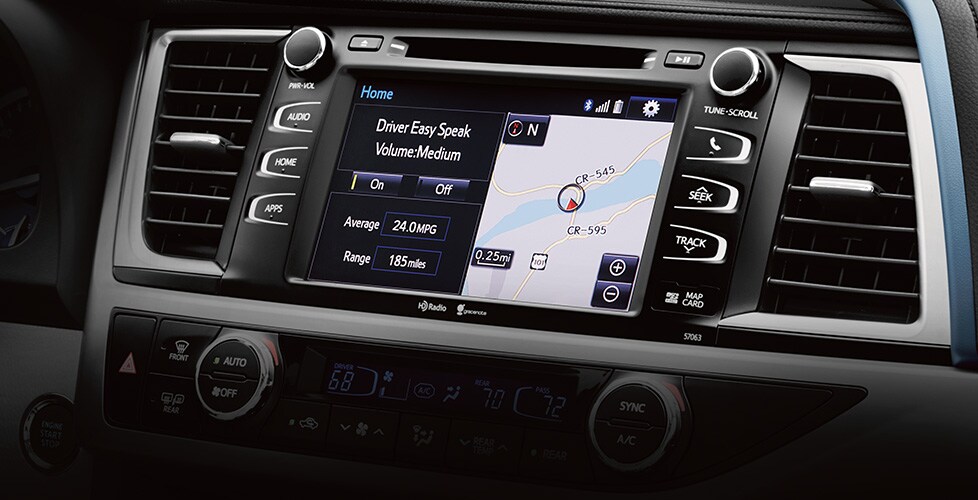
Toyota’s attention to family usability is evident here. Rather than concentrating solely on screens and entertainment options, the company created a feature that improves interaction among passengers. Small conveniences like this often make a larger difference during ownership than more publicized technologies.
For households that regularly fill all three rows, Driver Easy Speak can quickly become one of the most appreciated features in the entire vehicle. It enhances communication, reduces distractions, and makes long journeys more comfortable for everyone inside the Highlander.
4. Bird’s Eye View Camera Washer
Most drivers appreciate having a 360-degree camera system while parking, but far fewer know that certain Highlander models include a dedicated cleaning feature for the camera itself. This hidden convenience can significantly improve visibility when weather or road conditions become messy.
The bird’s-eye view camera washer is designed to help keep the front camera lens clean. Dirt, mud, road salt, insects, and water spots can quickly obstruct the camera’s view, reducing image clarity precisely when drivers need it most. Toyota addressed this issue by integrating a cleaning mechanism connected to the windshield washer system.
When activated, washer fluid is directed toward the camera area, helping remove debris that may be interfering with visibility. This simple process restores image quality without requiring the driver to leave the vehicle and manually clean the lens.
The value of this feature becomes especially apparent during winter conditions or rainy seasons. Road spray can accumulate rapidly, making parking cameras less effective. Having the ability to clean the lens instantly helps maintain a clear view of surroundings.
What makes this technology easy to miss is its automatic nature. Owners often use the camera system daily without realizing that Toyota included a method to keep it functioning properly. The feature receives relatively little attention during vehicle walkthroughs despite offering genuine practical benefits.
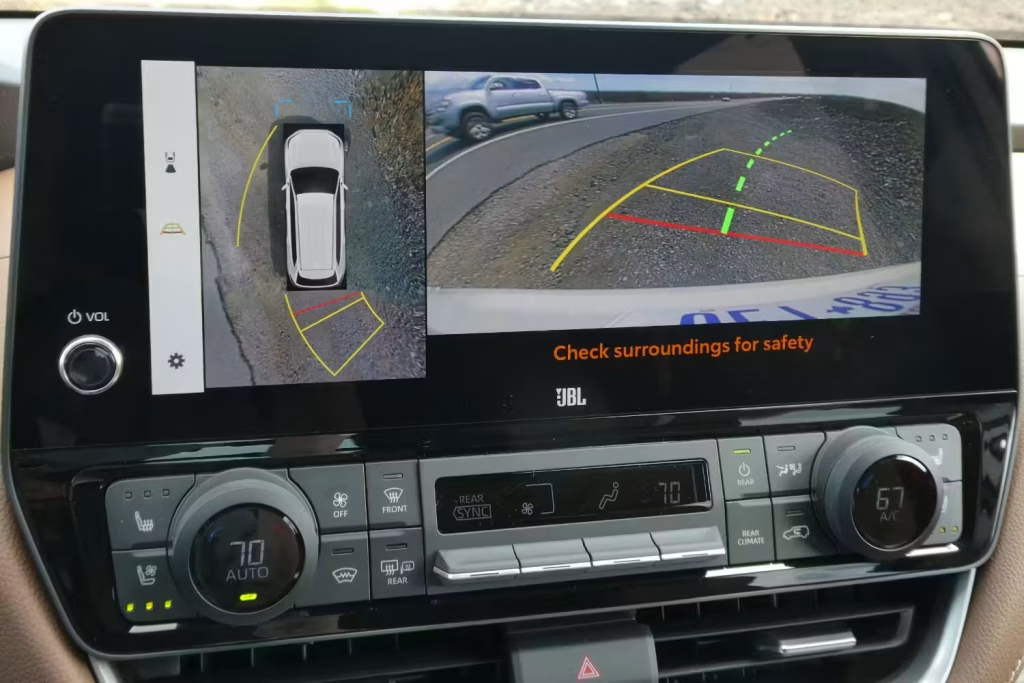
Modern parking assistance systems are only as effective as the information they receive. By helping maintain a clean camera lens, the washer system ensures the Bird’s Eye View display continues providing accurate visual data.
It is a thoughtful engineering detail that reflects Toyota’s focus on real-world usability rather than simply adding technology for marketing purposes.
For drivers who frequently encounter challenging weather or dusty roads, this hidden feature can become surprisingly valuable throughout the ownership experience.
5. Height-Adjustable Power Liftgate Memory
Not every garage, parking structure, or driveway provides the same amount of overhead clearance. Toyota recognized this reality and equipped the Highlander with a height-adjustable power liftgate memory function, a feature many owners discover only after accidentally opening the rear hatch into a low ceiling.
At first glance, the power liftgate appears to operate like any other automatic tailgate. Press a button, and it opens fully. However, the Highlander allows owners to customize exactly how high the liftgate rises before stopping. Once a preferred position is selected, the vehicle remembers that setting and repeats it during future openings.
This capability proves useful in a surprising number of situations. Drivers who park in garages with hanging storage racks, bicycles, pipes, or low ceilings can prevent the liftgate from making contact. The feature is equally valuable in parking decks where overhead clearances may vary from one location to another.
Shorter drivers often appreciate another benefit. A liftgate that opens excessively high can make the closing button difficult to reach. By lowering the maximum opening height, owners can improve accessibility without sacrificing cargo area functionality.
Toyota designed the programming process to be straightforward. After positioning the liftgate at the desired height, the setting can be stored using the vehicle controls. The adjustment remains in memory until changed again.
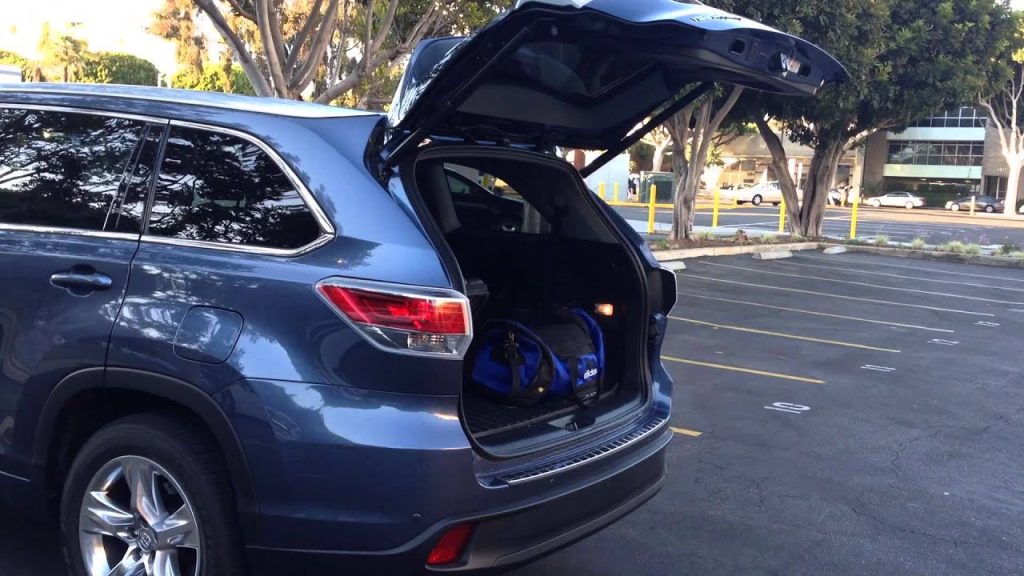
Many convenience features are only useful in occasional situations, but this one can provide value on a daily basis depending on parking conditions. It helps prevent accidental damage to the liftgate while also improving cargo access for a wide range of drivers.
The system demonstrates how thoughtful engineering can solve practical problems. Many Highlander owners never realize they can customize liftgate operation, yet once the feature is discovered, it often becomes an indispensable part of daily ownership.
6. Automatic Rear Braking While Parking
Parking incidents frequently occur at very low speeds, yet they can still result in expensive repairs. To help reduce this risk, the Toyota Highlander offers an automatic rear braking system that many drivers do not fully appreciate until it intervenes during a tight maneuver.
Imagine reversing out of a crowded parking space where visibility is limited. A pole, shopping cart, wall, or another vehicle may suddenly appear behind the SUV.
In these situations, sensors positioned around the vehicle continuously monitor the surrounding area. If the system determines that a collision is likely and the driver does not respond quickly enough, it can automatically apply the brakes.
The technology acts as a final safeguard rather than a replacement for driver attention. Drivers remain responsible for vehicle control, but the system provides an additional layer of protection when obstacles are difficult to see.
What separates this feature from a standard parking sensor system is its ability to take action rather than merely provide warnings. Audible alerts are helpful, but automatic braking can make the difference between a close call and a repair bill.
The feature is particularly beneficial in crowded urban environments where parking spaces are tight and unexpected obstacles are common. Families, senior drivers, and anyone who frequently navigates busy parking lots can gain additional confidence from the system’s presence.
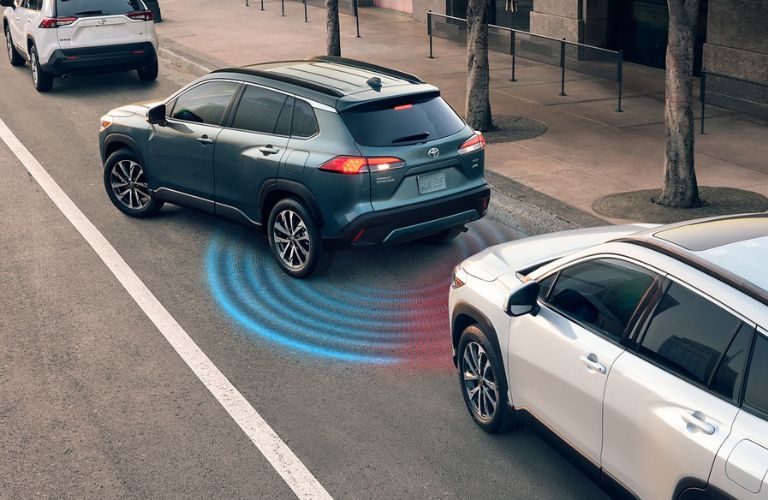
Because interventions are relatively rare, many owners forget the feature exists. That is actually a sign of success. The system remains quietly on standby, ready to assist only when necessary.
Toyota’s approach emphasizes prevention rather than reaction. By helping drivers avoid common low-speed accidents, automatic rear braking adds meaningful protection without demanding constant attention. It is one of those hidden technologies that owners hope never to need but are grateful to have when the situation arises.
7. Remote Climate Preparation Through the Toyota App
Stepping into a vehicle that has been sitting under intense summer sun or freezing winter temperatures is rarely pleasant. The Toyota Highlander offers a solution through its remote climate preparation capability, yet many owners never take full advantage of it.
When connected services are active, drivers can use the Toyota smartphone app to start the vehicle remotely and begin adjusting cabin conditions before entering. Instead of waiting for the air conditioning or heating system to reach a comfortable temperature after departure, the process begins while the vehicle remains parked.
This feature becomes particularly valuable during seasonal weather extremes. On hot days, the air conditioning can start cooling the interior before occupants enter the cabin. During winter months, the heating system can begin warming the vehicle, making morning commutes far more comfortable.
Traditional remote-start systems typically focus only on starting the engine, but the Highlander’s connected functionality enables owners to interact with their vehicle from almost any location within cellular coverage. This added flexibility enhances convenience, especially during busy schedules when precise timing is important.
Parents often appreciate the feature because children enter a more comfortable cabin temperature. Likewise, commuters who leave work at the same time each day can prepare the interior before reaching the parking lot.
What makes this capability easy to overlook is that it exists outside the vehicle itself. Drivers who rarely use connected services may not realize how much convenience they are missing. Once incorporated into a daily routine, however, the feature can become surprisingly difficult to live without.

Toyota’s goal was not merely to add technology for the sake of technology. Instead, the company focused on improving comfort before the journey even begins.
That practical approach makes remote climate preparation one of the Highlander’s most useful hidden features and a valuable benefit for owners living in regions with challenging weather conditions.
8. Conversation Mirror for Monitoring Rear Passengers
Three-row SUVs often carry children, pets, and multiple passengers, creating situations where drivers want to check on occupants without turning around. Toyota addressed this need with a clever conversation mirror feature that many Highlander owners overlook.
Positioned within the overhead console area, the mirror provides a view of the rear seating rows without requiring the driver to physically rotate their head. With a glance, occupants in the second and third rows can be monitored while maintaining attention toward the road ahead.
The usefulness of this feature becomes apparent during family travel. Parents can quickly check whether children are awake, sleeping, fastening seat belts correctly, or simply behaving themselves during longer trips. The ability to gather this information without turning around contributes to safer driving practices.
Rear-seat camera systems depend on screens and digital displays, but the Conversation Mirror uses a straightforward optical design instead. It avoids software updates, loading delays, and added complexity, allowing the feature to work instantly whenever it is needed.
Another advantage appears during conversations with passengers seated farther back. Drivers can maintain visual awareness of occupants while continuing to focus primarily on traffic conditions. This creates a more natural interaction than repeatedly glancing over a shoulder.
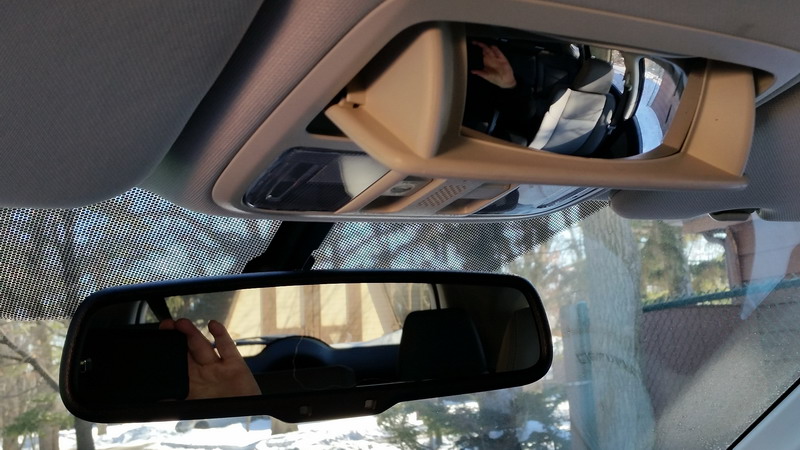
Many buyers spend significant time evaluating infotainment systems and advanced safety technologies, yet practical features like the Conversation Mirror often receive little attention. That is unfortunate because it addresses a common challenge faced by families every day.
The feature highlights Toyota’s understanding of how people actually use their vehicles. Rather than emphasizing flashy innovations, the company included a simple solution that improves convenience and awareness during daily driving. For many families, it becomes one of the most appreciated hidden details in the entire Highlander.
Also Read: 8 Repairs That Cost More in Parts Than Labor
