
A roadside breakdown can turn an ordinary drive into a stressful situation within minutes. A flat tire, dead battery, overheating engine, warning light, or mechanical failure can leave a driver stranded far from home.
Many motorists focus on carrying jumper cables, a spare tire, and emergency supplies, but modern vehicles often include built-in features that can make a difficult situation safer and easier to manage.
Some of these features are obvious only after a driver reads the owner’s manual. Others are hidden behind trunk panels, inside fuel doors, under floor mats, or within the vehicle’s infotainment system.
They may help a driver call for assistance, identify the vehicle’s location, unlock a manual release, connect a tow hook, or keep the cabin safe while waiting for help. Knowing where these features are located before an emergency happens can save valuable time.
Not every vehicle includes the same equipment, and some features depend on the model year, trim level, and optional packages. Drivers should check their own owner’s manual and inspect their vehicle while it is parked safely at home.
The following hidden features are among the most useful items to understand before a roadside breakdown occurs. They can improve visibility, communication, towing safety, and personal security when a vehicle cannot continue its journey.
Also Read: 10 Cars Faster Than a Lamborghini for Under $50,000
1. Emergency Roadside Assistance Button
Many newer vehicles include an emergency assistance button that can connect the driver with a support center or emergency services. This button may be located near the rearview mirror, in the overhead console, or inside the infotainment system. It is often marked with an SOS symbol, a phone icon, or a service-assistance label.
During a breakdown, this feature can be more useful than calling a friend because the connected service may receive the vehicle’s location automatically.
If the driver is unsure where they are, the support center can often identify the GPS location and send help to the correct area. This can be especially helpful on highways, rural roads, unfamiliar neighborhoods, or during bad weather.
Some systems can contact emergency services after a serious collision, but they may also provide help for non-emergency problems such as a flat tire, empty fuel tank, dead battery, or lockout.
The exact services depend on the manufacturer and whether the vehicle has an active subscription. Drivers should check whether their roadside assistance coverage is active and whether the system works after any free trial period ends.
It is important to use the emergency button correctly. An SOS button should be reserved for situations where there is immediate danger, injury, fire, or a serious crash. For a simple mechanical issue, the roadside-assistance button or customer-service number may be the better option.
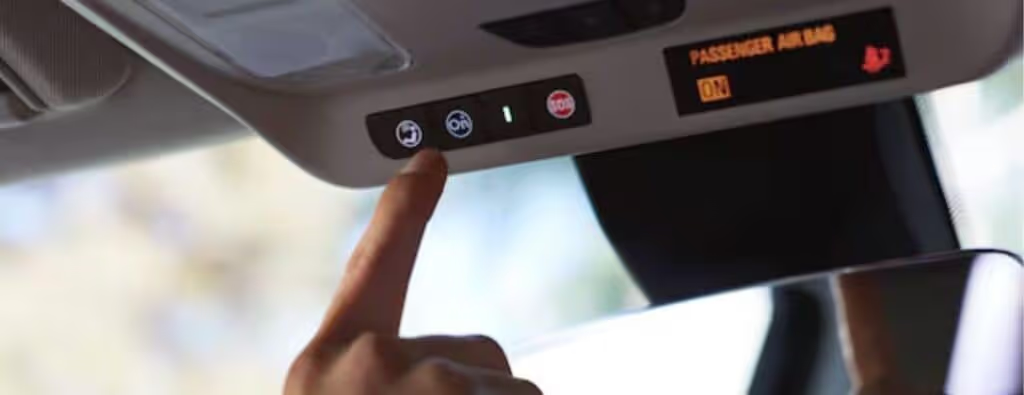
Before a trip, locate the button and learn what it does. A driver who already knows how to reach help can react faster and stay calmer when a breakdown occurs.
2. Manual Key Blade Inside the Key Fob
Many drivers carry a key fob every day without realizing that it contains a traditional metal key. This hidden key blade is usually stored inside the fob and can be released by pressing a small latch or sliding a tab. It becomes extremely useful when the vehicle’s 12-volt battery is dead, and the remote unlocking system no longer works.
A dead battery can prevent the power door locks from responding, leaving the driver unable to enter the vehicle.
The manual key blade can unlock the driver’s door through a hidden key cylinder. On some cars, the keyhole is visible on the door handle. On others, it is covered by a small plastic cap that can be removed carefully using the key blade itself.
The key can also help if the key fob battery dies. A weak fob battery may prevent the remote from unlocking the doors or starting the car.
Many push-button-start vehicles have a backup method that allows the fob to be held against a marked area near the steering column or start button. The vehicle can then recognize the fob even when its battery is weak.
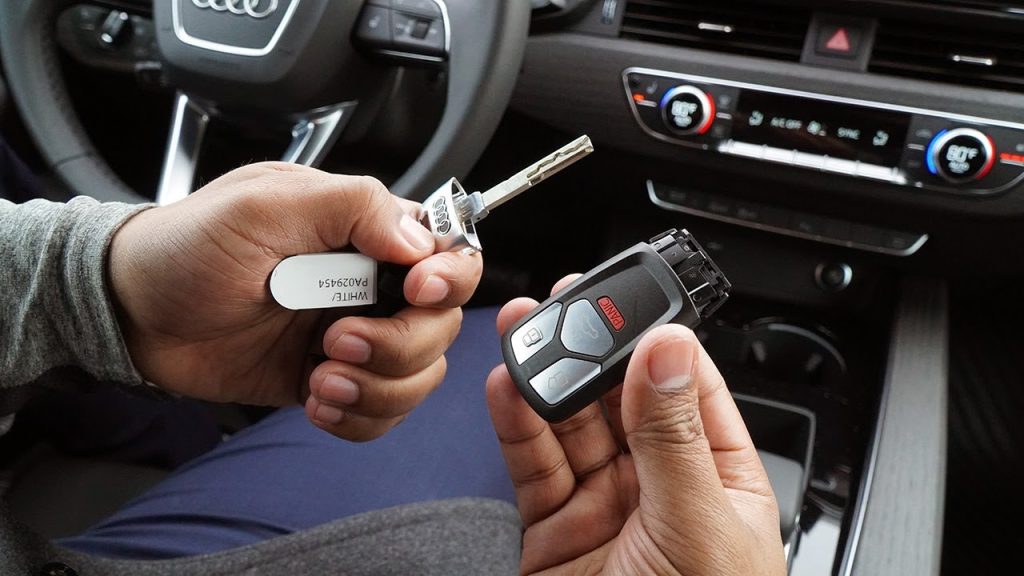
Drivers should practice removing the key blade at home rather than trying to figure it out during rain, darkness, or a roadside emergency.
They should also identify the hidden keyhole before it is needed. Some door alarms may sound when the mechanical key is used, but inserting the fob into the vehicle or starting the engine usually stops the alarm. This small feature can prevent a dead battery from becoming a lockout problem.
3. Tow Hook Mounting Point
A vehicle should never be towed by attaching a strap or chain to a random suspension part, bumper bracket, or axle component.
Many cars have a dedicated tow hook mounting point designed to provide a safer connection when the vehicle needs to be pulled onto a flatbed or moved a short distance. This feature is often hidden behind a small removable panel in the front or rear bumper.
The threaded tow hook itself is commonly stored with the spare tire tools, under the cargo floor, or in a compartment near the jack. It usually looks like a thick metal loop with a threaded end.
To use it, remove the small bumper cover, screw the hook into the exposed threaded opening, and tighten it securely by hand. The tow operator can then attach the proper recovery equipment to that point.
This feature is especially important for vehicles with low front bumpers, plastic body panels, all-wheel-drive systems, or limited ground clearance. Improper towing can damage the bumper, exhaust, transmission, suspension, or drivetrain.
In many cases, a flatbed truck is the safest choice, particularly for all-wheel-drive, electric, hybrid, and performance vehicles.
Drivers should locate the tow hook before they need it. Check the owner’s manual to learn whether the vehicle can be pulled using the hook or whether it is intended only for loading onto a recovery truck. Some hooks are not designed for long-distance towing.
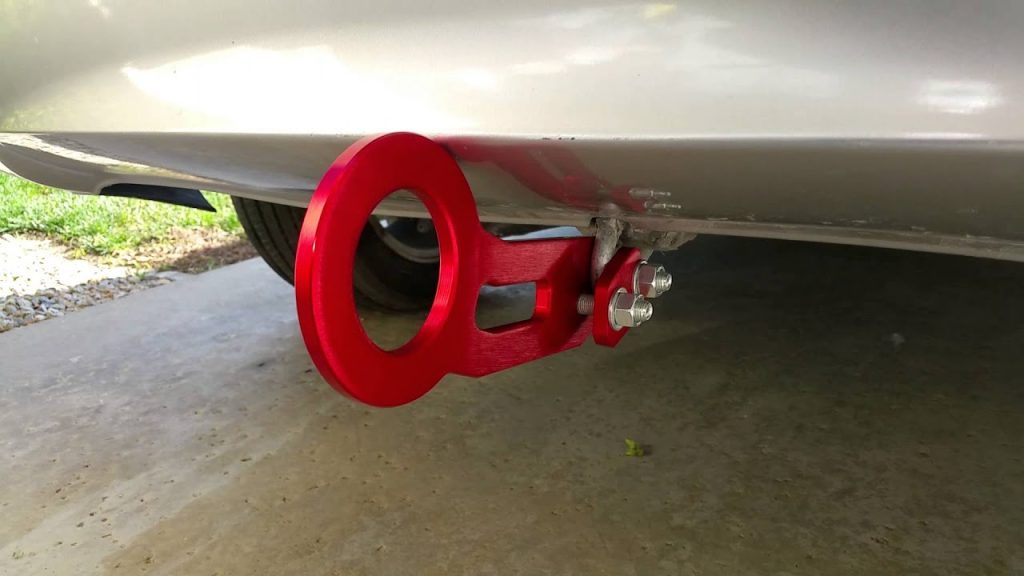
Keeping the tow hook with the spare-tire tools is a simple but important habit. If a breakdown occurs, showing the tow operator the correct mounting point can help prevent expensive damage while the vehicle is being recovered.
4. Fuel Door Emergency Release
A fuel door that will not open can become a serious problem when the fuel level is low. On many modern vehicles, the fuel door is controlled by an electric actuator or central locking system.
If the battery is weak, a fuse fails, the actuator sticks, or the locking mechanism freezes in cold weather, the fuel door may remain locked even when the driver presses the normal release button.
Many vehicles include a manual emergency release inside the trunk or cargo area. It may be located behind a small access panel near the fuel filler side of the vehicle, under the carpet, or beside the spare tire compartment.
The release is often a pull cable, a small lever, or a colored tab. Pulling it can manually unlock the fuel door so the vehicle can be refueled.
This feature is easy to overlook because it is rarely needed during normal ownership. Yet it can prevent a driver from being stranded at a gas station or forced to search for roadside help because the vehicle cannot take on fuel. The owner’s manual usually shows the exact location and instructions for using the release.
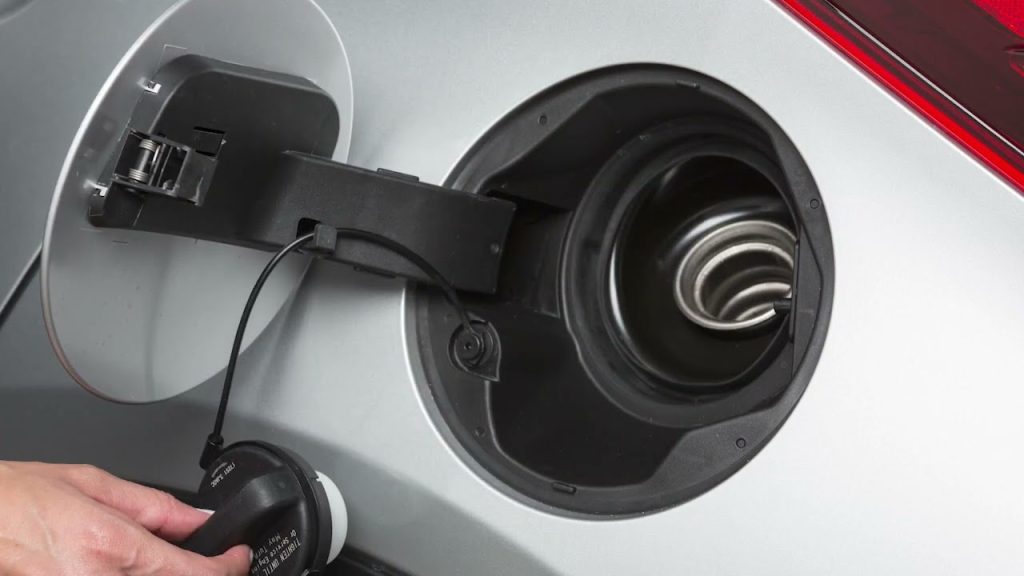
Do not force the fuel door open with a screwdriver or other tool. Doing so can scratch the paint, break the hinge, damage the locking mechanism, or create a more expensive repair. If the manual release does not work, contact roadside assistance or a qualified technician.
Before a long trip, it is worth checking where this release is located. A driver who knows how to access it can solve a frustrating fuel-door problem quickly and continue the journey with far less delay.
5. Tire Pressure Monitoring System Reset and Spare-Tire Information
A tire-pressure warning light can appear suddenly during a trip, and many drivers assume it always means a tire has gone flat. Sometimes the problem is a slow leak, a major temperature change, or a sensor that needs to be reset after tire service.
The vehicle’s tire-pressure monitoring system can help identify which tire needs attention, but its full usefulness depends on knowing how the system works in that specific vehicle.
Some cars show the pressure reading for each tire directly in the instrument cluster or infotainment screen. This lets the driver compare all four tires and determine whether one is losing air more quickly than the others.
If a reading is much lower than the recommended pressure listed on the driver’s door-jamb label, the vehicle should be stopped safely and inspected. Do not rely on the number printed on the tire sidewall, because that is usually the maximum pressure rather than the correct operating pressure.
Many vehicles also hide important spare-tire information under the cargo floor. The spare may be a full-size wheel, a compact temporary spare, or a tire-inflation kit.
A compact spare has speed and distance limits, while an inflation kit may not work if the tire sidewall is damaged. Learning what your vehicle carries before a breakdown helps you make a safer decision.
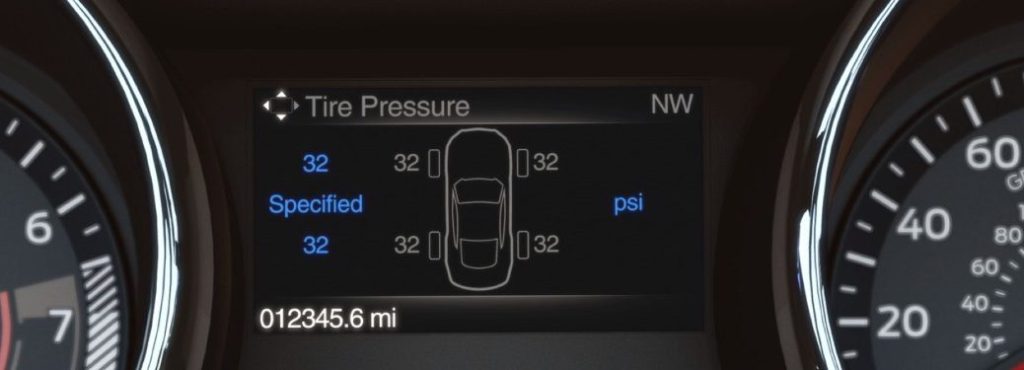
After adding air or replacing a tire, some vehicles require a TPMS reset through the steering-wheel controls or infotainment menu. Others reset automatically after driving for a short distance. Check the owner’s manual so the warning light is not ignored after the tire problem has been corrected.
6. Hidden 12-Volt Jump-Start Terminals
Not every vehicle keeps its 12-volt battery in the engine bay. In many modern cars, the battery is located under the rear seat, inside the trunk, beneath the cargo floor, or in another protected area. This can make a dead-battery situation confusing because a driver may open the hood and see no obvious battery terminals.
Manufacturers often provide hidden jump-start terminals under the hood. These are designed to give roadside assistance or another driver a safe place to connect jumper cables or a portable jump pack.
The positive terminal is usually covered by a red cap marked with a plus symbol. The negative connection may be a designated metal grounding point on the body or engine bay rather than the battery itself.
Using the correct terminals matters. Connecting cables to the wrong point can cause sparks, damage electrical components, or create a safety risk.
Hybrid and electric vehicles need extra caution because they have high-voltage systems in addition to the normal 12-volt battery. Only the marked low-voltage jump points should be used. Orange cables and components should never be touched.
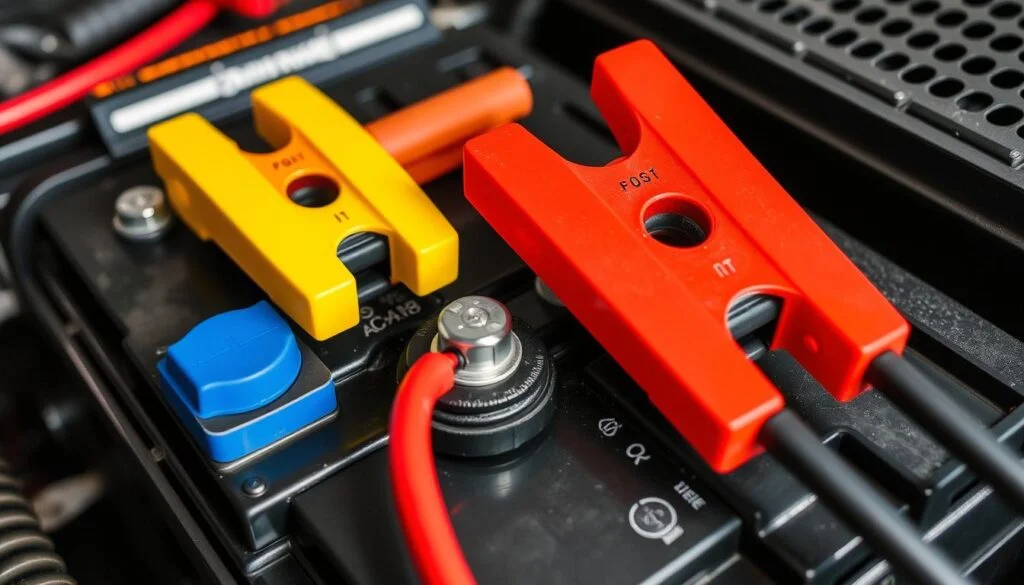
A driver should locate these terminals before an emergency happens. The owner’s manual will show the correct connection points and explain the proper jump-start procedure. It may also include warnings about whether the vehicle can be used to jump another car.
A portable jump pack can be especially useful, but it should be kept charged and stored securely. Knowing where the hidden terminals are can turn a dead battery from a long delay into a manageable roadside problem.
7. Electronic Parking Brake Service Mode
An electronic parking brake can be useful in daily driving, but it can create confusion during a roadside tire change or brake-related problem. Unlike a traditional handbrake, the system uses electric motors at the rear brakes. If the brake is engaged, some vehicles will not allow the rear wheels to move freely until the system is released correctly.
Many vehicles include a service mode that retracts or releases the electronic parking brake for maintenance. The procedure may involve holding the brake switch while pressing the start button, using a sequence through the instrument cluster, or selecting a maintenance option in the infotainment system. The exact steps vary by manufacturer, so the owner’s manual is essential.
This feature is useful when a technician needs to replace rear brake pads, but it can also matter during a roadside recovery. A tow operator may need the parking brake released before loading the vehicle onto a flatbed.
If the 12-volt battery is dead, the electronic brake may remain engaged, making recovery more difficult. Some vehicles provide a manual emergency release cable, though this is not common.
Drivers should never attempt to force the rear wheels to move when the electronic parking brake is applied. Doing so can damage the brake motors, calipers, cables, or towing equipment.
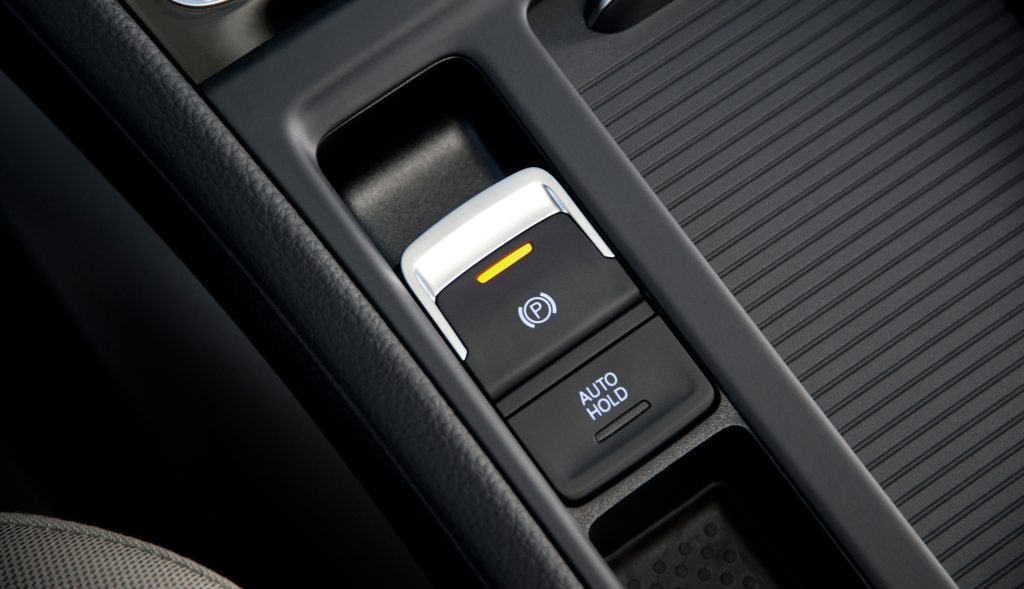
If the vehicle must be moved after a battery failure, tell the tow operator that it has an electronic parking brake and ask them to follow the manufacturer’s recovery instructions.
Learning whether your vehicle has a service mode, emergency release, or specific towing requirement can save time during a breakdown. It also helps prevent unnecessary damage when the car needs professional assistance.
8. Interior Trunk Release and Rear Seat Escape Access
A vehicle breakdown can become more serious if a driver or passenger is unable to exit normally after a collision, electrical failure, or damaged door lock. Many cars include an interior trunk release designed to provide an emergency escape route. It is usually a glow-in-the-dark handle located inside the trunk lid, making it easier to find in the dark.
This feature is commonly associated with safety situations involving someone trapped inside a trunk, but it can also be useful after a crash if the doors cannot be opened.
In hatchbacks, SUVs, and some sedans with folding rear seats, the trunk area may connect to the passenger compartment. Knowing how the rear-seat release works can provide another way to reach the cargo area or exit the vehicle if needed.
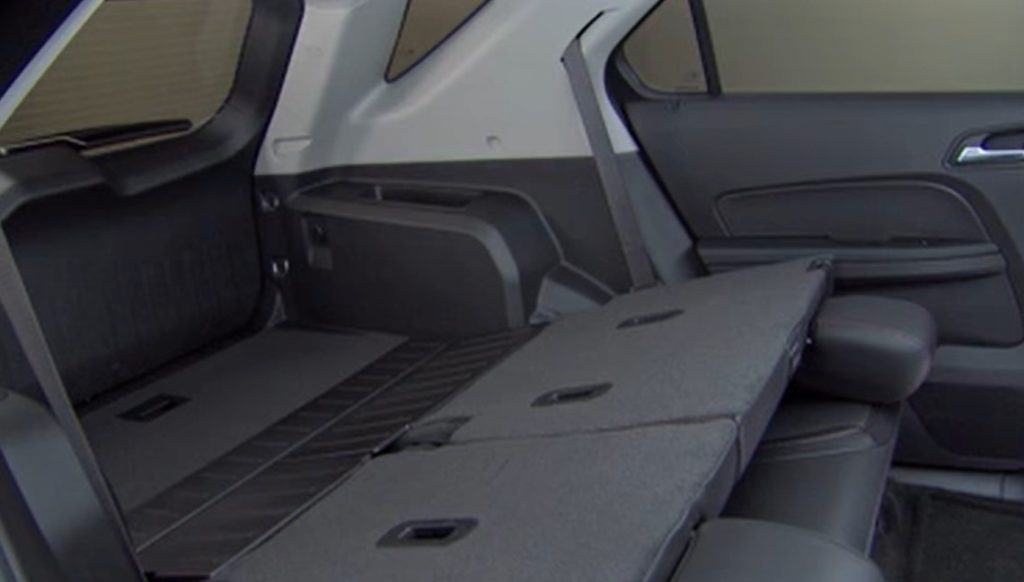
The rear-seat release handles are often located inside the trunk, on the upper edge of the seatbacks, or behind small pull tabs. Some vehicles allow the rear seats to fold from inside the cabin, while others require access from the cargo area. Drivers should check these features while the vehicle is parked safely and empty.
Do not use a trunk release as a substitute for leaving the vehicle through a safe door during a normal breakdown. If the car is stopped on a busy road, move away from traffic whenever it is safe to do so, call emergency services if there is danger, and wait in a protected location.
Understanding these hidden escape features can provide extra options during rare but serious emergencies.
Also Read: 10 Most Reliable Trucks Of The Last Decade & RANKED
