
For decades, Lamborghini has represented the pinnacle of automotive performance. The brand’s dramatic styling, exotic engines, and breathtaking acceleration have made it a dream for enthusiasts around the world.
Yet modern performance technology has created an interesting reality: outright speed is no longer reserved exclusively for six-figure supercars. In fact, there are several vehicles available on the used market for less than $50,000 that can accelerate as quickly as, or even faster than, certain Lamborghini models.
This does not mean these vehicles offer the same exotic ownership experience. Lamborghinis still deliver exclusivity, theatrical design, and emotional appeal that few manufacturers can match.
However, when acceleration numbers become the primary measurement, a surprising number of performance cars can challenge or surpass some Lamborghinis while costing a fraction of the price.
Advancements in turbocharging, launch control systems, all-wheel-drive technology, and electric propulsion have dramatically changed the performance landscape.
Cars once considered ordinary sports coupes, muscle cars, sedans, and electric vehicles now produce acceleration figures that would have seemed impossible just a generation ago.
For this ranking, the focus is on vehicles that can realistically be found on the used market for under $50,000 while delivering acceleration capable of matching or beating various Lamborghini models from different eras. Some achieve this through brute-force horsepower, while others rely on sophisticated traction systems or instant electric torque.
Here are ten cars that prove supercar-rivaling speed does not always require a supercar budget.
Also Read: 8 Used Sedans Under $20,000 Ranked by Real Ownership Cost
1. Tesla Model 3 Performance (2019-Present)
The Tesla Model 3 Performance changed expectations regarding what an affordable performance car could achieve. Unlike traditional sports cars that rely on high-revving engines and dramatic exhaust notes, the Model 3 Performance uses electric motors to deliver immediate acceleration that rivals vehicles costing several times as much.
What makes the Tesla particularly impressive is the consistency of its performance. Press the accelerator, and maximum torque becomes available almost instantly.
There is no waiting for a transmission downshift, no turbocharger lag, and no interruption in power delivery. The result is a launch that feels startlingly aggressive even for experienced performance-car drivers.
Many used examples now fall comfortably below the $50,000 threshold while still offering acceleration figures capable of embarrassing older Lamborghinis.
Depending on the model year and battery configuration, the Model 3 Performance can reach 60 mph in roughly 3.1 seconds. That places it ahead of several Lamborghini models produced during the early and mid-2000s.
Its performance advantage extends beyond straight-line speed. The low center of gravity created by the battery pack improves handling stability, while all-wheel drive helps maximize traction during hard launches. Every day, practicality remains another strength.
Unlike many exotic cars, the Tesla comfortably serves as a commuter vehicle while retaining astonishing acceleration.
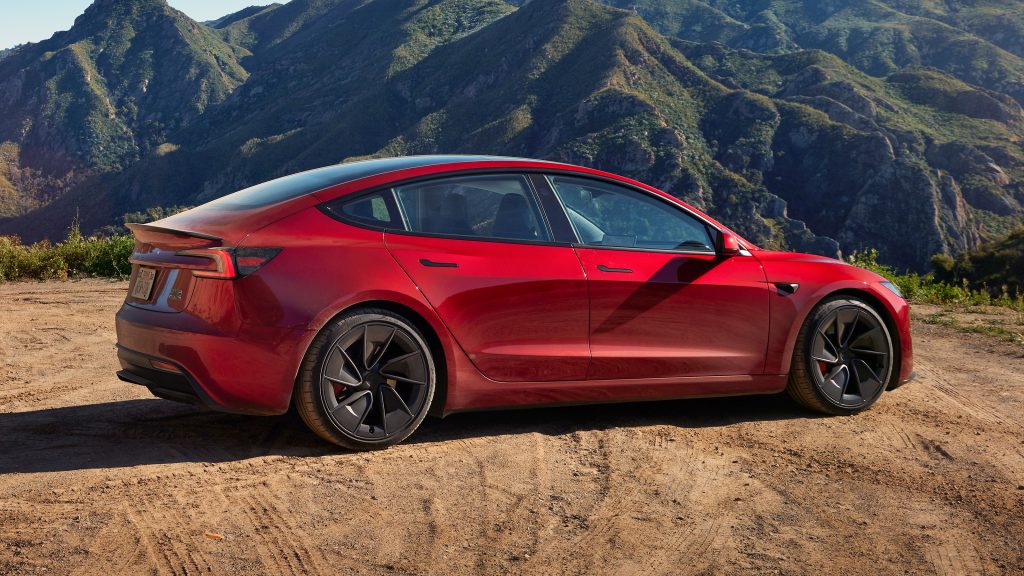
Critics may argue that electric performance lacks the emotional character of a naturally aspirated V10 or V12, and that criticism is understandable. Nevertheless, numbers do not lie. In pure acceleration terms, the Model 3 Performance delivers supercar-level results at a fraction of the cost.
For buyers focused on speed rather than badge prestige, few vehicles offer a greater performance bargain.
Specifications
- Engine: Dual Electric Motors
- Torque: 487 lb-ft
- Horsepower: 450 hp
- Length/Width: 184.8 in / 72.8 in
2. Chevrolet Corvette C7 Stingray (2014-2019)
The seventh-generation Corvette demonstrated once again why Chevrolet’s flagship sports car remains one of the greatest performance values in automotive history.
By combining a powerful naturally aspirated V8 with lightweight construction and advanced chassis engineering, the C7 delivered acceleration capable of challenging exotic machinery from Europe.
Unlike some vehicles on this list that rely heavily on technology, the Corvette achieves its speed through traditional American performance principles.
A large-displacement V8 produces abundant torque across the rev range, creating effortless acceleration from virtually any speed. The result is a driving experience that feels both raw and highly rewarding.
Many well-maintained C7 Stingray examples now trade below $50,000, placing remarkable performance within reach of buyers who might otherwise assume exotic-car acceleration is unattainable.
With launch control engaged, the Corvette can sprint to 60 mph in approximately 3.7 seconds, putting it squarely in competition with several older Lamborghini models.
Another reason enthusiasts continue to gravitate toward the C7 is its balance. Straight-line performance is only part of the story. Precise steering, strong braking capability, and impressive chassis composure make the Corvette an exceptional all-around sports car rather than a simple drag-racing machine.
Ownership costs also tend to be far more manageable than those associated with exotic vehicles. Maintenance, parts availability, and servicing are generally less intimidating than what Lamborghini owners often encounter.
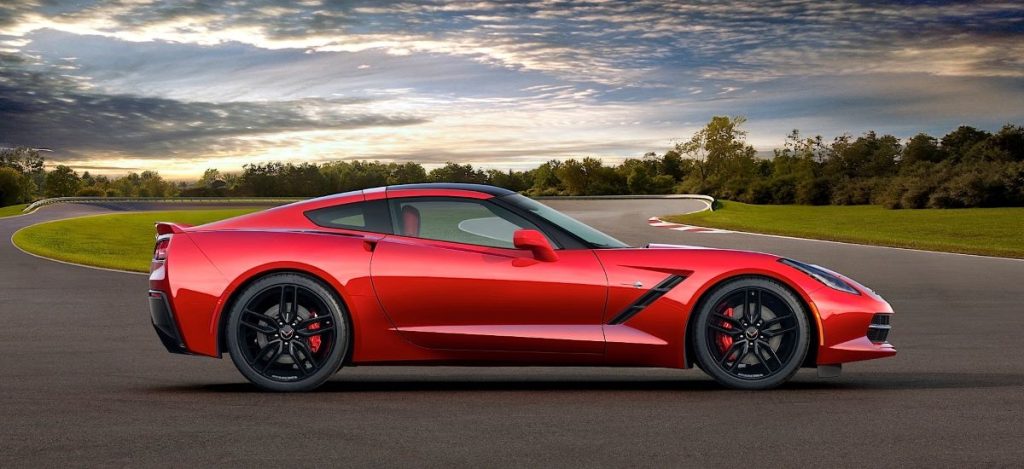
The C7 Stingray proves that speed does not require exotic branding. It delivers genuine supercar-level performance while maintaining the usability and reliability expected from a mainstream manufacturer. For performance enthusiasts seeking maximum acceleration per dollar, it remains one of the strongest values on the used market.
Specifications
- Engine: 6.2L LT1 V8
- Torque: 460 lb-ft
- Horsepower: 455 hp
- Length/Width: 176.9 in / 73.9 in
3. Nissan GT-R R35 (Early Model Years)
The Nissan GT-R earned the nickname “supercar killer” for a reason. When it arrived, it immediately challenged vehicles costing two and three times as much, delivering acceleration figures that forced the automotive world to reconsider what performance value truly meant.
While newer GT-Rs often exceed the $50,000 threshold, earlier examples have begun appearing within reach of buyers shopping in this price range.
What separates the GT-R from many performance cars is the sophistication of its engineering. Rather than relying solely on horsepower, Nissan developed a highly advanced all-wheel-drive system capable of putting immense power to the pavement with remarkable efficiency.
Launches feel violent yet controlled, with minimal wheelspin and relentless forward momentum.
The twin-turbocharged 3.8-liter V6 became legendary for its tuning potential, but even in factory form, it delivered astonishing performance. Early R35 models could sprint to 60 mph in roughly 3.3 seconds, making them quicker than numerous Lamborghini models from the early 2000s and competitive with some much newer exotics.
The GT-R’s appeal extends beyond acceleration. High-speed stability is exceptional, and the car feels remarkably planted during aggressive driving. On winding roads, the intelligent drivetrain continuously manages power distribution to maximize grip and driver confidence.
Unlike traditional exotic cars that often prioritize style over practicality, the GT-R retains a degree of usability. The cabin provides reasonable comfort, cargo space is surprisingly functional, and daily driving is entirely realistic for committed enthusiasts.
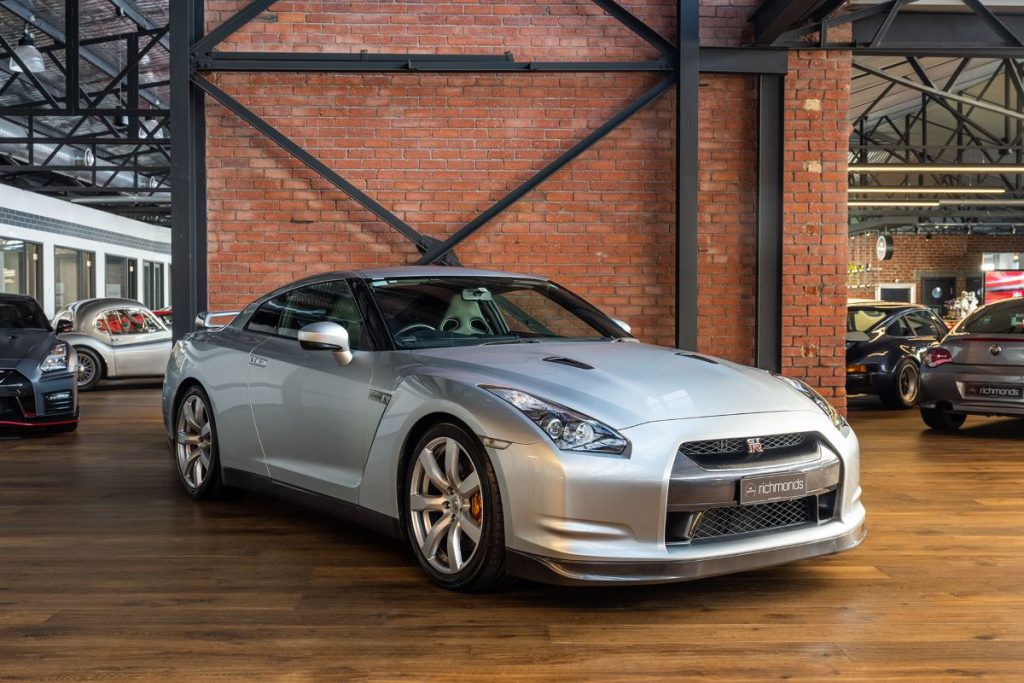
Its combination of technology, performance, and relative affordability helped redefine the performance-car market.
Even years after its debut, the GT-R remains one of the most respected examples of engineering efficiency. For buyers seeking exotic-level acceleration without an exotic purchase price, few vehicles have built a stronger reputation.
Specifications
- Engine: 3.8L Twin-Turbocharged V6
- Torque: 434 lb-ft
- Horsepower: 480 hp
- Length/Width: 183.9 in / 74.6 in
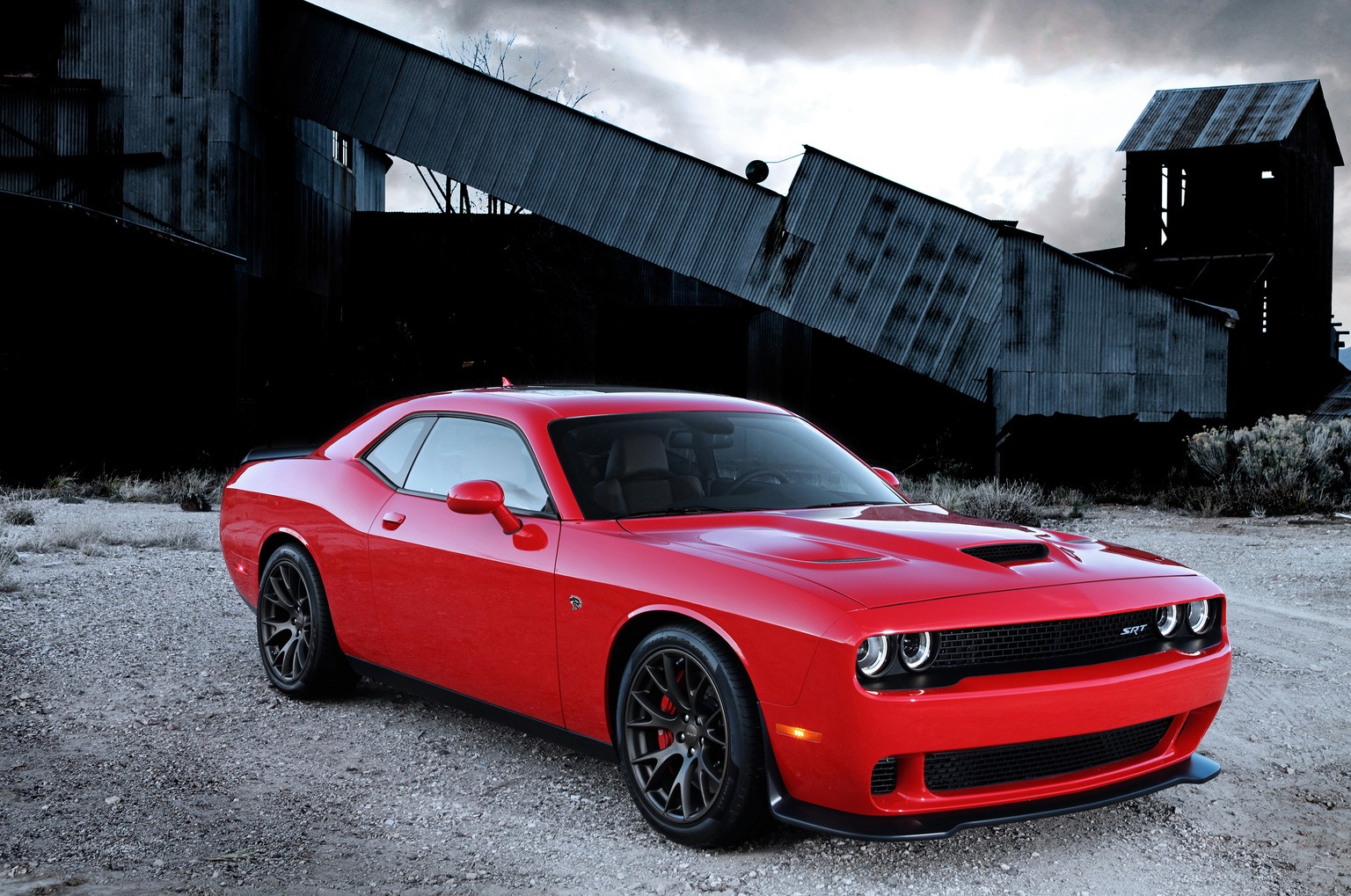
4. Dodge Challenger SRT Hellcat (2015-2018)
Where some performance cars rely on sophisticated electronics and lightweight construction, the Challenger Hellcat follows a completely different philosophy.
Dodge approached the performance challenge with unapologetic excess, installing a supercharged V8 capable of producing power figures that were almost unbelievable when first announced.
The result was a muscle car that delivered acceleration capable of embarrassing many exotic vehicles. Under the hood sits a supercharged 6.2-liter HEMI V8 producing more than 700 horsepower. Press the accelerator aggressively, and the Hellcat responds with a level of force that few vehicles in its price range can match.
Used examples from the early production years have gradually become attainable for buyers shopping near the $50,000 mark. That creates an unusual situation where one of the most powerful production cars of its era becomes accessible to enthusiasts without exotic-car budgets.
Acceleration is only part of the experience. The supercharger whine, thunderous exhaust note, and seemingly endless torque create a personality unlike anything else on this list. While some Lamborghinis impress through precision and refinement, the Hellcat wins attention through sheer drama and overwhelming power.
Its size and weight prevent it from matching lighter sports cars on technical roads, but in a straight-line performance contest,s the Hellcat remains a formidable opponent. A properly launched example can reach 60 mph in the mid-three-second range, putting it firmly within supercar territory.
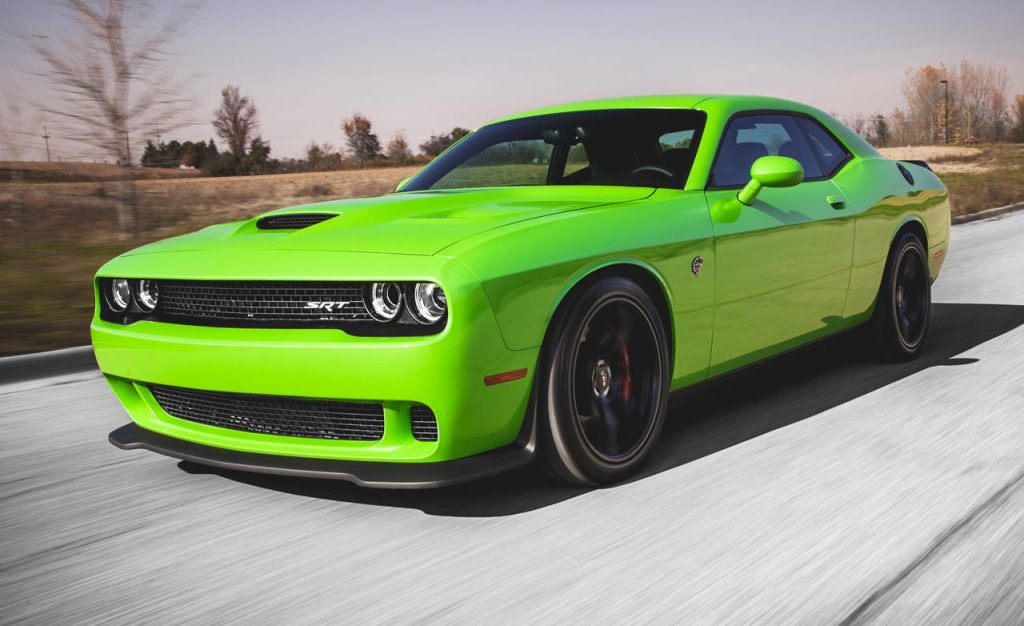
The Challenger Hellcat represents a uniquely American interpretation of high performance. It may not possess the exotic styling or exclusivity of a Lamborghini, but when measured by acceleration alone, it offers astonishing capability for the money.
Specifications
- Engine: 6.2L Supercharged HEMI V8
- Torque: 650 lb-ft
- Horsepower: 707 hp
- Length/Width: 197.9 in / 75.7 in
5. Porsche 911 Turbo (997 Generation)
Few vehicles have built a performance reputation as consistently as the Porsche 911 Turbo. While many sports cars achieve greatness during a single generation, the 911 Turbo has spent decades setting benchmarks for speed, engineering, and everyday usability.
The 997-generation model remains one of the most compelling bargains in the used performance-car market.
At first glance, the 997 Turbo appears understated compared with flamboyant supercars. Its shape follows the familiar 911 formula rather than chasing dramatic visual statements. Yet beneath that relatively restrained exterior lies a machine capable of extraordinary acceleration.
Power comes from a twin-turbocharged flat-six engine that delivers thrust with remarkable efficiency. Combined with Porsche’s sophisticated all-wheel-drive system, the car launches with tremendous confidence and very little wasted motion.
While many powerful rear-wheel-drive cars struggle for traction, the 997 Turbo simply hooks up and surges forward.
Performance figures remain impressive even by modern standards. A properly maintained example can reach 60 mph in roughly 3.4 seconds, placing it ahead of several Lamborghini models from previous generations.
More importantly, the acceleration feels effortless. The vehicle gathers speed with a smoothness and composure that few competitors can replicate.
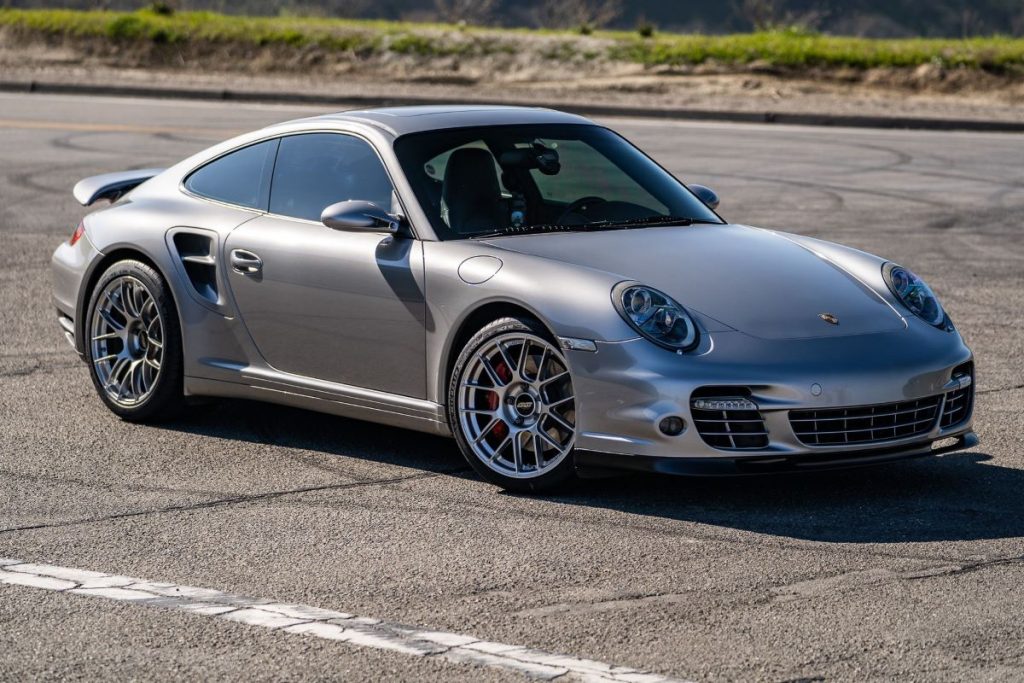
Another advantage is versatility. The 997 Turbo can function as a comfortable grand tourer, a weekend sports car, or a track-day machine without feeling compromised in any role. Build quality is exceptional, and many owners praise the car’s durability when properly maintained.
Unlike some performance bargains that require significant sacrifices, the 997 Turbo delivers exotic-level speed wrapped in a package known for precision engineering and everyday practicality. It remains one of the strongest examples of how a carefully engineered sports car can rival much more expensive supercars.
Specifications
- Engine: 3.6L Twin-Turbocharged Flat-6
- Torque: 460 lb-ft
- Horsepower: 480 hp
- Length/Width: 174.3 in / 71.2 in
6. Chevrolet Camaro ZL1 (2012-2015)
The fifth-generation Camaro ZL1 arrived with a mission that was impossible to misunderstand. Chevrolet wanted a car capable of challenging world-class performance machines while maintaining the character of a traditional American muscle car. The result was a vehicle that combined massive power with surprising sophistication.
At the heart of the ZL1 sits a supercharged 6.2-liter V8 producing an immense amount of horsepower and torque. Unlike earlier muscle cars that often prioritized straight-line speed at the expense of handling, the ZL1 received extensive chassis upgrades designed to improve performance in every environment.
Acceleration is immediate and relentless. The supercharged engine delivers power throughout the rev range, allowing the Camaro to launch aggressively and continue pulling hard well into triple-digit speeds.
Properly driven examples can reach 60 mph in approximately four seconds, with some conditions producing even quicker results.
One of the most impressive aspects of the ZL1 is how effectively it manages its performance. Magnetic Ride Control technology continuously adjusts suspension settings, helping the vehicle remain composed whether cruising on highways or attacking corners. This balance separates it from many traditional muscle cars.
The aggressive styling also contributes to its appeal. Large air intakes, widened bodywork, and purposeful aerodynamic elements make it clear that the ZL1 is something special. It possesses the visual presence expected from a car capable of competing with much more expensive machinery.
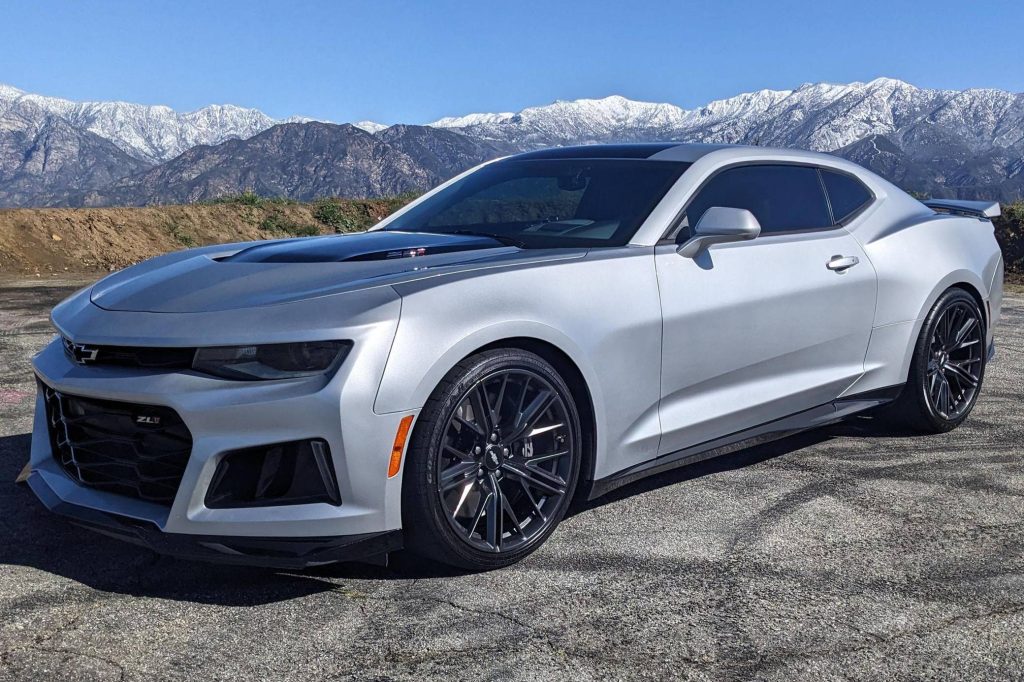
Today, early ZL1 models often fall comfortably below the $50,000 mark, creating an attractive opportunity for enthusiasts seeking extreme performance.
The combination of supercharged V8 power, advanced suspension technology, and serious acceleration makes the Camaro ZL1 one of the most compelling performance bargains available.
Specifications
- Engine: 6.2L Supercharged V8
- Torque: 556 lb-ft
- Horsepower: 580 hp
- Length/Width: 190.4 in / 75.5 in
7. BMW M5 Competition (F90)
The BMW M5 Competition represents a very different path to supercar-rivaling speed. Unlike purpose-built sports cars that sacrifice practicality in pursuit of performance, the M5 hides extraordinary acceleration beneath the appearance of a luxury executive sedan.
To the casual observer, it may look like a comfortable business vehicle. In reality, it possesses performance capable of surprising some of the world’s most exotic machinery.
BMW transformed the M5 formula with the F90 generation by introducing an advanced all-wheel-drive system. Previous M5 models relied on rear-wheel drive, often struggling to fully utilize their immense power during hard launches.
The new drivetrain changed everything, allowing the sedan to deploy its twin-turbocharged V8 with remarkable efficiency.
Acceleration is nothing short of astonishing. Launch control produces explosive starts that push occupants firmly into their seats. The vehicle can sprint to 60 mph in roughly three seconds, placing it in direct competition with supercars and ahead of numerous Lamborghini models from previous eras.
What makes this achievement especially impressive is the setting in which it occurs. The cabin remains luxurious, spacious, and quiet during normal driving. Heated seats, advanced infotainment systems, premium materials, and generous rear-seat accommodations create an environment completely unlike that of a traditional exotic car.
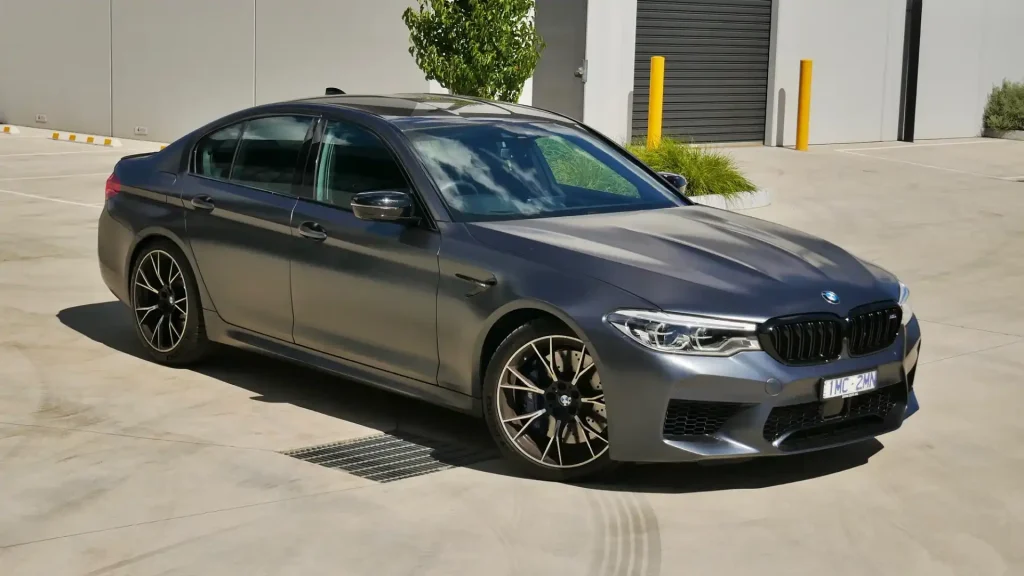
Another advantage is versatility. One moment, the M5 behaves like a refined luxury sedan; the next, it becomes a high-performance machine capable of extraordinary speed. Few vehicles manage such a dramatic transformation so effectively.
As values continue to decline, certain higher-mileage examples are beginning to approach the upper limits of this budget range. For buyers willing to shop carefully, the M5 Competition offers one of the most unusual combinations of practicality and supercar-level acceleration available today.
Specifications
- Engine: 4.4L Twin-Turbocharged V8
- Torque: 553 lb-ft
- Horsepower: 617 hp
- Length/Width: 195.5 in / 74.9 in
8. Audi RS7 Performance (C7)
Some performance cars announce their intentions immediately. Others prefer a more subtle approach. The Audi RS7 belongs firmly in the second category.
At first glance, it resembles a stylish luxury fastback designed for comfortable long-distance travel. Hidden beneath the elegant bodywork, however, is a powertrain capable of delivering astonishing speed.
The centerpiece of the RS7 Performance is a twin-turbocharged V8 that produces immense power while remaining remarkably refined. Combined with Audi’s renowned Quattro all-wheel-drive system, the engine transforms the car into a devastatingly effective acceleration machine.
What separates the RS7 from many traditional performance cars is the way it builds speed. Rather than feeling frantic or dramatic, the acceleration arrives with effortless authority. The vehicle simply gathers momentum at an incredible rate, making highway passing and high-speed cruising feel almost effortless.
Launch control reveals the car’s true capabilities. From a standstill, the RS7 can achieve acceleration figures that place it firmly within supercar territory. Several independent tests have recorded 0-to-60 mph times capable of matching or exceeding certain Lamborghini models while carrying four adults in comfort.
The interior reinforces the dual-purpose nature of the vehicle. Premium materials, advanced technology, supportive seating, and generous cargo capacity make it an excellent long-distance companion. Owners receive both luxury and performance without needing to choose one over the other.
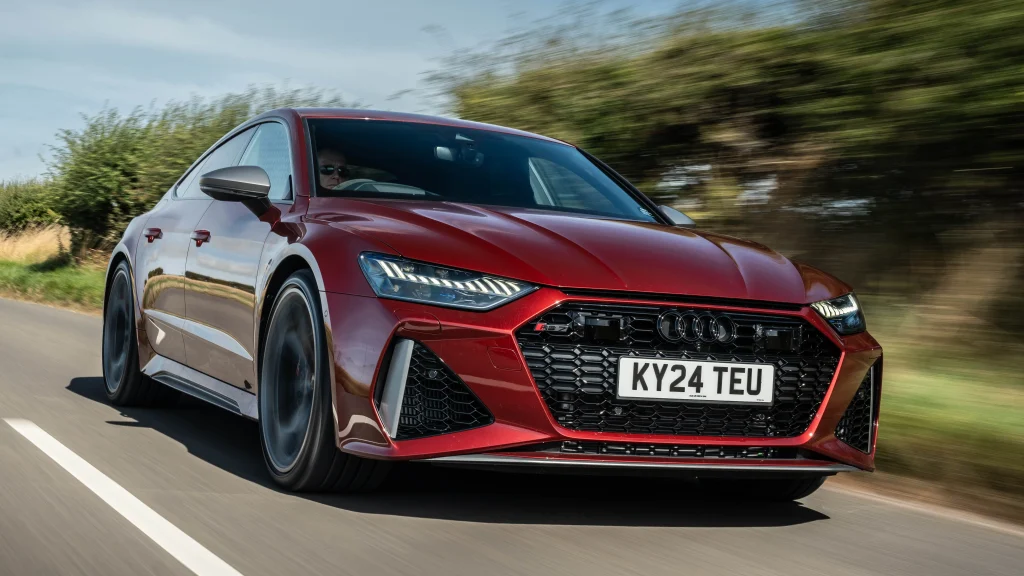
As depreciation continues working in favor of used-car buyers, early RS7 Performance models have become increasingly attainable. For enthusiasts seeking discreet speed, few vehicles offer such an effective combination of comfort, practicality, and breathtaking acceleration.
Specifications
- Engine: 4.0L Twin-Turbocharged V8
- Torque: 553 lb-ft
- Horsepower: 605 hp
- Length/Width: 197.2 in / 75.2 in
9. Cadillac CTS-V (Third Generation)
The third-generation Cadillac CTS-V arrived with a clear objective: challenge the world’s best high-performance sedans while delivering acceleration that could rival dedicated sports cars.
Rather than following the traditional luxury sedan formula, Cadillac engineers created a machine that blended executive comfort with extraordinary straight-line speed.
Power comes from a supercharged 6.2-liter V8 closely related to the engine found in the Corvette Z06. The result is a sedan capable of producing breathtaking acceleration whenever the driver demands it. Press the throttle and the CTS-V responds with an immediate surge of torque that feels almost endless.
Unlike many high-powered rear-wheel-drive vehicles, the CTS-V manages its performance surprisingly well. Advanced suspension systems, sophisticated traction management, and carefully engineered chassis tuning help keep the vehicle composed even when utilizing its full power output.
One of the most appealing aspects of the CTS-V is its dual personality. During everyday commuting, it functions as a refined luxury sedan complete with premium materials, comfortable seating, and modern technology.
Yet a quick press of the accelerator transforms the car into a serious performance machine capable of running alongside vehicles carrying far more prestigious badges.
Acceleration figures remain deeply impressive today. The CTS-V can launch from zero to sixty miles per hour in approximately 3.7 seconds, placing it ahead of several older Lamborghini models and within striking distance of much more expensive exotics.
As depreciation has lowered used-market prices, the CTS-V has become one of the most compelling performance bargains available. Buyers receive supercharged V8 power, genuine luxury, and supercar-level acceleration in a package that remains practical enough for daily use.
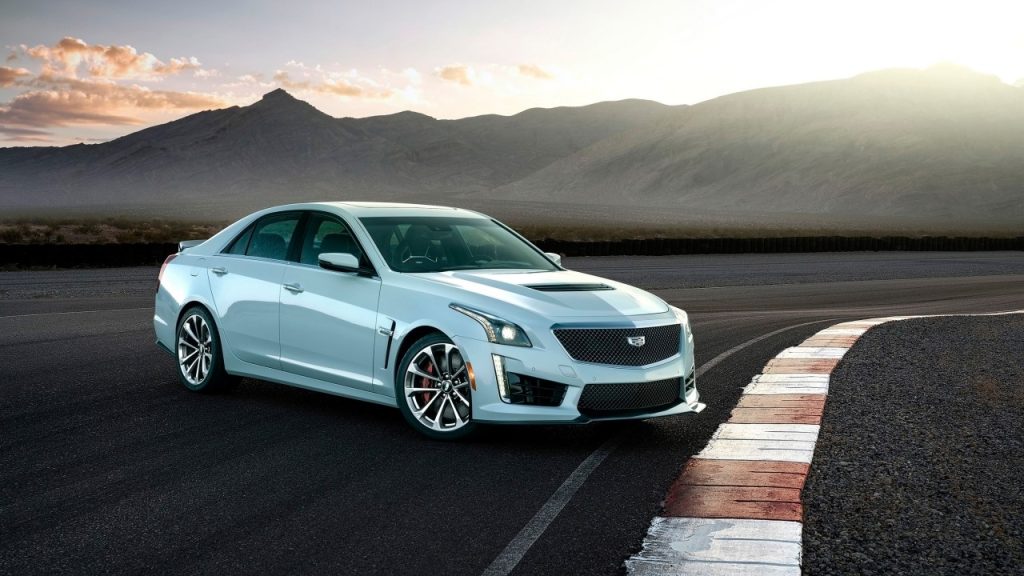
For enthusiasts seeking maximum performance per dollar, the CTS-V deserves serious consideration.
Specifications
- Engine: 6.2L Supercharged V8
- Torque: 630 lb-ft
- Horsepower: 640 hp
- Length/Width: 196.0 in / 72.2 in
10. Mercedes-AMG E63 S (W213)
The Mercedes-AMG E63 S serves as proof that modern performance engineering can achieve astonishing results. On paper, it appears to be a luxury sedan designed for comfortable travel. In practice, it possesses acceleration capabilities that would have embarrassed many supercars only a decade ago.
The vehicle’s twin-turbocharged V8 generates enormous power, but the true secret lies in how effectively that power reaches the pavement.
Mercedes paired the engine with a sophisticated all-wheel-drive system that maximizes traction during hard launches. The result is a sedan capable of delivering acceleration that feels almost unreal for a vehicle of its size.
Launch control transforms the E63 S into a missile. The car explodes away from a standstill with remarkable violence, reaching 60 mph in roughly three seconds. That level of performance places it firmly among machines traditionally considered exotic, despite offering four doors, a spacious cabin, and everyday usability.
The driving experience differs from many sports cars on this list. Rather than demanding constant attention, the E63 S remains relaxed and comfortable during normal operation. Long-distance trips are effortless, and passengers enjoy a level of refinement that few performance vehicles can match.
Another strength is versatility. Adjustable driving modes allow the car to shift between luxury cruiser and high-performance weapon within moments. Owners effectively receive multiple vehicles in one package.
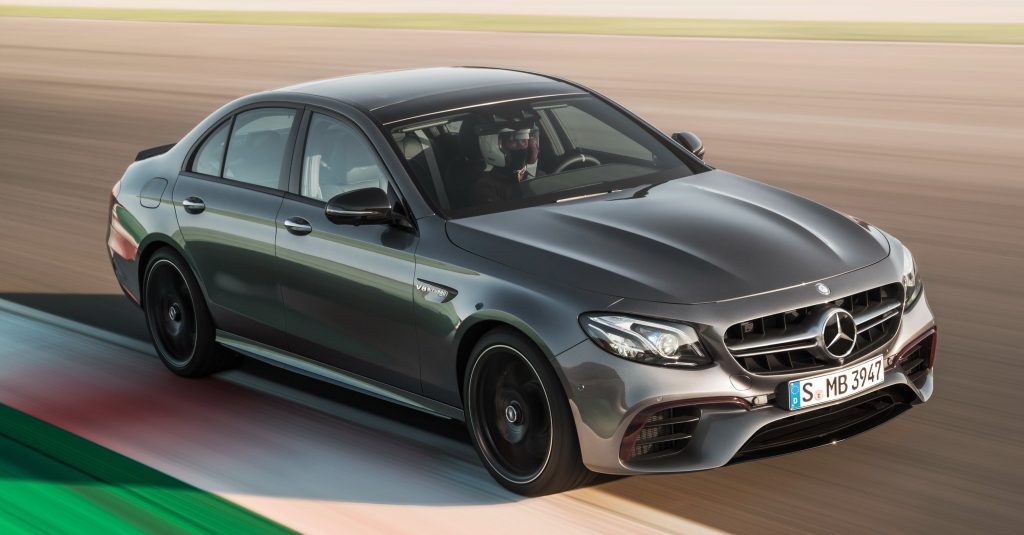
While finding an E63 S below $50,000 requires patience and careful shopping, higher-mileage examples are increasingly approaching that territory. For buyers fortunate enough to secure one within budget, the reward is extraordinary.
Its combination of luxury, technology, practicality, and acceleration makes it one of the most impressive performance sedans ever produced and a worthy conclusion to this list.
Specifications
- Engine: 4.0L Twin-Turbocharged V8
- Torque: 627 lb-ft
- Horsepower: 603 hp
- Length/Width: 193.8 in / 73.0 in
Also Read: 10 Car Brands With The Lowest Repair Costs
