
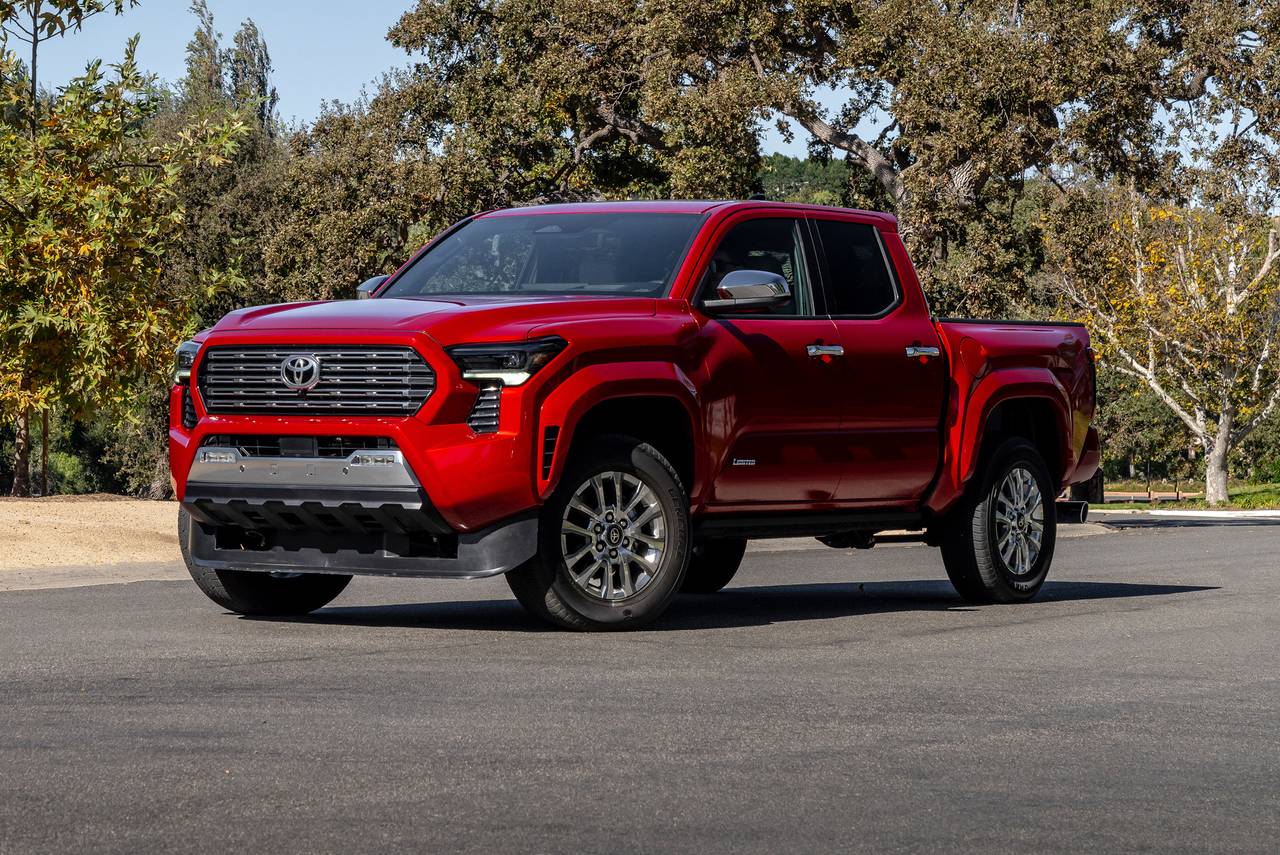
The Toyota Tacoma has earned its reputation by being more than a simple midsize pickup truck. It is built for drivers who need a vehicle that can commute during the week, carry equipment when work calls, tow recreational gear, and handle rough trails without feeling fragile.
Yet many Tacoma owners use only the most obvious parts of the truck. They know the bed is useful, the four-wheel-drive system can be capable, and the cabin has modern technology, but several practical details are easy to miss.
The latest Tacoma generation adds features that are designed to make daily ownership easier, especially for people who haul cargo, camp, tow, or travel off the pavement. Some are physical details hidden around the tailgate, bed, dashboard, and storage areas.
Others are settings that can improve visibility, charging convenience, or vehicle control. Their usefulness can depend on the trim level, cab style, drivetrain, and optional equipment, so owners should always check their specific Tacoma’s manual before trying a feature.
This guide focuses on the lesser-known functions that can make a Tacoma more useful after purchase. From a tailgate that can respond to a knee lift to a bed camera that helps keep cargo in view, these features show that the truck has been designed with real work and outdoor use in mind.
Also Read: 10 Trucks That Held Their Value Better Than Most Over the Last Decade
1. Power Tailgate Controls Hidden Beside The Taillights
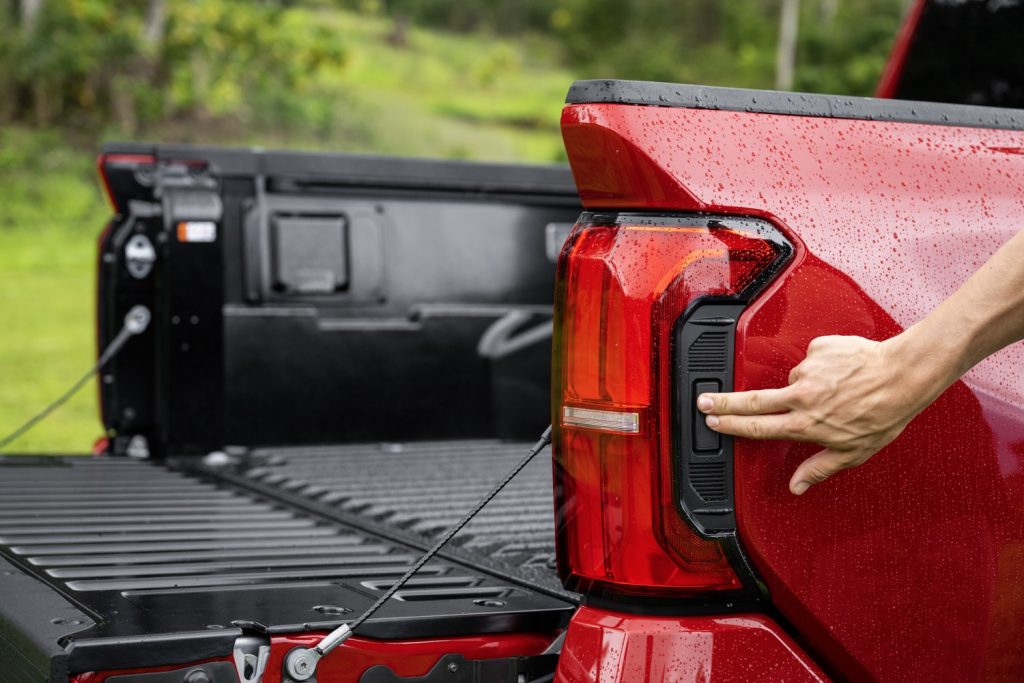
One of the easiest Tacoma features to overlook is located outside the cabin, close to the rear lamps. On properly equipped models, Toyota places tailgate controls near the taillight area rather than making the driver return to the key fob or the front seat.
This arrangement can be extremely useful when both hands are occupied with a toolbox, camping cooler, grocery bags, or recovery equipment.
The available power tailgate can open and close electronically, reducing the effort required to handle the large aluminum panel.
Toyota also includes jam protection, which is intended to stop the tailgate if it encounters resistance while closing. That extra protection matters when children, pets, cargo straps, or loose gear are near the rear of the truck.
A particularly useful function is the hands-free closing feature. Instead of dropping cargo and using both hands to lift the tailgate, the driver can begin the process by gently pushing the tailgate upward with a knee.
The truck then takes over and closes it. This is helpful after loading heavy items, especially when a person is standing close to the bumper with limited space to move.
Owners should still keep the tailgate path clear and avoid relying on the system as a substitute for checking behind the truck. The function is designed for convenience, not careless operation.
It is also important to remember that this equipment is not standard on every Tacoma trim, so checking the vehicle’s feature list is necessary before assuming the truck has power operation.
2. Bed-View Camera For Watching Cargo While Driving
Pickup beds are useful because they can carry awkward, dirty, oversized, or heavy equipment that would never fit inside an SUV. The drawback is that cargo is often out of sight once the tailgate is shut and the truck begins moving.
Toyota addresses that problem with an available bed-view camera, a feature that many owners may not notice until they spend time working through the truck’s camera settings.
The bedview camera gives the driver a look at what is happening behind the cab. It can help confirm whether a cooler has shifted, whether a cargo net remains secure, or whether a motorcycle, generator, camping bin, or work equipment is still positioned properly.
This is especially useful when driving on rough roads, where bumps and body movement can loosen straps or cause smaller items to slide.
It should not replace proper loading practices. Heavy cargo should still be placed low and close to the cab whenever possible, while straps should be tightened through secure tie-down points. However, having a quick visual check can prevent a driver from discovering a problem only after stopping miles later.
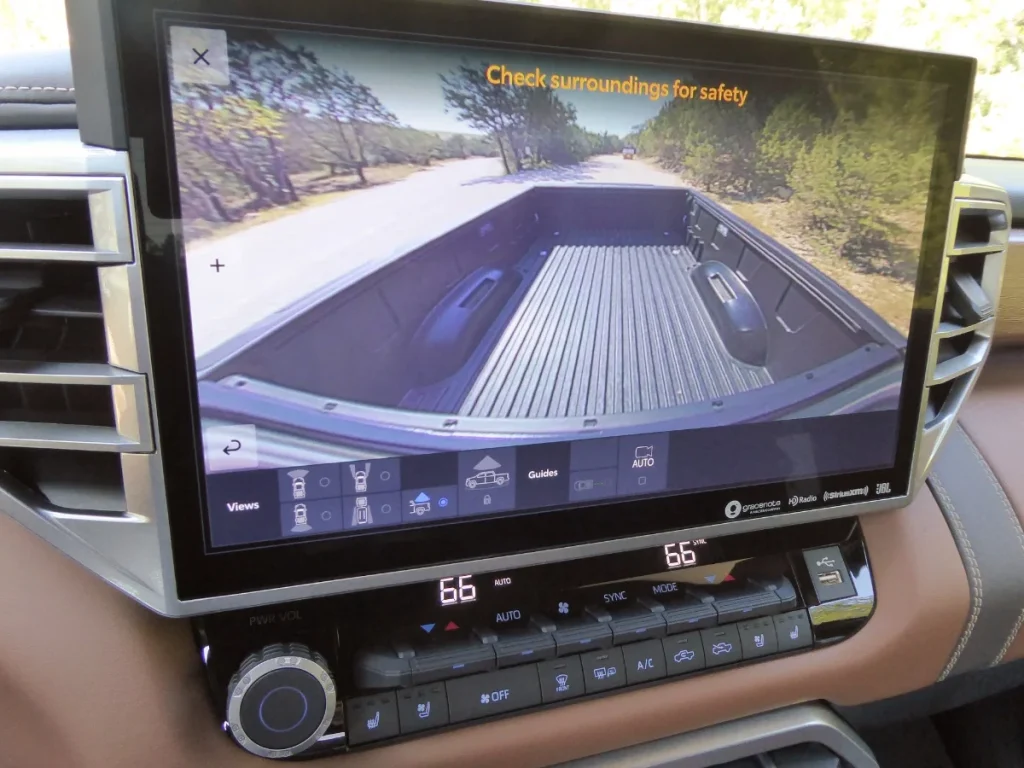
The feature can also be useful during trail trips. Muddy recovery boards, fuel cans, wet boots, and camping equipment often move around in the bed after a long day outside. Instead of pulling over repeatedly to inspect the load, the driver can use the camera system to make a fast check when conditions allow.
Availability varies by trim and equipment package, but for Tacoma owners who frequently use the bed, this camera can become one of the truck’s most practical hidden tools.
3. Rear Seat Storage Compartments That Stay Out Of Sight
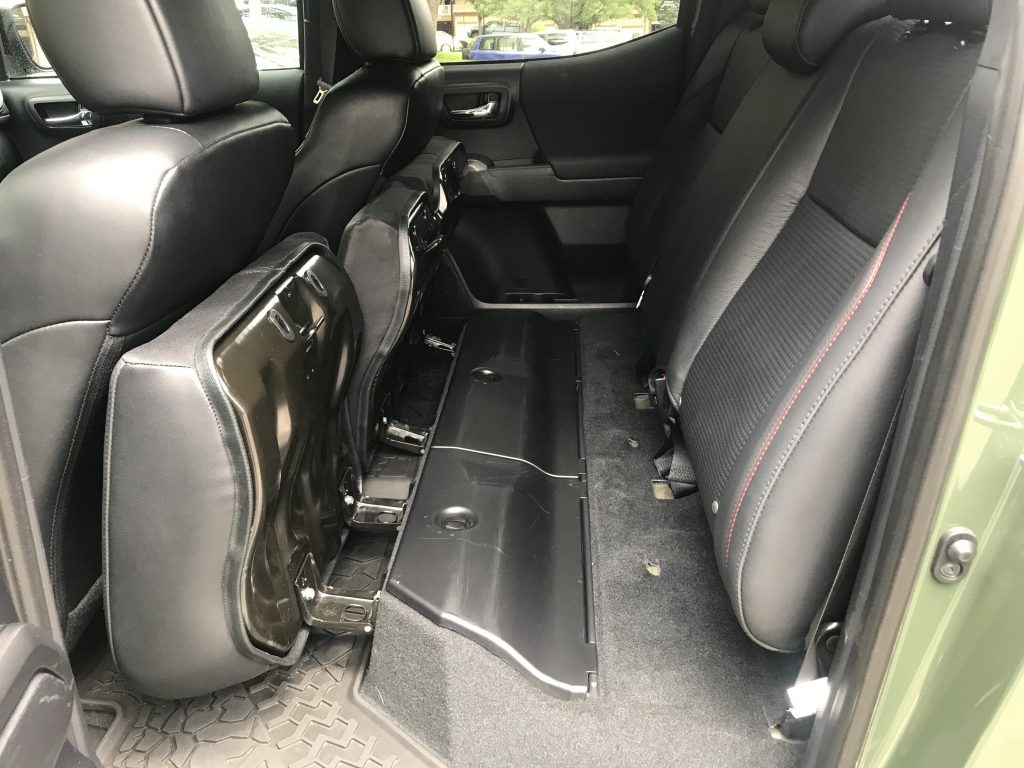
The Tacoma’s rear seating area can do more than carry passengers. In Double Cab gasoline models, Toyota designed the rear seats to flip and fold in a way that reveals storage space underneath and behind the seatback.
It is a useful solution for owners who do not want every item left in the truck bed, where tools, electronics, jackets, recovery gear, and groceries may be exposed to rain, dust, or theft.
This storage area works well for the items that are needed often but should not remain visible. A small first-aid kit, tire inflator, jumper cables, gloves, tow straps, flashlight, emergency water bottle, and compact tool kit can fit more securely inside the cabin than in the bed.
People who use their Tacoma for work can also store paperwork, safety equipment, measuring tools, or a laptop bag away from public view.
The folding rear seatback creates another useful surface for carrying items that should remain clean. Camping bags, camera equipment, groceries, and smaller luggage can be placed inside rather than tied down outside.
That flexibility is valuable when the bed is already carrying muddy boots, firewood, construction supplies, or fuel containers.
Tacoma owners should avoid packing the storage spaces so tightly that the seats cannot return to their normal position.
It is also important to keep seat belts, child-seat anchors, and latching points clear. The exact layout differs between cab styles and model years, but this feature can make the Tacoma feel much more organized during daily use.
4. Prewired Auxiliary Switches For Future Accessories
Many truck owners eventually add accessories after buying their vehicle. Light bars, air compressors, bed lighting, ditch lights, portable refrigerators, winches, and communication equipment can make a Tacoma more useful, but wiring these items can become complicated.
Toyota provides an available solution through prewired auxiliary switches integrated into the dashboard.
These switches are especially helpful because they create a cleaner starting point for accessory installation. Instead of placing separate switches in random locations or running visible wires across the cabin, an owner can use factory-positioned controls that look like they belong in the truck.
The setup is designed to work with Toyota accessories and compatible aftermarket equipment, making it easier to create a more organized installation.
For an off-road owner, one switch could control auxiliary trail lights while another operates an air compressor. A camping-focused Tacoma driver may use the switches for bed scene lights, a powered cooler setup, or additional lighting around a roof rack. Work truck owners could use them for warning lights, job-site equipment, or a bed-mounted utility system.
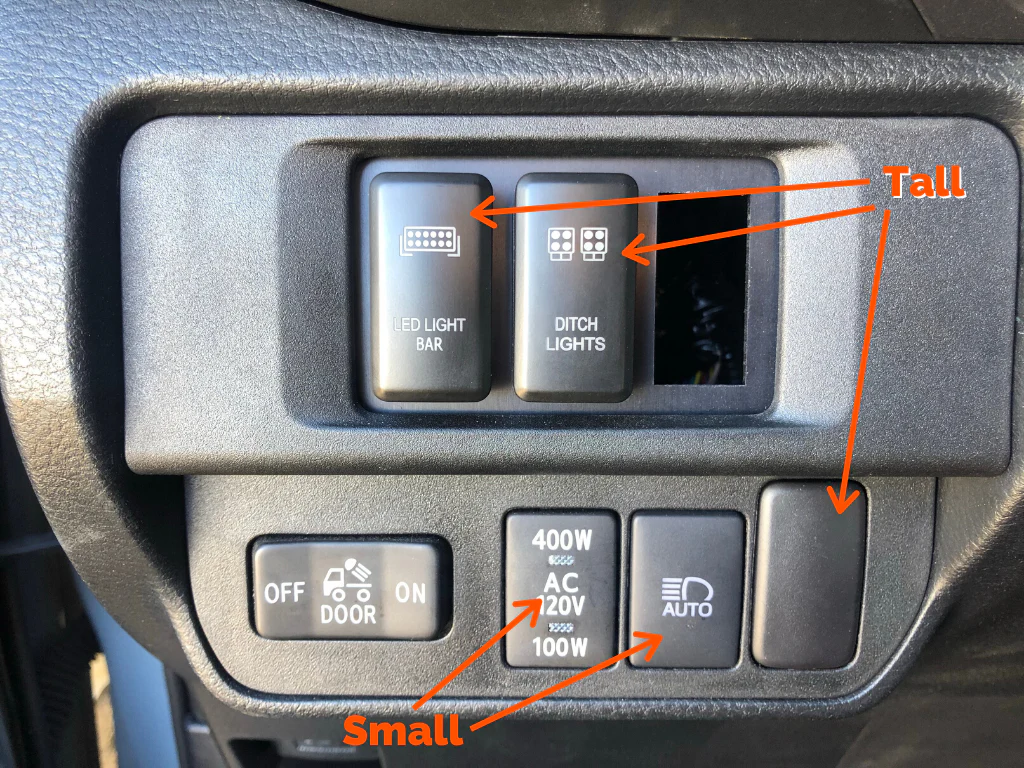
The feature does not mean every accessory can be installed without planning. Electrical loads still need to be checked carefully, and equipment should be installed by someone who understands proper fusing, wiring routes, and water protection. Using poor-quality wiring can create reliability problems and may damage vehicle electronics.
Still, the auxiliary switch system gives Tacoma owners a more professional foundation for customization. It allows the truck to grow with the owner’s needs while keeping the dashboard cleaner and easier to operate.
5. 2400-Watt Power Supply For Tools And Camping Equipment
A Tacoma can become more than transportation when it is equipped with the available 2400-watt AC power supply. This feature is standard on hybrid Tacoma models and sends usable electricity to outlets in both the cabin and the cargo bed.
It can be easy to overlook because the outlets blend into the truck’s utility-focused design, but they can change how the vehicle is used during workdays, road trips, camping weekends, and outdoor events.
Instead of relying only on small USB ports or carrying a separate portable generator, owners can power compatible equipment directly from the truck. A campsite can use electric lights, a compact fan, a portable refrigerator, charging equipment, or a small coffee maker.
At a work site, the outlet may be useful for charging battery-powered tools, running a laptop, powering lights, or operating smaller electrical equipment when a conventional outlet is unavailable.
The bed-mounted outlet is particularly practical because it keeps extension cords outside the cabin. This allows the Tacoma to function as a mobile base without forcing users to run wires through a door or window. It can also help when tailgating, fishing, or spending long hours at a remote location.

Drivers should always check the wattage requirements of anything they connect. Equipment that exceeds the system’s capacity can cause the power supply to shut down or may not operate properly.
Water exposure should also be avoided, even when using outdoor-rated equipment. With sensible use, this hidden utility feature makes the hybrid Tacoma far more useful beyond ordinary driving.
6. Multi-Terrain Monitor That Shows Obstacles Around The Truck
Off-road driving can become difficult when rocks, deep ruts, tree roots, and uneven ground disappear below the hood line. The available Multi-Terrain Monitor gives Tacoma drivers a better view of the area around the truck through front, rear, and side camera angles.
It is not merely a parking camera system. It is designed to help the driver judge obstacles that may be hidden from the seat.
On a narrow trail, the side camera view can help show whether a wheel is approaching a rock or whether the truck has enough room beside a tree.
The front view is valuable when climbing over uneven terrain because the hood can block the driver’s view of what is directly ahead. A rear view can help when backing out of a difficult section, lining up with a trailer, or avoiding a drop-off near the truck bed.
The system is especially helpful for newer off-road drivers who are still learning where the Tacoma’s tires are positioned. Rather than guessing whether the truck will clear an obstacle, the driver can use the camera display to make a more informed decision.
It can reduce unnecessary contact with rocks, protect the underbody, and make slow trail driving less stressful.
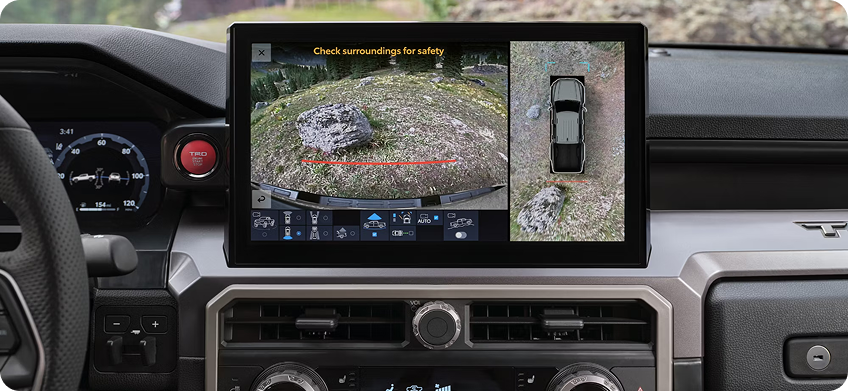
Still, the monitor has limits. Mud, dust, rain, and water can cover the camera lenses, while steep terrain can distort how close an obstacle appears on screen. Drivers should use the display together with careful steering, spotters when available, and low-speed control.
This feature is most useful when treated as an extra set of eyes rather than a replacement for attention. It gives the Tacoma a major advantage in places where visibility is limited and precision matters.
7. Removable JBL FLEX Portable Speaker In The Dashboard
Music can make a long drive, camping trip, tailgate gathering, or workday more enjoyable, but carrying a separate Bluetooth speaker often means remembering to charge it, protect it from damage, and find a place to store it.
Certain Tacoma models offer a more integrated answer through the removable JBL FLEX portable speaker. At first glance, it looks like part of the dashboard audio system, so many drivers may not realize that it can be removed and used outside the truck.
The speaker is stored in a dedicated dock inside the cabin, where it can remain charged while the Tacoma is being driven. When it is time to leave the truck, the unit can be released and carried to a campsite, picnic table, garage, job site, or tailgate area.
It connects through Bluetooth, allowing users to play music, podcasts, or other audio without relying on the truck’s doors being open or the engine remaining on.
This feature is particularly useful for Tacoma owners who spend time outdoors. A driver can park near a campsite and take the speaker to the tent area rather than playing audio loudly through the truck. It can also be useful while cleaning the vehicle, loading equipment, or working around the bed.
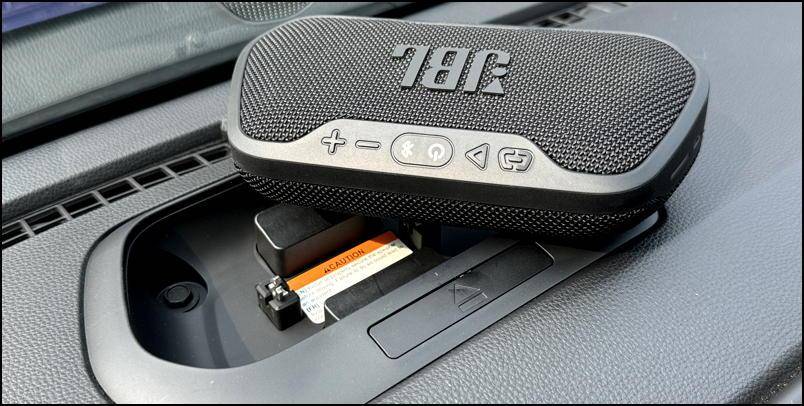
The speaker should still be treated carefully. It is portable, but it should not be left unattended in public areas or exposed to unnecessary water and dirt. Owners should also return it to the charging dock after use so it is ready for the next trip.
It may not be the most important Tacoma feature for towing or off-road travel, but it adds a thoughtful layer of convenience that many owners will appreciate after discovering it.
8. Trailer Backup Guide That Helps Correct Steering Input
Backing up with a trailer can be frustrating, even for drivers who are comfortable towing. A small steering correction can quickly send the trailer in the wrong direction, especially in tight driveways, boat ramps, campsites, and loading areas.
The Tacoma’s available Trailer Backup Guide is designed to reduce that pressure by helping the driver understand and manage the trailer’s path while reversing.
The system uses the rear camera and trailer information to guide the display. Once the trailer is properly connected and added to the truck’s system, the driver can use the screen to see the intended direction.
Guidance mode helps the driver make steering adjustments manually, while Straight Path Assist can help keep the trailer moving in a straighter line when reversing.
This is not a feature that turns trailer backing into an automatic process. The driver must still watch mirrors, check the surroundings, and remain ready to stop immediately.
People, pets, curbs, poles, trees, and other vehicles can still be outside the camera’s view. However, the system can make the process less confusing by giving the driver clearer visual information.
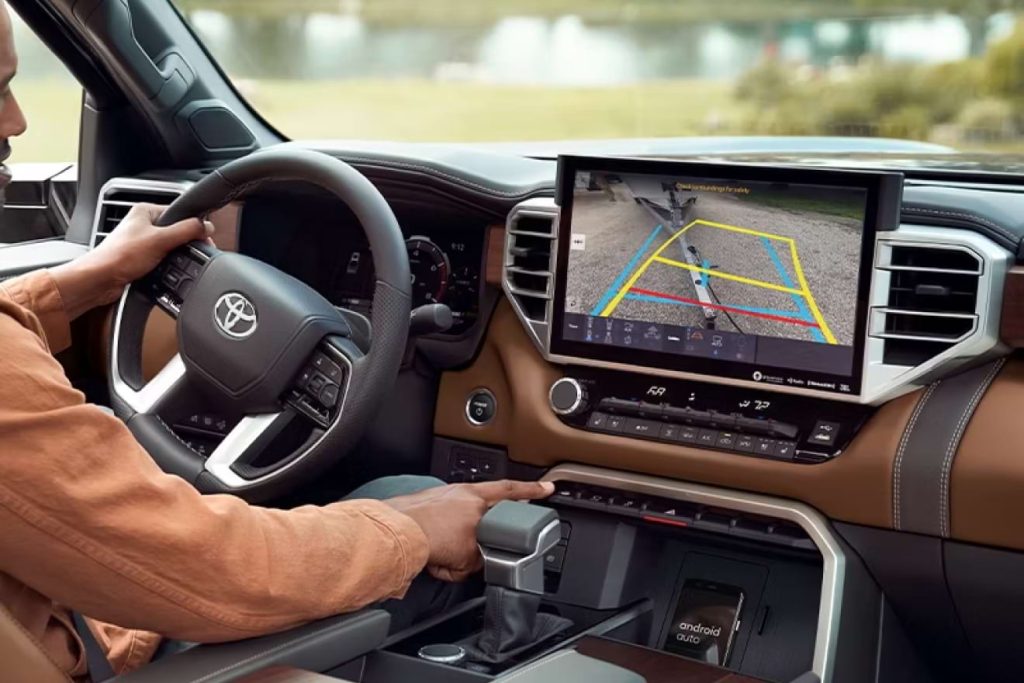
It can be especially valuable for owners who tow occasionally rather than every week. Someone pulling a small camper, utility trailer, fishing boat, or motorcycle trailer may not have the same experience as a professional trailer operator. The guide can make those occasional towing jobs more manageable.
Before depending on the system, owners should practice in an open area with plenty of space. Learning how the Tacoma and trailer react together will make the technology more useful when a difficult reversing situation appears.
9. Digital Key Access Through A Compatible Smartphone
The Tacoma can be equipped with a digital key function that allows a compatible smartphone to work as an alternative to the traditional key fob. This feature is useful for drivers who frequently carry their phone but may not always want to keep the physical key in a pocket, especially during hiking, exercise, beach trips, or work around a job site.
Once the digital key has been set up through the Toyota app, the phone can be used to lock, unlock, and start the truck when it is nearby.
The system uses secure wireless communication rather than requiring the owner to remove the phone and press buttons constantly. In practical terms, it can make entering the Tacoma easier when a driver is carrying equipment, groceries, or bags.
One of the more useful parts of the feature is the ability to share access with another person. A Tacoma owner may be able to send temporary digital key access to a family member or trusted friend.
This can be helpful when someone needs to borrow the truck, retrieve an item from it, or use it while the owner is away. It can also reduce the need to hand over a physical key in person.
There are still sensible precautions to follow. The phone must have sufficient battery power, and the owner should keep the traditional key available during longer trips or when traveling into remote areas with limited charging options. A damaged, lost, or uncharged phone can create an inconvenience if it is the only access method being carried.
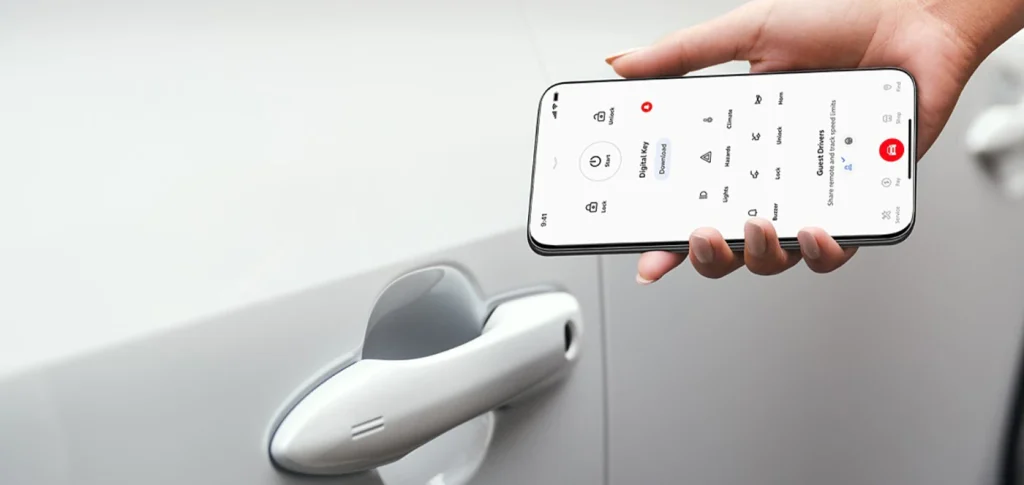
For daily city use, though, the Digital Key can make Tacoma ownership more flexible. It is a modern feature that many drivers may never activate, despite being one of the truck’s most convenient hidden functions.
10. Crawl Control For Steady Movement On Difficult Trails
Rocky climbs, loose sand, steep descents, and deep ruts require patience more than speed. The Tacoma’s available Crawl Control system is designed for those moments when a driver needs the truck to move slowly and consistently across difficult terrain.
Many owners know their Tacoma has four-wheel drive, but Crawl Control is a separate feature that can be easy to miss until a serious off-road situation demands more precise control.
When activated in the proper off-road setting, Crawl Control manages throttle and braking input to maintain a selected low speed. The driver can focus more attention on steering around obstacles while the truck handles much of the repeated acceleration and braking work.
This can be useful when climbing over rocks, descending loose surfaces, or moving through uneven ground where maintaining momentum without spinning the tires becomes difficult.
The system can sound unusual during operation because it uses the brakes repeatedly to control wheel movement. That mechanical noise may surprise first-time users, but it is a normal part of how the system works. It is not intended for ordinary roads, high-speed driving, or casual use on dry pavement.
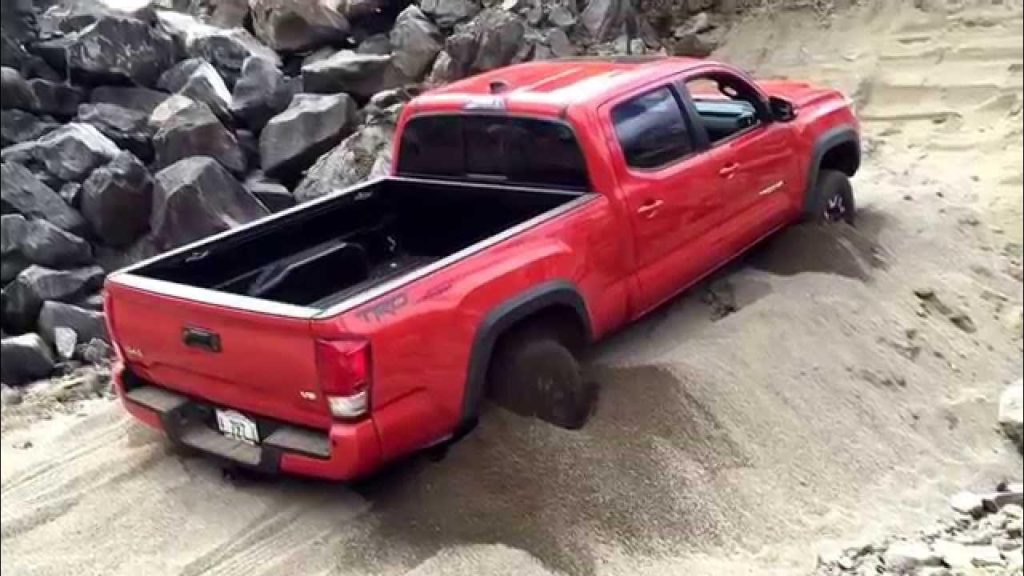
A Tacoma driver should engage Crawl Control only when conditions are appropriate and should select the correct terrain mode when available.
Tire condition, ground clearance, approach angle, and careful wheel placement still matter. Technology can help manage speed, but it cannot prevent damage if the truck is driven into an obstacle that is too large or too sharp.
For drivers who take the Tacoma into remote trails, this feature can reduce fatigue during slow technical sections. It allows the truck to move with more consistency while the driver concentrates on choosing the safest route forward.
