
The 2010s were a remarkable decade for performance cars. Automakers still offered naturally aspirated V8s, large-displacement V10s, manual transmissions, rear-wheel drive, and relatively simple driver-focused machines.
At the same time, turbocharging, hybrid systems, advanced all-wheel drive, adaptive suspension, and digital technology began changing the industry quickly.
That combination created cars that may become especially desirable as the automotive world moves further toward electrification, automated systems, and smaller turbocharged engines.
A future classic is not simply a car that was expensive or fast when new. It usually has a distinctive story, limited production, an unusual powertrain, a special driving experience, or a strong connection to a specific era.
Some cars on this list were overlooked because they were sold in small numbers. Others were appreciated immediately but are becoming harder to find in original condition. Manual transmissions, factory performance packages, low mileage, documented maintenance, and unmodified examples will likely matter even more as these vehicles age.
No one can guarantee collector values, and buying a car only as an investment can be risky. Still, the models below have the ingredients that often create long-term enthusiasm. They represent the kind of machines drivers may look back on as the memorable performance cars of the 2010s.
Also Read: 8 SUVs That Depreciate The Fastest In Three Years
1. Cadillac CTS-V Wagon
The Cadillac CTS-V Wagon was one of the wildest vehicles sold during the 2010s because it combined family-car practicality with supercharged V8 performance.
Cadillac built the second-generation CTS-V Wagon from 2011 through 2014, and only a small number reached buyers. That rarity alone makes it interesting, but the real reason it could become a future classic is its unusual formula.
Under the hood sits a supercharged 6.2-liter V8 producing 556 horsepower and 551 lb-ft of torque. It was available with either a six-speed automatic or a six-speed manual transmission, a choice that is almost impossible to find in a modern high-performance luxury wagon.
Power went to the rear wheels, while Magnetic Ride Control suspension and Brembo brakes gave the car serious capability beyond straight-line acceleration.
The wagon body is what makes it memorable. It could carry passengers, luggage, and large cargo while delivering performance close to many sports cars of its time.
Cadillac did not build another vehicle with the same mixture of supercharged power, rear-wheel drive, manual-transmission availability, and long-roof practicality.
Buyers interested in one should prioritize originality and service history. Modified examples are common, but factory-correct cars with clean interiors, original wheels, and documented maintenance will likely attract the strongest long-term interest. The manual-transmission version is especially desirable because production numbers were very low.
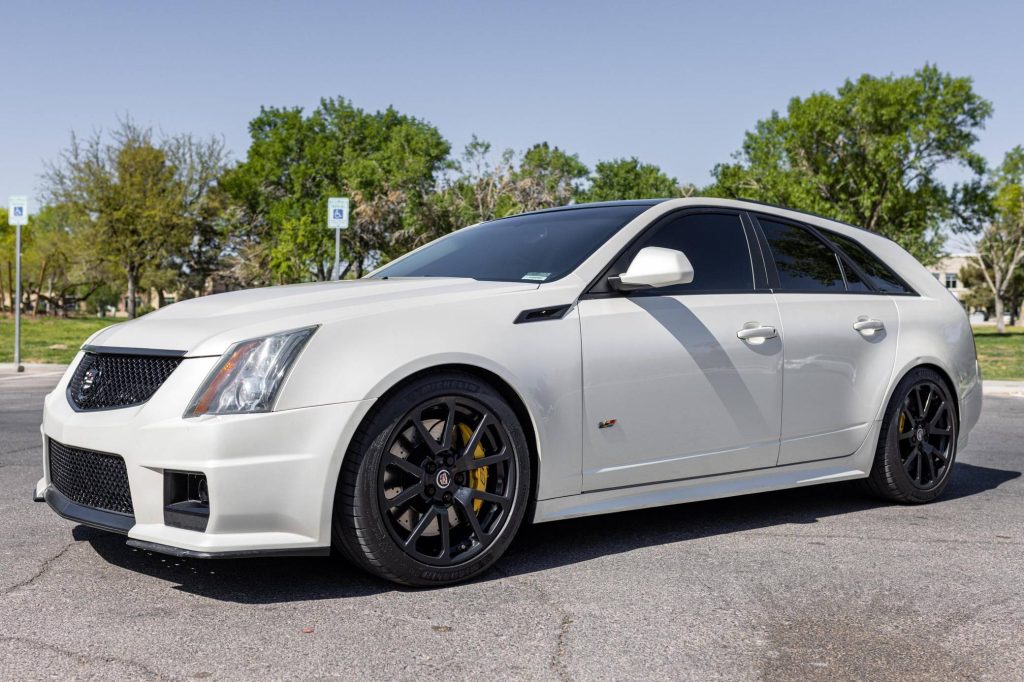
The CTS-V Wagon represents a bold moment when Cadillac built a practical American luxury vehicle with an engine normally associated with a high-performance coupe. That character gives it a strong chance of becoming one of the decade’s most celebrated collector cars.
- Engine: 6.2-liter supercharged V8
- Torque: 551 lb-ft
- Horsepower: 556 hp
- Length/Width: 191.3 inches / 72.5 inches
2. Chevrolet SS
The Chevrolet SS was easy to miss when new. It looked like a conservative four-door sedan, arrived with limited advertising, and was sold through only selected dealers.
Beneath that understated body, however, Chevrolet offered one of the last traditional V8 sport sedans sold in America. That combination makes the SS a serious candidate for future-classic status.
Built in Australia by Holden, the SS used a 6.2-liter LS3 V8 producing 415 horsepower and 415 lb-ft of torque. Early models came only with a six-speed automatic, but Chevrolet added a six-speed manual transmission for 2015.
The manual version is likely to become the most desirable because it paired a naturally aspirated V8 with rear-wheel drive and a practical four-door body.
The SS was also more capable than its plain appearance suggested. It used a well-developed rear-wheel-drive chassis, available Magnetic Ride Control suspension, Brembo brakes, and a comfortable interior. It could serve as a daily commuter, carry adults in the rear seats, and still provide the sound and acceleration enthusiasts expect from a V8 performance car.
Its low production numbers are important. Chevrolet did not sell the SS in large volume, and the model disappeared after the 2017 model year when Holden production ended. That means there will never be another new Chevrolet sedan with the same Australian-built, rear-drive V8 formula.
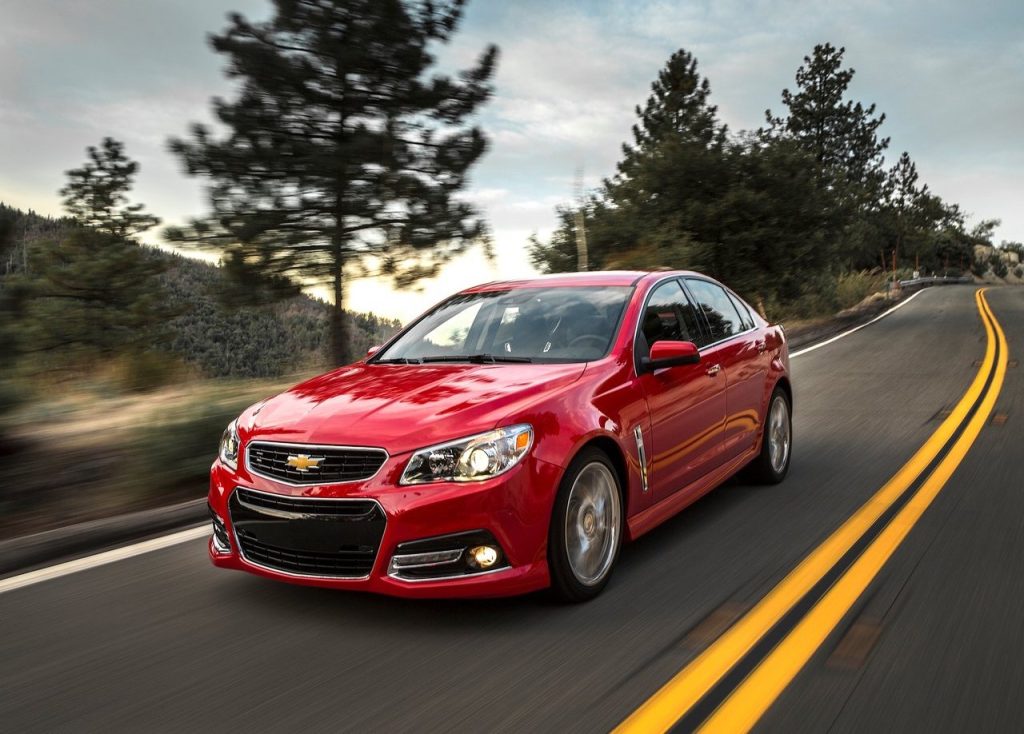
A future collector should look for an unmodified manual car with a clean history and complete maintenance records. The Chevrolet SS has the ingredients that enthusiasts often appreciate later: rarity, subtle styling, a powerful naturally aspirated engine, and a manual gearbox.
- Engine: 6.2-liter naturally aspirated V8
- Torque: 415 lb-ft
- Horsepower: 415 hp
- Length/Width: 195.5 inches / 74.7 inches
3. Ford Fiesta ST
Small performance cars often gain a stronger following after they leave the market, especially when they offer a driving experience that larger and more expensive vehicles cannot reproduce. The Ford Fiesta ST is a strong example.
Sold in the United States from 2014 through 2019, it was a compact hatchback with modest dimensions, a manual transmission, and a playful chassis that made ordinary roads feel far more entertaining.
Ford fitted the Fiesta ST with a turbocharged 1.6-liter four-cylinder engine producing 197 horsepower and 202 lb-ft of torque. Those figures were not extraordinary beside V8-powered cars from the same decade, but the Fiesta’s low weight made the power feel lively.
A six-speed manual transmission was standard, and the car’s short wheelbase gave it quick responses in corners. Torque vectoring and a sport-tuned suspension helped it feel eager rather than intimidating.
The cabin was simple, but the Recaro front seats available on many examples gave the car a more serious character. Its hatchback layout also made it useful for daily driving. Owners could carry groceries, luggage, or small equipment without giving up the fun of a compact performance car.
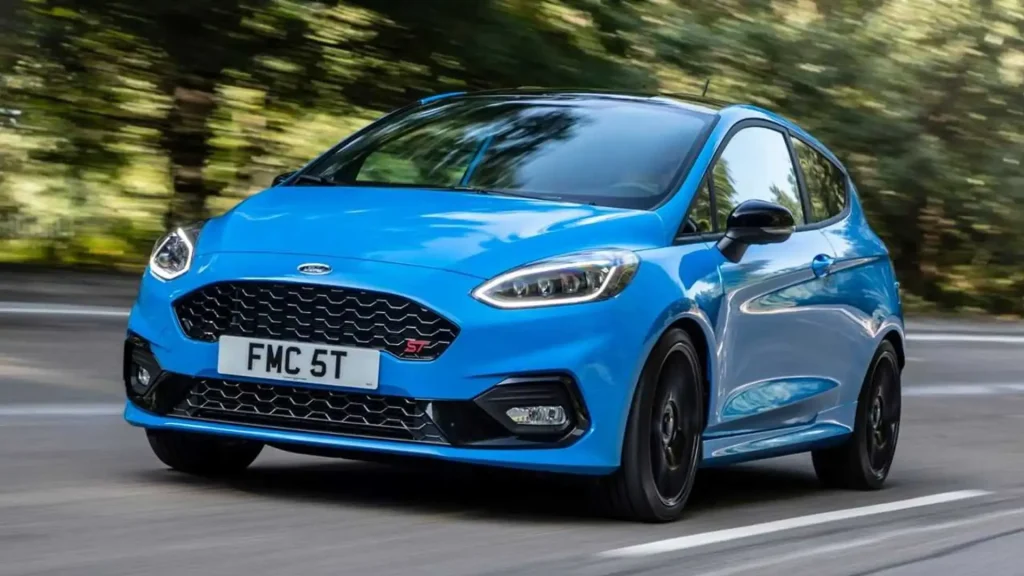
What may make the Fiesta ST collectible is that Ford no longer sells it in the United States, and few modern cars offer the same lightweight, manual-only formula at an accessible price. Many examples have been modified, so unaltered cars with original wheels, factory bodywork, and full service records may become harder to find.
The Fiesta ST did not need huge power to create an emotional driving experience. Its future appeal will likely come from its agility, affordability, and the fact that it captured the final years of the traditional small hot hatch in America.
- Engine: 1.6-liter turbocharged four-cylinder
- Torque: 202 lb-ft
- Horsepower: 197 hp
- Length/Width: 160.1 inches / 67.8 inches
4. Lexus LFA
Some cars become future classics because they are widely sold and loved for decades. The Lexus LFA follows a completely different path. It was built in extremely limited numbers, developed over many years, and created as a technical statement rather than a volume-selling sports car.
Lexus produced only 500 examples between 2010 and 2012, immediately giving it the rarity collectors look for.
The LFA’s engineering remains extraordinary. Its carbon-fiber-reinforced plastic structure was developed in-house, helping Lexus create a lightweight and rigid chassis.
The body had a low, sculpted shape, while its active rear spoiler and carefully designed airflow gave the car a purposeful appearance without relying on excessive styling details.
Its defining feature is the 4.8-liter naturally aspirated V10 engine. Developed with Yamaha, it produced 552 horsepower and 354 lb-ft of torque and could rev from idle to redline so quickly that Lexus used a digital tachometer.
The sound is a major part of the experience, rising from a sharp mechanical note into a high-pitched scream that separates the LFA from turbocharged supercars.
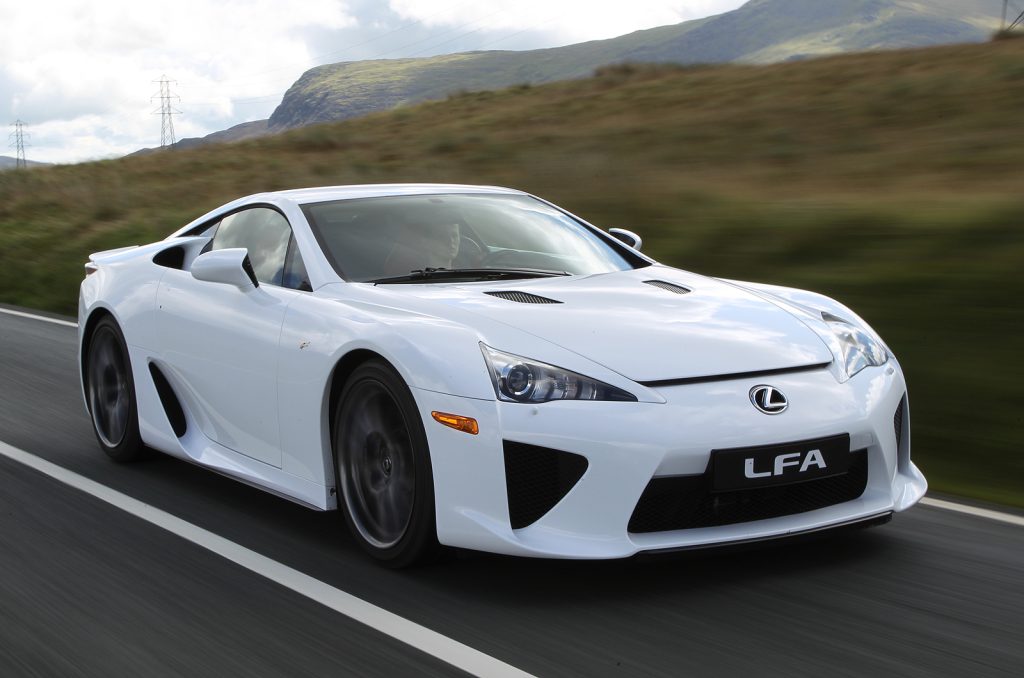
A six-speed automated manual transmission sent power to the rear wheels. While later dual-clutch systems shifted more quickly, the LFA’s gearbox contributes to its distinct early-2010s supercar character. Its interior also combined premium craftsmanship with a focused driving position.
The LFA has already become highly valuable, but its future-classic status is secure because it represents an unlikely achievement. Lexus created a naturally aspirated V10 halo car at a time when the industry was moving toward turbocharging and hybrid performance. Its rarity, sound, and engineering will keep it important for generations.
- Engine: 4.8-liter naturally aspirated V10
- Torque: 354 lb-ft
- Horsepower: 552 hp
- Length/Width: 177.4 inches / 74.6 inches
5. BMW 1 Series M Coupe
The BMW 1 Series M Coupe arrived for the 2011 model year as a short-production performance car with a character that felt very different from larger, more polished BMW M models. It was compact, wide-bodied, rear-wheel drive, and available only with a six-speed manual transmission.
Those qualities alone make it stand out in a decade when automatic gearboxes and increasingly complex performance systems were becoming more common.
BMW fitted the 1 Series M Coupe with a twin-turbocharged 3.0-liter inline-six engine producing 335 horsepower and 370 lb-ft of torque.
An overboost function could briefly raise peak torque even higher. The car also used suspension and differential hardware influenced by the larger M3, giving it a serious mechanical foundation rather than simply adding more power to a regular 1 Series.
Its proportions are a major part of its appeal. The widened fenders, short wheelbase, muscular rear end, and compact cabin give the car a purposeful stance.
Behind the wheel, the manual gearbox and turbocharged torque create a more physical driving experience than many newer performance cars. It can feel lively and demanding, which is exactly what enthusiasts appreciate.
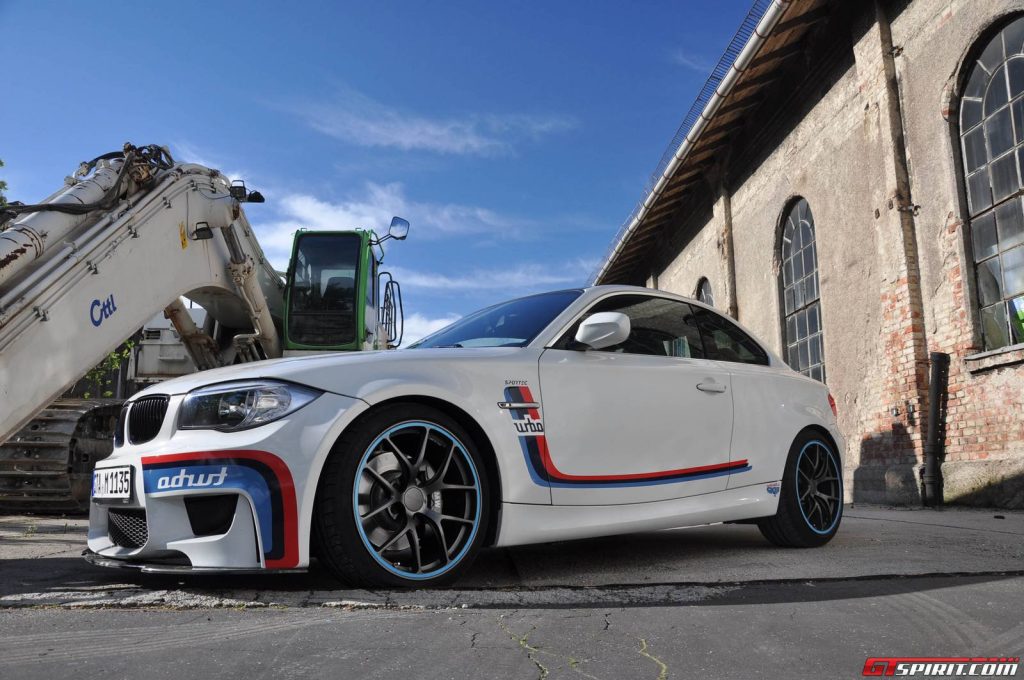
Production was limited, and many examples have been modified, driven hard, or used as weekend track cars. That makes original examples with factory paint, stock wheels, complete maintenance records, and unaltered interiors more attractive to future collectors.
The 1 Series M Coupe may never be the cheapest BMW to own, but its rarity and old-school layout make it memorable.
This car has a strong chance of becoming a future classic because it captures a brief moment when BMW combined compact dimensions, rear-wheel drive, manual shifting, and a powerful twin-turbo engine in one focused package.
- Engine: 3.0-liter twin-turbocharged inline-six
- Torque: 370 lb-ft
- Horsepower: 335 hp
- Length/Width: 172.2 inches / 72.0 inches
6. Chevrolet Camaro ZL1
When it launched in 2012, the fifth-generation Chevrolet Camaro ZL1 was built around a clear purpose, blending supercharged performance with the capability of a modern American muscle car on both street and track. It stood well beyond a visual upgrade and focused heavily on serious performance engineering.
Chevrolet used the same basic 6.2-liter supercharged LSA V8 found in the Cadillac CTS-V, then built the rest of the car around the demands of controlling that output.
Factory ratings of 580 horsepower and 556 lb-ft of torque gave the ZL1 exceptional acceleration. Buyers could choose a six-speed manual or a six-speed automatic, but the manual version is likely to attract the strongest long-term enthusiast interest.
Magnetic Ride Control, Brembo brakes, upgraded cooling, an electronically controlled limited-slip differential, and a specially tuned suspension helped distinguish it from the regular Camaro SS.
The ZL1 also has a visual identity that does not need oversized graphics to make an impression. Its vented hood, aggressive front fascia, rear spoiler, and wide tires signal the extra capability, while the coupe shape preserves the classic long-hood muscle-car profile.
It feels like a product of the 2010s, when manufacturers were again competing to build powerful V8 cars with serious track credentials.
Future value will depend heavily on the condition. Many ZL1s were modified for drag racing or fitted with aftermarket pulleys, exhaust systems, and tuning software. A stock example with service documentation, original parts, and a clean accident history should be the more desirable choice.
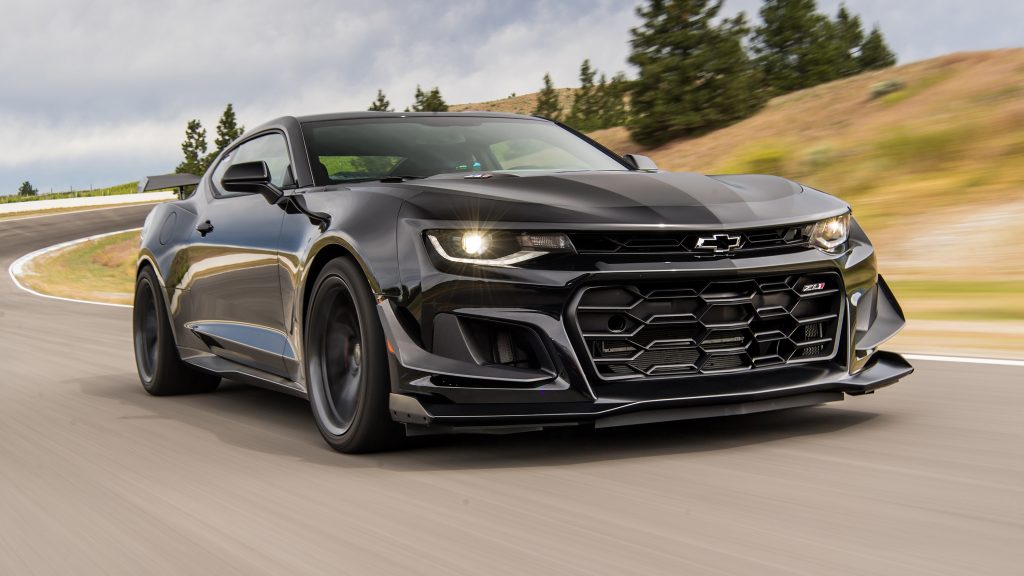
The Camaro ZL1 could become a future classic because it represents the high point of supercharged American V8 performance before the market shifted further toward electrification and smaller forced-induction engines.
- Engine: 6.2-liter supercharged V8
- Torque: 556 lb-ft
- Horsepower: 580 hp
- Length/Width: 190.4 inches / 75.5 inches
7. Dodge Viper GTS
The Dodge Viper GTS is likely to be remembered as one of the last truly uncompromising American sports cars. Sold during the 2010s as the premium version of the fifth-generation Viper, it retained the qualities that made the name famous: a huge naturally aspirated V10, rear-wheel drive, a six-speed manual transmission, and a driving experience that demanded the driver’s full attention.
Its 8.4-liter V10 produced 640 horsepower and 600 lb-ft of torque. Those figures placed it among the most powerful naturally aspirated production cars of its time.
Unlike many modern high-performance cars, the Viper did not rely on turbochargers, dual-clutch transmissions, or all-wheel drive to create excitement. The driver had to manage the power through a manual gearbox and wide rear tires, making every fast drive feel physical and involving.
The GTS also had a more refined cabin than earlier Vipers. Leather upholstery, upgraded interior materials, adjustable suspension settings, and modern infotainment gave it a grand-touring side, yet the car never lost its aggressive character. Its long hood, side-exit exhaust, low roofline, and muscular rear fenders made it instantly recognizable.
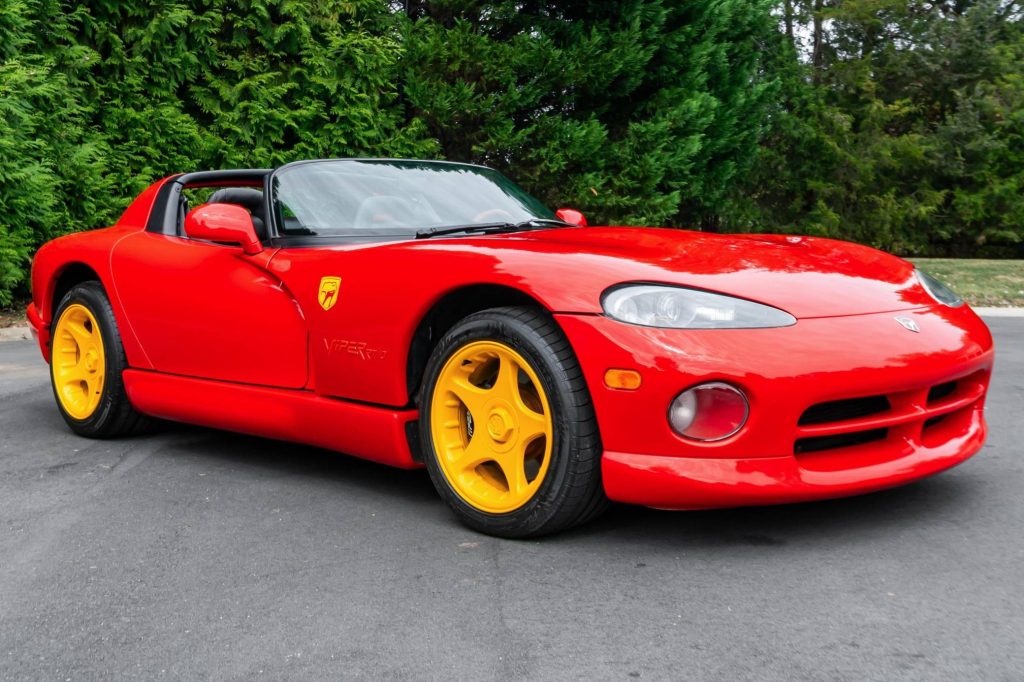
Production ended in 2017, and there will not be another naturally aspirated V10 Dodge sports car. That fact alone will keep attention on clean examples. Cars with original paint, factory wheels, stock exhaust systems, and complete maintenance records should be the strongest future collector candidates.
The Viper GTS has the right ingredients for lasting appeal: limited production, a rare engine layout, manual control, and a design that could only have come from its era.
- Engine: 8.4-liter naturally aspirated V10
- Torque: 600 lb-ft
- Horsepower: 640 hp
- Length/Width: 175.7 inches / 76.4 inches
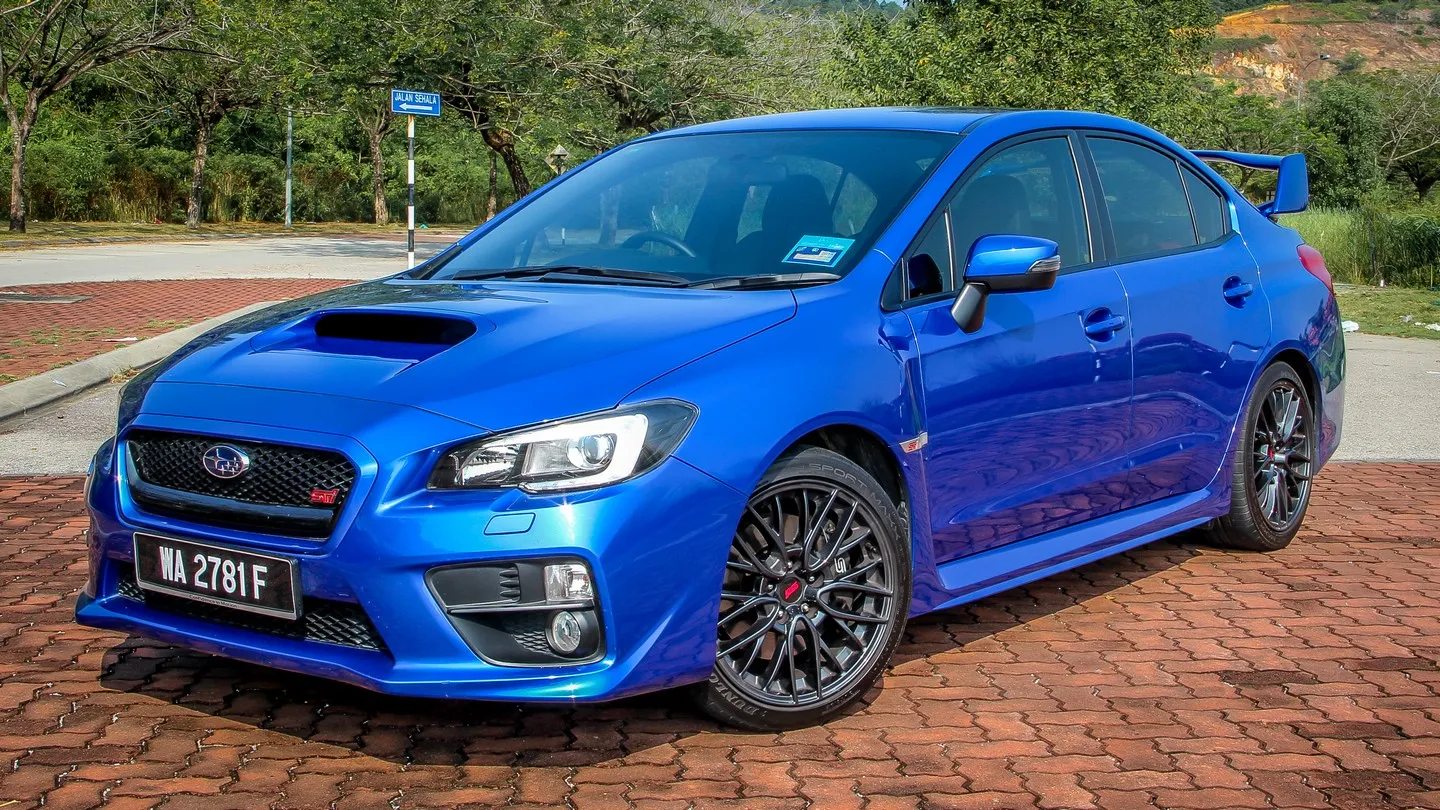
8. Subaru WRX STI
The Subaru WRX STI has a different kind of future-classic appeal. It was not a limited-production exotic, but it built a passionate following through rally-inspired engineering, turbocharged performance, and a distinctive all-wheel-drive layout.
The 2015 through 2021 generation may become especially desirable because it was the final WRX STI sold with Subaru’s long-running EJ25 turbocharged engine and a traditional six-speed manual transmission.
A 2.5-liter turbocharged flat-four produced 305 horsepower and 290 lb-ft of torque. Those numbers were familiar to STI fans, but the car’s appeal came from how its hardware worked together.
Subaru’s symmetrical all-wheel-drive system, driver-controlled center differential, Brembo brakes, and firm suspension gave the STI a confident character on wet roads, loose surfaces, and demanding corners.
The exterior was equally recognizable. A large rear wing, hood scoop, flared fenders, and rally-inspired stance made the STI look purposeful without needing an expensive exotic-car badge. Its four-door layout also added practicality, allowing it to carry passengers and daily equipment while retaining a highly focused driving feel.
Future buyers should be selective. Many STI models were modified with aftermarket tuning, exhaust systems, larger turbochargers, and suspension changes.
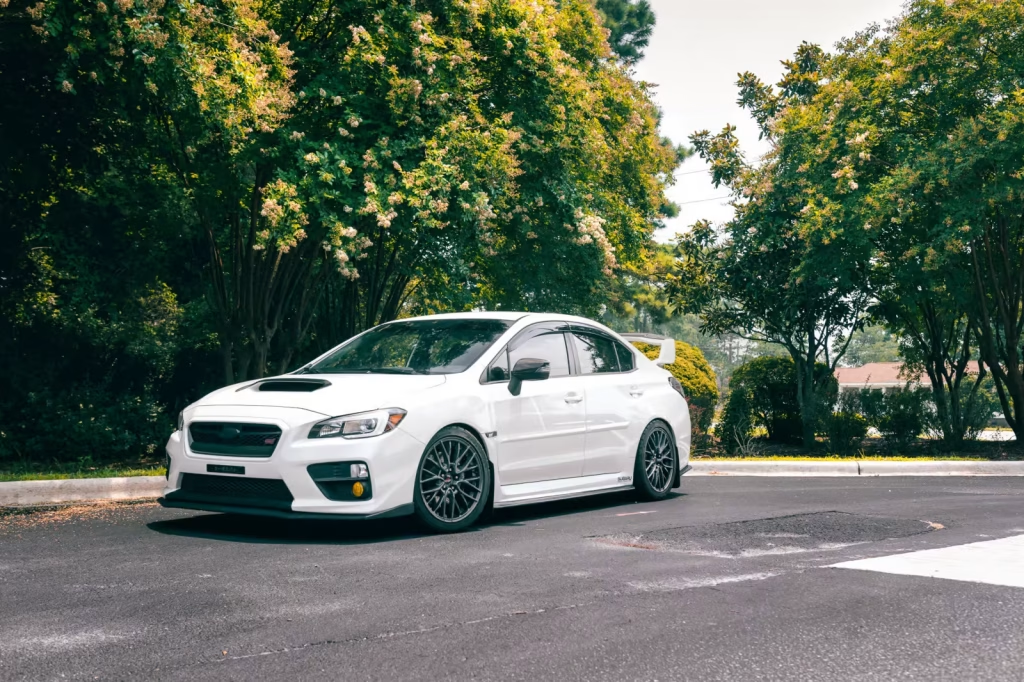
A well-maintained car with a documented service history, stock engine calibration, original body panels, and careful ownership will likely be more desirable than a heavily altered example.
The WRX STI could become a future classic because it represents the end of an important performance formula: a turbocharged manual sports sedan with a rally heritage and a mechanical all-wheel-drive personality.
- Engine: 2.5-liter turbocharged flat-four
- Torque: 290 lb-ft
- Horsepower: 305 hp
- Length/Width: 180.9 inches / 70.7 inches
9. Porsche 911 GT3 RS 4.0
The Porsche 911 GT3 RS 4.0 was built in 2011, but it belongs firmly among the standout performance cars of the 2010s. It arrived as the final and most extreme version of the 997-generation GT3, combining a naturally aspirated flat-six engine, rear-wheel drive, lightweight construction, and a six-speed manual transmission.
Porsche produced only 600 examples worldwide, giving the model the rarity that future collectors often seek.
Its 4.0-liter flat-six was derived from Porsche’s racing program and produced 500 horsepower and 339 lb-ft of torque. The engine revved to 8,250 rpm and delivered its power without turbochargers or hybrid assistance.
That naturally aspirated response is a major reason the car remains special. The manual gearbox requires full driver involvement, while the rear-drive chassis demands precision and confidence on a fast road or circuit.
Porsche reduced weight through lightweight components and fitted the car with a large rear wing, front dive planes, center-lock wheels, upgraded suspension, and serious braking hardware.
Its white bodywork, graphics, and aggressive aerodynamic parts made it look like a road-legal race car. Yet the appeal goes beyond appearance. The GT3 RS 4.0 was the final 911 GT3 with the Mezger-based engine, a powerplant closely connected to Porsche’s racing history.
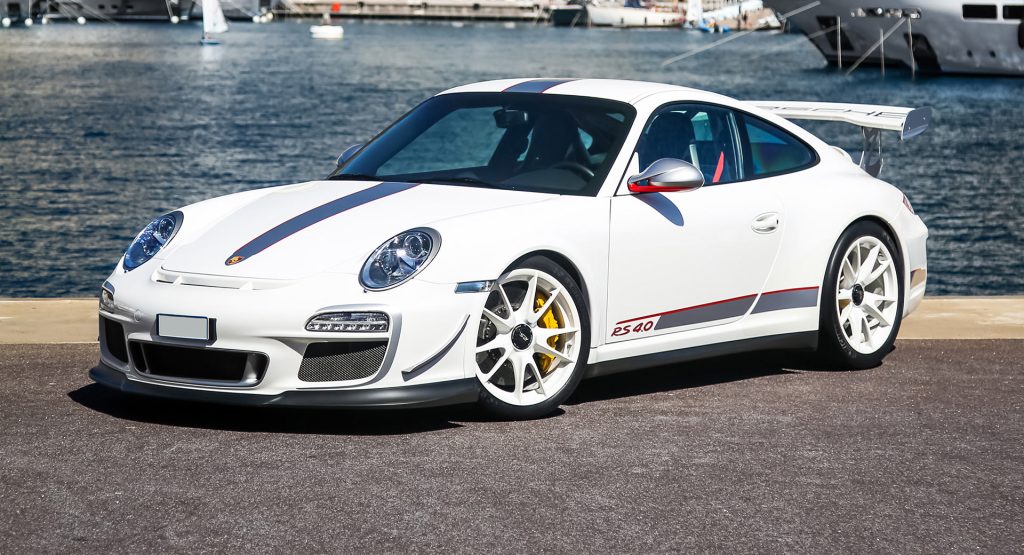
Because production was so limited, buyers should place originality at the top of the list. Factory paint, correct wheels, complete service records, original books, and documented ownership all affect long-term desirability.
The 911 GT3 RS 4.0 has the ingredients of a lasting classic: a rare manual transmission, a high-revving naturally aspirated engine, limited production, and a direct connection to Porsche motorsport.
- Engine: 4.0-liter naturally aspirated flat-six
- Torque: 339 lb-ft
- Horsepower: 500 hp
- Length/Width: 174.6 inches / 72.9 inches
10. Ford Mustang Boss 302
Ford revived the Boss 302 name for the 2012 and 2013 model years, creating a Mustang that felt aimed at drivers who cared as much about corners as straight-line speed.
The car took inspiration from the original 1969 Boss 302, but its mission was modern: provide a naturally aspirated V8 coupe with track-ready suspension, a manual transmission, and a purposeful personality.
The Boss 302 used a 5.0-liter V8 with revised internals, a higher-flow intake system, and a distinctive quad-exhaust setup. Output reached 444 horsepower and 380 lb-ft of torque.
A six-speed manual was the only transmission, which immediately gives it a quality that is becoming less common in modern performance cars. The engine had a harder-edged sound and a more eager high-rpm character than the regular Mustang GT.
Ford added adjustable dampers, stiffer springs, upgraded brakes, a Torsen limited-slip differential, and aerodynamic changes to make the Boss more capable on a circuit.
The available Laguna Seca package went even further with a more aggressive suspension setup, aerodynamic additions, and rear-seat deletion. It was a serious performance car, but it still retained the everyday usability of a Mustang coupe.
The Boss 302 was produced for only two model years, and many examples were driven hard at track events or modified after purchase. Future collectors will likely focus on stock cars with original paint, factory wheels, complete paperwork, and documented maintenance.
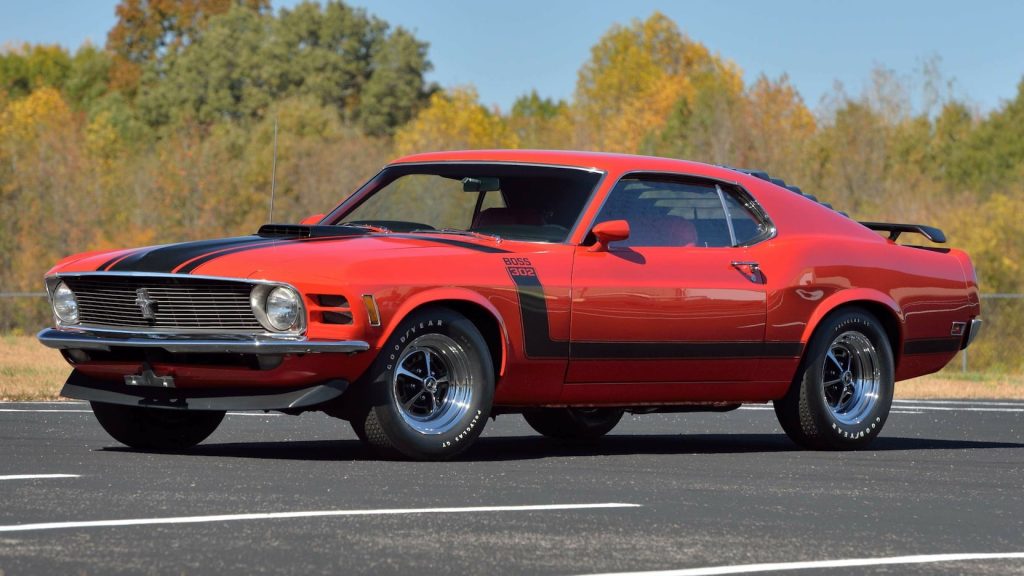
The Laguna Seca version may receive even greater attention because of its limited production and more focused setup.
This Mustang could become a future classic because it represents a memorable era of naturally aspirated American V8 performance. It combines a historic name, manual-only driving, limited availability, and a chassis built to do far more than cruise in a straight line.
- Engine: 5.0-liter naturally aspirated V8
- Torque: 380 lb-ft
- Horsepower: 444 hp
- Length/Width: 188.5 inches / 73.9 inches
Also Read: 8 Cars That Are Cheap To Buy But Expensive To Fix
