
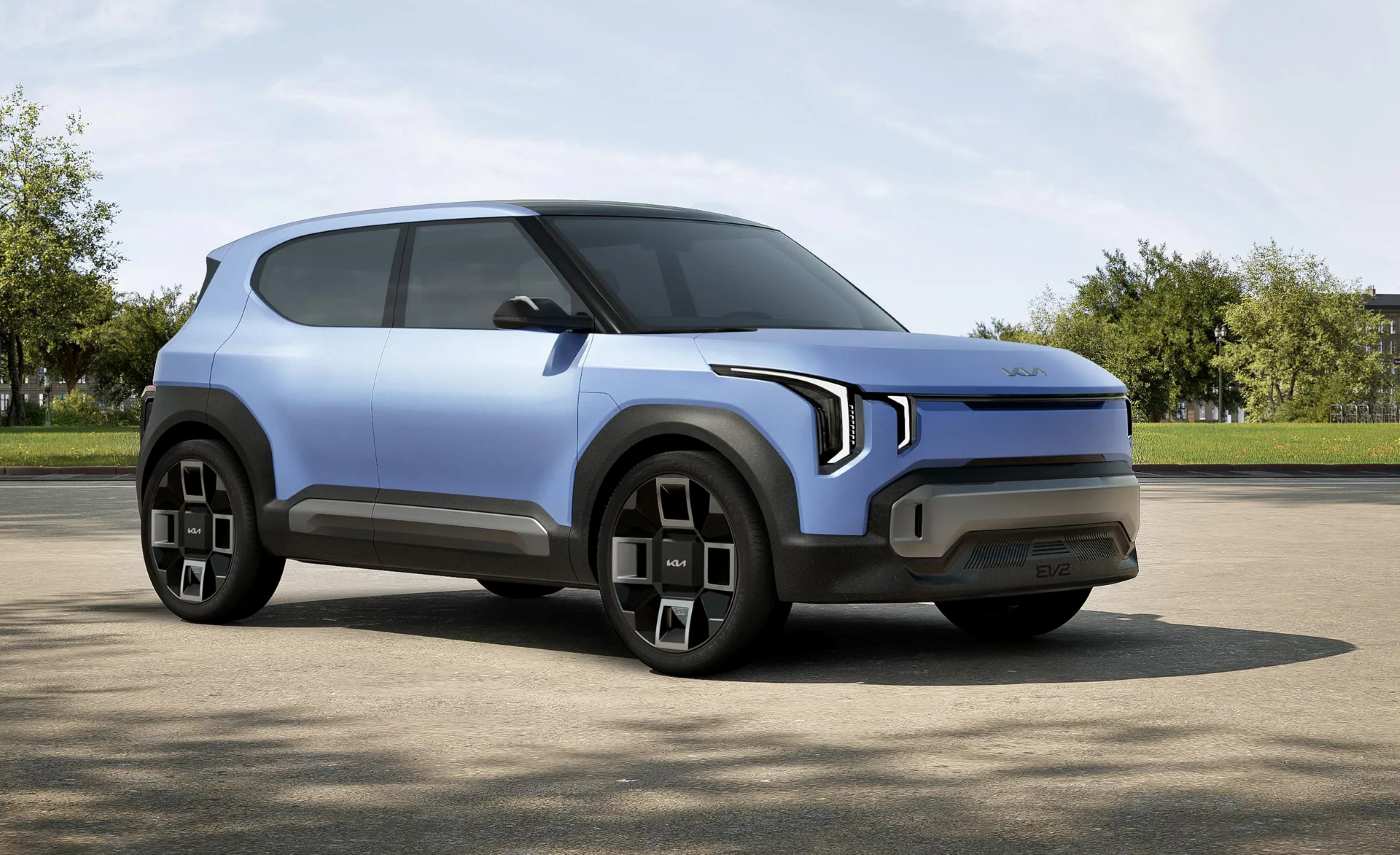
Electric vehicles are becoming easier to find, but affordability remains one of the biggest challenges for buyers. Many EVs still cost more than comparable gasoline cars, particularly when larger battery packs, fast-charging hardware, premium interiors, and advanced driver-assistance systems are added.
For drivers who want lower running costs without taking on a large monthly payment, the next few years could bring more realistic choices.
Automakers are working to lower EV prices through smaller battery packs, lithium-iron-phosphate battery chemistry, shared vehicle platforms, simpler equipment packages, and local production.
Some of the most affordable models will be sold in the United States, while others are expected mainly in Europe, India, China, and other global markets. That difference is important because a vehicle with a low overseas price may not be confirmed for American sale.
The term “targeting under $30,000” also needs context. Some vehicles already start below that figure before destination charges, taxes, dealer fees, and optional equipment. Others are upcoming models with manufacturer price targets rather than confirmed final MSRPs.
Incentives may lower the effective ownership cost, but they should not be treated as part of the sticker price because government policies can change.
The following EVs represent current and upcoming affordable electric models expected to remain below, or target below, the $30,000 mark by 2027. Their specifications vary by market, trim, and battery size.
Also Read: 10 Trucks That Held Their Value Better Than Most Over the Last Decade
1. Chevrolet Bolt
The Chevrolet Bolt is returning for the 2027 model year with a price that places it among the most important affordable EVs in the American market.
Chevrolet has announced that the new Bolt will start below $30,000, with a future entry-level LT trim expected to begin at $28,995 before destination charges. That makes it a major option for buyers who want a new EV without moving into premium-price territory.
The updated Bolt uses a 65-kWh lithium-iron-phosphate battery pack. This chemistry is becoming more common in affordable EVs because it can reduce battery costs while offering strong durability.
Chevrolet estimates up to 255 miles of driving range, which should be enough for many commuters, small families, and city-based drivers who can charge at home.
Charging has improved significantly compared with the earlier Bolt. The new version supports DC fast charging at up to 150 kW, allowing a 10 to 80 percent charge in an estimated 26 minutes under suitable conditions. It also uses a NACS charging port, giving owners access to Tesla Supercharger locations without relying on an adapter.
The Bolt is powered by a single front-mounted electric motor producing 210 horsepower and 169 lb-ft of torque. It is not designed as a performance vehicle, but instant electric response should make it easy to drive in city traffic.
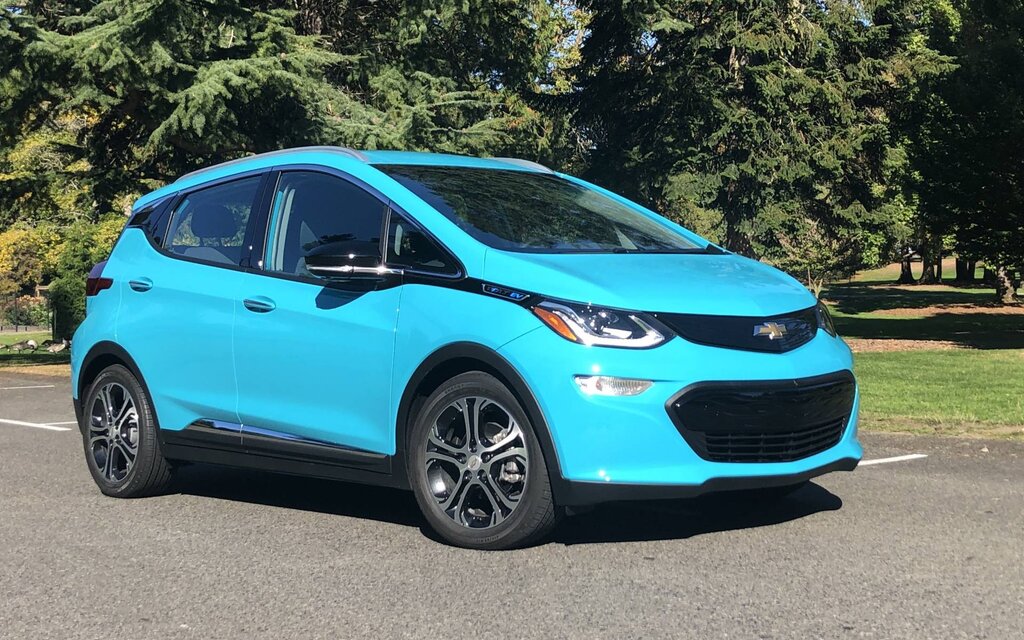
Chevrolet also plans to offer vehicle-to-home power capability, which may allow the battery to support a home during an outage with compatible equipment.
The 2027 Bolt is important because it combines a realistic price, useful range, quicker charging, and practical crossover-like space. It shows that affordable EVs do not have to be limited to very short-range city cars.
- Engine: Single front-mounted electric motor
- Torque: 169 lb-ft
- Horsepower: 210 hp
- Length/Width: Final production dimensions not confirmed
2. Nissan Leaf
The redesigned Nissan Leaf has changed from a traditional hatchback into a more crossover-shaped electric vehicle, giving it a more modern appearance and greater everyday practicality.
Nissan introduced the new generation with a starting MSRP of $29,990 for the U.S. market, placing it directly in the affordable EV category before destination charges and optional equipment are added.
One reason the Leaf stands out is its available range. The higher-capacity version uses a 75-kWh battery pack and is rated for up to 303 miles of EPA range on the S+ trim. That figure is unusually strong for a vehicle positioned near the $30,000 level.
It gives the Leaf a useful advantage for commuters who travel longer distances, drivers who cannot charge every night, and buyers who want a small EV capable of occasional road trips.
The Leaf uses a single front-mounted electric motor producing 214 horsepower. Front-wheel drive keeps the layout simple and should help control costs.
Nissan has also upgraded the battery cooling system, addressing one of the concerns associated with earlier Leaf generations. Liquid cooling can help the battery manage temperature more effectively during repeated charging and demanding driving conditions.
Fast-charging capability is also more competitive than before. Nissan says the new Leaf can charge from 10 to 80 percent in approximately 35 minutes at a suitable DC fast charger. It includes an NACS charging port, allowing access to Tesla Supercharger locations in the United States.
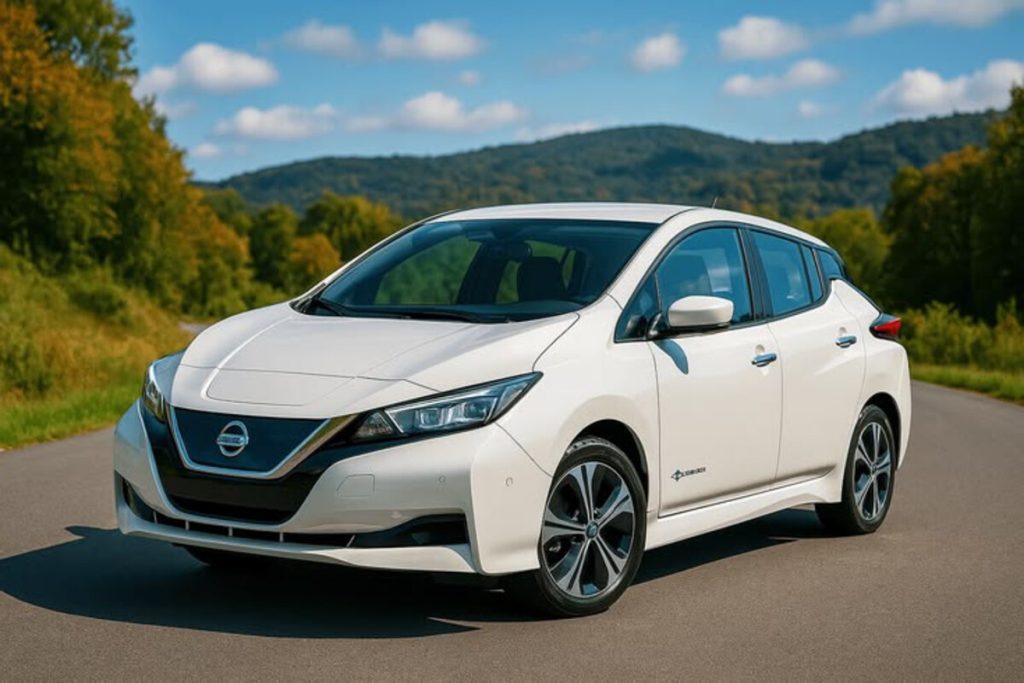
The Leaf will appeal to buyers who want more range than many low-cost EVs provide without moving into a much higher price class. Its pricing, battery size, and improved charging hardware make it one of the strongest affordable electric vehicles expected to remain available through 2027.
- Engine: Single front-mounted electric motor
- Torque: Not officially confirmed
- Horsepower: 214 hp
- Length/Width: Approximately 173.4 inches / 71.1 inches
3. Slate Electric Truck
The Slate electric truck is being developed around a very different idea from most new EVs. Instead of adding large screens, luxury interiors, complicated driver-assistance systems, and expensive battery packs, Slate plans to offer a basic electric pickup that buyers can customize after purchase.
Its expected starting price is under $30,000 before options, making it one of the few upcoming electric trucks aimed at budget-conscious buyers.
The standard truck is expected to use a single rear-mounted electric motor producing 201 horsepower and 195 lb-ft of torque. It will be rear-wheel drive, which keeps the design simple and helps control production costs.
Slate has announced a standard 52.7-kWh battery with an estimated 150 miles of range, while an available 84.3-kWh battery is expected to provide about 240 miles.
That range may sound modest compared with larger electric pickups, but the Slate is not intended to compete directly with expensive full-size trucks.
It is designed for local commuting, small-business use, home projects, light cargo hauling, and drivers who want a practical vehicle with an open bed. Its compact dimensions should also make it easier to park and operate in crowded cities.
One of the truck’s most unusual features is its modular approach. Buyers are expected to be able to add accessories over time, including rear-seat kits, SUV-style body conversions, roof equipment, storage solutions, and appearance upgrades. This could allow owners to start with a basic truck and adapt it as their needs change.
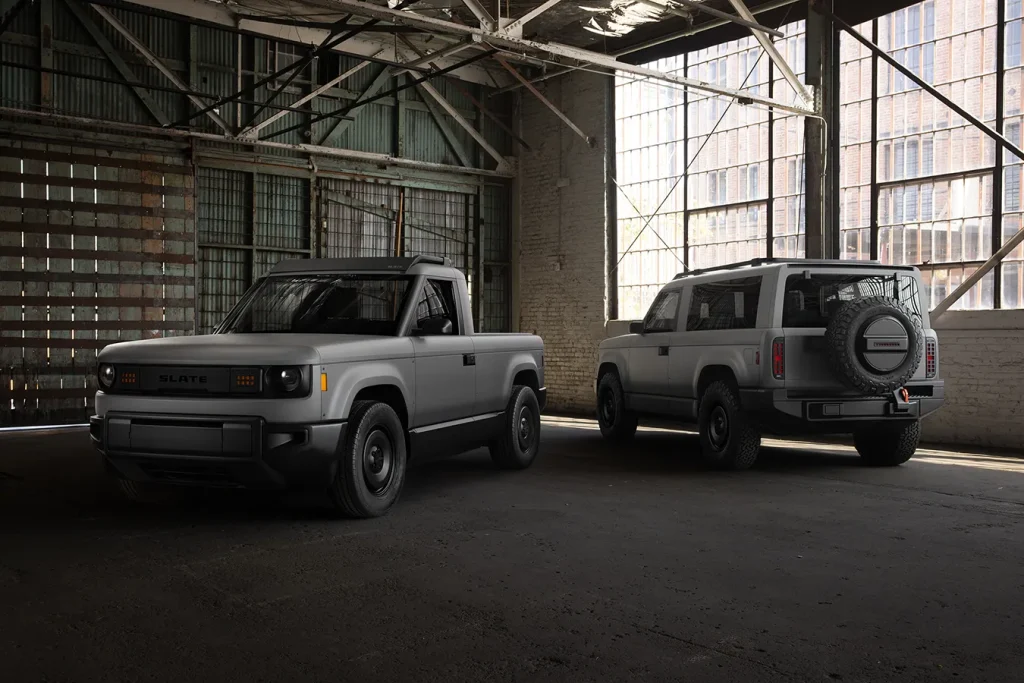
Final production specifications, charging performance, payload, and towing capacity have not been confirmed. Still, the Slate truck represents an important attempt to bring electric pickup ownership closer to the price of a well-equipped compact gasoline vehicle.
- Engine: Single rear-mounted electric motor
- Torque: 195 lb-ft
- Horsepower: 201 hp
- Length/Width: Approximately 174.6 inches / 70.6 inches
4. Fiat Grande Panda Electric
The Fiat Grande Panda Electric is one of the clearest examples of how automakers are trying to lower EV costs through simpler engineering and smaller battery packs.
Built for urban use and everyday commuting, it is a compact electric hatchback with crossover-inspired styling, practical interior space, and a price target that makes it more accessible than many larger electric vehicles.
In European markets, the Grande Panda Electric is expected to start below the equivalent of $30,000. Fiat has positioned it as an affordable entry point into electric driving rather than a premium technology showcase.
Its compact size should make it easy to park in dense cities, while its raised seating position and boxy shape help it feel more practical than a conventional small hatchback.
The electric version uses a 44-kWh battery pack and a front-mounted electric motor producing 113 horsepower. Fiat quotes a WLTP driving range of up to approximately 199 miles.
WLTP figures are usually more optimistic than real-world highway driving, but the range should still suit many drivers who charge at home or have access to regular workplace charging.
A clever feature is the integrated charging cable stored behind the front panel. This design reduces the need to carry a separate cable in the cargo area and can make routine charging more convenient. The Grande Panda also supports DC fast charging, allowing drivers to add useful range during longer journeys.
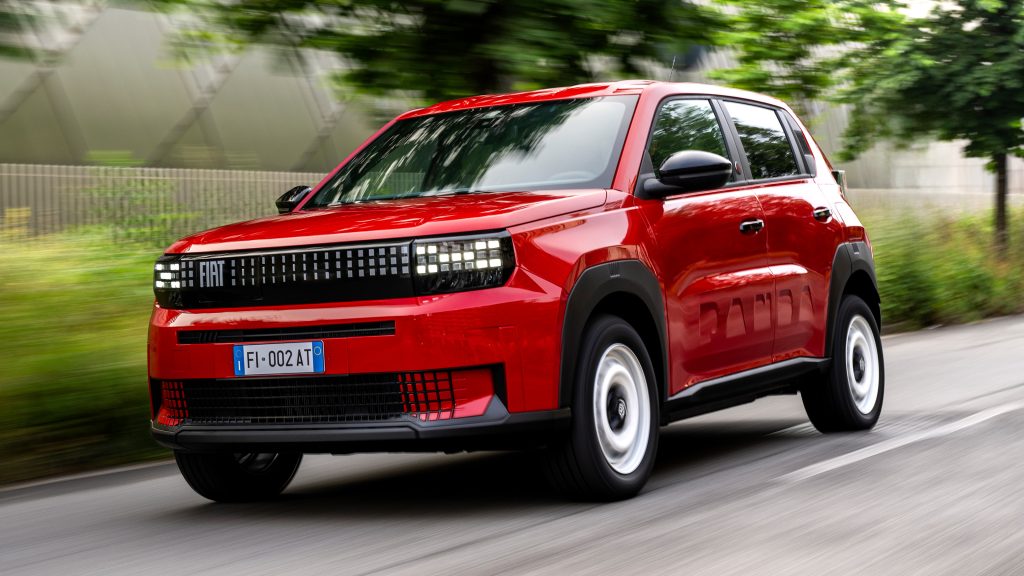
The model is mainly intended for Europe and has not been confirmed for U.S. sale. Even so, it matters because it shows how affordable EVs may become by 2027. Smaller batteries, efficient packaging, and simpler equipment could help bring electric cars closer to the price range of ordinary compact vehicles.
- Engine: Single front-mounted electric motor
- Torque: 192 lb-ft
- Horsepower: 113 hp
- Length/Width: Approximately 157.1 inches / 69.3 inches
5. Volkswagen ID. EVERYONE
Volkswagen’s ID. EVERY1 is one of the most important upcoming affordable EV projects because the company has set a clear target price of around 20,000 euros. Volkswagen plans to launch the production version in Europe during 2027, positioning it below the ID.2all and making it the brand’s most affordable electric model.
The vehicle began as a concept, so final production specifications have not been released. Volkswagen has indicated that the concept uses a front-mounted electric motor producing 94 horsepower and has a projected driving range of at least 155 miles.
The production model may receive changes to its battery, interior equipment, charging hardware, and performance before it reaches dealerships.
Its compact size is central to the plan. The ID. EVERY1 is intended for city driving, short commutes, first-time car buyers, and households that need a practical second vehicle. A smaller battery pack helps keep the purchase price lower while reducing weight and manufacturing costs.
It will not be designed for long-distance travel in the same way as a larger electric SUV, but it could make electric ownership more accessible for drivers who charge at home or use regular public chargers.
Volkswagen is also developing the model with software created through its partnership with Rivian. The company says the new electrical architecture can reduce complexity by using fewer electronic control units and less wiring. That could lower production costs while allowing future software updates and connected features.
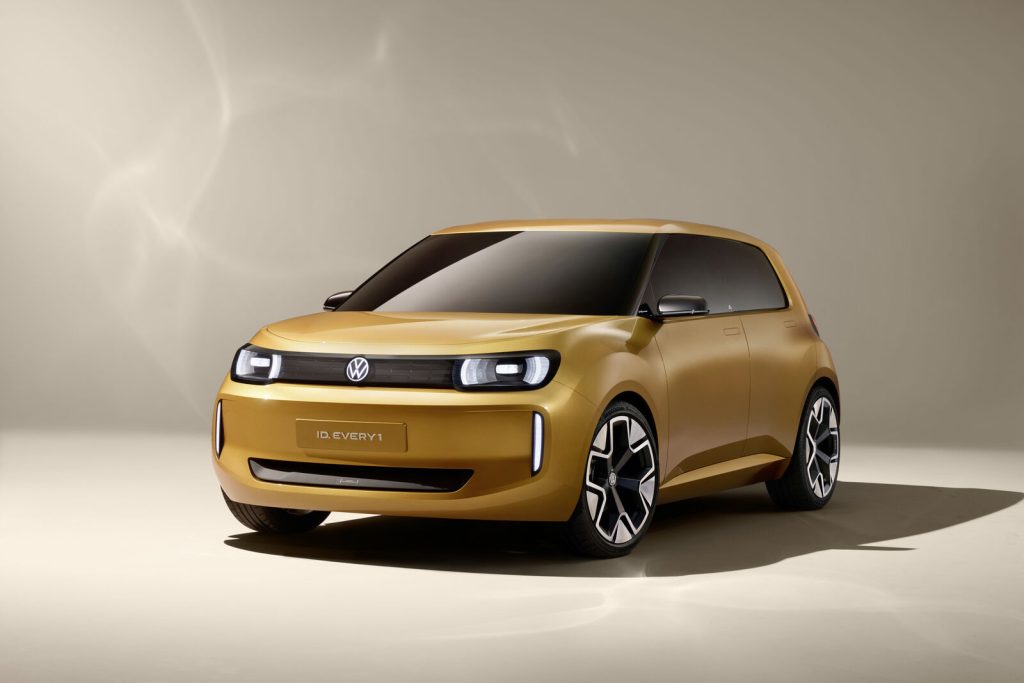
The ID. EVERY1 is expected to be sold mainly in Europe, and Volkswagen has not confirmed a U.S. launch. Still, it represents a major shift in the affordable EV market. A mainstream manufacturer targeting a 20,000-euro electric car shows that lower-cost EVs are becoming a serious priority.
- Engine: Single front-mounted electric motor
- Torque: Not yet confirmed
- Horsepower: 94 hp projected
- Length/Width: Approximately 152.8 inches / 71.3 inches
6. Kia EV2
The Kia EV2 is a compact electric crossover developed mainly for European buyers who want a small, practical EV without the price of a larger family SUV. It is Kia’s smallest electric model and is designed to fit beneath the EV3 in the company’s lineup.
Its compact footprint makes it suitable for city parking, but Kia has focused on giving it a flexible cabin and useful cargo space.
Two battery choices are planned. The standard-range EV2 uses a 42.2-kWh battery and has a quoted WLTP range of up to 197 miles. A longer-range version receives a 61-kWh battery and can travel more than 273 miles on the same test cycle.
Both versions use a 400-volt electrical system and can charge from 10 to 80 percent in approximately 30 minutes using suitable DC fast-charging equipment.
Kia has not released final horsepower and torque figures for every version, so those specifications should not be guessed. The company has confirmed that the EV2 will offer vehicle-to-load and vehicle-to-grid capability, which could allow owners to power compatible equipment or return energy through supported charging systems.
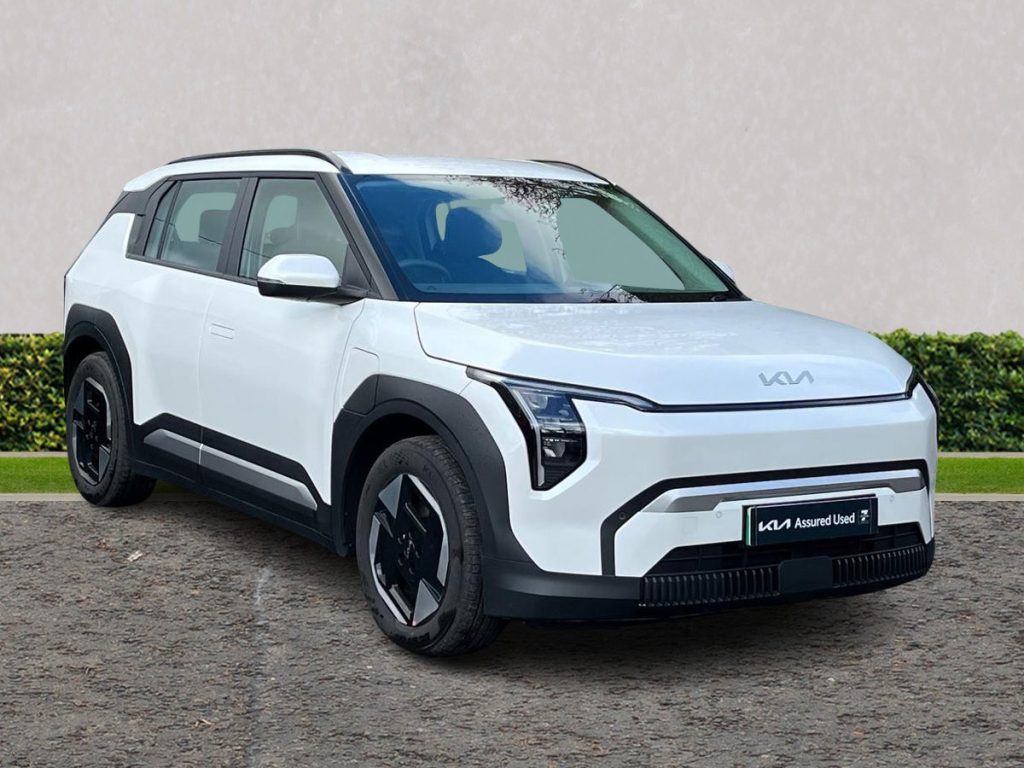
It also offers advanced safety technology that is unusual in an entry-level EV, including adaptive cruise control, automatic emergency braking, and available remote parking assistance.
Pricing varies by market, but reports place the expected European starting price near 20,000 euros, keeping it below the equivalent of $30,000. It is not currently expected to be sold in the United States. For Europe, though, the EV2 could become one of the most competitive affordable electric crossovers by 2027.
- Engine: Single front-mounted electric motor
- Torque: Not yet confirmed
- Horsepower: Not yet confirmed
- Length/Width: Final production dimensions not confirmed
7. Renault Twingo E-Tech Electric
Renault is preparing the Twingo E-Tech Electric as a low-cost city car designed to make battery-powered driving more attainable in Europe.
The new model brings back the Twingo name with styling inspired by the original 1990s hatchback, but its mission is firmly modern: keep the vehicle compact, efficient, and priced near the level of an ordinary small gasoline car.
Renault has targeted a starting price below 20,000 euros, placing the Twingo E-Tech comfortably below the equivalent of $30,000. The vehicle is expected to arrive in 2026, meaning it should be established in the market by 2027.
It is aimed at commuters, younger buyers, city households, and drivers who need a practical second car rather than a large long-distance EV.
The model is expected to use a front-mounted electric motor and a compact battery pack. Renault has previously suggested an energy-consumption target of about 10 kWh per 100 kilometers, which would make it one of the more efficient affordable EVs if the production model meets that goal.
Final battery capacity, driving range, horsepower, torque, and charging speed have not been officially confirmed.
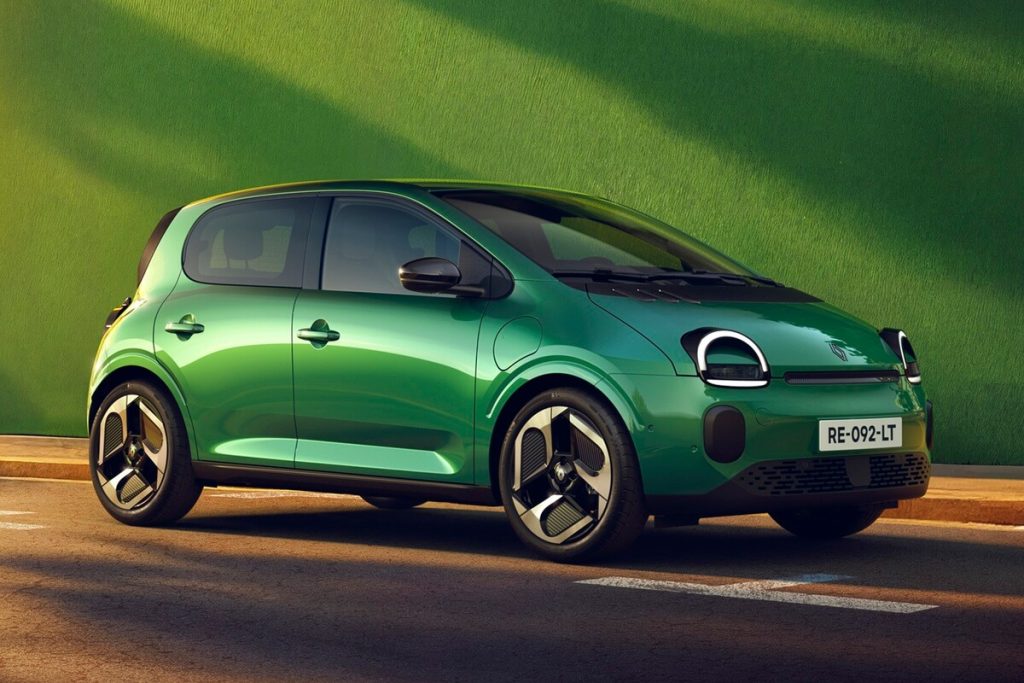
Its small footprint should be one of its biggest advantages. The Twingo is expected to be easy to park, easy to maneuver through narrow streets, and cheaper to operate than larger electric crossovers. Renault is also expected to use its AmpR Small platform, shared with other compact electric models, to reduce development and production costs.
The Twingo E-Tech is not confirmed for U.S. sale. Its importance comes from showing how European manufacturers are moving toward genuinely low-cost EVs instead of treating electric power as a premium feature.
- Engine: Single front-mounted electric motor
- Torque: Not yet confirmed
- Horsepower: Not yet confirmed
- Length/Width: Final production dimensions not confirmed
8. Volkswagen ID. Polo
Volkswagen is preparing the ID. Polo is the production version of the earlier ID.2all concept. It is expected to become one of the company’s most important affordable EVs because it combines a familiar small-car name with a target price around 25,000 euros.
That places it below the equivalent of $30,000 and makes it a direct rival to compact electric cars from Renault, Fiat, Kia, and several Chinese manufacturers.
The ID. Polo is expected to launch in Europe before 2027. Volkswagen plans to build it on its front-wheel-drive MEB Entry platform, a simplified electric architecture developed specifically for smaller and less expensive vehicles.
By using a shared platform and reducing manufacturing complexity, Volkswagen aims to offer a useful range and modern equipment without pushing the price into premium territory.
Early information indicates that the ID.4 may be offered with battery packs of around 38 kWh and 56 kWh. The larger battery could provide up to approximately 280 miles of WLTP range, although real-world highway driving would likely produce a lower figure.
Volkswagen has also indicated that faster charging will be part of the package, helping the car remain useful beyond city driving.
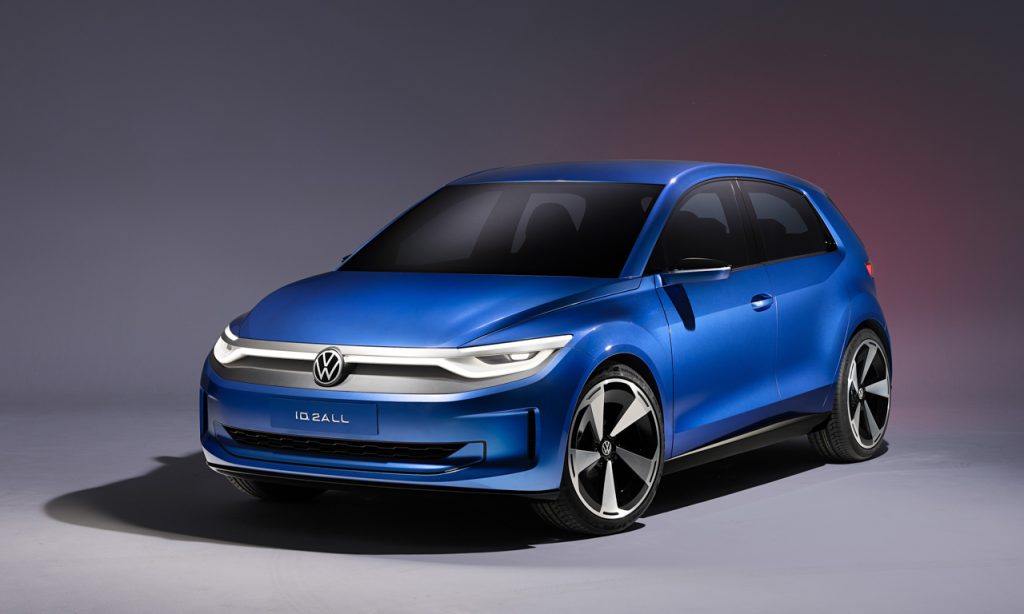
Power output is expected to vary by version. Entry models may use a lower-output motor, while higher trims and a future GTI version could offer considerably more performance. Final production specifications, including exact torque figures and dimensions, have not been fully confirmed.
The ID. Polo is not expected to come to the United States, but it matters because it shows how major brands are adapting their best-known small car names for the electric era. Its projected price, range, and compact design make it a serious, affordable EV prospect for 2027.
- Engine: Single front-mounted electric motor
- Torque: Not yet confirmed
- Horsepower: Up to 226 hp projected for GTI version
- Length/Width: Approximately 159.6 inches / 71.5 inches
9. Citroën ë-C3
The Citroën ë-C3 shows how an affordable EV can focus on comfort and practicality rather than trying to imitate a premium electric crossover. Designed primarily for European buyers, it is positioned below the equivalent of $30,000 and gives families a more spacious alternative to the smallest city-focused electric cars.
Its upright body, raised seating position, and compact exterior dimensions help it work well in urban areas without making the cabin feel overly cramped.
Citroën uses a 44-kWh lithium-iron-phosphate battery pack in the ë-C3. The battery is paired with a front-mounted electric motor producing 113 horsepower.
The quoted WLTP range is close to 199 miles, although actual range will change with weather, road speed, air conditioning use, passenger load, and driving style. For regular commuting and local travel, the battery should provide enough distance for several days of driving between charges for many owners.
The model also supports DC fast charging, allowing the battery to be charged from 20 to 80 percent in around 26 minutes when connected to a suitable 100-kW charger. This gives the e-C3 more flexibility than many older budget EVs that were designed mainly for overnight home charging.
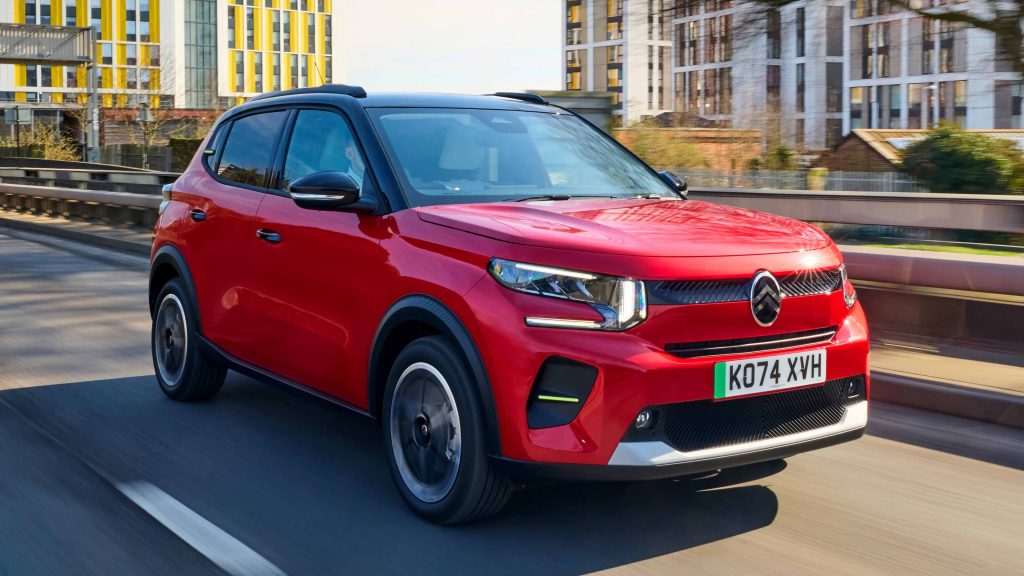
A key part of its appeal is Citroën’s comfort-focused suspension tuning. Many affordable electric cars use firm suspension setups to control costs, but the ë-C3 is intended to provide a softer ride on uneven streets.
It is not confirmed for U.S. sale, but it remains an important example of how European manufacturers are making EV ownership more realistic for budget-conscious buyers.
- Engine: Single front-mounted electric motor
- Torque: 88 lb-ft
- Horsepower: 113 hp
- Length/Width: Approximately 157.2 inches / 69.3 inches
10. Citroën ë-C3X
The Citroën ë-C3X is a budget-focused electric compact vehicle sold in India, where affordability is especially important for buyers moving from gasoline cars to battery power.
It is based on the C3 platform and has crossover-inspired styling, a practical cabin, and a tall stance that helps it deal with rougher roads and speed breakers more comfortably than a low-slung hatchback.
Its price is far below $30,000 in India. Citroën also offers a Battery-as-a-Service plan on selected versions, reducing the initial vehicle price by separating battery ownership from the purchase cost. Buyers then pay a per-kilometer battery usage charge.
This approach may not suit every driver, but it can lower the upfront barrier for people who want an EV but cannot afford the full battery-inclusive price.
The e-C3X uses a 29.2-kWh battery pack and a front-mounted electric motor producing about 57 horsepower and 105 lb-ft of torque. Citroën quotes a claimed range of up to 325 kilometers, or about 202 miles, under India’s test cycle.
Real-world range will be lower in demanding heat, heavy traffic, highway use, or when the air conditioning is running continuously.
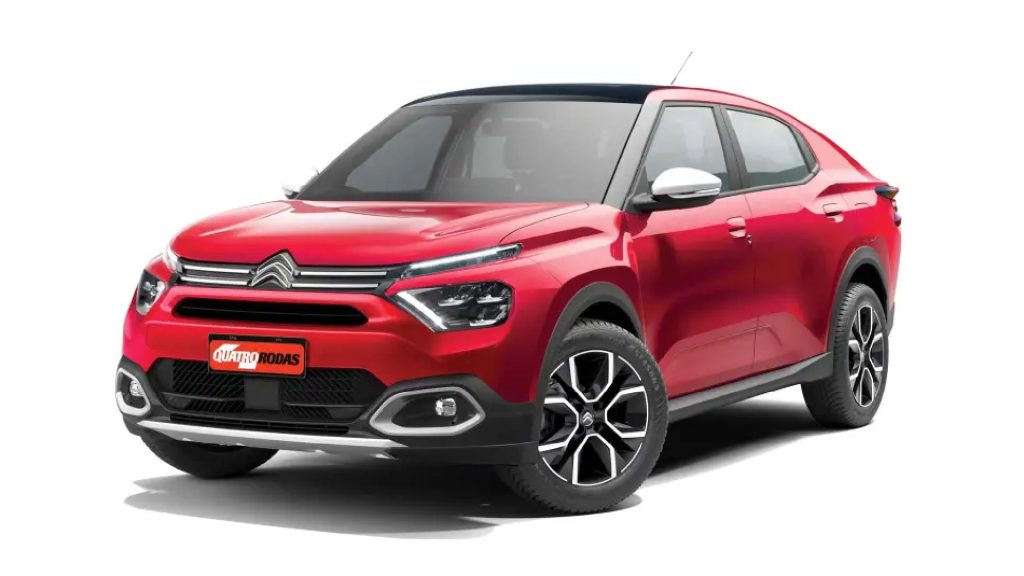
DC fast charging can take the battery from 10 to 80 percent in about 57 minutes. Home charging is slower but remains convenient for owners who have access to a regular parking space and power connection. The car is not built for high-speed long-distance travel, but it is intended to make electric commuting more accessible.
The e-C3X demonstrates that affordable EVs will not follow one global formula. In India, pricing flexibility, practical ground clearance, and manageable running costs can matter more than large battery packs or luxury technology.
- Engine: Single front-mounted electric motor
- Torque: 105 lb-ft
- Horsepower: 57 hp
- Length/Width: Approximately 156.7 inches / 68.2 inches
