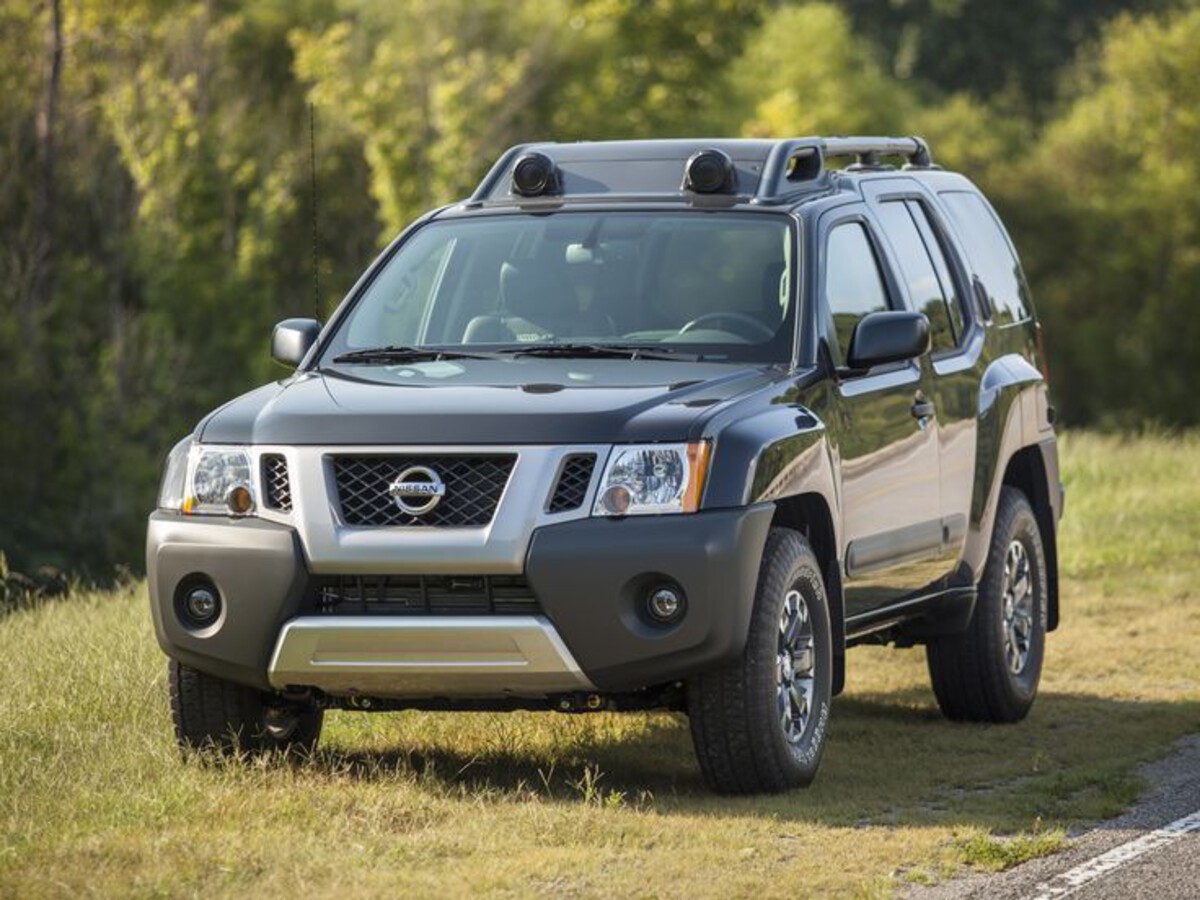
Automakers often retire vehicle names when sales fall, production costs rise, or a changing market makes an older product difficult to justify. Sometimes those names disappear permanently. In other cases, a familiar badge returns because the original vehicle built a loyal following that never fully went away.
A revived model can bring instant recognition, but it also faces a difficult task. It must appeal to buyers who remember the original while still meeting modern expectations for fuel economy, technology, safety, and daily usability.
The return of several familiar automotive nameplates is drawing attention, including the Chevrolet Bolt, Jeep Cherokee, and Nissan Xterra. While all three are making a comeback, their reintroductions are scheduled for different years rather than arriving simultaneously.
The Bolt is a confirmed 2027 model, while the Cherokee has already returned for 2026 and continues into 2027. Nissan has confirmed the Xterra’s comeback, but its planned launch is late 2028, not 2027. That distinction is important for accuracy.
Each vehicle represents a different strategy. Chevrolet is bringing back an affordable electric vehicle, Jeep has reshaped the Cherokee around a hybrid powertrain, and Nissan is preparing a rugged body-on-frame SUV for a later return. Their comebacks show that familiar names can still matter when they are adapted for a new automotive market.
Also Read: 10 Trucks That Held Their Value Better Than Most Over the Last Decade
1. Chevrolet Bolt
The Chevrolet Bolt returns as a 2027 model after Chevrolet ended production of the earlier Bolt EV and Bolt EUV in 2023. The decision to revive it reflects continued demand for an electric vehicle that does not require a luxury-car budget.
Chevrolet has kept the familiar Bolt name but updated the vehicle with a more modern battery, faster charging capability, revised exterior details, and a redesigned cabin.
A major change is the 65-kWh lithium-iron-phosphate battery pack. Chevrolet estimates up to 255 miles of range, giving the new Bolt enough distance for regular commuting, errands, and many weekend trips.
The vehicle also supports DC fast charging at more than 150 kW, with Chevrolet estimating a 10 to 80 percent charge in about 26 minutes under suitable conditions. That is a major improvement over the slower charging experience associated with earlier Bolt models.
The 2027 Bolt uses a front-mounted electric motor rated at 210 horsepower. It is expected to remain front-wheel drive, keeping the layout simple and helping Chevrolet control costs. A standard NACS charging port gives the Bolt access to Tesla Supercharger locations, which could make longer trips easier for owners.
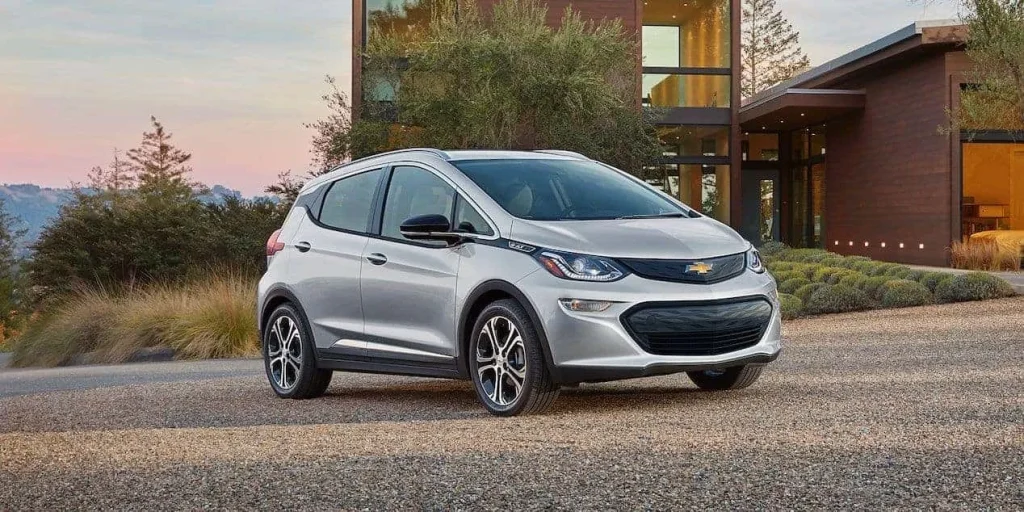
Chevrolet has positioned the Bolt as an affordable EV, with a future base trim expected to start below $30,000. It is not designed to compete with large electric SUVs or high-performance EVs. Its purpose is more practical: to offer a useful range, better charging, and familiar hatchback-like versatility at a price many buyers can consider.
- Engine: Single front-mounted electric motor
- Torque: 169 lb-ft
- Horsepower: 210 hp
- Length/Width: Final production dimensions not confirmed
2. Jeep Cherokee
The Jeep Cherokee returned for the 2026 model year after being discontinued in 2023, and it continues as part of Jeep’s 2027 lineup.
Its comeback is not a return to the previous generation’s formula. Instead of relying on a conventional gasoline engine as the main focus, the revived Cherokee uses a standard hybrid powertrain and all-wheel drive.
The system combines a turbocharged 1.6-liter four-cylinder gasoline engine with two electric motors. Together, they produce 210 horsepower and 230 lb-ft of torque.
A continuously variable automatic transmission sends power through the all-wheel-drive system, while a rear-axle disconnect can help improve efficiency when extra traction is not needed.
This direction gives the Cherokee a clearer role in Jeep’s lineup. It is intended for buyers who want the everyday practicality of a compact or midsize crossover but still expect the brand’s all-weather confidence and light off-road ability.
EPA estimates of 39 mpg in the city and 35 mpg on the highway give it a stronger fuel-economy position than many traditional SUVs.
The new Cherokee also uses styling details that reference earlier Jeep models, including a recognizable upright grille treatment and a more squared-off profile than many crossover rivals. It is not meant to replace the Wrangler or Grand Cherokee for serious trail driving, but it gives Jeep a hybrid-focused option for families and commuters.
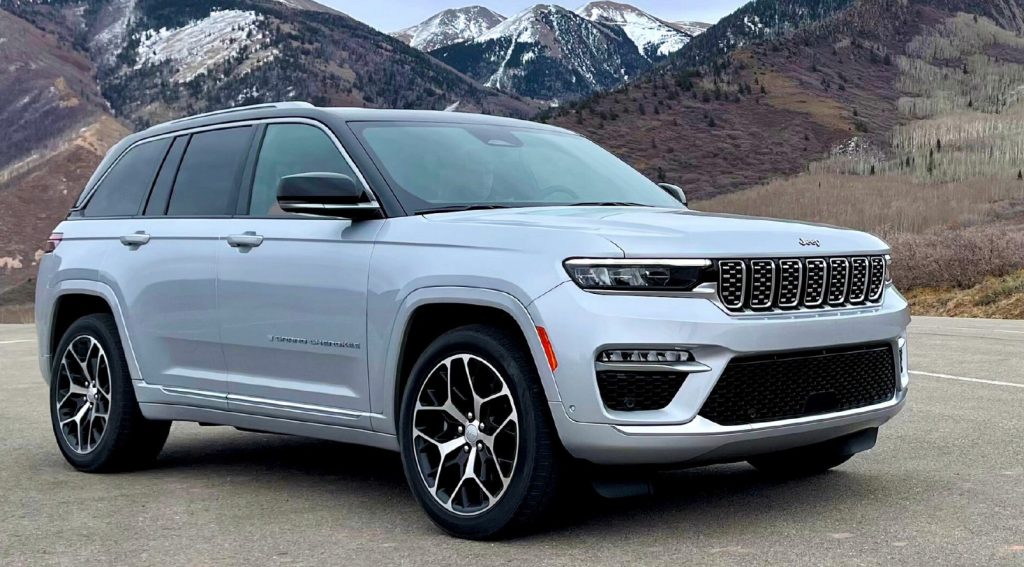
For people who remember the Cherokee as a compact SUV with a loyal following, the new version may feel different. Yet its hybrid system, standard all-wheel drive, and more efficient mission show how Jeep is adapting a familiar name to current buyer expectations.
- Engine: Turbocharged 1.6-liter four-cylinder hybrid with dual electric motors
- Torque: 230 lb-ft
- Horsepower: 210 hp
- Length/Width: Final 2027 dimensions not confirmed
3. Nissan Xterra
The Nissan Xterra is returning, but buyers should not expect it in 2027. Nissan has confirmed that the rugged SUV is targeted for a late-2028 launch, likely as a 2029 model.
The original Xterra was discontinued after the 2015 model year, yet it remained popular among drivers who liked its body-on-frame construction, simple design, available four-wheel drive, and outdoor-focused character.
Nissan’s revival plan places the Xterra back into the growing off-road SUV market. The new model is expected to use a ladder-frame platform, making it more closely related to traditional truck-based SUVs than to a road-focused crossover.
Nissan has indicated that the vehicle will be built in the United States and is expected to offer V6 and hybrid powertrain options.
Final performance figures, towing capacity, dimensions, transmission details, and pricing have not been announced. That means claims about exact horsepower or torque should be treated carefully until Nissan releases official specifications.
The company has shown only teaser imagery so far, but the vehicle is expected to compete with models such as the Toyota 4Runner, Ford Bronco, Jeep Wrangler, and other adventure-oriented SUVs.
The Xterra’s return is significant because it shows Nissan moving back toward a more traditional off-road segment. Buyers who liked the original model valued its durability and practical design more than luxury features.
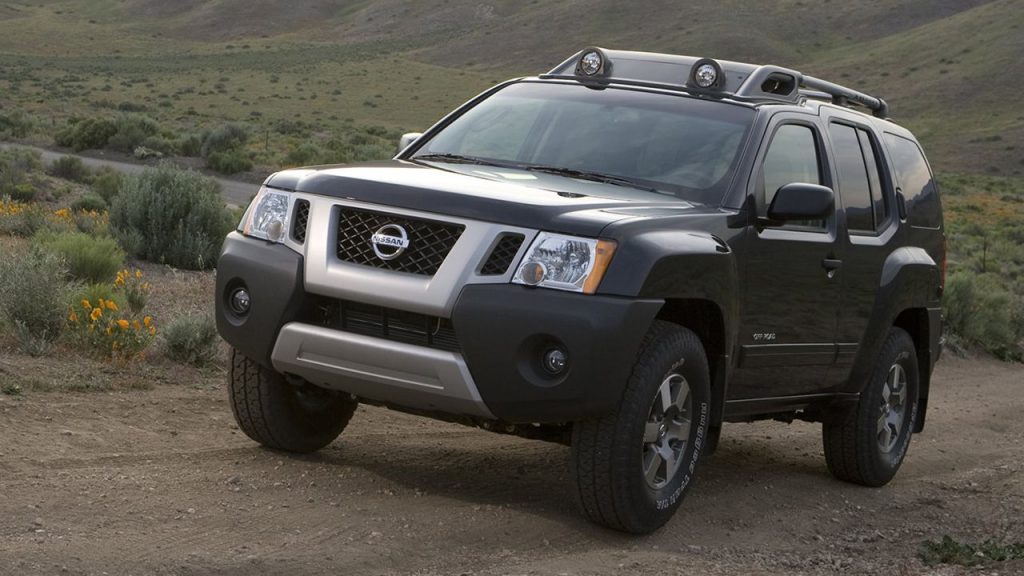
If Nissan preserves that identity while adding modern safety technology, better fuel efficiency, and a hybrid option, the revived Xterra could attract both former owners and new buyers.
It is one of the most anticipated returning nameplates, but it belongs in a future 2028 or 2029 article rather than a strict 2027 list.
- Engine: V6 and hybrid powertrains planned.
- Torque: Not yet confirmed
- Horsepower: Not yet confirmed
- Length/Width: Not yet confirmed
Also Read: 10 Most Popular Trucks of Every Decade Since the 1960s