
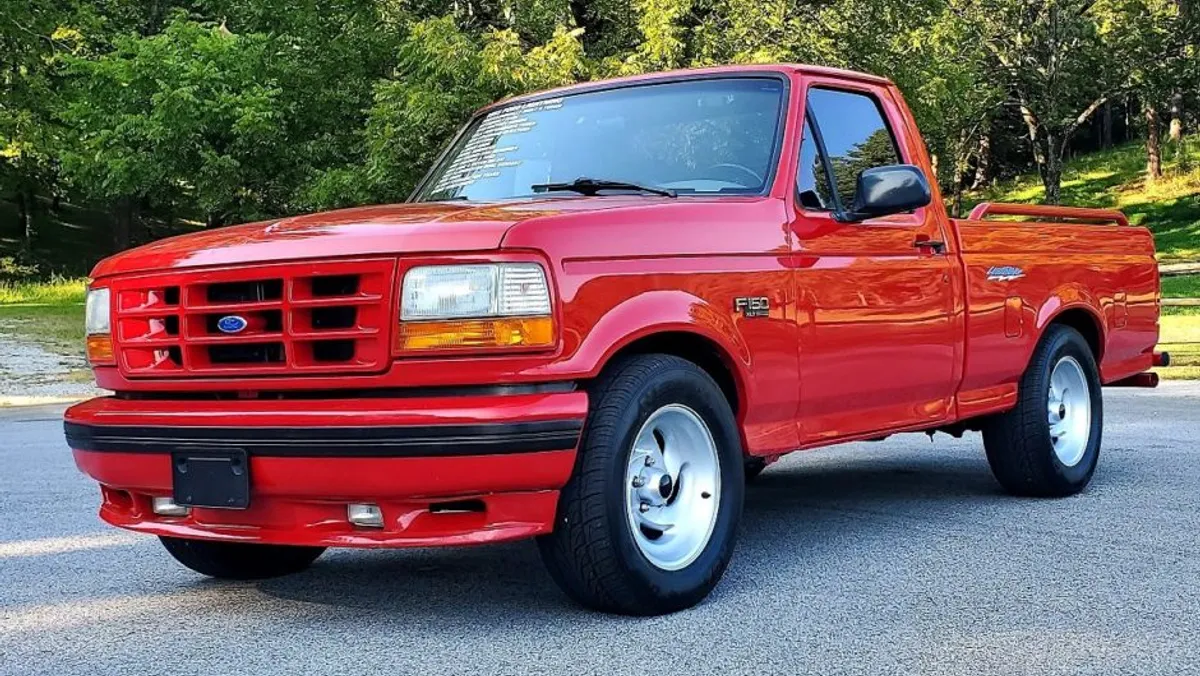
Pickup trucks have changed more dramatically than almost any other type of vehicle sold in America. In the 1960s, they were mainly work tools built for farms, construction sites, small businesses, and rural families.
Their interiors were basic, their beds were the priority, and comfort was often secondary. As each decade passed, trucks became more powerful, more comfortable, and more important to the American automotive market.
By the 1970s, pickups had started becoming family vehicles as well as work machines. The 1980s brought better fuel efficiency, more refined cabins, and stronger reliability. During the 1990s, trucks became major lifestyle vehicles, with extended cabs, four-door designs, and more powerful engines.
The 2000s pushed luxury and towing capability to new levels, while the 2010s introduced advanced safety systems, turbocharged engines, aluminum body panels, and high-output off-road models.
Today, trucks are used for nearly everything. They tow trailers, carry tools, handle off-road trips, transport families, and serve as premium daily drivers. The models in this list represent the pickups that captured the attention of buyers during their respective eras.
Some became sales leaders, while others became cultural icons because of their design, durability, performance, or influence on the trucks that followed. Together, they show how the American pickup evolved from a simple work vehicle into one of the most popular forms of transportation in the country.
Also Read: 8 Sedans That Outrun Sports Cars Costing Twice as Much
1. 1967 Chevrolet C10
The 1967 Chevrolet C10 marked the beginning of Chevrolet’s second-generation C/K pickup lineup and became one of the most recognizable trucks of the late 1960s. Its clean body lines, wide grille, and simple proportions gave it a design that still attracts collectors today.
Chevrolet called this generation the Action Line, and the C10 helped prove that a pickup could look stylish while remaining capable of daily work.
Compared with earlier trucks, the 1967 C10 offered a more comfortable cabin and a more modern driving experience. Chevrolet improved the suspension design, introduced a smoother ride, and gave buyers more choices in trim and equipment.
This was important because truck owners were beginning to expect more than a bare work vehicle. Many buyers used their pickups during the week for hauling and on weekends for family trips or personal transportation.
The C10 could be ordered with several engines, including inline-six and V8 options. The 327-cubic-inch V8 was one of the stronger choices, producing 275 horsepower and 355 lb-ft of torque. That gave the truck useful pulling power while still keeping the classic small-block Chevrolet character that enthusiasts appreciate.
Its popularity today comes from more than nostalgia. The 1967 C10 has a huge aftermarket, making restoration and customization easier than with many older pickups.
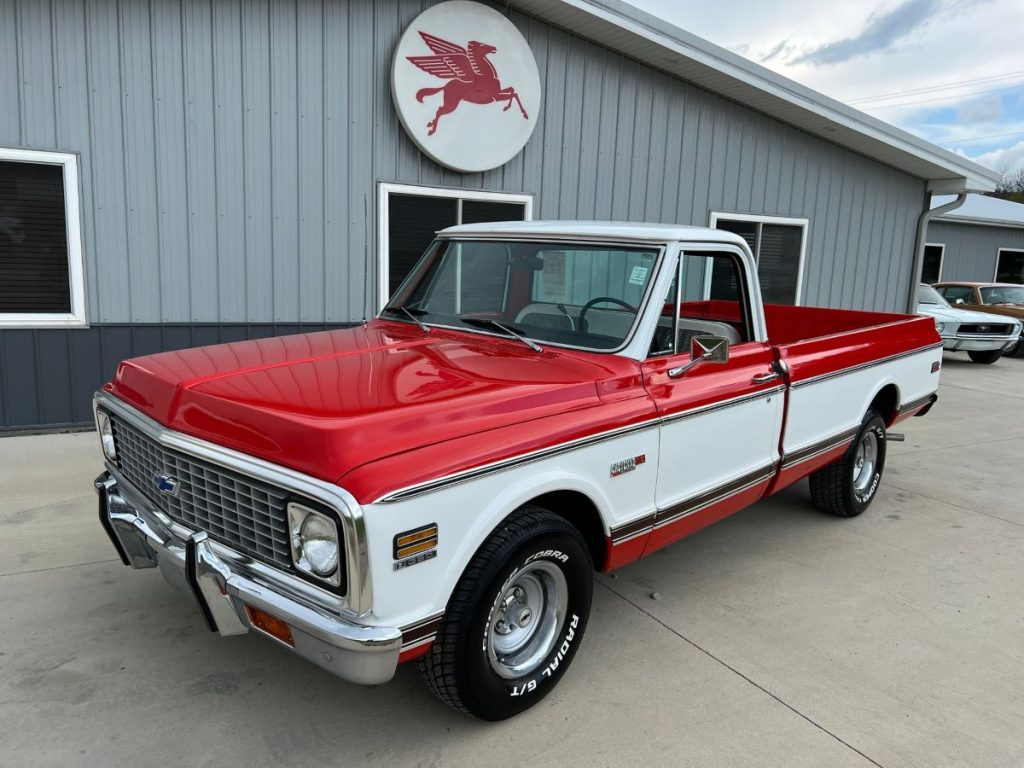
Owners can preserve the original look, build a lowered street truck, or install a modern engine and suspension. Its simple mechanical design also makes it approachable for hobbyists.
The C10 defined its era because it combined durability with a cleaner, more stylish personality. It helped move pickup trucks away from the purely agricultural image of earlier decades, and toward the broader lifestyle role they would eventually take in American culture.
- Engine: 327-cubic-inch V8
- Torque: 355 lb-ft
- Horsepower: 275 hp
- Length/Width: 206.0 inches / 79.0 inches
2. 1973 Ford F-100
The 1973 Ford F-100 introduced the sixth generation of Ford’s F-Series and became one of the most important pickup trucks of the 1970s. Its boxy shape, broad front grille, and practical cab design created a look that many people now associate with the classic American work truck.
Ford designed this generation to be tougher, more comfortable, and easier to use every day, helping the F-Series become a major force in the pickup market.
One of the biggest changes was the cabin. Ford gave the truck more interior room, better ventilation, and improved seating comfort. The dashboard was easier to read, and the truck could be ordered with more convenience features than earlier F-Series models.
These improvements mattered because buyers were beginning to use trucks for commuting and family transportation, not just hauling equipment.
The F-100 was available with a range of engines, from inline-six options to powerful V8s. The 360-cubic-inch V8 was a popular choice, producing 215 horsepower and 327 lb-ft of torque. It gave the truck enough strength for towing, farm work, and daily hauling. The F-100 also had a rugged chassis that helped it earn a reputation for durability.
Ford offered several body styles, including regular-cab and long-bed versions, allowing buyers to choose a truck suited to their needs. The truck’s simple design also made repairs easier for owners who preferred to maintain their own vehicles.
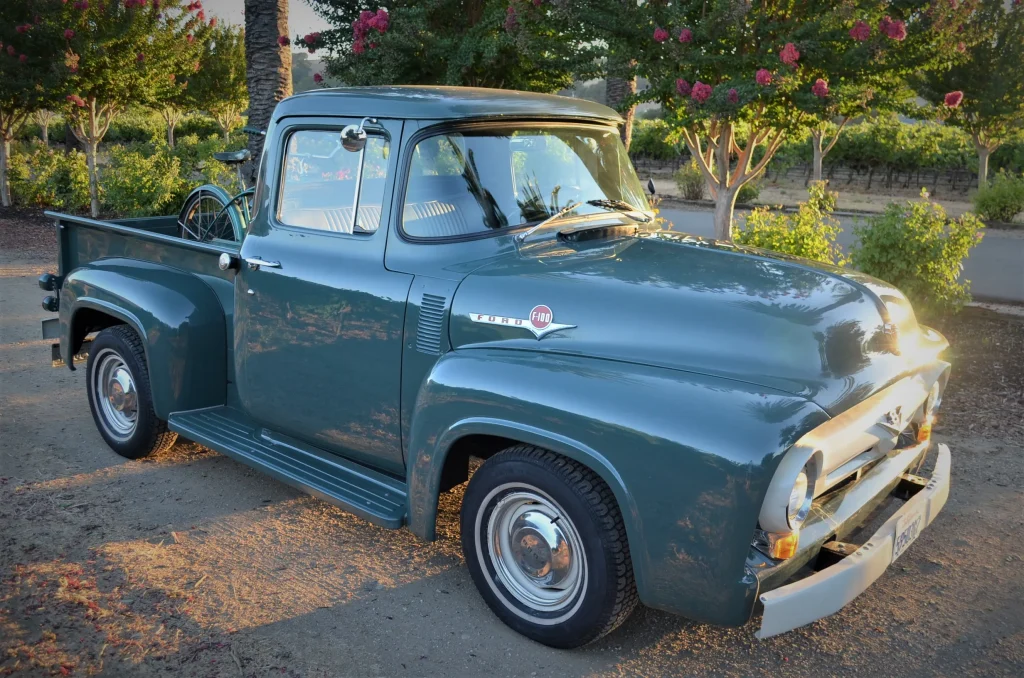
The 1973 F-100 became popular because it represented a major step forward for Ford trucks. It was still a serious work vehicle, but it had more comfort and style than the pickups that came before it. Its influence can still be seen in the strong demand for classic F-Series trucks today.
- Engine: 360-cubic-inch V8
- Torque: 327 lb-ft
- Horsepower: 215 hp
- Length/Width: 202.3 inches / 79.0 inches
3. 1981 Chevrolet C/K 1500
The 1981 Chevrolet C/K 1500 arrived at a time when pickup buyers were beginning to expect better fuel economy without giving up the strength needed for work. Chevrolet responded with a redesigned version of its long-running C/K truck, often known by enthusiasts as the Square Body generation.
The truck kept the familiar upright cab and boxy bed, but its front end was revised for improved aerodynamics and a more modern appearance.
This generation became extremely popular because it offered a wide range of configurations. Buyers could choose two-wheel drive or four-wheel drive, short or long beds, regular or extended cabs, and several engines.
That flexibility helped the C/K 1500 serve farmers, contractors, families, and drivers who simply wanted a durable American pickup. Its simple construction also made it easier to repair than many later trucks filled with electronic systems.
The 305-cubic-inch V8 was one of the more common gasoline choices during the early 1980s. In the 1981 form, it produced 150 horsepower and 240 lb-ft of torque.
These figures reflected the emissions and fuel-economy challenges of the period, but the engine still delivered dependable low-speed pulling power. Chevrolet also offered larger V8s and diesel options for buyers with heavier towing or hauling needs.
Its popularity has lasted because the C/K 1500 has become a classic. The flat body panels, square headlights, simple dashboard, and rugged bed design give it a look that remains instantly recognizable.
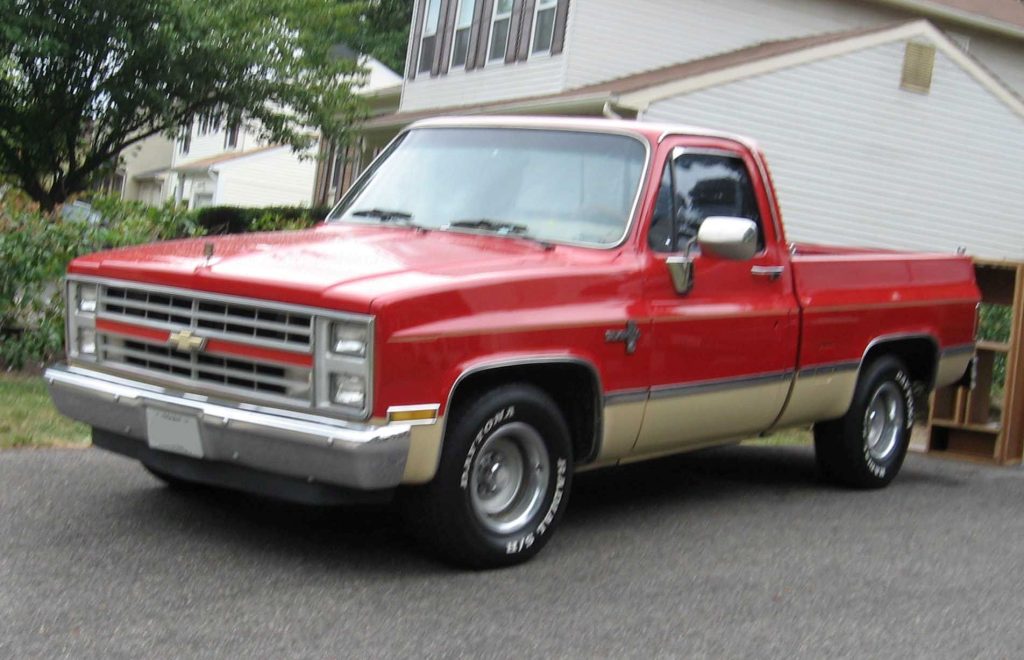
Many examples are restored as original work trucks, while others become lowered street trucks, off-road builds, or modernized restomods.
The 1981 Chevrolet C/K 1500 helped define the 1980s pickup market by proving that a truck could remain tough and useful while adapting to changing expectations for efficiency, comfort, and daily driving.
- Engine: 5.0-liter 305-cubic-inch V8
- Torque: 240 lb-ft
- Horsepower: 150 hp
- Length/Width: 211.2 inches / 79.0 inches
4. 1994 Dodge Ram 1500
The 1994 Dodge Ram 1500 changed the direction of the pickup market with a design that was impossible to ignore. Before this truck arrived, many full-size pickups used relatively conservative styling.
Dodge took a different route, giving the Ram a massive crosshair grille, a tall hood, broad fenders, and a bold big-rig-inspired front end. The result made the truck stand out immediately from Ford and Chevrolet rivals.
Its styling was only part of the story. Dodge redesigned the cabin with more space, better seats, and a dashboard that felt more like a passenger vehicle than an older work truck. Buyers could choose a regular cab or an extended club cab, and the truck was offered in several trim levels.
This made the Ram more appealing to people who wanted a pickup for commuting, family use, and recreation, as well as job-site duties.
The 5.9-liter Magnum V8 was a key part of the Ram’s success. It produced 230 horsepower and 330 lb-ft of torque, giving the truck strong towing and hauling ability. Dodge also offered a 5.2-liter V8 and the famous Cummins turbo-diesel in heavier-duty versions, but the 5.9-liter gasoline engine gave half-ton buyers a powerful and straightforward option.
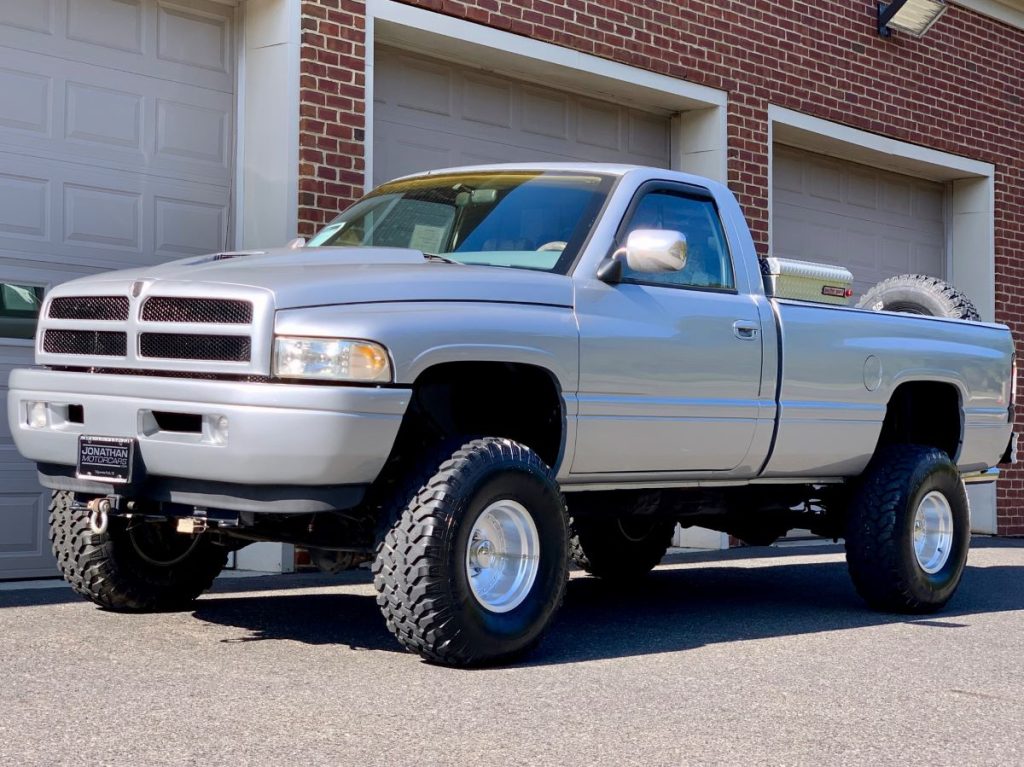
The 1994 Ram is remembered because it helped make trucks more emotional purchases. Buyers were no longer choosing a pickup only because they needed a bed.
They wanted a truck that looked powerful, made a statement, and could serve multiple roles. Dodge sales rose sharply after the redesign, proving that aggressive styling could reshape the full-size truck market.
- Engine: 5.9-liter Magnum V8
- Torque: 330 lb-ft
- Horsepower: 230 hp
- Length/Width: 224.1 inches / 79.5 inches
5. 2001 Ford F-150 SVT Lightning
The 2001 Ford F-150 SVT Lightning showed that a pickup truck could be built primarily for speed. While most full-size trucks of the early 2000s focused on towing, payload capacity, or off-road ability, Ford’s Special Vehicle Team created a street-performance model with a supercharged V8, lowered suspension, and styling that made its intentions clear without becoming excessive.
The second-generation Lightning was based on the regular F-150, but it received major mechanical changes. Its 5.4-liter Triton V8 used an Eaton supercharger to produce 380 horsepower and 450 lb-ft of torque in 2001.
Power went to the rear wheels through a four-speed automatic transmission, allowing the truck to deliver strong straight-line acceleration. It could reach 60 mph in about 5 seconds, which was remarkable for a full-size pickup at the time.
Ford also revised the chassis for better road performance. The Lightning sat lower than a standard F-150 and used upgraded suspension components, larger brakes, and performance tires. These changes gave it more controlled handling than a typical truck, though it still retained the usable bed and practical cab of a pickup.
The Lightning became popular because it offered a very different kind of truck experience. It was not built for deep mud or extreme towing.
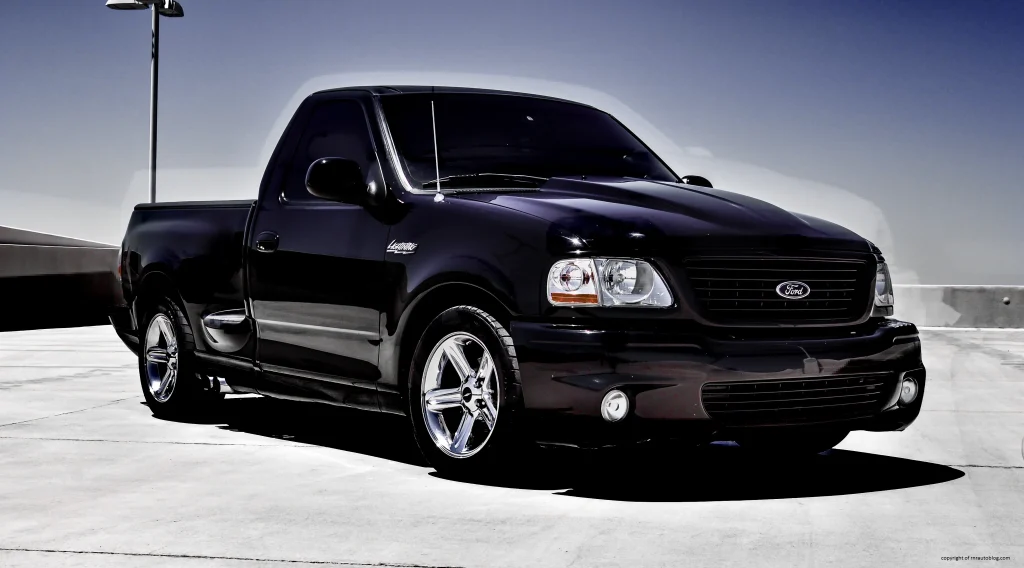
Instead, it gave buyers the sound and acceleration of a supercharged V8 in a vehicle that could still carry tools, groceries, or weekend gear. Its clean bodywork, unique front bumper, side skirts, and sport wheels helped it stand apart from regular F-150 models.
Today, the 2001 SVT Lightning is remembered as one of the most important performance trucks of the 2000s. It proved that pickups could compete with sports cars in acceleration while remaining useful for daily life.
- Engine: 5.4-liter supercharged V8
- Torque: 450 lb-ft
- Horsepower: 380 hp
- Length/Width: 203.6 inches / 79.1 inches
6. 2010 Ford F-150 SVT Raptor
The 2010 Ford F-150 SVT Raptor created a new type of factory pickup truck. Before the Raptor, buyers who wanted serious off-road performance often had to modify a standard truck with aftermarket suspension parts, larger tires, skid plates, and stronger shocks.
Ford changed that by offering a production F-150 designed to handle high-speed desert driving directly from the factory.
The first Raptor used a 5.4-liter V8, but the 6.2-liter V8 became the engine most associated with the early model. It produced 411 horsepower and 434 lb-ft of torque, giving the truck enough power to match its wide body and heavy-duty suspension.
Ford fitted the Raptor with long-travel Fox shocks, skid plates, larger tires, widened fenders, and a stronger suspension setup than a normal F-150.
Its appearance helped make it a cultural icon. The wide stance, bold grille lettering, raised ride height, and off-road tires gave the Raptor a look that immediately communicated capability. It became popular with buyers who wanted a truck that could handle trails, desert terrain, snow, and daily commuting without requiring aftermarket work.
The Raptor also changed how other manufacturers approached off-road pickups. Its success encouraged rivals to create models such as the Ram TRX and Chevrolet Silverado ZR2. The Raptor made factory off-road performance a major category rather than a niche interest.
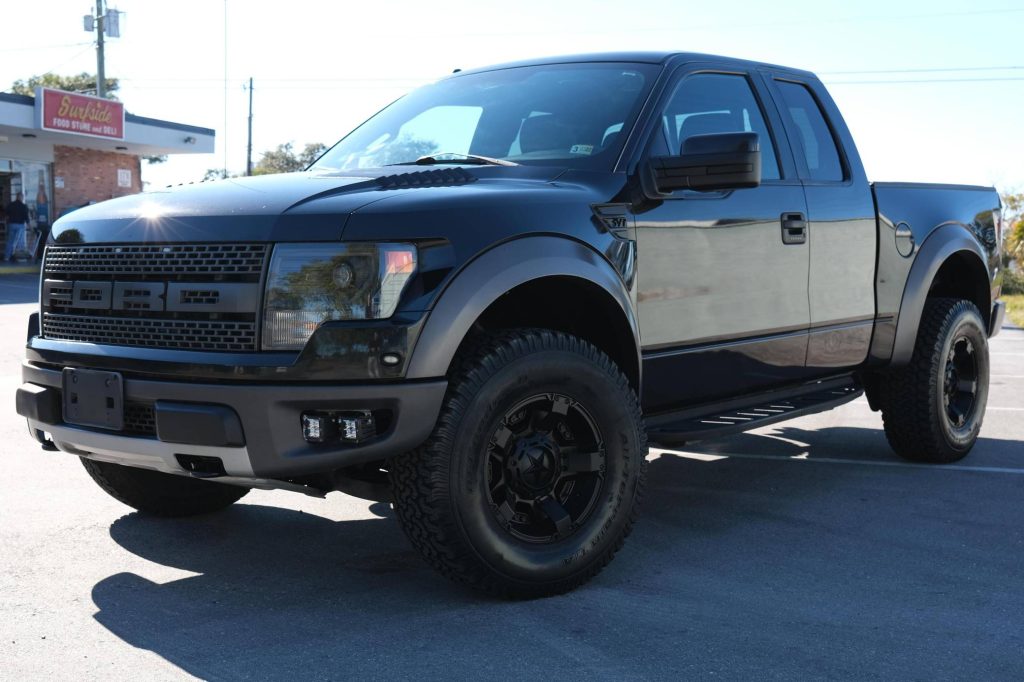
The 2010 model remains important because it was the truck that established this formula. It combined serious V8 power, specialized suspension hardware, and a bold design in a way no mainstream pickup had done before. It helped define the 2010s by making off-road performance one of the most desirable qualities in the truck market.
- Engine: 6.2-liter V8
- Torque: 434 lb-ft
- Horsepower: 411 hp
- Length/Width: 220.6 inches / 86.3 inches
7. 2021 Ram 1500 TRX
The 2021 Ram 1500 TRX arrived as one of the most extreme factory pickup trucks ever sold. It was created to challenge the Ford F-150 Raptor, but Ram took a different approach by using a supercharged V8 rather than a turbocharged engine. The result was a full-size off-road truck with sports-car-level acceleration and a dramatic personality.
Under the hood, the TRX used a supercharged 6.2-liter Hellcat V8 producing 702 horsepower and 650 lb-ft of torque. Power was sent through an eight-speed automatic transmission and a four-wheel-drive system.
This gave the truck the ability to accelerate from 0 to 60 mph in about 4.5 seconds, an astonishing figure for a vehicle of its size and weight.
Ram strengthened the chassis and added specialized Bilstein adaptive dampers, reinforced suspension components, large all-terrain tires, skid plates, and a wider body.
These upgrades allowed the TRX to handle rough terrain at high speed while still offering a comfortable and well-equipped cabin. The interior included large screens, premium materials, and enough space for passengers to travel comfortably.
The TRX became popular because it delivered an experience that no ordinary pickup could match. Its supercharged engine produced a deep exhaust note, while its wide fenders and aggressive grille gave it a powerful visual identity.
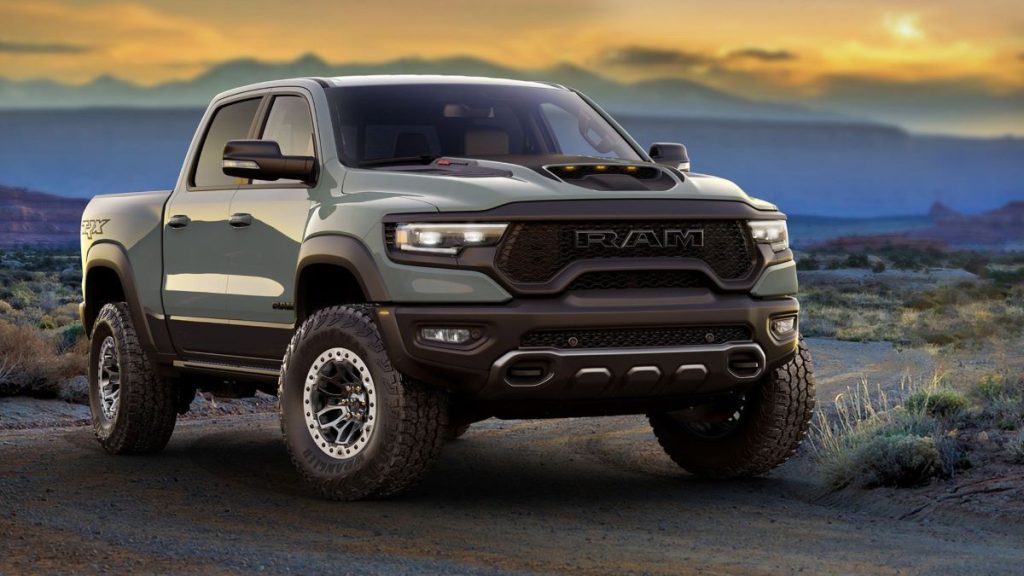
It was expensive, thirsty, and far more capable than most owners would ever need, but that was part of its appeal.
This truck represented the peak of the high-horsepower off-road era. It showed that modern pickups could combine luxury, advanced suspension technology, and extreme V8 performance in one package.
- Engine: 6.2-liter supercharged V8
- Torque: 650 lb-ft
- Horsepower: 702 hp
- Length/Width: 232.9 inches / 88.0 inches
8. 2022 Ford Maverick
The 2022 Ford Maverick brought a different kind of popularity to the truck market. Instead of being larger, more powerful, and more expensive than its rivals, the Maverick focused on affordability, efficiency, and everyday usefulness. It arrived when many buyers wanted a pickup but did not need the size or cost of a full-size model.
Ford built the Maverick on a unibody platform shared with compact SUVs, giving it a smoother ride and easier handling than traditional body-on-frame trucks.
Its small size made it simple to park, while the four-door cabin gave it room for passengers. The short bed was designed for practical use, with multiple tie-down points and flexible storage solutions.
The standard hybrid powertrain used a 2.5-liter four-cylinder engine and an electric motor, producing 191 horsepower. This gave the Maverick excellent fuel economy for a pickup. Buyers who needed more towing ability could choose a 2.0-liter turbocharged engine with 250 horsepower and 277 lb-ft of torque.
The Maverick became popular because it filled a gap in the market. It was useful enough for home projects, weekend trips, and light hauling, but it did not feel oversized in city traffic. Its lower starting price also attracted younger buyers and people who had never considered a truck before.
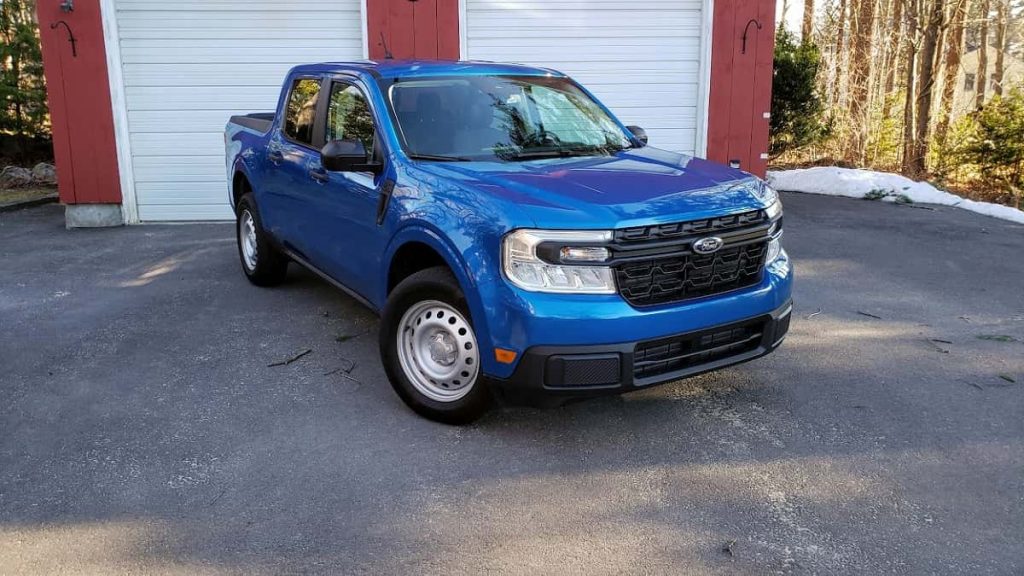
Ford showed that a pickup did not need huge dimensions or a V8 engine to be desirable. The Maverick helped bring compact trucks back into mainstream conversation and proved that practicality and efficiency could be just as appealing as extreme horsepower.
- Engine: 2.5-liter hybrid four-cylinder engine
- Torque: 155 lb-ft
- Horsepower: 191 hp
- Length/Width: 199.7 inches / 72.6 inches
9. 2024 Toyota Tacoma
The 2024 Toyota Tacoma represented a major reset for one of America’s most recognizable midsize trucks. Toyota gave it a tougher body, a more modern cabin, and a new turbocharged engine lineup while keeping the durability-focused identity that made earlier Tacomas popular.
For buyers who wanted a truck that could handle commuting, weekend travel, trail use, and light work, the new generation brought more capability without losing its familiar appeal.
The most important mechanical change was the available i-FORCE MAX hybrid powertrain. It paired a turbocharged 2.4-liter four-cylinder engine with an electric motor to produce 326 horsepower and 465 lb-ft of torque.
That torque figure gave the Tacoma stronger low-speed pulling ability for towing, climbing, and off-road driving. Toyota also offered non-hybrid turbocharged versions for buyers who wanted a simpler powertrain.
The cabin moved far beyond the basic interiors of older Tacoma models. A large available touchscreen, improved seating, digital displays, and modern driver-assistance features made it more comfortable for daily use. Toyota also improved the driving position, which had been a common complaint in the previous generation.
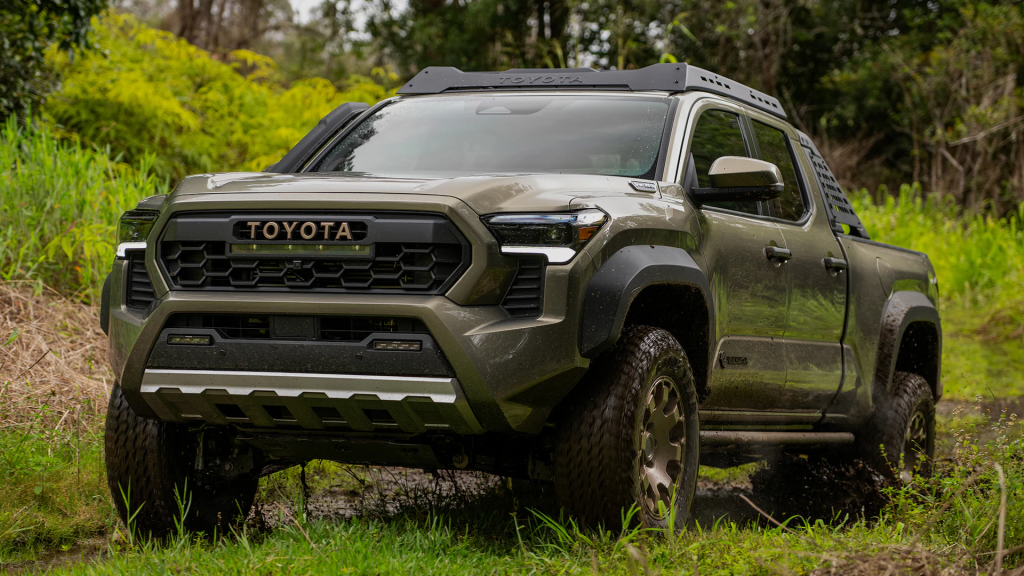
Off-road trims remained central to the Tacoma’s success. The TRD Off-Road, TRD Pro, and Trailhunter versions gave buyers different levels of trail capability, with features such as upgraded suspension systems, skid plates, all-terrain tires, and off-road camera views. This variety helped the Tacoma appeal to both casual owners and serious outdoor enthusiasts.
The 2024 Tacoma became popular because it modernized a trusted truck without turning it into a full-size vehicle. It kept the manageable dimensions that many buyers prefer while adding stronger performance, improved technology, and more specialized off-road options.
- Engine: 2.4-liter turbocharged hybrid four-cylinder engine
- Torque: 465 lb-ft
- Horsepower: 326 hp
- Length/Width: 213.0 inches / 76.9 inches
10. 2025 Chevrolet Silverado 1500
The 2025 Chevrolet Silverado 1500 remains one of the most popular full-size trucks because it offers a broad range of engines, body styles, and trim levels.
Chevrolet has built the Silverado for buyers with very different needs, from basic work-truck customers to families, towing owners, and off-road enthusiasts. This flexibility has helped it remain a major part of the American truck market for decades.
One of the Silverado’s strengths is engine choice. The available 6.2-liter V8 produces 420 horsepower and 460 lb-ft of torque, giving the truck strong acceleration and serious towing capability.
Chevrolet also offers smaller gasoline engines, a turbocharged four-cylinder, and a Duramax diesel for buyers who prioritize fuel economy or heavy towing. This variety allows the Silverado to serve more buyers than trucks built around a single powertrain approach.
The cabin has become more refined in recent years, particularly in higher trims. Large digital displays, smartphone connectivity, driver-assistance technology, and premium materials make the Silverado easier to use as a daily vehicle. At the same time, lower trims retain the durable surfaces and straightforward layout needed for work use.
Chevrolet also offers off-road versions such as the Trail Boss and ZR2. These models add raised suspension systems, skid plates, all-terrain tires, and specialized driving modes. Buyers can choose a Silverado that feels like a traditional work truck or one that is ready for outdoor travel.
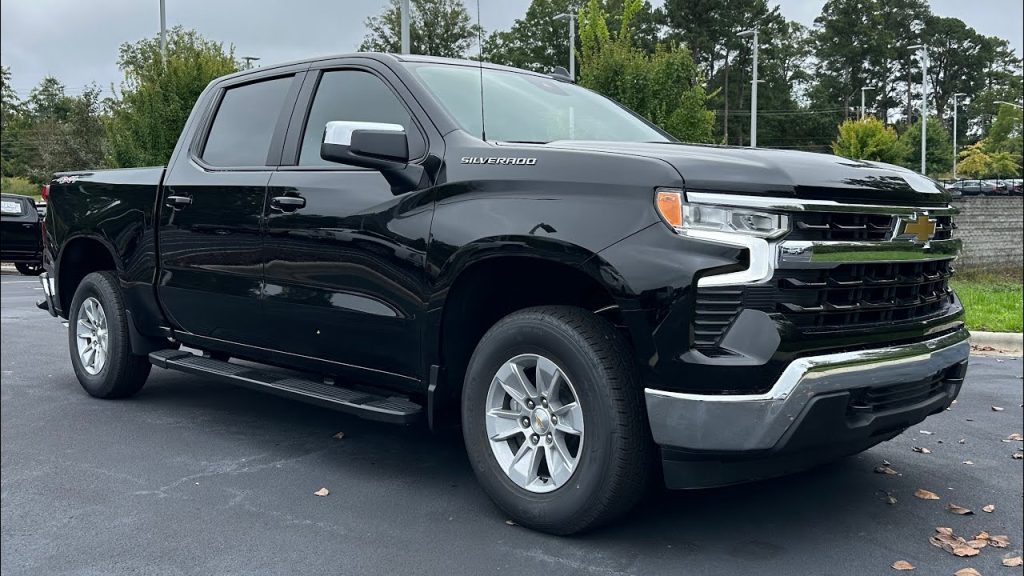
The 2025 Silverado remains popular because it balances strength, technology, and choice. It continues the long Chevrolet truck tradition while offering the comfort and capability modern buyers expect.
- Engine: 6.2-liter V8
- Torque: 460 lb-ft
- Horsepower: 420 hp
- Length/Width: 231.7 inches / 81.2 inches
Also Read: 8 Hidden Features in the Toyota Highlander Most Drivers Miss
