
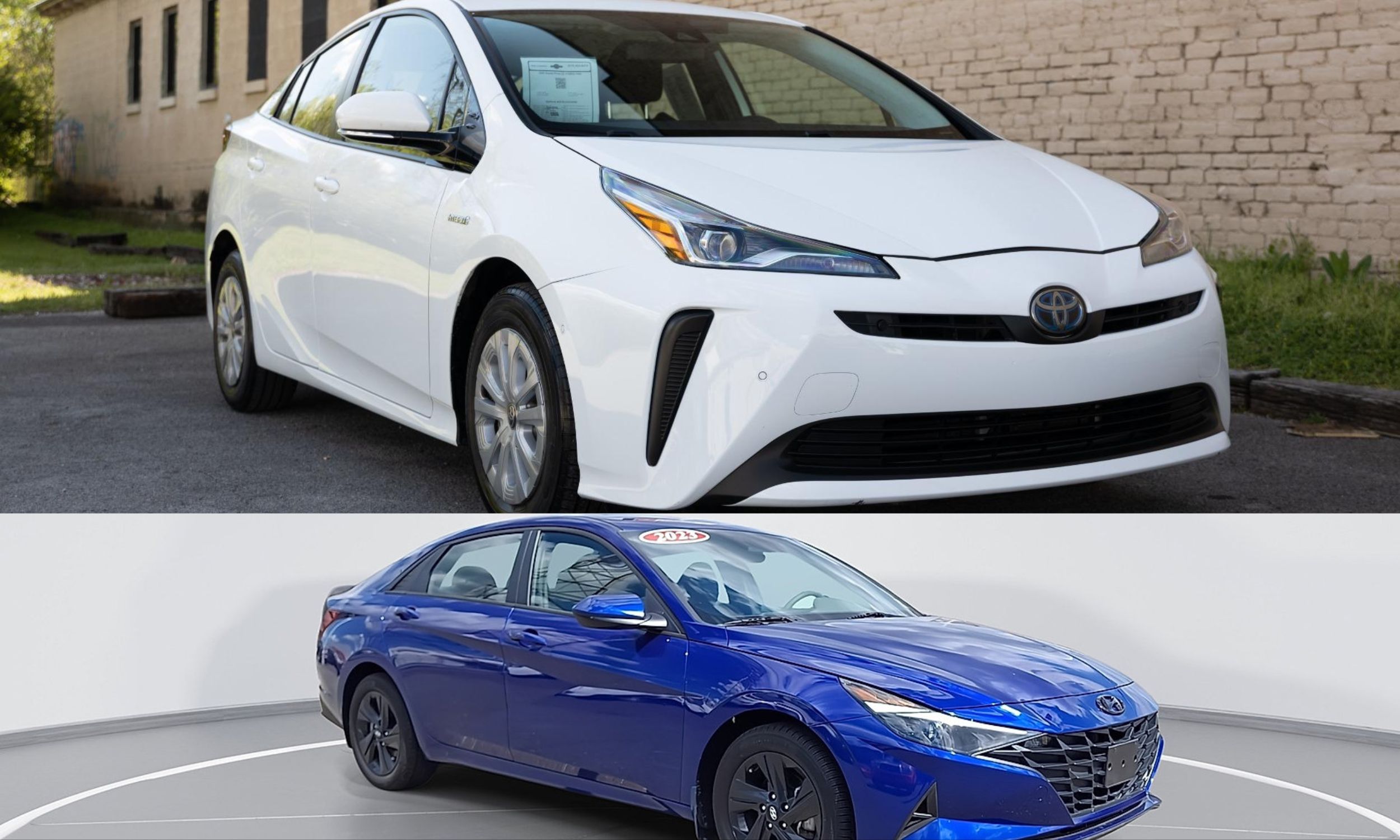
Higher fuel prices have made fuel economy a bigger priority for many drivers. While petrol prices are beyond anyone’s control, choosing an efficient hybrid can make a noticeable difference to everyday running costs. To help buyers make informed decisions, the EPA and FuelEconomy.gov estimate each vehicle’s projected five-year fuel cost based on driving 15,000 miles annually using national average fuel prices. This gives shoppers a realistic idea of what they may spend during the first few years of ownership.
For people with long commutes or families using multiple vehicles, lower fuel bills can free up money for maintenance, insurance, or other household expenses. Many hybrids save owners well over a thousand dollars compared with similar petrol-powered models during that period. The eight vehicles featured here stand out for their low projected five-year fuel costs while still delivering the comfort, reliability, and everyday practicality that make hybrids a smart choice for daily driving.
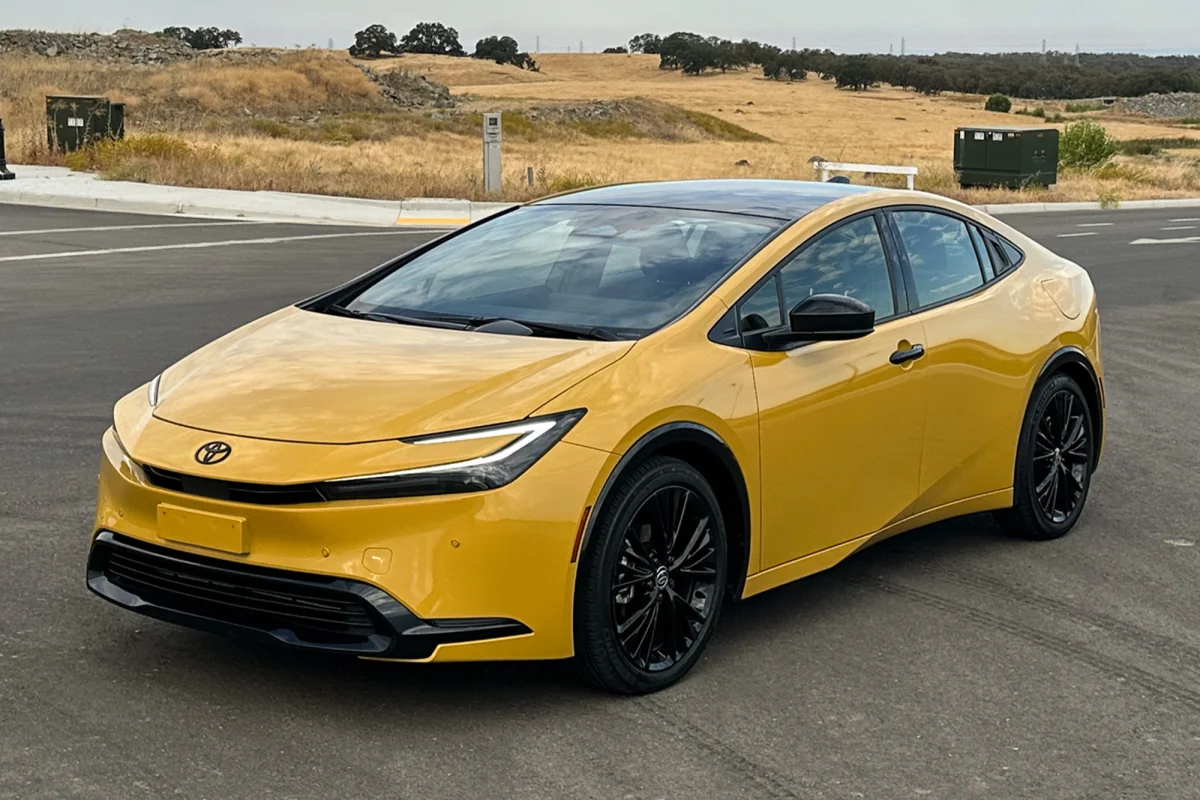
1. Toyota Prius LE (FWD)
- Engine: 2.0-liter Hybrid Inline-4 + Electric Motor
- Horsepower: 194 hp
- Torque: 139 lb-ft (gasoline engine)
- Size: 181.1″ L × 70.2″ W × 55.9″ H
EPA Combined Fuel Economy: 57 MPG
EPA 5-Year Fuel Cost: $3,750
The Toyota Prius has built its reputation by doing one thing exceptionally well: using as little fuel as possible without sacrificing everyday practicality. The latest Prius LE continues that tradition with a 2.0-liter four-cylinder hybrid system that produces a combined 194 horsepower.
The gasoline engine delivers 139 lb-ft of torque, while the electric motor works alongside it to provide smooth and efficient performance during both city and highway driving. Measuring 181.1 inches long, 70.2 inches wide, and 55.9 inches tall, the Prius remains easy to park while still offering a spacious cabin and a practical hatchback cargo area.
Performance has never been the Prius’ main selling point, and Toyota has never pretended otherwise. Instead, this hybrid focuses on keeping fuel stops to a minimum. The EPA rates the Prius LE at an impressive 57 mpg combined, making it one of the most fuel-efficient gasoline-powered vehicles available today. That level of efficiency can make a real difference for drivers covering long distances every week, especially with fuel prices remaining unpredictable.
The savings become even more noticeable when looking at long-term ownership costs. Based on EPA estimates, the Prius LE has a projected five-year fuel cost of about $3,750, one of the lowest figures among hybrids currently on sale. Compared with many conventional gasoline vehicles, owners can save thousands of dollars on fuel during that period.
Toyota’s hybrid technology also has a long history of reliability, with millions of vehicles proving the durability of the system across many years of daily use. That strong track record gives buyers extra confidence that the low running costs are backed by dependable engineering.
If your main goal is to spend less on fuel without giving up comfort, practicality, or reliability, the Prius LE remains one of the smartest choices available and continues to set the standard for hybrid efficiency.
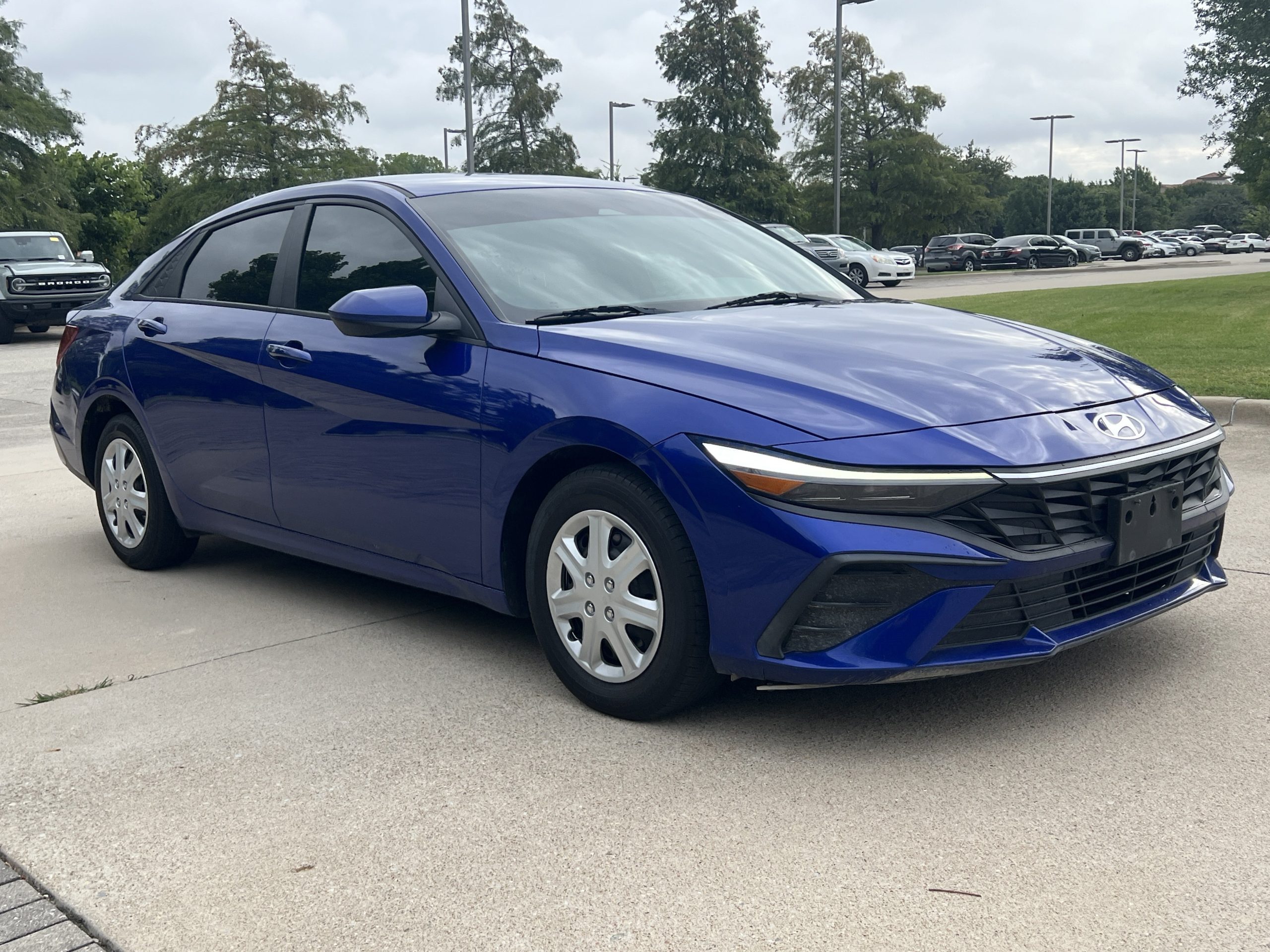
2. Hyundai Elantra Hybrid Blue
- Engine: 1.6-liter Hybrid Inline-4
- Horsepower: 139 hp
- Torque: 195 lb-ft (combined system)
- Size: 184.1″ L × 71.9″ W × 55.7″ H
EPA Combined Fuel Economy: 54 MPG
EPA 5-Year Fuel Cost: $4,000
Can a compact sedan compete with a car practically built around the word efficient? Hyundai seems to think so, and the numbers back that confidence up. The Elantra Hybrid Blue runs on a 1.6-liter hybrid four-cylinder engine producing 139 horsepower, with the combined hybrid system contributing a strong 195 lb-ft of torque, enough for smooth, confident acceleration around town and on highway on-ramps alike.
Measuring 184.1 inches long, 71.9 inches wide, and 55.7 inches tall, the Elantra Hybrid keeps a traditional sedan shape rather than the hatchback silhouette some competitors use, appealing to buyers who prefer a more conventional trunk setup. Fuel economy checks in at an EPA combined rating of 54 miles per gallon, a figure that places it firmly among the most efficient sedans sold in the country regardless of powertrain.
That efficiency translates directly into savings, with an EPA 5-Year Fuel Cost estimate of $4,000, only slightly higher than the class-leading Prius despite offering a more traditional driving experience and cabin layout. Hyundai has packaged this hybrid system into a car that doesn’t ask buyers to sacrifice much in exchange for those fuel savings, either.
The Elantra Hybrid Blue includes a reasonably spacious back seat, a trunk that handles normal grocery and luggage duty without complaint, and a tech-forward dashboard that doesn’t feel stripped down despite the trim’s focus on value and efficiency.
For shoppers who want hybrid savings without stepping into a car that looks or drives differently than a standard sedan, this Elantra variant offers a comfortable middle ground. It proves that low fuel costs and everyday familiarity aren’t mutually exclusive anymore.
Also Read: 12 Best Vehicles for Cross Country Travel With Low Fuel Costs
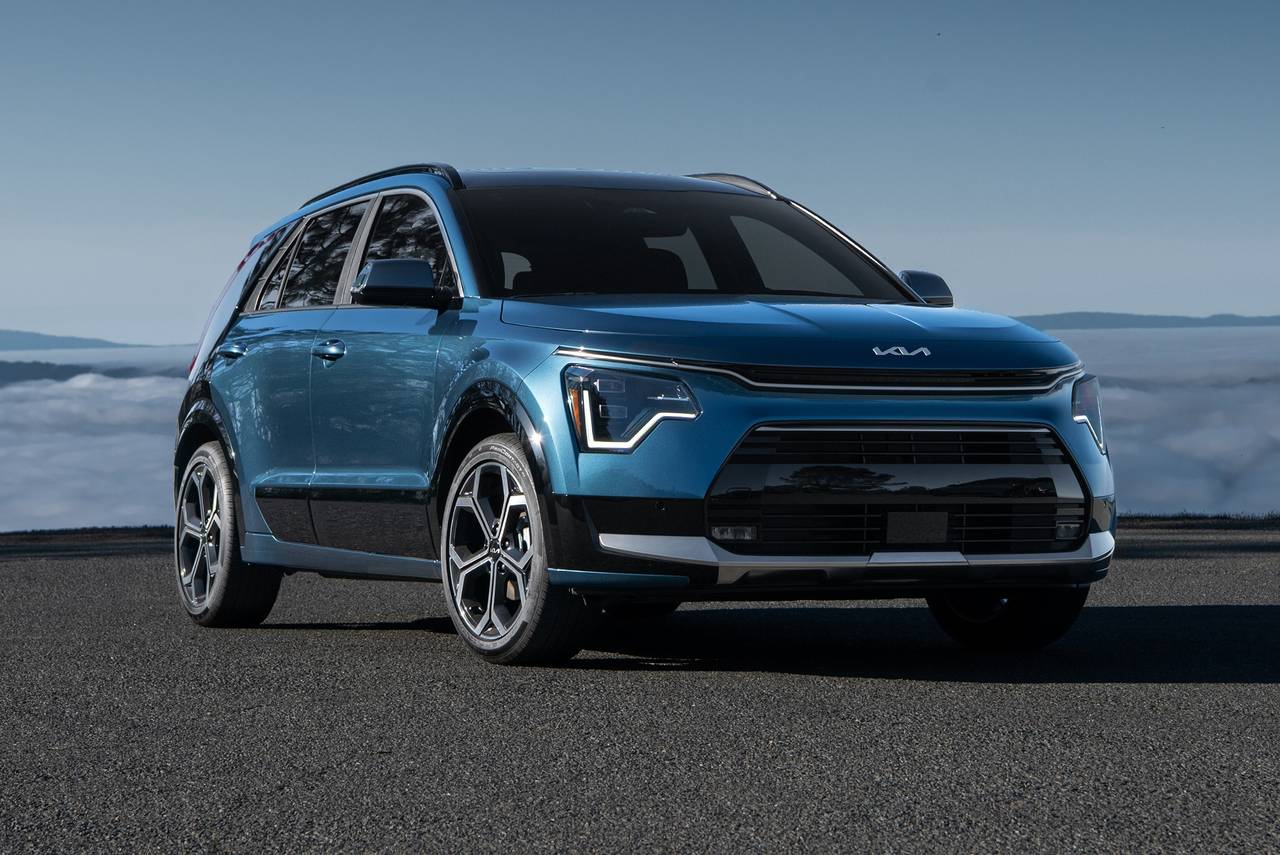
3. Kia Niro Hybrid (FWD)
- Engine: 1.6-liter Hybrid Inline-4
- Horsepower: 139 hp
- Torque: 195 lb-ft (combined system)
- Size: 174.0″ L × 71.7″ W × 60.8″ H
EPA Combined Fuel Economy: 53 MPG
EPA 5-Year Fuel Cost: $4,000
Drivers who want the practicality of a crossover without spending heavily on fuel should take a close look at the Kia Niro Hybrid. It combines the higher seating position many people prefer with excellent fuel economy, making it a sensible option for everyday driving.
Under the bonnet is a 1.6-liter hybrid four-cylinder engine that produces 139 horsepower and 195 lb-ft of combined torque. This is the same hybrid setup used in the Hyundai Elantra Hybrid, showing how both brands share proven engineering across different models.
Unlike a traditional sedan, the Niro offers a taller body that makes getting in and out much easier. It measures 174.0 inches long, 71.7 inches wide, and 60.8 inches high, giving drivers better visibility while maintaining a comfortable driving experience.
Even with its crossover design, fuel economy remains excellent. The EPA gives it a combined rating of 53 mpg, just one mpg below the Elantra Hybrid. It also carries an estimated five-year fuel cost of about $4,000, matching its sedan sibling.
The taller design brings practical advantages beyond seating height. Its hatchback layout creates a larger cargo opening, making it easier to load bulky shopping, luggage, or household items that may not fit inside a regular sedan boot. Rear passengers also enjoy extra headroom, making longer journeys more comfortable for adults and growing families.
Kia has earned a strong reputation for delivering value, backed by generous warranty coverage. The Niro Hybrid continues that tradition by offering low running costs, useful interior space, and the convenience many buyers want from a crossover without sacrificing excellent fuel efficiency.
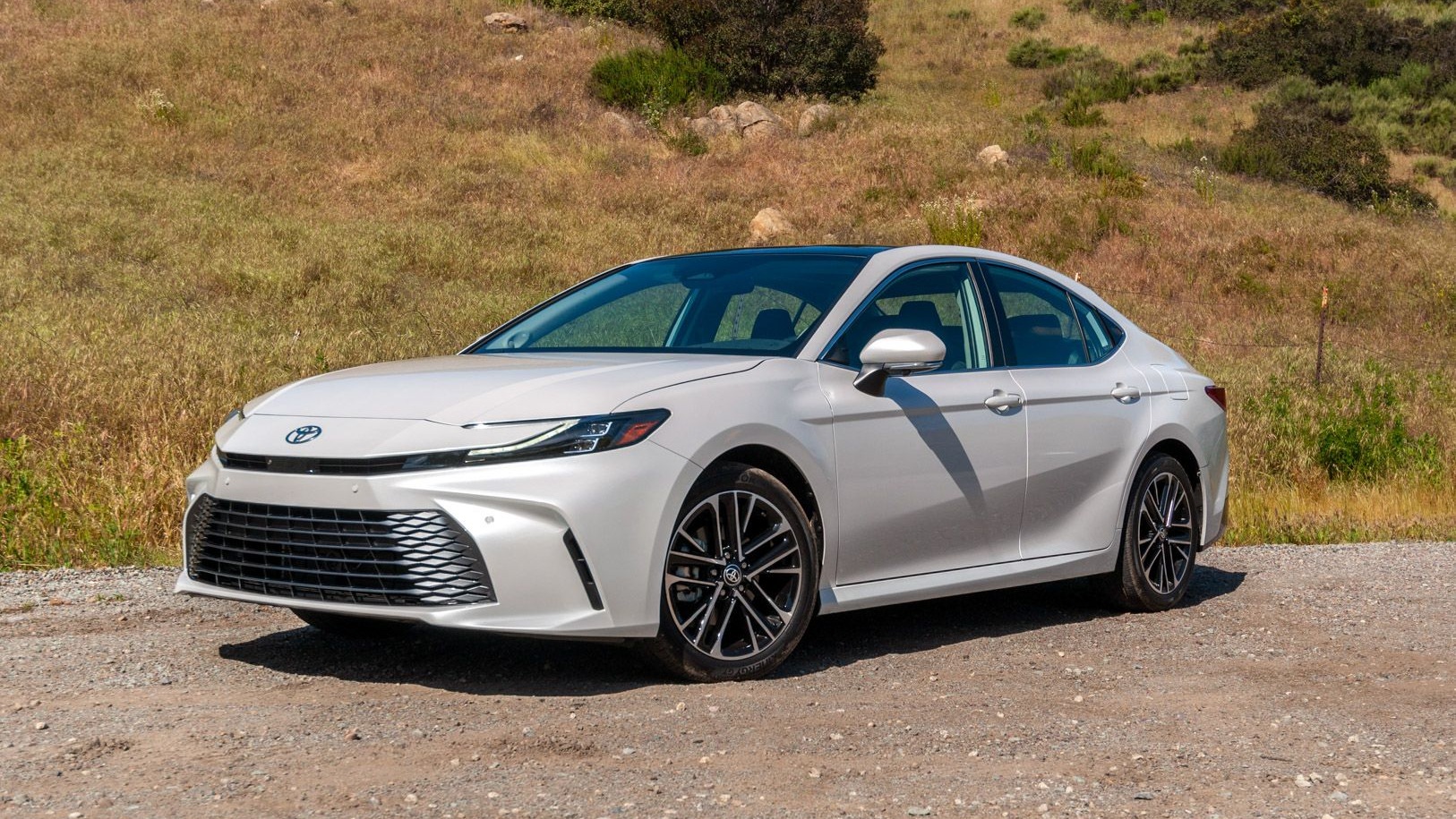
4. Toyota Camry Hybrid LE
- Engine: 2.5-liter Hybrid Inline-4
- Horsepower: 225 hp
- Torque: 163 lb-ft (gasoline engine)
- Size: 193.5″ L × 72.4″ W × 56.9″ H
EPA Combined Fuel Economy: 51 MPG
EPA 5-Year Fuel Cost: $4,250
According to EPA testing data, mid-size sedans typically post lower fuel economy numbers than their compact counterparts, simply due to added weight and interior room. The Camry Hybrid LE manages to defy that general trend in an impressive way. Its 2.5-liter hybrid four-cylinder engine produces a strong 225 horsepower, with the gasoline engine alone contributing 163 lb-ft of torque before the electric motor adds its own boost to the mix.
Despite offering considerably more passenger and trunk space than compact hybrids, with dimensions measuring 193.5 inches long, 72.4 inches wide, and 56.9 inches tall, the Camry Hybrid still achieves an EPA combined rating of 51 miles per gallon, a genuinely rare accomplishment for a mid-size sedan of this size.
That efficiency keeps the EPA 5-Year Fuel Cost estimate at a reasonable $4,250, a number that competes closely with several smaller, lighter hybrids on this list despite the Camry offering considerably more room for passengers and cargo. Families or commuters who need a larger back seat, a bigger trunk, and a smoother highway ride than compact hybrids typically provide get all of that without paying much of a fuel economy penalty in return.
Toyota’s hybrid system in the Camry has also built a strong reputation for long-term reliability, drawing on decades of hybrid engineering experience that traces back to the original Prius. That track record gives buyers confidence that the fuel savings won’t come with unexpected battery replacement costs or drivetrain issues down the road.
For anyone who wants a proper mid-size sedan without abandoning the fuel savings a hybrid provides, the Camry Hybrid LE makes a strong case as one of the most balanced options currently available.
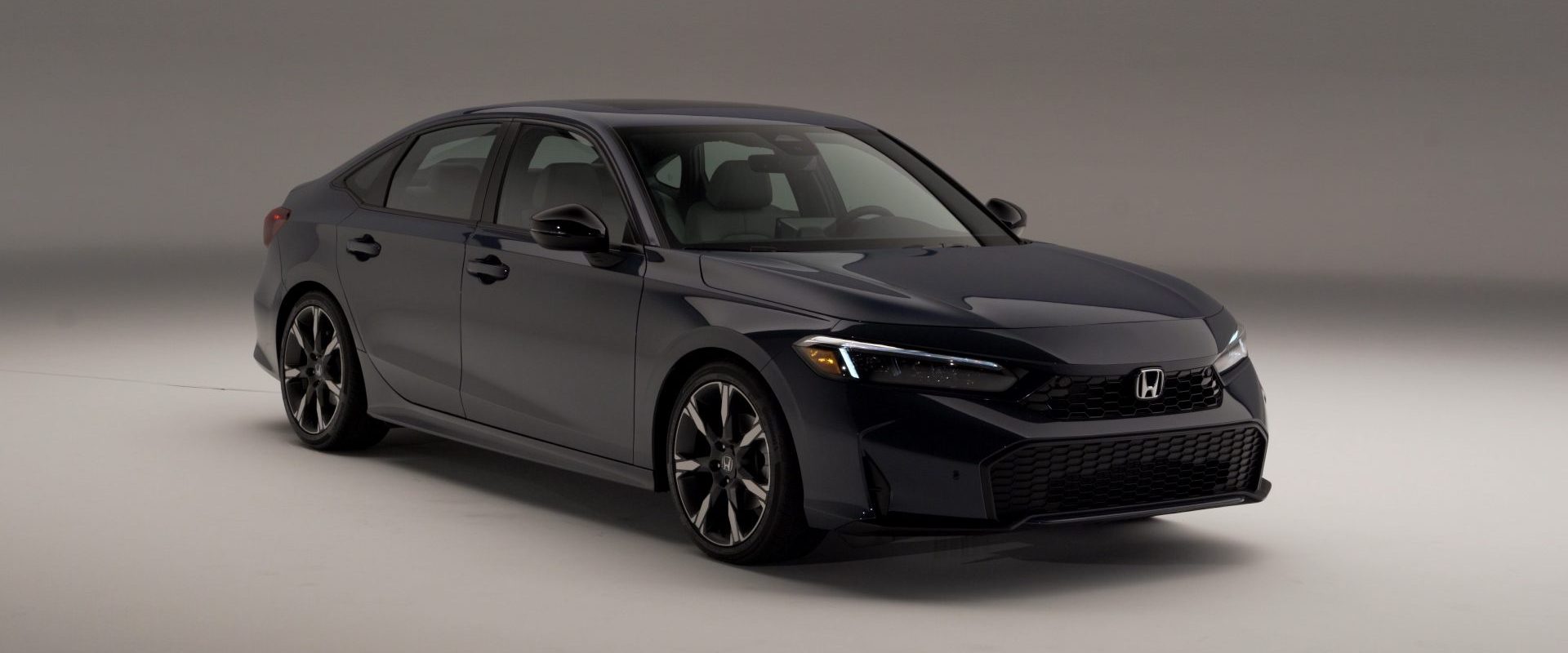
5. Honda Civic Hybrid Sedan
- Engine: 2.0-liter Hybrid Inline-4 (Two-Motor System)
- Horsepower: 200 hp
- Torque: 232 lb-ft (traction motor)
- Size: 184.8″ L × 70.9″ W × 55.7″ H
EPA Combined Fuel Economy: 50 MPG
EPA 5-Year Fuel Cost: $4,250
Honda took its time bringing a hybrid Civic back to American showrooms, and the wait clearly paid off. This sedan runs a 2.0-liter hybrid four-cylinder built around a two-motor system, producing a combined 200 horsepower alongside a traction motor delivering 232 lb-ft of torque, numbers that give the Civic Hybrid genuinely brisk acceleration compared to many hybrids that prioritize economy over responsiveness.
Measuring 184.8 inches long, 70.9 inches wide, and 55.7 inches tall, the Civic Hybrid keeps the same sporty, low-slung stance that’s made the standard Civic a favorite among compact sedan buyers for generations. Fuel economy lands at an EPA combined rating of 50 miles per gallon, translating into a 5-Year Fuel Cost estimate of $4,250 according to official figures.
What makes this particular hybrid stand out is how little compromise it demands from buyers who want both efficiency and a genuinely engaging driving experience. The two-motor hybrid system Honda uses here favors electric power more heavily than some competing designs, resulting in smoother, quieter acceleration around town along with strong torque delivery that doesn’t feel artificially limited the way some early hybrid systems did.
Cabin quality inside the Civic Hybrid also benefits from Honda’s broader redesign of the Civic lineup, offering a clean dashboard layout, comfortable front seats, and a back seat that handles adult passengers reasonably well for a compact sedan.
Buyers cross-shopping this Civic against the Corolla Hybrid or Elantra Hybrid will find performance leaning slightly in Honda’s favor, while fuel costs remain close enough that the decision often comes down to brand preference, styling, or driving feel rather than any dramatic gap in long-term ownership costs.
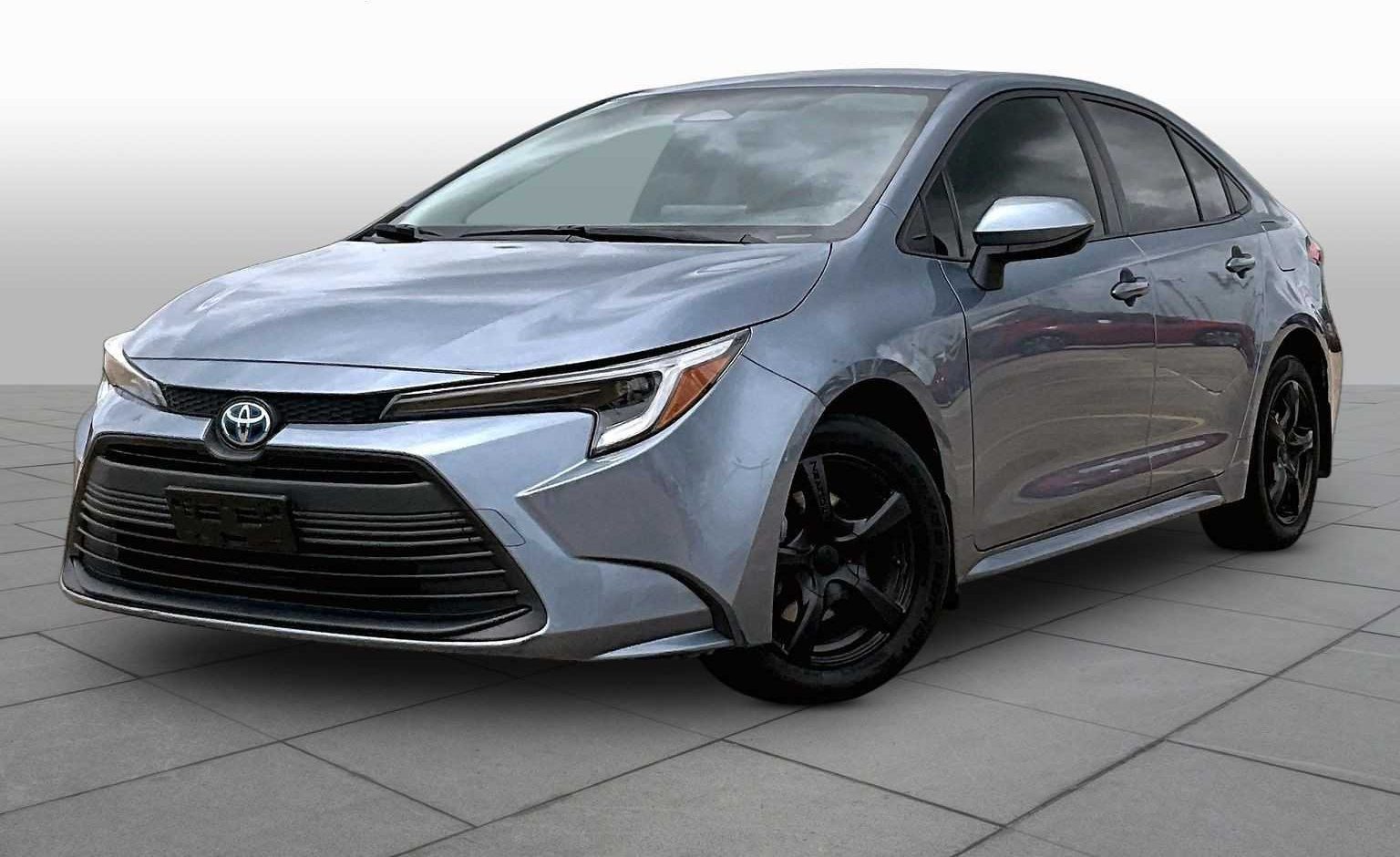
6. Toyota Corolla Hybrid LE (FWD)
- Engine: 2.0-liter Hybrid Inline-4
- Horsepower: 169 hp
- Torque: 151 lb-ft (gasoline engine)
- Size: 182.5″ L × 70.1″ W × 56.5″ H
EPA Combined Fuel Economy: 50 MPG
EPA 5-Year Fuel Cost: $4,250
Many car buyers simply want a vehicle that is easy to own, economical to run, and dependable for daily use. The Toyota Corolla Hybrid LE fits that expectation very well. It comes with a 2.0-liter hybrid four-cylinder powertrain that delivers a combined 169 horsepower, while the petrol engine produces 151 lb-ft of torque.
Rather than focusing on speed, the setup is designed to provide a calm, comfortable drive that works well for everyday commuting. Measuring 182.5 inches in length, 70.1 inches in width, and 56.5 inches in height, the sedan remains compact enough to fit comfortably into tight parking spaces and busy urban areas.
Fuel economy is another reason many people consider this model. According to EPA estimates, it returns 50 miles per gallon combined, matching the Honda Civic Hybrid. That rating also gives it an EPA five-year fuel cost estimate of $4,250. Toyota has spent many years building confidence with Corolla owners, and the hybrid version continues that tradition by offering dependable performance with very little fuss.
Inside, the cabin focuses on comfort and everyday usefulness instead of flashy styling. Rear-seat space is suitable for regular family trips, while the boot provides enough room for shopping bags, suitcases, and other daily items. Drivers purchasing their first hybrid, younger motorists, or anyone seeking a dependable compact sedan will likely appreciate its familiar driving experience, low fuel bills, and long-term dependability.
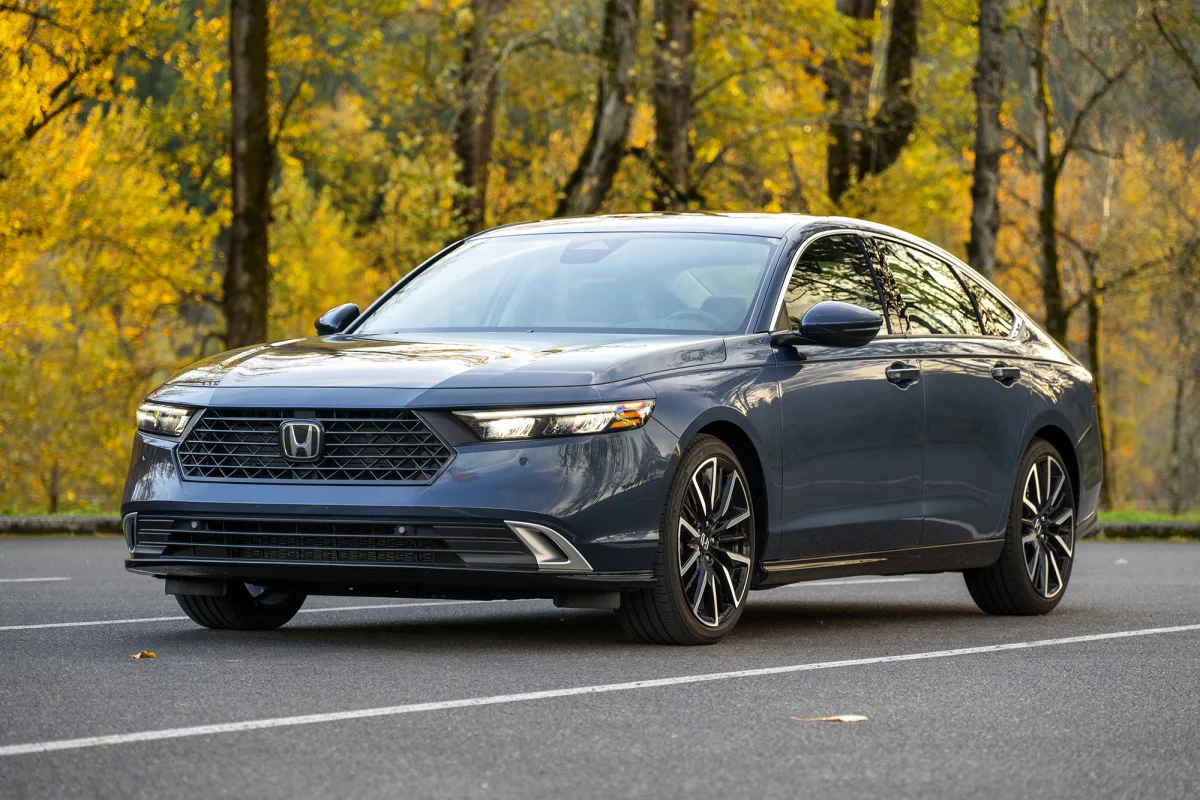
7. Honda Accord Hybrid EX-L
- Engine: 2.0-liter Hybrid Inline-4 (Two-Motor System)
- Horsepower: 204 hp
- Torque: 247 lb-ft (traction motor)
- Size: 195.7″ L × 73.3″ W × 57.1″ H
EPA Combined Fuel Economy: 48 MPG
EPA 5-Year Fuel Cost: $4,500
Size and efficiency rarely go hand in hand, yet the Accord Hybrid EX-L manages to blend both in a package that feels genuinely upscale. Honda’s two-motor hybrid system here uses a 2.0-liter four-cylinder engine to produce a combined 204 horsepower, with the traction motor alone delivering an impressive 247 lb-ft of torque, giving this mid-size sedan a surprisingly confident feel when merging or passing on the highway.
Dimensions stretch to 195.7 inches long, 73.3 inches wide, and 57.1 inches tall, placing the Accord among the larger sedans on this entire list, with genuinely spacious rear seat legroom and a trunk that easily handles full family luggage. Despite that larger footprint, EPA testing still credits the Accord Hybrid with a combined 48 miles per gallon rating, translating into a 5-Year Fuel Cost estimate of $4,500.
That number sits a bit higher than some of the compact hybrids covered earlier, a reasonable trade-off given how much additional interior space and refinement the Accord offers in return. The EX-L trim specifically adds leather upholstery, a more premium cabin finish, and additional convenience features that push the Accord Hybrid closer to a near-luxury experience without the near-luxury price tag typically attached to that level of comfort.
Buyers who need genuine mid-size or slightly larger sedan room, perhaps for taller passengers or growing families, but still want fuel costs that stay well below traditional gas-only mid-size sedans, will find the Accord Hybrid EX-L checks both boxes convincingly. It represents a strong middle ground between compact hybrid efficiency and full-size sedan comfort, without asking buyers to choose one priority over the other.
Also Read: Top 10 Cars for Long Distance Commuters With Low Fuel Costs
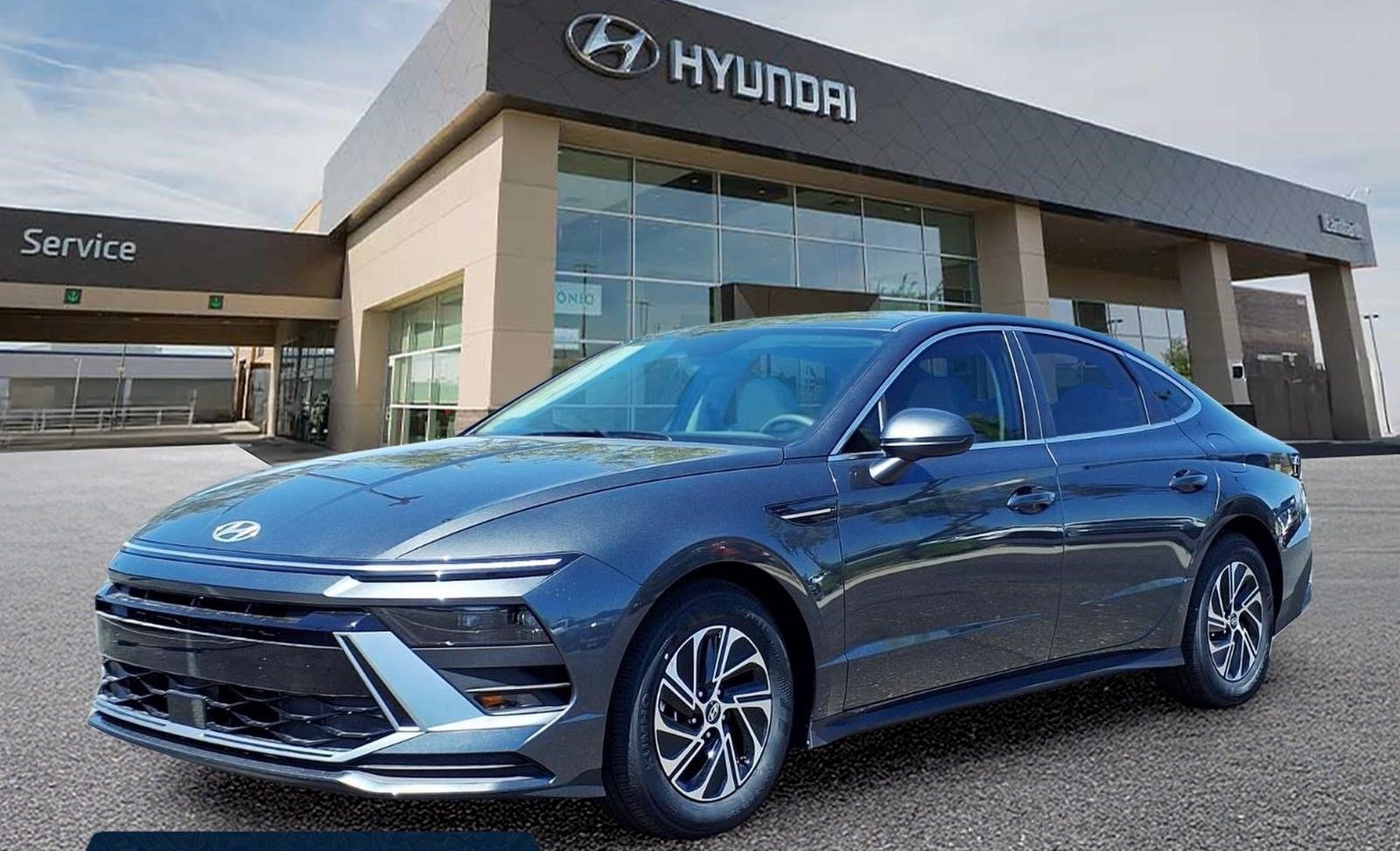
8. Hyundai Sonata Hybrid Blue
- Engine: 2.0-liter Hybrid Inline-4
- Horsepower: 192 hp
- Torque: 151 lb-ft (gasoline engine)
- Size: 193.3″ L × 73.2″ W × 56.9″ H
EPA Combined Fuel Economy: 47 MPG
EPA 5-Year Fuel Cost: $4,500
Anyone searching for a spacious hybrid sedan with good fuel economy should pay attention to the Hyundai Sonata Hybrid Blue. Hyundai has steadily improved its hybrid technology, and this model shows how far the brand has come. It is powered by a 2.0-liter hybrid four-cylinder engine that produces a combined 192 horsepower.
The petrol engine contributes 151 lb-ft of torque before the electric motor supplies extra assistance. Rather than chasing sporty performance, the Sonata Hybrid Blue focuses on smooth driving, quiet operation, and excellent efficiency for everyday use. Its dimensions measure 193.3 inches in length, 73.2 inches in width, and 56.9 inches in height, giving passengers generous seating space and a practical boot for luggage, groceries, or other daily items.
Fuel economy remains one of this sedan’s biggest strengths. EPA estimates place its combined rating at 47 miles per gallon, with an estimated five-year fuel cost of $4,500. That figure matches the Honda Accord Hybrid, even though Hyundai uses a different hybrid system.
The Blue trim is designed with efficiency in mind, helping drivers reduce fuel expenses without giving up comfort or useful features. Hyundai also keeps pricing competitive, making this model attractive to buyers who want strong value for their money. The equipment list focuses on practical features instead of expensive extras, allowing the car to remain affordable.
People comparing hybrid family sedans should give the Sonata Hybrid Blue serious consideration alongside rivals from Honda and Toyota. It delivers comfort, dependable performance, excellent fuel savings, and good value, making it an appealing choice for many drivers across different lifestyles and budgets.
