
Going into this era of electric cars can feel exciting at first. Quiet rides, instant acceleration, and the idea of skipping gas stations altogether make EV ownership sound like a smart move. Everything looks great on paper, especially when you see those impressive range estimates listed by manufacturers. Then winter shows up, and the experience can change faster than expected.
Cold temperatures have a way of exposing how electric vehicles really perform day to day. Batteries lose efficiency when the air gets freezing, and at the same time, drivers rely more on cabin heat, defrosters, and heated seats just to stay comfortable. All of that pulls extra energy from the battery, which means fewer miles between charges. It is not always obvious until you live through your first cold season with an EV.
Some models handle the drop in temperature better than others, thanks to smarter thermal systems and energy management. Others struggle more, losing a large chunk of their usable range when conditions get harsh. That difference can turn a smooth daily routine into something that requires more planning and frequent charging stops.
This guide walks through ten electric vehicles that see the biggest drop in real-world range during winter. It is built from testing data, owner feedback, and real driving experiences. If you are thinking about buying an EV or already own one, this will help you set realistic expectations before the cold arrives.
1. Volvo XC40 Recharge
The Cold Weather Drop: ~39% Range Loss
- Engine: Dual Electric Motors AWD
- Horsepower: 402 hp
- Torque: 486 lb-ft
- Size: 174.8 in Long x 73.7 in Wide
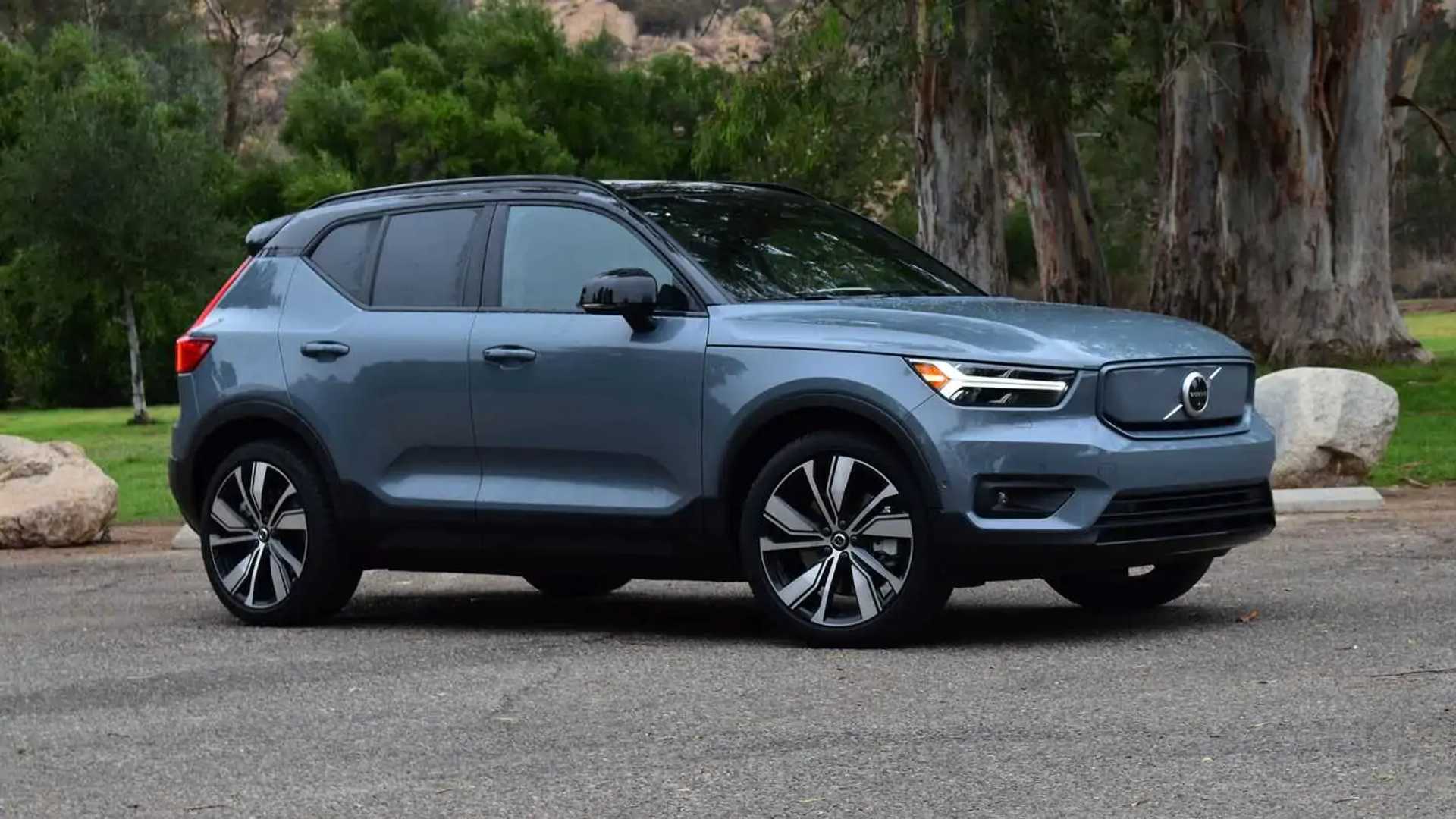
Few electric vehicles take as hard a hit in freezing conditions as the Volvo XC40 Recharge, and the numbers back that up clearly. Equipped with dual electric motors producing 402 horsepower and 486 lb-ft of torque, this compact crossover measures 174.8 inches long and 73.7 inches wide, giving it a boxy stance that looks great in a parking lot but works against it on the highway once winter arrives.
Independent testing conducted by the Canadian Automobile Association placed the XC40 Recharge at the very bottom of its winter range rankings, with real-world losses reaching close to 39 percent compared to its rated range. A combination of factors drives this steep decline. The Volvo’s upright, slab-sided body creates considerable aerodynamic drag, forcing the motors to work harder just to push through cold, dense air at highway speeds.
Add to that a cabin heater that pulls substantial current to keep occupants comfortable, and the battery pack faces a relentless drain from two directions at once. Lithium-ion chemistry also becomes noticeably less efficient as temperatures fall, meaning the battery simply cannot deliver energy as effectively when it is cold, regardless of how the rest of the vehicle is engineered.
For families considering the XC40 Recharge as a primary winter vehicle, padding estimated trip distances by close to 40 percent is a wise and necessary precaution. This is not a flaw exclusive to Volvo’s engineering team, since many premium EVs share similar weaknesses, but the severity here stands out among its direct competitors in the compact luxury crossover class.
2. Volkswagen ID.4
The Cold Weather Drop: ~36% to 37% Range Loss
- Engine: Single Motor RWD (or Dual Motor AWD)
- Horsepower: 201 hp to 335 hp
- Torque: 229 lb-ft to 402 lb-ft
- Size: 180.5 in Long x 72.9 in Wide
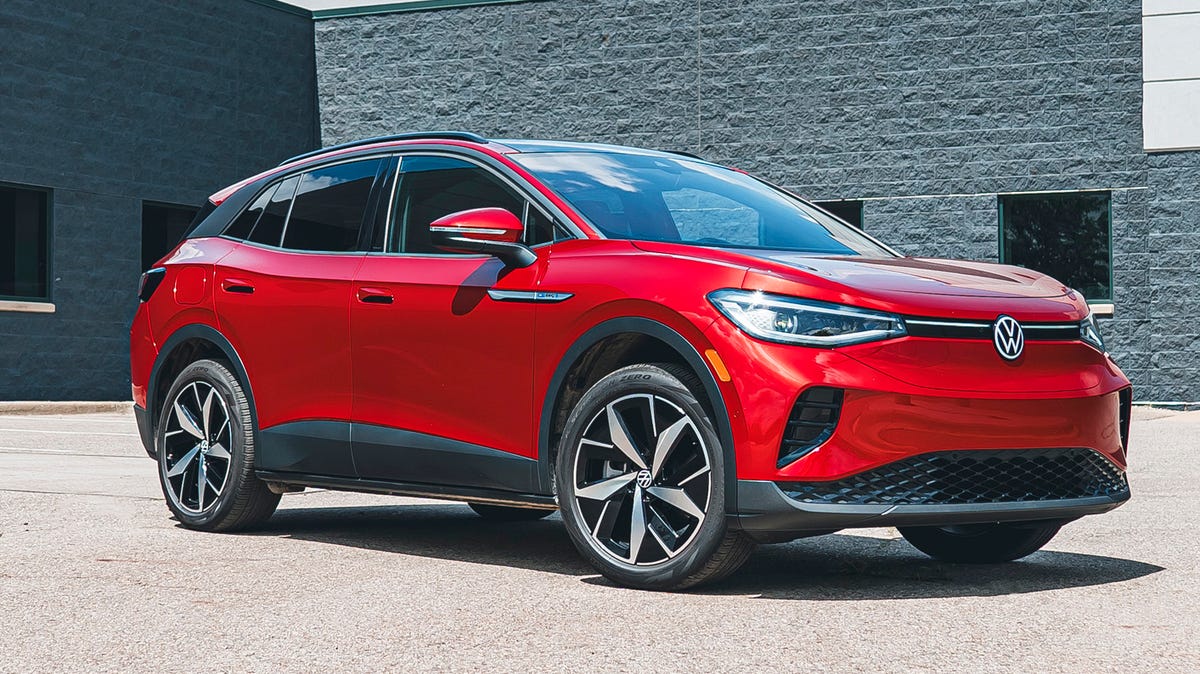
Volkswagen’s ID.4 arrived with plenty of promise as an approachable, mainstream electric SUV, available with either a single rear-mounted motor or dual motors for all-wheel drive. Horsepower spans from 201 to 335 depending on configuration, with torque ranging between 229 and 402 lb-ft. At 180.5 inches long and 72.9 inches wide, the ID.4 sits comfortably in the compact crossover segment, yet its winter performance tells a less comfortable story.
Fleet telematics data gathered from thousands of real-world trips consistently places this Volkswagen near the bottom of cold-weather retention charts, with owners typically keeping only 63 to 64 percent of their normal range once freezing temperatures settle in.
A major contributor to this shortfall traces back to how early production models were equipped. Many US-spec ID.4 units built during the earlier production years skipped the heat pump entirely, a piece of technology that other manufacturers use to recycle waste heat efficiently.
Instead, these vehicles depend on resistive heating elements, which function similarly to an electric space heater. While effective at warming the cabin quickly, resistive heaters draw a tremendous amount of energy directly from the battery, with virtually none of that heat being recaptured or recycled elsewhere in the vehicle.
Volkswagen has since improved heat pump availability across newer model years, narrowing the gap somewhat, but the installed base of earlier ID.4 units still faces this real-world energy penalty every winter. For shoppers considering a used ID.4, checking whether the specific unit includes a heat pump is a smart and necessary step before signing any paperwork, especially for buyers who live somewhere that sees consistent sub-freezing temperatures for months at a time.
Also Read: 10 Affordable EVs Targeting Under $30,000 by 2027
3. Toyota bZ4X
The Cold Weather Drop: ~35% to 50% Range Loss
- Engine: Single Motor RWD (or Dual Motor AWD)
- Horsepower: 201 hp to 214 hp
- Torque: 196 lb-ft to 248 lb-ft
- Size: 184.6 in Long x 73.2 in Wide
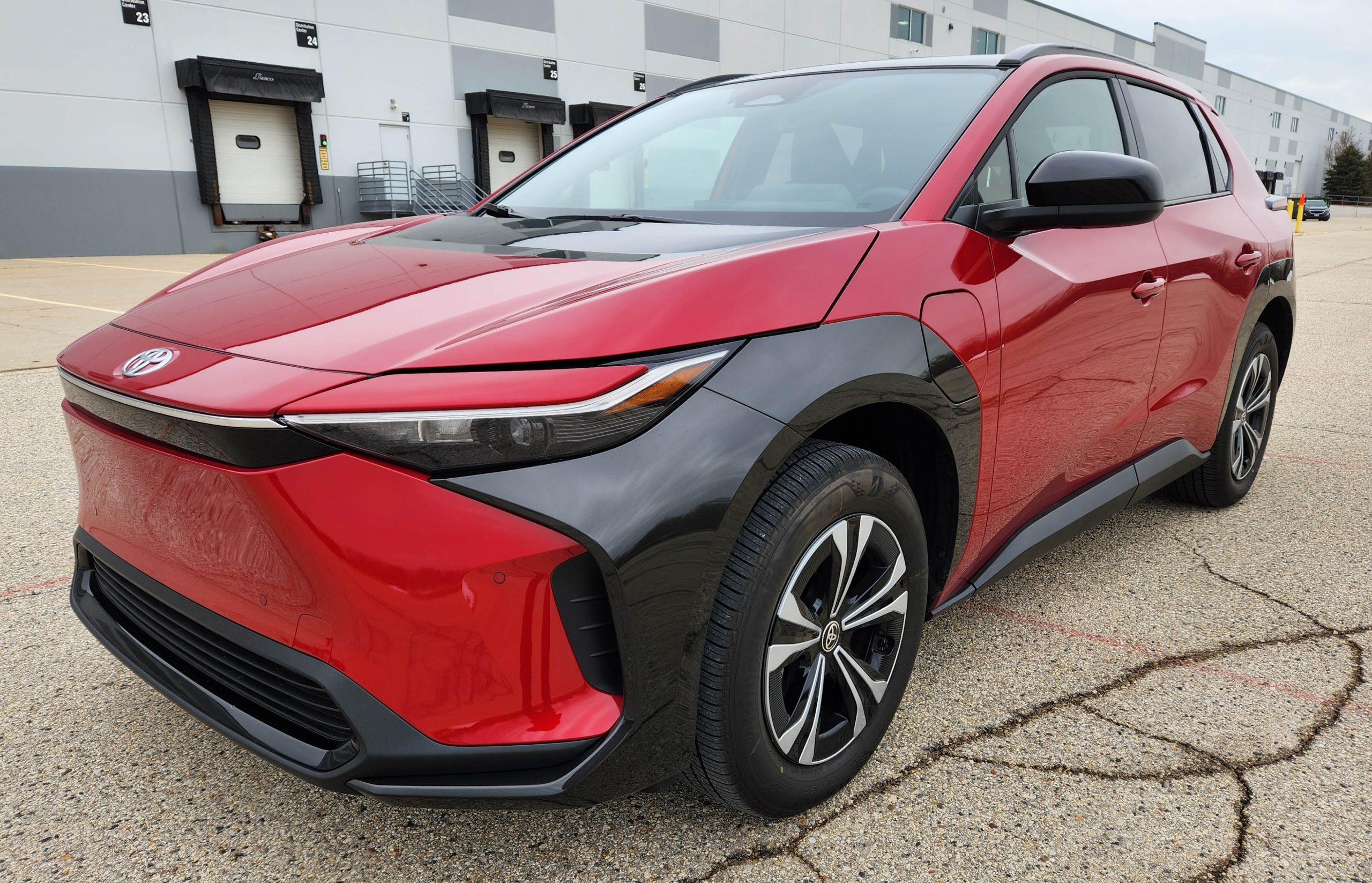
Toyota entered the electric vehicle space with the bZ4X, a crossover offered with either a single motor producing up to 214 horsepower or a dual-motor setup, paired with torque figures between 196 and 248 lb-ft. Measuring 184.6 inches long and 73.2 inches wide, it slots into a similar size class as the Volkswagen ID.4. What separates the bZ4X from its rivals is the sheer unpredictability of its winter range, with losses reported anywhere from 35 percent on the milder end up to a staggering 50 percent during the harshest cold snaps.
Cold-climate testing performed across Nordic countries, where winter conditions push EVs to their absolute limits, revealed that Toyota built an unusually cautious thermal management system into this vehicle. Rather than allowing the battery to operate at a slightly reduced efficiency in the cold, the bZ4X aggressively diverts energy toward warming the battery pack itself, prioritizing long-term cell health over short-term range.
This protective behavior also throttles the speed of DC fast-charging sessions whenever ambient temperatures drop low enough, meaning road trips during winter months can involve both reduced range and longer charging stops. Toyota’s engineering philosophy here leans heavily toward battery longevity, which is admirable from a durability standpoint but frustrating for owners simply trying to get from one place to another efficiently.
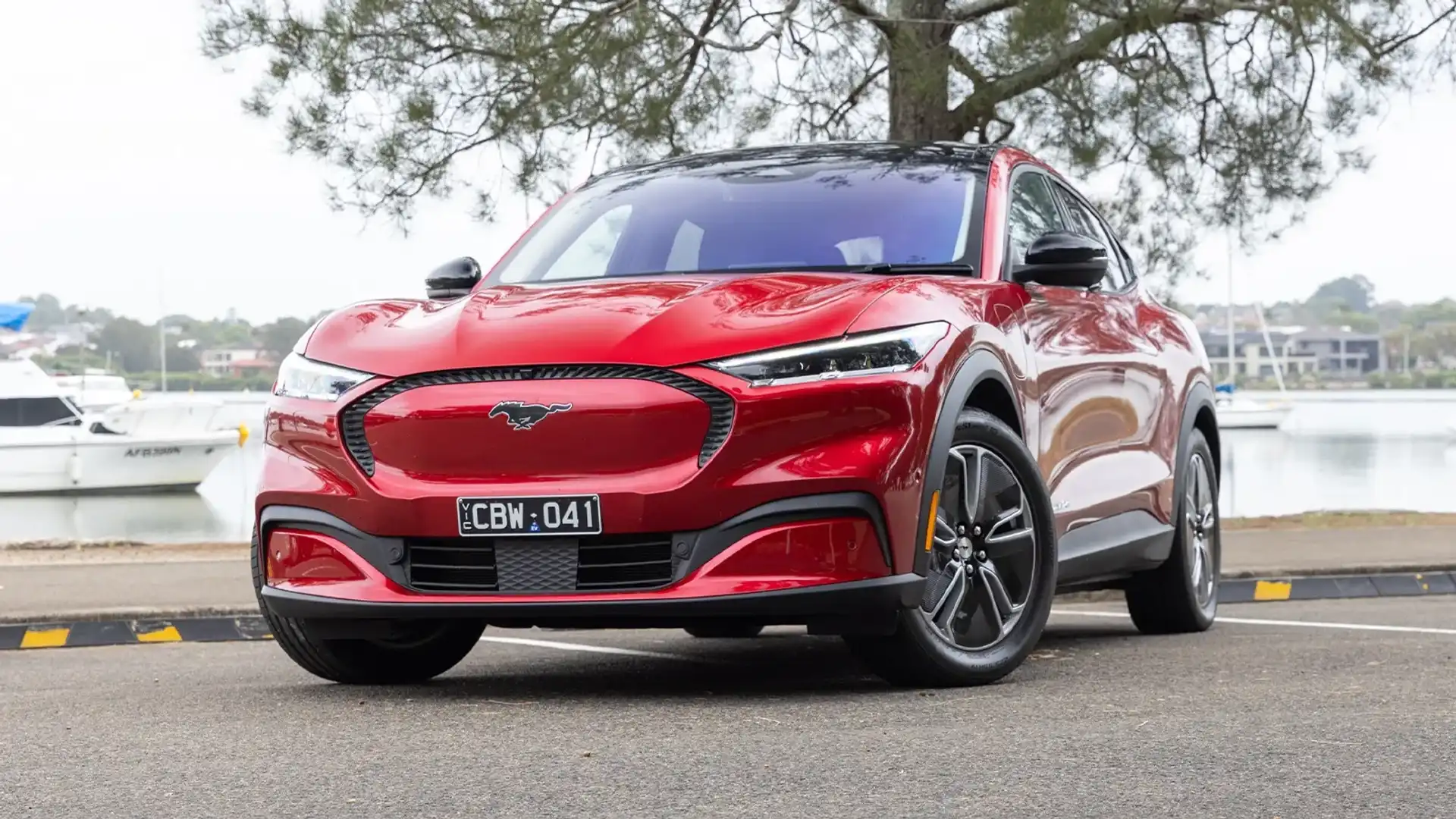
4. Ford Mustang Mach-E
The Cold Weather Drop: ~34% Range Loss
- Engine: Single Motor RWD (or Dual Motor AWD)
- Horsepower: 266 hp to 480 hp
- Torque: 317 lb-ft to 700 lb-ft
- Size: 186.0 in Long x 74.1 in Wide
Few electric crossovers have made an entrance quite like the Ford Mustang Mach-E, a vehicle that mixes everyday practicality with performance that feels genuinely engaging. Buyers can pick from single or dual-motor setups, with output ranging from 266 to 480 horsepower and torque figures stretching from 317 to 700 lb-ft, depending on the trim.
Its size, measuring 186.0 inches in length and 74.1 inches in width, places it right in the sweet spot for drivers who want maneuverability without giving up cabin space. Once winter sets in, though, real-world data shows the Mach-E keeps only about 66 percent of its expected driving range at around 20 degrees Fahrenheit.
Cold-weather performance becomes more noticeable because of how the vehicle handles cabin heating. Instead of gradually building warmth, the system pulls a large amount of energy right after startup to heat the interior as quickly as possible. Stepping into a warm cabin on a freezing morning feels great, yet that comfort comes at a cost. The battery takes an immediate hit before the system settles into a steadier, more efficient rhythm.
Short trips highlight this behavior more than anything else. Quick drives across town often end before the vehicle moves beyond that initial high-energy phase, which means efficiency never has a chance to recover. Longer trips allow things to even out slightly, though the early energy draw still affects total range.
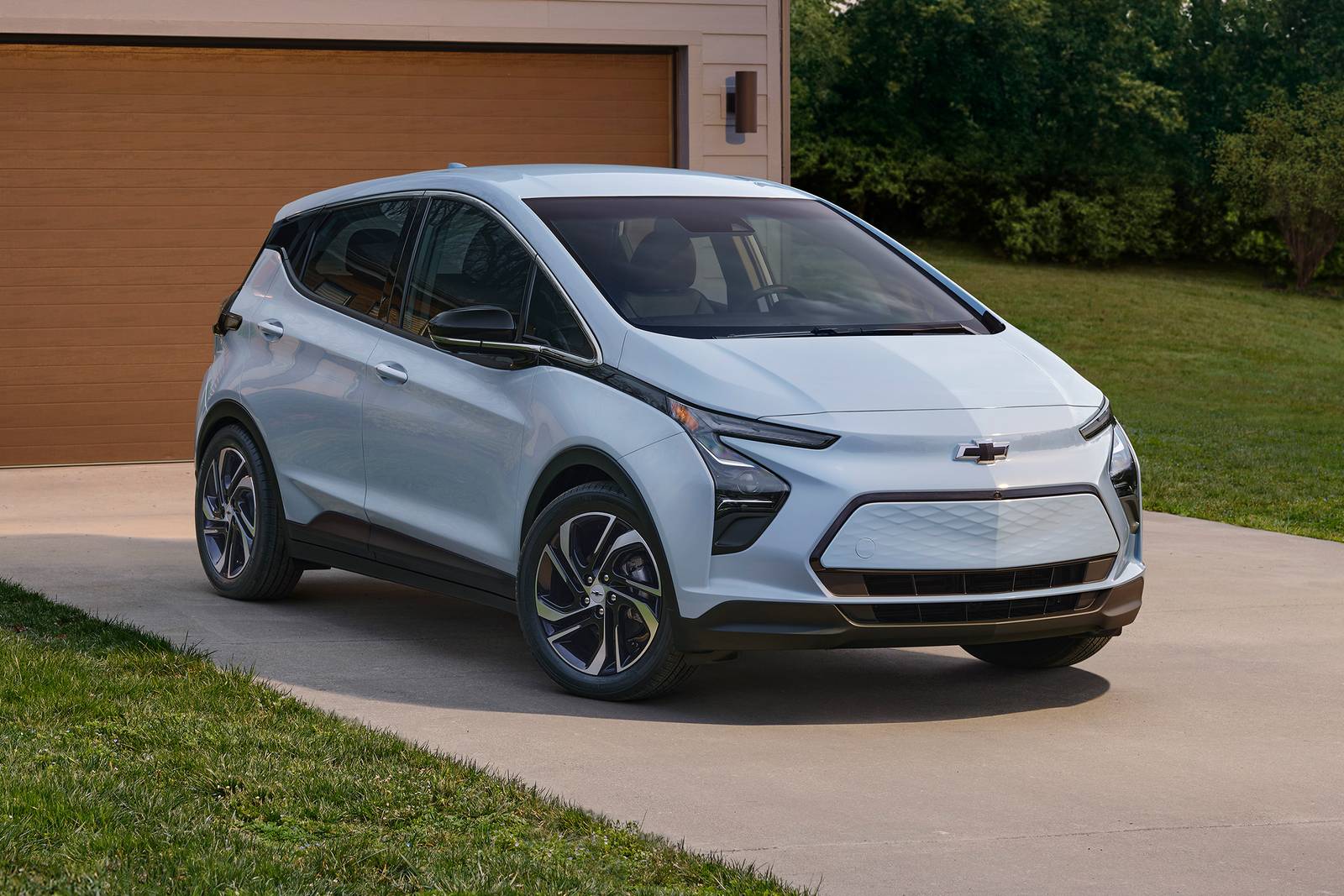
5. Chevrolet Bolt EV
The Cold Weather Drop: ~31% Range Loss
- Engine: Single Electric Motor RWD
- Horsepower: 200 hp
- Torque: 266 lb-ft
- Size: 163.2 in Long x 69.5 in Wide
Chevrolet’s Bolt EV earned a loyal following thanks to its affordability and surprisingly spacious interior, powered by a single electric motor delivering 200 horsepower and 266 lb-ft of torque. With dimensions of 163.2 inches long and 69.5 inches wide, it remains one of the smaller and more nimble entries on this list.
Despite its compact footprint, the Bolt EV experiences a substantial real-world range loss of approximately 31 percent once winter weather sets in, a figure that surprises many first-time owners who expected its smaller size to translate into better cold-weather efficiency.
The root cause lies in the vehicle’s underlying architecture. Built on an older platform, the Bolt EV relies entirely on a resistive heating system rather than the more advanced heat pump technology found in some newer competitors. Switching the dashboard heater to a high setting essentially activates the electric equivalent of a space heater inside the cabin, and that convenience comes directly out of the battery’s available charge.
Unlike a heat pump, which can extract and recycle ambient heat with relative efficiency, a resistive heater generates warmth purely through electrical resistance, consuming energy without any meaningful recovery benefit elsewhere in the system.
Bolt EV owners who commute through harsh winters often develop workarounds to stretch their range, such as relying more heavily on heated seats and a heated steering wheel rather than blasting the cabin air heater at full strength. These targeted heating elements draw considerably less power than warming the entire interior cabin space, making them a smarter choice for short, cold commutes.
Chevrolet’s decision to stick with older heating technology in the Bolt EV reflects the vehicle’s budget-friendly positioning, but it leaves cold-climate drivers facing a noticeably steeper winter range penalty compared to newer, heat-pump-equipped rivals in a similar price bracket.
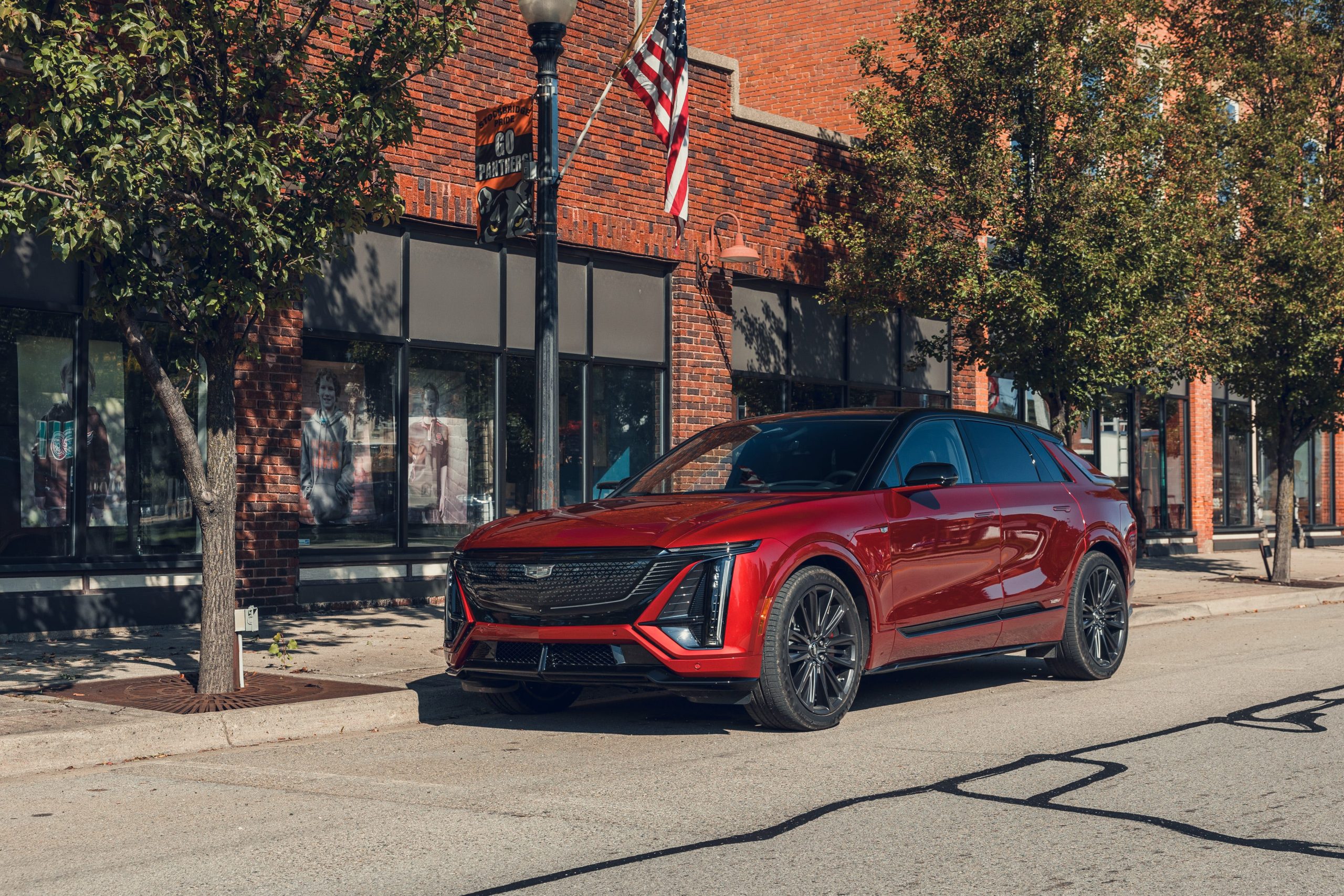
6. Cadillac Lyriq
The Cold Weather Drop: ~28% Range Loss
- Engine: Single Motor RWD (or Dual Motor AWD)
- Horsepower: 340 hp to 500 hp
- Torque: 325 lb-ft to 450 lb-ft
- Size: 196.7 in Long x 77.8 in Wide
Cadillac stepped into the electric SUV market with the Lyriq, a vehicle built on General Motors’ advanced Ultium platform and available with either a single rear motor or dual motors for all-wheel drive. Horsepower ranges from 340 to 500, depending on configuration, while torque spans 325 to 450 lb-ft.
At a substantial 196.7 inches long and 77.8 inches wide, the Lyriq commands real presence on the road. Yet despite its modern underpinnings, this Cadillac suffers a real-world cold-weather range loss of roughly 28 percent, a figure that catches some buyers off guard given the vehicle’s technological credentials.
The Lyriq actually comes equipped with a standard heat pump, technology that should theoretically place it ahead of older-architecture competitors when temperatures drop. The surprising part is how Cadillac’s engineers chose to calibrate the climate software.
Rather than letting the heat pump handle warming duties on its own for as long as possible, the system activates a backup resistive heater at a relatively high outdoor temperature threshold, well before it strictly needs to. This decision prioritizes immediate, luxurious warmth for passengers above squeezing out every available mile of range.
Cadillac’s target buyer expects a cabin that feels like a warm living room within seconds of starting the vehicle, and the brand clearly built its software around that expectation. Luxury buyers tend to value comfort and a premium experience over maximizing efficiency, so this tradeoff makes sense from a brand positioning standpoint, even if it frustrates drivers focused purely on stretching their range as far as possible.
Lyriq owners living in snowy climates have found that manually adjusting climate settings to rely more on seat heaters and less on full cabin heat can help claw back some lost range, though most drivers understandably prefer comfort over squeezing out a few extra miles on a frigid commute, especially during long winter highway stretches.
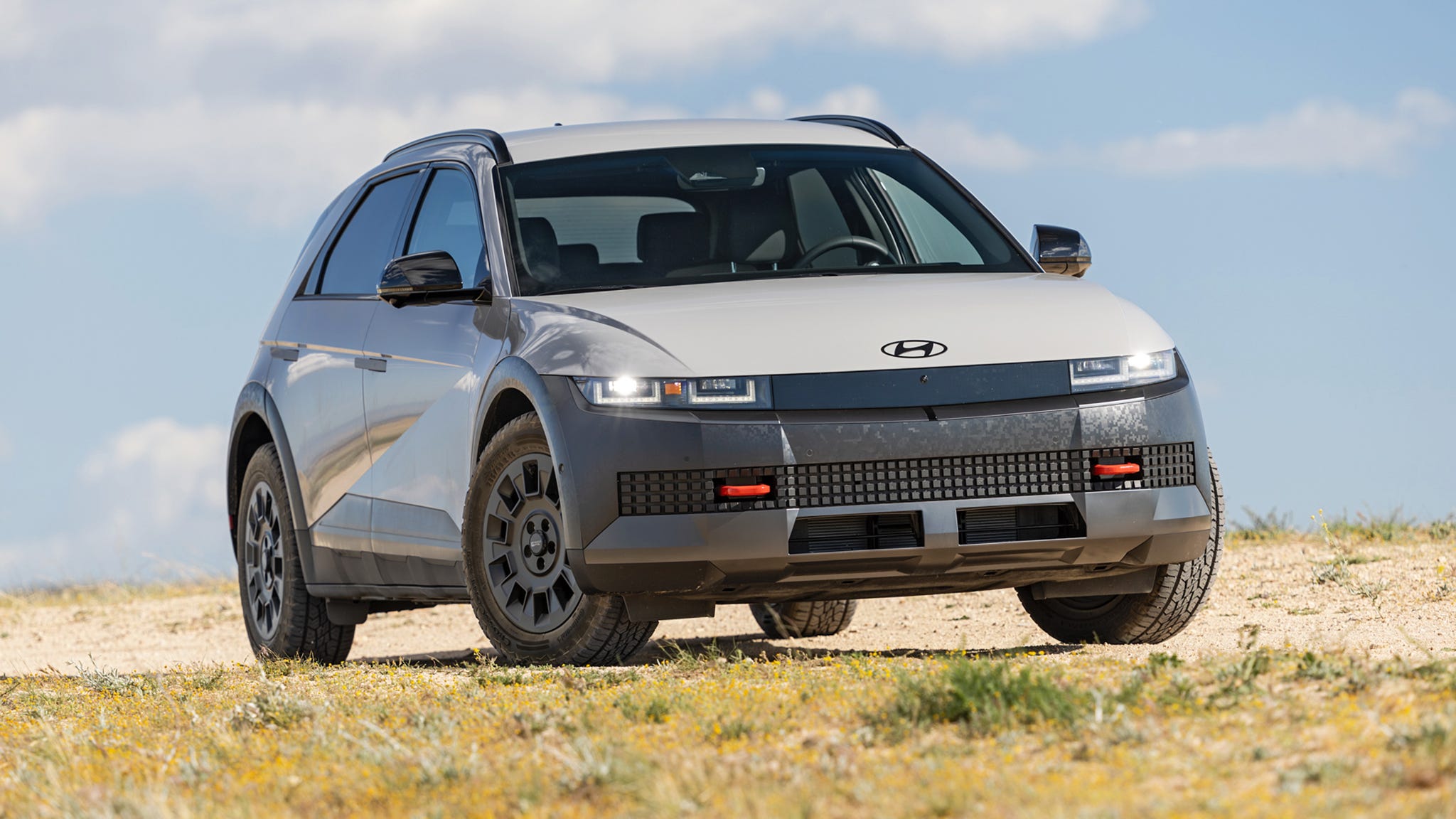
7. Hyundai Ioniq 5
The Cold Weather Drop: ~32% to 36% Range Loss
- Engine: Single Motor RWD (or Dual Motor AWD)
- Horsepower: 168 hp to 320 hp
- Torque: 258 lb-ft to 446 lb-ft
- Size: 182.5 in Long x 74.4 in Wide
The Hyundai Ioniq 5 turned heads with its retro-futuristic styling and genuinely impressive 800-volt fast-charging capability, a feature that lets it recharge faster than most rivals on the market. Buyers can choose a single motor producing as little as 168 horsepower or a dual-motor setup reaching up to 320 horsepower, with torque figures between 258 and 446 lb-ft.
Measuring 182.5 inches long and 74.4 inches wide, the Ioniq 5 fits comfortably within the compact crossover class. Despite its charging speed bragging rights, real-world winter range losses land between 32 and 36 percent, a meaningful drop for a vehicle otherwise praised for its forward-thinking engineering.
A major factor behind this decline involves trim-level differences that many shoppers overlook entirely. Base trims of the Ioniq 5 sold without the optional eco-package skip a dedicated battery preconditioning heater, a component that warms the battery pack ahead of fast-charging sessions and helps maintain efficiency during cold driving. Without this feature, the battery struggles more in freezing conditions, leading to noticeably reduced highway efficiency once temperatures fall well below the freezing mark.
Buyers shopping for an Ioniq 5 specifically for winter use would benefit from confirming whether their chosen trim includes this preconditioning hardware before finalizing a purchase, since the difference in cold-weather behavior between equipped and unequipped versions can be substantial.
Hyundai’s engineering team clearly prioritized headline charging speed figures for marketing purposes, and the standout 800-volt architecture remains genuinely impressive on a warm day. Cold mornings tell a different story, though, particularly for owners stuck with base-trim hardware, who may find their daily range estimates shrinking faster than expected once the first hard frost of the season arrives across colder regions of the country.
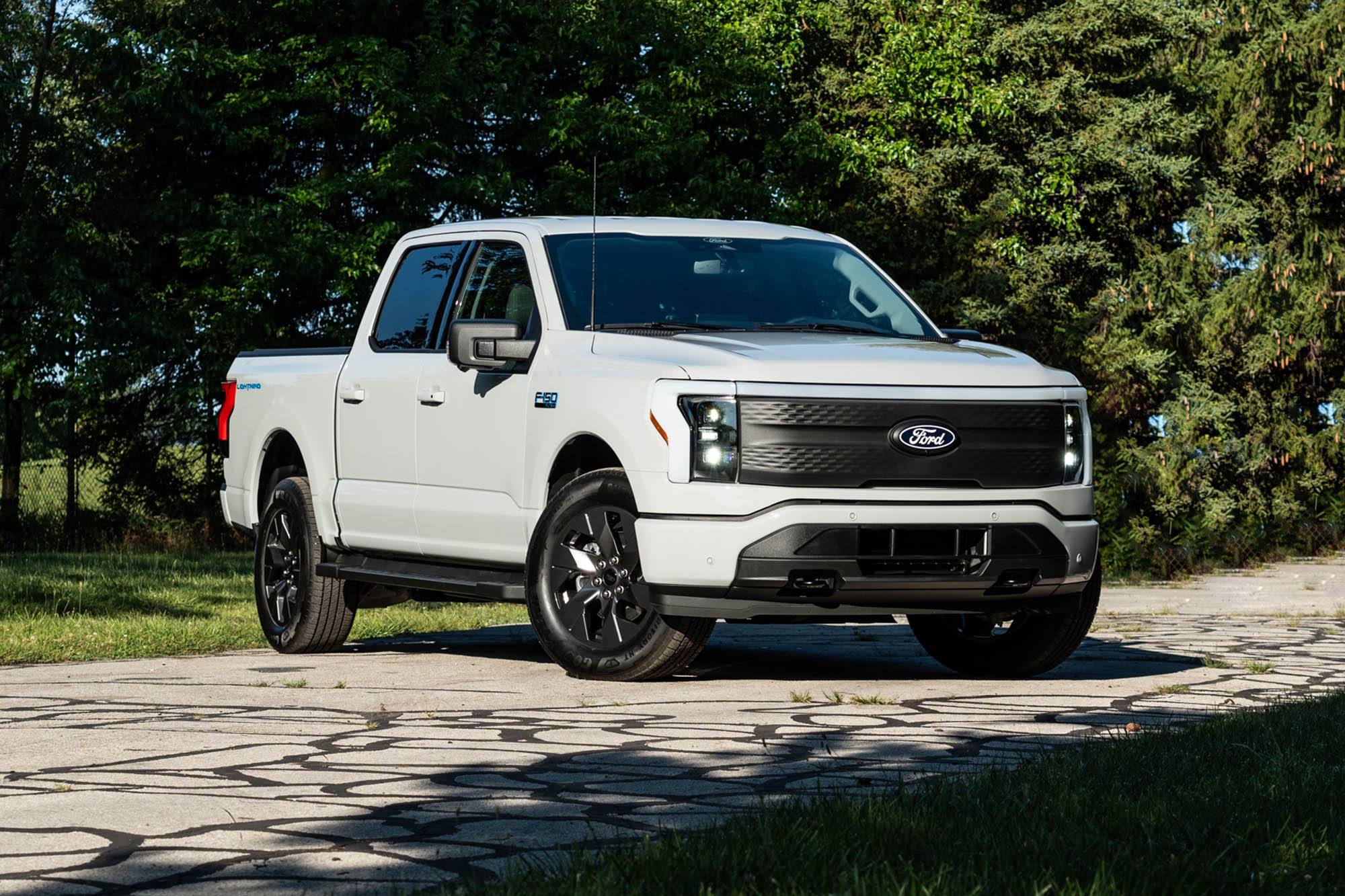
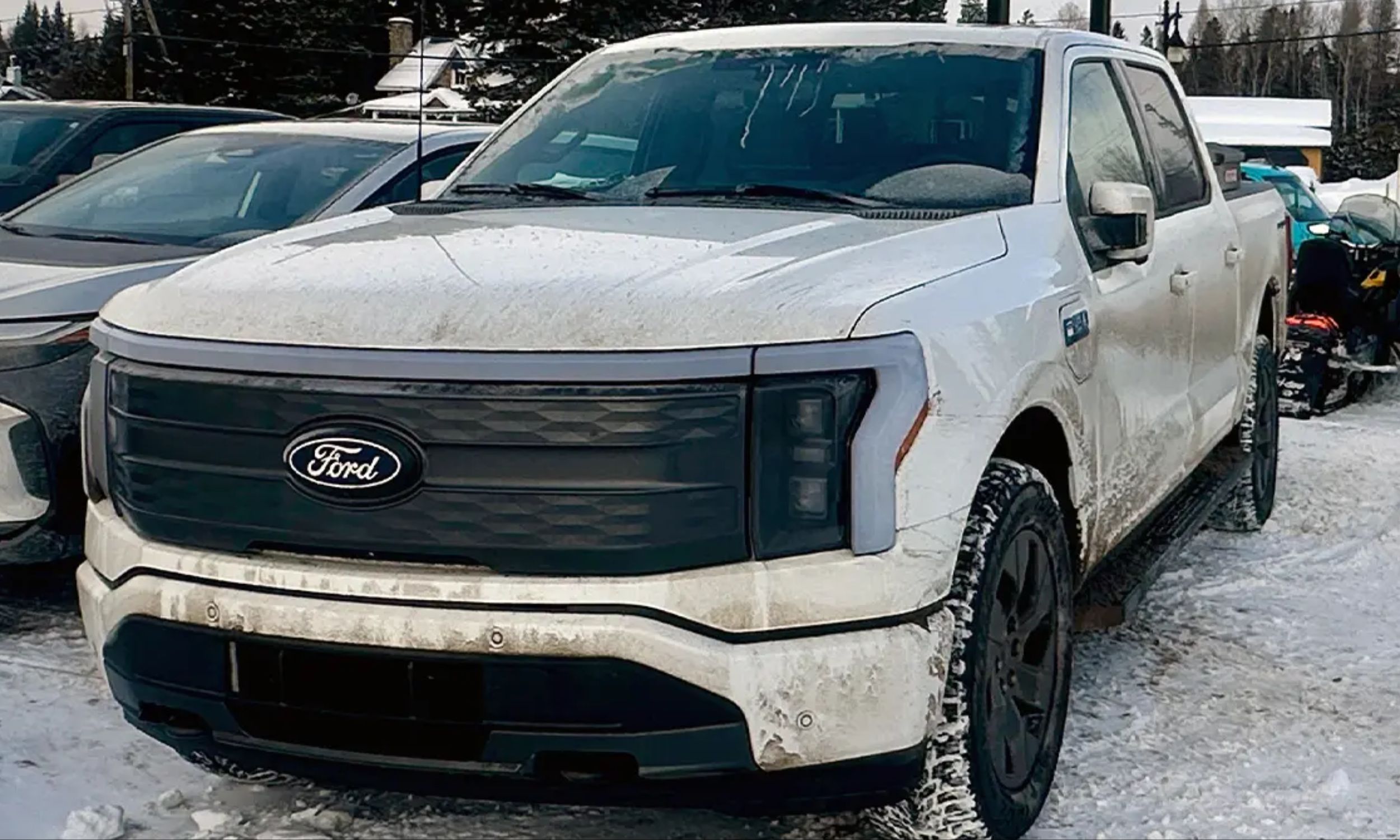
8. Ford F-150 Lightning
The Cold Weather Drop: ~26% Range Loss
- Engine: Dual Electric Motors AWD
- Horsepower: 452 hp to 580 hp
- Torque: 775 lb-ft
- Size: 232.7 in Long x 80.0 in Wide
Ford’s electric pickup truck, the F-150 Lightning, brought genuine hauling and towing capability into the EV conversation, powered by dual electric motors producing between 452 and 580 horsepower alongside a consistent 775 lb-ft of torque. Its massive dimensions, stretching 232.7 inches long and 80.0 inches wide, make it one of the largest vehicles on this entire list.
Physics plays the dominant role here. A full-size pickup truck presents an enormous frontal area to oncoming air, and pushing that much surface through cold, dense winter air demands considerably more energy than cutting through warmer, thinner summer air.
Combine that aerodynamic penalty with a heavy battery pack that performs less efficiently when cold, plus an active cabin heater working to keep a spacious interior comfortable, and the Lightning’s range drops to roughly 74 percent of its normal capacity during winter driving.
Truck owners accustomed to gasoline-powered pickups often need a mental adjustment period when switching to the Lightning, since fuel range anxiety simply works differently with an electric drivetrain. Hauling a trailer in cold weather compounds the issue further, since added weight and wind resistance from a trailer stack directly on top of the existing winter range penalty.
Lightning owners who tow or haul regularly during colder months frequently report needing to plan charging stops with considerably more care than they ever did while filling up a gas tank, treating each winter road trip as a logistics exercise rather than a simple errand, particularly when towing heavy equipment or recreational trailers across longer interstate distances.
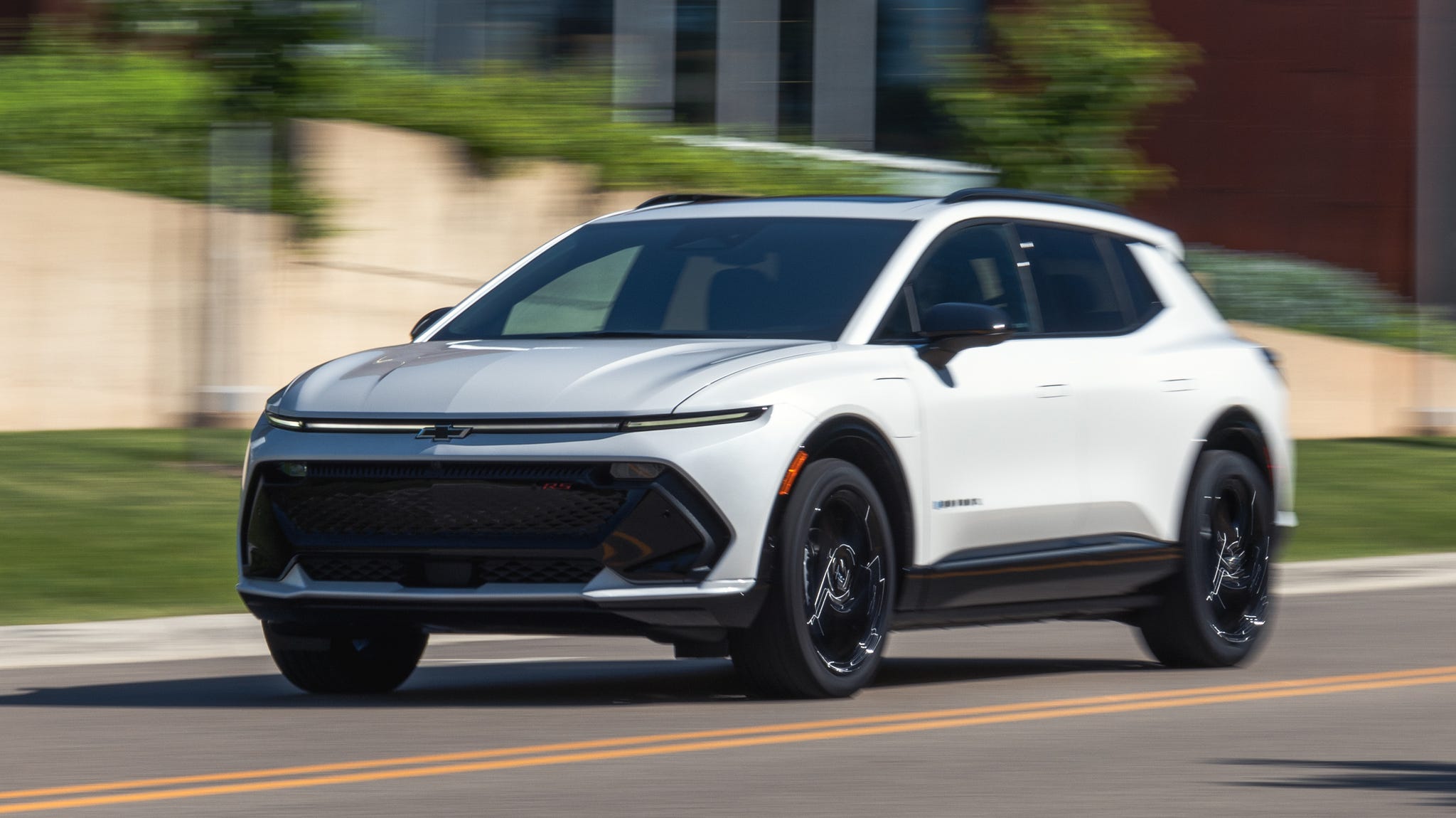
9. Chevrolet Equinox EV
The Cold Weather Drop: ~26% Range Loss
- Engine: Single Motor FWD (or Dual Motor AWD)
- Horsepower: 213 hp to 288 hp
- Torque: 236 lb-ft to 333 lb-ft
- Size: 190.6 in Long x 75.1 in Wide
Chevrolet expanded its electric lineup with the Equinox EV, a more affordable and family-friendly option offered with either a single front-mounted motor or dual motors for all-wheel drive. Horsepower ranges from 213 to 288, while torque spans 236 to 333 lb-ft.
At 190.6 inches long and 75.1 inches wide, it occupies a similar size category to many popular gasoline-powered crossovers, which helps it appeal to mainstream buyers. Winter performance, however, reveals a real-world range loss of approximately 26 percent, putting it in similar territory to its Cadillac sibling built on the same general Ultium architecture.
The climate software logic found inside the Equinox EV closely mirrors what Cadillac engineers built into the Lyriq, which makes sense given their shared platform origins within General Motors. Supplemental cabin heaters kick in readily to keep families warm the moment a trip begins, delivering instant comfort that parents with young children in the back seat genuinely appreciate on a freezing morning commute. That immediate comfort, though, comes paired with a winter driving deficit that runs worse than several similarly sized competitors outside the GM family of vehicles.
The Equinox EV’s relatively approachable price point makes it an attractive entry into electric ownership for many households, but that affordability advantage gets partially offset by extra charging stops once the seasons change. Drivers can mitigate some of this loss by using seat and steering wheel heaters more aggressively while relying less on the full cabin heater during shorter trips around town.
Also Read: 10 Used EVs To Avoid And Why
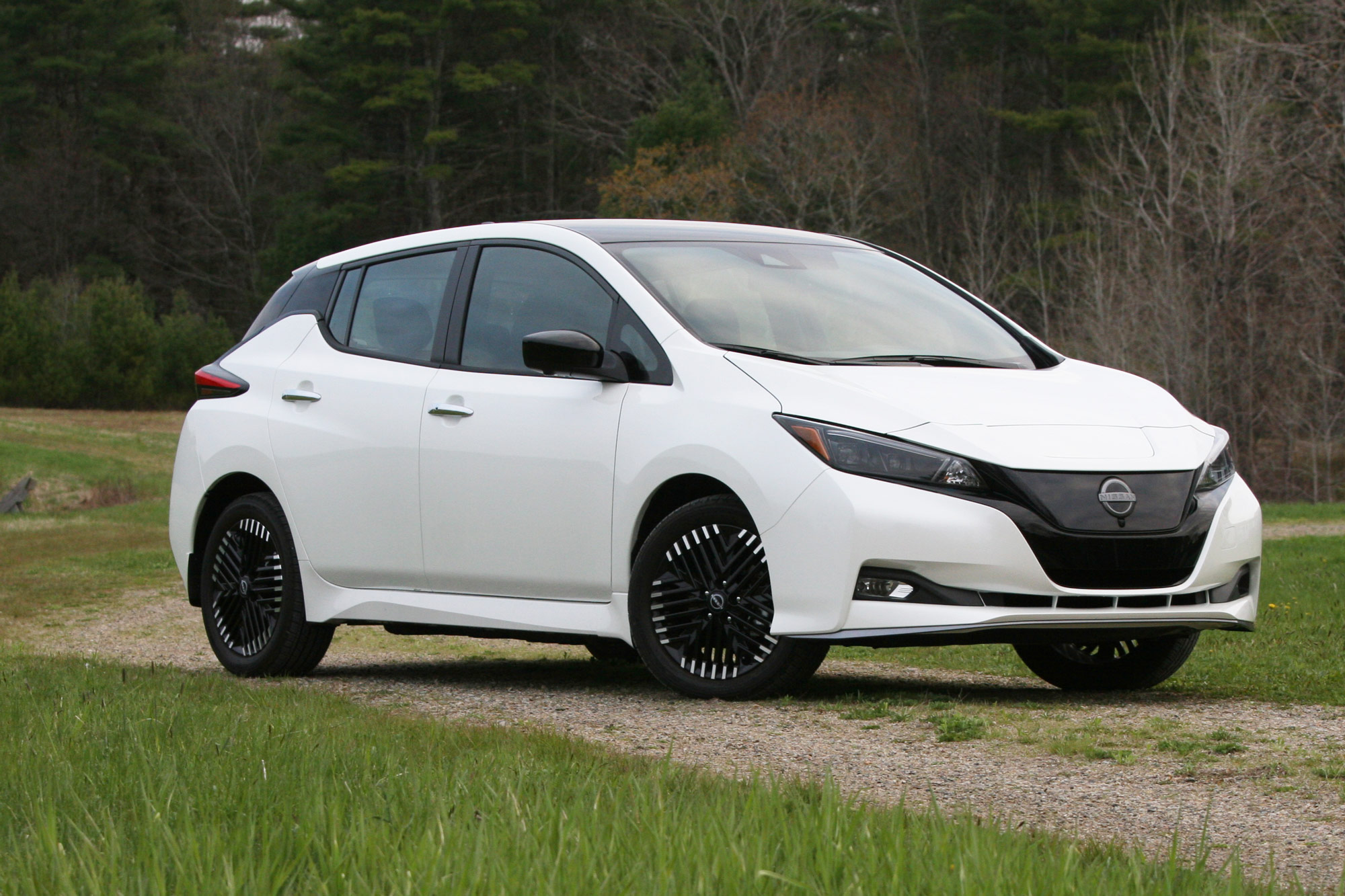
10. Nissan LEAF
The Cold Weather Drop: ~22% Range Loss
- Engine: Single Electric Motor FWD
- Horsepower: 147 hp to 214 hp
- Torque: 236 lb-ft to 250 lb-ft
- Size: 176.4 in Long x 70.5 in Wide
Early electric vehicle adoption owes a lot to the Nissan LEAF, a compact hatchback that helped introduce battery-powered driving to a wider audience. It runs on a single electric motor delivering between 147 and 214 horsepower, with torque ranging from 236 to 250 lb-ft depending on the version.
Measuring 176.4 inches in length and 70.5 inches in width, it remains a practical choice for daily commuting. Winter driving typically brings about a 22 percent drop in range, which appears modest compared to newer EVs, though that number does not tell the full story.
A closer look at the battery design explains why cold temperatures affect this vehicle differently. Instead of using a liquid-based thermal management system like most modern EVs, the LEAF relies on passive air cooling. That means the battery pack adjusts to the surrounding temperature rather than being actively warmed or cooled. When temperatures drop, the battery stays cold for longer periods, reducing efficiency and limiting how effectively it can deliver power.
Even though the percentage loss may seem smaller, the LEAF already starts with a shorter driving range than many newer electric models. As a result, drivers still feel the impact during colder months. Owners have found simple ways to manage this limitation, such as preheating the cabin while the car is plugged in. Doing so draws power from the grid instead of the battery, preserving driving range once on the road.
Parking in a garage also helps maintain a slightly warmer battery temperature, improving performance in colder conditions. While newer EVs offer more advanced thermal systems, practical habits like these allow LEAF drivers to make the most of their vehicle throughout winter.
