
Used EV shopping has exploded across the country’s biggest population centers. California, Texas, Florida, New York, and the rest of the top twelve states by population now account for most resale listings nationwide.
But not every used EV ages well. Battery degradation, recalls, and parts shortages hit some models much harder than others. Climate plays a huge role in how these cars hold up. Hot states like Texas, Florida, Georgia, and North Carolina stress batteries in ways cold states like Michigan, Pennsylvania, Illinois, Ohio, and New York simply don’t.
Charging infrastructure gaps also matter. Georgia, North Carolina, and Virginia still lag behind coastal states in fast-charger density, making short-range EVs riskier daily drivers.
Some of these cars suffered actual fire recalls. Others simply have weak dealer networks or fragile, expensive components that turn ownership into a financial trap.
This list covers ten used EVs that consistently show reliability red flags, recall histories, or expensive long-term ownership costs. Each one shows up regularly in the used markets of California, Texas, Florida, New York, Pennsylvania, Illinois, Ohio, Georgia, North Carolina, Michigan, New Jersey, and Virginia.
Full specifications are included for each model below. The goal is simple: help buyers in these high-population states avoid costly surprises before signing anything.
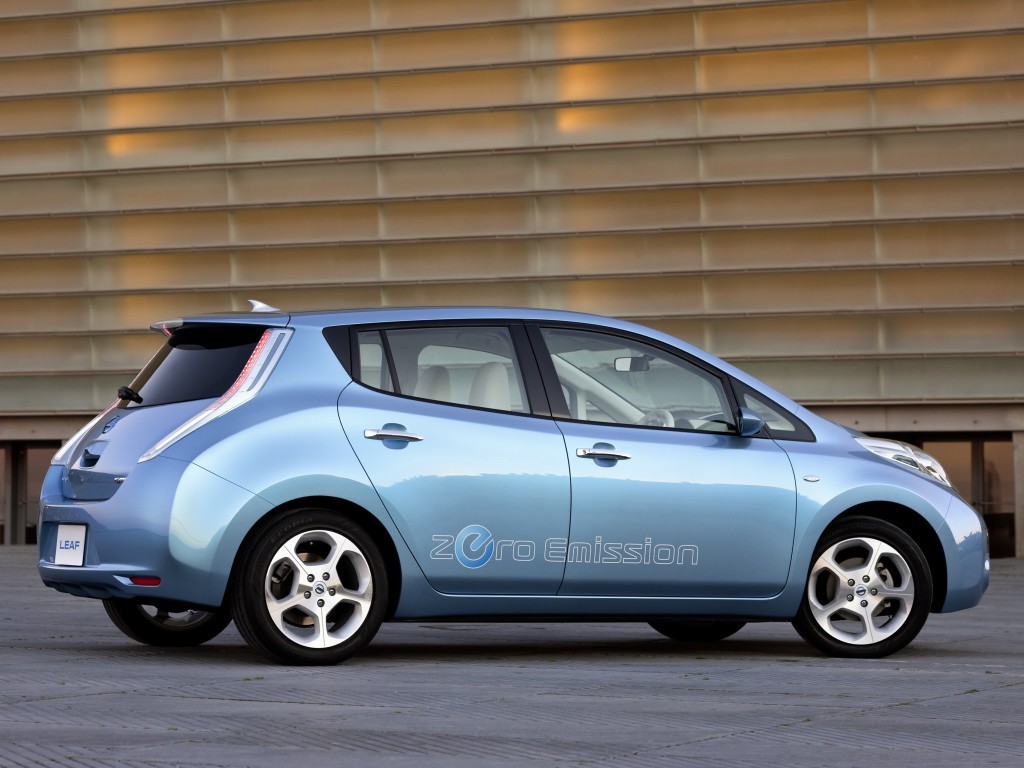
1. Nissan Leaf (2011–2017, 24 kWh/30 kWh models)
The early Leaf has no active thermal management for its battery pack. That single design flaw causes faster capacity loss than almost any other EV on this list.
In Texas and Florida, sustained summer heat has caused dramatic battery degradation. Owners commonly report losing several range bars within just a few years of ownership.
Cold states don’t offer relief either. Michigan and Pennsylvania owners see steep winter range drops since the Leaf lacks a heat pump for efficient cabin heating.
Replacement battery packs remain expensive and largely dealer-controlled. Independent repair shops rarely stock parts for this older generation of Nissan EV technology.
Resale value has collapsed for high-mileage examples across nearly every market. Buyers in California and New York frequently find sellers reluctant to disclose true battery health.
The onboard battery degradation gauge can also be misleading on older units. Independent battery health testing is strongly recommended before any purchase decision.
Charging speed is another weak point, since many early Leafs only support slower CHAdeMO fast charging. That standard is increasingly rare at newer charging stations.
Specifications:
- Engine: Single front electric motor
- Horsepower: 107 hp (2013–2017 models)
- Torque: 187 lb-ft
- Length: 175.0 in
- Width: 69.7 in
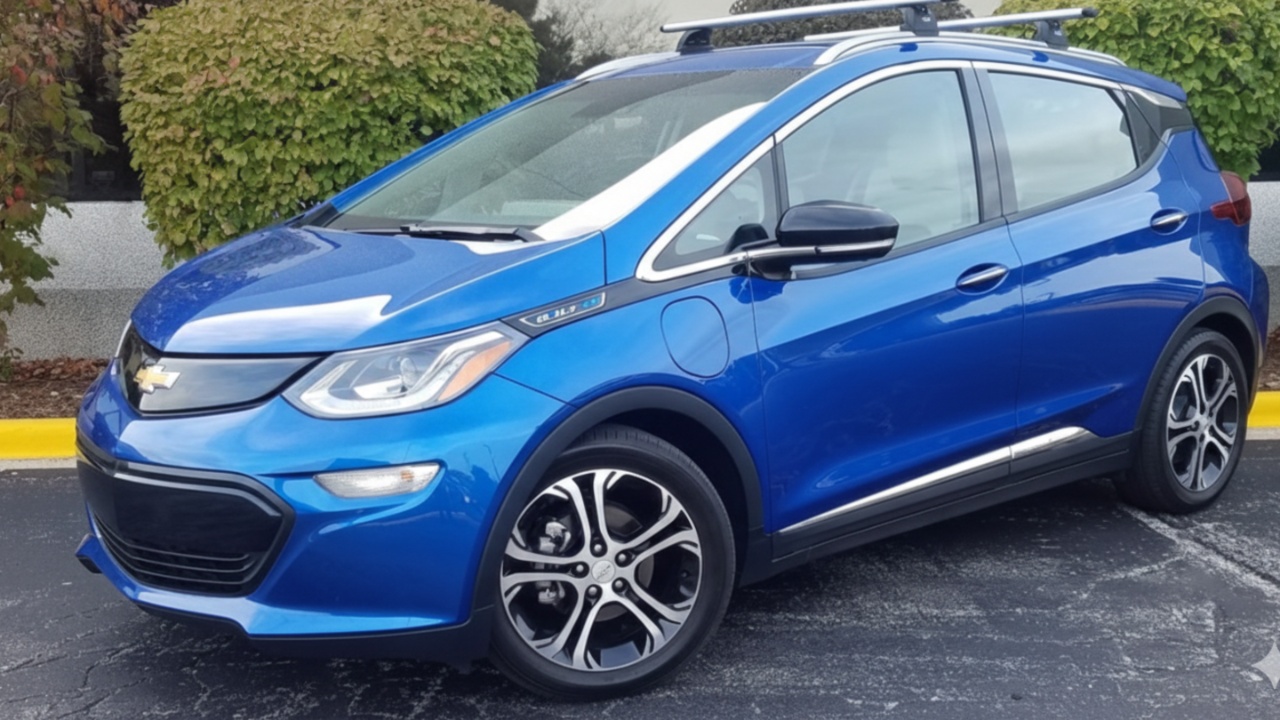
2. Chevrolet Bolt EV (2017–2021)
GM issued a full recall after multiple confirmed battery fires were linked to defective LG-manufactured battery cells. Some owners were even told to park their cars outside.
The recall affected nearly every Bolt built before late 2021 production. Battery replacements were eventually covered for free, but documentation gaps remain shockingly common in resale listings.
Buyers in Ohio and Michigan, both home to major GM manufacturing operations, see plenty of Bolts on used car lots. Always verify the battery was actually replaced under the recall.
Without proof of replacement, financing and insurance can become surprisingly difficult. Some lenders now flag unrepaired VIN numbers automatically during the loan approval process.
Georgia and North Carolina dealers have also seen a steady surge of Bolt trade-ins following the recall announcement. Run a full VIN recall check before any purchase.
Charging speed limitations were temporarily imposed on unrepaired vehicles, too. GM capped charging at 80% capacity until owners completed the required battery service.
Software updates tied to the recall changed range estimation algorithms slightly. Real-world range may differ from what older listings or window stickers originally advertised.
Specifications:
- Engine: Single front electric motor
- Horsepower: 200 hp
- Torque: 266 lb-ft
- Length: 164.0 in
- Width: 69.5 in
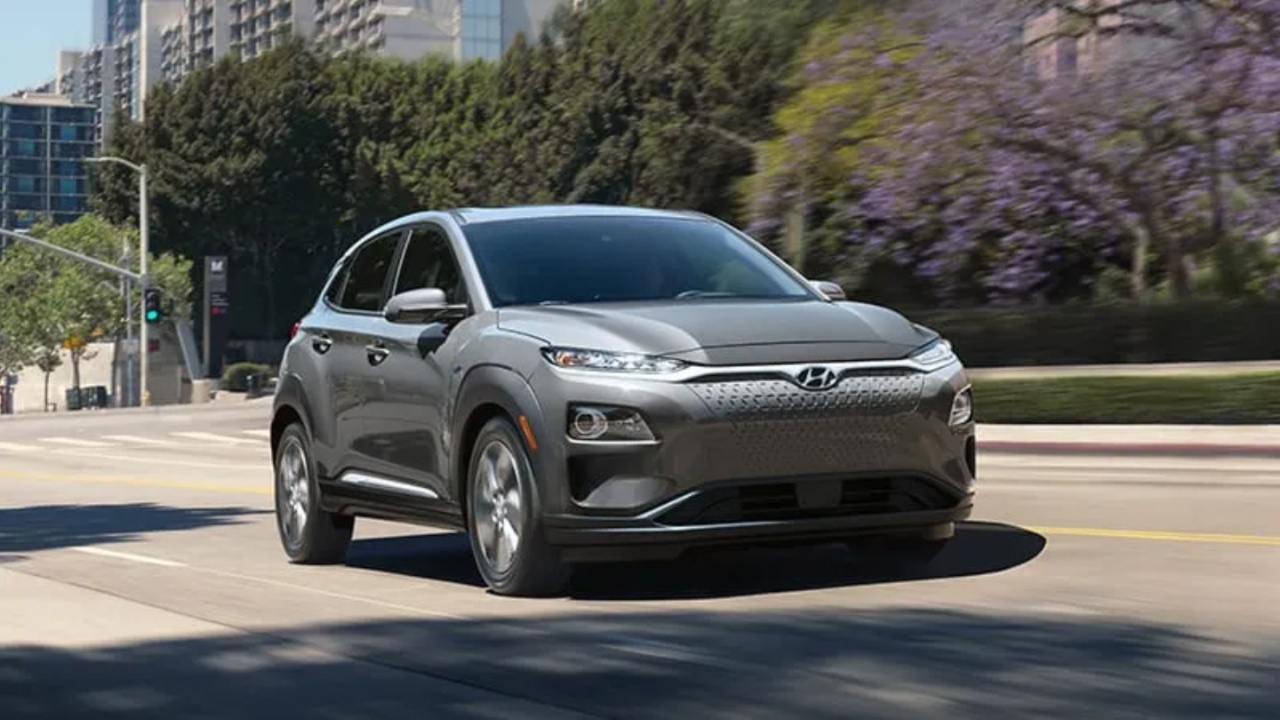
3. Hyundai Kona Electric (2019–2020)
Like the Bolt, the Kona Electric suffered a major battery fire recall tied to defective LG battery cells. Hyundai eventually replaced thousands of packs in a global recall campaign.
Florida and Texas, both hot-climate states, reported a disproportionate share of fire incidents. Heat appears to have accelerated the underlying manufacturing defect significantly.
Used examples are common in New Jersey and Pennsylvania, since Hyundai sold particularly well throughout the Northeast corridor. Confirm full recall completion before considering any purchase.
Software updates capped charging at 80% for unrepaired vehicles during the recall period. That artificially shortened the real-world range until owners completed the fix.
Virginia buyers should also check for a related charging-behavior recall issued separately. Not all used car dealers properly disclosed this during resale transactions.
Hyundai’s warranty coverage on replaced batteries can be confusing for second owners. Always request full written documentation, not just a verbal assurance from the seller.
Resale prices on the Kona Electric remain unusually low for its age and equipment level. That low price reflects genuine market hesitation, not necessarily a bargain.
Specifications:
- Engine: Single front electric motor
- Horsepower: 201 hp
- Torque: 291 lb-ft
- Length: 164.6 in
- Width: 70.9 in
4. BMW i3 (2014–2021)
The i3’s carbon-fiber-reinforced body is hard and expensive to repair. Few body shops outside major metro areas are properly equipped to handle this material.
In Illinois and New York, replacement parts often require special ordering directly from BMW. Turnaround times can stretch for several weeks during repairs.
The optional range-extender gas engine adds significant mechanical complexity. It’s essentially a small motorcycle engine bolted onto an EV, and failures here are genuinely costly.
Tire sizing is unusual and notably narrow, designed specifically around the i3’s unique chassis. Replacements aren’t typically stocked at standard tire shops in Georgia or North Carolina.
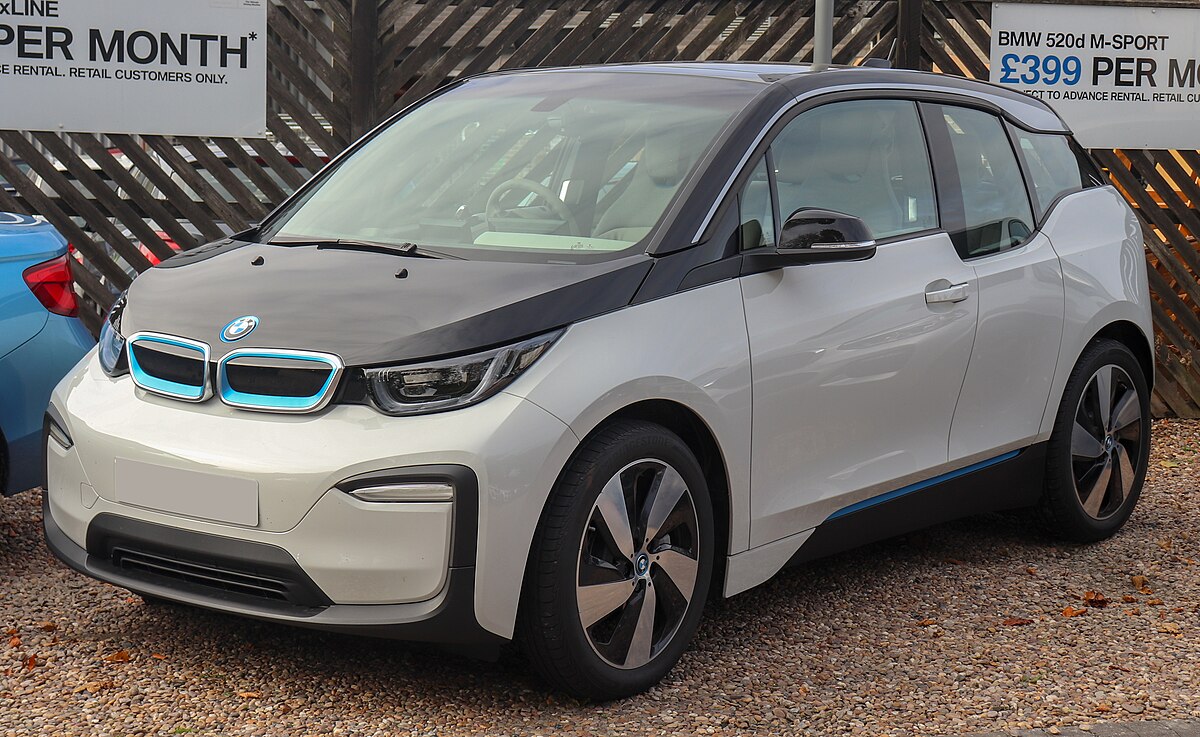
Resale values have dropped sharply across nearly every state. That sounds appealing on paper until repair costs quietly eat away those initial savings.
Battery range on early i3 models is also genuinely short by today’s standards. Highway commuting in spread-out states becomes a real planning challenge.
BMW’s dealer network for EV-specific service remains thin compared to mainstream brands. That thinness means longer wait times for diagnostics and repairs in most regions.
Specifications:
- Engine: Single rear electric motor (plus optional range-extender)
- Horsepower: 170 hp
- Torque: 184 lb-ft
- Length: 158.3 in
- Width: 69.9 in
Also Read: 8 Brands With the Highest Annual Maintenance Bills
5. Jaguar I-Pace (2019–2023)
The I-Pace consistently ranks near the bottom of major reliability surveys. Electrical glitches, software freezes, and charging faults are all widely and repeatedly reported.
California buyers, where Jaguar sold the most units nationally, frequently report infotainment system failures. Multiple dealer visits are often needed just to resolve a single recurring issue.
Parts availability remains weak outside of major metro service centers. Texas and Florida owners often wait considerably longer for specialized replacement components to arrive.
Jaguar’s dealer network is notably thin compared to mainstream automakers. That thinness makes both warranty and out-of-warranty repairs slower across most of these twelve states.
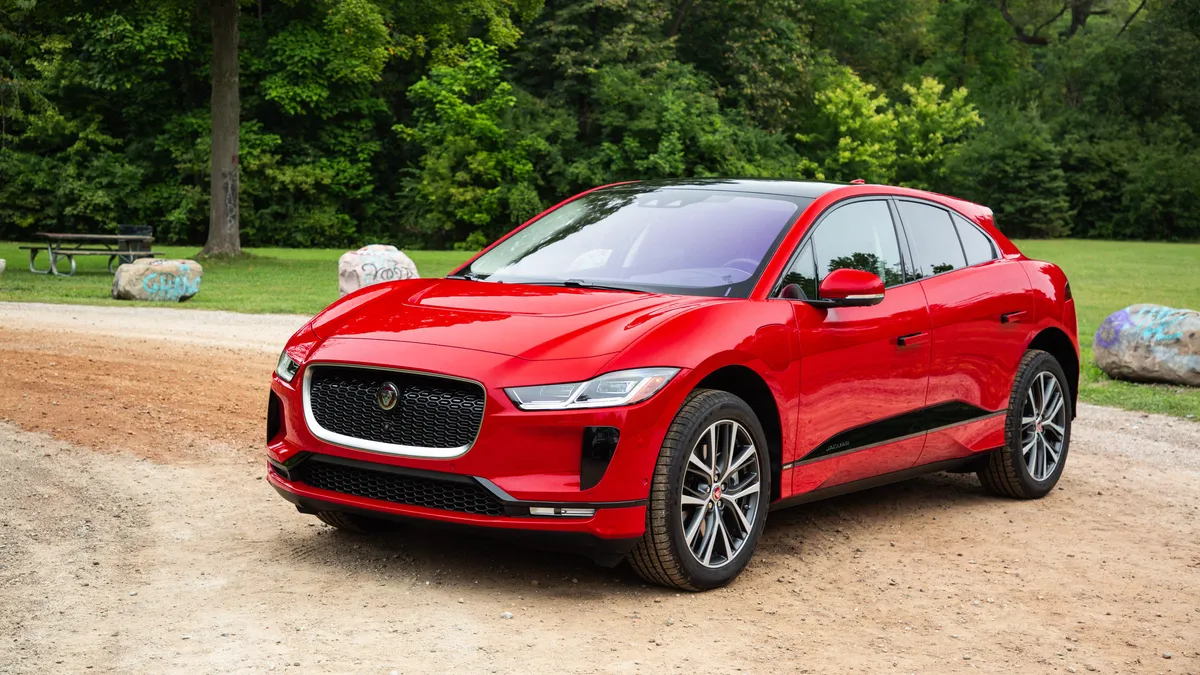
Depreciation has been brutal for the I-Pace, and that signals how the broader market views long-term ownership risk. A steep discount rarely offsets frequent shop visits.
Battery management software has also drawn criticism for inconsistent range predictions. Owners report discrepancies between the displayed range and the actual driving distance.
Charging compatibility issues have surfaced at some third-party fast chargers, too. Compatibility problems add another layer of frustration for daily commuters in less EV-friendly states.
Specifications:
- Engine: Dual electric motors, all-wheel drive
- Horsepower: 394 hp
- Torque: 512 lb-ft
- Length: 184.3 in
- Width: 74.4 in
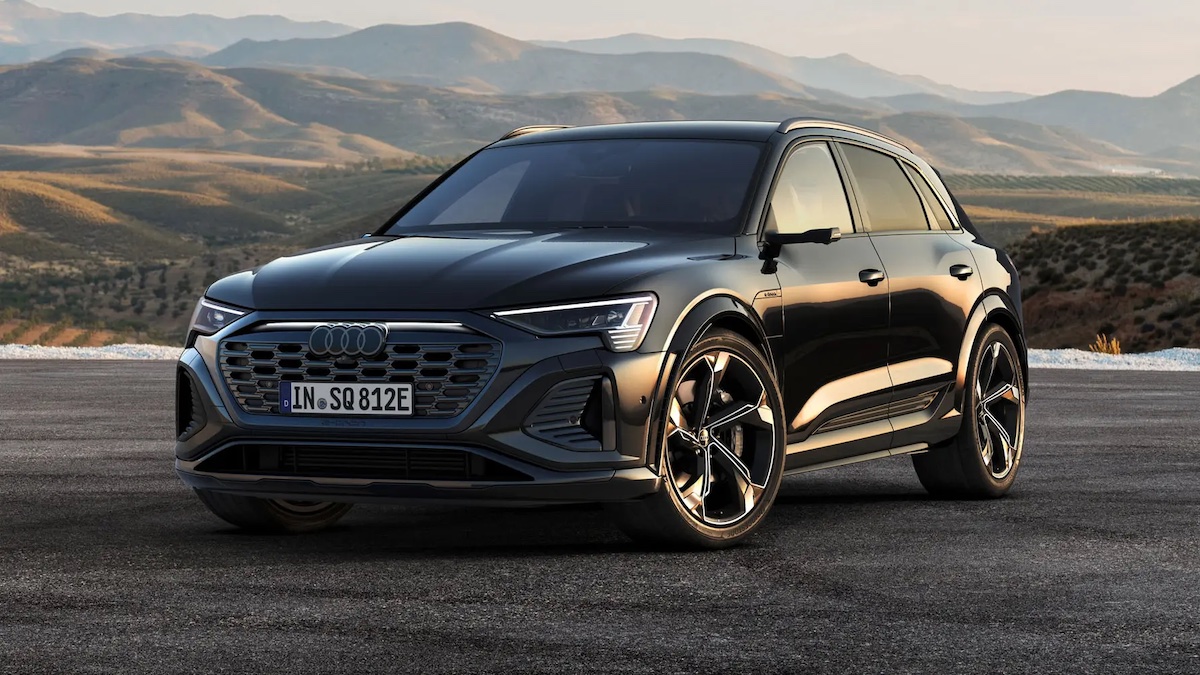
6. Audi e-tron (2019–2023)
The e-tron is genuinely heavy, and that extra weight strains suspension and brake components faster than most owners expect. Premature wear shows up across both systems.
New York and New Jersey buyers, common to Audi markets generally, frequently mention inconsistent charging session results. Public DC fast charging doesn’t always reach the speeds advertised by Audi.
Real-world range falls noticeably short of EPA estimates in everyday driving conditions. That shortfall becomes a real problem in Georgia and North Carolina, where charger density lags coastal states.
Repair costs mirror typical Audi luxury pricing, but with added EV-specific components layered on top. Independent shops are often unwilling to touch the high-voltage electrical system.
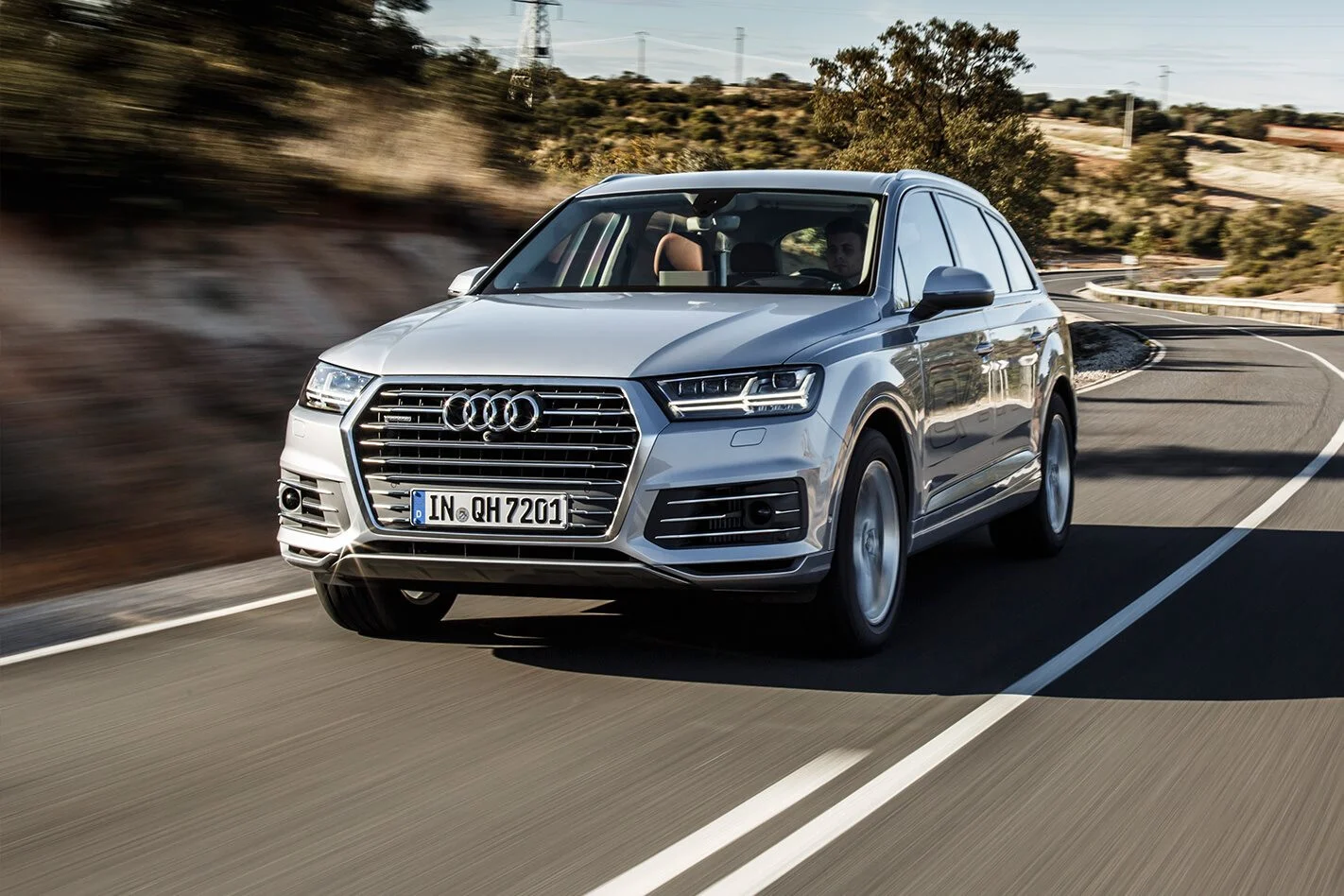
Software glitches affecting climate control and digital displays have been widely reported by owners. Dealership-only fixes mean longer vehicle downtime compared to mainstream brands.
Tire wear is also faster than expected due to the vehicle’s substantial curb weight. Replacement costs add up quickly given the e-tron’s wide, low-profile tire specification.
Battery cooling system maintenance is more involved than competitors require. Skipping recommended service intervals can accelerate long-term degradation in hotter climates.
Specifications:
- Engine: Dual electric motors, all-wheel drive (Quattro)
- Horsepower: 355 hp (402 hp in boost mode)
- Torque: 414 lb-ft
- Length: 193.0 in
- Width: 76.3 in
7. Ford Focus Electric (2012–2018)
Ford never fully committed to this model, and it shows in nearly every aspect. Range is short even by older EV standards, around 100 miles at best.
Parts support has thinned considerably since Ford ended production years ago. Michigan and Ohio dealers, despite being Ford’s home territory, often need to special-order basic components.
The battery lacks active cooling, similar to the early Nissan Leaf’s design flaw. Heat in Texas and Florida accelerates degradation noticeably faster than in milder climates.
Software and infotainment systems feel genuinely dated compared to other cars from the same era. Manufacturer updates stopped being issued years ago.
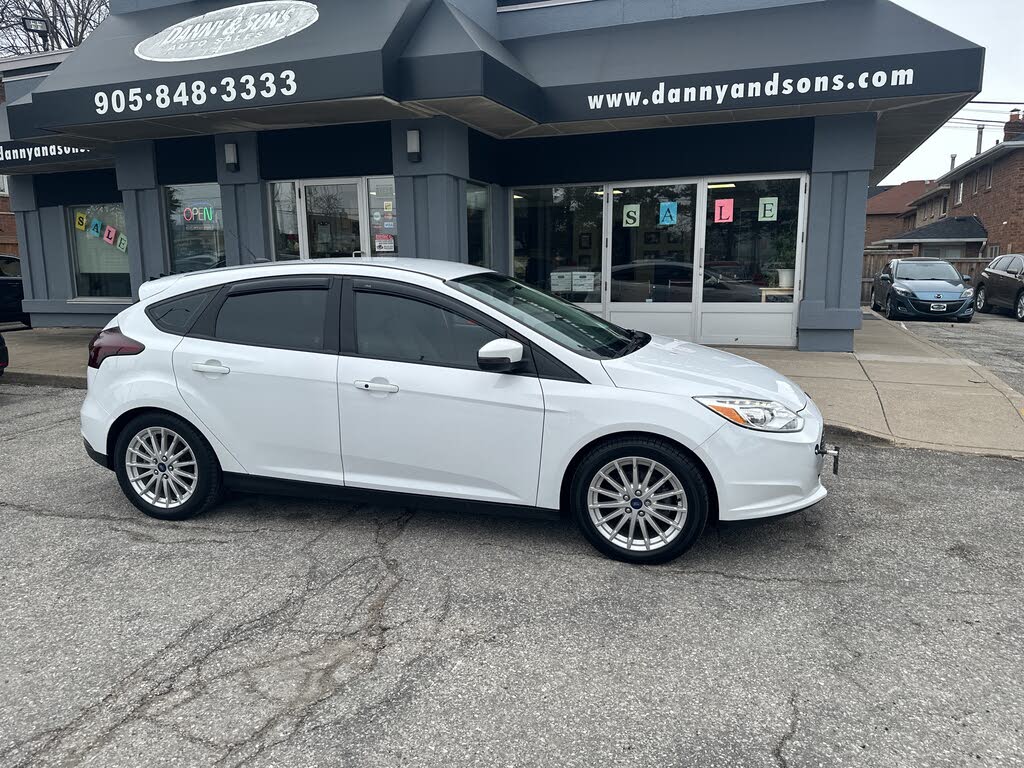
Resale demand remains weak nationwide for this model specifically. Low purchase prices reflect genuinely low long-term value, not some hidden bargain waiting to be found.
Charging speed is also limited by older onboard hardware standards. DC fast charging compatibility is either absent or very slow on most trim levels.
Owners report inconsistent dashboard range estimates that don’t match real driving results. That inconsistency makes trip planning genuinely stressful in less densely populated states.
Specifications:
- Engine: Single front electric motor
- Horsepower: 143 hp
- Torque: 184 lb-ft
- Length: 171.0 in
- Width: 71.8 in
8. Fiat 500e (2013–2019)
Fiat built the original 500e mainly to satisfy California emissions credit requirements. It was never seriously sold or supported as a nationwide vehicle.
That narrow focus means parts and service remain concentrated almost entirely in California. Buyers in Texas, Florida, or Virginia may struggle to find a willing dealer at all.
Fiat’s broader US dealership presence has shrunk dramatically since this car first launched. Long-term brand support remains genuinely uncertain going forward.
Range is short, even for its era, sitting at roughly 84 miles per charge. That figure is marginal for highway commuting in spread-out states like North Carolina or Georgia.
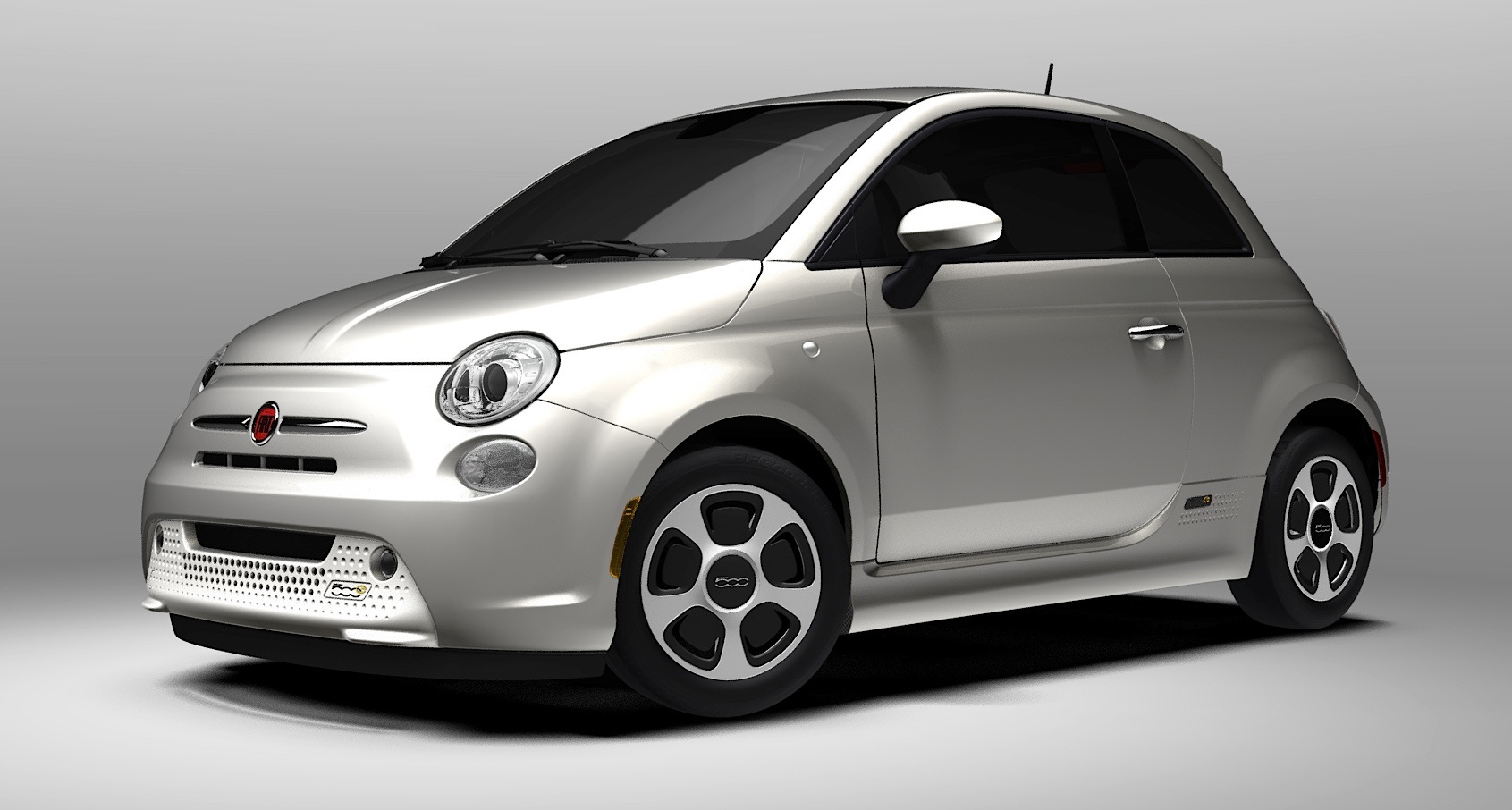
Resale prices look tempting at first glance, but isolated service networks make ownership outside California genuinely risky long-term. Few independent shops know this platform well.
Replacement battery modules are difficult to source through normal supply channels. Wait times for major repairs can stretch much longer than those for typical mainstream EVs.
Insurance companies in some states also charge higher premiums due to limited parts availability. That added cost further erodes the car’s already low purchase price advantage.
Specifications:
- Engine: Single front electric motor
- Horsepower: 111 hp
- Torque: 147 lb-ft
- Length: 139.6 in
- Width: 64.1 in
9. Early Tesla Model S (2012–2016)
Pre-2017 Model S units commonly need major drivetrain or suspension repairs by around 100,000 miles. Drive unit replacements specifically aren’t unusual on these earlier builds.
Air suspension components fail more frequently on these early model years. Replacement costs run quite high outside of Tesla’s own official service centers.
California and Texas have the largest concentration of used early Model S units nationwide. Independent EV specialists are growing in number, but still limited compared to dealer-backed brands.
Battery degradation is generally mild on these earlier packs, which is genuinely good news. But a full pack replacement, if ever needed, remains extremely expensive with no cheap aftermarket alternative.
Door handle motors and touchscreen issues are also common complaints reported on early builds. These smaller problems add up to frequent, annoying repair bills over time.
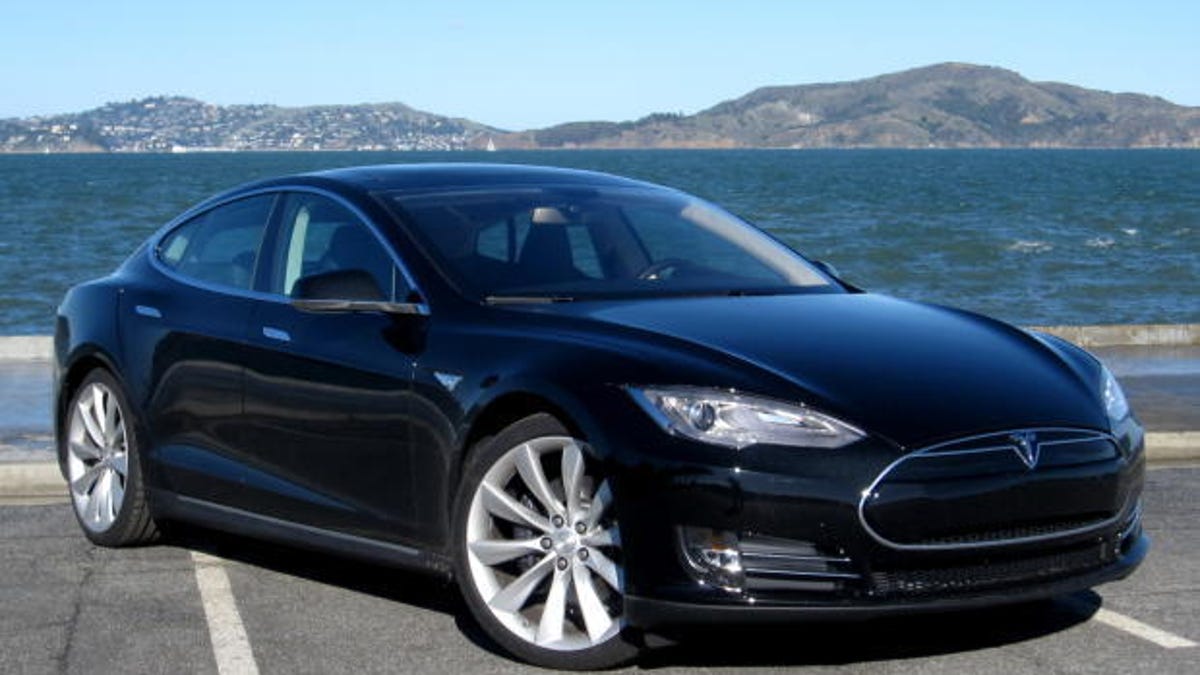
Tesla’s over-the-air software updates have improved older cars considerably since their original release. Still, hardware-related failures can’t be fixed remotely no matter how good the software gets.
Service center availability varies widely by state, with denser coverage in California and Texas. Owners in less Tesla-saturated states may face longer scheduling delays for routine maintenance.
Specifications:
- Engine: Single or dual electric motors, depending on trim level
- Horsepower: 362–416 hp
- Torque: 325–443 lb-ft
- Length: 196.0 in
- Width: 77.3 in
10. Early Tesla Model X (2016–2019)
The Model X added distinctive falcon-wing doors, and that mechanical complexity has caused persistent, well-documented problems. Sensor failures and door alignment issues are widely reported by owners.
Door repairs are notoriously expensive and genuinely time-consuming to complete properly. Tesla service centers, concentrated mainly in California, New York, and Texas, often carry long appointment wait times.
Suspension and air-ride components fail at rates similar to the Model S sedan. These aren’t cheap fixes once factory warranty coverage has fully expired.
Software has improved significantly over the years through regular over-the-air updates. But hardware issues from this earlier generation remain fundamentally unresolved by any software patch.
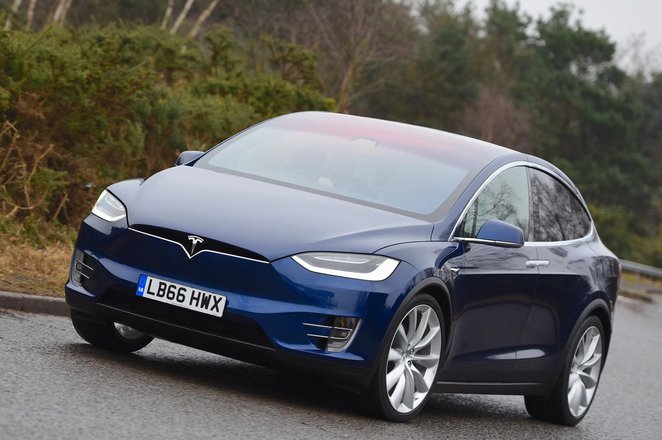
High-mileage examples in Illinois, Pennsylvania, and New Jersey often show accumulated wear from years of demanding daily Tesla ownership. Inspect the door mechanisms thoroughly before buying.
Second-row seat motors and folding mechanisms have also drawn frequent owner complaints. Replacement parts for these specific components can be both pricey and genuinely slow to source.
Resale values remain relatively strong compared to other EVs on this list. That strength makes the upfront price less forgiving if expensive door issues surface later.
Specifications:
- Engine: Dual electric motors, all-wheel drive
- Horsepower: 259–503 hp depending on trim level
- Torque: 387–713 lb-ft
- Length: 198.3 in
- Width: 78.7 in (mirrors folded)
Also Read: What It Really Costs To Own A Tesla Model Y For Five Years
