
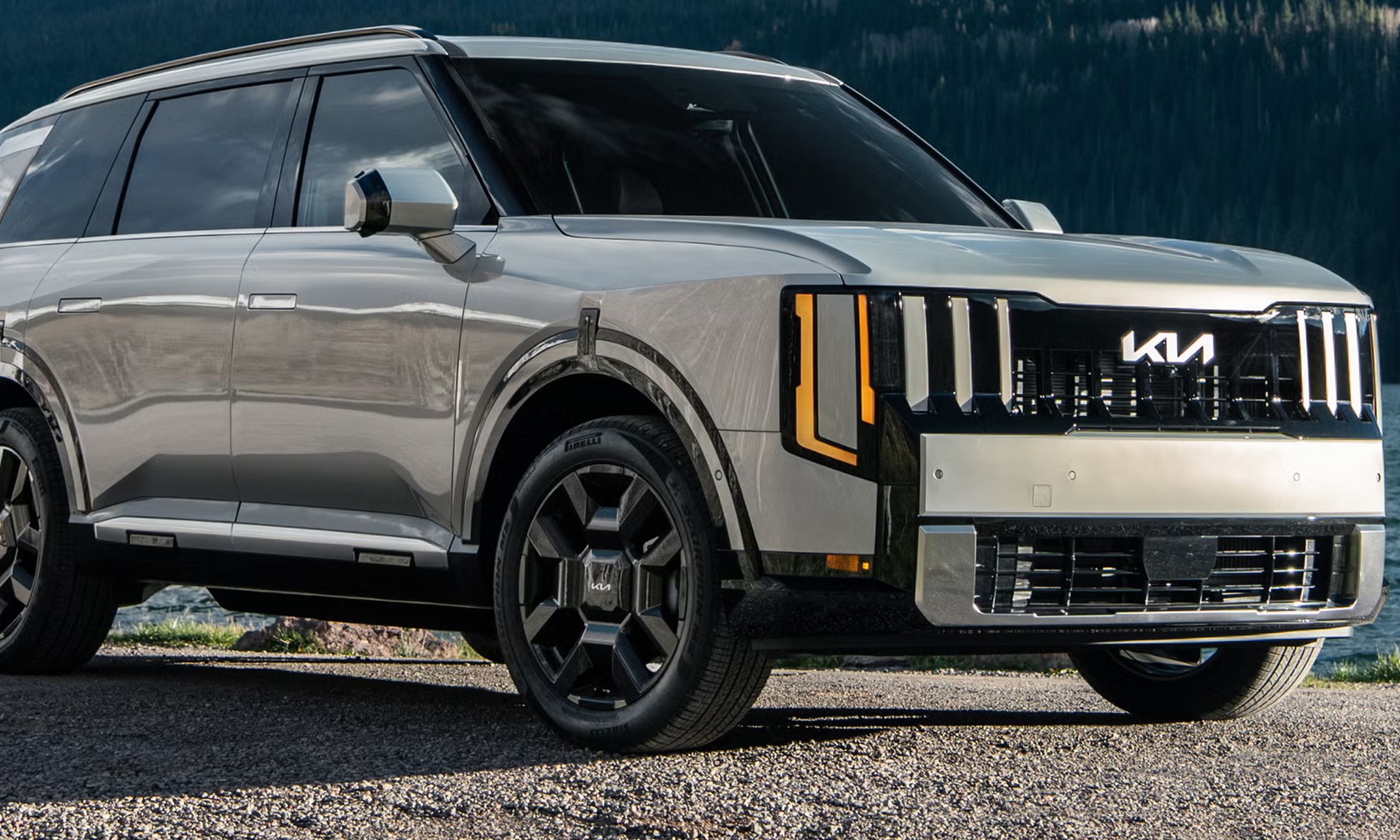
A favorite family hauler rarely gets a second act this good. The Kia Telluride spent its first-generation winning awards, topping shopping lists, and becoming the SUV that minivan loyalists finally agreed to trade in for. Now the 2027 model arrives as a complete redesign, and it brings something the original never offered: a hybrid powertrain.
Kia stretched the wheelbase, dropped the old V6 in favor of a turbocharged four-cylinder, and gave families a genuinely efficient option without asking anyone to sacrifice the three-row practicality that made the Telluride famous in the first place. This is not a cautious refresh with a new grille and some updated taillights.
This is a ground-up rethink of what a midsize family SUV should offer in 2027, and the changes touch everything from cabin technology to towing capacity to how easily a parent can wrestle a car seat into the second row. Whether you currently drive a first-generation Telluride or you are cross shopping the segment for the first time, here is everything that makes this redesign worth a serious look.
A Longer Wheelbase Means Real Room for Real Families
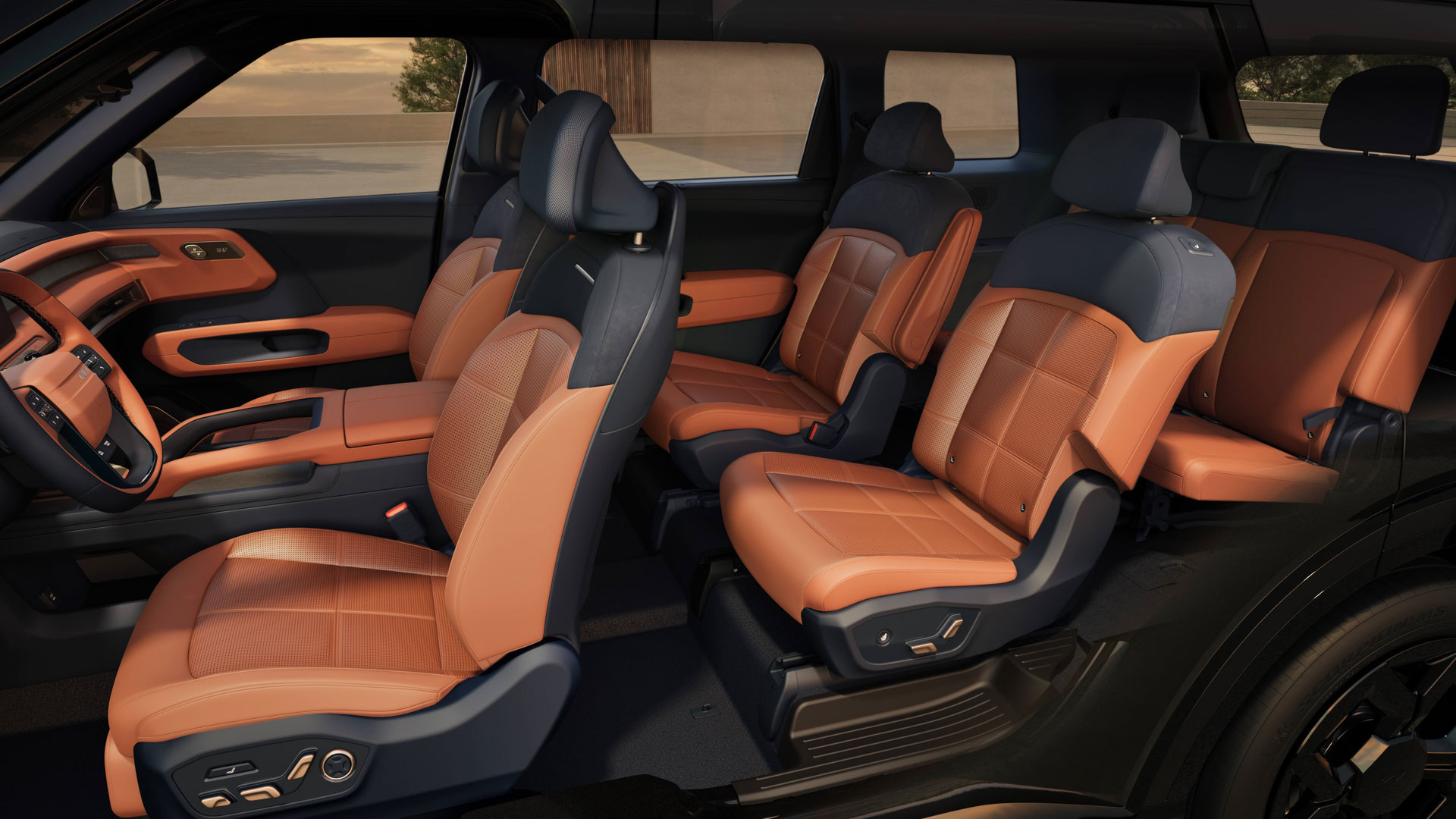
Roominess plays a bigger role than raw performance for most three-row SUV buyers, and Kia clearly prioritized that in this redesign. The latest Telluride now stretches to 199.2 inches in length with a 116.9-inch wheelbase, marking a noticeable increase compared to the previous version. While those numbers may seem small at first glance, even slight gains in size can make a real difference when carrying a full load of passengers.
Extra wheelbase length brings the biggest benefit to passengers seated behind the driver. With an additional 2.7 inches between the axles, both the second and third rows gain more legroom, making longer trips far more comfortable. Families who regularly use the third row will notice the improvement right away, especially when it comes to giving passengers enough space to sit without feeling cramped.
Every day, usability improves through thoughtful design touches. The second-row seats now feature a slide-and-tilt function that allows access to the third row without removing installed child seats. That small change can save time and effort during daily routines like school drop-offs or quick errands, where convenience matters more than anything else.
Storage capacity also sees a welcome boost. Behind the first row, cargo space reaches 89.3 cubic feet, while the second and third rows offer 48.7 and 22.3 cubic feet, respectively. Hybrid models come in slightly lower but still provide plenty of room for luggage, groceries, or sports gear. Despite the added space, the Telluride remains easy to handle in tight parking areas, keeping it practical for daily driving.
Goodbye V6, Hello Turbo Power and Real Towing Muscle
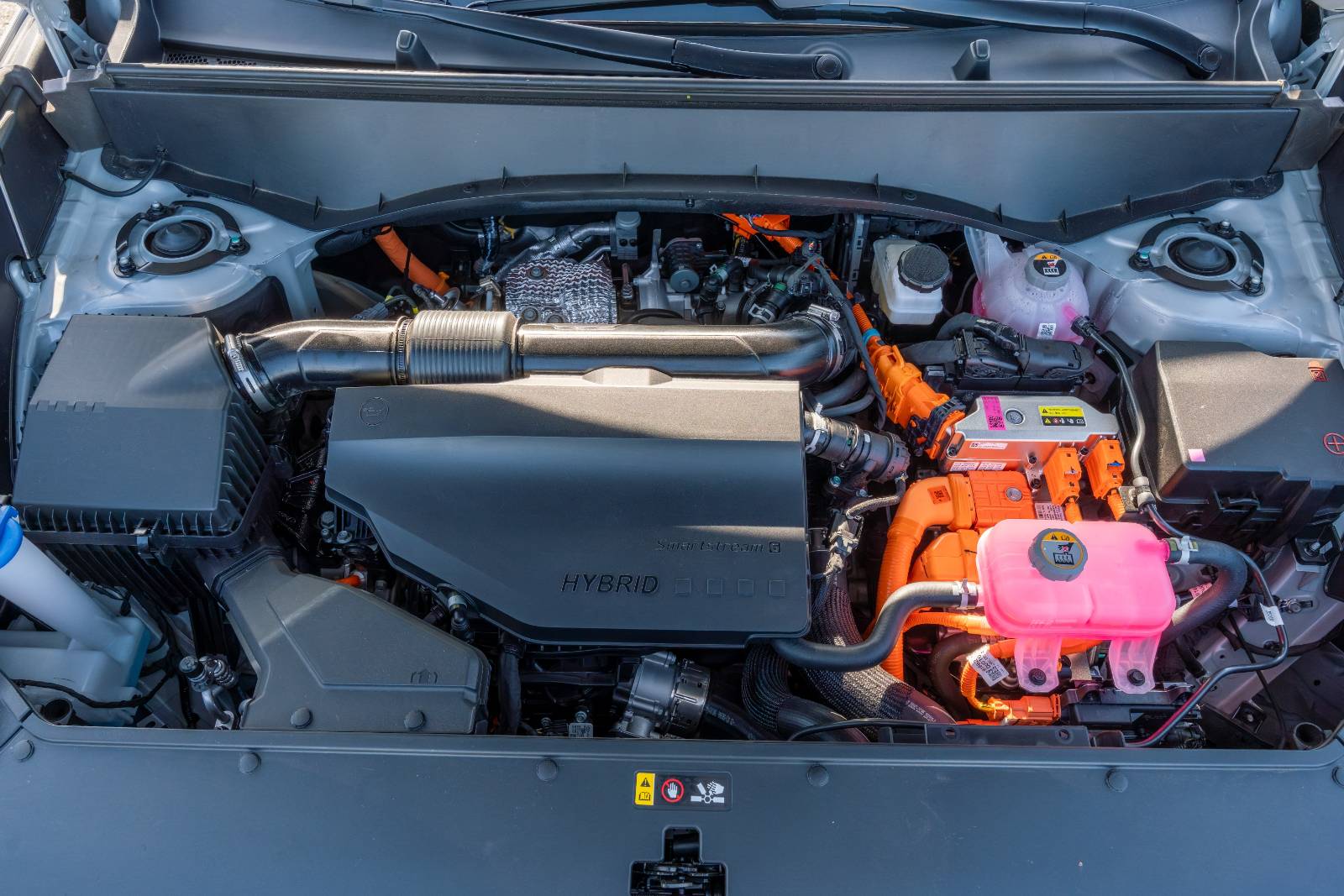
One of the biggest changes to the Telluride comes from what sits under the hood. Kia moved away from the familiar V6 used in the previous generation and replaced it with a 2.5-liter turbocharged four-cylinder engine producing 274 horsepower and 311 lb-ft of torque. That torque figure is higher than before, and it plays a bigger role in everyday driving than peak horsepower numbers. The engine pairs with an eight-speed automatic transmission and is available with either front-wheel or all-wheel drive.
For drivers upgrading from the older model, the difference shows up more in how the SUV feels rather than what the spec sheet says. The previous V6 delivered 291 horsepower and 262 lb-ft of torque, while the new engine trades a bit of horsepower for stronger pulling power. That extra torque helps during situations like merging onto highways, climbing hills, or moving a fully loaded vehicle. Most families will notice smoother and more confident acceleration in daily use.
Performance takes on a slightly different personality with this setup. Gas-powered models are expected to reach 60 mph in about 7.4 seconds, which is a bit slower than before, though the added low-end strength makes the vehicle feel more responsive around town. Hybrid versions should be quicker, landing closer to 6.5 seconds. Towing remains solid, with gas models rated up to 5,000 pounds and hybrids up to 4,500 pounds.
Capability does not stop at paved roads. The X-Pro trim raises ground clearance to 9.1 inches and adds all-terrain tires along with a rear limited-slip differential. Standard models still offer enough clearance for rough roads, while this upgraded version gives families more confidence when heading off the beaten path.
Also Read: 2027 Kia Seltos Gets A Higher Starting Price
The Hybrid Telluride Finally Gives Families a Real Efficiency Option
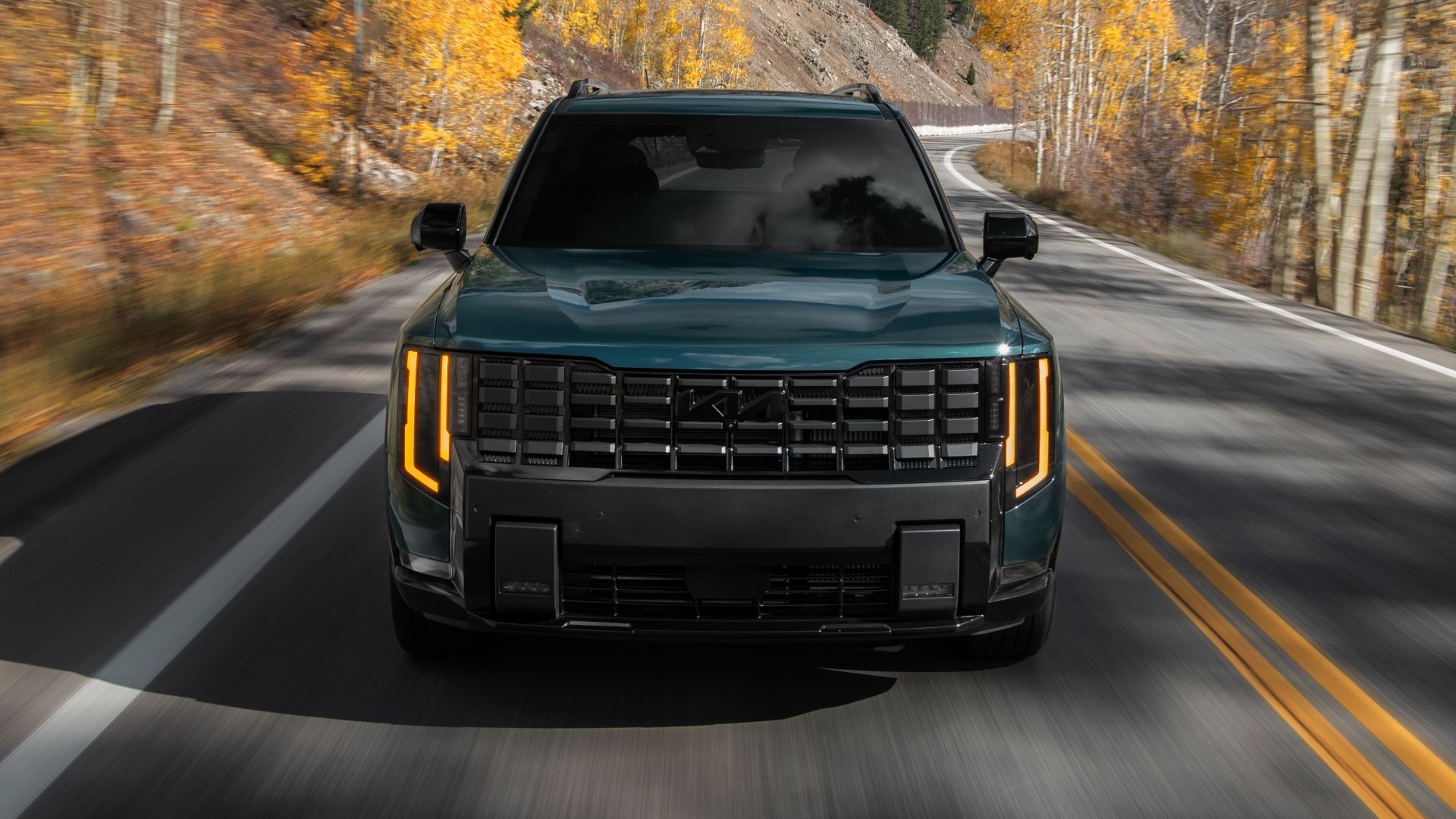
For years, buyers interested in a more fuel-efficient version of the Telluride had no real option to choose from. That finally changes with the latest redesign, and it could easily become the main reason many shoppers lean toward the newer model. Those looking for extra performance beyond the standard turbocharged engine will need to step into the hybrid, which delivers a healthy 329 horsepower and 339 lb-ft of torque.
Performance figures only tell part of the story. This new 2.5-liter turbo-hybrid setup brings impressive efficiency to a three-row SUV, with estimates reaching up to 35 mpg combined and a driving range that can stretch beyond 600 miles on a single tank. That kind of distance between fill-ups is rare for a vehicle that can carry an entire family comfortably, making it a strong alternative to rivals that have offered hybrid options for years.
Fuel savings become much clearer when comparing both powertrains side by side. The standard gasoline model posts figures around 20/26/22 mpg with front-wheel drive and slightly lower numbers with all-wheel drive. The hybrid, by comparison, reaches about 34/36/35 mpg in front-wheel-drive form and still maintains strong efficiency with all-wheel drive. For drivers who commute daily or rack up highway miles, that difference can lead to noticeable savings as time goes on.
Engineering behind the hybrid system keeps practicality intact. It pairs a turbocharged engine with an electric motor and a compact battery that does not compromise interior space. Both versions use an eight-speed automatic transmission, while the hybrid gains extra output and improved efficiency. Added peace of mind comes from a 10-year, 100,000-mile warranty on hybrid components, and since the battery charges itself through regenerative braking, there is no need to plug in.
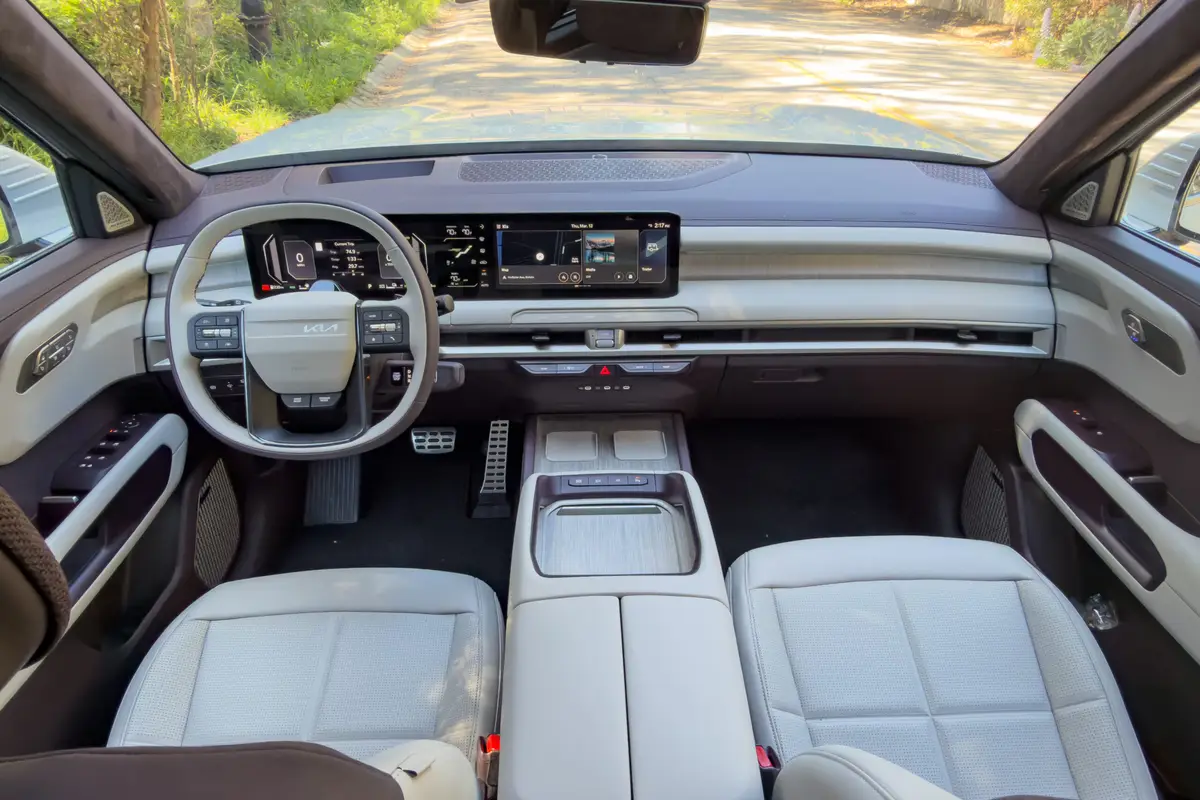
A Cabin Built Around Tech, Comfort, and a Few Genuine Luxury Touches
Just step inside the updated Telluride, and it becomes clear Kia aimed much higher than the usual expectations for a three-row SUV. Material quality feels more refined throughout, with soft-touch surfaces and thoughtful trim choices that give the cabin a calm, upscale vibe. Kia even describes the space as “sanctuary-like,” and that description does not feel exaggerated once you experience the quiet, well-finished interior firsthand.
Technology takes a big step forward as well. The dashboard now features dual 12.3-inch displays for both the instrument cluster and infotainment system, along with a separate screen dedicated to climate controls. Features that once required expensive upgrades are now widely available, including dual wireless charging pads, heated seating across all three rows, and a premium 14-speaker Meridian sound system.
Wireless Apple CarPlay and Android Auto come standard across the lineup, removing the need to move up trims just to access basic smartphone connectivity. Daily convenience also gets a boost through smarter software integration. The built-in voice assistant responds to natural speech with a simple “Hey, Kia” prompt, cutting down on the need to memorize commands.
Digital Key 2.0 adds flexibility by allowing drivers to unlock and start the vehicle using a smartphone or smartwatch, which comes in handy during busy routines. Higher trims push comfort even further. Features like power leg rests and a driver massage function bring a level of relaxation typically reserved for more expensive vehicles, giving the Telluride a surprisingly premium edge.
Also Read: Every Kia Model Ranked Worst to Best for 2026
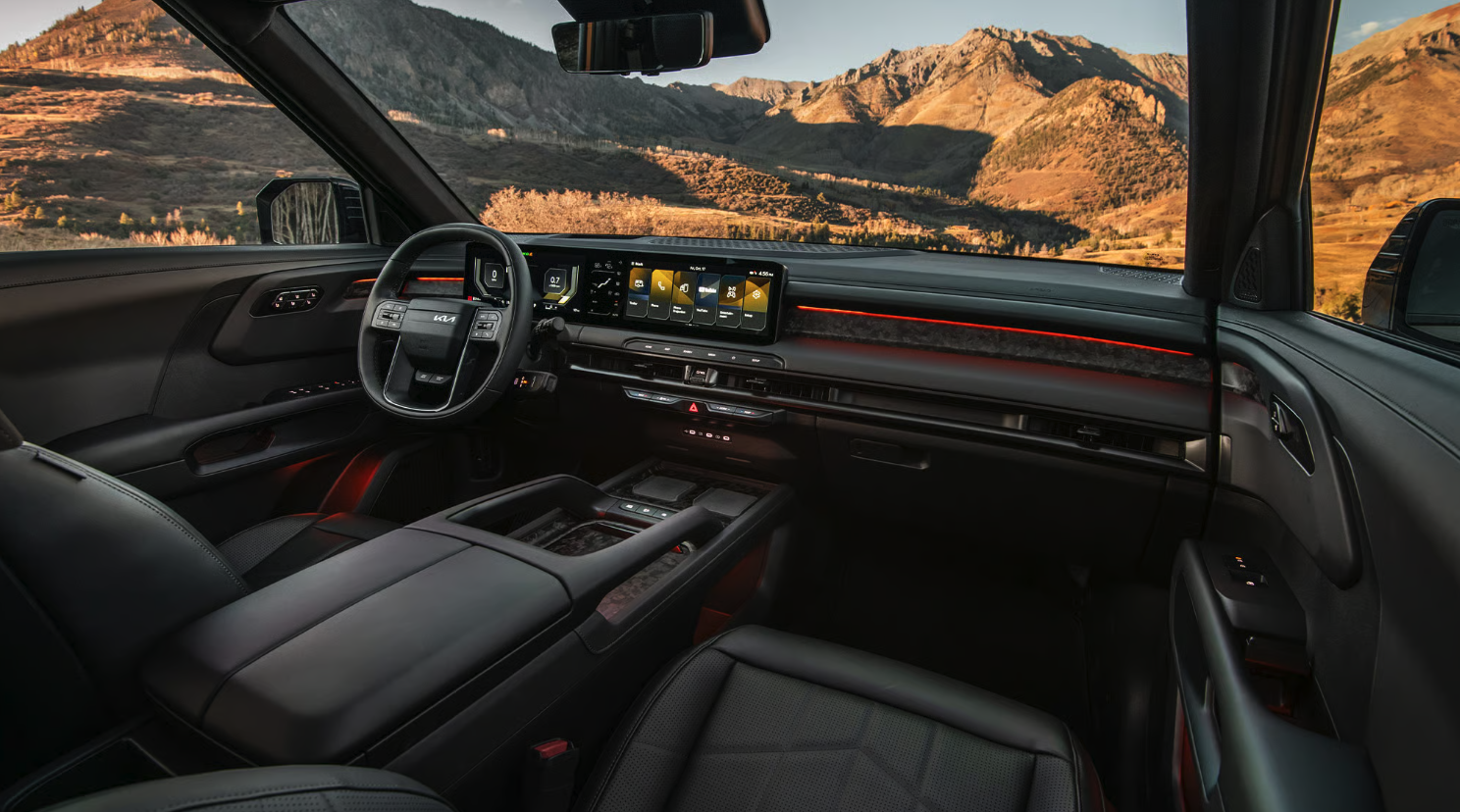
Smarter Safety Tech Designed to Actually Reduce Daily Stress
Competition among midsize SUVs has pushed automakers to improve driver assistance features, and the updated Kia Telluride clearly aims to stay ahead rather than just keep pace. Long highway drives tend to wear drivers down the most, so Kia focused heavily on making those stretches easier.
The available Highway Driving Assist 2 system works like an advanced version of adaptive cruise control, helping maintain speed, stay centered in the lane, and even perform lane changes under certain conditions. Building on technology already used across Kia’s lineup, this system feels like a real step forward instead of a minor update.
It reduces the effort required during long trips, which makes a difference for both daily commuters and families on extended drives. Even without upgrades, the Telluride comes packed with strong safety features. Forward Collision-Avoidance Assist, Lane Following Assist, and Blind-Spot Collision Warning are all included, giving drivers solid protection from the start.
Attention to visibility also plays a role, especially on the X-Pro trim designed for more rugged use. Extra camera views and improved sightlines help drivers feel more confident when leaving paved roads. At the same time, everyday convenience features are designed to assist without becoming distracting, creating a cabin that feels supportive rather than overwhelming.
Kia backs all of this with one of the best warranty packages available, which adds peace of mind for buyers. That coverage, combined with the upgraded safety systems, helps position the Telluride as a dependable choice built for years of daily driving, family trips, and everything in between.
