
High-level security operations depend heavily on vehicles that do far more than transport passengers. They must protect lives, support tactical teams, and maintain composure under pressure while still offering comfort for executives who spend long hours on the road.
In executive protection work, SUVs dominate because they provide the structural strength needed for heavy armor installations while still offering interior space that can function as a mobile workspace, communication hub, or command center.
Across government agencies, corporate security teams, and private protection units, a small group of SUVs consistently appears in convoy formations. These vehicles are chosen not only for performance but also for reliability, space management, and adaptability to armored upgrades.
Body-on-frame platforms are especially favored since they can support substantial ballistic protection without losing structural integrity. From full-size American SUVs built for convoy duty to refined European and Japanese models designed for rapid response in urban environments, each vehicle on this list serves a specific operational purpose.
Some prioritize discretion, blending into traffic with minimal attention, while others focus on raw capability and heavy-duty endurance. Together, they form the backbone of modern executive protection fleets used worldwide.
1. Chevrolet Suburban
- Engine: 5.3L V8 (or 6.2L V8 / 3.0L Turbo Diesel)
- Horsepower: 355 hp to 420 hp
- Torque: 383 lb-ft to 460 lb-ft
- Size: 225.7 in Long x 81.1 in Wide
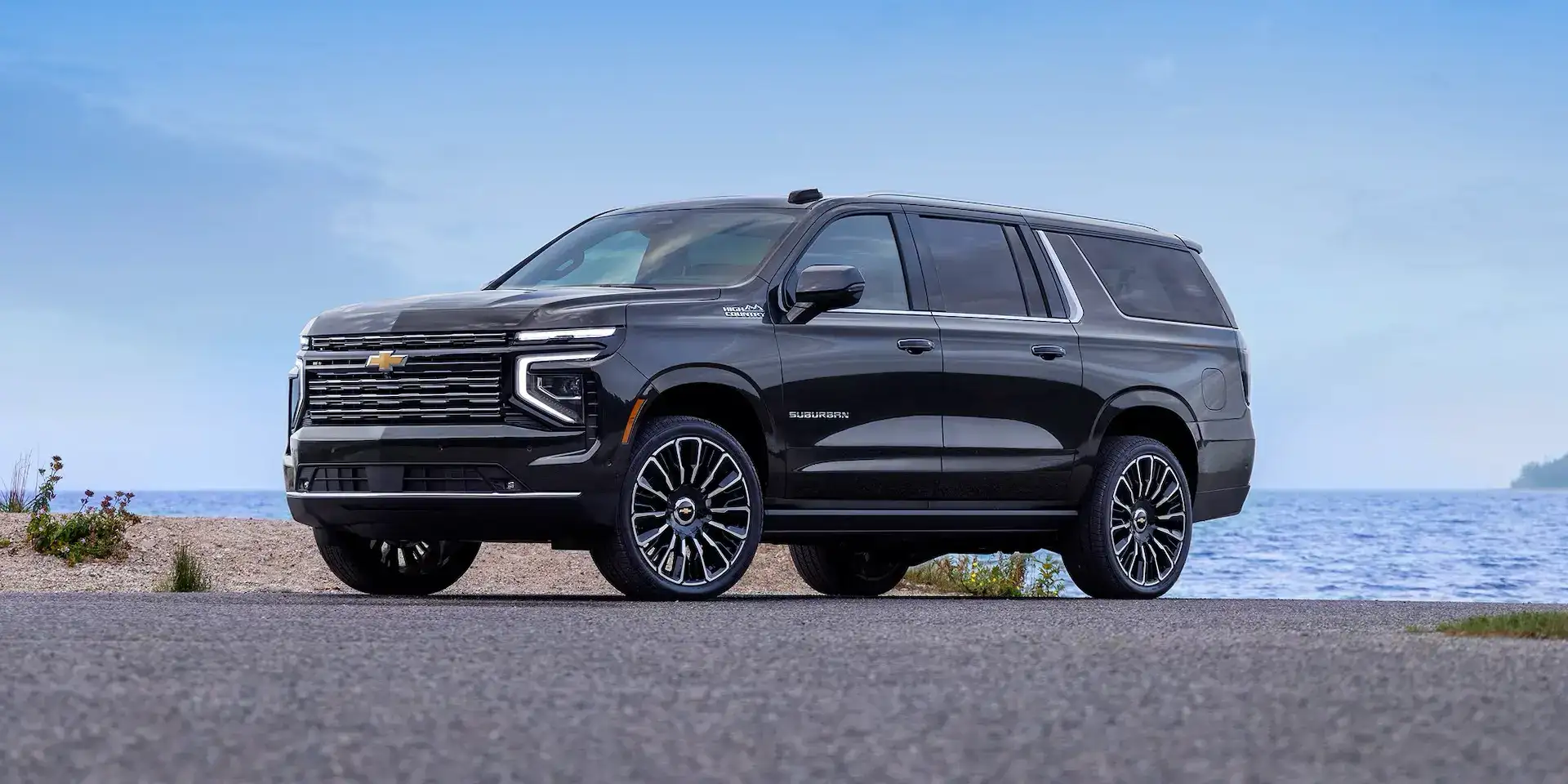
Security professionals often point to one SUV that appears repeatedly in high-risk motorcade operations, and that vehicle is the Chevrolet Suburban. Its presence in protective details is not accidental, since its size, platform strength, and interior configuration align closely with the demands of executive security teams. Built on a body-on-frame architecture, it provides the structural backbone needed to carry heavy ballistic armor without sacrificing cabin integrity.
Engine choices include a 5.3-liter V8, an available 6.2-liter V8, and a 3.0-liter turbo diesel option. Output ranges between 355 and 420 horsepower, with torque figures spanning 383 to 460 lb-ft. Measuring 225.7 inches in length and 81.1 inches in width, the Suburban offers one of the largest usable interiors in its class.
Security teams value the cabin space because it supports layered protection layouts. Passengers, protective agents, and communications equipment can all be accommodated without overcrowding. That flexibility allows the vehicle to function as a mobile command hub during transit operations.
Another reason for its widespread adoption is its ability to blend utility with endurance. Despite its size, the Suburban maintains stable highway performance and predictable handling characteristics, which are essential during coordinated convoy movement. The platform also supports extensive aftermarket armoring, including ballistic glass, reinforced doors, and upgraded suspension systems.
Price varies depending on configuration and armor level, but its operational value keeps it at the top of executive protection fleets worldwide.
2. Toyota Land Cruiser 300 Series
- Engine: 3.5L Twin-Turbo V6 Petrol (or 3.3L Twin-Turbo V6 Diesel)
- Horsepower: 409 hp (Petrol) / 304 hp (Diesel)
- Torque: 479 lb-ft (Petrol) / 516 lb-ft (Diesel)
- Size: 196.3 in Long x 78.0 in Wide
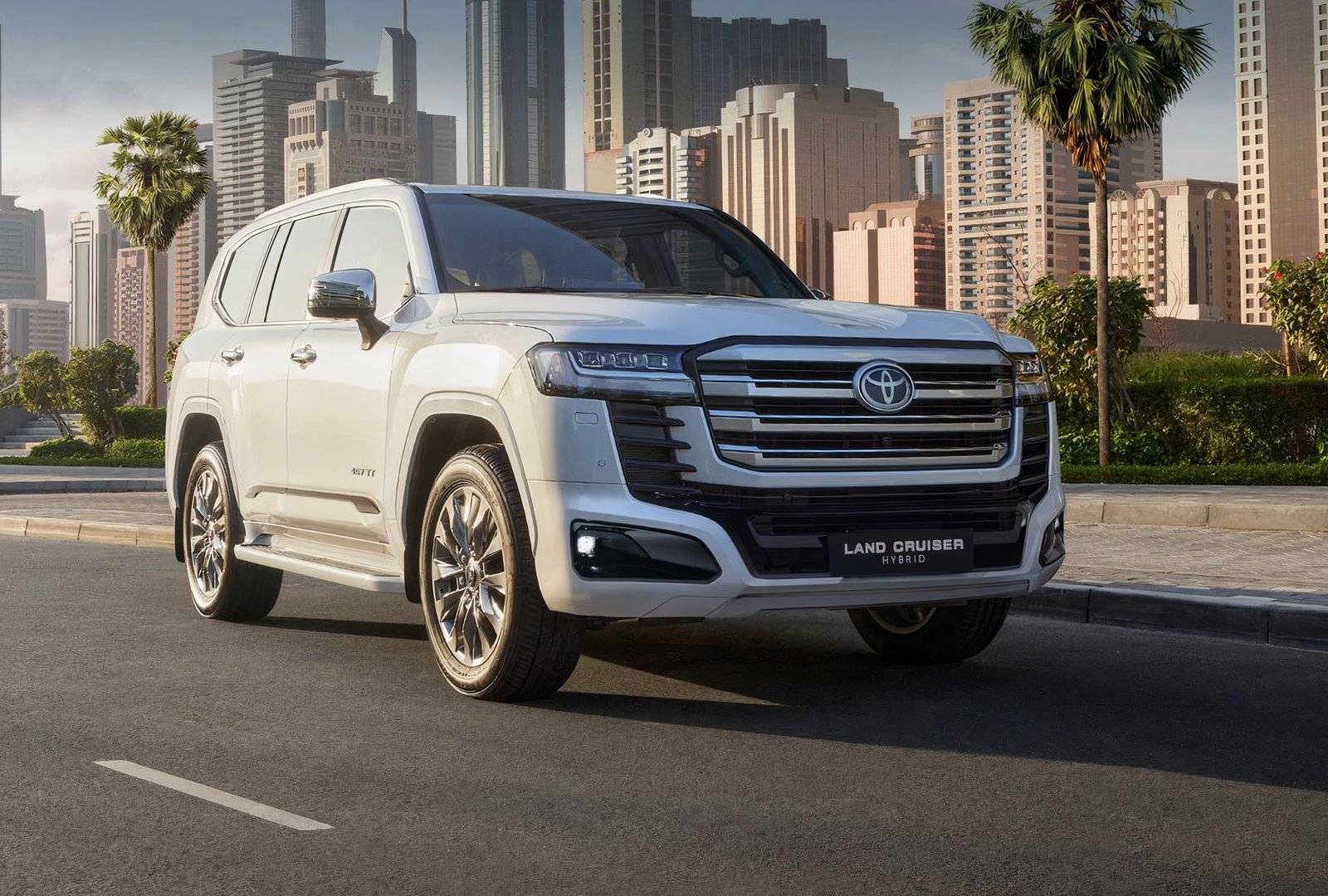
Global security agencies consistently select the Toyota Land Cruiser 300 Series when operations demand reliability across unpredictable environments. Its reputation is built on long-term durability, mechanical simplicity, and exceptional off-road capability, making it a preferred choice for diplomatic missions and international security teams operating in high-risk regions.
Power comes from two engine options: a 3.5-liter twin-turbo V6 petrol engine producing 409 horsepower and 479 lb-ft of torque, or a 3.3-liter twin-turbo diesel producing 304 horsepower and 516 lb-ft of torque. With dimensions of 196.3 inches in length and 78 inches in width, it delivers a balanced footprint that works well in both urban and remote environments.
Operational flexibility plays a major role in its popularity. The full-time four-wheel-drive system ensures consistent traction on uneven surfaces, dirt roads, and compromised urban routes. That capability allows security teams to redirect quickly if primary routes become unsafe or obstructed.
Armor integration is another area where the Land Cruiser performs well. Its frame structure supports ballistic reinforcement while maintaining acceptable ride quality. This balance is important for protecting passengers during extended travel periods where fatigue management becomes part of security planning.
The cabin is designed to enhance comfort during extended missions, featuring climate control, ergonomic seating, and advanced infotainment systems that help occupants stay comfortable and focused throughout travel. In addition, many organizations appreciate the aircraft’s extensive global service network, which provides reliable access to maintenance services and replacement parts across most regions.
Also Read: 8 SUVs With The Most Space For Comfort
3. Cadillac Escalade / Escalade-V
- Engine: 6.2L V8 (or 6.2L Supercharged V8)
- Horsepower: 420 hp to 682 hp
- Torque: 460 lb-ft to 653 lb-ft
- Size: 227.0 in Long x 81.1 in Wide
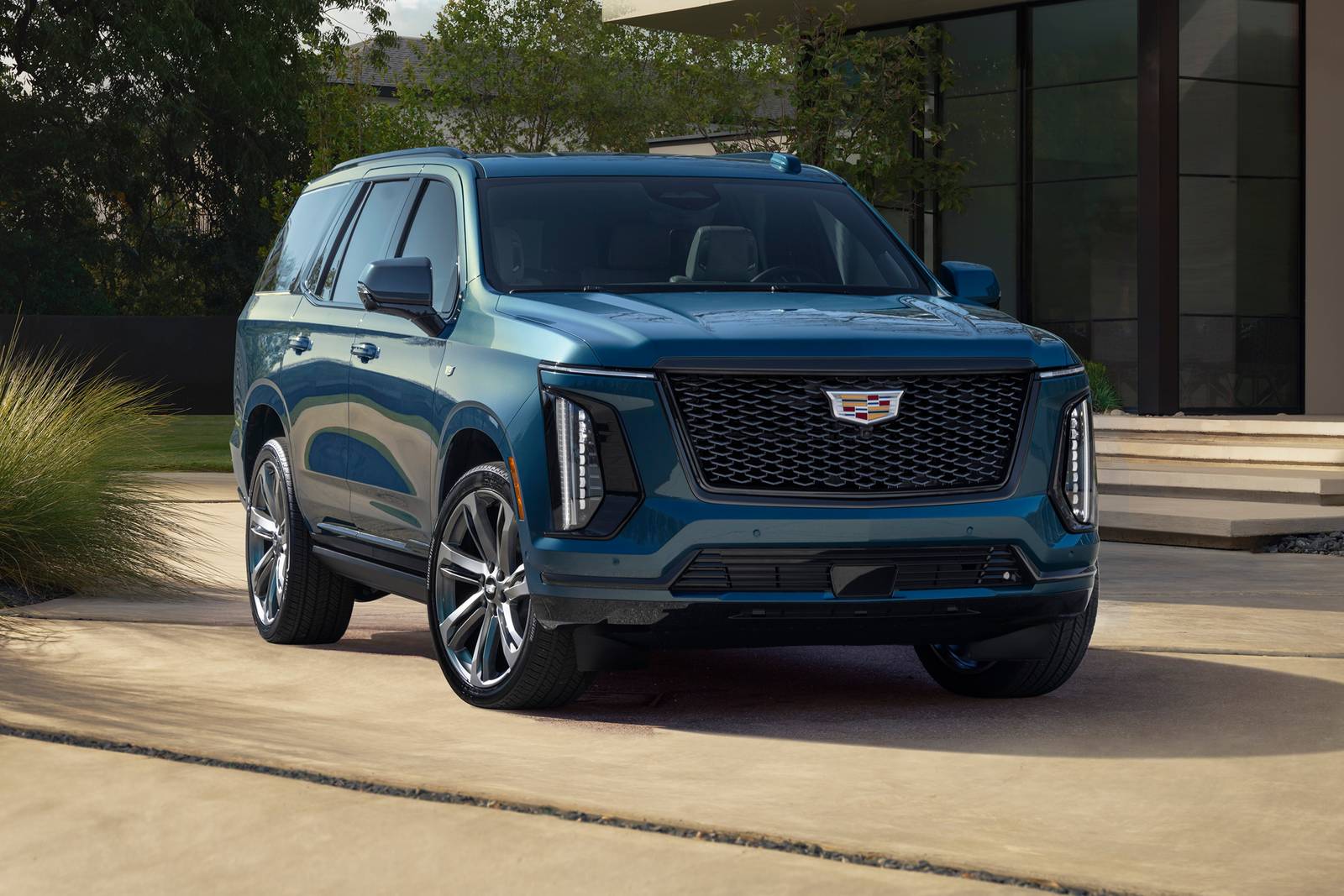
Luxury protection details often require a vehicle that delivers both high-end comfort and strong performance reserves, and the Cadillac Escalade fills that role with confidence. Its presence in executive fleets reflects a preference for spacious interiors paired with strong engine output capable of handling armored conversions.
Powertrains include a 6.2-liter V8 producing 420 horsepower and a supercharged variant in the Escalade-V delivering up to 682 horsepower and 653 lb-ft of torque. Measuring 227 inches in length and 81.1 inches in width, it provides a commanding platform for both passengers and security personnel.
Interior design plays a major role in its selection. The cabin is configured to accommodate luxury seating, advanced communication systems, and protective modifications without reducing passenger comfort. This makes it especially suitable for high-profile individuals who require both mobility and privacy during travel.
From a mechanical standpoint, torque delivery is a major advantage. The strong output ensures that even after heavy armoring, acceleration remains stable and predictable. That capability is essential when rapid movement is required in controlled security scenarios.
Security teams also appreciate the vehicle’s adaptability. It can be configured with ballistic glass, reinforced suspension systems, and upgraded braking components to maintain control under increased weight loads. These upgrades allow the Escalade to perform effectively in convoy formations or solo executive transport roles.
Its combination of space, performance, and refinement keeps it firmly positioned among the preferred SUVs for high-level protection assignments.
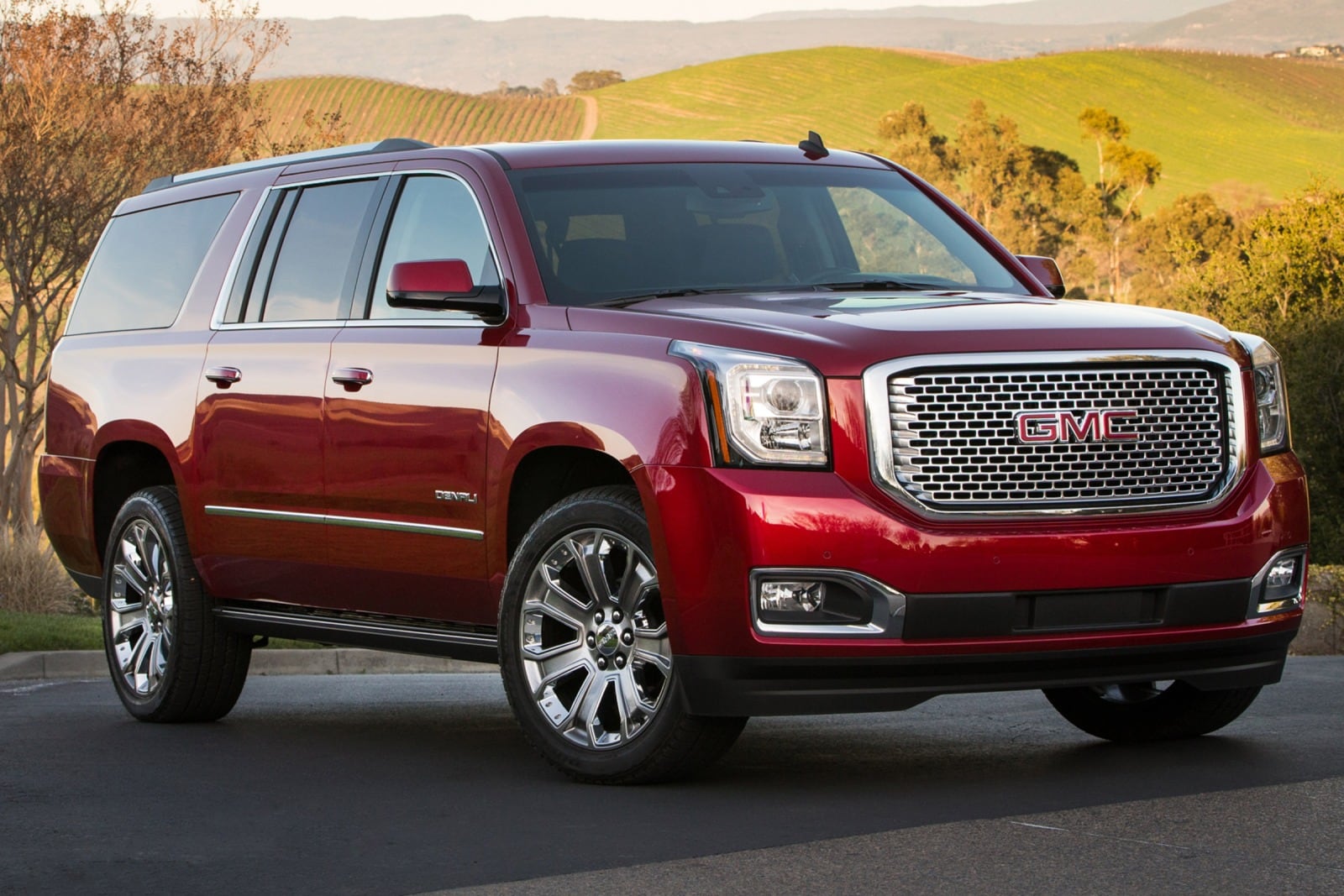
4. GMC Yukon XL
- Engine: 5.3L V8 or 6.2L V8
- Horsepower: 355 hp to 420 hp
- Torque: 383 lb-ft to 460 lb-ft
- Size: 225.2 in Long x 81.0 in Wide
Security teams that prefer discretion without sacrificing capability often turn to the GMC Yukon XL. Sharing its platform with the Suburban, it delivers similar structural strength but presents a slightly lower profile, which can be useful in environments where visibility management matters.
Engine options include a 5.3-liter V8 and a 6.2-liter V8, producing between 355 and 420 horsepower with torque ranging from 383 to 460 lb-ft. At 225.2 inches in length and 81 inches in width, it offers nearly identical spatial capacity to its larger sibling while maintaining a more subdued appearance.
Operational discretion is one of its strongest advantages. While it has the size needed for armored protection and security personnel, its styling allows it to blend into regular traffic more easily than more prominent convoy vehicles. This makes it suitable for protective details where attention avoidance is preferred.
The interior is designed to maximize available space, enabling a range of seating arrangements tailored to mission needs. Protective personnel can be seated in close proximity to executives without compromising the storage and accessibility of communication devices and operational equipment. This versatile cabin configuration makes the vehicle well-suited for both routine urban movements and longer-distance road operations.
From a mechanical perspective, the Yukon XL handles armored upgrades with stability. Its chassis is engineered for heavy loads, and suspension systems can be modified to accommodate additional weight without compromising ride quality.
Pricing varies depending on configuration, but its value lies in its ability to deliver Suburban-level capability with a slightly more discreet appearance.
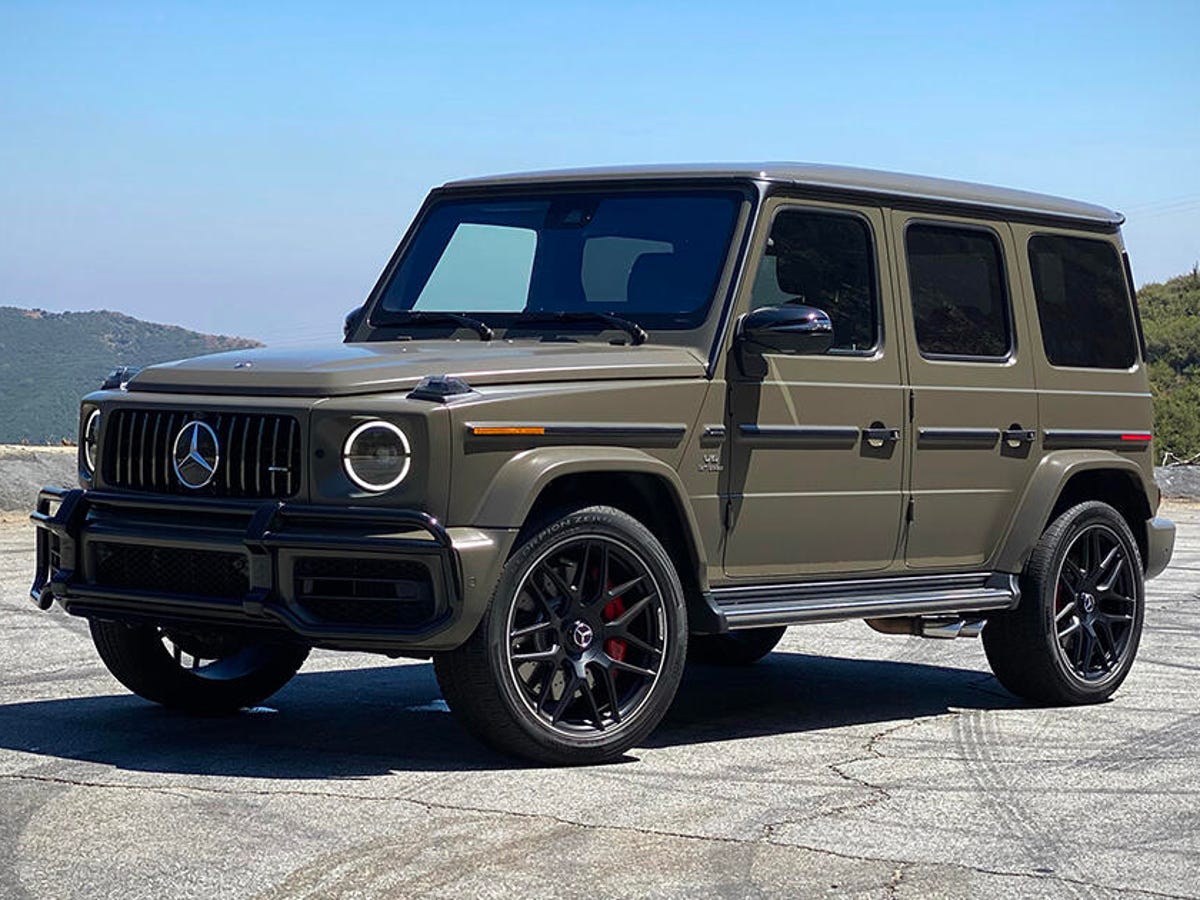
5. Mercedes-Benz G-Class (G63 AMG)
- Engine: 4.0L Twin-Turbo V8
- Horsepower: 577 hp
- Torque: 627 lb-ft
- Size: 191.9 in Long x 78.1 in Wide
Military origins heavily influence the design philosophy of the Mercedes-Benz G-Class, particularly the G63 AMG variant used in executive protection roles. Its box-shaped structure and ladder-frame chassis create a naturally strong foundation for armored conversions.
Power comes from a 4.0-liter twin-turbo V8 producing 577 horsepower and 627 lb-ft of torque. Measuring 191.9 inches in length and 78.1 inches in width, it is more compact than full-size American SUVs, yet it delivers strong performance and impressive off-road capability.
Structural rigidity is one of its most valuable traits. The frame supports heavy ballistic reinforcement without compromising chassis integrity, making it suitable for high-level protection upgrades. Its squared design also simplifies the integration of armored panels and reinforced glass.
Performance remains a strong point even after modifications. High horsepower output allows the vehicle to accelerate quickly when escape scenarios demand immediate movement. That responsiveness is especially useful in environments where rapid exit from a threat zone is required.
Off-road capability further expands its operational range. The G-Class can move through uneven roads, debris-filled roads, or unpaved routes, providing alternate exit options when standard roads become unsafe. Inside, the cabin combines luxury with durability.
Premium materials, advanced infotainment systems, and ergonomic seating ensure comfort during extended operations. At the same time, the structure supports protective modifications without major redesigns. Its blend of rugged engineering and high performance keeps it in demand among specialized protection teams.
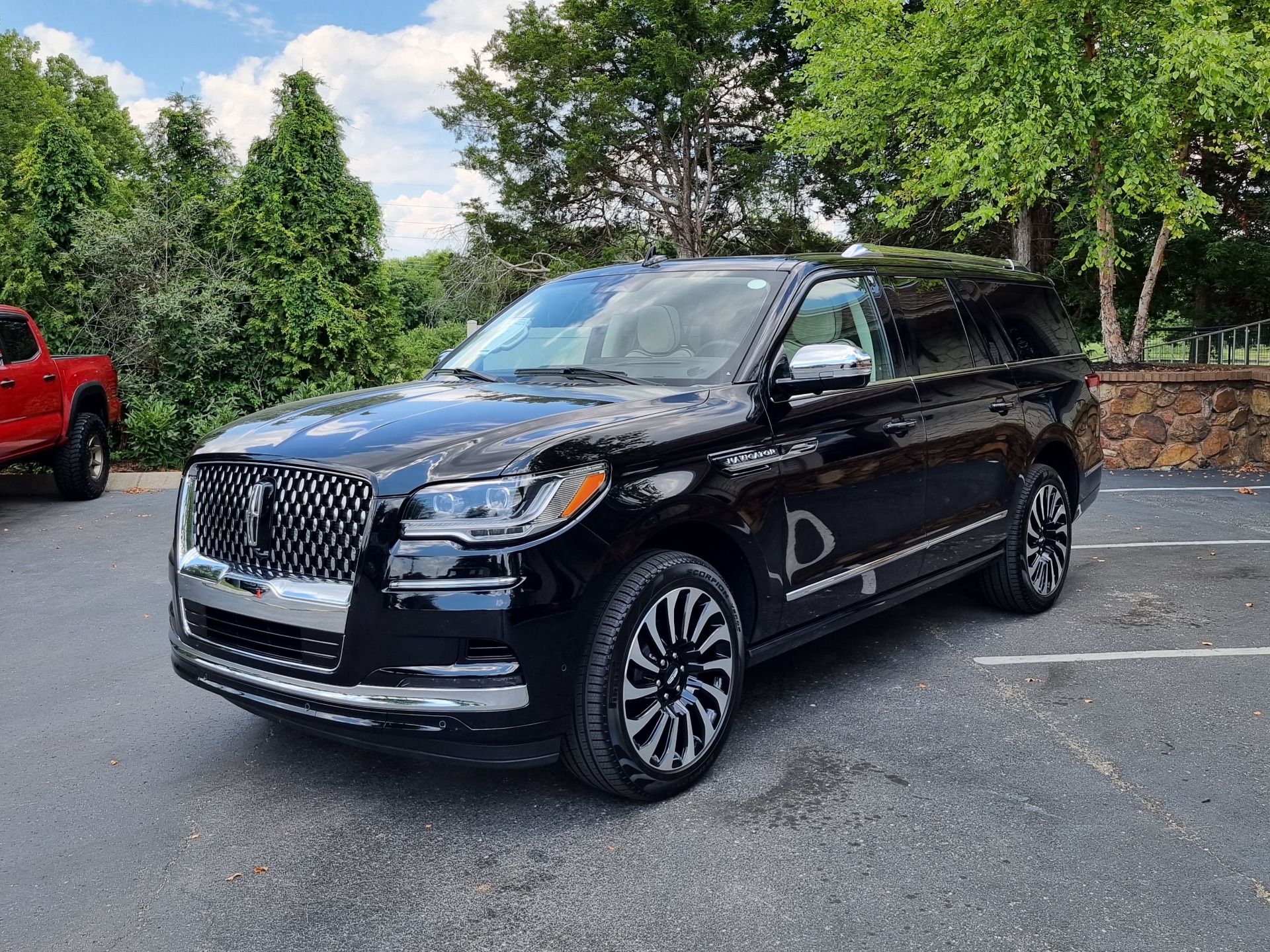
6. Lincoln Navigator L
- Engine: 3.5L Twin-Turbo V6
- Horsepower: 440 hp
- Torque: 510 lb-ft
- Size: 221.8 in Long x 79.9 in Wide
Executive protection assignments that require extended travel time often rely on the Lincoln Navigator L, a stretched version of Lincoln’s flagship SUV designed with rear-seat comfort as a priority. Its elongated structure is especially useful when security teams need to create a controlled environment for high-level passengers who may work, rest, or conduct meetings while in transit.
Power comes from a 3.5-liter twin-turbocharged V6 engine producing 440 horsepower and 510 lb-ft of torque. That output gives the vehicle enough strength to carry armored modifications while maintaining smooth acceleration on highways and urban routes. Measuring 221.8 inches in length and 79.9 inches in width, the Navigator L offers one of the most spacious interiors in its class.
Interior layout plays a central role in its popularity. The extended wheelbase allows for executive seating configurations that resemble a private office more than a traditional vehicle cabin. Security teams often configure the rear section with communication systems, privacy partitions, and reinforced seating zones that support both comfort and protection.
From a structural standpoint, the Navigator L adapts well to ballistic upgrades. Its frame can support reinforced doors, upgraded suspension systems, and armored glass without compromising ride stability. This makes it suitable for both urban convoy movement and long-distance highway travel.
Passenger comfort remains a priority even after modifications. Sound insulation, climate control, and seating ergonomics help reduce fatigue during extended journeys. These factors are especially important for high-ranking officials or corporate executives who spend large portions of their day in transit.
Pricing varies based on configuration and armor level, but the vehicle’s strength lies in its ability to combine luxury, space, and protection in a single platform. That balance keeps it widely used in executive security fleets.
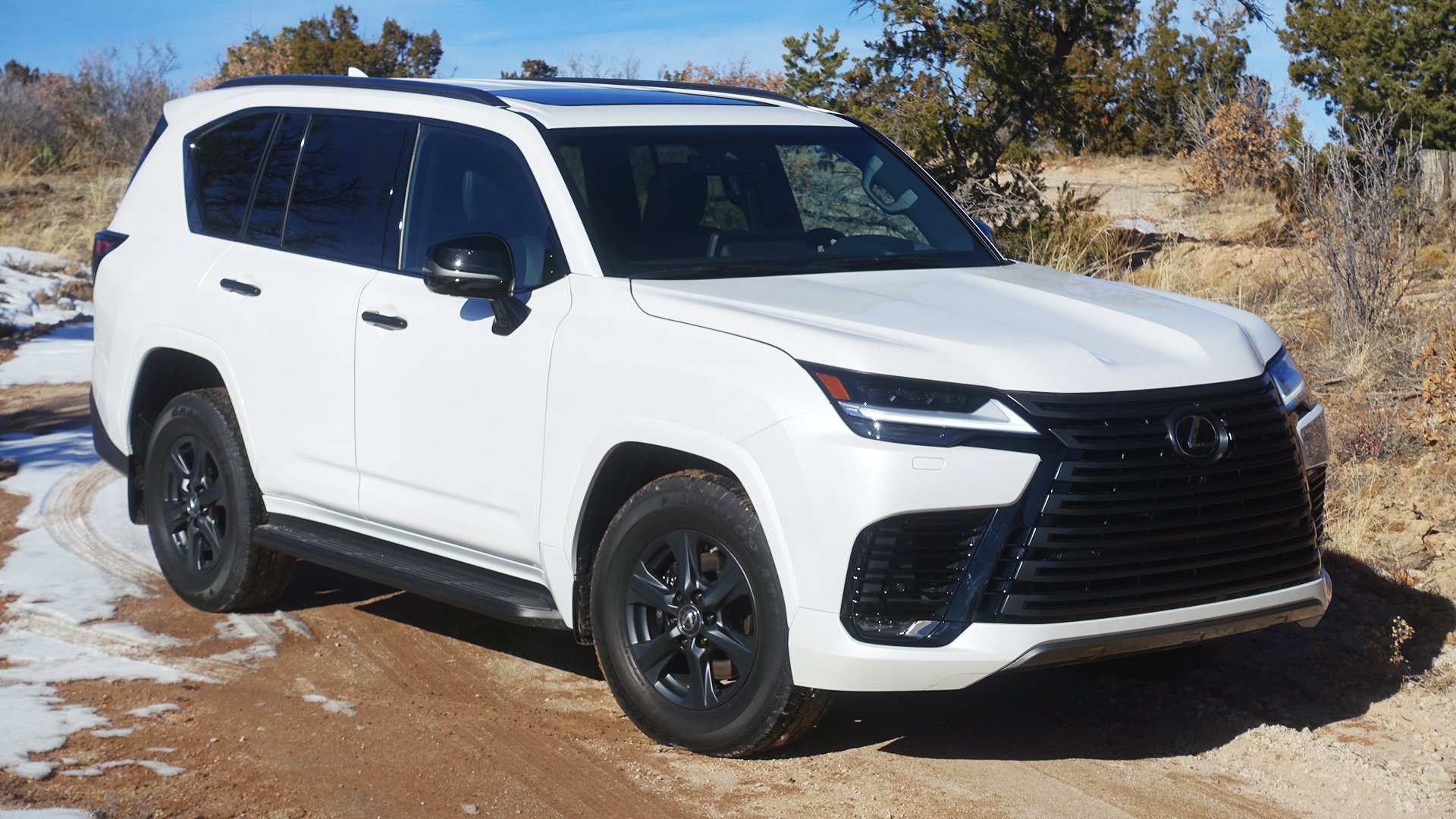
7. Lexus LX 600
- Engine: 3.4L Twin-Turbo V6
- Horsepower: 409 hp
- Torque: 479 lb-ft
- Size: 200.5 in Long x 78.3 in Wide
Security operations that require a blend of luxury refinement and proven off-road durability often turn to the Lexus LX 600. Built on the same foundation as the Toyota Land Cruiser 300 Series, it inherits a reputation for mechanical reliability while introducing a more upscale interior suited for executive transport.
Under the hood sits a 3.4-liter twin-turbocharged V6 engine producing 409 horsepower and 479 lb-ft of torque. With a length of 200.5 inches and a width of 78.3 inches, it offers a balanced footprint that works well in both dense city environments and open road travel.
One of its strongest advantages lies in its off-road capability. Full-time four-wheel drive and advanced traction systems allow it to maintain control on unstable or uneven surfaces. This capability becomes valuable when primary routes are compromised, giving security teams alternative movement options.
Interior design focuses heavily on comfort and refinement. High-quality materials, advanced infotainment systems, and quiet cabin insulation create a controlled environment for passengers. Even after armored modifications, the cabin remains functional for long-duration executive travel.
Armor integration is commonly applied in corporate and diplomatic settings. The platform supports ballistic reinforcement while maintaining acceptable ride quality. Suspension upgrades and braking enhancements are typically included to manage the additional weight.
Operational use spans corporate security, government transport, and private protection services, especially in regions where reliability and brand perception matter equally. The LX 600 provides a familiar yet premium presence that blends security capability with executive comfort.
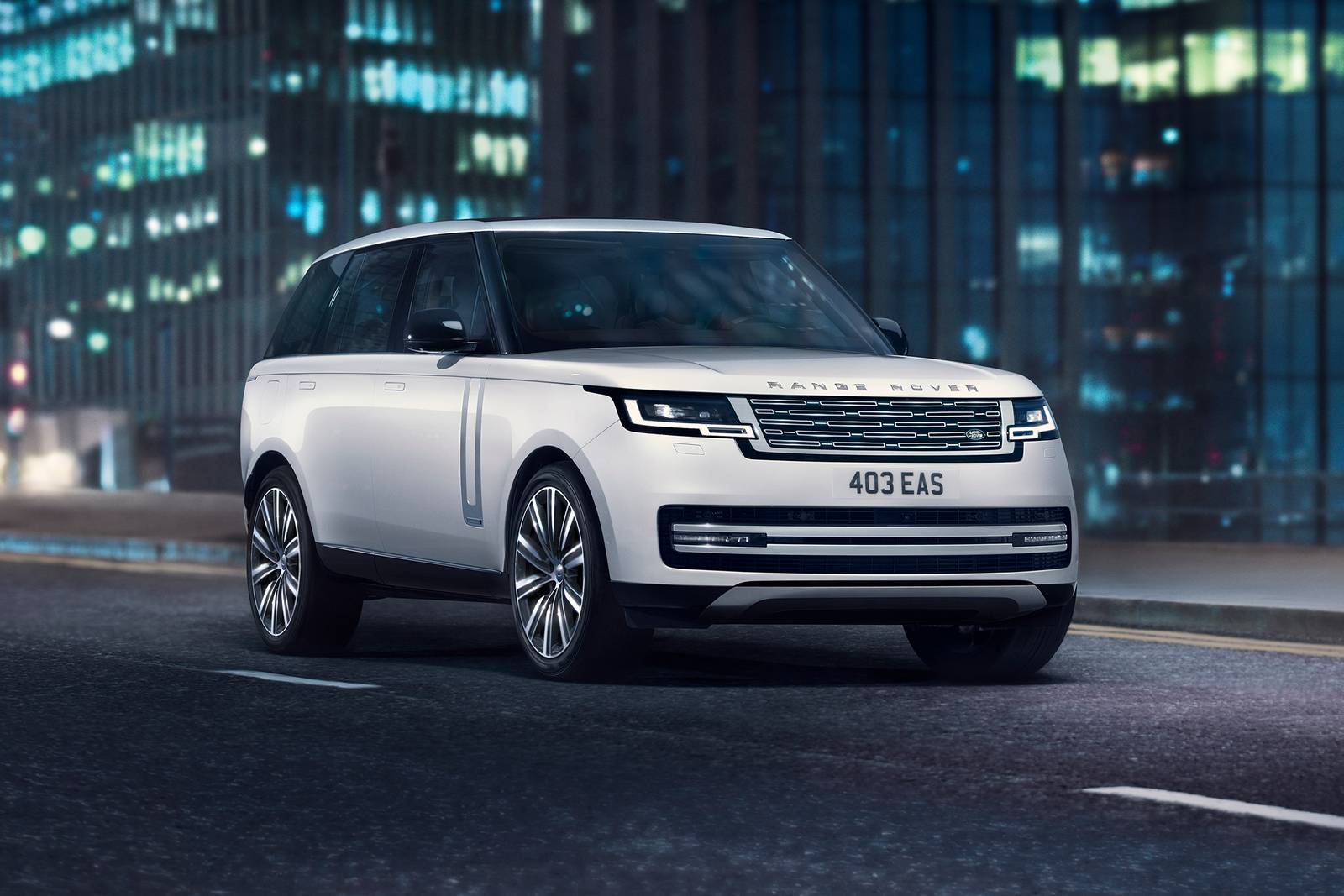
8. Range Rover Autobiography
- Engine: 4.4L Twin-Turbo V8 (or Plug-in Hybrid)
- Horsepower: 523 hp to 606 hp
- Torque: 553 lb-ft to 551 lb-ft
- Size: 199.0 in (Standard) to 207.0 in (Long Wheelbase), Long x 78.7 in Wide
High-level executive transport often calls for a vehicle that shields passengers from outside noise, road harshness, and unpredictable conditions while still delivering strong performance when required. The Range Rover Autobiography is built with that balance in mind, offering a blend of refinement, capability, and adaptability that suits protective travel assignments in a wide range of settings.
Power options include a 4.4-liter twin-turbo V8 producing up to 523 horsepower, along with a plug-in hybrid version capable of reaching as much as 606 horsepower. Torque output sits around 553 lb-ft, depending on configuration. Size varies slightly across trims, with the entire length ranging from 199 inches to 207 inches in long-wheelbase form, and a consistent width of 78.7 inches that supports both interior space and road presence.
Ride comfort stands out as one of its strongest traits. An advanced air suspension system actively smooths uneven surfaces, reducing vibrations and road impact felt inside the cabin. This creates a controlled environment that supports long-distance travel, allowing passengers to focus on work, rest, or secure communication without constant disturbance from road conditions.
All-terrain capability adds another layer of usefulness. Intelligent drive systems automatically adjust vehicle behavior based on surface type, whether driving on paved highways, gravel roads, or uneven off-road paths. This flexibility allows the vehicle to maintain steady traction and control in situations where route changes become necessary due to safety concerns or environmental conditions.
Passenger comfort remains a key priority within the cabin, where premium materials and meticulous craftsmanship create a refined travel environment. Advanced sound insulation helps minimize external noise, contributing to a quieter and more relaxed ride. Despite the addition of protective armor and structural reinforcements, thoughtful integration of these upgrades preserves the vehicle’s upscale character and much of its original luxury appeal.
Security professionals frequently choose the Autobiography for executive assignments that require both discretion and capability. It performs well in environments where passengers need reliable protection, smooth travel conditions, and the ability to adjust to changing road situations without sacrificing comfort or stability.
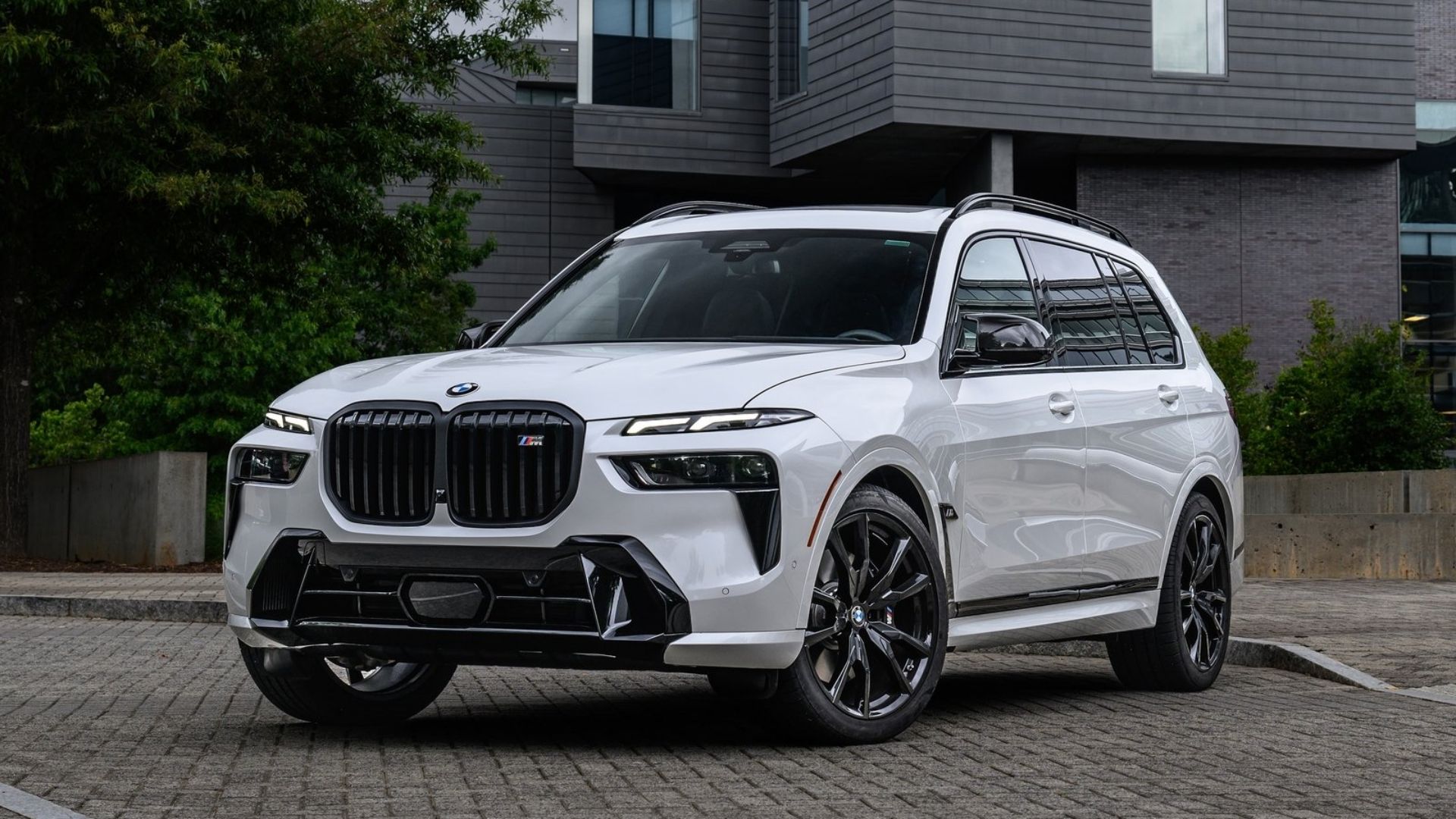
9. BMW X7
- Engine: 3.0L Turbo Inline-6 (or 4.4L Twin-Turbo V8)
- Horsepower: 375 hp to 523 hp
- Torque: 398 lb-ft to 553 lb-ft
- Size: 203.3 in Long x 78.7 in Wide
City-based protection assignments often demand vehicles that can react quickly in heavy traffic while still carrying the equipment and personnel needed for secure transport. The BMW X7 fits that role by offering a mix of agility and interior space, giving security teams a platform suited for fast-paced urban environments.
Engine choices include a 3.0-liter turbocharged inline-six producing 375 horsepower, along with a 4.4-liter twin-turbo V8 that delivers up to 523 horsepower and 553 lb-ft of torque. With a length of 203.3 inches and a width of 78.7 inches, it sits in the full-size SUV category while maintaining proportions that support easier movement through tight streets.
Handling characteristics set it apart from heavier truck-based SUVs. Steering response feels direct, and suspension tuning supports stability when driving at higher speeds or during sudden directional changes. This makes it useful for coordinated convoy movement and rapid repositioning in congested metropolitan areas where timing and control matter.
Interior design supports executive transport needs with a focus on comfort and functionality. Premium seating arrangements, advanced multimedia systems, and configurable space for security equipment allow the cabin to serve both passengers and protection personnel. Even after armor installation, the interior remains practical for extended use.
Lightweight reinforcement methods are commonly used during armoring to help preserve driving performance. This approach reduces the impact on acceleration and handling, helping the vehicle maintain much of its original driving behavior despite added protective materials.
Security teams operating in major cities across Europe and North America often select the X7 for assignments that require a balance of speed, discretion, and passenger comfort during high-demand transport operations.
Also Read: 8 SUVs With the Worst Safety Ratings for Rear Seats
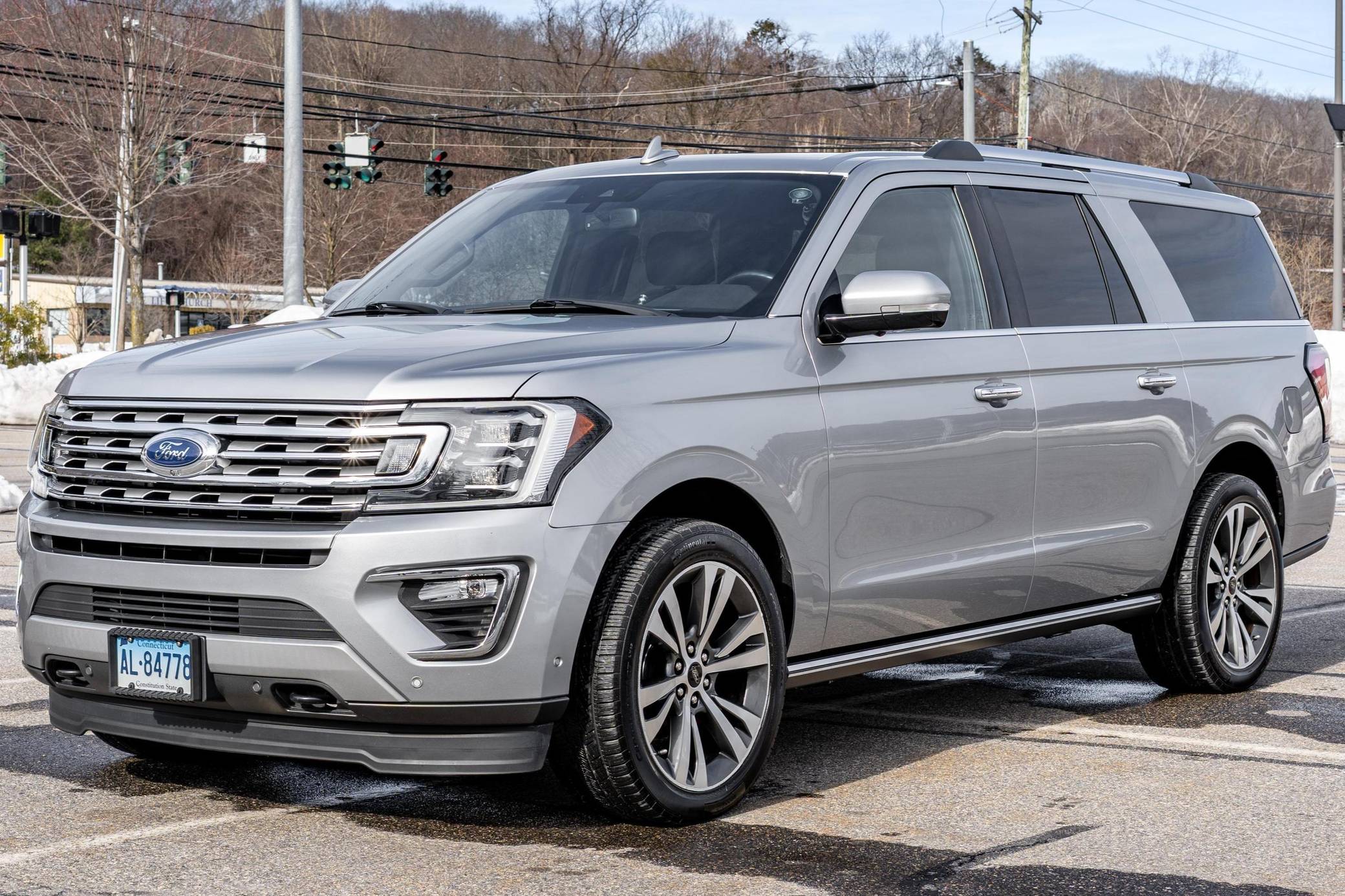
10. Ford Expedition MAX
- Engine: 3.5L EcoBoost Twin-Turbo V6
- Horsepower: 380 hp to 440 hp
- Torque: 470 lb-ft to 510 lb-ft
- Size: 221.9 in Long x 79.9 in Wide
Extended wheelbase SUV designs play an important role in high-level protection convoys, and the Ford Expedition MAX is built specifically for that kind of duty. Its enlarged structure gives security teams the room needed to carry equipment, personnel, and mission-critical supplies without feeling cramped or restricted during operations.
Power comes from a 3.5-liter EcoBoost twin-turbo V6 engine producing between 380 and 440 horsepower, with torque output ranging from 470 to 510 lb-ft. Measuring 221.9 inches long and 79.9 inches wide, the platform supports both passenger comfort and heavy cargo requirements without losing stability on the road.
Flexibility inside the vehicle is one of its strongest advantages. The rear section can be arranged for medical gear, communication systems, tactical equipment, or additional security personnel, depending on mission demands. That adaptability makes it a common choice for support roles within executive protection convoys, especially when coordination between multiple vehicles is required.
Utility extends beyond passenger transport. Strong towing capability allows the Expedition MAX to pull equipment trailers or mobile support units without compromising road behavior. This makes it useful as a mobile logistics platform that can follow primary protection vehicles while carrying essential operational assets.
The spacious cabin design offers flexibility in both seating arrangements and equipment storage, allowing the interior to be configured for a variety of operational requirements. Ample room remains available for personnel to move efficiently and access essential gear, even when the vehicle is fully outfitted. This practical layout is particularly valuable during security missions, where rapid repositioning and immediate access to equipment can be critical.
Protection upgrades often include reinforced body panels, upgraded suspension systems, and ballistic glass installations. These additions allow the SUV to maintain performance while offering a higher level of occupant safety in demanding environments.
Widely used across security fleets, the Expedition MAX is valued for its strong build, adaptable interior, and dependable mechanical performance, making it a reliable support asset in coordinated protection assignments.
