
Automatic emergency braking is supposed to be the safety net you never have to think about. You trust it is there, working quietly in the background, ready to intervene the moment your reaction time falls short. For millions of drivers, that trust is the reason they paid extra for a vehicle with advanced driver assistance technology. So what happens when that system fails the one test that actually matters?
Every year, the Insurance Institute for Highway Safety (IIHS) evaluates how well factory-installed automatic braking systems perform in real collision scenarios. Recently, the IIHS modernized its testing to include higher highway speeds and three different target types: a passenger car, a semi-trailer, and a motorcycle. That last target turned out to be the one that exposed the biggest gaps. Several vehicles that performed acceptably in older, lower-speed evaluations fell apart when pushed through these tougher conditions.
Eight vehicles earned the lowest possible scores in this updated testing round, including some names that will genuinely surprise you. Luxury SUVs, popular family vehicles, and budget-friendly crossovers all showed up on the failure list. This article breaks down each one with its factory specifications and explains exactly what went wrong. If you own one of these vehicles or are considering buying one, this is the information you need before you get back on the highway.
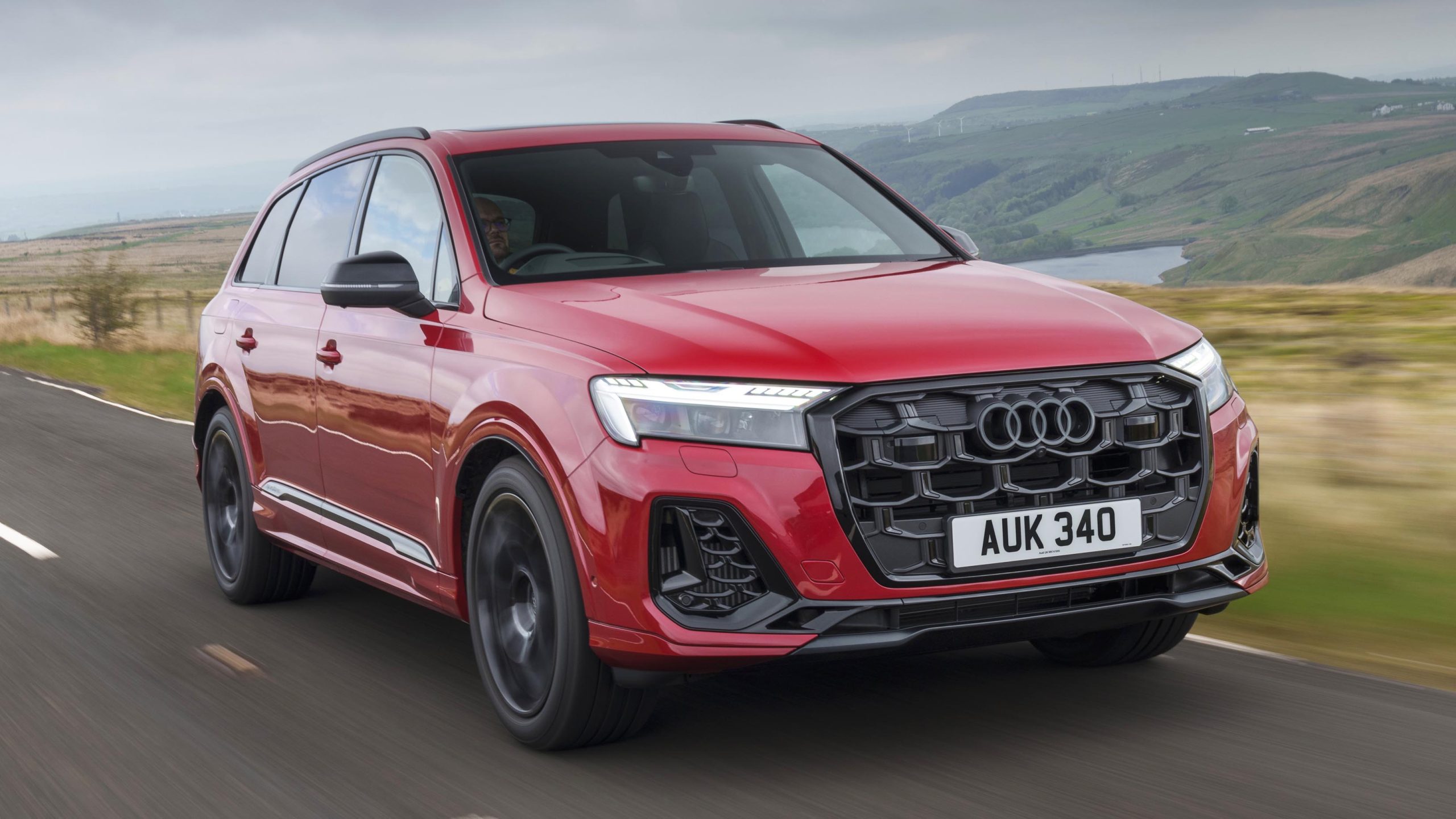
1. Audi Q7
AEB Rating: Poor (IIHS)
- Engine: 2.0L Turbo 4-Cylinder or 3.0L Turbo V6
- Horsepower: 261 hp to 335 hp
- Torque: 273 lb-ft to 369 lb-ft
- Size: 199.3 in Long x 77.6 in Wide
Paying a six-figure price for a luxury German SUV naturally comes with the belief that safety systems will match the refined cabin and smooth road manners. Audi has positioned the Q7 as a top-tier family vehicle that blends upscale comfort, strong performance, and modern driver assistance into a single offering.
Under the hood, buyers choose between a 2.0-liter turbocharged four-cylinder or a 3.0-liter turbocharged V6, delivering between 261 and 335 horsepower. With a length of 199.3 inches and a width of 77.6 inches, the SUV carries a serious presence and resources. Despite that, a Poor front crash prevention score from the Insurance Institute for Highway Safety shows that its automatic emergency braking does not meet the expectations tied to its cost.
During controlled evaluations, the results were clear and troubling. The Q7’s camera and radar setup struggled badly when faced with a motorcycle target at higher speeds. At 31 mph, the lowest speed used in the updated test, the system failed to apply enough braking force to avoid impact. This shortfall was not slight, as the same test continues at 37 and 43 mph, making the initial failure especially concerning.
Motorcycles present a demanding task for detection systems because of their smaller size. Sensors must quickly recognize an object’s shape, scale, and movement. When that process lags, braking starts too late to prevent contact, especially when a vehicle closes in at speed.
Audi has the technical ability to do better, as more advanced systems exist elsewhere in its lineup, and software updates have corrected past issues. Anyone considering a Q7 today should treat this rating seriously. Current owners should contact a dealership to ask about available updates and review their model year against IIHS findings before relying on the system in real driving conditions.
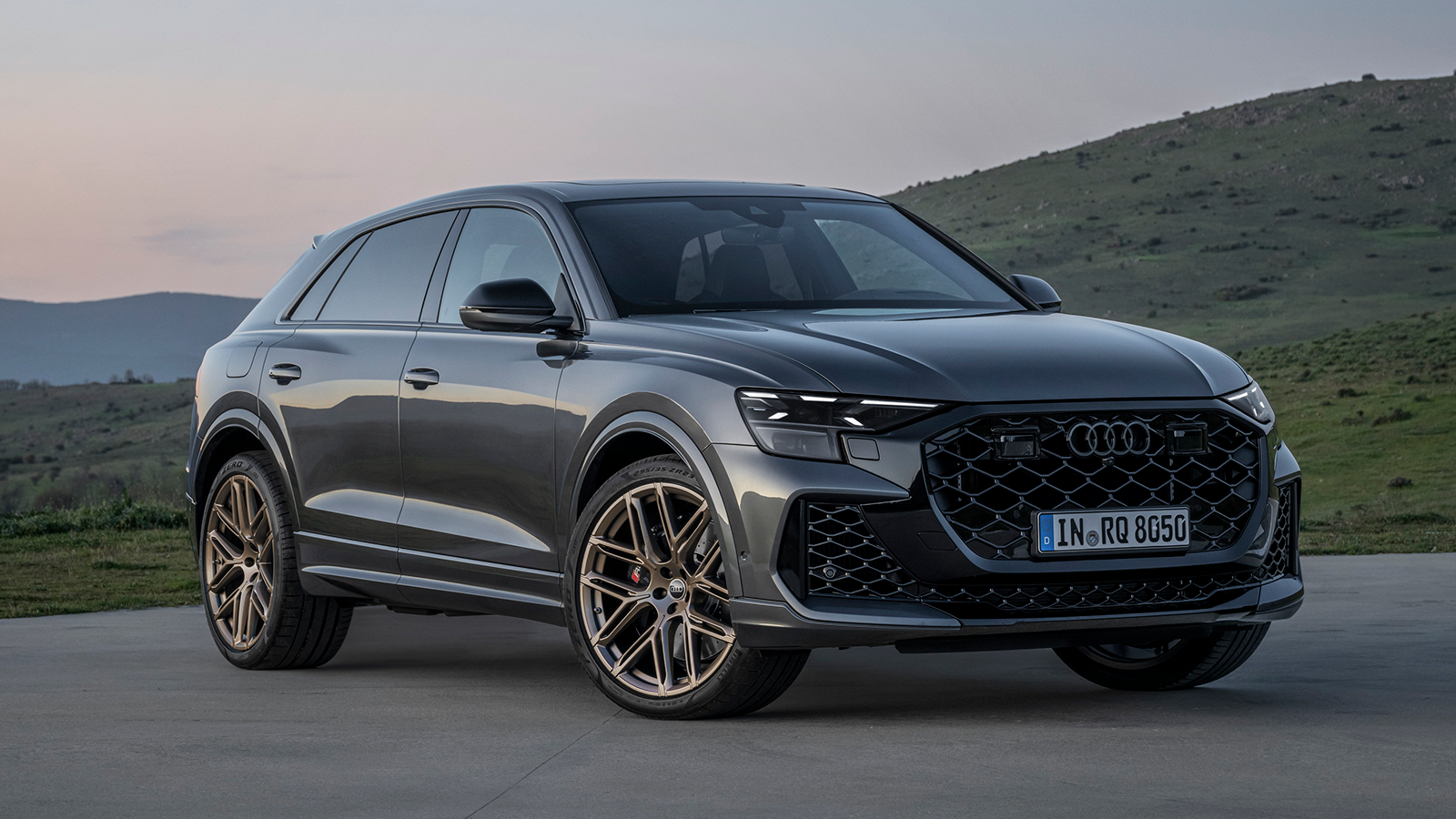
2. Audi Q8
AEB Rating: Poor (IIHS)
- Engine: 3.0L Turbo V6
- Horsepower: 335 hp
- Torque: 369 lb-ft
- Size: 196.3 in Long x 78.7 in Wide
Audi positions the Q8 above the Q7 in its lineup, pricing it as the more stylish, more premium fastback SUV option for buyers who want a sportier silhouette without sacrificing interior space. At 335 horsepower and 369 lb-ft of torque from a 3.0-liter turbocharged V6, and measuring 196.3 inches long by 78.7 inches wide, it is a powerful and well-proportioned vehicle. It shares platform architecture with the Q7, and unfortunately, it also shares the Q7’s Poor front crash prevention rating from the IIHS.
Platform sharing is a standard and generally sensible practice in the automotive industry. It allows manufacturers to spread development costs across multiple models and maintain consistent engineering standards across a family of vehicles. When it works well, it is invisible to the buyer. When it produces a shared safety failure, every vehicle built on that platform carries the same liability. Audi’s Q7 and Q8 are a clear example of the latter.
During higher-speed trials, the Q8’s automatic braking system completely failed to deliver effective autonomous braking against stationary targets. Speeds at which real collisions happen on highways, 37 and 43 miles per hour, produced results that the IIHS classified as Poor. A vehicle capable of reaching those speeds in seconds, with a curb weight that puts considerable kinetic energy behind any impact, needs a braking system that responds with equal urgency. Testing showed that the Q8’s system does not.
What makes this result particularly frustrating for Q8 owners is the price point. Buyers who stretch into the Q8’s price range are not making a budget purchase. They are making a deliberate investment in a vehicle that is supposed to represent the best a mainstream luxury brand can offer. Advanced safety technology at that price level should not be earning the lowest possible score in the IIHS evaluation.
Audi has not publicly detailed a specific hardware or software remedy for both models at the time of writing. Buyers shopping the used Q8 market or looking at current inventory should use the IIHS front crash prevention database to check their exact model year and trim before purchasing. Anyone currently driving a Q8 should ask their Audi service center directly whether any updates have been issued for the vehicle’s pre-collision system.
Also Read: 10 Cars That Lost Their Top Safety Pick Status in 2026
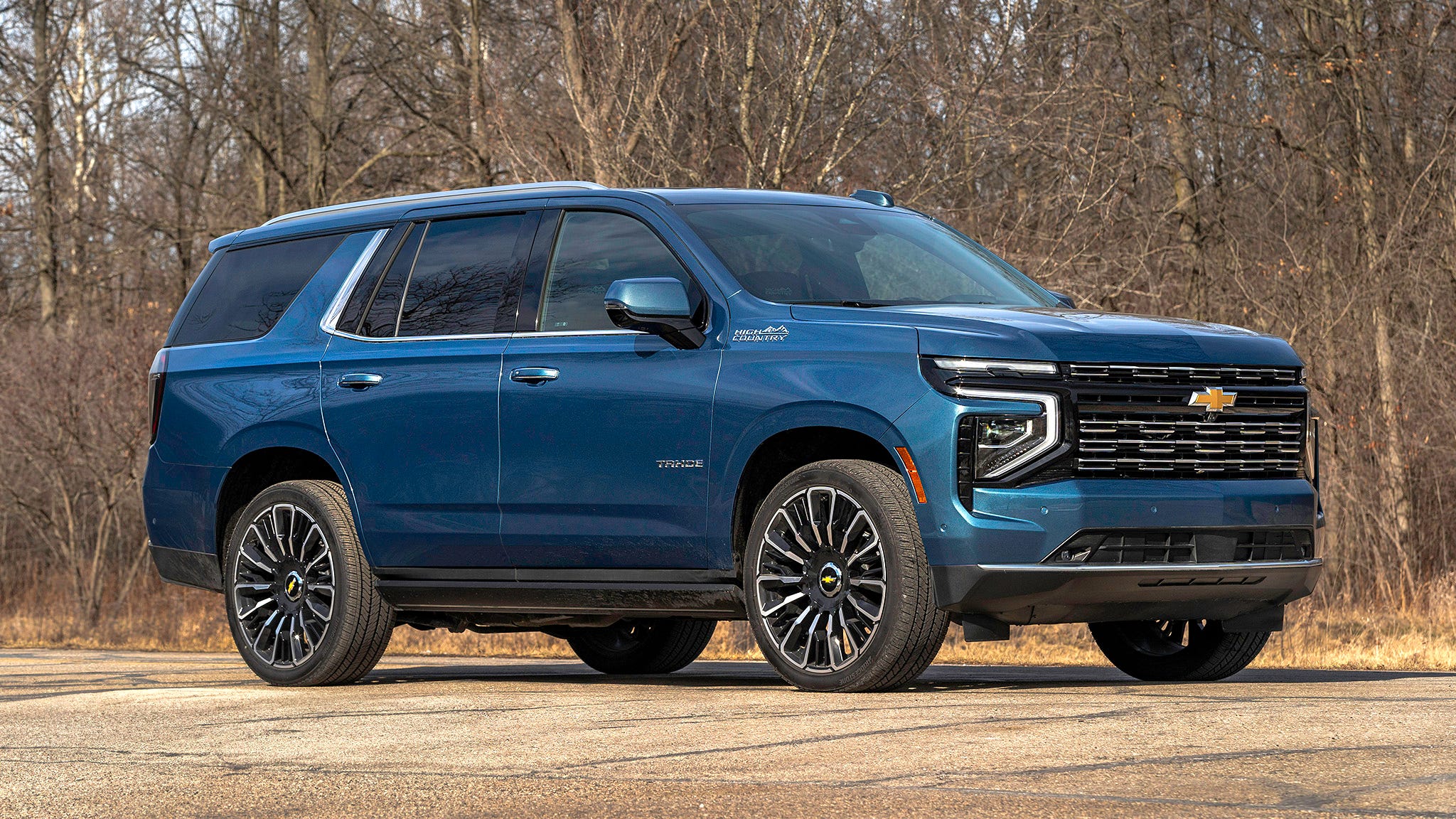
3. Chevrolet Tahoe
AEB Rating: Poor (IIHS)
- Engine: 5.3L V8, 6.2L V8, or 3.0L Turbo Diesel
- Horsepower: 277 hp to 420 hp
- Torque: 383 lb-ft to 460 lb-ft
- Size: 210.7 in Long x 81.0 in Wide
For many buyers, a large American family SUV brings an expectation that safety systems will perform reliably when it matters most. That assumption took a hit after the Insurance Institute for Highway Safety issued a Poor front crash prevention score for the Chevrolet Tahoe, with test results that raise real concerns.
Chevrolet sells the Tahoe with three engine choices, including two V8 options and a turbocharged diesel. Output ranges from 277 to 420 horsepower, paired with strong torque figures. Measuring more than 210 inches long and over 81 inches wide, the Tahoe ranks among the biggest passenger vehicles commonly driven on public roads.
During controlled testing, the SUV showed mixed behavior. The forward collision warning system performed as designed, issuing audible alerts when a crash risk appeared. That portion did its job by notifying the driver. The problem surfaced after that point. In higher speed tests at 37 and 43 mph, the automatic braking system did not slow the vehicle enough to avoid hitting stationary cars or motorcycle targets.
That gap carries serious consequences outside the lab. A warning sound offers limited value when speeds are high and reaction time is short. At more than 40 miles per hour, stopping distances grow quickly, and hesitation by the braking system turns alerts into little more than advance notice of impact. The technology is meant to step in decisively when a driver cannot react fast enough, not simply announce trouble.
Vehicle mass adds another layer of risk. With curb weights exceeding 5,000 pounds, the Tahoe requires strong, immediate braking to reduce crash force. When a vehicle of this size fails to slow effectively, the damage potential rises sharply. Families using the Tahoe for daily transport and long trips expect protection that aligns with its scale. At present, the automatic braking setup falls short, leaving Chevrolet with clear pressure to deliver a dependable fix through updated software or revised hardware.
4. Nissan Altima
AEB Rating: Poor (IIHS)
- Engine: 2.5L 4-Cylinder or 2.0L Variable Compression Turbo
- Horsepower: 182 hp to 248 hp
- Torque: 178 lb-ft to 273 lb-ft
- Size: 192.9 in Long x 72.9 in Wide
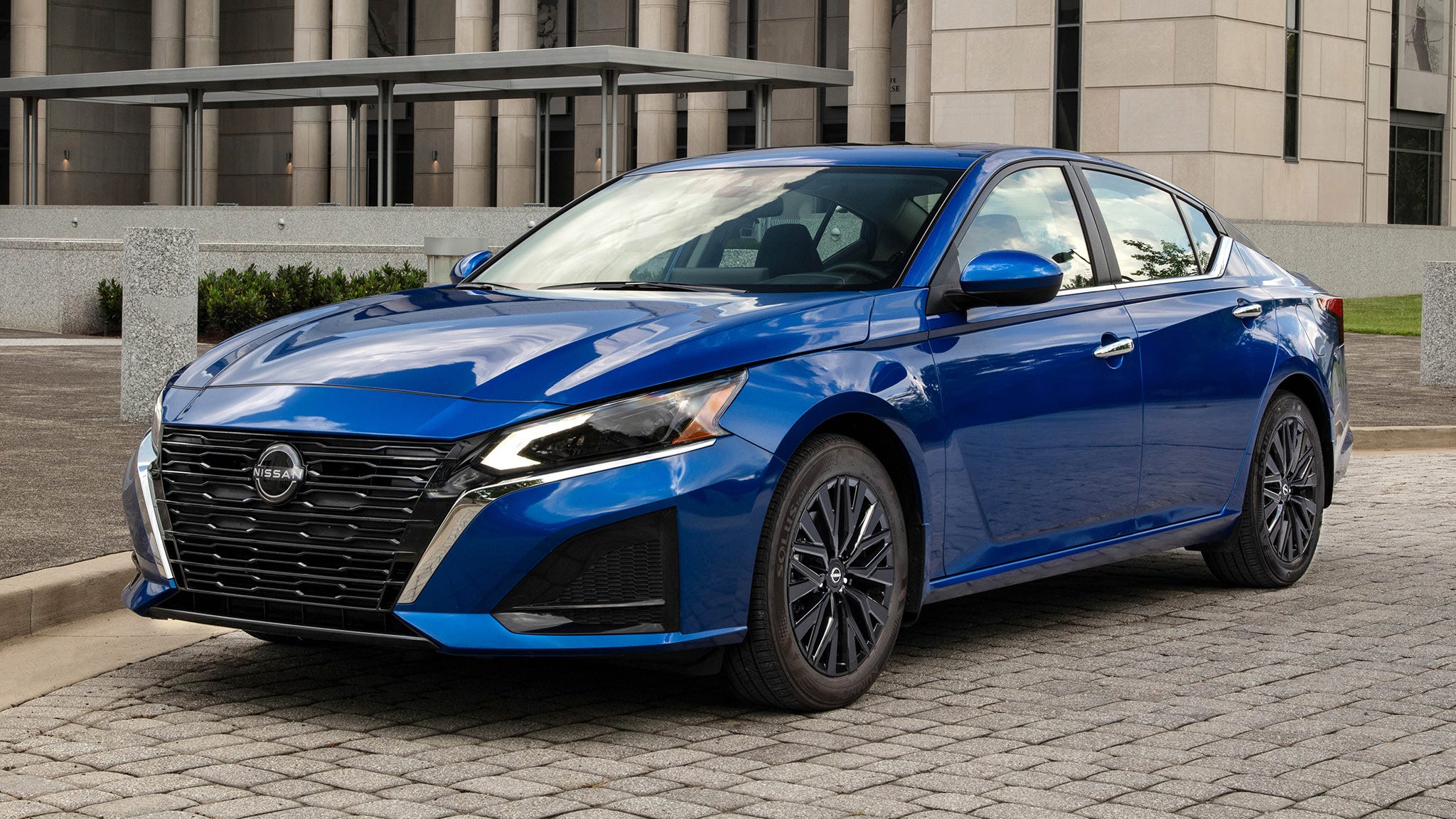
For shoppers looking for an affordable midsize sedan, the Nissan Altima is positioned as sensible transportation for commuting and family use, paired with current tech and a manageable price. It offers two engine choices, including a standard four-cylinder and a variable compression turbo option, delivering between 182 and 248 horsepower. With exterior dimensions close to 193 inches long and nearly 73 inches wide, it fits squarely into a crowded category. That context makes its Poor front crash prevention score from the Insurance Institute for Highway Safety especially troubling.
Testing results show the issue appeared earlier than expected. Many vehicles struggle only once speeds climb to 37 or 43 miles per hour during advanced evaluations. The Altima failed before reaching that stage. At the starting speed of 31 miles per hour, the automatic braking system did not slow the car enough to meet the required standard, ending its evaluation before tougher trials could begin.
Missing the mark at that initial speed points to a foundational weakness rather than a fine-tuning issue. This level is meant to confirm that the system can deliver basic intervention when danger appears. When a vehicle cannot meet that requirement, it signals deeper problems tied to sensor accuracy, software decision-making, or brake response timing.
Competition within this class makes the result harder to overlook. Rivals like the Honda Accord, Toyota Camry, and Hyundai Sonata have earned stronger results in similar evaluations. Buyers comparing safety features now have clear data showing differences in real performance.
Nissan promotes driver aids such as ProPilot Assist and Safety Shield 360 as dependable protection. A Poor score in the latest IIHS testing shows those systems are falling short. Current Altima owners should review their model year results, speak with a dealership about updates or service notices, and recognize that automatic braking may not respond as expected during fast-approaching situations.
5. Kia Seltos
AEB Rating: Poor (IIHS)
- Engine: 2.0L 4-Cylinder or 1.6L Turbo 4-Cylinder
- Horsepower: 146 hp to 195 hp
- Torque: 132 lb-ft to 195 lb-ft
- Size: 172.6 in Long x 70.9 in Wide
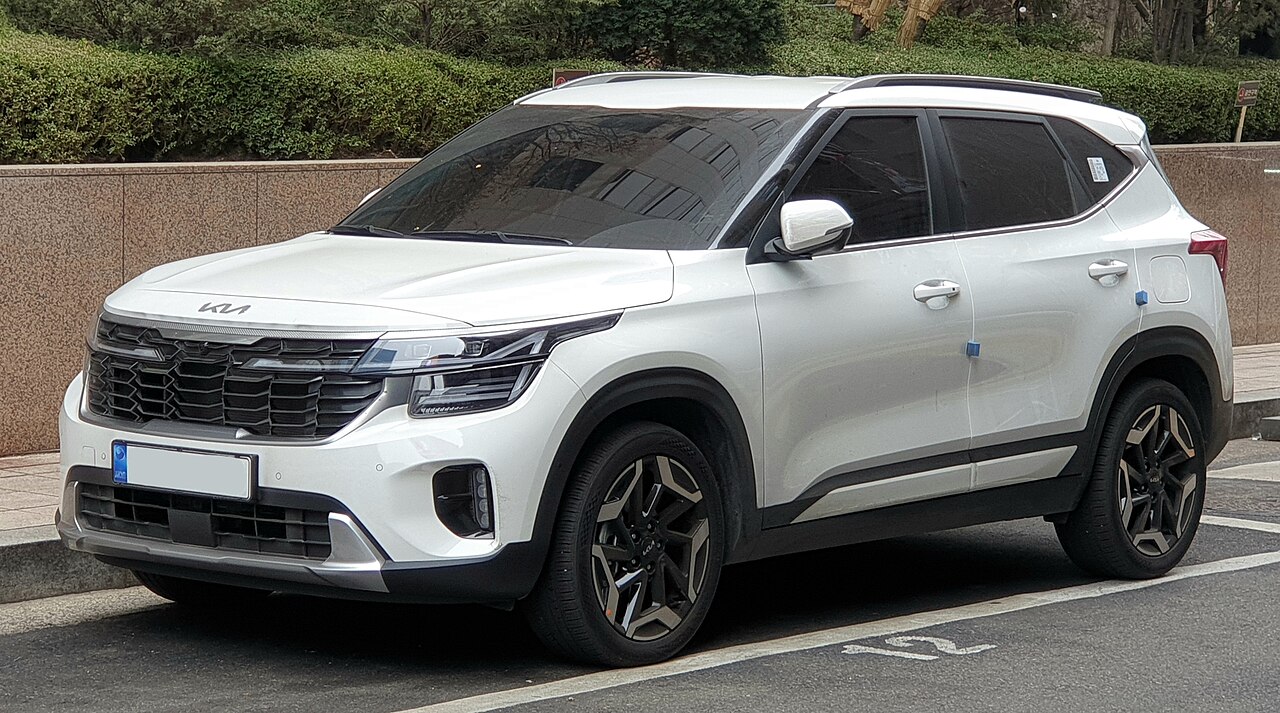
Compact crossovers are among the most popular vehicle segments in the United States, and the Kia Seltos has built a strong following by offering a feature-rich package at a competitive price. Producing between 146 and 195 horsepower from either a 2.0-liter naturally aspirated four-cylinder or a 1.6-liter turbocharged variant, and measuring 172.6 inches long by 70.9 inches wide, it is a well-sized, practical vehicle for urban and suburban drivers.
Receiving a Poor front crash prevention rating from the IIHS, specifically because of its failure to detect and respond to a motorcycle target at 31 mph, is a serious safety concern for a vehicle marketed toward everyday family use. Kia’s sensor array completely missed the centralized motorcycle target during the entry-level speed trial.
Little to no speed reduction occurred before structural impact, which in a real-world scenario would mean a full-speed collision with a motorcyclist. Motorcyclists are among the most vulnerable road users in any collision scenario, and a vehicle’s AEB system that cannot detect a motorcycle at 31 mph is not providing the protection the technology is supposed to deliver.
Kia has made genuine investments in driver assistance technology across its lineup, and other models in the brand’s portfolio have performed better in IIHS evaluations. But the Seltos’s specific sensor configuration clearly needs recalibration or replacement to meet the standards the updated IIHS test requires.
Buyers choosing between the Seltos and competitors like the Honda HR-V or the Mazda CX-30 should check each model’s current IIHS front crash prevention score as part of their comparison.
6. Chevrolet Trax
AEB Rating: Poor (IIHS)
- Engine: 1.2L Turbo 3-Cylinder
- Horsepower: 137 hp
- Torque: 162 lb-ft
- Size: 178.6 in Long x 71.7 in Wide
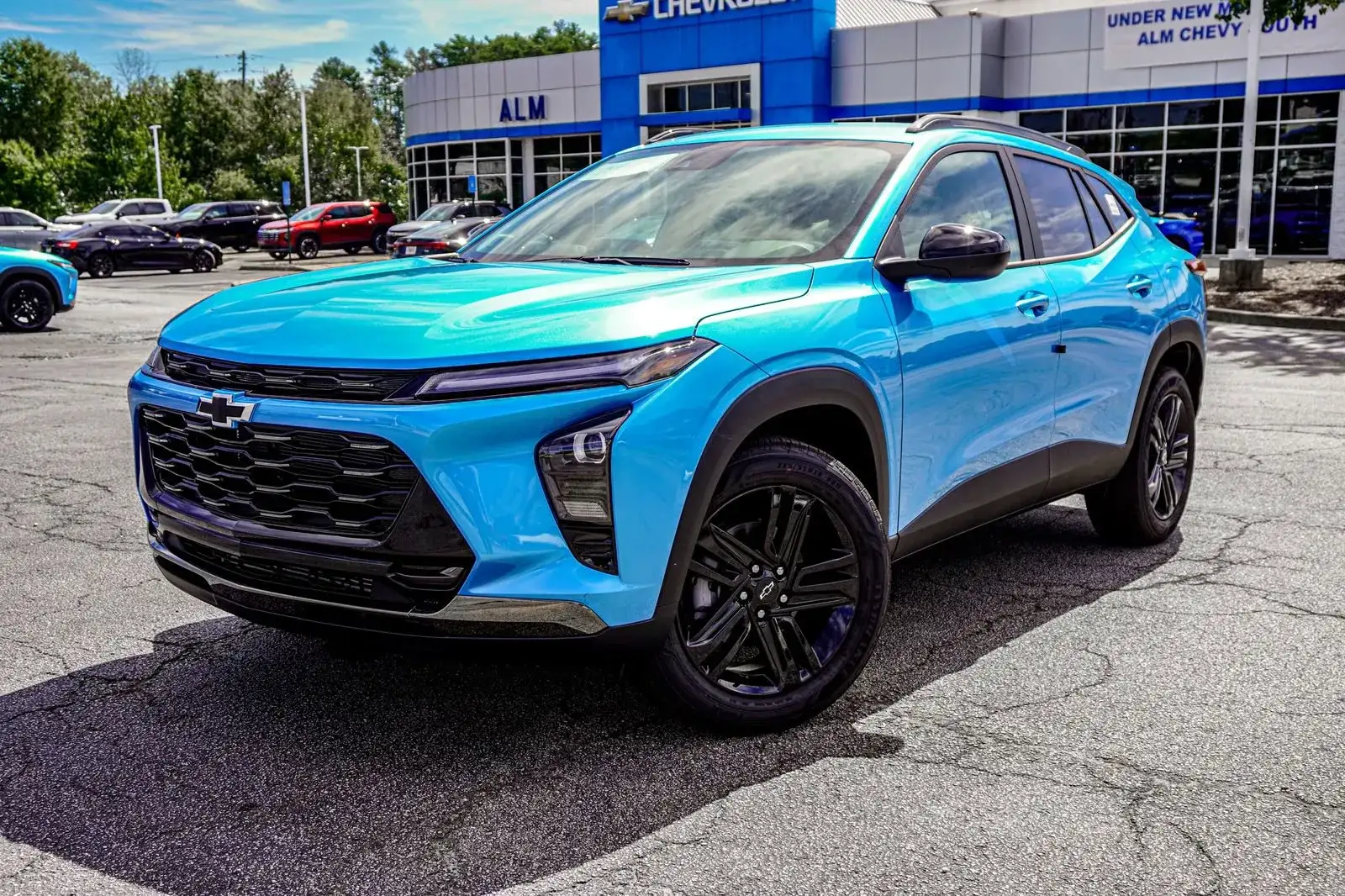
Chevrolet redesigned the Trax recently and turned it into one of the best-selling subcompact crossovers in its price range. At 137 horsepower and 162 lb-ft of torque from a 1.2-liter turbocharged three-cylinder engine, and measuring 178.6 inches long by 71.7 inches wide, it is a genuinely practical vehicle for buyers who prioritize affordability and urban maneuverability. A Poor grade in the IIHS’s revised automatic braking evaluation, though, shows that factory AEB systems at this price tier carry real limitations.
Despite its modern redesign and updated feature list, the Trax’s factory AEB system was overwhelmed by the high-speed multi-target trials. Sensor suites that work adequately at lower evaluation speeds can fail badly when testing conditions escalate to highway-adjacent velocities with smaller, harder-to-detect targets. That is exactly what happened here. At 31, 37, and 43 mph, the Trax’s system could not consistently slow the vehicle enough to prevent impact with the targets the IIHS deployed.
Budget vehicles should not get a free pass on safety technology. At any price point, automatic emergency braking that earns a Poor rating is a liability, not a feature. Buyers drawn to the Trax’s low price and fresh styling need to weigh that AEB score against alternatives in the same price range before making a decision. GM has the resources to push a software update that improves AEB performance, and owners should monitor whether such an update becomes available.
7. Buick Envista
AEB Rating: Poor (IIHS)
- Engine: 1.2L Turbo 3-Cylinder
- Horsepower: 137 hp
- Torque: 162 lb-ft
- Size: 182.6 in Long x 71.6 in Wide
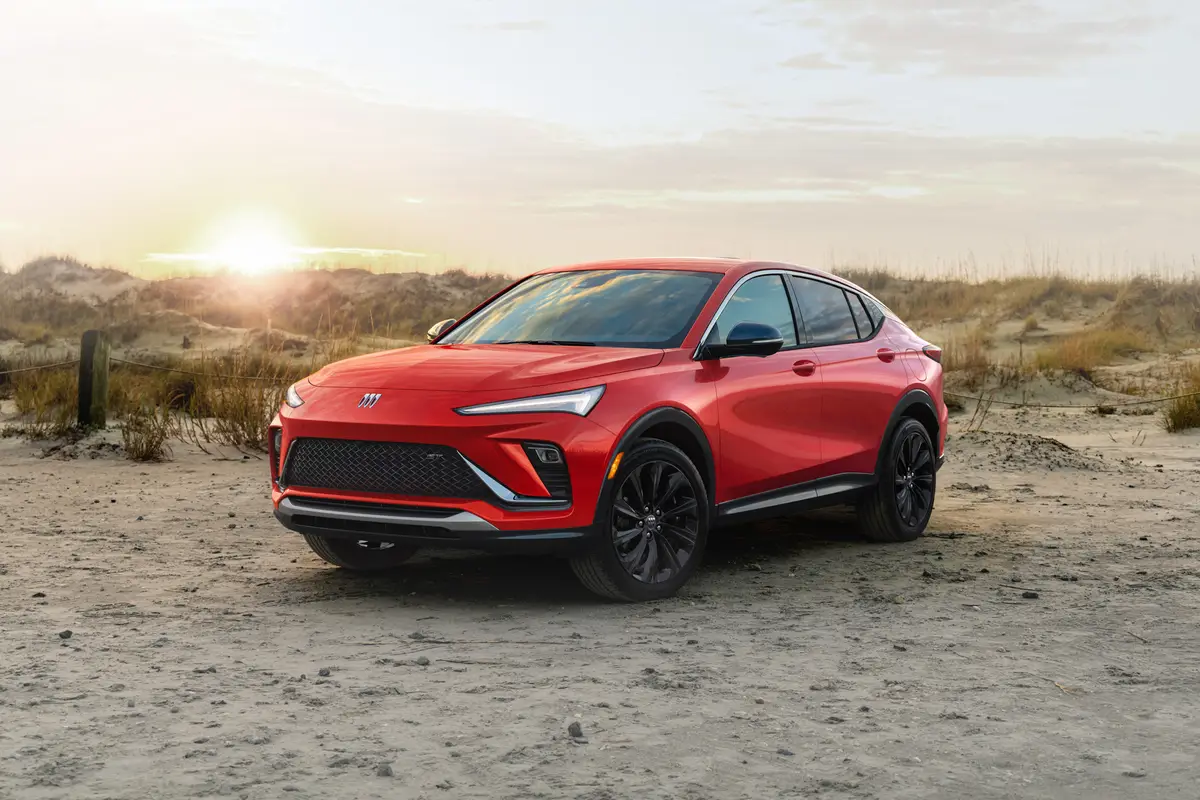
Buick markets the Envista as a step up from mainstream subcompact crossovers, positioning it as an entry-level luxury option for buyers who want a more refined driving experience without crossing into the higher price tiers occupied by brands like BMW or Mercedes-Benz.
Producing 137 horsepower and 162 lb-ft of torque from a 1.2-liter turbocharged three-cylinder, and measuring 182.6 inches long by 71.6 inches wide, it shares its global subcompact architecture with the Chevrolet Trax. That shared platform brought a shared Poor AEB rating along with it.
Buick buyers paying a premium over the Trax’s base price for a more upscale experience have a reasonable expectation that safety systems will at least match what other vehicles in the premium entry segment deliver. Failing to consistently recognize stationary obstructions at highway-adjacent velocities is not a minor technical limitation. It is a gap that removes a critical layer of crash prevention from a vehicle sold to buyers who believe they are getting more than the mainstream alternative.
GM needs to address this failure across both the Envista and the Trax simultaneously, given their shared architecture. A software or hardware fix applied to one platform would logically apply to both. Envista owners should follow the same guidance as Trax owners: contact your dealership, ask about available updates, and check the IIHS database regularly for revised test results that reflect any improvements.
Also Read: 8 Cars That Outrun a 1990s Ferrari to 60 MPH for Under $40,000
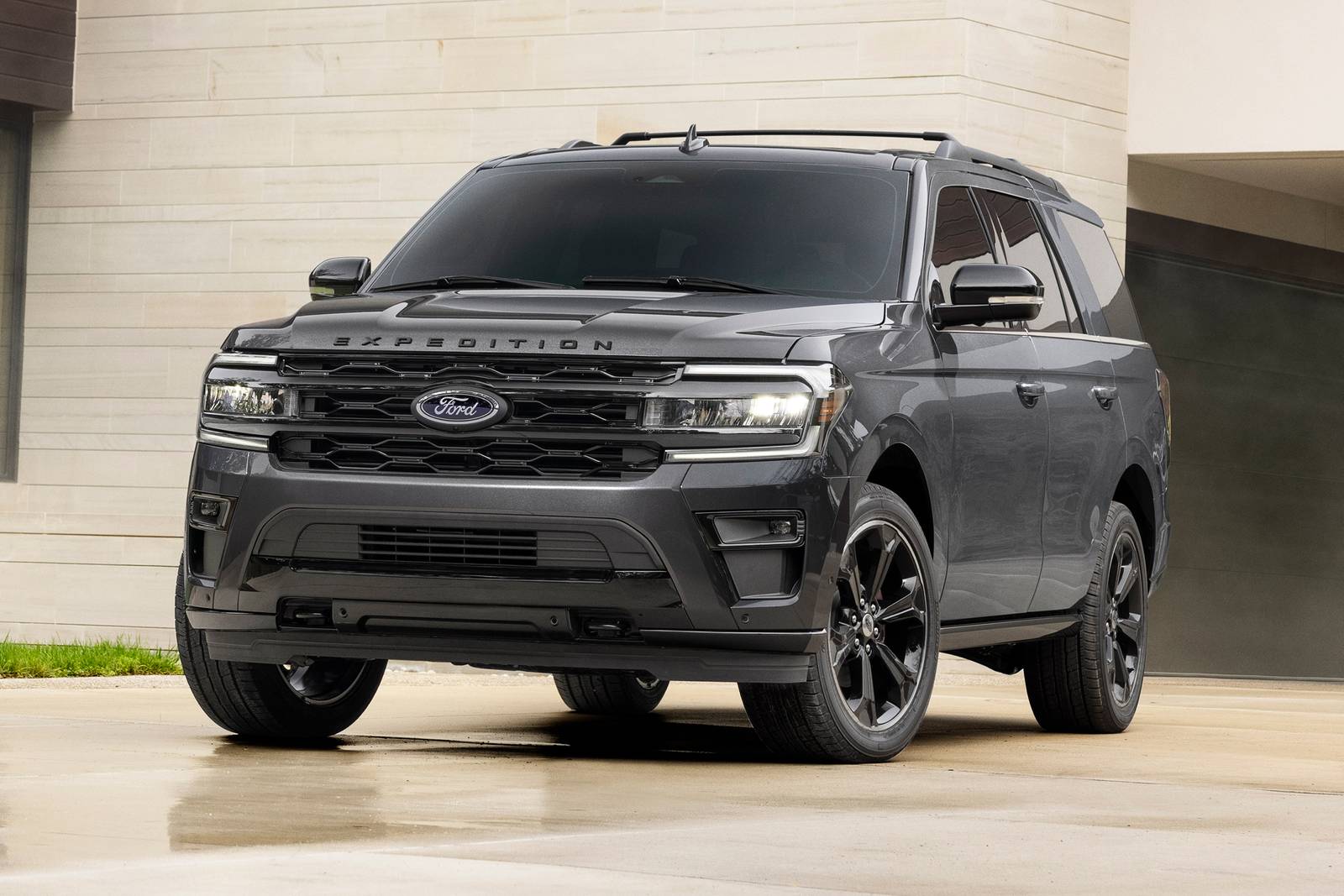
8. Ford Expedition
AEB Rating: Marginal (IIHS)
- Engine: 3.5L Twin-Turbo V6
- Horsepower: 380 hp to 440 hp
- Torque: 470 lb-ft to 510 lb-ft
- Size: 210.0 in Long x 79.9 in Wide
Ford’s full-size Expedition avoided the Poor rating that every other vehicle on this list received, but landing a Marginal classification is not a result worth celebrating. At 380 to 440 horsepower and 470 to 510 lb-ft of torque from a 3.5-liter twin-turbocharged V6, and measuring 210 inches long by 79.9 inches wide, the Expedition is a powerful, capable hauler that competes directly with the Chevrolet Tahoe for full-size family SUV buyers. Performing well at low speeds during AEB testing but falling apart during 43 mph motorcycle tracking scenarios reveals exactly where this vehicle’s system breaks down under pressure.
At lower test speeds, the Expedition’s automatic braking system performed adequately, earning it enough points to avoid the Poor threshold. But when the test escalated to 43 mph with a motorcycle as the target, the system struggled to bring the vehicle’s considerable mass to a complete stop before impact.
Full-size SUVs carry more kinetic energy at any given speed than smaller vehicles, which means they require more aggressive braking intervention, not less. A Marginal rating at the highest test speed suggests the Ford Expedition’s system is not calibrated to account for its own weight in demanding scenarios.
Ford has invested heavily in driver assistance technology across its lineup, and the Expedition’s partial performance at lower speeds shows the system works in easier conditions. Closing the gap at higher speeds and against smaller targets requires either sensor improvements, software recalibration, or both.
Buyers considering the Expedition alongside the Chevrolet Tahoe, which also failed, should look at newer model year updates to determine whether either manufacturer has improved AEB performance since these test results were published.
