
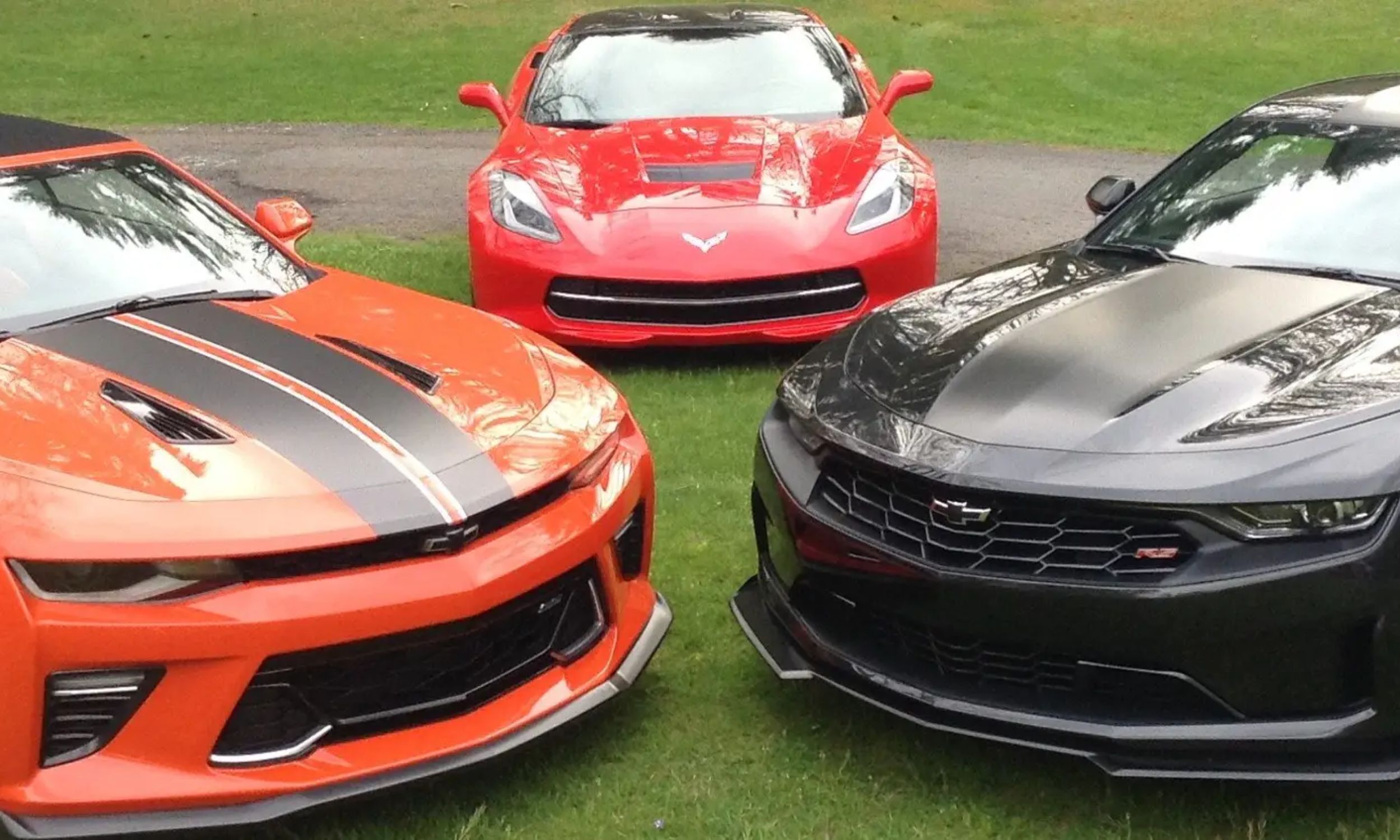
Buying a new car is supposed to bring excitement, not repair bills. You hand over a serious amount of money, drive off the lot with that new-car smell still fresh, and trust that the vehicle is going to perform the way the brochure promised. For owners of the vehicles on this list, that trust got tested early and often.
Consumer Reports pulled reliability data from surveys covering more than 380,000 vehicles, and the results identified a clear pattern: cars built on brand-new platforms, first-generation electric drivetrains, and untested plug-in hybrid systems are the ones most likely to leave owners frustrated. Cutting-edge technology sounds great in a press release. Living with the early engineering bugs that come with it is a very different experience.
Eight specific models landed at the very bottom of Consumer Reports’ reliability index, earning their spots through documented, owner-reported problems across multiple trouble categories. These are not minor complaints about squeaky door handles or stiff cup holder lids. We are talking about charging failures, transmission malfunctions, frozen infotainment systems, and power system failures that can leave a car completely inoperable.
If you are shopping for a new vehicle right now, or if you already own one of the models below, this list gives you the honest picture that the dealership brochure does not.
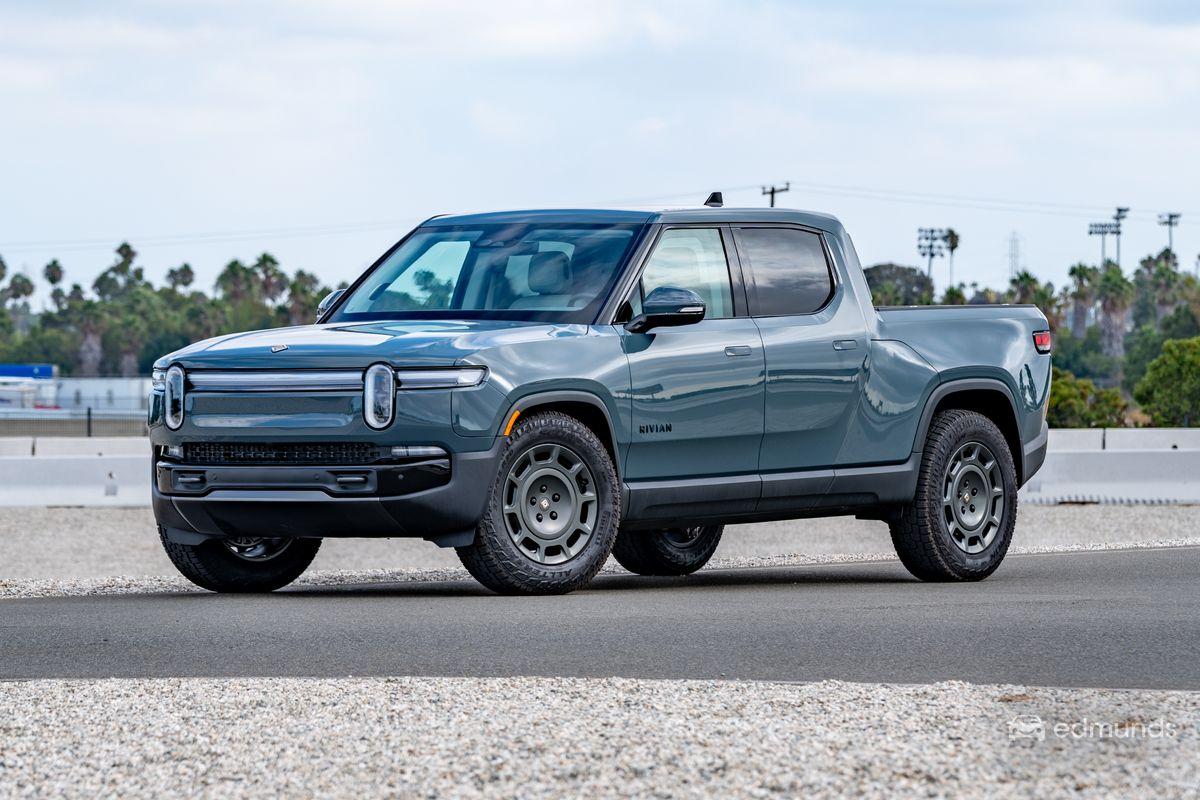
1. Rivian R1T
CR Reliability Score: Lowest on the Index
- Engine: Dual-Motor, Tri-Motor, or Quad-Motor AWD Electric Setup
- Horsepower: 533 hp to 1,025 hp
- Torque: 610 lb-ft to 1,198 lb-ft
- Size: 217.1 in Long x 79.0 in Wide
Recent reliability rankings placed the Rivian R1T at the very bottom of the survey compiled by Consumer Reports. The feedback shows a pattern that goes far beyond a single weak component. Owners described repeated problems across several systems at the same time, which points to broader platform trouble rather than one flaw that can be fixed through a simple recall.
Battery performance stood out early in owner feedback. Rivian designed the R1T around a large battery pack to support its quad motor layout and extreme output. With as much as 1,025 horsepower and nearly 1,200 pound-feet of torque available, the truck delivers numbers rarely seen in this segment. Even so, surveys highlighted repeated concerns tied to battery cell modules. Since this system supplies power to every major function, frequent battery-related complaints raised red flags for long-term dependability.
Electric motor durability became another area of concern. Each axle relies on dedicated motors to provide All Wheel Drive and torque distribution. When those motors do not perform consistently, the truck cannot deliver the driving behavior Rivian promotes. Reports from owners suggest these motor issues appear often enough to cause real disruption rather than isolated inconvenience.
Heating and cooling systems also drew criticism. In an electric truck, climate operation pulls energy from the same battery that controls the driving range. Unreliable cabin temperature control affects comfort while also making range estimates less predictable for daily use.
Fit and finish problems rounded out the list. For a truck priced above seventy thousand dollars, misaligned panels and door issues at delivery are hard to excuse. Measuring more than 217 inches long and 79 inches wide, the R1T reflects bold engineering from Rivian. As a newer automaker, Rivian is still learning lessons others absorbed long ago, which helps explain these results even if it offers little relief to current owners.
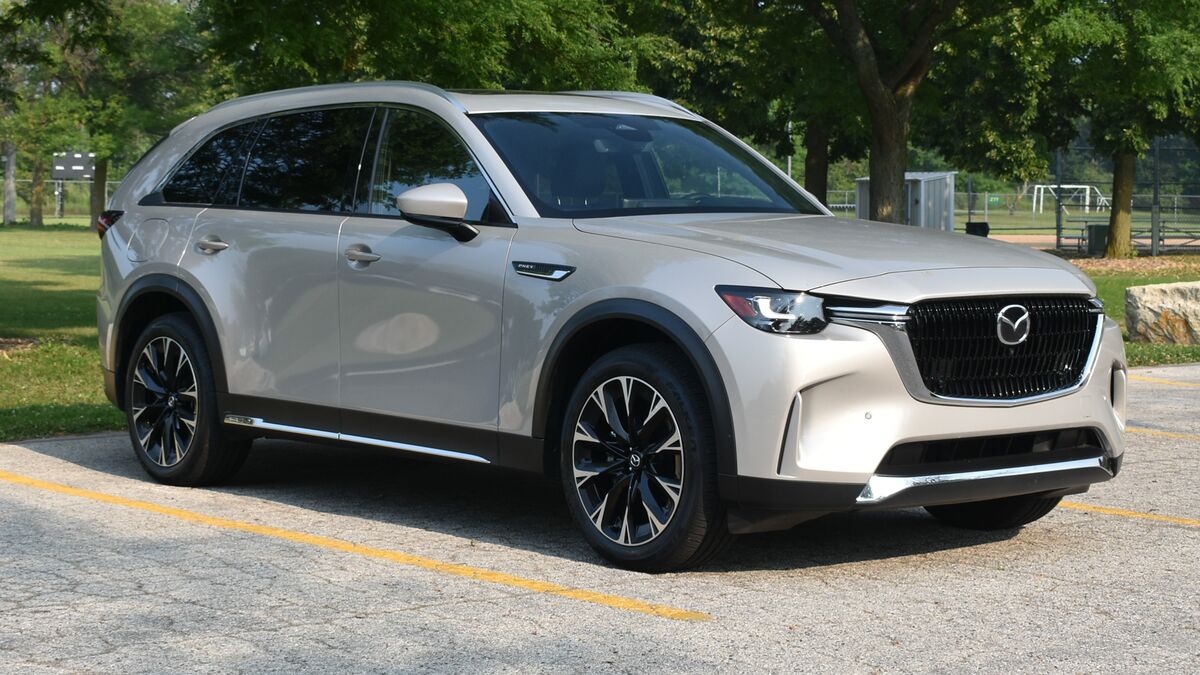
2. Mazda CX-90 PHEV
CR Reliability Score: Near the Bottom of the Index
- Engine: 2.5L 4-Cylinder paired with an Electric Motor
- Horsepower: 323 hp (total system)
- Torque: 369 lb-ft (total system)
- Size: 201.6 in Long x 77.6 in Wide
Longtime buyers associate Mazda with dependable cars that feel engaging without demanding luxury-level prices. That background makes the feedback surrounding the CX-90 PHEV especially disappointing. As Mazda’s first plug-in hybrid and the debut model on a fresh platform, this SUV faced the same early production risks that often trouble first-generation vehicles, and owner reports show those risks became reality.
Power output is not the issue. The CX-90 PHEV combines a 2.5-liter four-cylinder engine with an electric motor to produce 323 horsepower and 369 pound-feet of torque. With a length of 201.6 inches and a width of 77.6 inches, it fits squarely into the three-row family category while aiming for a premium feel. Many buyers trusted Mazda’s history when choosing it, expecting the usual trouble-free ownership experience. Data collected by Consumer Reports painted a different picture.
Battery-related complaints appeared early and often. Owners described inaccurate battery capacity readings that caused the vehicle to misjudge available electric range. For a plug-in hybrid meant to deliver meaningful electric-only driving, unreliable range information undercuts one of its main selling points and creates daily frustration.
Charging problems followed closely behind. Several owners reported failed or incomplete charging sessions, limiting access to the fuel-saving benefits that justified the purchase in the first place. A vehicle designed to plug in loses much of its appeal when charging becomes unpredictable.
Drivetrain behavior also drew criticism. Drivers reported harsh transitions when the system switched between electric drive and gasoline power. That lack of smooth coordination made the vehicle feel unsettled rather than polished. Mazda has a strong record with conventional models, yet the CX-90 PHEV shows that its hybrid learning curve is still very much in progress.
Also Read: 5 Cars That Need Premium Fuel and 5 That Don’t
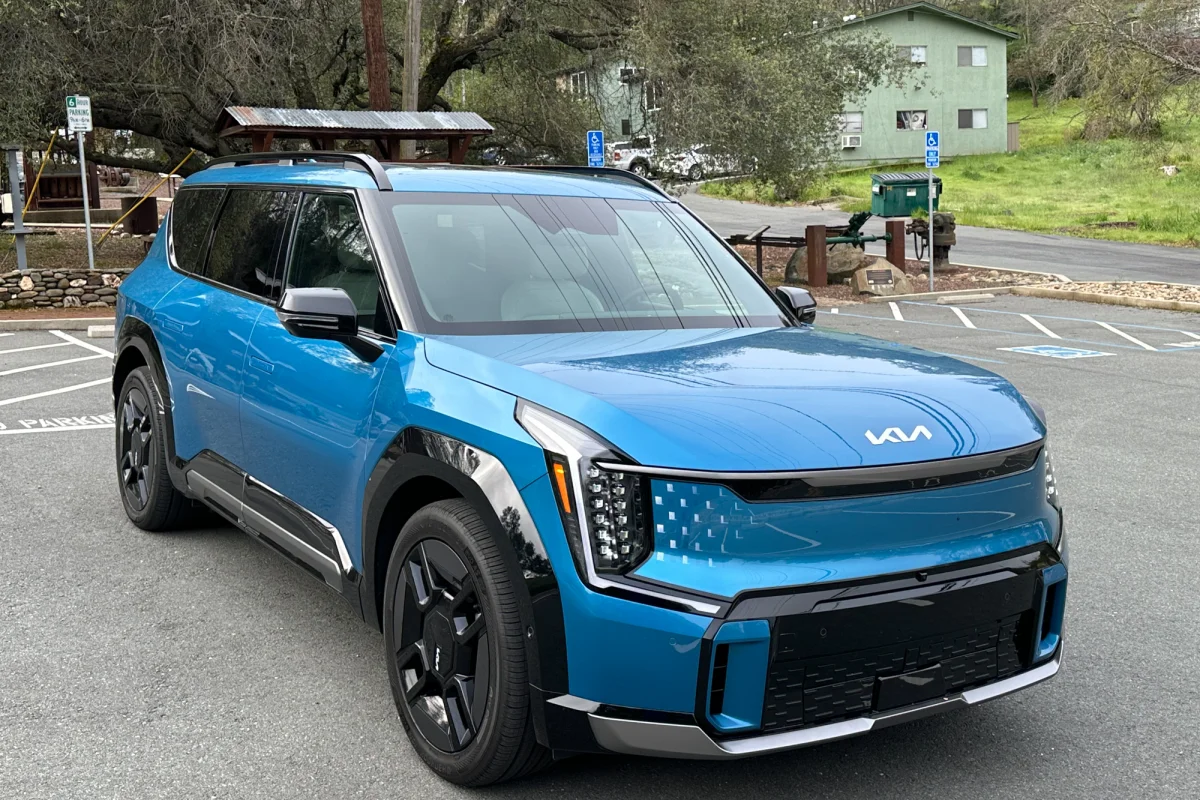
3. Kia EV9
CR Reliability Score: Near the Bottom of the Index
- Engine: Single Motor RWD or Dual Motor AWD
- Horsepower: 215 hp to 379 hp
- Torque: 258 lb-ft to 516 lb-ft
- Size: 197.4 in Long x 77.9 in Wide
Kia earned genuine praise from automotive journalists when it launched the EV9 as a three-row electric SUV that could carry seven passengers while delivering respectable electric range. At 197.4 inches long and 77.9 inches wide, it is a properly large family vehicle, and its available dual-motor AWD system, pushing 379 horsepower and 516 lb-ft of torque, gives it real performance capability alongside its practicality.
Consumer Reports’ data told a story that the glowing launch reviews did not. Despite the EV9’s roomy interior and strong road presence, it landed near the bottom of the reliability scale, and the primary documented failure point affects the vehicle’s usability every single day: the main infotainment screen locking up.
An infotainment system that freezes or becomes unresponsive is not a cosmetic issue on a modern vehicle. In the EV9, the infotainment screen serves as the control interface for navigation, climate settings, charging management, driver assistance system configuration, and vehicle information displays.
When that screen locks up, the driver loses access to multiple critical functions simultaneously. Rebooting the system while driving is not a practical solution, and waiting for the screen to recover on its own is not an acceptable ownership experience in a vehicle at this price point.
Kia has issued software updates for the EV9 that address some infotainment stability concerns, but Consumer Reports’ survey data reflects the real-world experience of owners across a broad population of vehicles rather than best-case scenarios after updates have been applied. Until the infotainment stability issue is fully resolved across all production units, the EV9’s reliability rating reflects the problem as owners have actually experienced it.
4. Kia EV6
CR Reliability Score: Heavily Docked
- Engine: Single Motor RWD or Dual Motor AWD
- Horsepower: 167 hp to 576 hp (GT trim)
- Torque: 258 lb-ft to 545 lb-ft
- Size: 184.3 to 184.8 in Long x 74.0 to 74.4 in Wide
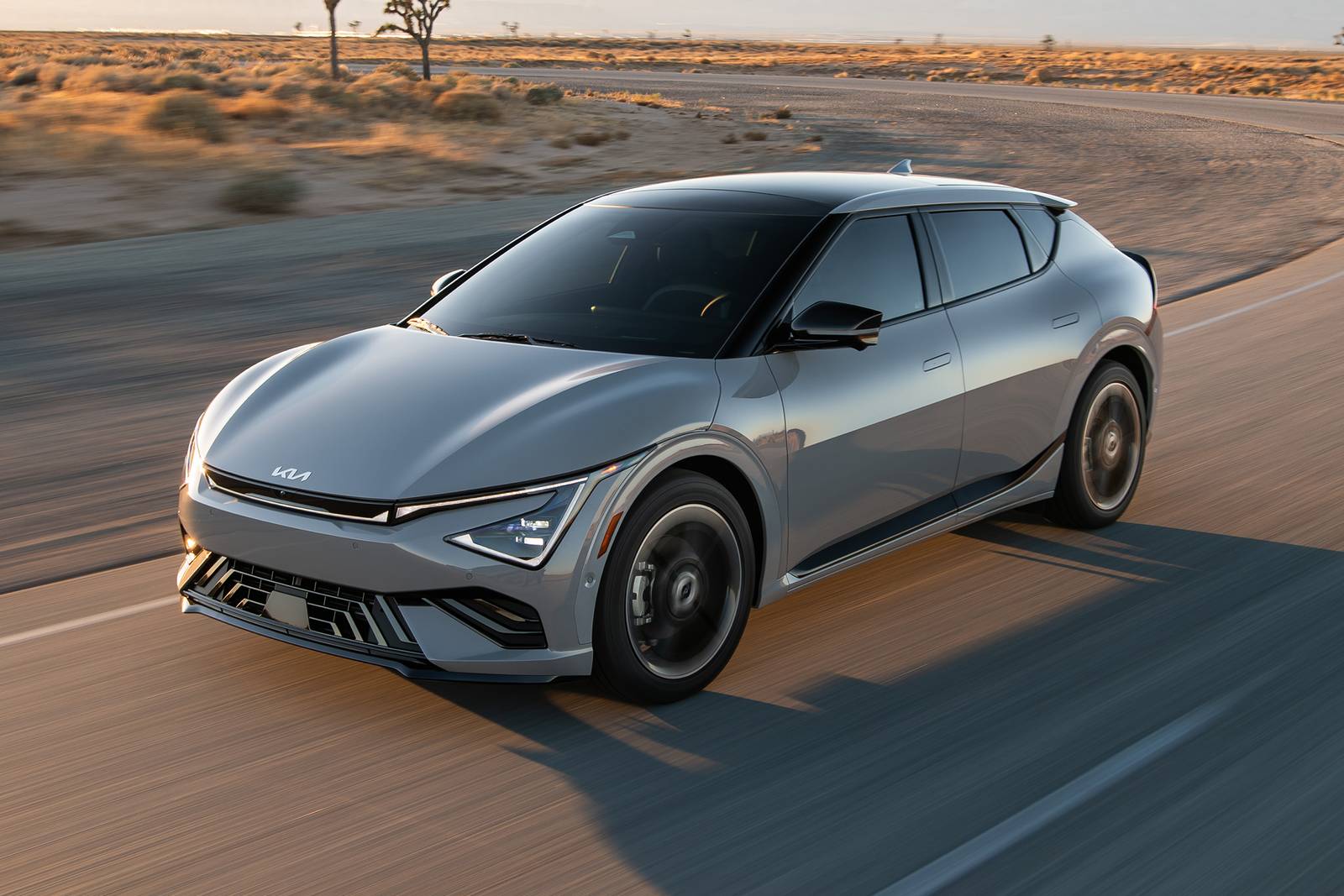
Sharing the same underlying platform as the EV9, the Kia EV6 carries over some of the same reliability vulnerabilities that affect its larger sibling. At 184.3 to 184.8 inches long and 74.0 to 74.4 inches wide, the EV6 is a smaller, sportier electric vehicle aimed at buyers who want an engaging driving experience in an electric package. Its GT trim pushes 576 horsepower and 545 lb-ft of torque, making it one of the quickest production electric crossovers available at its price point.
Consumer Reports docked the EV6 heavily, and the central cause is a specific component failure that goes beyond inconvenience into territory that leaves the car completely unusable. Owners reported that the Integrated Charging Control Unit, known in the service community as the ICCU, is prone to failing in ways that cut power to the entire vehicle. This is not a situation where a driver loses access to one feature or experiences reduced performance. When the ICCU fails on the EV6, the car stops working.
A component that, when it fails, renders the entire vehicle inoperable is a serious engineering concern. Kia issued a recall related to ICCU failures on certain EV6 production years, which confirms that the problem was widespread enough to require a formal manufacturer response. For owners who experienced ICCU failure before the recall was in place, or who drove vehicles that had not yet been serviced, the experience of a completely dead electric car is one that stays with you.
Platform sharing is a practical engineering and financial decision that most automakers use to manage development costs. When a shared platform carries a reliability weakness, though, it replicates that weakness across every model built on it. The EV6 and EV9 are a clear example of both the efficiency and the risk of that approach.
5. Honda Prologue
CR Reliability Score: Poor
- Engine: Single Motor FWD or Dual Motor AWD
- Horsepower: 212 hp to 288 hp
- Torque: 242 lb-ft to 333 lb-ft
- Size: 192.0 in Long x 78.3 in Wide
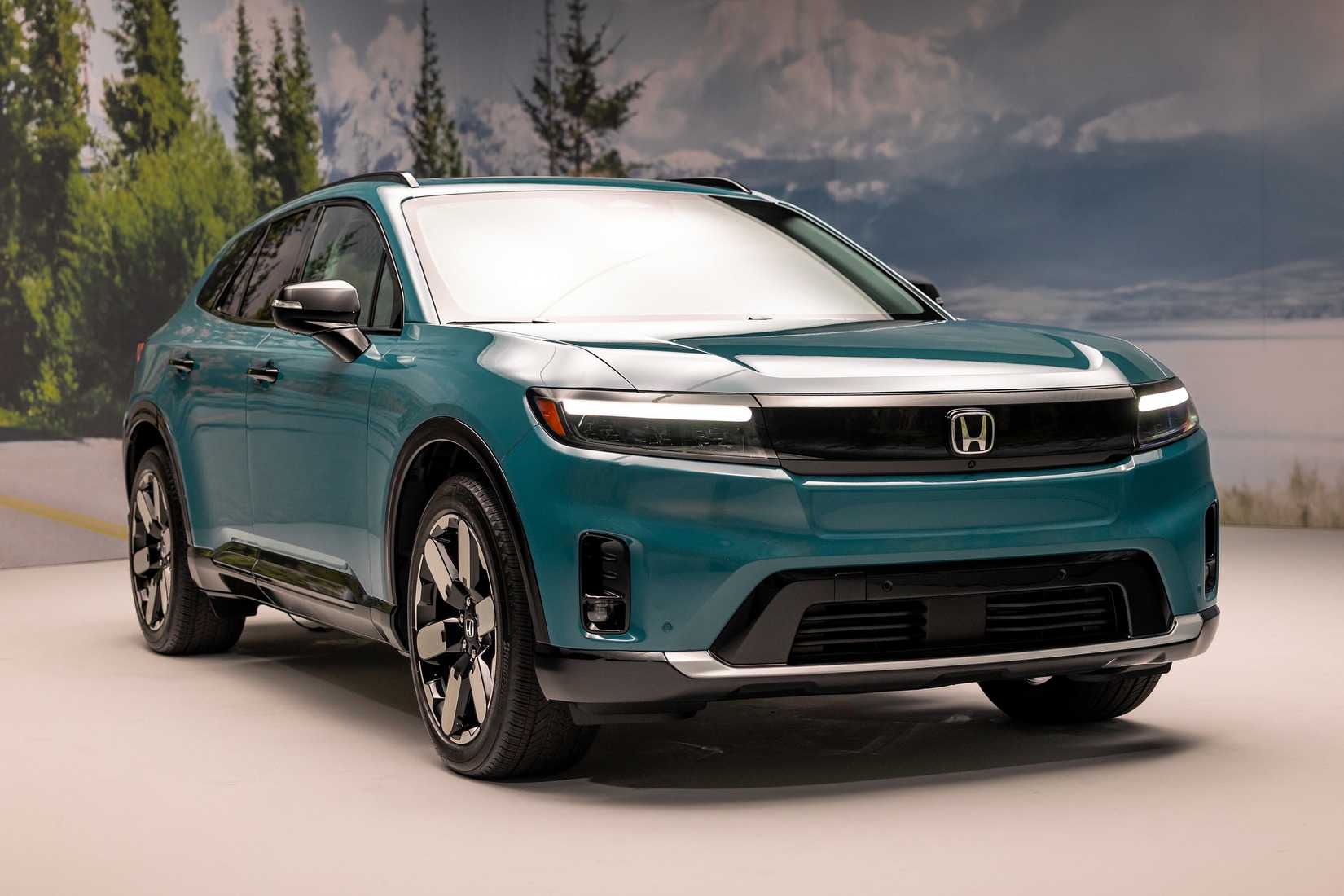
Honda introduced the Prologue as its first electric SUV aimed at North America, but its development path shaped how the vehicle performs in real ownership. Instead of creating a dedicated electric platform internally, Honda partnered with General Motors and relied on the Ultium architecture.
In All Wheel Drive form, the Prologue delivers 288 horsepower and 333 pound-feet of torque, with dimensions of 192.0 inches in length and 78.3 inches in width. Those figures place it comfortably within the midsize electric SUV class, yet shared hardware also brought shared early-stage flaws.
Data from Consumer Reports points to two recurring problem areas. One involves public DC fast charging. Many owners report difficulty starting or keeping a stable charging session at fast charge stations, a failure that disrupts travel planning and limits confidence beyond short daily trips.
The second concern centers on early wear in electric motor sensors. These sensors control power delivery, regenerative braking response, and drivetrain behavior. When readings become unreliable, vehicle behavior can feel uneven, and locating the root cause often requires extended diagnostic time and costly repairs. Honda has earned trust through decades of gas-powered vehicles, but applying that reputation to an electric model is challenging.
6. Chrysler Pacifica Hybrid
CR Reliability Score: Consistently at the Bottom of the Minivan Segment
- Engine: 3.6L V6 Plug-In Hybrid
- Horsepower: 260 hp (total system)
- Torque: 262 lb-ft
- Size: 204.3 in Long x 79.6 in Wide
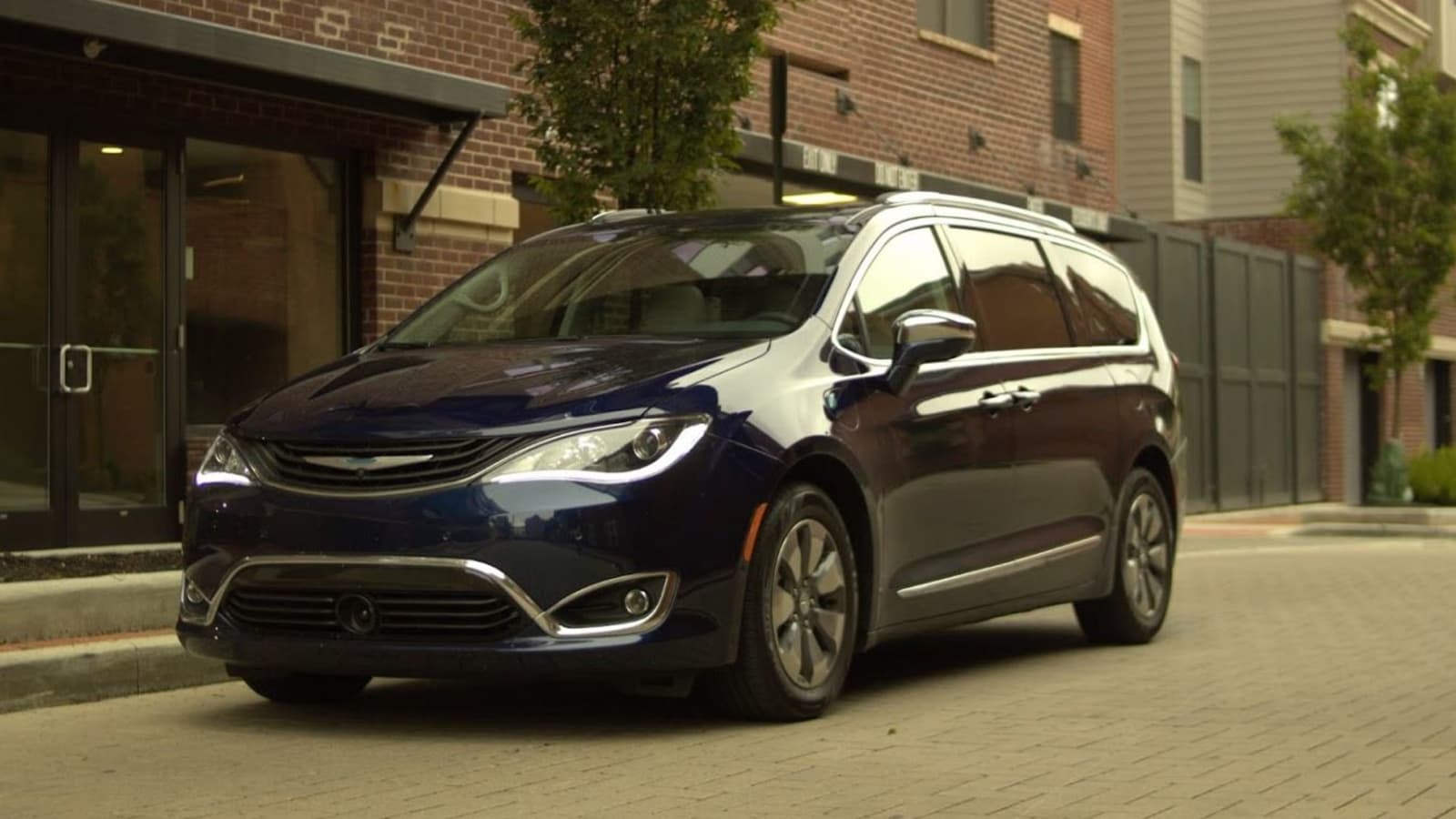
Repeated low rankings from Consumer Reports have hurt the Chrysler Pacifica Hybrid more than a single disappointing model year ever could. This minivan has remained near the bottom of reliability ratings for several years in a row, showing that the troubles did not fade after early production runs. Updates across later model years failed to deliver lasting improvements, leaving buyers with the same unresolved worries.
Households shopping for a minivan usually want a vehicle that works without drama, especially when daily routines depend on it. Reports of transmission module failures clash with those expectations. Drivers whose warranties had expired described costly repairs tied to those modules, along with long service visits that left families scrambling for transportation while the vehicle sat at the dealership.
Electrical concerns raise an even deeper level of concern. High-voltage charging line shorts are far from a small wiring issue. Diagnosing and repairing faults in a hybrid system demands trained technicians, specialized equipment, and labor rates that reflect that expertise. For buyers who chose the Pacifica Hybrid to reduce fuel spending, facing unexpected bills tied to the hybrid system can erase the savings they hoped to gain.
When running properly, the Pacifica Hybrid has plenty to offer. Its combined gas and electric setup delivers 260 horsepower, and its 204.3 inch length and 79.6 inch width give families generous space. Keeping it dependable, however, remains a challenge that continues to frustrate many owners of this Chrysler model.
7. Jeep Grand Cherokee
CR Reliability Score: Poor
- Engine: 3.6L V6 or 2.0L Turbo 4xe PHEV
- Horsepower: 293 hp (V6) / 375 hp (PHEV)
- Torque: 260 lb-ft (V6) / 470 lb-ft (PHEV)
- Size: 193.5 in (Standard) to 204.9 in (L model) Long x 77.5 in Wide
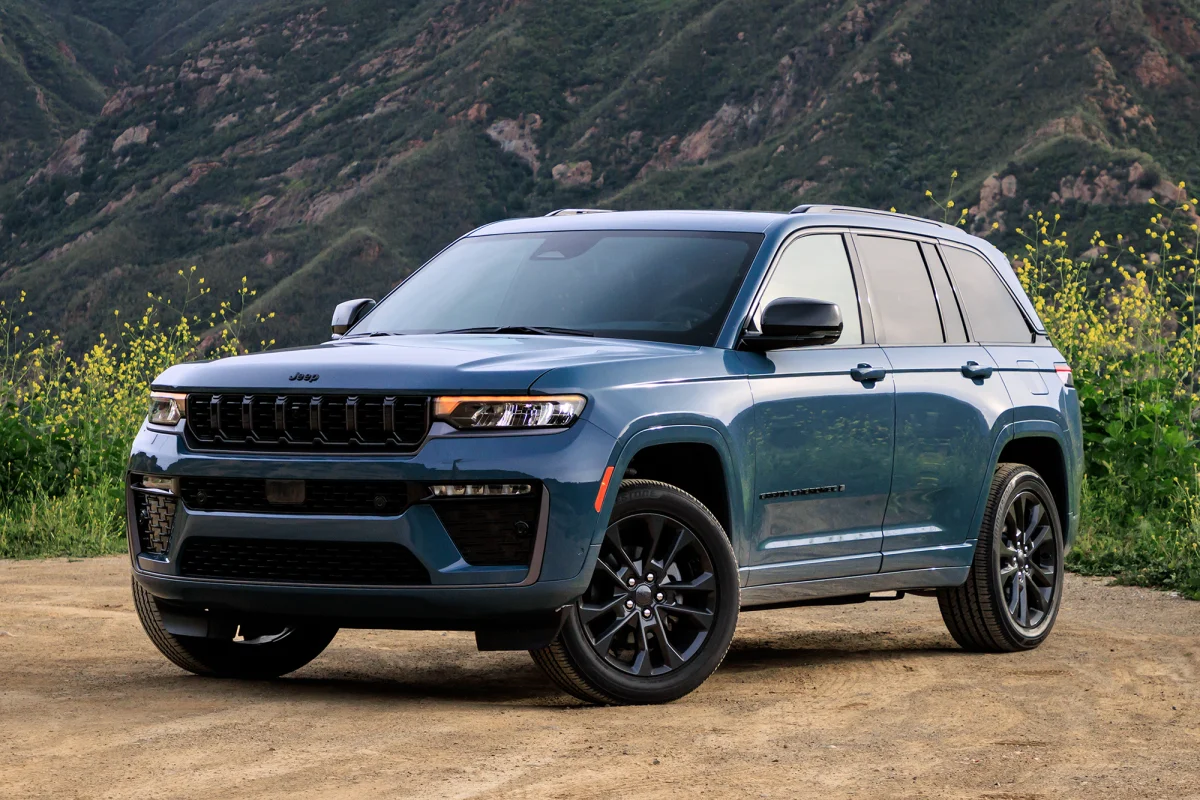
Few vehicles in the American SUV market carry a stronger brand identity than the Jeep Grand Cherokee. It has been a sales success for decades, combining genuine off-road capability with a comfortable interior and a well-recognized nameplate that buyers trust. Consumer Reports’ data shows that trust is being tested by a high density of consumer complaints that span both the standard V6 configuration and the more technologically demanding 4xe plug-in hybrid version.
Base V6 models faced deductions for in-car electronics freezing and advanced driver safety sensor malfunctions. Frozen infotainment systems and non-responsive safety sensors are problems that affect daily usability regardless of how capable the rest of the vehicle is. A driver who cannot rely on their lane departure warning or forward collision alert is driving without the safety layer they paid for, and a frozen center screen disrupts navigation, climate control, and phone connectivity simultaneously.
Plug-in hybrid 4xe models carry additional complications and additional failure points. At 375 horsepower and 470 lb-ft of torque, the 4xe is a genuinely capable performer, but the layered electronics required to manage its hybrid system introduce more components that can fail. Consumer complaints on the 4xe version include charging irregularities and hybrid system errors that require dealer attention to reset.
Jeep’s parent company has the engineering resources to address these problems, and buyer demand for the Grand Cherokee name remains strong. But until reliability scores reflect actual improvements in electronics stability, Consumer Reports’ data places it firmly on the avoid list.
Also Read: 8 Family Cars With the Best Rear-Seat Safety Scores
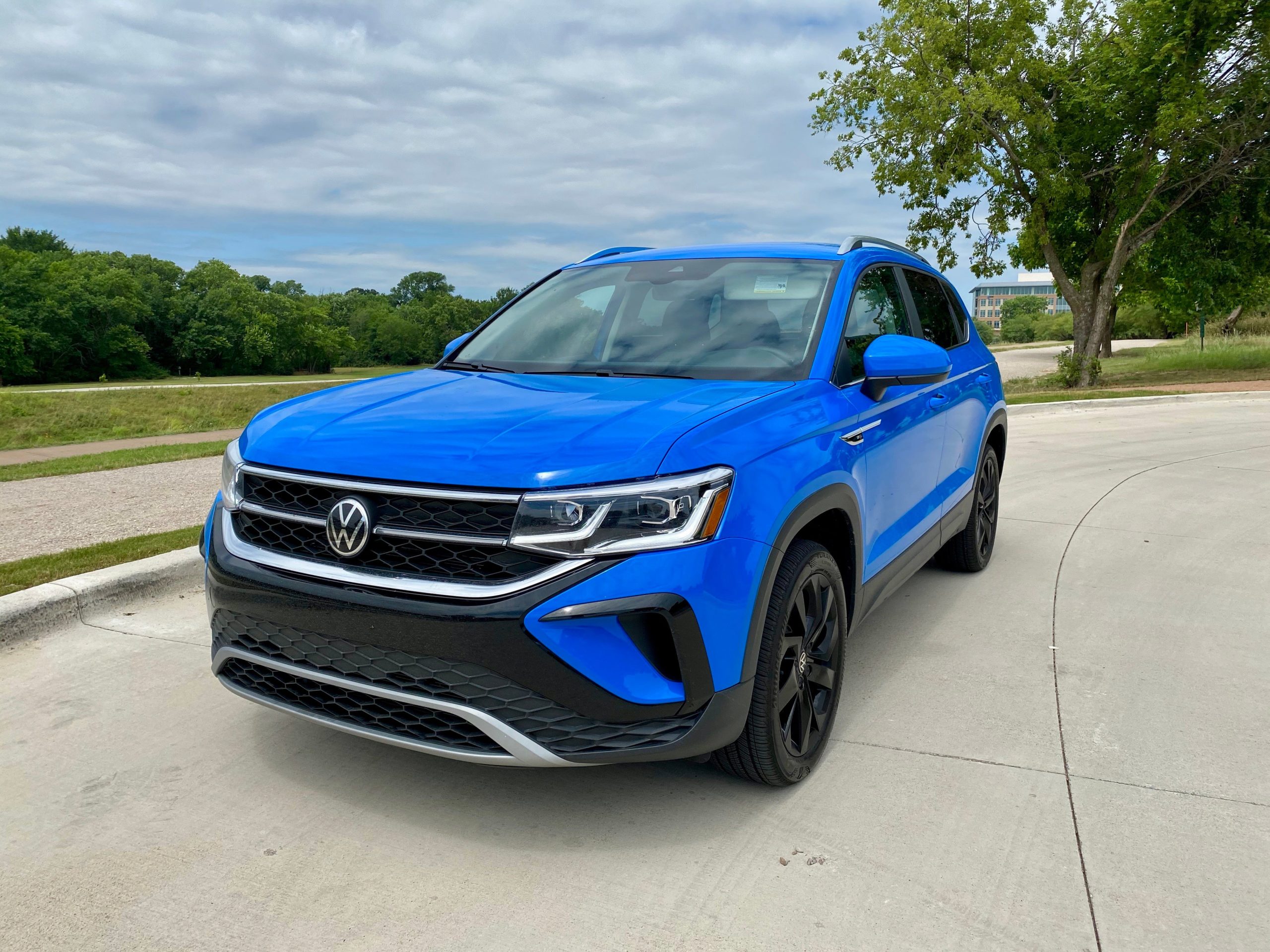
8. Volkswagen Taos
CR Reliability Score: On the Avoid List
- Engine: 1.5L Turbocharged 4-Cylinder
- Horsepower: 158 hp
- Torque: 184 lb-ft
- Size: 175.8 in Long x 72.5 in Wide
Ending the lineup under review is the Volkswagen Taos, a compact crossover launched with an eye-catching design, a solid list of standard features, and pricing aimed at budget-minded buyers. The vehicle uses a 1.5-liter turbocharged four-cylinder engine producing 158 horsepower and 184 lb ft of torque, with exterior dimensions that fit neatly into the small crossover class. Despite those strengths, Consumer Reports advised buyers to be wary after identifying repeat mechanical concerns that affect daily use.
Feedback from owners points to a troubling delay in the automatic transmission during low-speed driving. This behavior is not limited to spirited acceleration. It appears during routine situations such as leaving a stoplight, easing into traffic, or creeping through tight parking areas. When a vehicle fails to respond smoothly and predictably in these moments, it can cause irritation and raise safety worries if quick movement is required.
Another commonly reported issue involves rear brake rotors wearing down earlier than expected. Replacing brake components sooner than planned adds unplanned expense, which is especially frustrating on a vehicle marketed for affordability. Reports showed this was not limited to a small number of drivers but appeared repeatedly across owner surveys.
Brand perception also plays a role, as Volkswagen faces stiff competition from rivals such as Toyota, Honda, and Mazda. Until the transmission response and brake wear concerns receive clear fixes, the Taos remains a model many shoppers may want to approach carefully.
