
Rear-seat safety has become the defining safety battleground for family vehicles. For years, automakers focused almost entirely on front-seat protection. Crash tests revealed that the focus and front occupants got safer year after year.
But real-world data told a different story. Belted rear passengers in newer vehicles were dying at higher rates than belted front passengers, even though rear seats are where children and grandparents usually sit. The IIHS responded in 2022 by adding a rear-seat dummy to its moderate overlap front test. The results were humbling for the industry. Most midsize SUVs failed to protect the rear passenger properly.
Since then, automakers have scrambled to fix seatbelt tension, airbag coverage, and seatback design for second-row occupants. Some succeeded quickly. Others are still catching up.
This list highlights eight family vehicles that have earned strong, consistent rear-seat scores from the IIHS. We’ve also included how each model performed in older crash test standards, so you can see how far rear-seat protection has actually progressed. Each entry includes specifications to help with cross-shopping.
1. Subaru Ascent
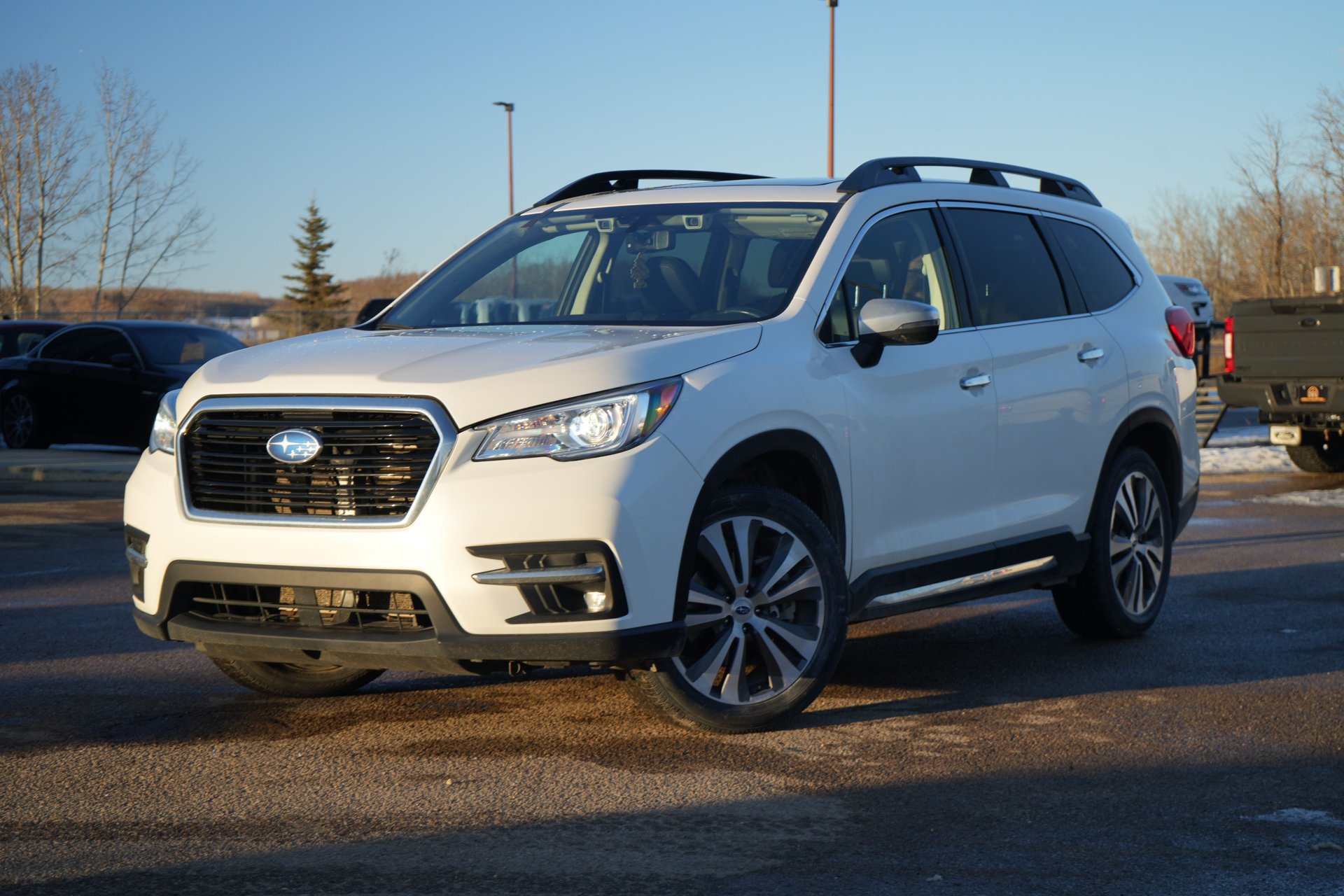
The Subaru Ascent has been the standout performer in IIHS rear-seat testing since the harder evaluation began. It was one of only four midsize SUVs to earn a “Good” rating when the updated moderate overlap test launched in 2023. That alone separated it from nearly every three-row competitor on sale at the time.
Under the original moderate overlap test, which only measured front-seat injury risk, the Ascent also scored “Good” across the board. That older rating dates back to its 2019 debut. The vehicle carried that strong front-seat foundation into the tougher rear-seat era.
The Ascent’s seatbelt geometry and side curtain airbag coverage held up well under the new dummy placement. Testers found no excessive head, neck, or chest forces on the rear occupant. That is a rare outcome among three-row SUVs.
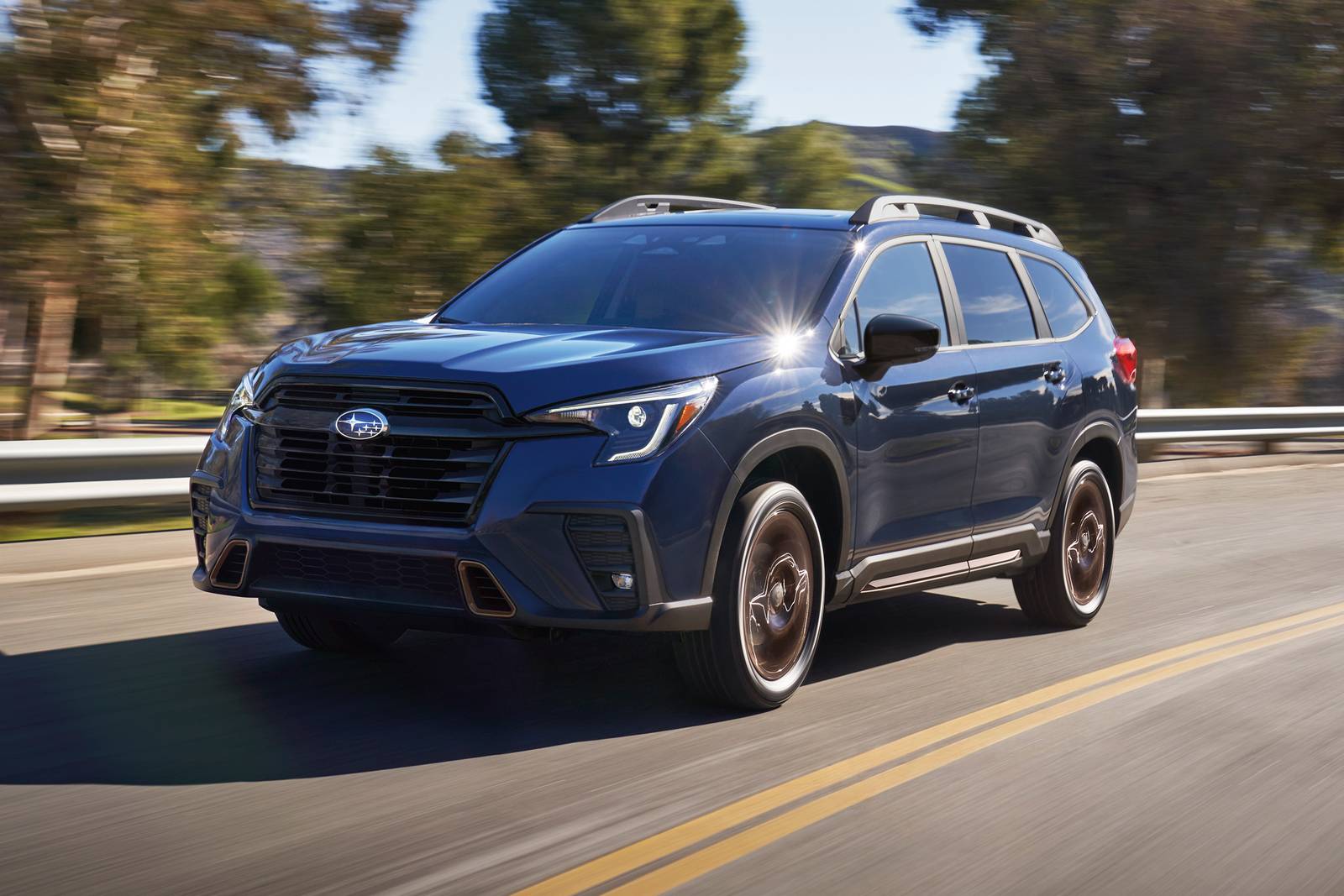
For 2026, the Ascent again earned IIHS Top Safety Pick+ status. It also holds a five-star rating from NHTSA. Few midsize SUVs combine both top honors so consistently.
Practically, the Ascent offers three rows and genuine adult-usable third-row space. Standard all-wheel drive adds confidence in poor weather. The boxy shape isn’t flashy, but it supports good outward visibility.
Subaru’s EyeSight suite of driver assistance features comes standard, which helps with the crash-avoidance side of safety scoring, too. This combination of avoidance tech and structural protection is exactly what the IIHS rewards.
Specifications (Subaru Ascent):
- Engine: 2.4-liter turbocharged 4-cylinder
- Horsepower: 260 hp
- Torque: 277 lb-ft
- Length: 196.8 inches
- Width: 76.0 inches
2. Ford Explorer
The Ford Explorer was another early winner when the IIHS toughened its rear-seat criteria. It earned a “Good” rating in the 2023 round of testing. That made it one of just four midsize SUVs to pass without qualification.
Historically, the Explorer’s older small-overlap and moderate-overlap scores were strong, too. It had already carried Top Safety Pick honors in prior generations. That earlier reputation was built mostly on front-seat protection, since rear-seat testing didn’t exist yet.
What changed with the new test was the discovery that good front scores don’t guarantee good rear scores. The Explorer was an exception. Its seatbelt tension and head restraint design controlled the rear dummy’s movement well.
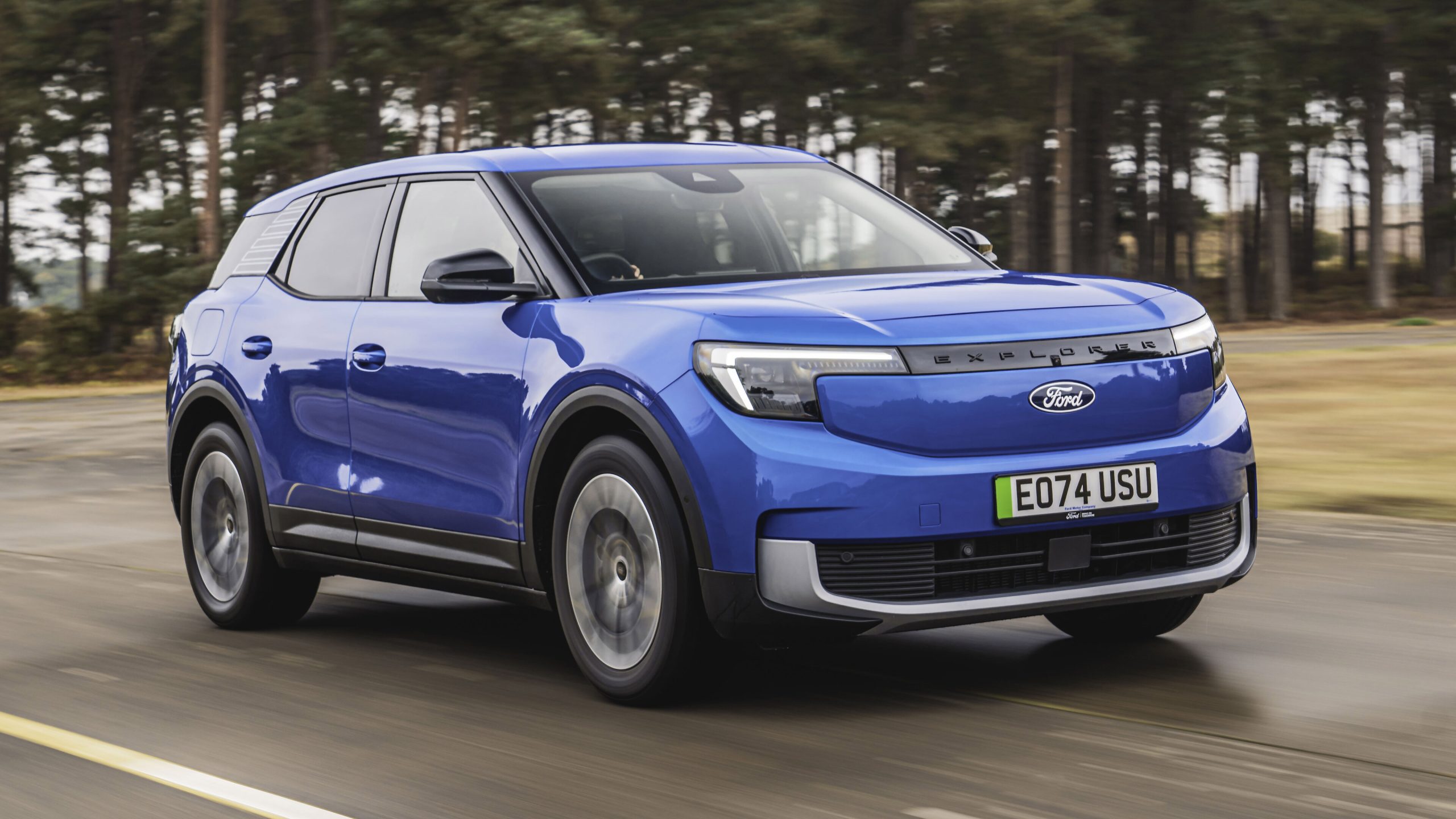
For 2026, the Explorer carries a Top Safety Pick designation. It also performs well in the IIHS pedestrian front crash-prevention evaluation. Both ratings matter for a vehicle marketed heavily to families with young children.
The Explorer’s rear-wheel-drive-based platform gives it a different driving character than many crossover-based rivals. It feels more like a traditional SUV on the road. Towing capacity also benefits from that architecture.
Cargo space behind the third row is modest compared to some competitors. Families who need maximum cargo room might find the Explorer tighter than expected. But the safety case here is hard to argue with.
Specifications (Ford Explorer):
- Engine: 2.3-liter turbocharged 4-cylinder
- Horsepower: 300 hp
- Torque: 310 lb-ft
- Length: 199.3 inches
- Width: 78.9 inches
3. Mazda CX-90
The Mazda CX-90 represents one of the bigger turnaround stories in rear-seat testing. Its CX-9 predecessor scored “Poor” in the original round of updated moderate overlap testing back in 2023. That was one of the worst results among midsize SUVs.
Mazda redesigned the platform from the ground up for the CX-90. Engineers specifically targeted the seatbelt tension and head restraint issues that plagued the CX-9. The fix worked.
By 2026, the CX-90 and its plug-in hybrid variant will both carry Top Safety Pick+ status. That’s the IIHS’s highest award, requiring strong marks across every category, including rear-seat protection. Few redesigns have closed such a wide safety gap in one generation.
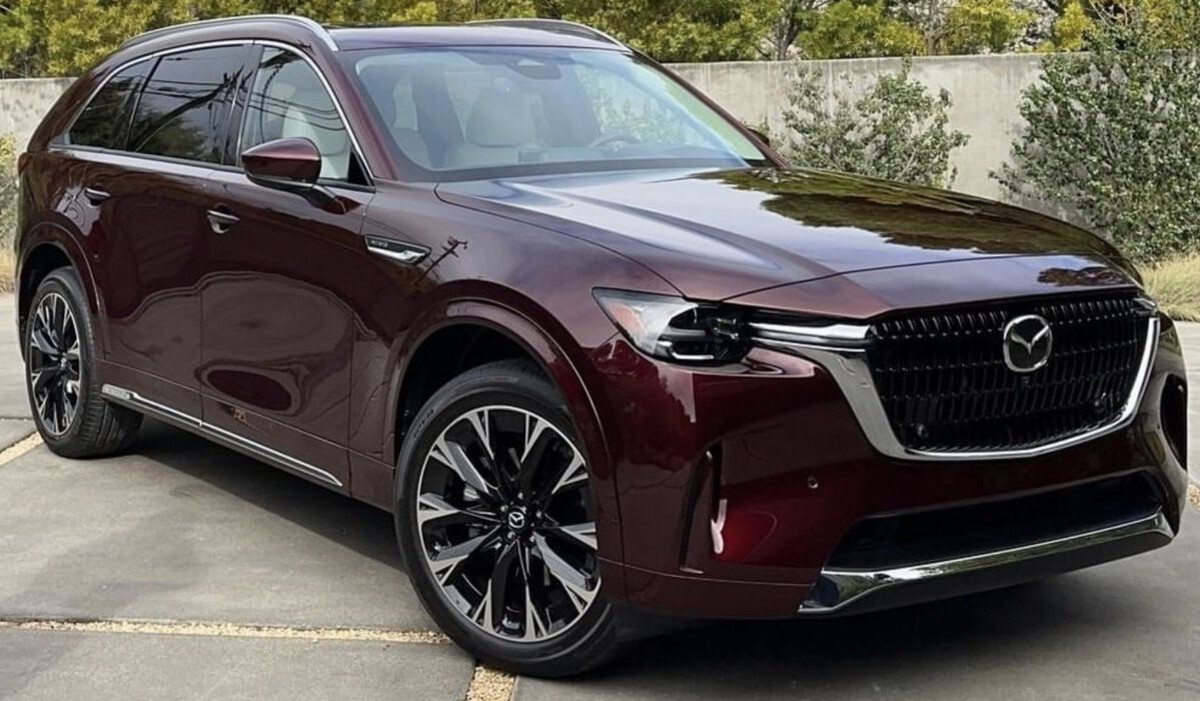
The CX-90’s rear-wheel-drive-based architecture also improved its crash structure compared to the older front-wheel-drive CX-9 platform. That structural change likely contributed to better force distribution during impact.
Inside, the CX-90 leans upscale for a mainstream-brand three-row SUV. Materials and fit-and-finish exceed what buyers might expect at this price point. The straight-six engine option adds a premium feel that’s unusual in this segment.
Third-row space remains tight, as it does in most two-row-based three-row SUVs. Adults will find the way-back seats best for shorter trips. Still, the safety improvement alone makes this a standout choice for families cross-shopping the segment.
Specifications (Mazda CX-90):
- Engine: 3.3-liter turbocharged inline-6
- Horsepower: 340 hp
- Torque: 369 lb-ft
- Length: 200.8 inches
- Width: 78.3 inches
4. Hyundai Santa Fe
The Hyundai Santa Fe took a noticeably different path through IIHS rear-seat testing. Earlier Santa Fe generations weren’t part of the original midsize three-row test group. But sibling models in Hyundai’s lineup, like the Palisade, scored “Poor” in that 2023 round.
That result pushed Hyundai to redesign its larger family vehicles with rear-seat protection as a priority. The current Santa Fe benefited directly from those engineering lessons. It now carries a Top Safety Pick+ rating for 2026, contingent on vehicles built after a certain production date.
The boxy new Santa Fe design isn’t just about looks. The squared-off proportions allowed engineers to rework the door structure and seatbelt anchor points. Those changes specifically targeted the chest and neck force measurements that earlier Hyundai models struggled with.
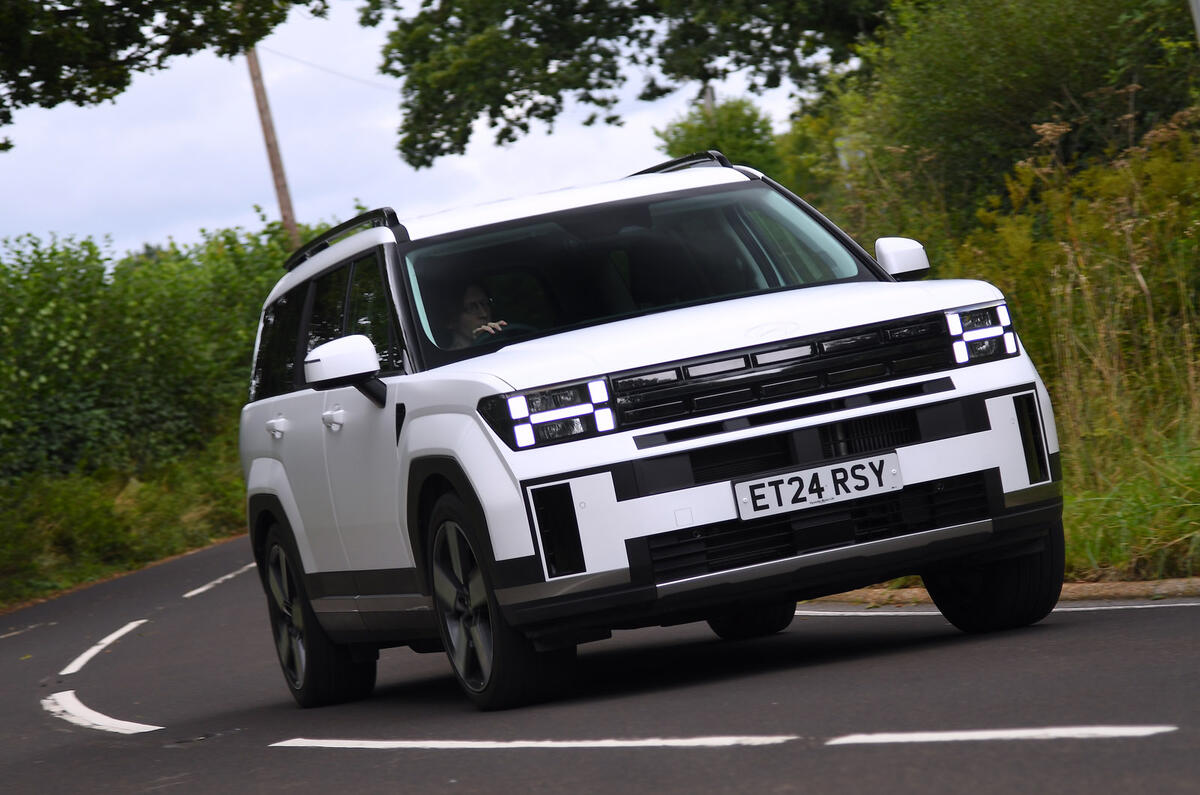
Standard automatic emergency braking and blind-spot monitoring also support the crash-avoidance half of the IIHS scoring system. Hyundai made these features standard rather than optional. That decision matters for the Top Safety Pick+ designation specifically.
The Santa Fe offers a hybrid powertrain alongside its standard turbocharged engine. Either way, it seats up to seven passengers across three rows. Cargo space is generous for the vehicle’s footprint.
Families looking for late-model safety improvements without stepping up to luxury pricing will find the Santa Fe compelling. It demonstrates how quickly a manufacturer can close a safety gap once rear-seat data is available.
Specifications (Hyundai Santa Fe):
- Engine: 2.5-liter turbocharged 4-cylinder
- Horsepower: 277 hp
- Torque: 311 lb-ft
- Length: 190.4 inches
- Width: 75.0 inches
Also Read: 7 Cars With Built-In Features Made For Camping And Overlanding
5. Tesla Model Y
The Tesla Model Y was one of the few vehicles to earn a “Good” rear-seat rating in the very first wave of updated IIHS testing in 2023. That made it stand out among both gas and electric competitors at the time. Few new model launches got rear-seat protection right immediately.
Testers did note a slight risk of head or neck injury, since the rear dummy’s head approached the front seatback during impact. That nuance kept the Model Y from a flawless result. Still, it remained in the top tier among midsize SUVs tested that year.
For 2026, the Model Y continues to earn strong recognition, with Top Safety Pick+ status reflecting both its crash structure and its standard crash-avoidance technology. Tesla’s automatic emergency braking and forward collision warning are standard across trims. That consistency helps with the stricter 2026 award criteria.
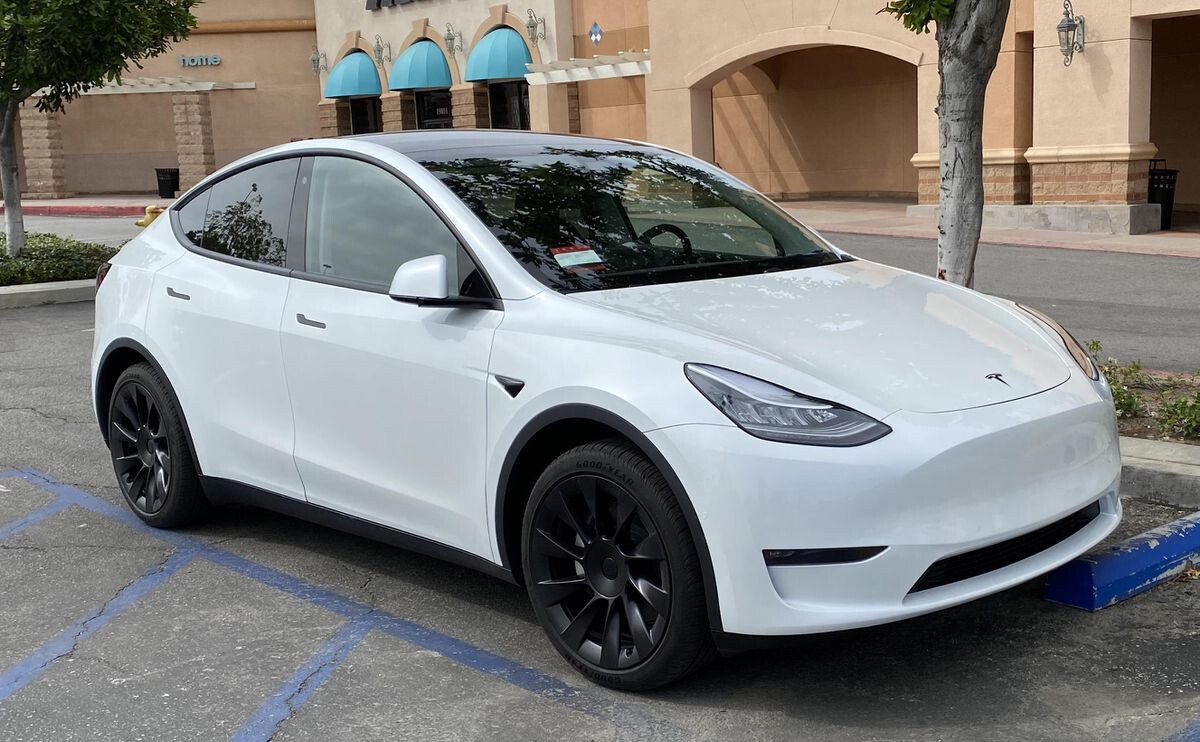
The Model Y’s low center of gravity, a byproduct of its underfloor battery pack, also improves rollover resistance. That’s a separate but related safety advantage relevant to family buyers. Heavier vehicles with low centers of gravity tend to resist tip-overs better in single-vehicle crashes.
Cabin space is generous despite the Model Y’s compact-crossover footprint. The flat floor created by the battery pack design opens up rear legroom. A panoramic glass roof brightens the cabin but can add heat in sunny climates.
Charging logistics remain a consideration unique to electric ownership. Families need to plan routes around charging infrastructure for longer trips. That tradeoff is worth weighing against the strong safety profile.
Specifications (Tesla Model Y):
- Engine: Dual electric motors
- Horsepower: 384 hp (Long Range AWD)
- Torque: 376 lb-ft
- Length: 187.0 inches
- Width: 75.6 inches
6. Volvo XC90
The Volvo XC90 has built its brand identity around safety for decades, and current rear-seat testing reflects that history. The XC90 carries Top Safety Pick recognition for 2026, with strong marks in both the moderate overlap and side-impact tests. Volvo’s structural engineering has long prioritized occupant protection over raw performance numbers.
Older Volvo crash test data going back to the early 2000s consistently showed above-average results, even before rear-seat-specific testing existed. The brand’s reputation for side-impact protection in particular predates the current IIHS methodology by many years. That long track record gives the XC90’s current scores additional context.
The XC90’s three-row layout includes standard advanced driver assistance features across the lineup. Forward collision warning, automatic braking, and lane-keeping assistance all come standard rather than as paid options. That standard-equipment approach aligns with how the IIHS now weighs crash-avoidance technology.
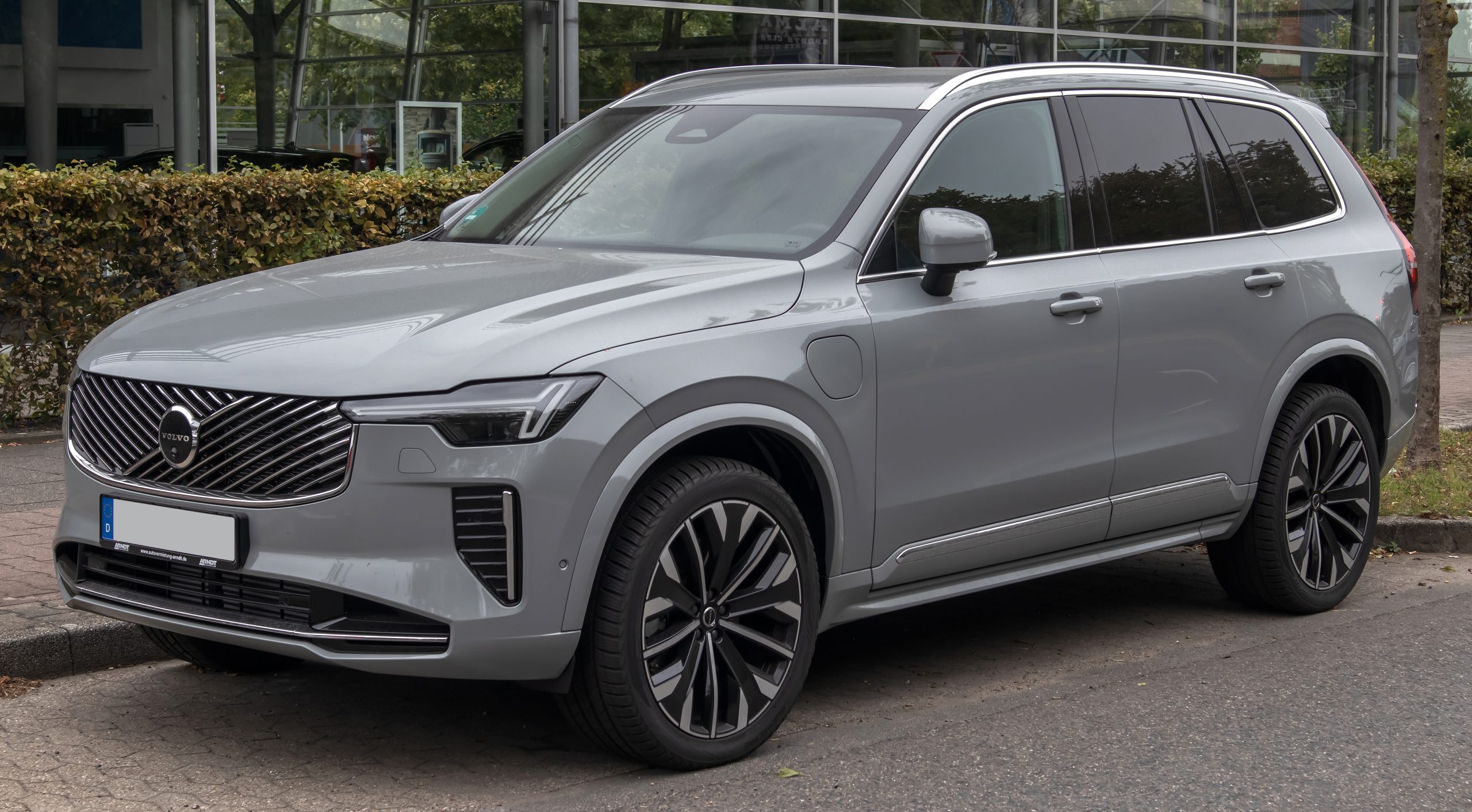
Inside, the XC90 offers a notably upscale cabin for a three-row SUV. Scandinavian design influences show up in the minimalist dashboard and high-quality materials. The optional plug-in hybrid powertrain adds efficiency without sacrificing the gasoline model’s safety architecture.
Third-row seating in the XC90 is best suited to children rather than adults on longer trips. That’s a common limitation across this size class. Cargo space shrinks significantly when the third row is in use.
Pricing positions the XC90 above mainstream three-row SUVs but below ultra-luxury competitors. For families prioritizing a long safety track record alongside modern crash-avoidance tech, it remains a strong choice.
Specifications (Volvo XC90):
- Engine: 2.0-liter turbocharged and supercharged 4-cylinder
- Horsepower: 295 hp
- Torque: 310 lb-ft
- Length: 195.6 inches
- Width: 79.1 inches
7. Honda Pilot
The Honda Pilot’s rear-seat story illustrates how quickly a single redesign can change outcomes. The previous-generation Pilot scored “Poor” in the original 2023 round of updated moderate overlap testing. Testers found a high risk of head or neck injury for the rear occupant in that older model.
Honda used the all-new Pilot generation to directly address those findings. Engineers reworked the rear seatbelt tensioning and head restraint geometry. The redesign also improved the vehicle’s structural rigidity, which helps across multiple crash test categories.
The result is a current Pilot that carries Top Safety Pick recognition for 2026. That’s a meaningful jump from the “Poor” rating its predecessor earned just a few years earlier. Few redesigns in this segment have shown such a clear before-and-after contrast.
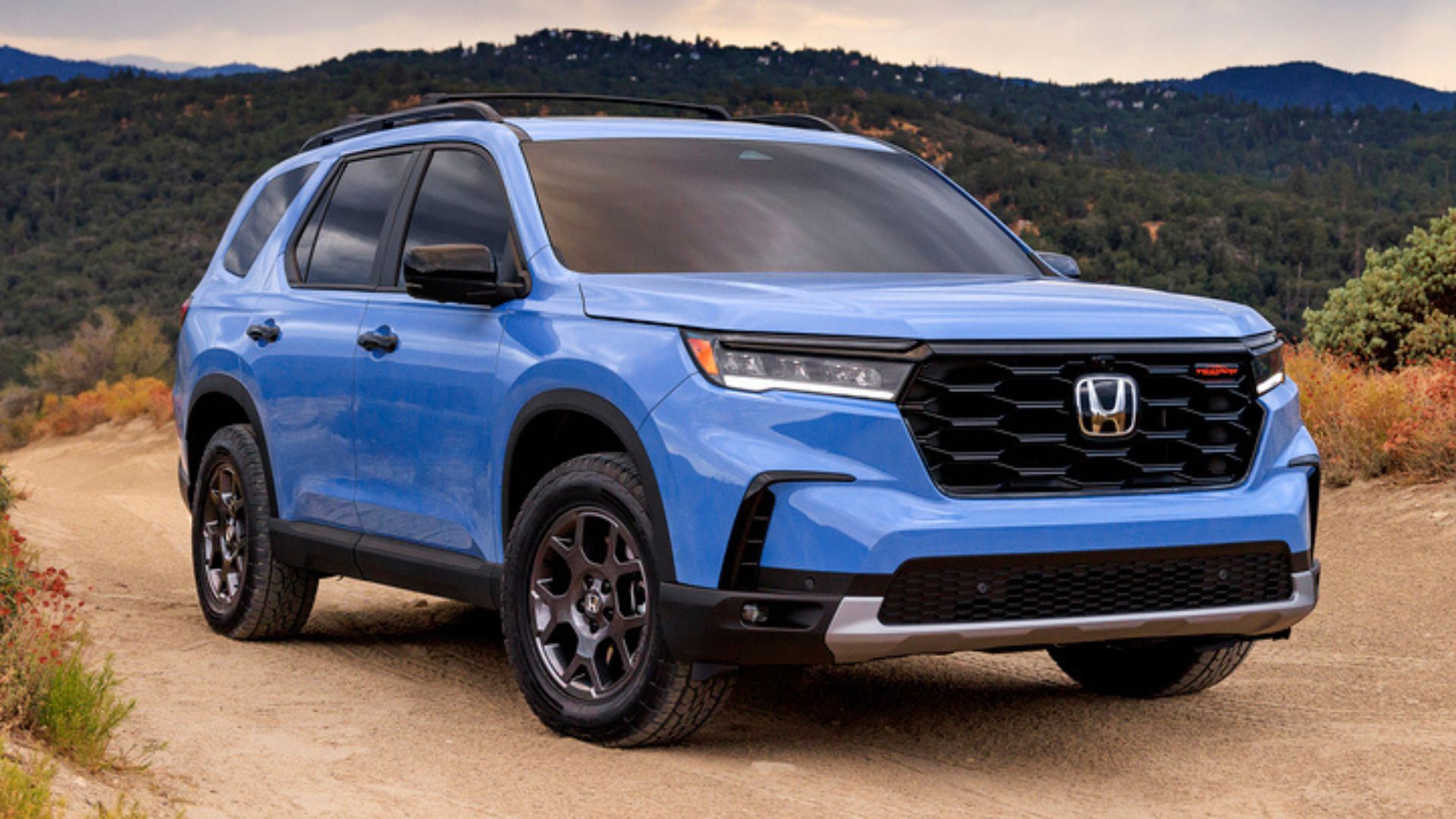
The Pilot’s V6 engine remains a point of differentiation in a segment increasingly dominated by turbocharged four-cylinders. Towing capacity benefits from that engine choice. Families who tow trailers or boats may find this relevant beyond the safety scores.
Honda Sensing, the brand’s suite of driver assistance features, comes standard across Pilot trims. That includes automatic emergency braking and road departure mitigation. Standard availability across the lineup matters for the IIHS’s current scoring approach.
Interior space is competitive within the segment, with usable third-row seating for smaller adults. Honda’s reputation for reliability also factors into many family buying decisions. The safety turnaround adds another strong argument for cross-shopping this redesigned model.
Specifications (Honda Pilot):
- Engine: 3.5-liter V6
- Horsepower: 285 hp
- Torque: 262 lb-ft
- Length: 199.9 inches
- Width: 78.6 inches
8. Kia Telluride
The Kia Telluride has earned consistent praise for family practicality, and its rear-seat crash protection has kept pace with that reputation. The current Telluride carries strong IIHS marks following Kia’s broader push to improve second-row protection across its larger SUVs. That effort mirrors similar work done on the related Hyundai Palisade platform.
Kia’s engineering team focused on reducing excessive seatbelt tension in the rear positions, a problem that affected several three-row SUVs in early rounds of updated testing. The Telluride’s structural updates addressed head restraint positioning as well. Those changes target the exact injury risks the IIHS dummy is designed to measure.
For 2026, the Telluride benefits from Kia’s broader rollout of standard crash-avoidance technology across trim levels. Forward collision avoidance and blind-spot monitoring come standard rather than being bundled into expensive option packages. That standard equipment approach supports stronger scores under the stricter 2026 award criteria.
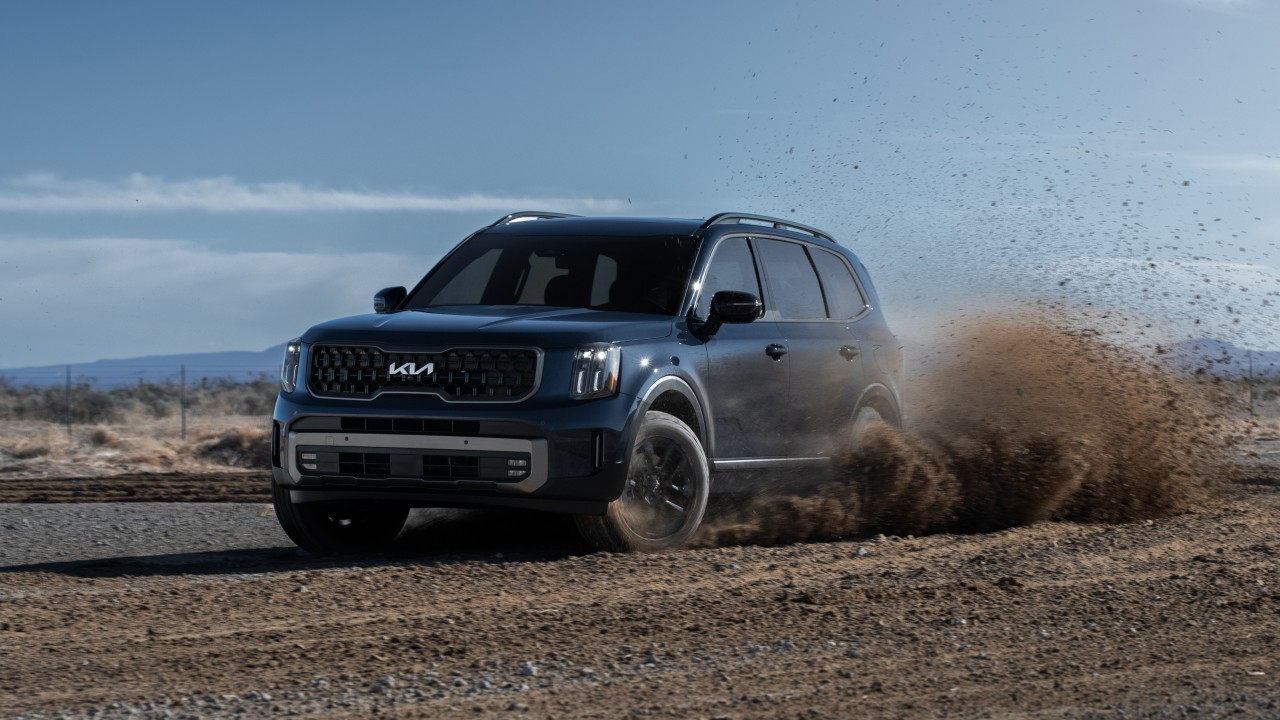
The Telluride’s boxy, upright design isn’t just aesthetic. It contributes to excellent rear visibility and a roomier-feeling cabin than its exterior dimensions might suggest. Three usable rows of seating remain a major selling point against two-row competitors.
Reliability ratings and a generous warranty add to the Telluride’s appeal for budget-conscious families. Pricing sits below many three-row luxury competitors while still delivering strong safety credentials. That value proposition has made it one of the best-selling three-row SUVs in its class.
Cargo space behind the third row is respectable but not class-leading. Families hauling significant gear may want to compare it against larger competitors. Still, the combination of safety, space, and price makes a compelling case.
Specifications (Kia Telluride):
- Engine: 3.8-liter V6
- Horsepower: 291 hp
- Torque: 262 lb-ft
- Length: 197.0 inches
- Width: 78.3 inches
Also Read: 8 Things To Check Before Buying A Used Motorcycle
