
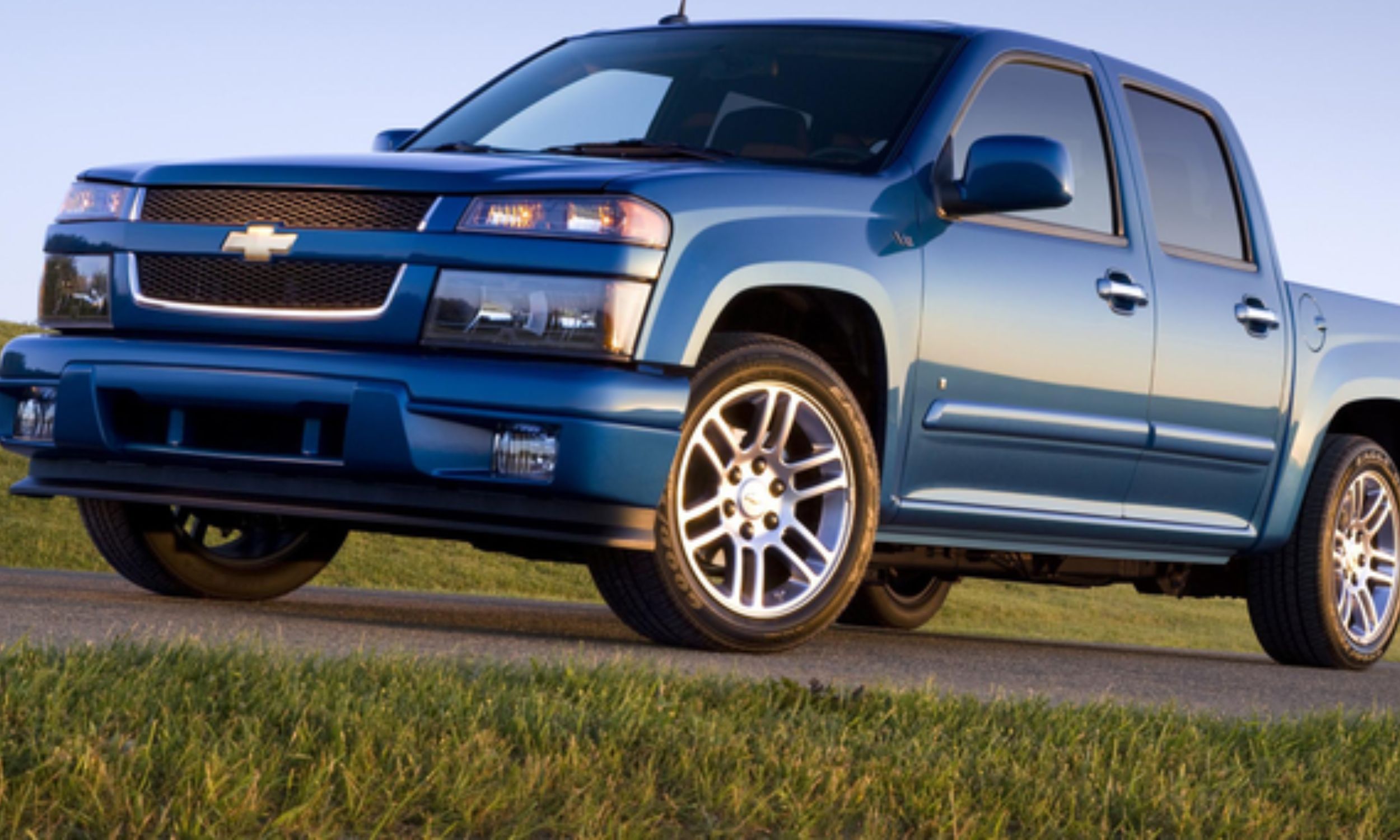
When a pickup rolls over, the strength of its roof becomes one of the most important factors in protecting the people inside. While engine performance and towing ability often attract buyers, roof durability can make a major difference during a serious crash. To evaluate this, the Insurance Institute for Highway Safety (IIHS) performs roof-strength tests that measure how much force a vehicle can withstand before the roof crushes into the passenger compartment.
The testing process uses a strength-to-weight ratio. Engineers press an angled steel plate against the roof and record the amount of force the structure can handle before it compresses by five inches. A truck must support at least four times its own curb weight to receive the highest Good rating. Ratios between 2.5 and 3.24 fall into the Marginal category, while anything below 2.5 earns a Poor rating because the roof provides much less resistance during heavy impacts.
Advances in vehicle engineering have helped many newer pickups achieve much stronger results. The use of high-strength steel, reinforced pillars, and improved roof structures has raised safety standards across much of the segment. Older truck designs, however, often lacked these improvements, leaving some models with much weaker roof performance during testing.
IIHS results reveal that a handful of pickups performed far below current expectations. Their lower strength-to-weight ratios show that the roof structures were less capable of maintaining cabin space during rollover conditions. The following eight trucks recorded some of the weakest roof-strength scores in IIHS testing, making them stand out for the wrong reasons when it comes to occupant protection.
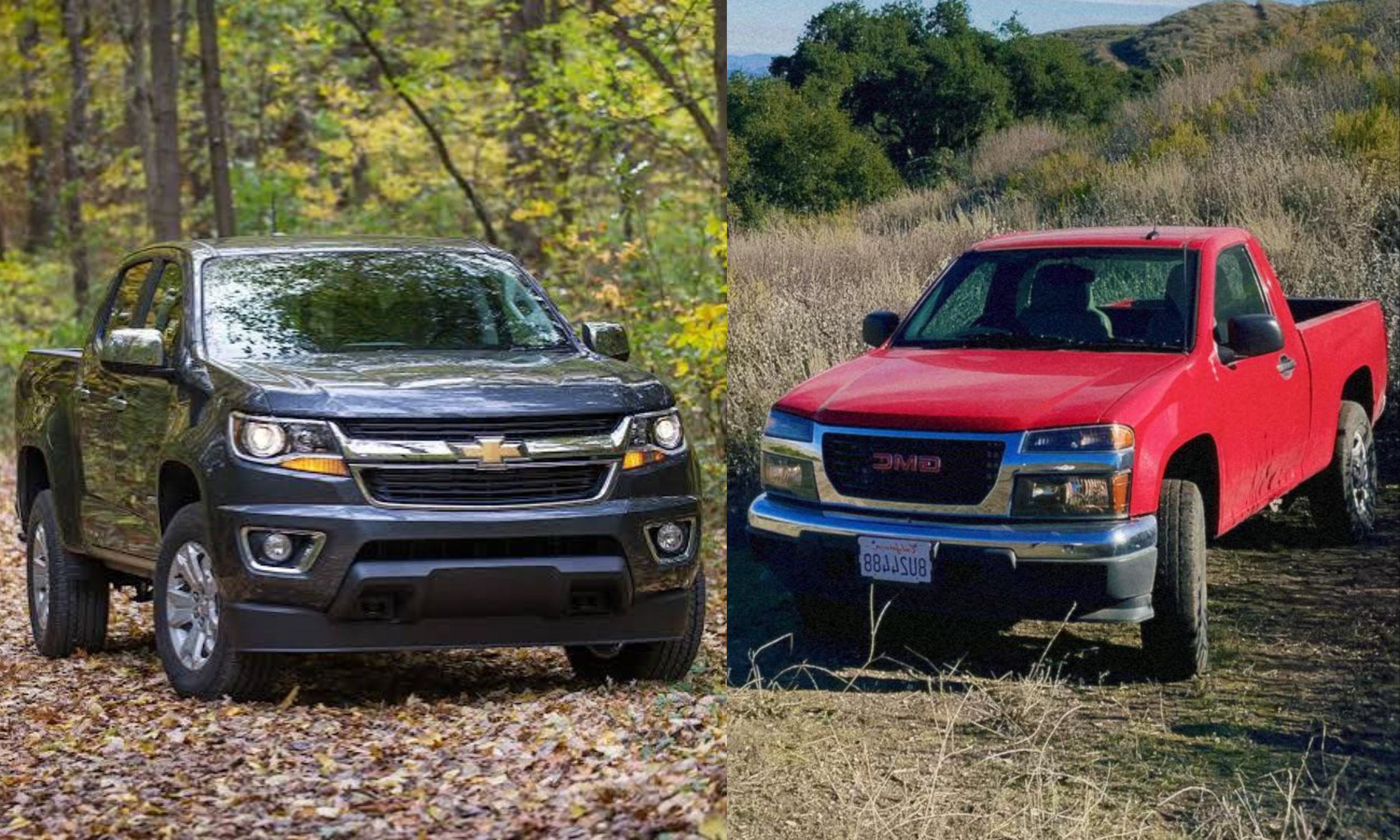
1. Chevrolet Colorado / GMC Canyon (First Generation)
Roof Strength Score: 2.18 SWR (Poor)
- Engine: 2.9L 4-Cylinder (or 3.7L 5-Cylinder)
- Horsepower: 185 hp to 242 hp
- Torque: 190 lb-ft to 242 lb-ft
- Size: 192.4 to 207.1 in Long x 67.6 in Wide
Among midsize pickups tested by the IIHS, the first-generation Chevrolet Colorado and its mechanically similar GMC Canyon recorded one of the lowest roof-strength results ever measured. Buyers could choose between a 2.9-liter four-cylinder engine and a 3.7-liter five-cylinder, delivering between 185 and 242 horsepower with torque ranging from 190 to 242 lb-ft. Depending on the cab and bed configuration, the trucks measured between 192.4 and 207.1 inches in length, while every version maintained a width of 67.6 inches.
The trucks received a strength-to-weight ratio of just 2.18, placing them well below the standard required for a strong roof-strength rating. During testing, the roof reached the five-inch crush limit after supporting only a little more than twice the truck’s curb weight. By comparison, newer pickups with top safety ratings are designed to withstand much higher loads before reaching the same amount of roof deformation.
This level of roof performance raises concerns during rollover crashes. A roof that gives way more easily in controlled testing may provide less protection if the vehicle rolls several times in a real-world accident. Greater roof intrusion can increase the likelihood of head and neck injuries for occupants because the passenger compartment loses more of its protective space under heavy impact.
Engineering reviews have pointed to limited reinforcement in the A-pillars and roof rails as major reasons behind the truck’s poor performance. Those structural areas play an important role in supporting the roof during a rollover, and weaknesses there affect the final result. Anyone considering a used first-generation Colorado or GMC Canyon should keep this safety rating in mind, as it remains one of the weakest roof-strength performances recorded in the midsize pickup segment.
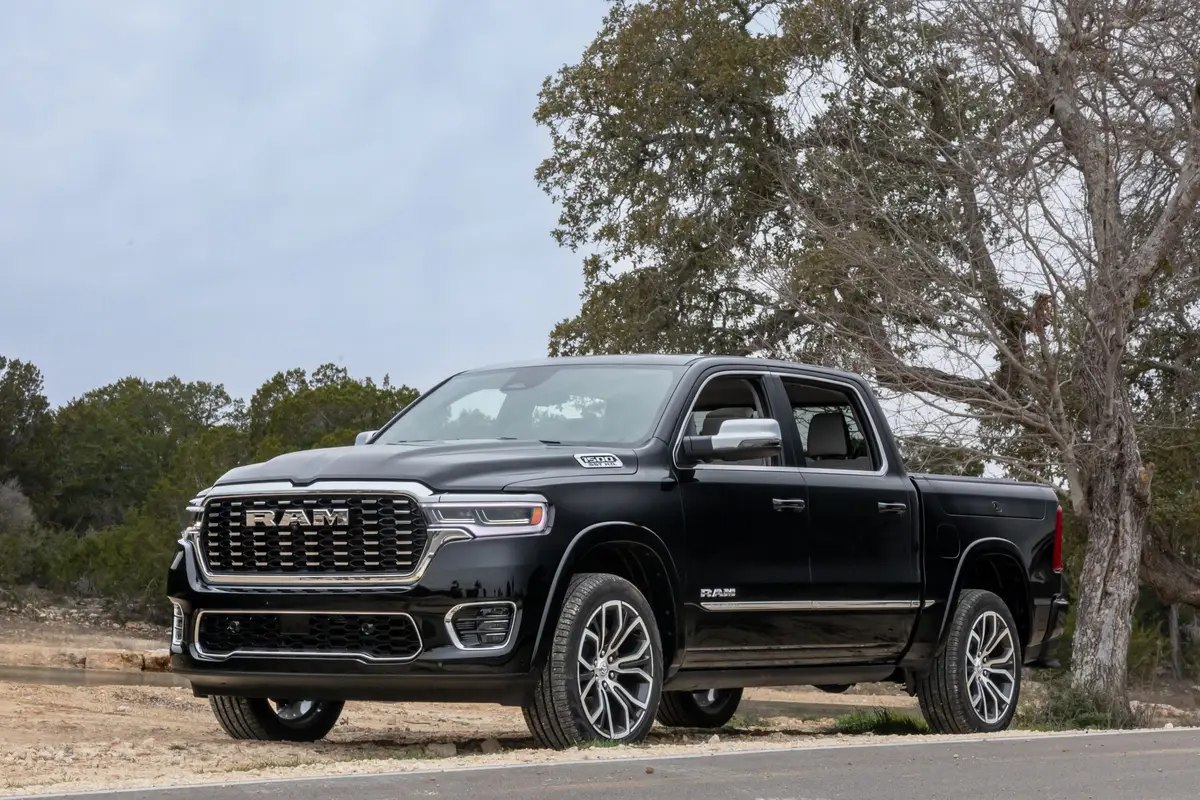
2. Dodge Ram 1500 (Quad Cab / Early Fourth Generation)
Roof Strength Score: 2.97 SWR (Marginal)
- Engine: 4.7L V8 (or 5.7L HEMI V8)
- Horsepower: 310 hp to 390 hp
- Torque: 330 lb-ft to 407 lb-ft
- Size: 229.0 in Long x 79.4 in Wide
Dodge marketed the fourth-generation Ram 1500 heavily around toughness and capability, equipping it with either a 4.7L V8 or the more powerful 5.7L HEMI V8, generating horsepower between 310 and 390 alongside torque figures from 330 to 407 lb-ft. The Quad Cab configuration stretched 229.0 inches long and 79.4 inches wide, presenting a genuinely substantial full-size truck footprint on the road.
Despite all that marketing muscle, roof-strength testing exposed a real structural shortfall once engineers pressed that angled plate into the cabin frame. The truck’s score of 2.97 lands squarely within Marginal territory, falling short of the 3.25 threshold needed to clear into Acceptable range, let alone approach the Good rating that newer trucks routinely achieve today.
The core problem traces back to a mismatch between sheer mass and structural reinforcement. This Ram’s heavy sheet metal cabin frame could not fully support the truck’s own substantial unladen curb weight during vertical stress trials, meaning the roof needed proportionally more reinforcement than it actually received to keep pace with how much truck it was being asked to protect.
This result surprised some industry observers, given how aggressively Dodge promoted the Ram’s durability credentials during this exact production era. A truck heavy enough to require serious structural reinforcement, yet not actually built with quite enough of that reinforcement in the right places, created precisely the kind of gap that dragged this particular generation into Marginal scoring territory rather than the stronger result buyers might reasonably have expected from a truck this size and weight class
Also Read: Pickup Trucks Rank As The Least Reliable Vehicle Type Of 2026
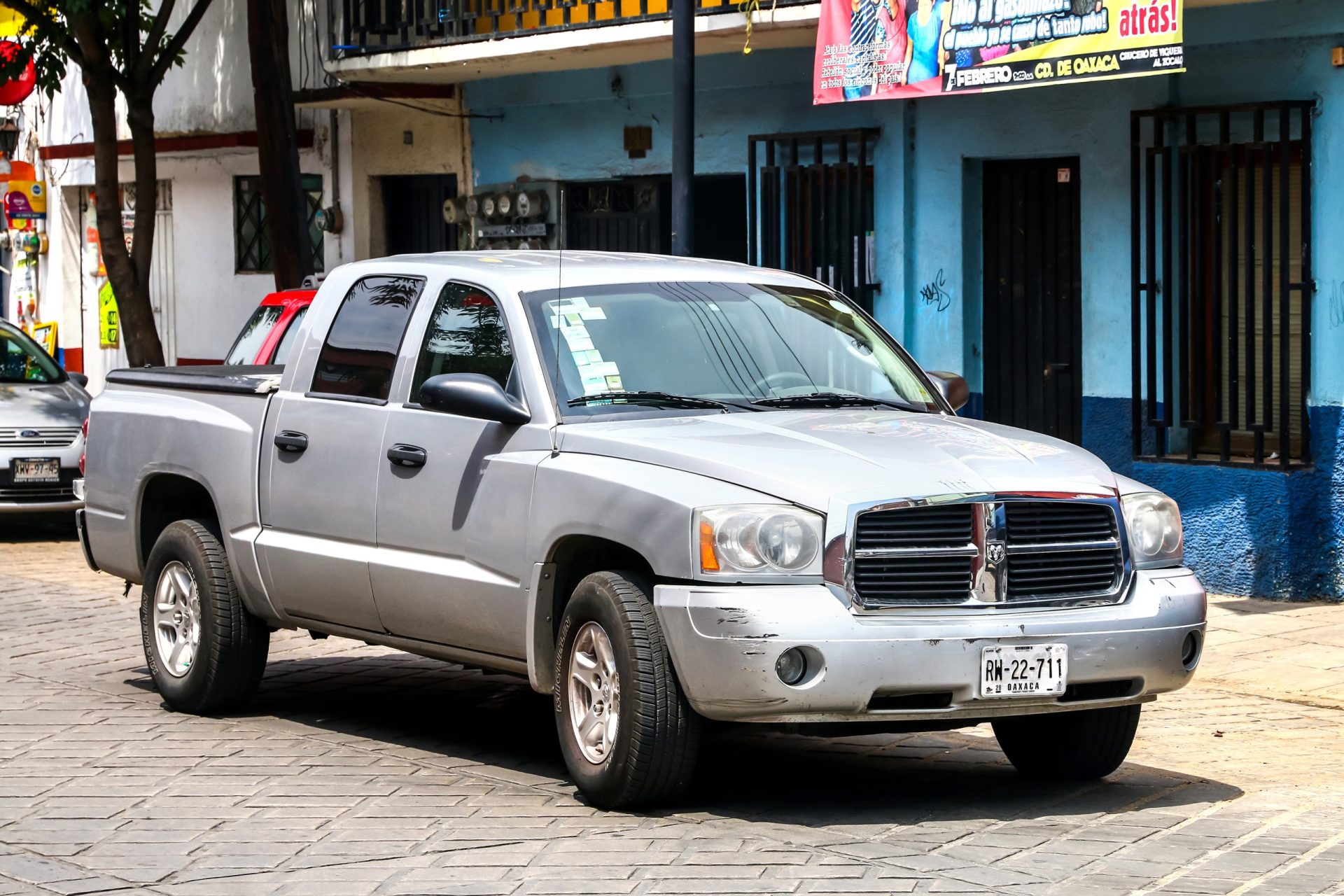
3. Dodge Dakota (Late Production Era)
Roof Strength Score: 3.23 SWR (Marginal)
- Engine: 3.7L V6 (or 4.7L V8)
- Horsepower: 210 hp to 302 hp
- Torque: 235 lb-ft to 329 lb-ft
- Size: 218.5 in Long x 71.7 in Wide
The Dodge Dakota carved out its own place between traditional midsize and full-size pickups during its later production years. Buyers had the option of a 3.7-liter V6 or a 4.7-liter V8, with power ranging from 210 to 302 horsepower and torque between 235 and 329 lb-ft. Measuring 218.5 inches long and 71.7 inches wide, the Dakota offered dimensions that were larger than many midsize trucks, giving it a stronger road presence than its class suggested.
Roof-strength testing exposed one area where the truck fell short. The Dakota received a score of 3.23, narrowly missing the 3.25 mark required for an Acceptable rating. Missing that target by such a small margin showed that the truck came very close to earning a higher safety classification, making the result especially disappointing.
Engineers reviewing the test found that the upper B-pillars were responsible for much of the performance loss. During the roof compression test, these pillars deformed earlier than expected under increasing pressure. The rest of the cab structure remained fairly stable, but the limited strength in this single area prevented the truck from achieving a better score.
Built on a sturdy platform that often felt closer to a full-size pickup than a midsize model, the Dakota demonstrated solid engineering in many areas. Even so, roof-strength testing showed how one weak structural component can affect an entire safety rating. A small improvement to the B-pillar design could have pushed the truck into the next rating category, proving that even minor structural refinements can make a measurable difference in crash-test performance.
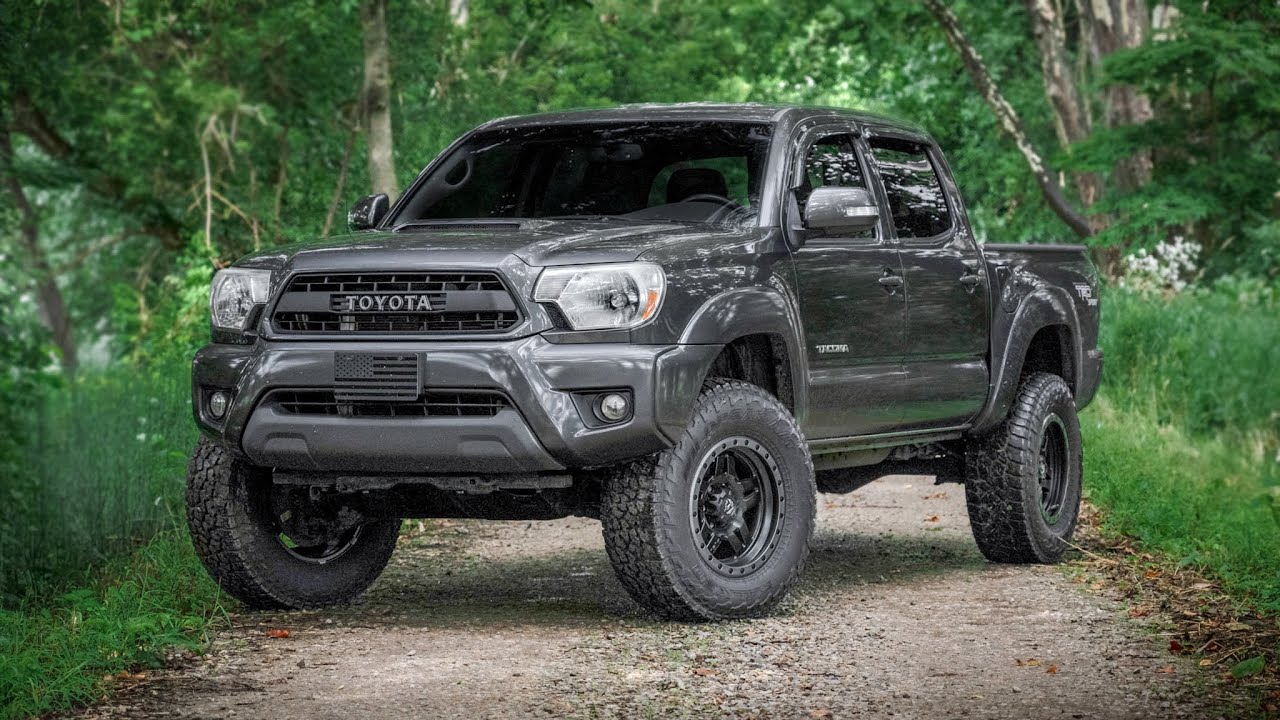
4. Toyota Tacoma (Second Generation)
Roof Strength Score: 3.08 SWR (Marginal)
- Engine: 2.7L 4-Cylinder (or 4.0L V6)
- Horsepower: 159 hp to 236 hp
- Torque: 180 lb-ft to 266 lb-ft
- Size: 190.4 to 221.3 in Long x 74.6 in Wide
Toyota’s second-generation Tacoma built an enormous following thanks to its legendary mechanical reliability, a reputation that helped this midsize truck dominate resale values for years after production ended. Buyers chose between a 2.7L four-cylinder and a 4.0L V6, producing horsepower between 159 and 236 alongside torque ranging from 180 to 266 lb-ft. Depending on the cab configuration, the length spanned from 190.4 to 221.3 inches, with a consistent width of 74.6 inches.
That celebrated mechanical durability, unfortunately, did not extend into the roof structure when IIHS engineers eventually put this generation through testing. The Tacoma posted a 3.08 strength-to-weight ratio, landing it within Marginal territory rather than the stronger Acceptable or Good ratings that loyal Toyota buyers might have assumed their dependable truck would naturally earn.
Roof-rail deformation occurring earlier than expected during the testing process explained much of this shortfall. Rather than holding firm under the angled plate’s increasing pressure, the upper rail structure began bending before reaching anywhere close to the four-times-curb-weight threshold required for a top Good rating, exposing a genuine gap between this truck’s drivetrain engineering and its structural safety design.
This result genuinely surprised plenty of long-term Tacoma owners, who had grown accustomed to viewing this nameplate as essentially bulletproof across every category that mattered. The second-generation Tacoma’s roof-strength shortfall serves as a useful reminder that mechanical reliability and structural crash safety represent two entirely separate engineering challenges, and a truck excelling dramatically in one area does not automatically guarantee comparable strength in the other.
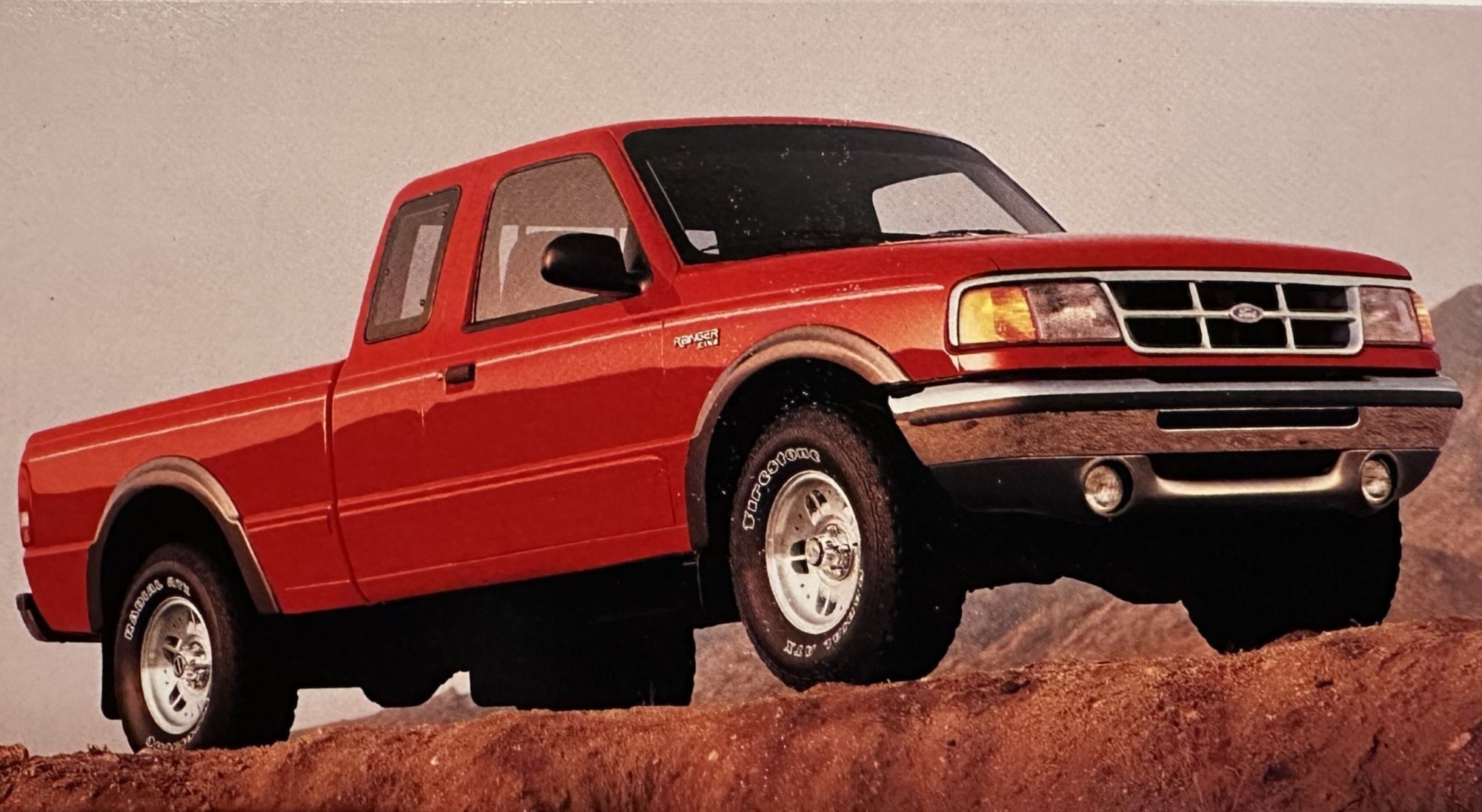
5. Ford Ranger (Classic Compact Architecture)
Roof Strength Score: 3.32 SWR (Acceptable)
- Engine: 2.3L 4-Cylinder, 3.0L V6, or 4.0L V6
- Horsepower: 143 hp to 207 hp
- Torque: 154 lb-ft to 238 lb-ft
- Size: 177.5 to 201.7 in Long x 69.4 in Wide
Ford’s classic compact Ranger spent decades as one of the best-selling small trucks in America, offering buyers a choice between a 2.3L four-cylinder, a 3.0L V6, or a 4.0L V6 engine, with horsepower ranging from 143 to 207 and torque spanning 154 to 238 lb-ft. Depending on configuration, this generation’s length stretched anywhere from 177.5 to 201.7 inches, with a width of 69.4 inches across the lineup.
Roof-strength testing placed this classic Ranger just barely on the right side of the Marginal line, scoring a 3.32 that technically clears the 3.25 threshold needed to reach Acceptable status. That narrow margin of success deserves real context, though, since scraping past a grading boundary by such a slim amount hardly represents a genuinely confident structural performance.
Comparing this older compact architecture against more modern trucks reveals exactly why that score, while technically passing, still falls considerably short of impressive. The old Ranger’s design demonstrated higher roof deflection throughout the testing process compared to larger, more modern trucks now built using high-strength boron steel throughout their cabin structure, a material that simply did not exist in this generation’s original engineering specifications.
This particular result highlights an important distinction worth understanding about IIHS grading categories generally. Acceptable status sits comfortably above a failing Poor or Marginal grade, yet it still represents a meaningfully weaker structural performance compared to a genuinely Good-rated truck.
The classic Ranger’s score illustrates that passing grade and excellent grade are two very different things, particularly once newer competing designs raise the bar considerably higher than older compact platforms were ever engineered to clear.
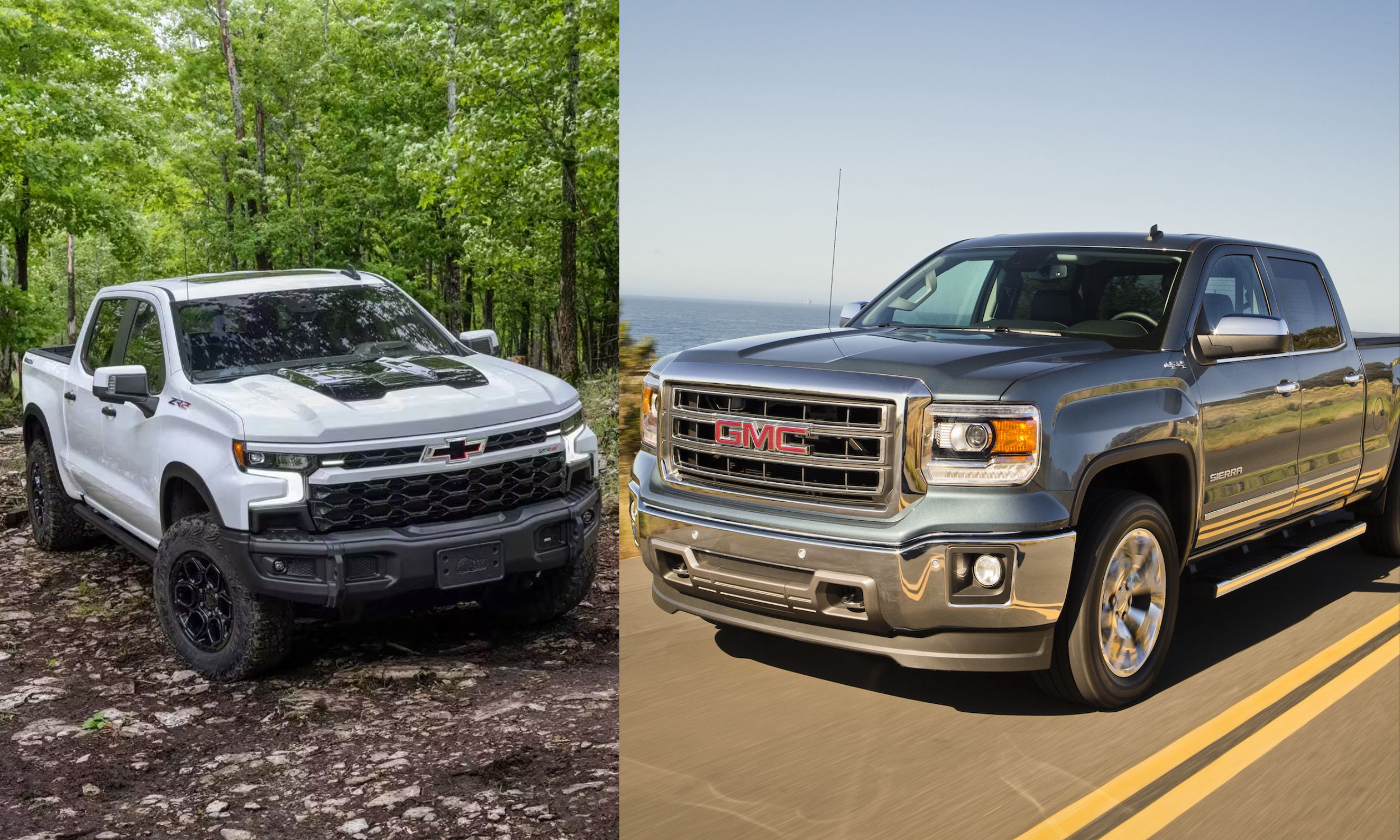
6. Chevrolet Silverado 1500 / GMC Sierra 1500 (Extended Cab / Older Platform)
Roof Strength Score: 3.41 SWR (Acceptable)
- Engine: 4.3L V6, 4.8L V8, or 5.3L V8
- Horsepower: 195 hp to 315 hp
- Torque: 260 lb-ft to 335 lb-ft
- Size: 220.3 to 230.2 in Long x 80.0 in Wide
Older versions of the Chevrolet Silverado 1500 and its GMC Sierra 1500 counterpart gave buyers several engine choices, including a 4.3-liter V6, a 4.8-liter V8, and a 5.3-liter V8. Depending on the selected powertrain, output ranged from 195 to 315 horsepower, while torque varied between 260 and 335 lb-ft. Body configurations also differed, with lengths ranging from 220.3 to 230.2 inches and a consistent width of 80.0 inches across the lineup.
Extended cab models from this generation featured a design that affected structural strength. To accommodate rear-hinged back doors, these trucks did not include a traditional center B-pillar. This layout made entering the rear seating area easier, though it also removed an important support structure found in crew cab models with conventional rear doors.
Roof-strength testing highlighted the effects of that design choice. Without the center pillar reinforcing the cabin, the roof structure bent more quickly when subjected to side compression forces. Crew cab versions handled these loads better because the B-pillar helped distribute pressure between the roof and the truck’s frame, improving structural support during testing.
The extended cab earned a roof-strength score of 3.41, placing it in the Acceptable category. While that result still reflected a reasonable level of protection, it trailed the performance of crew cab models built on the same platform. Buyers comparing these body styles should recognize that the added convenience of rear-hinged doors came with a reduction in structural strength. Although both versions shared similar engines, chassis components, and mechanical systems, the difference in cab design had a direct effect on roof-strength performance.
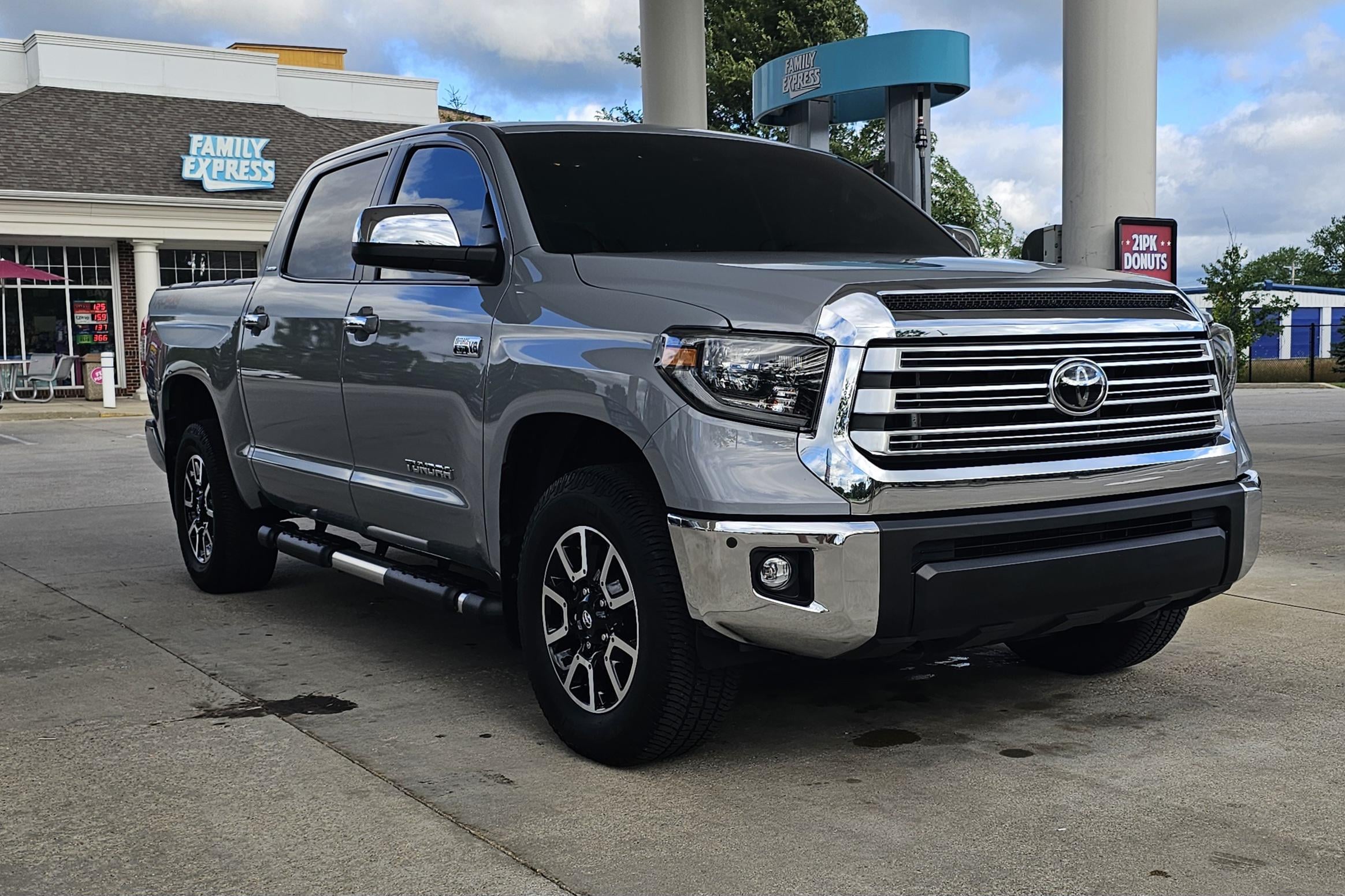
7. Toyota Tundra (Double Cab / Early Second Gen)
Roof Strength Score: 3.45 SWR (Acceptable)
- Engine: 4.0L V6, 4.6L V8, or 5.7L V8
- Horsepower: 270 hp to 381 hp
- Torque: 278 lb-ft to 401 lb-ft
- Size: 228.7 in Long x 79.9 in Wide
Toyota’s second-generation Tundra represented the brand’s serious push into the full-size truck segment, offering a 4.0L V6, 4.6L V8, or top-tier 5.7L V8, with horsepower spanning 270 to 381 and torque ranging from 278 to 401 lb-ft. The Double Cab configuration measured a substantial 228.7 inches long and 79.9 inches wide, placing it firmly among the largest trucks discussed throughout this entire roundup.
Sheer physical mass became the defining factor working against this particular Tundra’s roof-strength score. Because the truck carries so much unladen curb weight straight out of the factory, the upper cab structure needed to clear correspondingly higher force thresholds just to reach that same 4.0 target ratio that lighter trucks can achieve with comparatively less absolute structural reinforcement.
That mathematical relationship between weight and required strength explains why a genuinely well-built truck can still land in merely Acceptable territory rather than achieving a top Good rating. The Tundra’s 3.45 score reflects a roof structure that performed reasonably well in absolute terms, yet still fell short of the considerably higher bar that its own substantial curb weight effectively set for it during testing.
This pattern repeats across several heavier trucks throughout this entire list, illustrating a genuine engineering challenge facing manufacturers building larger, heavier vehicles. A heavier truck cannot simply match the same absolute roof strength as a lighter competitor and expect an equivalent score, since the strength-to-weight calculation specifically penalizes mass that is not matched by proportionally greater structural reinforcement throughout the cabin and roof rail system.
Also Read: 8 Trucks Ranked by Maximum Towing Capacity in 2026
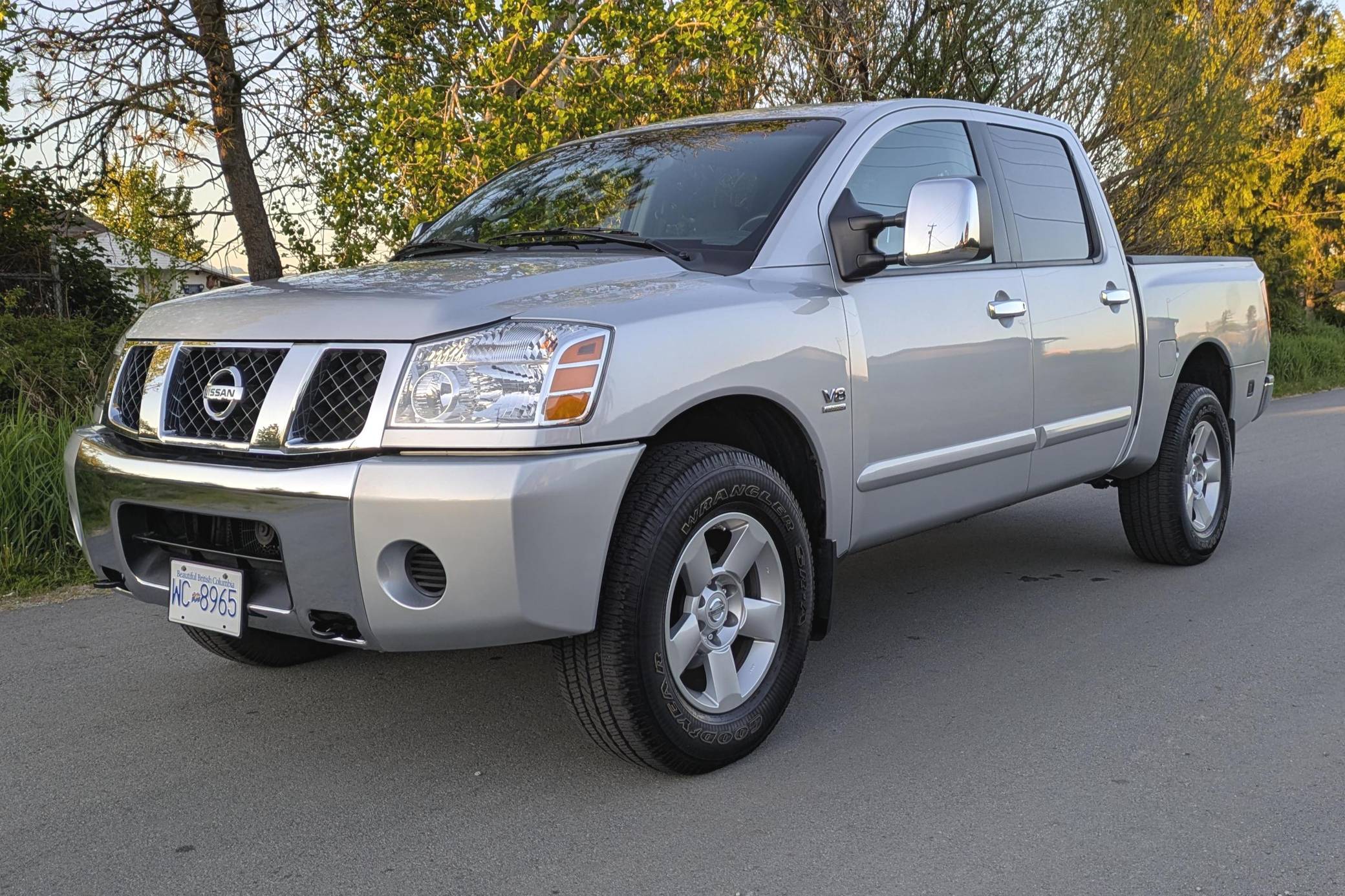
8. Nissan Titan (First Generation Baseline)
Roof Strength Score: 3.52 SWR (Acceptable)
- Engine: 5.6L V8
- Horsepower: 305 hp to 317 hp
- Torque: 379 lb-ft to 385 lb-ft
- Size: 224.2 to 244.2 in Long x 78.8 in Wide
When Nissan introduced the first-generation Titan, it entered the highly competitive full-size pickup segment with a single 5.6-liter V8 engine. Depending on the model year, the engine delivered between 305 and 317 horsepower along with 379 to 385 lb-ft of torque. The truck’s length ranged from 224.2 to 244.2 inches based on cab and bed configuration, while every version measured 78.8 inches wide. Those dimensions placed it alongside many well-established domestic full-size pickups.
Crash testing showed that the Titan’s structure had both strengths and weaknesses. The cab demonstrated solid rigidity, suggesting Nissan built a sturdy foundation for its first full-size truck. Much of the body held up well during roof-strength testing, reflecting careful engineering throughout the main structure.
The roof itself, however, did not perform as well as the rest of the truck. As testing loads increased, the roof panel flexed more than those found on several competing pickups from the same period. While the frame continued to provide dependable support, the roof lacked enough reinforcement to match the strongest designs available at the time.
The Titan earned a roof-strength score of 3.52, placing it in the Acceptable category rather than the highest Good rating. Even so, its result exceeded that of several other trucks from the same era. Nissan’s first attempt at building a full-size pickup proved that the company had developed a durable platform, though additional roof reinforcement would have helped raise its safety performance to a higher level.
